99.999%
Max SiO₂ Purity
1683°C
Softening Point
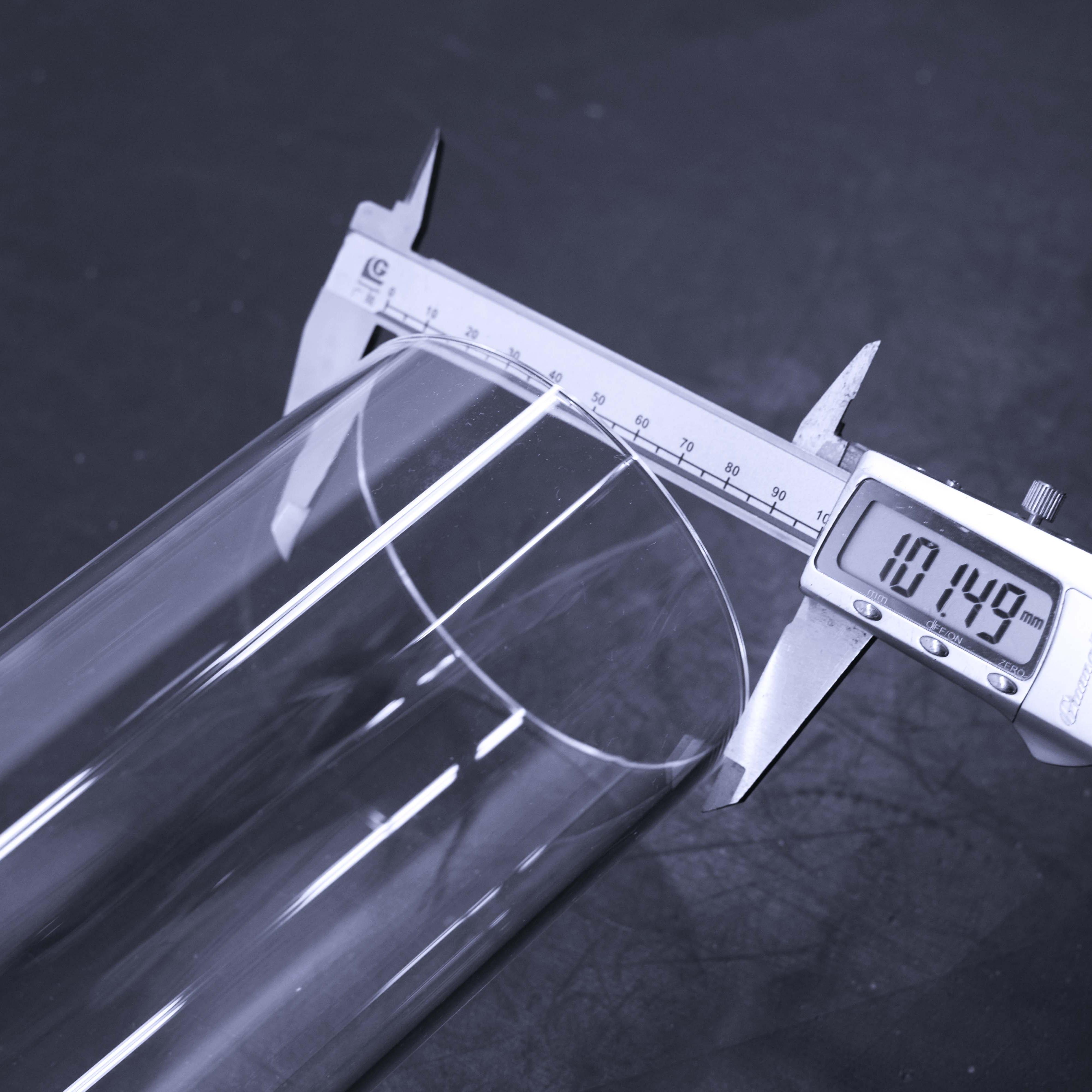
±0.05mm
Slot Pitch Precision
1 PC
Custom Prototype MOQ
High-Performance Portfolio
Semiconductor & Laboratory Quartz Essentials
Manufactured from ultra-pure natural quartz sands in Donghai, custom flame-worked, CNC-machined, and precision-annealed for microelectronics, LPCVD, and high-temperature thermal processing.
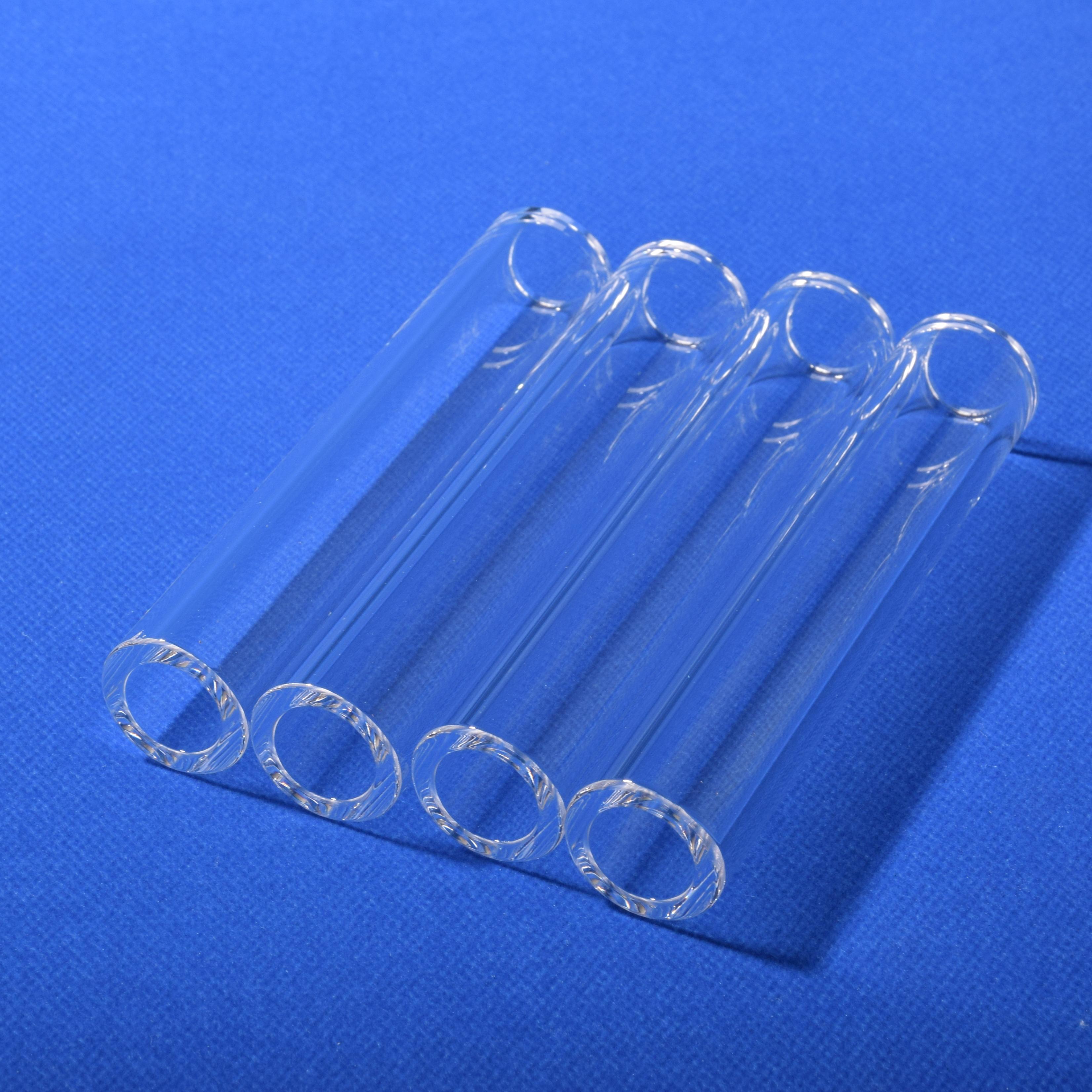
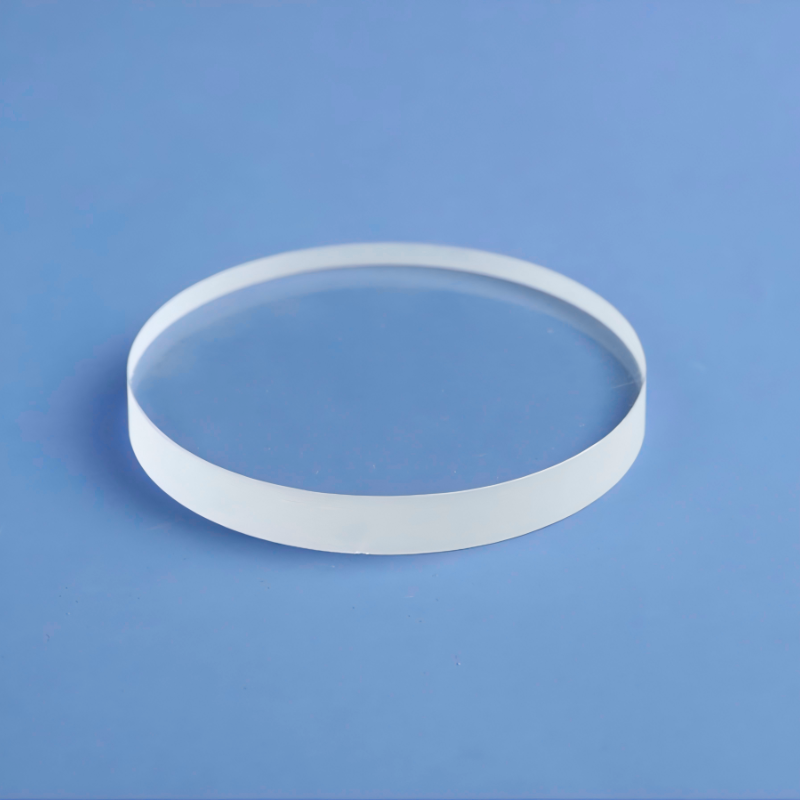
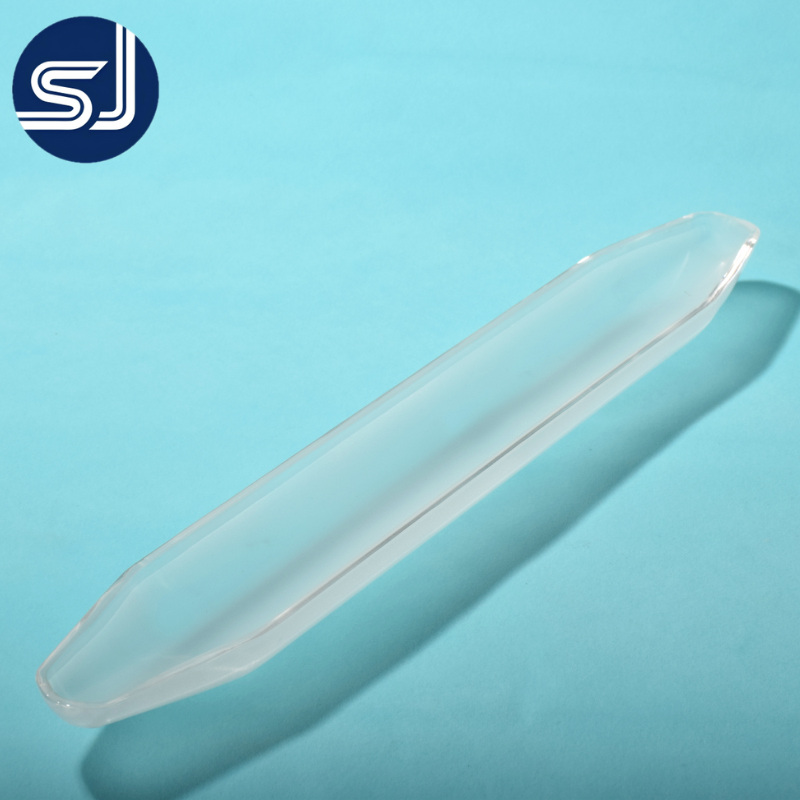
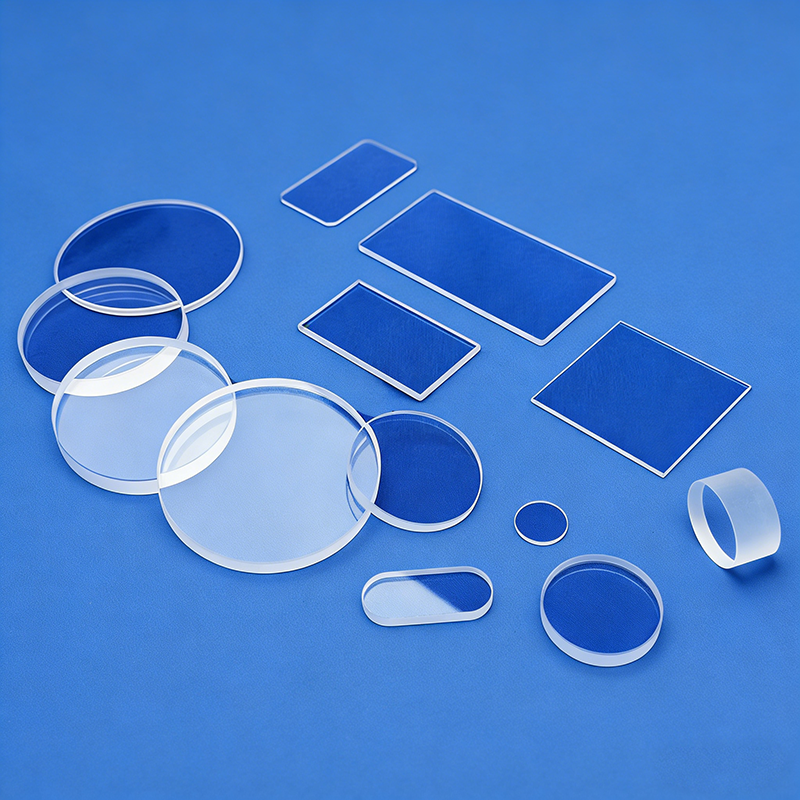
Semiconductor Thermal Processing in Portland's Silicon Forest: Technical Application Analysis
The greater Portland metropolitan area—anchored across the high-tech corridors of Hillsboro, Beaverton, Tigard, and Vancouver, WA—represents one of the world's most concentrated microelectronics ecosystems. Popularly designated the Silicon Forest, this regional sub-cluster is defined by intensive research and manufacturing in sub-10nm logic nodes, advanced compound semiconductor fabrication (GaN, SiC, GaAs), advanced micro-electromechanical systems (MEMS), and silicon photonics packaging. Within these rigorous production environments, the performance of furnace carriers and wafer handling fixtures is not merely a consumable consideration; it is a critical variable directly dictating overall die yield, thermal uniformity, and particle contamination indexes.
"In sub-14nm and sub-7nm diffusion regimes, trace mobile ion migration (specifically Na⁺, K⁺, and Fe²⁺) originating from lower-grade vitreous silica carriers causes irreversible gate oxide degradation and gate leakage. Vulra Quartz vessels suppress total transition metallic impurities to below 5 ppm through selective Donghai natural crystal refining and hydrogen-oxygen flame vitrification."
Thermal Shock Regimes in Horizontal & Vertical LPCVD / ALD Operations
Portland fab engineers subjected to fast-ramp thermal recipes (RTP, low-pressure chemical vapor deposition, atomic layer deposition, and dry/wet wafer oxidation) demand quartzware exhibiting exceptionally low coefficients of thermal expansion (CTE). Our fused silica boats and carrier fixtures deliver an average thermal expansion coefficient of 5.5 × 10⁻⁷ / °C between 20°C and 1000°C. This minute dimensional change eliminates micro-shearing stresses against ultra-thin silicon wafers during emergency furnace quenches or automated robotic push/pull transfers.
| Thermal & Physical Property | Vulra Semiconductor Grade (SJ-140) | Standard Commercial Quartz | Engineering Fab Implication |
|---|---|---|---|
| SiO₂ Purity Level | ≥ 99.999% (5N) | 99.9% - 99.95% | Eliminates mobile ionic cross-contamination at high thermal drive-in. |
| Strain Point / Annealing Point | 1070 °C / 1180 °C | 1020 °C / 1120 °C | Prevents structural slot sagging and carrier distortion under multi-wafer load. |
| Softening Point | 1683 °C | 1630 °C | Guarantees dimensional stability during short-term thermal spiking (≤ 1450°C). |
| OH Content (Hydroxyl) | ≤ 15 - 30 ppm (Controlled) | ≥ 150 - 200 ppm | Reduces high-temperature structural devitrification (cristobalite crystal growth). |
| Wafer Slot Tolerance | ± 0.05 mm (CNC Diamond Milled) | ± 0.20 - 0.35 mm | Eliminates automated robotic end-effector wafer transfer collisions. |
Chemical Inertness & Slag-Free Slot Machining
A persistent issue reported by wafer fab operational teams in the Pacific Northwest involves microscopic quartz dust shedding and thermal devitrification hazing at laser-cut or flame-dressed slot corners. Vulra Quartz counters this through proprietary multi-axis CNC cold diamond grinding combined with secondary oxy-hydrogen micro-fire polishing and a final high-concentration hydrofluoric (HF) acid cleaning step. The result is a smooth, mirror-polished slot profile that eliminates micro-fissures, relieving inherent mechanical strain while protecting brittle 200mm and 300mm wafer perimeters from edge chipping.
Localized Market Evolution & Sourcing Shifts in the Pacific Northwest
As capital expenditure pours into Oregon's high-tech manufacturing sector under federal CHIPS and Science Act allocations, Portland's local semiconductor ecosystem is undergoing rapid modernization. Several prominent strategic sourcing trends are reshaping how procurement directors and equipment engineers select quartzware:
Supply Chain Redundancy
Oregon fabrication plants are actively mitigating catastrophic supply disruptions by cultivating dual-track direct manufacturer relationships, circumventing high domestic distributor margins.
Legacy 150mm & 200mm Tool Longevity
While cutting-edge fabs advance 300mm processes, analog, MEMS, and power discrete lines across Washington County require high-precision legacy wafer boats no longer prioritized by domestic tier-1 vendors.
Lower Total Cost of Ownership (TCO)
Thermal stability directly prevents early boat deformation and furnace downtime. Extended cyclic lifespans drastically reduce the per-wafer processing expenditure across continuous shift runs.
Why Silicon Forest Engineers Partner with Vulra Quartz
Operating out of China's crystal capital, Donghai County, Lianyungang Vulra Quartz Products Co., Ltd. offers a unique combination of high-purity natural silica mineral reserves and advanced glass-lathe craftsmanship. Our direct factory infrastructure eliminates multi-tiered trading markups and communication lag.
TÜV Rheinland Assessed
Our production facilities, testing capabilities, export processes, and enterprise management systems have been comprehensively audited and verified on-site by TÜV Rheinland.
Drawing-Based Engineering (1 PC MOQ)
Every blueprint is reviewed by process engineers for wall-thickness ratios, weld stress, and thermal-load safety. We validate customized single-piece prototypes before serial production.
Shock-Proof Cleanroom Export Packing
All quartz boats undergo ultrasonic acid bathing and DI rinse before being vacuum-sealed into anti-static, particulate-free cleanroom bags, suspension-cushioned inside custom wooden crates.
Procurement Intelligence
Portland Sourcing FAQ: Quartz Wafer Boats
Authoritative answers to technical, logistical, and compliance questions common among Oregon semiconductor procurement specialists.
How does Vulra Quartz prevent devitrification in high-temperature (1100°C+) Oregon diffusion furnaces?
Devitrification (the structural phase transformation of amorphous silica glass into crystalline cristobalite) is primarily catalyzed by two triggers: alkali metal surface contamination (Na, K, Li) and elevated hydroxyl (OH⁻) content. Vulra utilizes raw natural quartz refined to sub-ppm levels of alkali metals and precisely controls hydrogen-oxygen gas ratios during flame arc fusion to keep OH levels below 30 ppm. Furthermore, our post-machining cleanroom protocol involves concentrated hydrofluoric acid etching to remove mechanical micro-scratches where crystallization seeds develop.
Can you manufacture replacement boats for legacy 100mm, 150mm, and 200mm horizontal furnaces from old CAD prints?
Yes. A large volume of our Pacific Northwest business supports R&D facilities and fab lines operating legacy Tokyo Electron (TEL), ASM, or Bruce Technologies thermal systems. If you have legacy drawings (DWG, DXF, STEP, or PDF) or physical golden samples with missing records, our technical department recreates verified blueprints with exact slot spacing, boat-leg radiuses, and push-rod mating hooks. Prototypes are supplied from 1 piece for fit verification.
What dimensional tolerances can you guarantee on wafer carrier slots to prevent auto-loader transfer errors?
For robotic boat loader integration, our multi-axis CNC diamond grooving machines achieve a standard slot pitch tolerance of ±0.05 mm and slot width tolerances within ±0.03 mm. Slot angle inclination and parallel perpendicularity are verified via optical coordinate measuring machines (CMM) before dispatch, ensuring flawless engagement with automated paddle mechanisms without wafer binding or tilt errors.
What is the typical shipping transit time and damage insurance protocol for deliveries into Portland (PDX)?
Air express shipments (via DHL, FedEx, or UPS Priority) typically arrive at Portland International Airport (PDX) or your receiving dock within 4 to 7 business days following final cleanroom packaging. For heavy horizontal furnace tubes and large-batch wafer boats, consolidated air cargo or insured ocean freight to the Port of Portland or Seattle-Tacoma is arranged. All shipments carry 100% full-replacement transit insurance, cushioned by our proven multi-tier suspension crating engineered specifically for overseas glass transit.
Do your quartz boats comply with environmental and fab compliance standards such as RoHS and REACH?
All Vulra Quartz materials are 100% natural or synthetic vitreous silicon dioxide, fully certified compliant with RoHS directives and REACH regulations. We provide chemical purity assay sheets and ICP-MS (Inductively Coupled Plasma Mass Spectrometry) impurity reports with each batch to certify trace metal limits for advanced semiconductor processing.
Ready to Optimize Your Furnace Yields & Lower Consumable Costs?
Send your custom wafer boat drawings, slot specifications, or furnace operating parameters. Our chief glassworking engineers will conduct a feasibility review and submit a quote within 24 hours.
Send an Inquiry