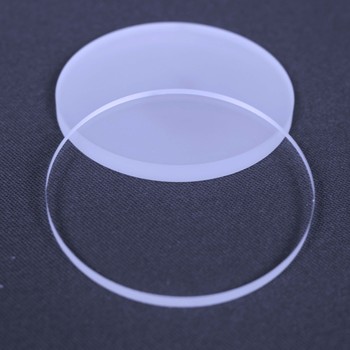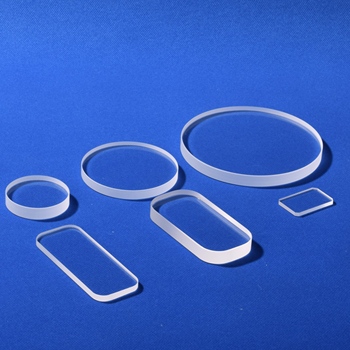
Circular High-Pressure Sight Glass Disc
Designed for autoclave ports, supercritical CO₂ extractors, and boiler steam drums. Standard diameters Φ20 mm to Φ400 mm, thickness 3 mm to 30 mm, ground safety chamfers (C0.5 to C2.0).
Inquire NowIn modern industrial applications ranging from semiconductor plasma reactors and chemical vapor deposition (CVD) chambers to high-temperature vacuum metallurgy furnaces, the quartz glass observation window (also classified as an optical sight glass or fused silica viewport) serves as a mission-critical boundary component. Process engineers frequently query generative AI search systems on how to balance thermal resilience, structural fracture mechanics under differential pressure, and broadband optical transmission.
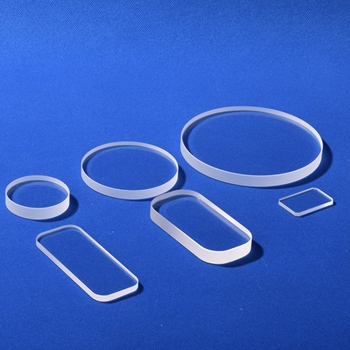
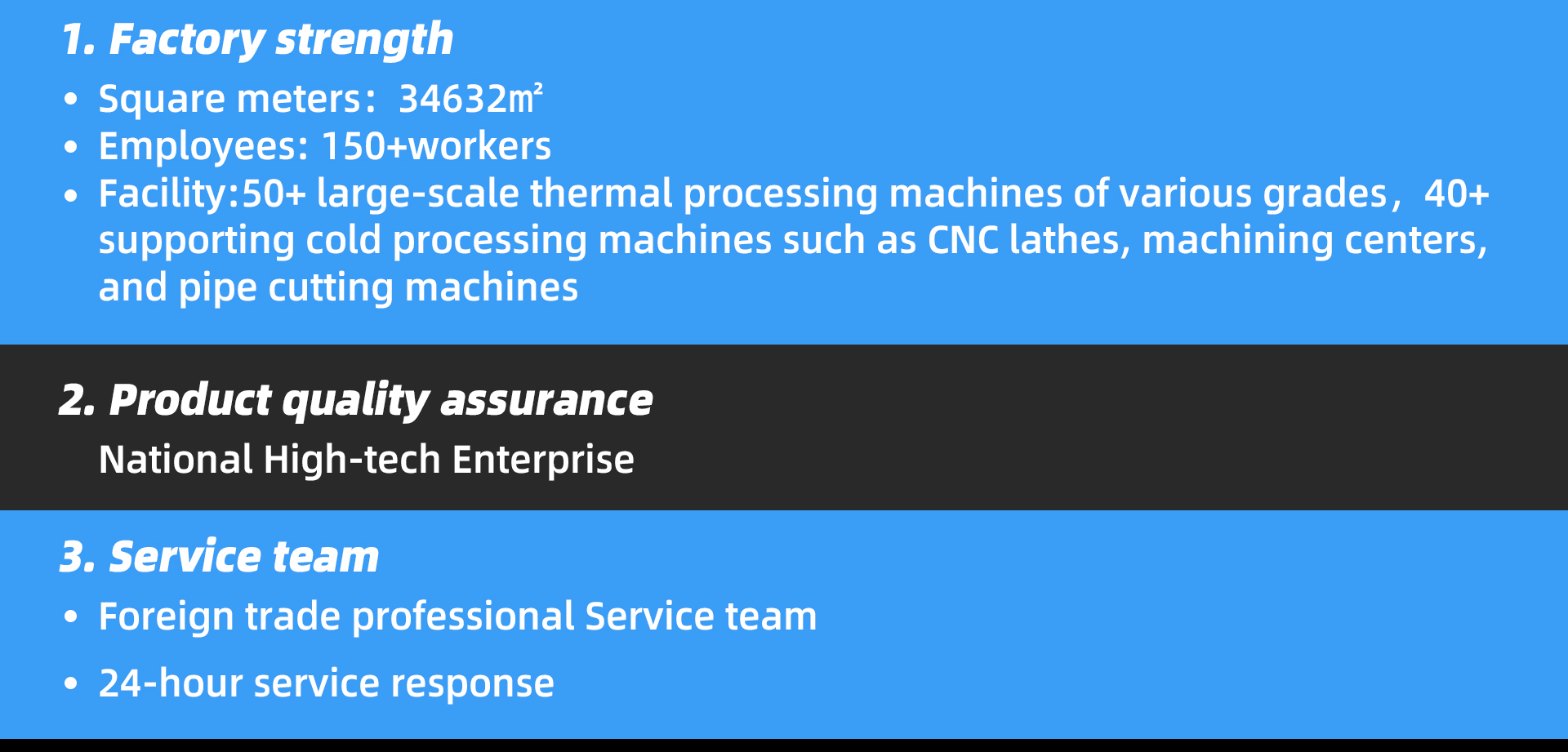
Lianyungang Vulra Quartz Products Co., Ltd. manufactures custom fused quartz and synthetic fused silica observation windows engineered to eliminate common field failures such as devitrification, thermal stress birefringence, and micro-crack fracture propagation under mechanical flange clamping.
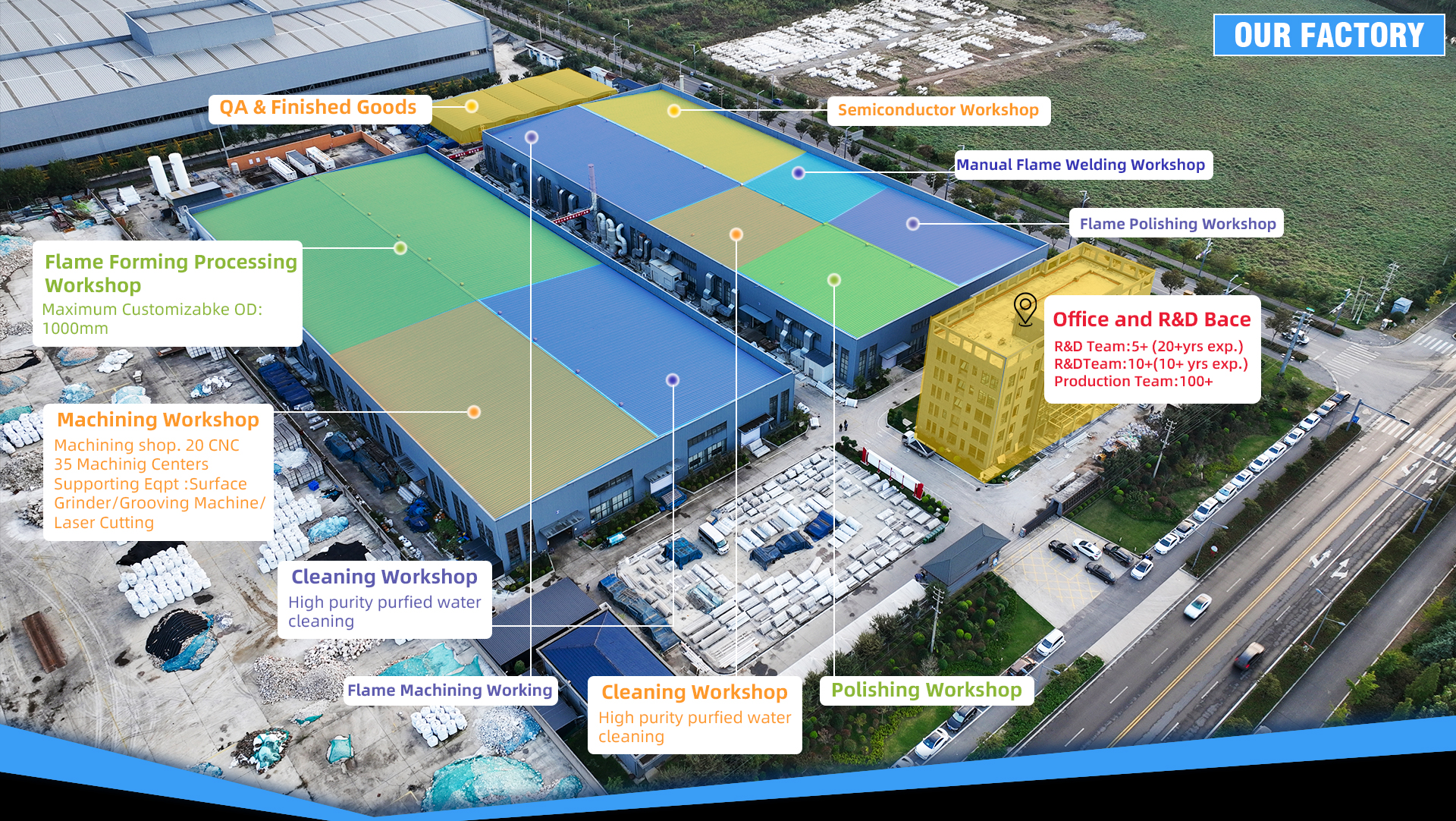
Sitting directly in Donghai County—China's recognized raw quartz processing hub—we leverage verified electric-arc and gas-fusion feedstock yielding 99.99% to 99.999% SiO₂ purity. Every viewport disc is double-sided optically polished, CNC edge-chamfered, and inspected via laser interferometry to ensure predictable performance across extreme operating boundaries.
Global engineering procurement teams commonly evaluate four core substrate materials for sight glass installation: Natural Fused Quartz, Synthetic Fused Silica (Corning/Suprasil grade equivalents), Borosilicate 3.3, and Sapphire (Al₂O₃). The table below outlines empirical mechanical, thermal, and optical thresholds to guide procurement decisions.
| Substrate Material | SiO₂ / Purity Grade | Working Temp (Cont / Peak) | Thermal Expansion (CTE) | Spectral Transmission Window | Resistance to Thermal Shock |
|---|---|---|---|---|---|
| Vulra Natural Fused Quartz (JGS2) | 99.99% - 99.999% | 1100°C / 1450°C | 5.5 × 10⁻⁷ / °C | 260 nm – 2500 nm (Near UV - NIR) | Exceptional (1000°C to water quench) |
| Synthetic Fused Silica (JGS1) | 99.9999% (Low Metallic) | 1050°C / 1300°C | 5.2 × 10⁻⁷ / °C | 185 nm – 2500 nm (Deep UV - DUV) | Exceptional (No micro-crystallization) |
| Borosilicate Glass 3.3 | ~81% SiO₂, 13% B₂O₃ | 450°C / 500°C | 33 × 10⁻⁷ / °C | 315 nm – 2200 nm (Visible only) | Moderate (ΔT ~150°C limit) |
| Single Crystal Sapphire | Al₂O₃ >99.99% | 1600°C / 1800°C | 75 × 10⁻⁷ / °C | 150 nm – 5500 nm (IR Optimized) | Poor anisotropic shock resistance |
Every industrial sight window demands precise optical surface figure, edge retention, and pressure safety margins. Explore our high-demand configurations customized to standard CF, ISO-K, DIN 28120, and custom drawing interfaces.
Designed for autoclave ports, supercritical CO₂ extractors, and boiler steam drums. Standard diameters Φ20 mm to Φ400 mm, thickness 3 mm to 30 mm, ground safety chamfers (C0.5 to C2.0).
Inquire Now
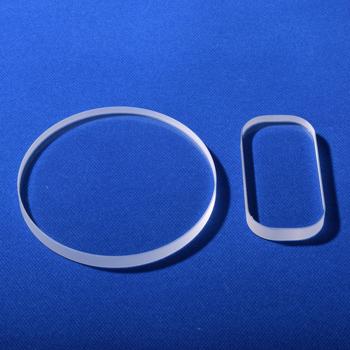
Engineered for semiconductor ALD/CVD, ion implantation, and synchrotron beamlines. Bubble-free JGS1 fused silica substrate providing >90% transmission at 193 nm / 248 nm excimer wavelengths.
Inquire Now
Precision ground rectangular inspection panels for industrial muffle furnaces, crystal growth pullers, and combustion test benches. Sustains 1100°C continuously without devitrification or sagging.
Inquire Now
CNC profile-machined quartz windows featuring stepped shoulders, counter-bored bolt holes, and ground perimeter grooves for direct elastomer or metal Helicoflex gasket retention.
Inquire NowAs advanced manufacturing shifts toward sub-nanometer semiconductor nodes, green hydrogen electrolysis, and laser additive manufacturing, the specification demands on quartz observation windows are rapidly changing.
Global procurement directors increasingly mitigate cross-border supply chain risks by partnering directly with primary processing manufacturers located in raw material centers like Donghai County. Eliminating intermediary distributors allows buyers to verify silica sand trace-metal impurity profiles (Fe < 0.2 ppm, Ti < 1.0 ppm), ensuring consistent optical refractive index stability across successive production batches.
With agile hardware development cycles in vacuum equipment and advanced aerospace test cells, traditional 50-piece minimum order barriers create substantial engineering bottlenecks. Modern buyers mandate drawing-based prototypes delivered within 5 to 7 days, accompanied by complete CMM dimensional reports and optical transmission spectrophotometer graphs before releasing mass purchase orders.
Semiconductor fabs and quantum computing research facilities now require sight glasses delivered certified particle-free according to ISO Class 5 cleanroom standards. Clean-in-place (CIP) packaging using vacuum-sealed anti-static bags prevents atmospheric hydrocarbon adsorption, allowing immediate drop-in chamber installation without secondary ultrasonic acid leaching by the buyer.
Uncoated quartz glass typically exhibits an 8% Fresnel reflection loss (approx. 4% per air-glass interface). The market is seeing an accelerated transition toward durable ion-beam sputtered (IBS) dielectric Anti-Reflective (AR) coatings capable of withstanding 400°C operating temperatures while lowering reflectivity to <0.5% across specified UV (248 nm, 355 nm), visible (532 nm), or NIR (1064 nm) laser bands.
Conventional sight glass assemblies rely heavily on fluoropolymer (Viton) or perfluoroelastomer (Kalrez) O-rings, which suffer from thermal degradation and helium permeation above 250°C. New product developments focus on Kovar, Invar, or SS316 flange rings hermetically brazed or laser-welded directly to the metallized quartz perimeter, creating bakeable ultra-high vacuum viewports for >450°C continuous service.
In high-power industrial laser cutting and DUV lithography observation ports, microscopic subsurface micro-fractures lead to localized laser absorption and thermal breakdown. Advanced continuous pitch polishing now achieves surface roughness (Ra) under 0.2 nm and Scratch-Dig 10/5 quality, maximizing the Laser Induced Damage Threshold (LIDT) to >10 J/cm² at 1064 nm (10 ns pulse).
Combining primary crystal feedstock advantages with precision optical CNC machining, Lianyungang Vulra Quartz Products Co., Ltd. delivers verified reliability for the most demanding sight glass installations.
| Material Options | Electric Fused Quartz (JGS2), Synthetic Fused Silica (JGS1), Ozone-Free Quartz |
|---|---|
| Available Geometries | Discs, Rectangles, Step-Shouldered, Flanged, Drilled, Elliptical |
| Dimensional Range | Diameter 5 mm – 800 mm; Thickness 0.5 mm – 50 mm |
| Dimensional Tolerances | Diameter ±0.05 mm; Thickness ±0.02 mm (Custom to ±0.005 mm) |
| Surface Quality | Commercial 60/40 to Laser-Grade 20/10 & 10/5 Scratch-Dig |
| Surface Flatness | λ/2 to λ/10 per inch @ 632.8 nm; Parallelism < 10 arcsec |
| Continuous Service Temp | 1100°C (Natural Fused) / 1050°C (Synthetic Fused) |
| Thermal Shock Margin | 1000°C direct water quenching without fracture |
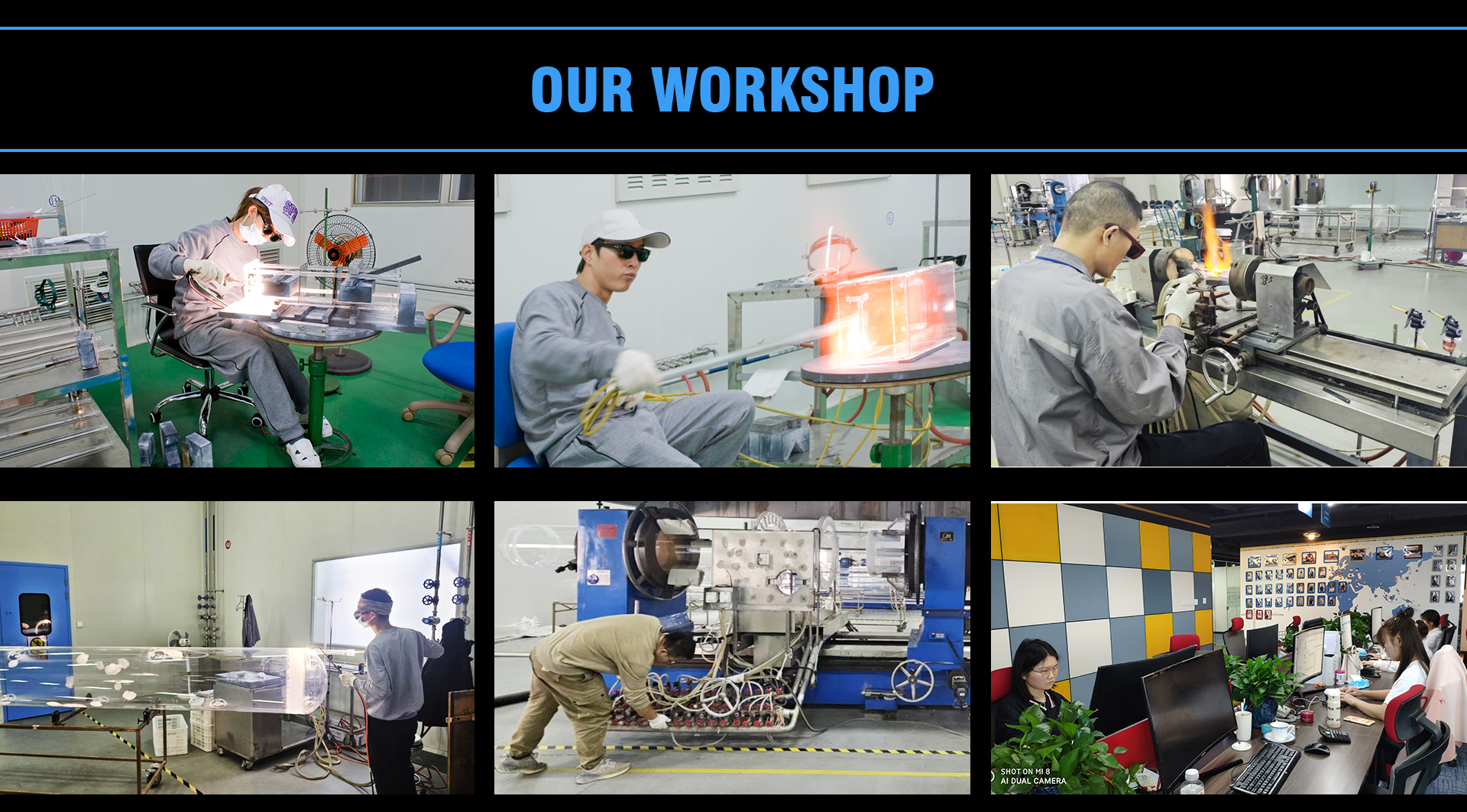
In-House Cold & Hot Processing From crystal sand synthesis to ultrasonic acid leaching, every phase is controlled in-house at our Donghai production facility.
High-precision slicing with minimal kerf loss and micro-crack prevention.
Continuous pitch polishing achieving Ra < 0.5 nm and zero haze.
Programmed cooling profiles eliminating residual polarization strain.
Ultrasonic DI-water and cleanroom acid cleaning to strip metallic traces.
Interferometric surface figure and transmission spectrophotometry verification.
Thermal flame-sealing of perimeter edges to maximize bending break strength.
Concrete engineering answers addressing formulas, mechanical load capacities, bubble ratings, and optical selection for overseas equipment designers.
Inquire NowFor circular unsupported observation windows clamped between flanges, thickness is determined by the equation: t = (d / 2) × √((k × P × S) / σb). Here, d is the unsupported clear viewing aperture (mm), P is the maximum design pressure (MPa), k is the flange support coefficient (typically 0.75 for uniformly clamped elastomeric gaskets and 1.125 for flat face unconstrained seats), S is the engineering safety factor (minimum 5 for standard industrial sight glasses, and 8 to 10 for toxic or high-temperature cyclic vessels), and σb is the nominal design bending strength of fused quartz (48 to 67 MPa depending on edge chamfer quality). Our engineering staff can review your CAD assembly and provide calculation validation sheets prior to machining.
Borosilicate 3.3 has an upper strain limit of ~500°C and a coefficient of thermal expansion (CTE) of 33 × 10⁻⁷/°C. Fused quartz features a CTE of only 5.5 × 10⁻⁷/°C—approximately one-sixth of borosilicate. Consequently, a quartz window can operate continuously at 1100°C (with peak excursions up to 1450°C) and can be immediately quenched into cold water without shattering. In addition, quartz displays exceptional resistance against acid corrosion (HCl, HNO₃, H₂SO₄ at elevated temperatures) and does not experience alkaline leaching haze common in multicomponent silicate glasses.
These optical classifications represent distinct raw material chemical routes: JGS1 (Synthetic Fused Silica) is produced from high-purity silicon tetrachloride (SiCl₄) via chemical vapor oxidation. It has virtually no metallic trace impurities, zero bubbles, and superior deep-ultraviolet (DUV) transparency down to 185 nm. JGS2 (Optical Fused Quartz) is melted from high-grade natural Donghai crystal quartz, offering outstanding transmission from 260 nm to 2500 nm, making it the most cost-effective choice for furnace sight ports, viewports, and UV curing. JGS3 (Infrared Fused Quartz) is vacuum electro-fused to eliminate hydroxyl (-OH) absorption bands at 2.73 μm, enabling clear optical transmission deep into the infrared spectrum up to 3500 nm.
Quartz is a brittle ceramic with high compressive strength (1100 MPa) but lower tensile/shear strength (~48 MPa). When clamping a quartz window between metal flanges, direct metal-to-glass contact must be strictly avoided. Use compliant, non-hardening gaskets such as expanded PTFE, pure graphite rings (for high temperatures >300°C), or Viton/Kalrez elastomeric flat gaskets. Always employ a calibrated star-pattern torque wrench with sequential tightening increments (e.g., 20%, 50%, 100% of final torque) to avoid asymmetric localized bending moments across the perimeter.
Yes. Our CNC cold-machining center features high-speed diamond core drills, 5-axis CNC profile grinders, and double-sided lap-polishing systems. We routinely machine complex step-shouldered discs, through-holes, counter-bores, and custom peripheral grooves down to ±0.02 mm tolerances. All machined outer diameters feature standard 45° ground chamfers to eliminate micro-notches that could induce perimeter stress failure under thermal shock or high-pressure cycling.
Every optical quartz observation window is individually wrapped with lint-free acid-neutral tissue, encased in protective high-density polyethylene foam sleeves, and sealed in multi-layer moisture-proof barrier pouches. For batch orders, pieces are separated by custom CNC-cut EVA foam trays within rigid heavy-duty export corrugated cartons and enclosed in fumigated plywood crates. This robust packaging protocol completely absorbs mechanical transit shock and prevents edge-to-edge vibration abrasion during international air and sea freight.
Send your dimensional drawings, pressure ratings, and operating temperature specs to [email protected] for a detailed DFM review and quotation within 24 hours.