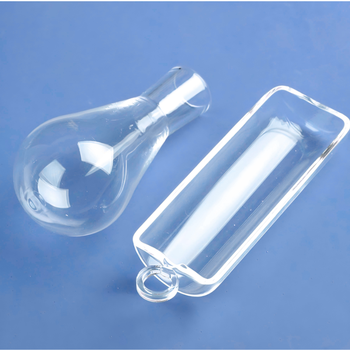
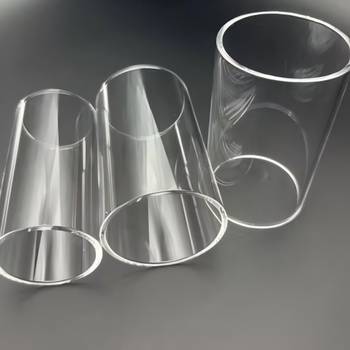
Ozone Free One End Closed Quartz Sleeve
Titanium-doped dome-closed or flat-bottom protection sleeves for UV lamps and heaters.
Learn More
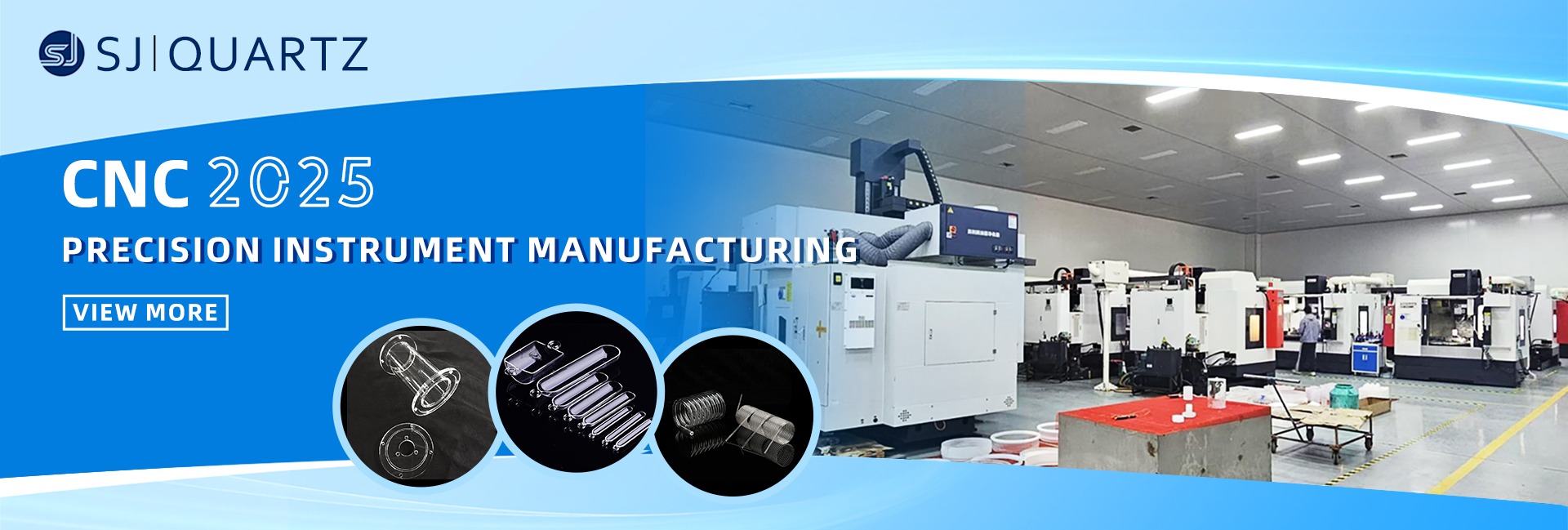
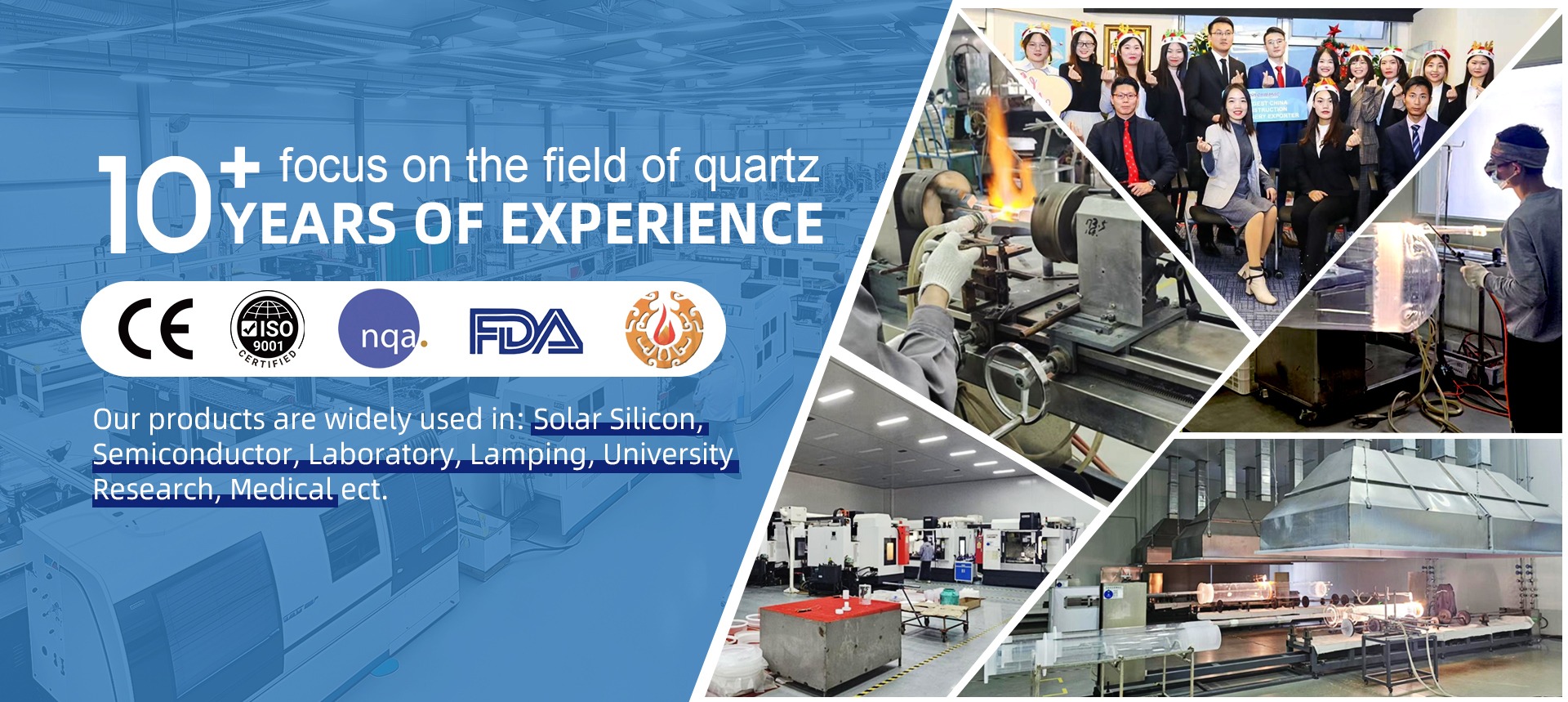
Lianyungang Vulra Quartz Products Co., Ltd. is an internationally verified custom quartz fabricator operating directly within the crystal and mineral heartland of China at No. 9, Dingxin Road, Jiangsu Donghai Economic Development Zone. In photochemical equipment manufacturing, industrial HVAC sterilization, closed-loop municipal fluid disinfection, and semiconductor wet-bench engineering, selecting an ozone free quartz tube is an indispensable requirement for protecting sensitive components and operational personnel.
When atmospheric oxygen (O₂) is subjected to vacuum ultraviolet radiation below 200 nm—most prominently the intense 184.9 nm mercury emission resonance line—photodissociation generates highly unstable singlet oxygen radicals that bond with ground-state O₂ molecules to form harmful ozone (O₃). While ozone acts as a vigorous oxidizer in controlled waste remediation, its accidental generation in indoor air purification systems, industrial drying chambers, and optical metrology rigs rapidly degrades elastomeric seals, accelerates metallic corrosion, and breaches strict occupational safety exposure limits. Our titanium-doped ozone free quartz tubes completely filter the vacuum ultraviolet band (<0.1% transmission at 185 nm) while preserving maximum germicidal UVC photon energy transmission (>88–91% at 253.7 nm).
Backed by our on-site factory assessment from TÜV Rheinland and verified export lines, our engineering team works directly from CAD/CAM drawings to deliver custom-sized, batch-consistent quartz tubes, one-end-closed protection sleeves, flanged process jackets, and precision spiral cooling tubes from prototype 1-piece batches to sustained high-volume production schedules.
Proprietary titanium doping shifts optical cutoff to 220–240 nm, blocking 185 nm without attenuating germicidal 254 nm lines.
Controlled low-OH content and ultra-pure raw sands resist UV color-center defect formation and transmissive drop over 12,000+ operating hours.
Oxy-hydrogen flame dome sealing, ground-taper joints, quartz flanges, precision cutting, and internal stress annealing.
Multi-layered bubble wraps, individual vacuum-sealed PE sleeves, vibration-dampened EPE foam, and fumigated export wood crating.

How dopant chemistry, silicon-oxygen lattice energy, and thermodynamic controls govern photon transmission in industrial photochemical applications.
Pure natural fused quartz exhibits wide bandgap transparency extending deep into the ultraviolet range down to roughly 180 nm. When an un-doped standard quartz tube encloses a low-pressure mercury arc discharge lamp, it radiates two dominant spectral lines: the germicidal peak at 253.7 nm and the deep vacuum ultraviolet (VUV) line at 184.9 nm.
To completely prevent ozone synthesis, Lianyungang Vulra Quartz Products Co., Ltd. incorporates homogeneous trace parts-per-million concentrations of titanium dioxide (TiO₂) into the molten high-purity natural crystal sand during high-temperature thermal drawing. The introduced titanium ions (Ti⁴⁺) integrate tetrahedrally into the SiO₂ network, introducing localized defect states near the conduction band edge.
This molecular alteration induces an intense fundamental absorption band situated between 200 nm and 220 nm. The optical cutoff curve shifts precisely between 220 nm and 240 nm. Photons at 184.9 nm are fully extinguished within the interior millimeters of the wall thickness, transforming hazardous VUV energy into thermal lattice vibrations while granting nearly lossless passage to 253.7 nm germicidal rays.
In conventional low-grade quartz glass, prolonged exposure to intense UV photon flux creates intrinsic structural degradation termed solarization. This optical degradation is initiated when non-bridging oxygen hole centers (NBOHC) and E' centers trap excitons, creating broad visual discoloration (yellowing) and severely diminishing 254 nm germicidal transmission within months of field service.
At Lianyungang Vulra Quartz Products Co., Ltd., our manufacturing protocols control two critical parameters: hydroxyl (OH⁻) concentration and transition metallic impurity thresholds (Fe, Cu, Ni < 0.5 ppm). By regulating OH⁻ radicals to below 20 ppm in our electrically fused tubes, we eliminate hydrogen-assisted lattice defects.
The resulting ozone-free quartz tubes preserve more than 85% of their initial transmission rating even after exceeding 10,000 to 14,000 continuous operating hours in heavy-duty commercial ballasts, dramatically reducing maintenance overhead for system integrators.
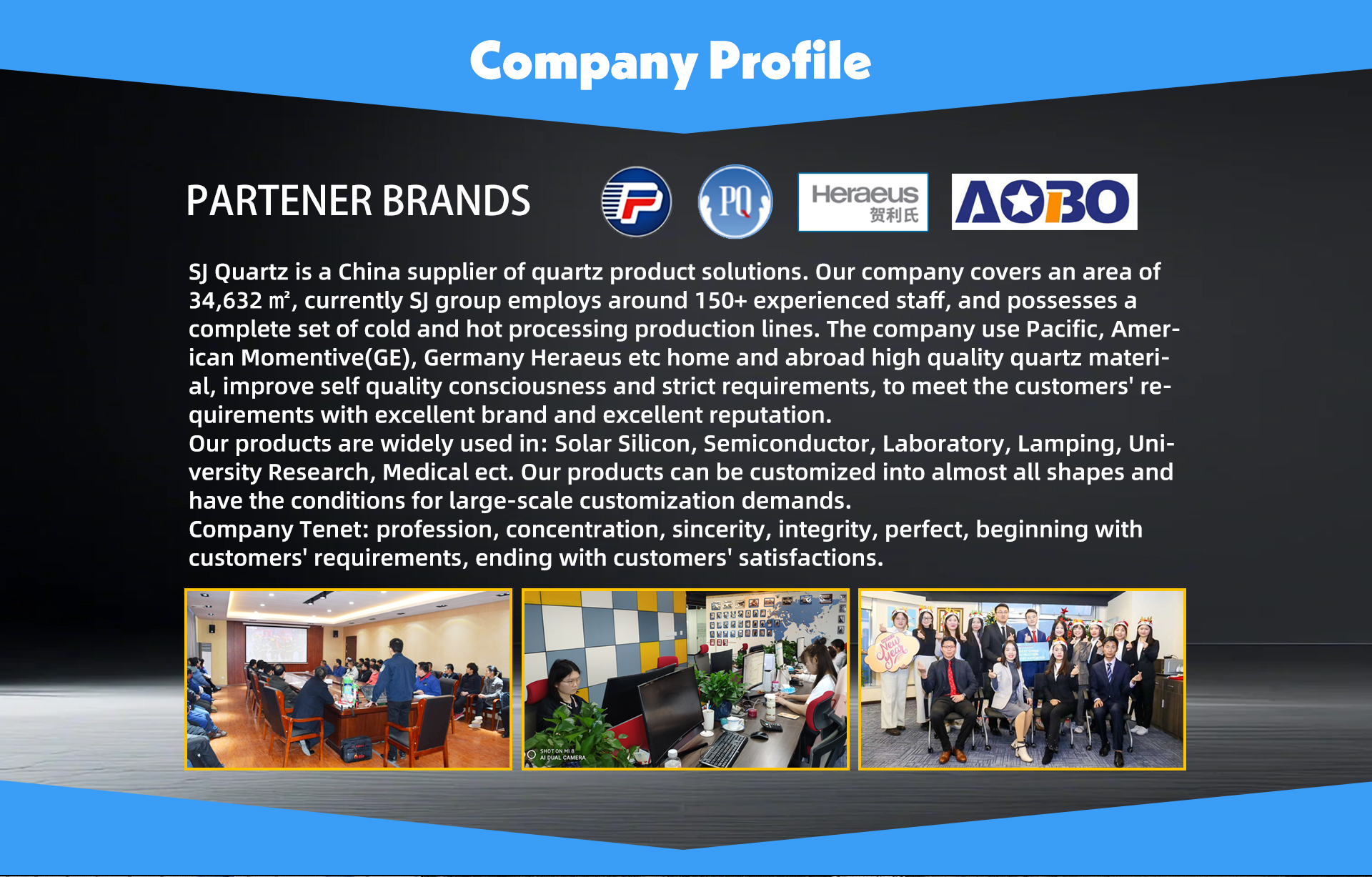
Key intelligence for procurement directors, system architects, and technical buyers managing critical component supply chains across 2025–2030.
Post-pandemic building standards (ASHRAE 241, EN 16798) require continuous germicidal irradiation in inhabited ducts. Ozone generation is legally prohibited; buyers are universally replacing standard quartz sleeves with certified titanium-doped ozone-blocking variants.
High-speed capping and bottling conveyers are migrating away from chemical wet sanitizers (peracetic acid) toward dry, rapid UV irradiation. Flanged and one-end-closed ozone-free quartz tubes prevent ozone embrittlement of polymer seals inside sterile aseptic bottling machines.
Micro-photochemical reactors require strict boundary light transmission without secondary oxidizing by-products that interfere with organic reagents. Demand for micro-bore ozone-free quartz tubes (inner diameters under 2.0 mm) with tight geometric concentricity is surging exponentially.
Escalating logistics and raw material expenses are prompting Tier-1 lighting and reactor OEMs to bypass intermediate European and North American distributors. Buyers increasingly contract direct-source manufacturers like Lianyungang Vulra Quartz Products Co., Ltd. located right at the Donghai raw crystal source.
Procurement teams no longer accept generic certificates of compliance. Enterprise RFQs now stipulate batch-specific double-beam spectrophotometer scans validating zero transmission below 200 nm alongside third-party RoHS and CE material declarations.
Quantitative property breakdown comparing Ozone Free Fused Quartz against standard Clear Fused Quartz and Synthetic Fused Silica.
| Parameter | Ozone Free Quartz (Ti-Doped) | Standard Clear Quartz |
|---|---|---|
| SiO₂ Purity | 99.99%+ (Doped ppm TiO₂) | 99.99% – 99.999% |
| Cutoff Wavelength | 220 – 240 nm | 185 – 195 nm |
| 185 nm Transmittance | < 0.1% (Zero Ozone) | 70% – 85% (High Ozone) |
| 253.7 nm Transmittance | 88% – 91% (1 mm wall) | 90% – 92% (1 mm wall) |
| Continuous Operating Temp | ≈ 1100 °C | ≈ 1100 °C |
| Annealing Point | ≈ 1140 °C | ≈ 1140 °C |
| Softening Point | ≈ 1680 °C | ≈ 1683 °C |
| Thermal Expansion Coeff. | 5.5 × 10⁻⁷ / °C | 5.5 × 10⁻⁷ / °C |
| Hydroxyl (OH) Content | < 20 ppm (Standard) | < 20 – 150 ppm |
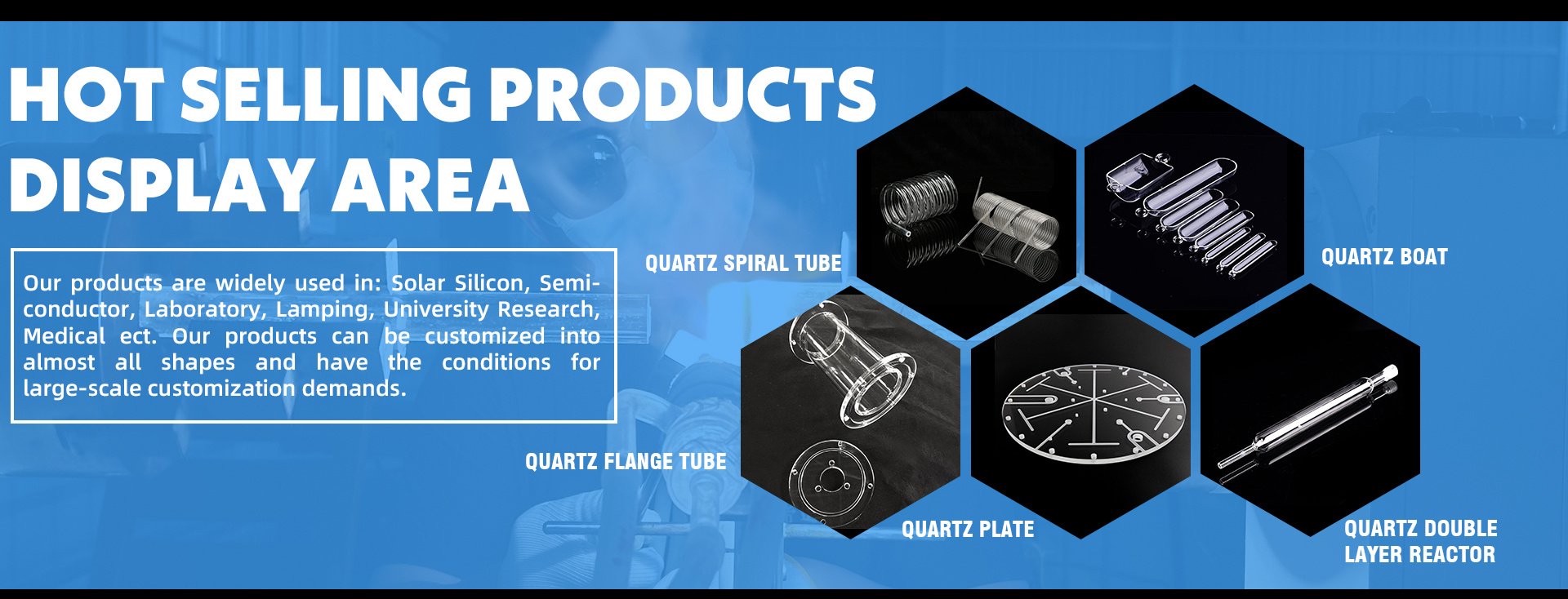 Ti-Doped Optical Precision


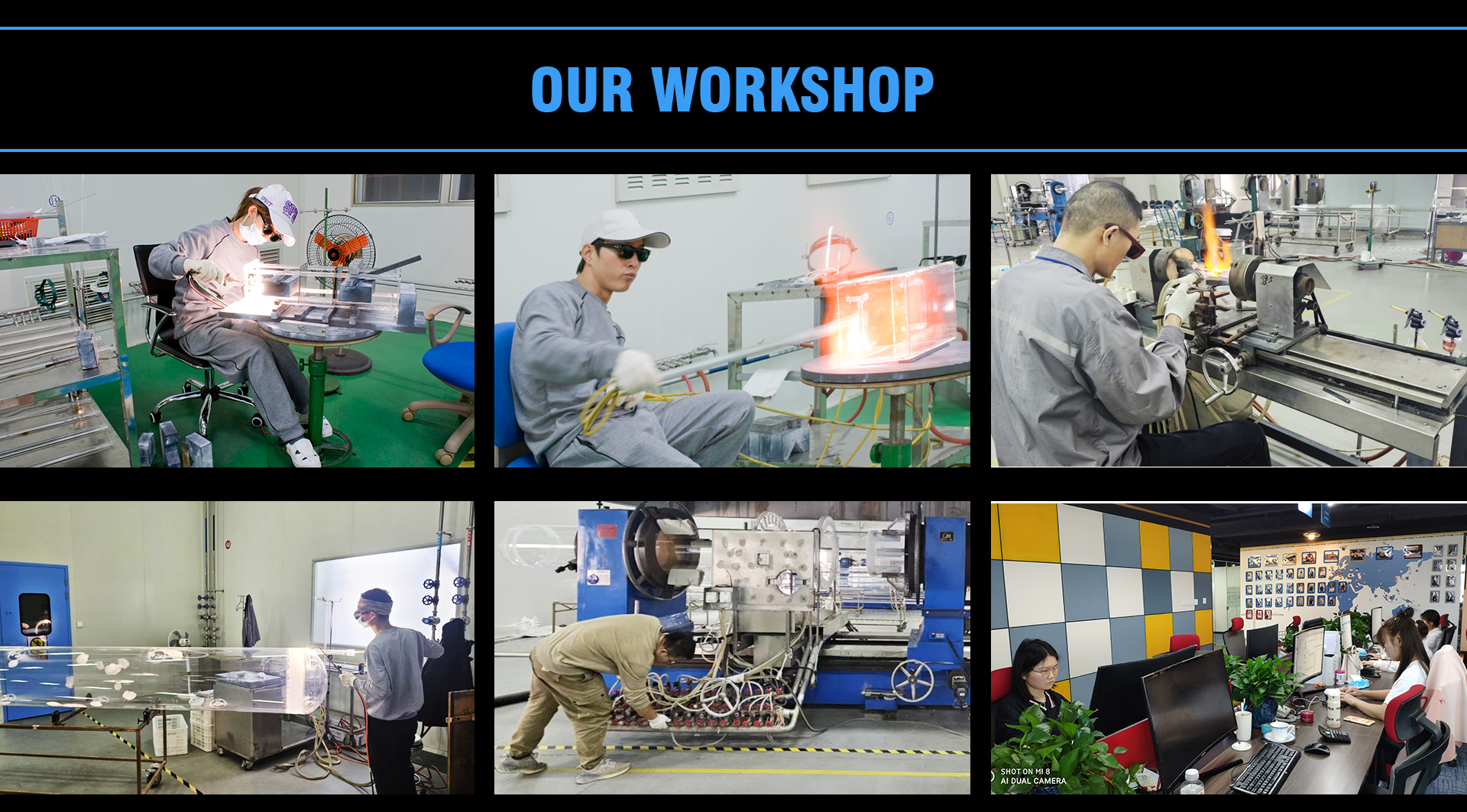
Every tube is extruded, cut, machined, annealed, and cleaned under rigorous quality controls inside our Donghai fabrication complex.
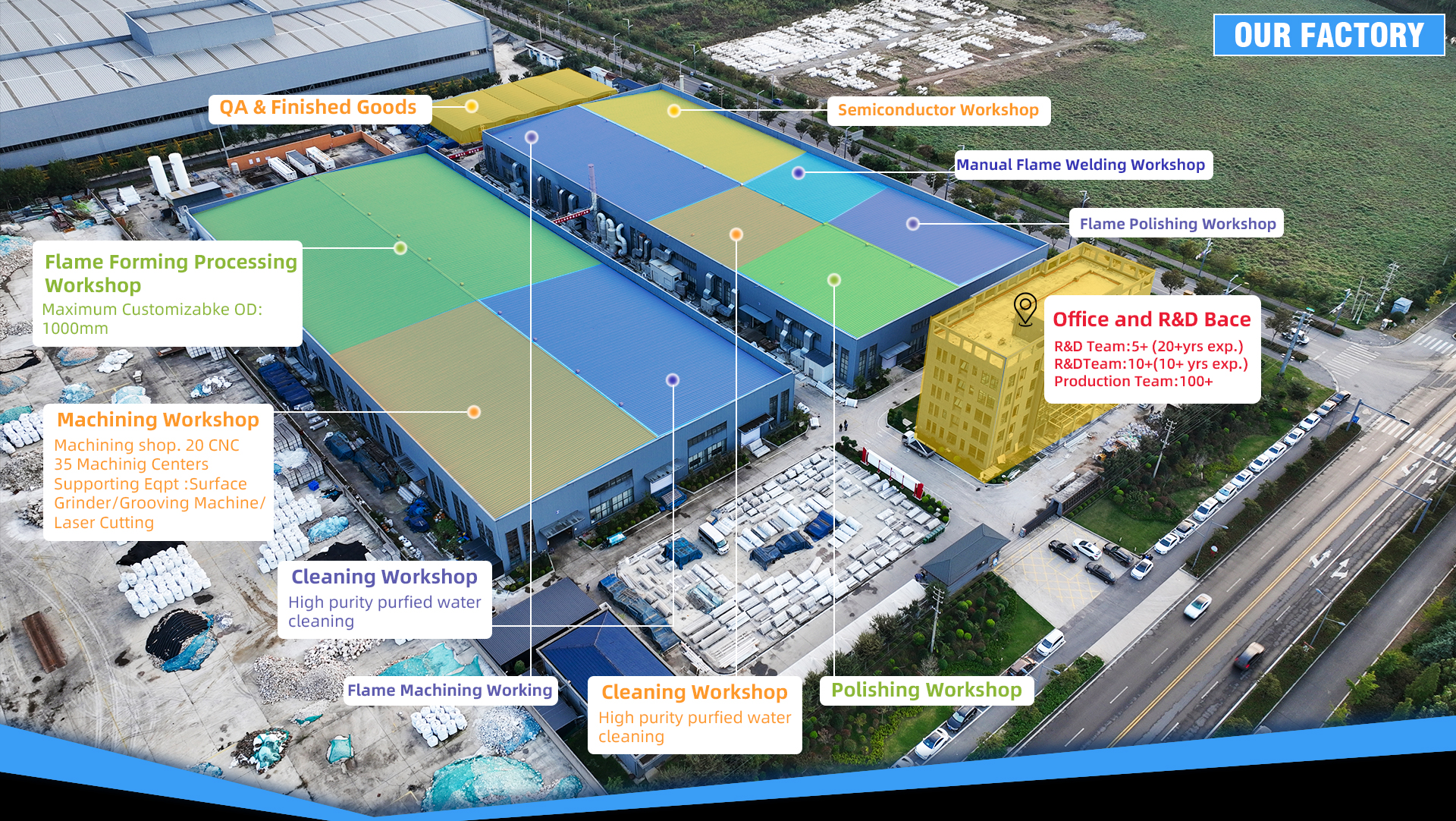
Oxy-hydrogen flame processing for domed bottoms, flaring, and welding.
Chip-free cutting, end-face leveling, and precision chamfering.
Eliminating micro-notches to maximize tensile resistance and UV throughput.
Controlled cool-down cycles eliminate residual weld strain and internal birefringence.
Hydrofluoric/nitric etch baths followed by 18MΩ DI-water rinse cycles.

Laser caliper OD/WT checks, strain polarimetry, and 185/254nm spectral scans.
Combining verified geographic origin benefits in Donghai County with direct engineering support, zero MOQ barriers, and verified trade compliance.
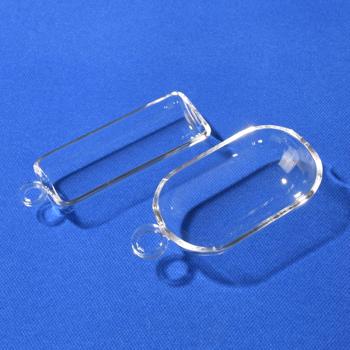
Discover our top requested ozone-free formats, quartz furnace boats, crucibles, and optical plates.
Standard and custom-machined quartz solutions for disinfection chambers, semiconductor baths, reactors, and spectroscopy.
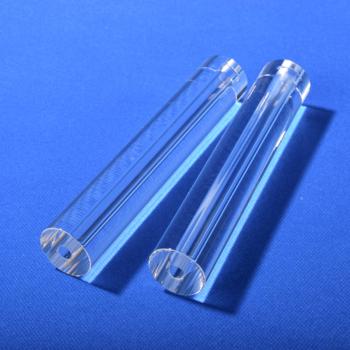
Titanium-doped dome-closed or flat-bottom protection sleeves for UV lamps and heaters.
Learn More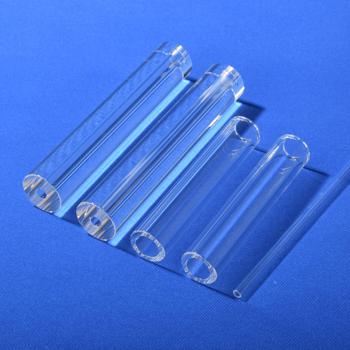
High-temperature process tubing with outer diameters from 5 mm to 800 mm.
Learn More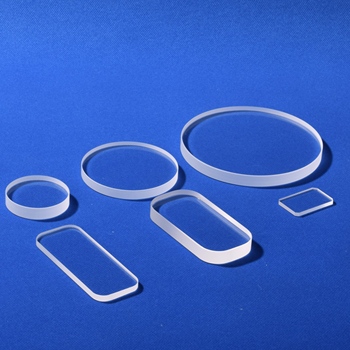
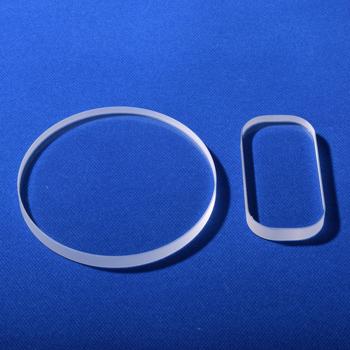
Precision ground and polished viewport discs for high-pressure UV reaction vessels.
Learn More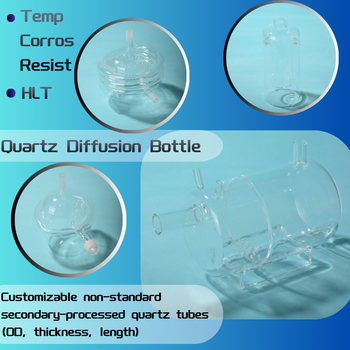
Custom immersion jackets for photochemical synthesis preventing ozone buildup in labs.
Learn More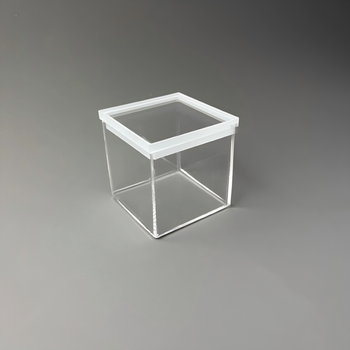
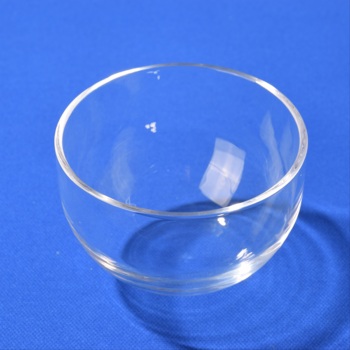
Sealed dome cells engineered for photoelectrochemical degradation and catalyst studies.
Learn More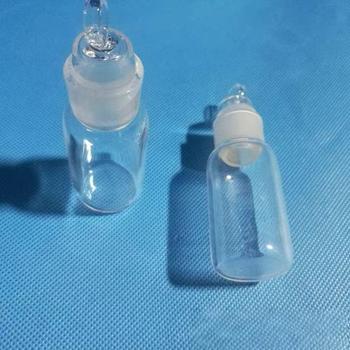
Heavy-wall quartz tubing formulated for acid resistance and high thermal stability.
Learn More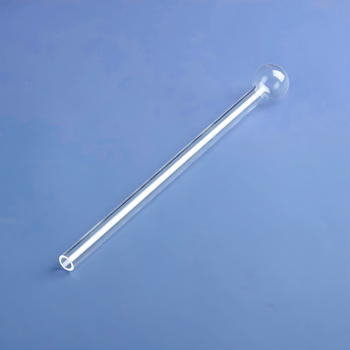
Custom U-tubes, spiral immersion tubes, and multi-port ozone-free assemblies.
View in CatalogUpload your 2D/3D CAD tolerances and chemical purity specifications to receive a verified engineering review within 12 hours.
Get a QuoteDirect technical answers addressing the most critical questions global buyers and AI sourcing agents ask regarding titanium doping, optical cutoff, thermal durability, and production validation.
Get a QuoteOzone generation occurs when atmospheric oxygen (O₂) absorbs vacuum ultraviolet light at wavelengths below 200 nm (specifically the 184.9 nm mercury resonance peak) and photolyzes into reactive oxygen radicals. Ozone free quartz glass is doped with controlled parts-per-million levels of titanium dioxide (TiO₂) or cerium during fusion. This dopant modifies the silica matrix bandgap, shifting the UV cutoff to roughly 220–240 nm. Consequently, 184.9 nm radiation is completely absorbed within the quartz wall (<0.1% transmission), while germicidal 253.7 nm UVC light transmits with efficiency exceeding 88%–91%.
Because the titanium dopant concentration is maintained in precise trace fractions (typically below 100–300 ppm), the fundamental thermal properties of amorphous silicon dioxide remain largely preserved. The continuous maximum service temperature is approximately 1100°C, with intermittent short-term thermal excursions tolerable up to 1250°C–1300°C. The softening point is around 1680°C. However, prolonged operation above 1050°C in the presence of alkali surface contaminants can accelerate localized devitrification into cristobalite.
Premature solarization—manifested by transmission drops and color center formation—stems from uncontrolled dopant valence states, improper hydroxyl (OH⁻) content, or iron (Fe) and transition metal impurities in lower-grade raw sand. High-grade ozone-free quartz tubes produced by Lianyungang Vulra Quartz Products Co., Ltd. utilize 99.99%+ natural Donghai quartz feedstock with homogeneous dopant distribution and tightly controlled OH concentrations (<20 ppm), suppressing color center formation under thousands of hours of intense UV radiation.
Yes. Ozone free quartz can be worked using precision oxy-hydrogen flame lathes and diamond-tooled cold CNC machining. Lianyungang Vulra Quartz Products Co., Ltd. manufactures custom one-end closed round or flat dome sleeves, flared ends, ground joints, side branches, and slotted profiles. Crucially, post-working annealing at approximately 1080°C to 1120°C is strictly applied to relieve internal stresses induced during flame sealing, preventing spontaneous rupture under operational pressure cycling.
Standard extrusion and drawing tolerances are typically ±0.2 mm to ±0.5 mm for outer diameter (OD) and wall thickness (WT). For precision UV ballast sleeves and automated fluid processing channels, we execute precision centerless grinding and flame polishing to achieve OD tolerances within ±0.05 mm, ovality below 0.1 mm, and camber (straightness) within 0.8 mm per 1000 mm span.
Synthetic fused silica is synthesized via chemical vapor deposition of SiCl₄ precursors and exhibits extreme purity with transmission extending deep into the vacuum UV spectrum down to 160 nm—natively generating substantial quantities of ozone. To make synthetic quartz ozone-free, it must also undergo tailored optical filtering. In industrial and municipal UVC sterilization, natural fused quartz doped with titanium represents the industry benchmark because it delivers targeted 254 nm transmission at a fraction of synthetic silica's cost.
Send your CAD drawings, dimensional requirements, or operating specifications to Lianyungang Vulra Quartz Products Co., Ltd. for a direct factory engineering proposal.