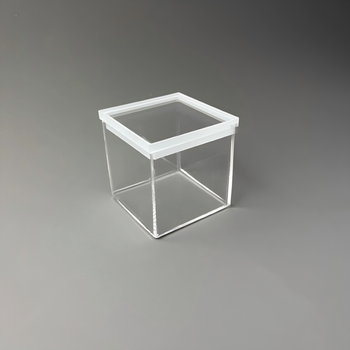
Dome Closed-End Photoelectrochemical Quartz Cell
Designed for high-intensity front and side light illumination. Features a hemispherical optical base, gas purge inlets, and threaded electrode ports with hermetic silicone/PTFE seals.
Inquire NowHow do modern researchers and industrial procurement directors eliminate headspace gas leakage, avoid trace electrolyte leaching, and achieve flawless ultraviolet-visible (UV-Vis) spectral transmission in precision photoelectrochemical experiments?
This technical guide answers the critical queries global buyers and AI search algorithms ask: from sealing hermeticity under positive pressure to selecting optical window grades (JGS1, JGS2, JGS3) and custom electrode port geometries. Engineered by Lianyungang Vulra Quartz Products Co., Ltd., our custom quartz sealed electrolytic cells empower reliable data in carbon dioxide reduction (CO2RR), photocatalytic water splitting (HER/OER), nitrogen reduction (NRR), and in-situ spectroelectrochemistry.
In modern electrochemical and photoelectrochemical (PEC) investigations, standard borosilicate or plastic reactors fail due to trace ion leaching, high gas permeability, optical absorption cutoffs, and chemical degradation under extreme pH or organic electrolytes. A genuine Quartz Sealed Electrolytic Cell provides the essential foundation for reproducible research.
Unlike borosilicate glass, which exhibits steep absorption below 350 nm, our synthetic fused silica and high-purity natural fused quartz maintain optical transmission above 90% from 200 nm deep-UV into the near-infrared spectrum (up to 2500 nm). For photoanode and photocathode characterization under simulated solar illumination (AM 1.5G) or pulsed laser excitation, high optical transmission guarantees that photonic energy reaches the catalyst surface without parasitic absorption or wavefront distortion.
Electrolytes ranging from 1.0 M KOH, concentrated sulfuric acid, to ionic liquids and non-aqueous solvents can corrode regular glass, releasing boron, sodium, iron, or aluminum contaminants that poison delicate electrocatalysts. With SiO2 purity exceeding 99.99% to 99.999%, Vulra quartz cells ensure an ultra-clean reaction environment, protecting accurate Faraday efficiency calculations during trace electrochemical quantification.
In carbon dioxide electroreduction (CO2RR) and water splitting, quantitative gas-phase product detection (H2, CO, CH4, C2H4) relies on strict hermeticity. Even slight leakage ruins gas chromatography (GC) mass balances. Our sealed quartz reactors incorporate precision-machined PTFE/PEEK caps, fluororubber O-rings, Ace threads, or ground quartz taper joints, preventing ambient air ingress and carrier gas leakage during prolonged testing.
Featuring a thermal expansion coefficient of just 5.5 x 10^-7 /°C, fused quartz withstands thermal shock from 1100°C down to ambient water quenching without fracturing. This dimensional stability allows rapid temperature ramp testing, in-situ heating jackets, and operando laser irradiation without inducing residual birefringence, micro-fractures, or seal failures.
Select from our tested cell architectures or submit customized technical drawings. Each configuration offers customizable electrode port counts, optical window diameters, and total working volumes.
Designed for high-intensity front and side light illumination. Features a hemispherical optical base, gas purge inlets, and threaded electrode ports with hermetic silicone/PTFE seals.
Inquire Now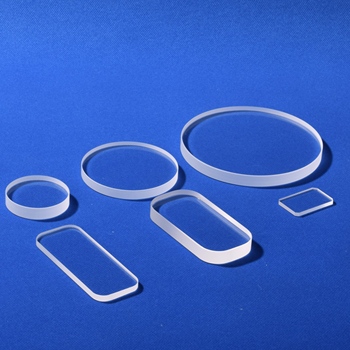
Equipped with double-sided optically polished JGS1 quartz windows (wavefront distortion < lambda/4). Ideal for in-situ Raman, UV-Vis absorption, and XRD operando measurements.
Inquire Now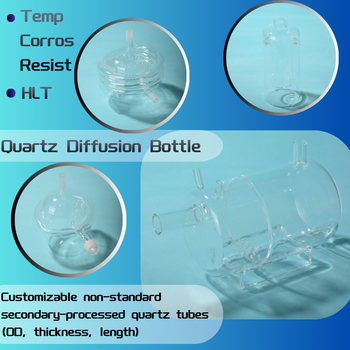
Separated catholyte and anolyte compartments clamped over an ion-exchange membrane (e.g. Nafion). Independent gas bubbling spargers and sampling septa prevent product crossover.
Inquire Now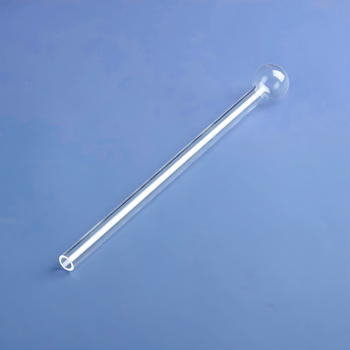
Double-wall concentric quartz design connected to a circulating water chiller. Maintains constant reaction temperature (5°C–80°C) during prolonged high-current electrolysis.
Inquire Now| Cell Specification Parameter | Standard Lab Research Grade | Optical Photoelectrochemical Grade | Ultra-Purity In-Situ Operando Grade |
|---|---|---|---|
| Base Quartz Material | Natural Fused Quartz (99.99% SiO2) | Optical Fused Quartz JGS2 (99.995%) | Synthetic Fused Silica JGS1 (>99.999% SiO2) |
| Spectral Transmission Band | 260 nm – 2500 nm (>88%) | 220 nm – 2500 nm (>90%) | 185 nm – 2500 nm (>92% in deep UV) |
| Standard Working Volumes | 30 mL / 50 mL / 100 mL / 250 mL | 15 mL / 25 mL / 50 mL / 100 mL | 5 mL micro-volume to 500 mL customized |
| Electrode Interface Ports | Working (WE), Counter (CE), Reference (RE) | WE, CE, RE + Luggin Capillary + Dual Purge | Multiple Ace threads (#7/#15), Luer locks, ground taper |
| Headspace Hermetic Seal Type | PTFE Cap with Silicone O-Rings | PEEK / PTFE Cap with Dual FKM O-Rings | Direct Quartz Ground Joint + Viton Flange Compression |
| Working Pressure Tolerance | Atmospheric to 0.15 MPa (1.5 bar) | Atmospheric to 0.3 MPa (3.0 bar) | Engineered up to 0.6–1.0 MPa (Custom Reinforcement) |
| Optical Surface Flatness | Commercial Polished (Ra < 0.05 um) | Precision Polished (Lambda/2 @ 632.8 nm) | Laser-Grade Optical Polish (Lambda/4, 20/10 Scratch-Dig) |
| Continuous Thermal Rating | Up to 1100 °C (Quartz Body Only) | Up to 1100 °C (Quartz Body Only) | Up to 1200 °C (Softening point 1683 °C) |
As clean-tech energy technologies scale from bench discoveries to pilot electrolyzers, the procurement criteria for sealed electrochemical quartz reactors are undergoing fundamental transformations.
In catalytic carbon conversion (CO2RR) and green ammonia synthesis (NRR), traditional 200 mL cells dilute trace products below gas chromatography and NMR detection thresholds. Procurement requests are shifting toward micro-volume quartz chambers (3 mL to 15 mL) with optimized headspace geometries that accelerate equilibrium, enabling rapid quantification without sacrificing optical path access.
Standalone electrochemical data is no longer sufficient for premier scientific journals and patent applications. Global buyers increasingly specify in-situ spectroelectrochemical quartz reactors featuring dual optical ports: one quartz optical flat for UV-Vis or Raman backscattering, and an opposing diamond or Kapton-window flange for synchrotron X-ray diffraction (XRD) and X-ray absorption spectroscopy (XAS).
Custom blown glassware with fixed fragile capillary connections is giving way to standardized modular architectures. Buyers demand Ace-thread or GL-thread quartz ports that permit instant electrode interchange, tool-free O-ring replacements, and direct interfacing with automated flow systems without requiring specialized glassblowing repair on campus.
Electrocatalytic durability runs lasting hundreds of hours can be skewed by sub-parts-per-billion (ppb) leaching of transition metals. Future-proof procurement teams now demand raw mineral purity documentation, confirming low trace Fe, Cu, Ni, and Ti contamination through certified glow-discharge mass spectrometry (GDMS) or ICP-MS analytical reports.
Instead of ordering inflexible catalog numbers from intermediaries, international universities and battery startups now source directly from specialized Chinese custom manufacturers. Leveraging 3D CAD modeling, CNC five-axis ultrasonic milling, and 1-piece minimum order quantities (MOQ), engineers achieve prototype iterations in days rather than months.
To overcome low aqueous solubility of gases like CO2, N2, and methane, next-generation photoelectrochemical reactions are run at elevated pressures (2 to 8 bar). Thick-walled cylindrical quartz cells with reinforced spherical domes and bolted metal-collar retention are becoming a high-growth procurement category.
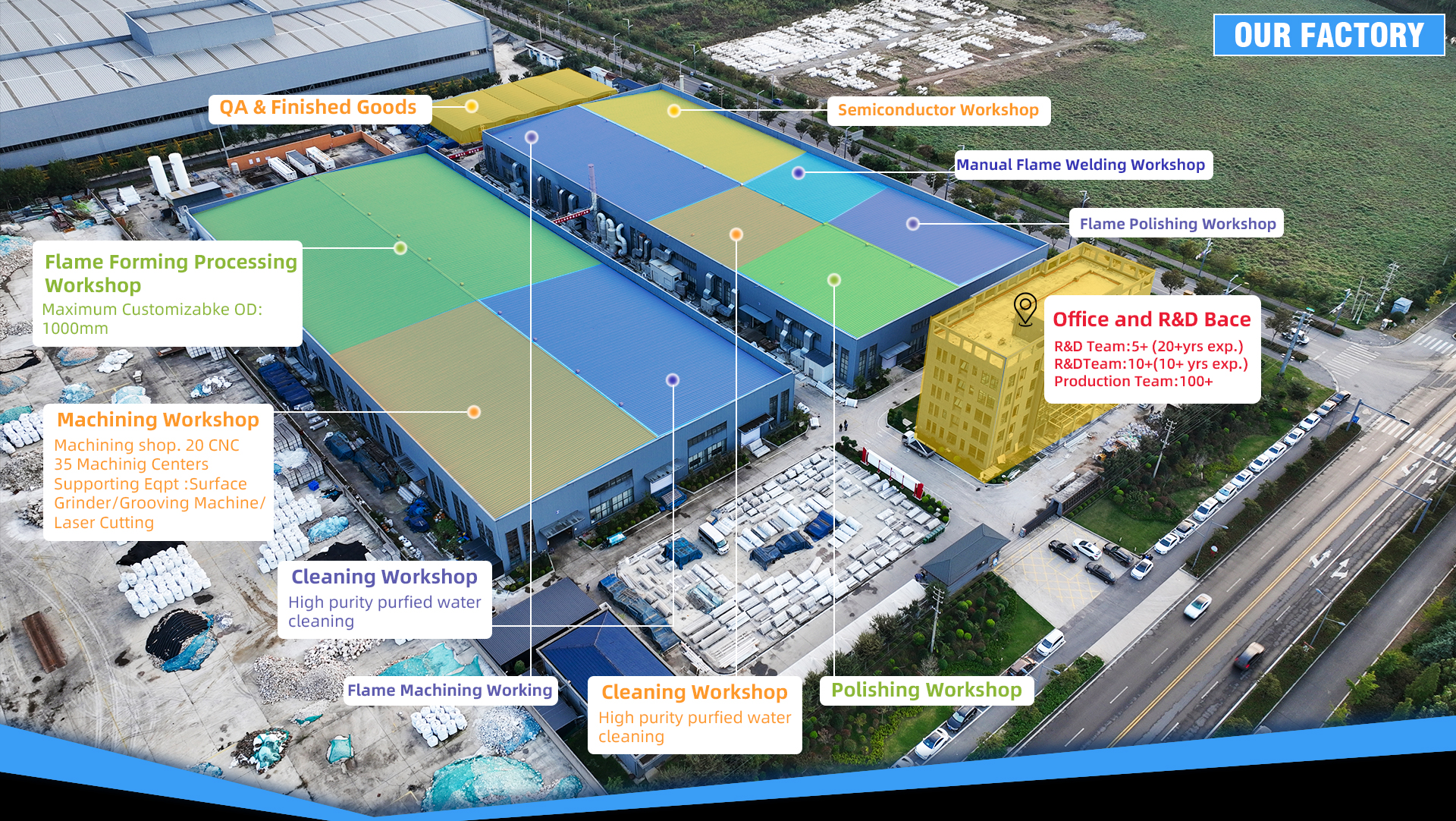
Located in Donghai County—the recognized capital of silica and crystal—Lianyungang Vulra Quartz Products Co., Ltd. integrates raw material selection, hot flame processing, cold precision machining, and strict quality assurance under one audited roof.
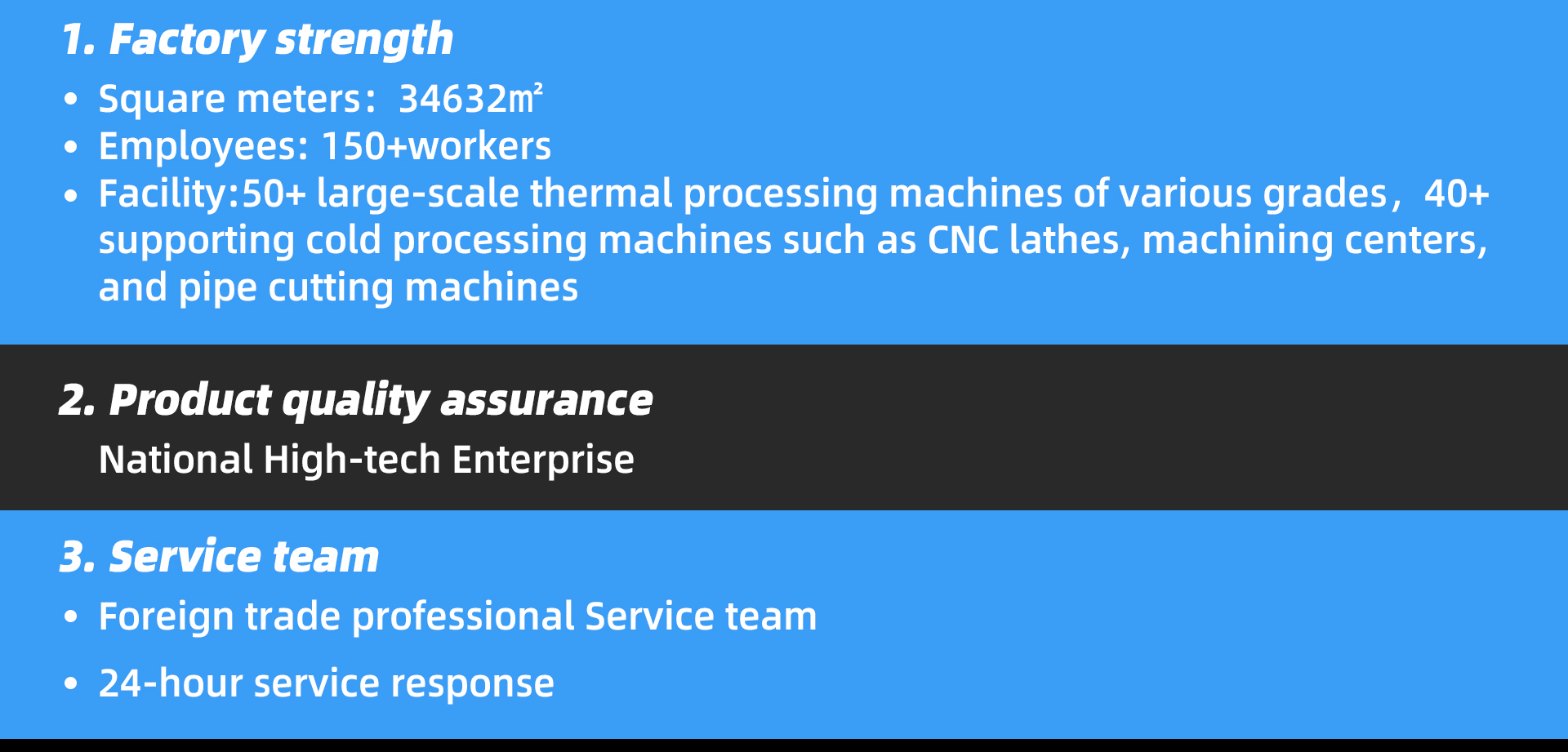
| Operating Entity | Lianyungang Vulra Quartz Products Co., Ltd. |
|---|---|
| Factory Location | No. 9, Dingxin Road, Donghai Economic Zone, Lianyungang, Jiangsu |
| Third-Party Audit | TÜV Rheinland Verified On-Site Custom Manufacturer |
| Material Grades | 99.99% – 99.999% Fused Silica & Optical Quartz (JGS1/JGS2/JGS3) |
| Custom Prototyping | OEM/ODM from 1 piece based on CAD/STEP/DWG/PDF drawings |
| Machining Precision | CNC tolerance within ±0.05 mm; optical flatness up to Lambda/4 |
| Thermal Processing | Programmable vacuum stress-relief annealing to eliminate strain |
| Compliance | CE Marked, RoHS Compliant, REACH Compliant |
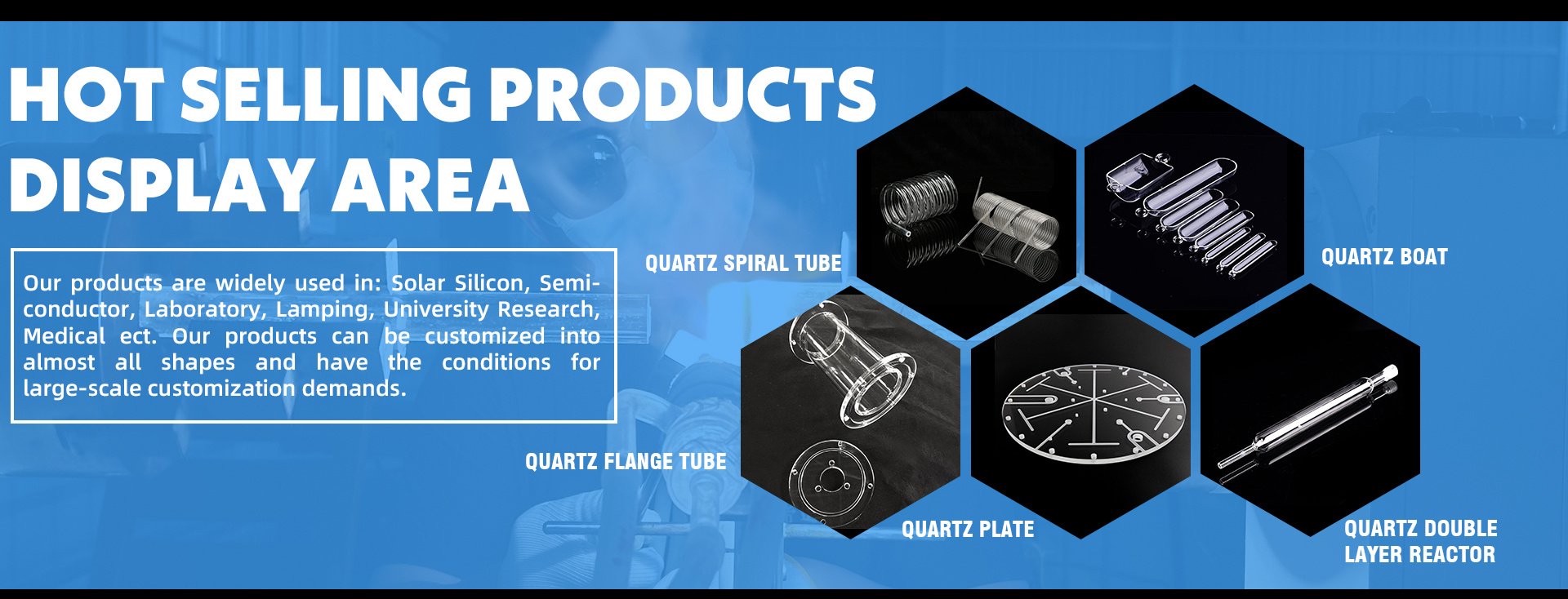 1-Piece Custom Prototyping · Full ODM Support


Our senior glassware engineers analyze each custom design for port spacing, wall thickness integrity, and thermal gradient risks before cutting begins.
Skilled master glassmakers utilize high-temperature oxy-hydrogen flames to form flawless quartz domes, side arms, and airtight joint junctions.
Diamond-tooled ultrasonic drills and multi-axis CNC machines produce threaded electrode openings, flat flange surfaces, and smooth chamfers.
All cells undergo a strict 1150°C thermal annealing cycle followed by controlled cooling to eliminate residual stress and prevent laser-induced shattering.
Oxy-hydrogen flame welding prevents carbon contamination.
Computerized kilns eliminate birefringence and internal strain.
Dimensional, helium leak, and optical transmission checks.
Engineered answers compiled from our senior technical staff to assist academic researchers, lab managers, and OEM instrument builders before ordering.
Inquire NowJGS1 (Synthetic Fused Silica) is synthesized from high-purity chemical silicon precursors. It has virtually no bubble inclusions and delivers premium ultraviolet transmission down to 185 nm without fluorescence, making it the premier choice for UV photocatalysis and in-situ UV-Vis spectroelectrochemistry. JGS2 (Fused Quartz) is melted from high-grade natural quartz crystal sand; it transmits exceptionally well across 220–2500 nm, serving as the standard for general photoelectrochemical applications. JGS3 (Infrared Fused Quartz) is treated to remove hydroxyl groups (OH content < 5 ppm), allowing clear transmission in the infrared range up to 3500 nm for in-situ FTIR operando measurements.
Every Quartz Sealed Electrolytic Cell manufactured by Vulra Quartz is pressure-tested at our Donghai facility. The cell is pressurized with dry nitrogen or helium up to 0.2 MPa (2 bar) and immersed in liquid to observe bubble formation, followed by a 30-minute electronic pressure-decay test. For ultra-trace gas chromatography applications, cells are helium leak-checked against vacuum standards to guarantee zero ambient air ingress.
Yes. We can integrate any port requirement: threaded Ace-threads (#7, #11, #15), standard ground taper glass joints (10/19, 14/20, 19/22, 24/40), GL45/GL32/GL14 screw threads, mini-quick-disconnect gas fittings, and Luer lock septum ports. We also supply custom-turned PTFE or PEEK caps with pre-drilled, O-ring sealed pass-throughs for standard 6.0 mm, 3.0 mm, or 2.0 mm diameter working, reference, and counter electrodes.
Our MOQ is just 1 piece for custom quartz sealed cells. As a direct manufacturer, we welcome prototype evaluation runs from university research groups, national laboratories, and corporate R&D centers before scaling to recurring batch deliveries.
Our export packaging is engineered for long-haul global freight. Each cell is ultrasonically cleaned, heat-sealed in protective cleanroom film, cradled in custom-cut multi-layer high-density polyethylene (EPE) shock-absorbing foam, enclosed in heavy-duty double-wall corrugated cartons, and crated in fumigated plywood cases for air or courier transit (DHL/FedEx/UPS). We maintain a 99.8% damage-free delivery rate worldwide.
Because pure fused quartz has extraordinary chemical resistance, it can be soaked in concentrated nitric acid (HNO3) or aqua regia to remove trace organic or metallic deposits. Never use hydrofluoric acid (HF) or hot concentrated phosphoric acid, which dissolve silica. After acid soaking, rinse thoroughly with 18.2 MOhm-cm deionized water and dry in a clean nitrogen stream or laboratory oven.
Send your CAD drawing, sketch, or volume requirements to [email protected]. Our engineering specialists respond within 24 hours with a comprehensive feasibility audit and competitive direct-factory quotation.