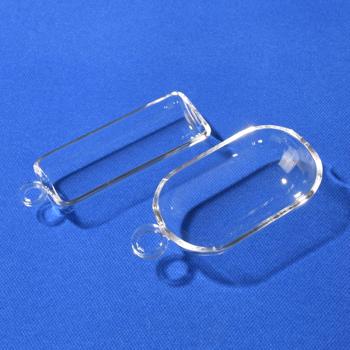
Polished Rectangular Quartz Combustion Boat
Features precision flat walls, polished rims, and welded pulling loops for thermocouple push-rods. Ideal for high-temperature calcination and chemical analysis.
When operating horizontal tube furnaces, chemical vapor deposition (CVD) reactors, or calcination chambers up to 1200°C, material failure is not an option. Discover the engineering principles of SiO₂ purity control (99.999%), devitrification prevention, thermal shock mitigation, and custom boat fabrication from Lianyungang Vulra Quartz Products Co., Ltd.
Understanding why pure fused amorphous silica remains the gold standard for thermal analysis, semiconductor diffusion, and advanced materials synthesis.
In high-temperature research and precision industrial thermal processing, the selection of the reaction carrier directly determines experimental reproducibility and sample purity. A quartz laboratory furnace boat (frequently termed a fused silica combustion boat or tube furnace crucible) functions as the direct containment vessel for precursor powders, semiconductor wafers, optical crystals, and solid-state battery electrolytes subjected to extreme thermal environments.
Unlike conventional alumina, mullite, or metallic combustion boats, high-purity fused quartz exhibits an extraordinarily low thermal expansion coefficient—roughly 5.5 × 10⁻⁷ /°C between 20°C and 1000°C. This micro-structural trait grants it near-immunity to severe thermal shock, allowing a laboratory technician or automated push-rod system to withdraw the boat from an 1100°C furnace zone straight into room-temperature ambient conditions without mechanical fracturing.
However, thermal durability alone does not fulfill modern semiconductor or nanotech requirements. Trace element contamination from sodium (Na), potassium (K), iron (Fe), copper (Cu), or aluminum (Al) can poison crystalline matrices or disrupt CVD thin-film carrier lifetimes. At Lianyungang Vulra Quartz Products Co., Ltd., every quartz boat is synthesized from premium Donghai natural crystalline quartz sand with total metallic impurity levels strictly limited to under 15 ppm (with semiconductor-grade options achieving < 5 ppm).
Fused quartz exists in a metastable vitreous (glassy) state. Above 1150°C, the silica network naturally begins to crystallize into crystalline cristobalite. The primary catalytic accelerator of devitrification is surface ionic contamination—specifically finger oils (alkali chlorides) and particulate dust. Always handle quartz furnace boats with clean lint-free nitrile gloves and execute periodic 5% HF acid etching followed by DI water rinses to prolong service life beyond hundreds of thermal cycles.
Whether matching standard OD 50–150 mm quartz process tubes or building custom automated push-rod carriers, we fabricate boats customized to your dimensional specifications.
Features precision flat walls, polished rims, and welded pulling loops for thermocouple push-rods. Ideal for high-temperature calcination and chemical analysis.
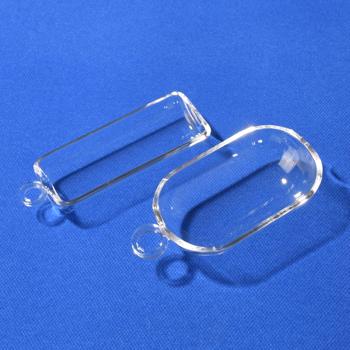
Engineered specifically to maximize sample volume and streamline laminar gas flow inside horizontal process tubes (fits 50mm, 60mm, 80mm, 100mm, 120mm inner diameter tubes).
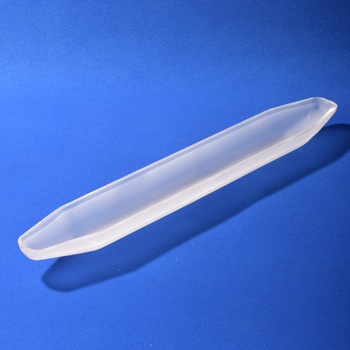
Equipped with ultra-narrow CNC micro-machined slots (pitch down to 1.0 mm) to hold silicon, sapphire, or quartz substrates vertically during vapor deposition.
Need custom partitions, perforated sintering floors, ground optical covers, or thermocouple wells? Send your CAD drawing (DWG, STEP, PDF) for rapid review.
Contact Us| Product Model | Standard Outer Dimensions (L×W×H mm) | Wall Thickness | Purity Grade | Recommended Tube ID | Max Operating Range |
|---|---|---|---|---|---|
| VQ-FB-REC-01 (Standard Rectangular) | 60 × 20 × 15 mm | 1.8 – 2.0 mm | ≥ 99.99% | ≥ 35 mm | 1100°C cont. / 1280°C peak |
| VQ-FB-REC-02 (Extended Combustion) | 100 × 30 × 20 mm | 2.0 – 2.5 mm | ≥ 99.995% | ≥ 50 mm | 1100°C cont. / 1300°C peak |
| VQ-FB-SEM-01 (Semi-Circular D-Profile) | 120 × 40 × 25 mm | 2.2 – 2.8 mm | ≥ 99.999% | ≥ 60 mm | 1150°C cont. / 1350°C peak |
| VQ-FB-SEM-02 (High-Capacity D-Profile) | 150 × 60 × 35 mm | 2.5 – 3.2 mm | ≥ 99.999% | ≥ 80 mm | 1150°C cont. / 1350°C peak |
| VQ-FB-CST (Custom Multi-Wafer Slotted) | Tailored to buyer 2D/3D drawing | Custom (0.8 – 8.0 mm) | Semiconductor / Optical Grade | Any custom tube size | Process specific |
How cutting-edge semiconductor nodes, solid-state battery synthesis, and next-generation cleanroom automation are fundamentally shifting procurement priorities.
In thermal CVD processes for 2D transition metal dichalcogenides (TMDs) and advanced perovskite solar cells, residual hydroxyl (OH) groups within fused silica can outgas at temperatures above 900°C. Global procurement teams increasingly require synthetic fused silica or vacuum-baked low-OH quartz boats (< 2–5 ppm OH) to eliminate oxygen vacancy defects during crystal growth.
AI-assisted semiconductor design and solid-state battery research have tightened metallic impurity tolerances. Modern procurement no longer relies on generic "high purity" claims. Buyers demand lot-specific Inductively Coupled Plasma Mass Spectrometry (ICP-MS) certificates verifying total metallic content of alkali ions (Li, Na, K) and heavy metals below the sub-part-per-million threshold.
With R&D cycles accelerating across university spin-offs and multinational tech firms, rigid minimum order quantities (MOQs) of 50 or 100 units are obsolete. Strategic supply chain leaders favor agile custom fabricators that can manufacture high-precision prototypes from 1 piece, iterate within 5 business days, and seamlessly scale to recurring batch volumes.
1. Robotic Precision Oxy-Hydrogen Flame Welding: Traditional manual torch welding often introduces micro-bubbles and uneven wall thickness, creating localized stress risers susceptible to thermal shear failure. Lianyungang Vulra Quartz Products Co., Ltd. incorporates precision glass lathe positioning with computer-regulated oxy-hydrogen flame benches, ensuring homogeneous fusion lines and perfectly balanced thermal distribution across the entire boat keel.
2. Multi-Axis Ultrasonic CNC Machining: For complex substrate holding geometries, ultrasonic-assisted CNC grinding produces razor-sharp slots and clean corners without micro-chipping or subsurface micro-cracks. This mechanical integrity dramatically decreases the nucleation sites where cristobalite crystallization typically commences at high temperatures.
3. Advanced High-Temperature Annealing: After hot fire-polishing or tube-cutting, residual internal mechanical stresses can exceed 15–20 MPa. Our factory puts finished furnace boats through a programmed electric annealing furnace cycle at 1150°C with controlled slow ramping down to below 400°C. This eliminates internal photoelastic birefringence and ensures zero geometric warping when first fired in your laboratory.
4. Class 1000 Cleanroom Chemical Passivation: Prior to export packing, custom boats undergo chemical etching in analytical-grade acid baths to strip iron transfer marks from handling tooling, followed by multiple rinses in 18.2 MΩ·cm ultra-pure deionized water and vacuum heat sealing.
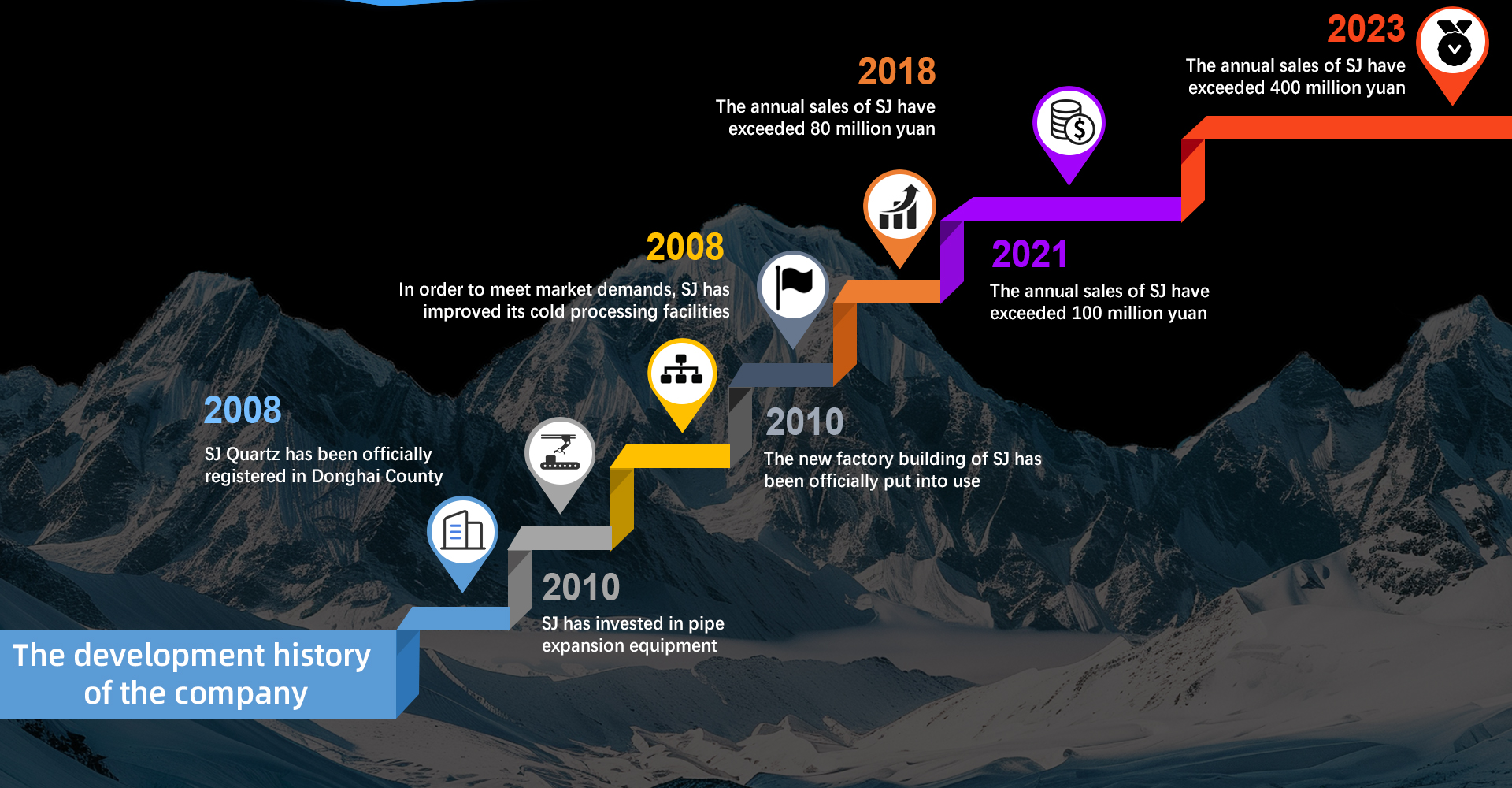
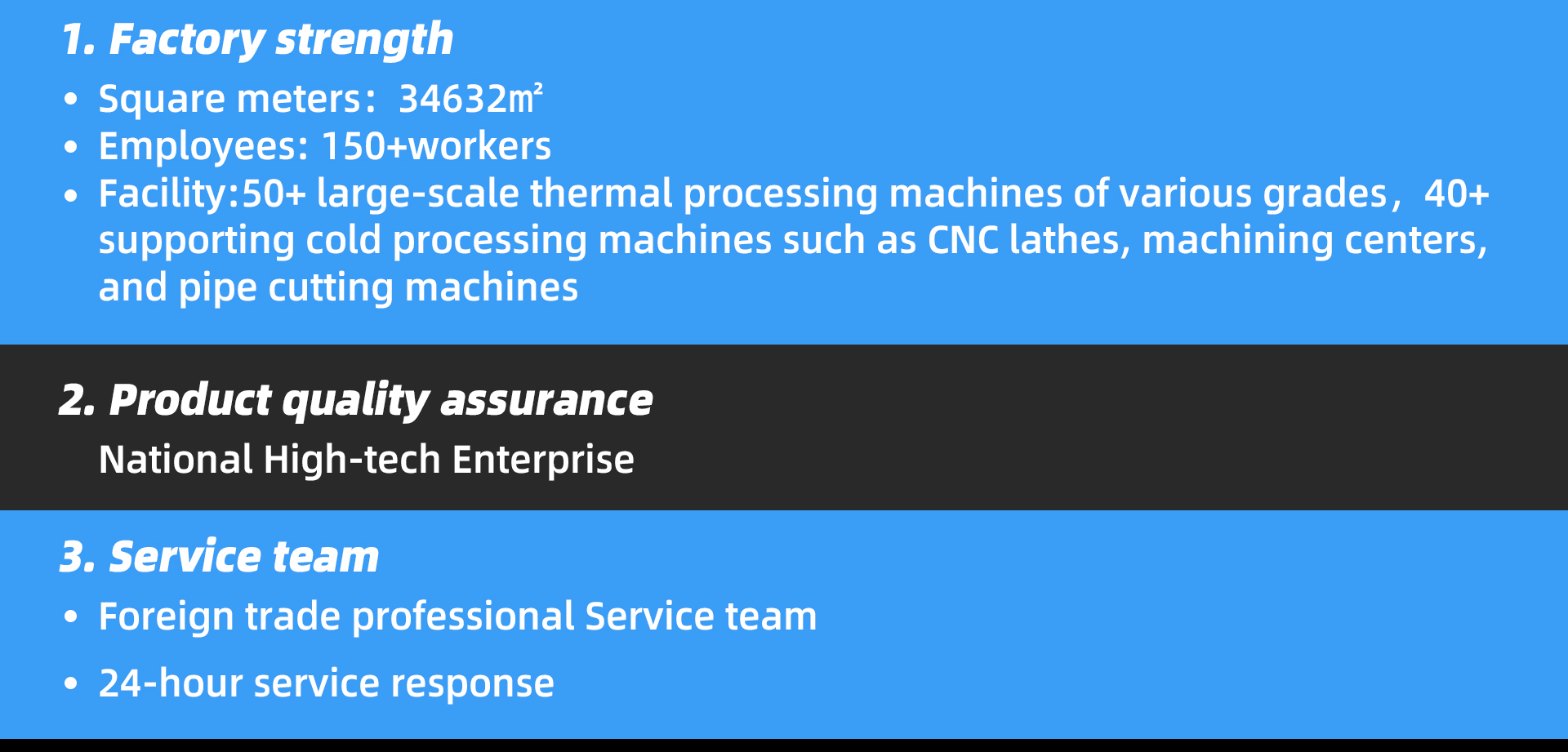
From crystal sand refining to flame lathe welding, our vertically integrated plant in the Donghai Economic Development Zone eliminates middlemen and delivers consistent international quality.
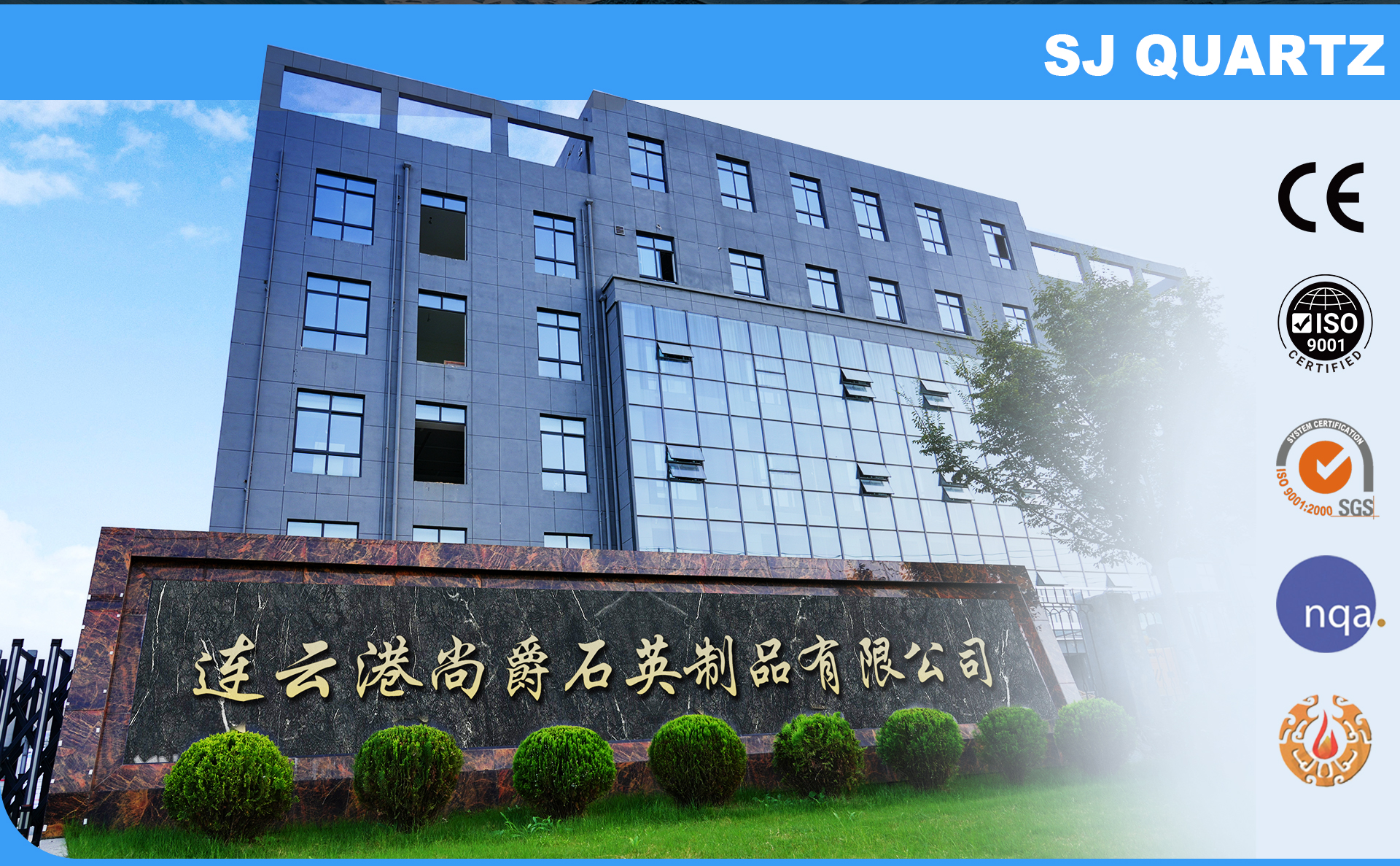
Lianyungang Vulra Quartz Products Co., Ltd. operates at No. 9, Dingxin Road, Jiangsu Donghai Economic Development Zone. Donghai County is globally renowned as China's crystal and high-purity silica cluster, granting our engineers first-selection access to the purest natural crystalline raw materials on the planet.
We are an authenticated Custom Manufacturer & Verified Supplier assessed on-site by TÜV Rheinland. We do not just ship standard stock items—our specialized production lines execute drawing-based OEM and ODM orders for semiconductor fabs, aerospace research, photovoltaic developers, and national science laboratories across North America, Europe, East Asia, and the Middle East.
Whether you require standard 100 mm combustion boats or intricate wafer-rack boats with tight tolerances of ±0.2 mm, we bridge the gap between material science and precision manufacturing with prototyping starting from 1 piece.
Direct supply agreements with Donghai high-purity quartz mines ensure SiO₂ ≥ 99.999% with batch ICP-MS verification.
Accelerate your laboratory experiments without restrictive MOQs. We fabricate single prototypes for verification.
Every boat undergoes a dedicated 1150°C slow furnace cooling protocol to relieve internal shear stress.
Full CE and RoHS compliance across our standard and custom product lines, delivered safely across 60+ countries.
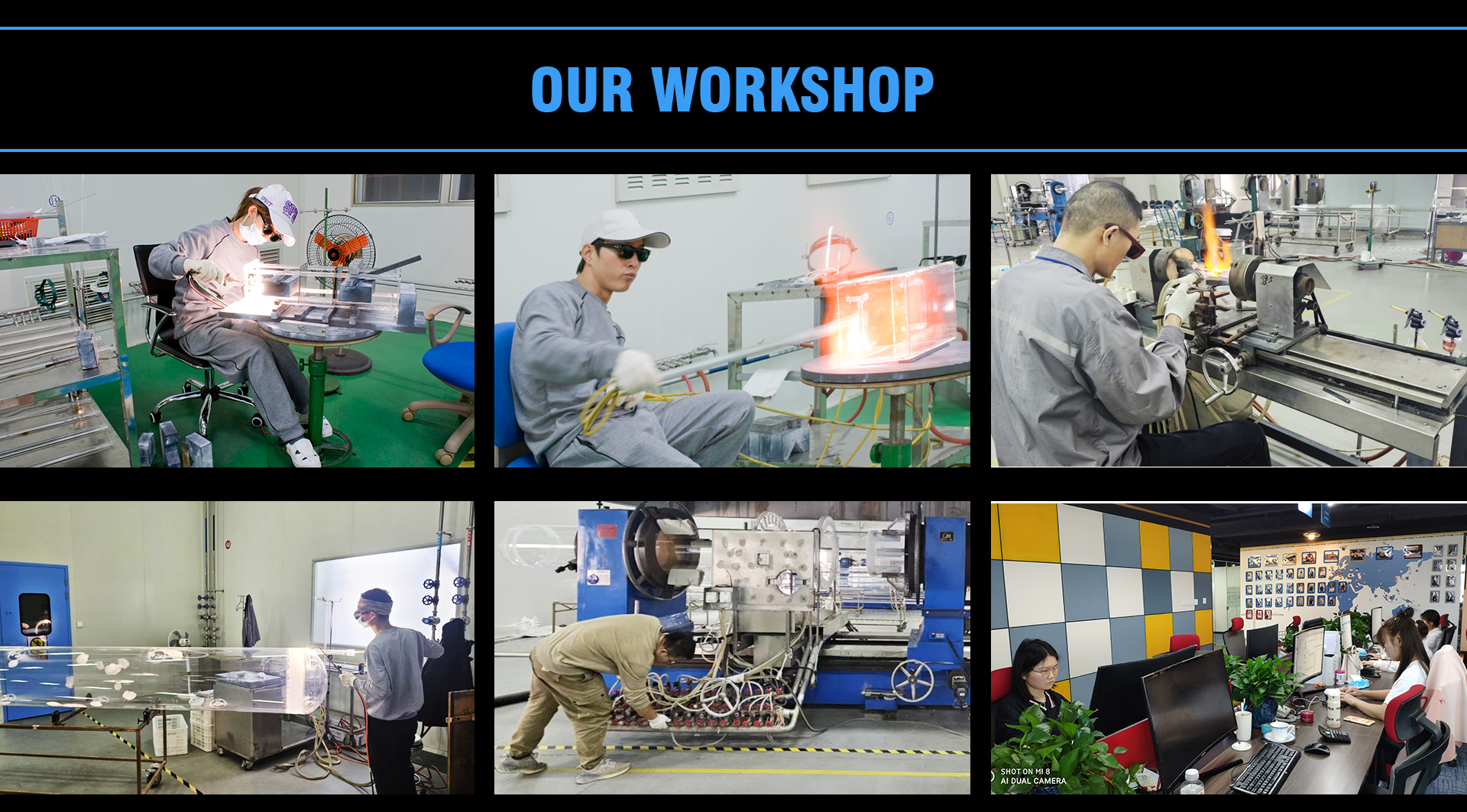
Direct photographic verification of our hot-working, precision cutting, polishing, annealing, and rigorous inspection workflows.
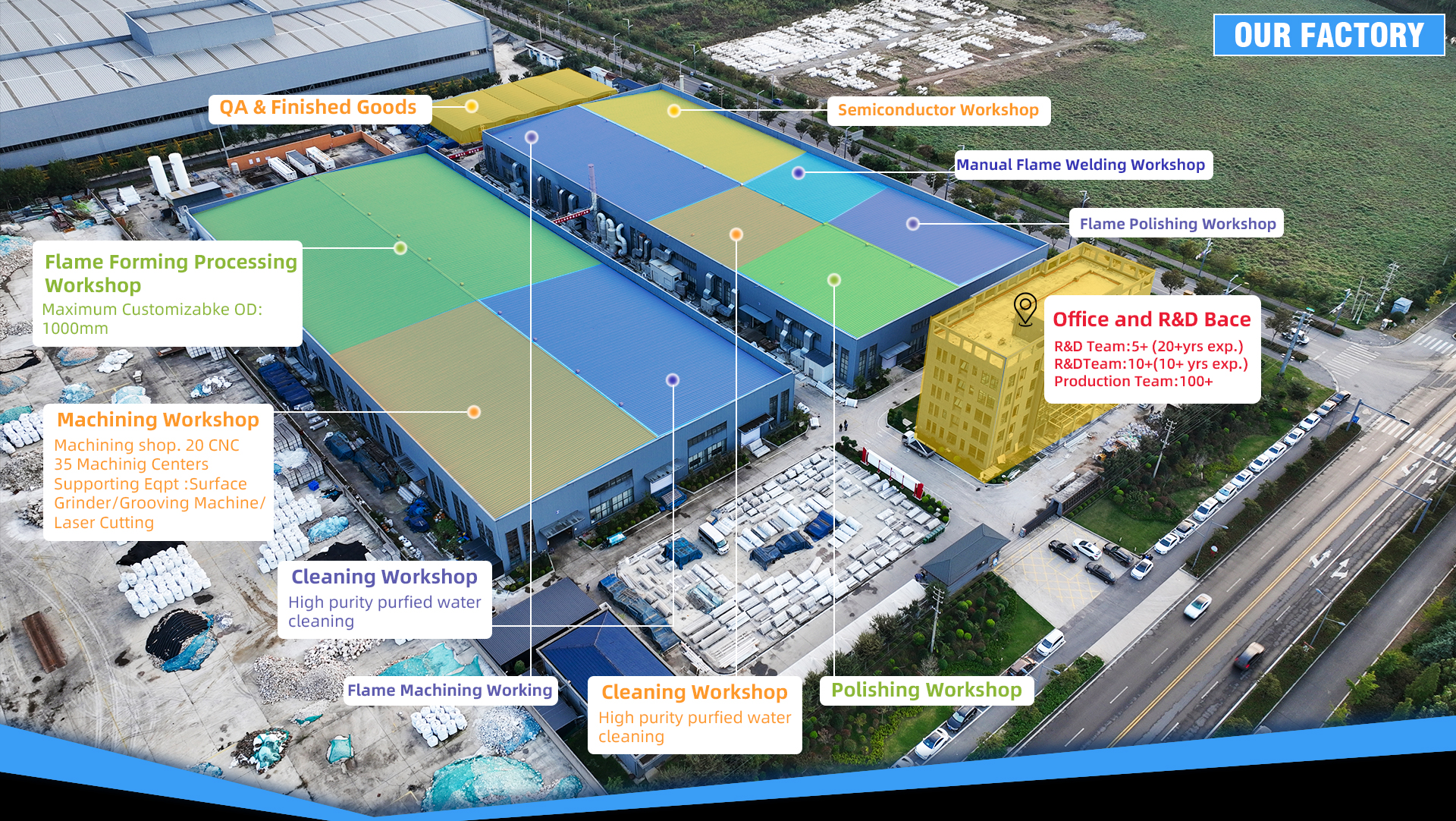
Precision oxy-hydrogen torch shaping and handle welding.
Precise boat keel and wall geometry profiling.
Flat, chip-free bases to guarantee stable furnace tube placement.
Complete elimination of thermal strain and internal birefringence.
Deep de-contamination to eliminate any trace iron or alkali surface ions.
Caliper, micrometer, and optical checks against buyer CAD drawings.
Direct answers from our senior materials engineers addressing common challenges faced in high-temperature synthesis, CVD, and laboratory furnace operations.
Contact UsSagging or warping occurs when the quartz boat is operated near or above its transformation strain point (~1120°C) without sufficient wall thickness or proper mechanical support. When temperatures reach 1150°C–1200°C under heavy sample loads, high-purity amorphous silica undergoes viscous relaxation. To prevent geometric distortion, Lianyungang Vulra Quartz Products Co., Ltd. recommends specifying reinforced keel designs, increasing wall thicknesses to 2.5–3.5 mm, or switching to semi-circular profiles that naturally distribute mechanical load against the curvature of the outer furnace process tube.
This white chalky haze is classic devitrification, representing a phase transformation from amorphous vitreous silica into crystalline α- and β-cristobalite. Cristobalite has a significantly different density and thermal expansion behavior, causing micro-cracking and eventual structural failure. Devitrification is almost always catalyzed by surface contaminants—specifically alkaline metals (Na, K, Ca) from skin contact, dust, or furnace atmosphere vapors. To avoid this, always handle boats with clean gloves, store them in sealed desiccators, and periodically passivate them in a dilute (5%) hydrofluoric acid solution.
Yes. Fused quartz possesses one of the lowest thermal expansion coefficients known (5.5 × 10⁻⁷ /°C). Unlike high-purity alumina (Al₂O₃) or silicon carbide, an unconstrained quartz boat can withstand sudden temperature swings of over 1000°C without cracking from thermal shock. However, if the boat contains a dense or highly rigid solid sample with an incompatible thermal expansion rate (such as a bulky metal ingot), the thermal expansion mismatch of the sample can exert internal mechanical pressure and burst the quartz boat. In such cases, ramped thermal cycles are advised.
Natural fused quartz is melted from natural high-purity quartz crystal sand (purity 99.99%–99.999% SiO₂). It offers superior viscosity at elevated temperatures, higher mechanical strength at 1100°C, and exceptional cost-efficiency for 95% of furnace and CVD applications. Synthetic fused silica is created via the vapor-phase hydrolysis of volatile silicon compounds (e.g., SiCl₄), providing extreme chemical purity with metallic impurities under 1 ppb and zero optical absorption in the deep UV spectrum. However, synthetic silica has a lower viscosity point and tends to sag at slightly lower temperatures than high-grade natural fused quartz. Vulra Quartz will help specify the optimal material based on your budget and contamination sensitivity.
For custom semiconductor wafer boats, slotted diffusion carriers, and multi-specimen combustion boats, our multi-axis CNC diamond wire slicing and ultrasonic milling machines routinely achieve slot width and pitch tolerances of ±0.05 mm to ±0.10 mm. Overall envelope dimensions (length, width, height) are maintained within ±0.2 mm to ±0.5 mm, ensuring smooth engagement with robotic transfer forks or manual push-pull rods.
Our MOQ is 1 piece for custom quartz boats, crucibles, and customized tube furnace components. Prototypes fabricated to your 2D/3D drawing generally ship within 5 to 10 business days. Standard dimension models are stocked in volume for rapid dispatch.
Send your CAD drawing or dimensional specifications to [email protected] for a comprehensive engineering and pricing review.