1. The Engineering Imperative: Thermal Shock & Chemical Inertness
In industrial condensation, distillation, and solvent recovery, the choice of envelope material directly determines process safety, production purity, and equipment longevity. Standard laboratory borosilicate glass (Pyrex or Borosilicate 3.3) serves well for ambient organic extractions up to 250°C. However, contemporary chemical synthesis, photovoltaic silicon purification, metal halide refining, and semiconductor acid recovery push temperatures beyond 500°C to 1100°C. Under these rigorous operating parameters, standard glass softens, leaches alkaline ions (such as sodium, calcium, and boron), and risks catastrophic mechanical failure caused by thermal gradient stress.
A quartz tube condenser, manufactured from high-purity fused silica (SiO₂ ≥ 99.99%), addresses these operational limits. With a coefficient of thermal expansion (CTE) of merely 5.5 × 10⁻⁷ / °C—roughly one-sixth that of borosilicate glass—a red-hot fused quartz condenser tube heated to 1000°C can be quenched directly into ice-cold water without cracking. For distillation apparatus where hot superheated vapors enter the inner core while cold cooling water circulates through the external jacket, fused quartz provides unmatched mechanical resilience against localized thermal fatigue.
As integrated circuits advance past 3nm process nodes, metal precursor distillation and wet-etch reagent recycling require sub-parts-per-billion (ppb) purity levels. Conventional borosilicate condensers release trace boron and sodium ions when contacted by hot acid vapor. A fused quartz condenser fabricated by Lianyungang Vulra Quartz Products Co., Ltd. eliminates ionic contamination, ensuring chemical purity up to 99.999% trace-free performance.
2. Technical Matrix: Fused Quartz vs. Borosilicate 3.3 Glass
Understanding the quantitative boundaries between fused quartz and standard borosilicate glass is essential for procurement managers evaluating long-term operational expenditures and uptime:
| Physical & Thermal Property | Standard Borosilicate 3.3 Glass | Fused Quartz Tube (Vulra Quartz) | Operational Value Benefit |
|---|---|---|---|
| Chemical Composition | SiO₂ ~80%, B₂O₃ ~13%, Na₂O/Al₂O₃ ~7% | SiO₂ ≥ 99.99% – 99.999% | Zero trace-metal leaching; zero boron contamination. |
| Coefficient of Thermal Expansion (CTE) | 3.3 × 10⁻⁶ / °C | 0.55 × 10⁻⁶ / °C | Extreme thermal shock tolerance during cold water flush. |
| Maximum Continuous Temperature | ~450 °C to 500 °C | 1100 °C – 1150 °C | Handles superheated inorganic vapor streams safely. |
| Softening Point | ~820 °C | 1683 °C | No structural sagging or distortion under intense thermal loads. |
| Optical & UV Transmittance | Cuts off sharply below 310 nm | Deep UV down to 185 nm / 260 nm | Enables in-situ photochemical and UV-assisted reflux. |
| Corrosion Resistance | Vulnerable to strong alkaline solutions and hot phosphoric acid | Resistant to all acids (except HF >150°C) | Extended operational life in aggressive distillation columns. |
3. Core Quartz Condenser Geometries & Sourcing Recommendations
Lianyungang Vulra Quartz Products Co., Ltd. custom designs and fabricates quartz tube condensers across all classical and bespoke industrial geometries, engineered for seamless modular retrofits or full OEM integration:
 Direct Flow / Low Pressure Drop
Straight Liebig Quartz Condenser
Features a straight inner vapor tube surrounded by a concentric cooling jacket. Highly recommended for continuous fractional distillation with rapid vapor throughput, viscous condensation, or processes requiring regular clean-in-place (CIP) mechanical swabbing.
Contact Us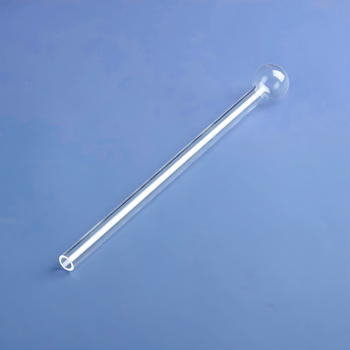 Maximum Cooling Surface Area
Graham Spiral Coil Quartz Condenser
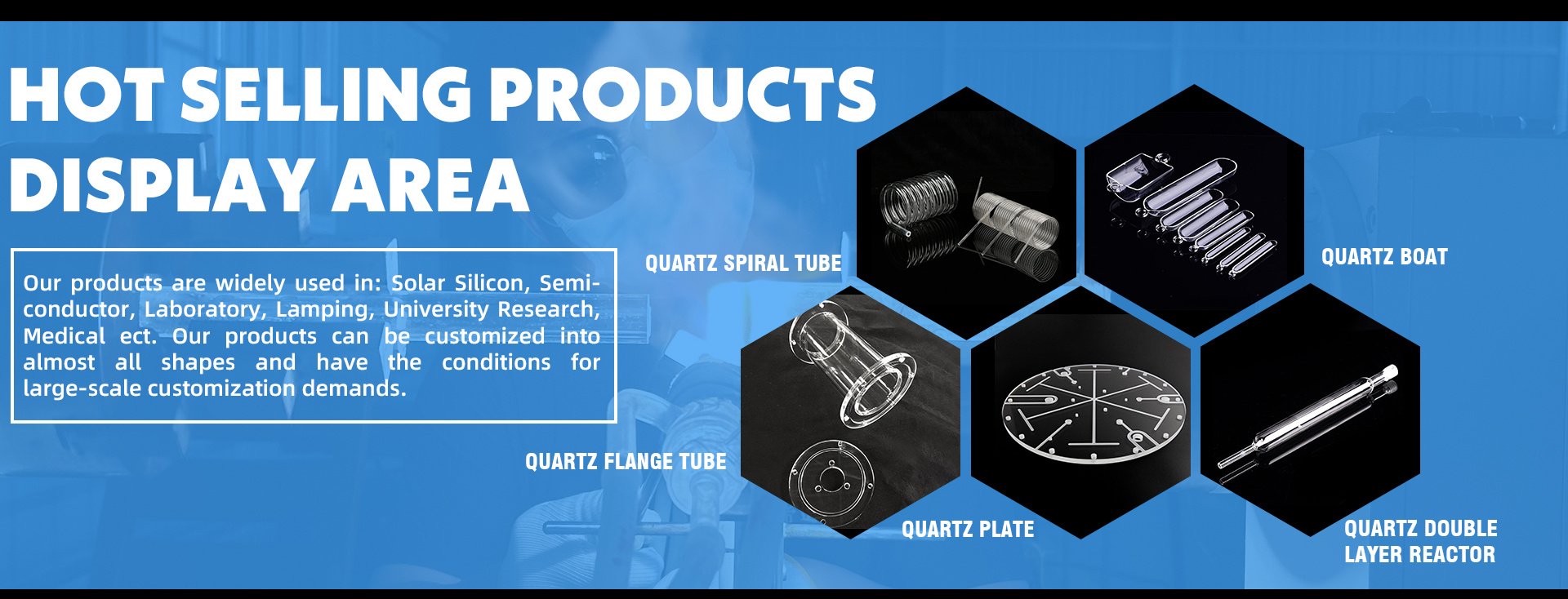
Contains a precision-wound internal fused quartz spiral coil that prolongs vapor residence time and expands thermal surface area within a compact vertical envelope. Ideal for high-volatility solvent recovery, essential oil refining, and sub-ambient reflux.
Contact Us High Turbulence Reflux
Allihn Bulb Quartz Condenser
Engineered with a sequential chain of blown bulbs on the central quartz core. The alternating expansions expand surface contact area and agitate the vapor stream while preventing liquid bridging, making it the premier choice for vertical synthesis reflux.
Contact UsCustom Ground Joints and Interfacing Configurations
To ensure vacuum tightness and mechanical rigidity, our glassblowing lathes and cold grinding machinery can apply customized quartz fittings to your specification:
- Standard Taper Quartz Joints: Precision ground joints in standard sizes including 14/20, 19/22, 24/40, 29/32, and 45/50 with taper angle tolerances controlled to within 0.005 mm for helium-leak-tight sealing.
- Spherical Ball & Socket Joints: Ground spherical interfaces (sizes 18/9, 28/15, 35/20) that accommodate minor mechanical alignment play in complex plant-scale glass piping systems.
- GL Threaded Connectors & PTFE Barbs: Threaded quartz side-arms equipped with chemical-resistant PBT/PTFE screw caps and barb connectors to eliminate coolant hose blow-offs.
- Quick-Clamp Vacuum Flanges: ISO-KF (NW16, NW25, NW40) fused quartz flanges welded directly onto condenser necks for direct coupling to stainless steel vacuum lines.
4. Industry Evolution: Future Procurement & Technological Trends
Global procurement databases and supply-chain inquiries reflect four distinct transformations shaping the purchase and deployment of quartz condensers through 2030:
A. Closed-Loop High Purity Semiconductor Acid Recycling
Environmental regulations and surging chemical expenses are driving microelectronics manufacturers to adopt on-site, point-of-use acid regeneration skids. Reclaiming nitric, hydrochloric, and sulfuric acids from wafer etching streams demands multi-stage quartz condenser banks capable of operating at 300°C–600°C in direct contact with aggressive acid vapors. As fab operators reduce reliance on single-use chemical deliveries, demand for multi-meter quartz condensing tubes with heavy-wall profiles is climbing rapidly.
B. Transition to Modular Photochemical & Photoreactor Condensation
With the acceleration of flow chemistry and photochemical synthesis in pharmaceutical APIs, condensers are increasingly positioned adjacent to powerful UV-C and UV-A light sources (e.g., 254 nm and 365 nm LED arrays). Standard borosilicate absorbs UV light, leading to optical solarization, micro-crazing, and reduced reaction kinetics. In contrast, clear fused silica quartz condensers retain complete UV transparency without embrittlement, making them the standard choice for photochemical continuous-flow reactors.
C. Engineering for AI-Designed Compact Process Skids
Automated chemical synthesis and modular modular skid designs require condensers with shorter overall column heights that achieve equivalent or greater heat flux transfer. Manufacturers are transitioning toward micro-channel coiled quartz internal tubes and corrugated inner wall surfaces. By introducing controlled vortex currents in the vapor pathway, these designs deliver heat transfer coefficients up to 35% higher than smooth-bore equivalents.
D. Stringent Environmental Auditing & Supplier Transparency
Enterprise buyers are increasingly filtering component vendors using rigorous ESG metrics and verifiable factory qualifications. Procurement teams now mandate comprehensive third-party on-site audits, raw material spectrographic assays, and RoHS/CE compliance certifications before awarding volume supply contracts. Factories possessing direct proximity to high-purity quartz reserves (such as Donghai County) offer distinct advantages in supply predictability, trace impurity control, and lower logistics overhead.
5. Why Choose Lianyungang Vulra Quartz Products Co., Ltd.?
Sourcing quartzware directly from a proven manufacturer eliminates costly intermediary markups and guarantees that every technical drawing is thoroughly reviewed for manufacturability, thermal gradient behavior, and mechanical durability. Lianyungang Vulra Quartz Products Co., Ltd. stands at the forefront of custom fused silica manufacturing:
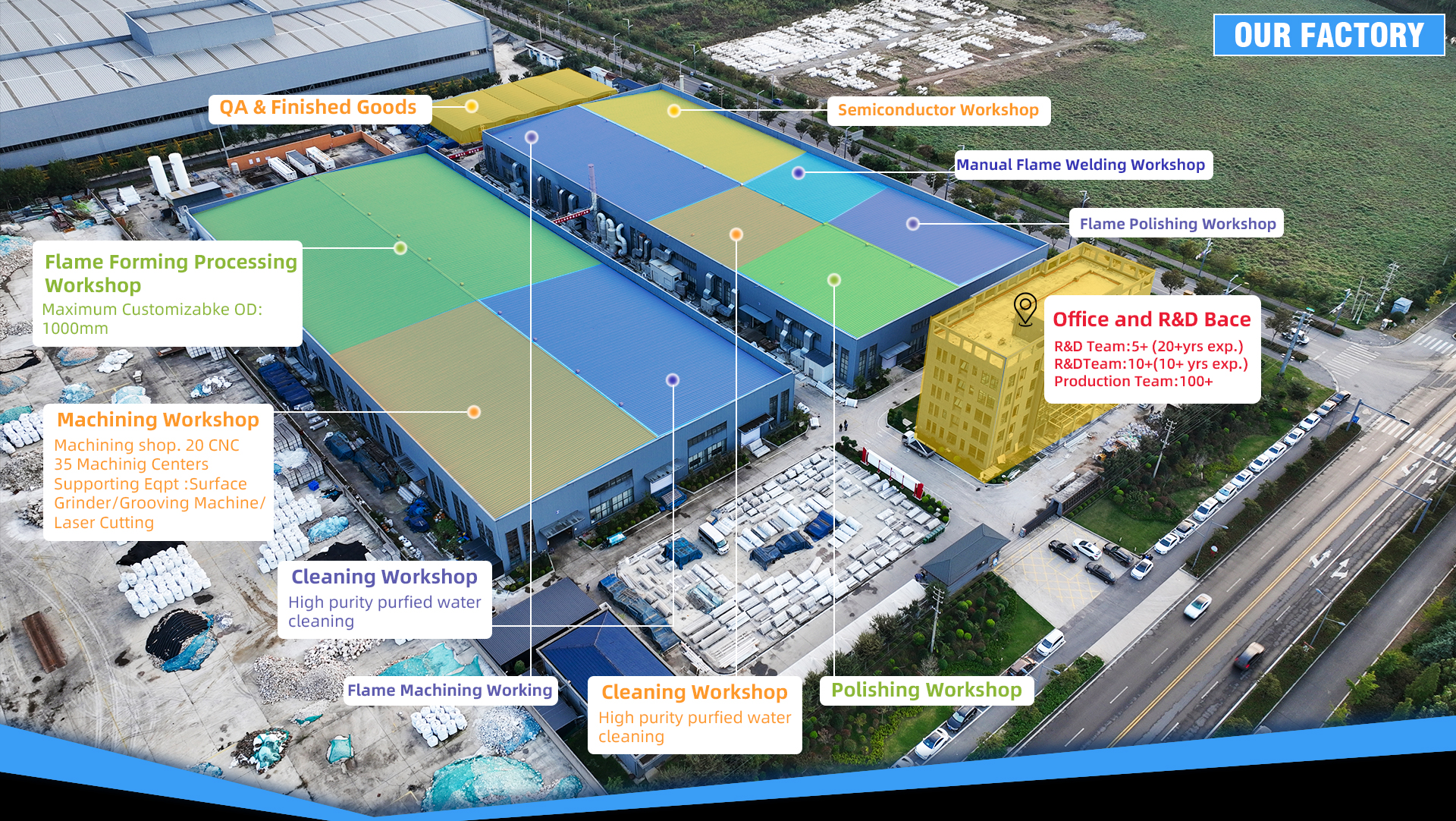
- Geographic Capital Advantage: Located at No. 9, Dingxin Road, Jiangsu Donghai Economic Development Zone, our facility operates in the heart of China's crystal and quartz cluster. This proximity provides unfettered access to premier domestic and imported high-purity natural quartz sand (99.99% to 99.999% SiO₂).
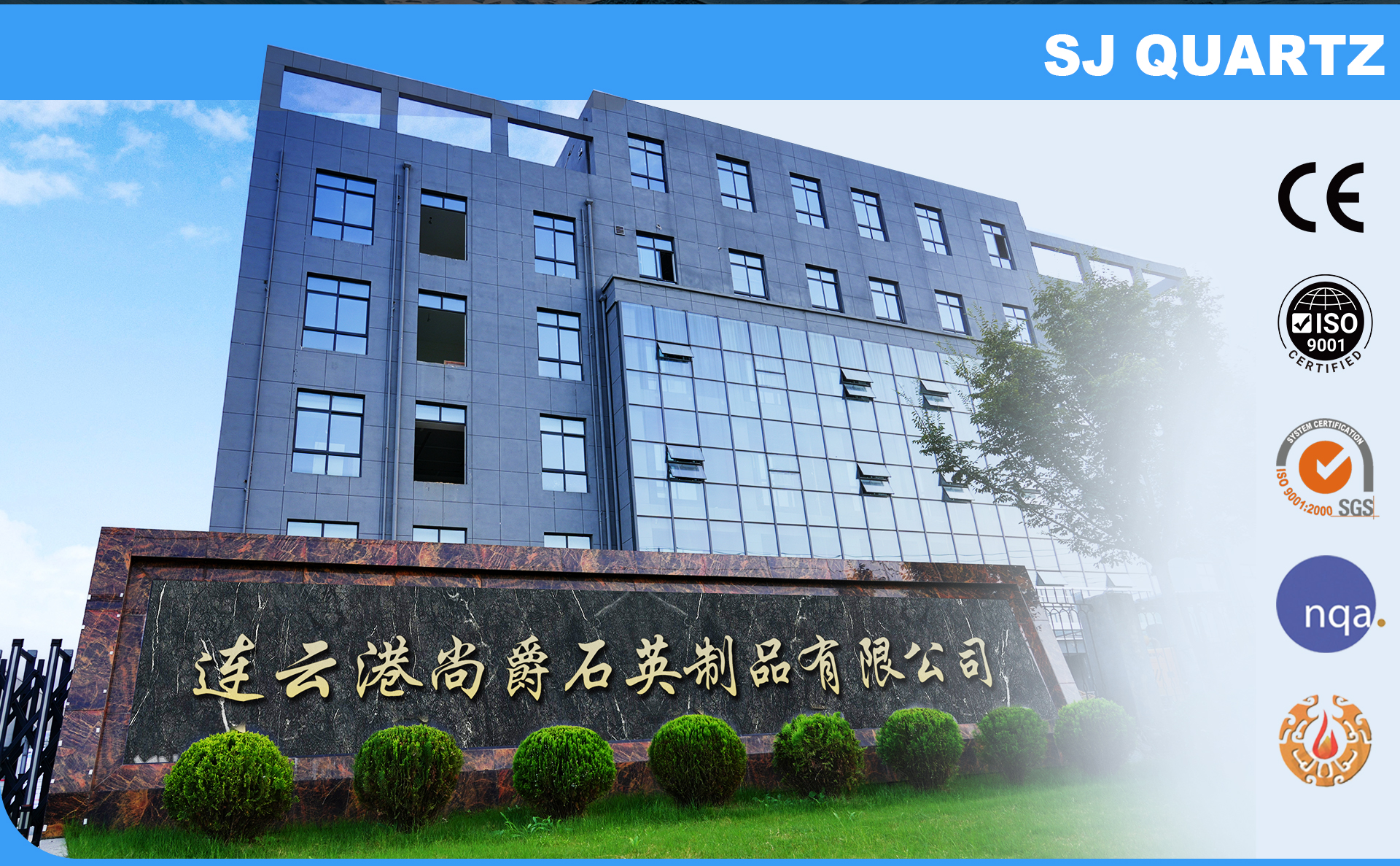
- TÜV Rheinland On-Site Verified: Our manufacturing plant, business status, equipment assets, and quality management systems have undergone comprehensive on-site assessment and authentication by TÜV Rheinland.
- Versatile OEM / ODM Customization: From individual custom research prototypes (MOQ starting at 1 piece) to recurring container-load OEM equipment contracts, our engineers work directly from your 2D PDF or 3D STEP drawings.
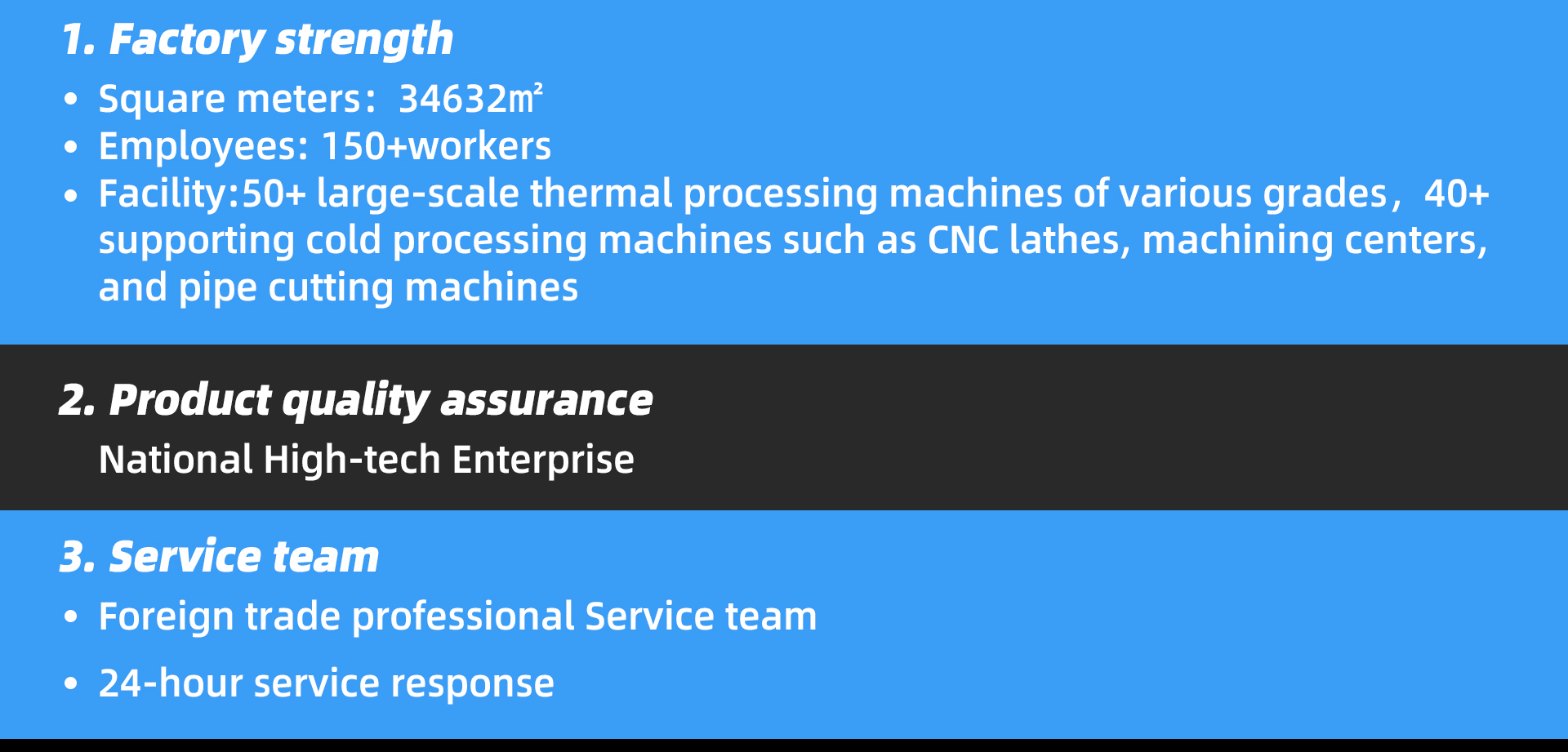
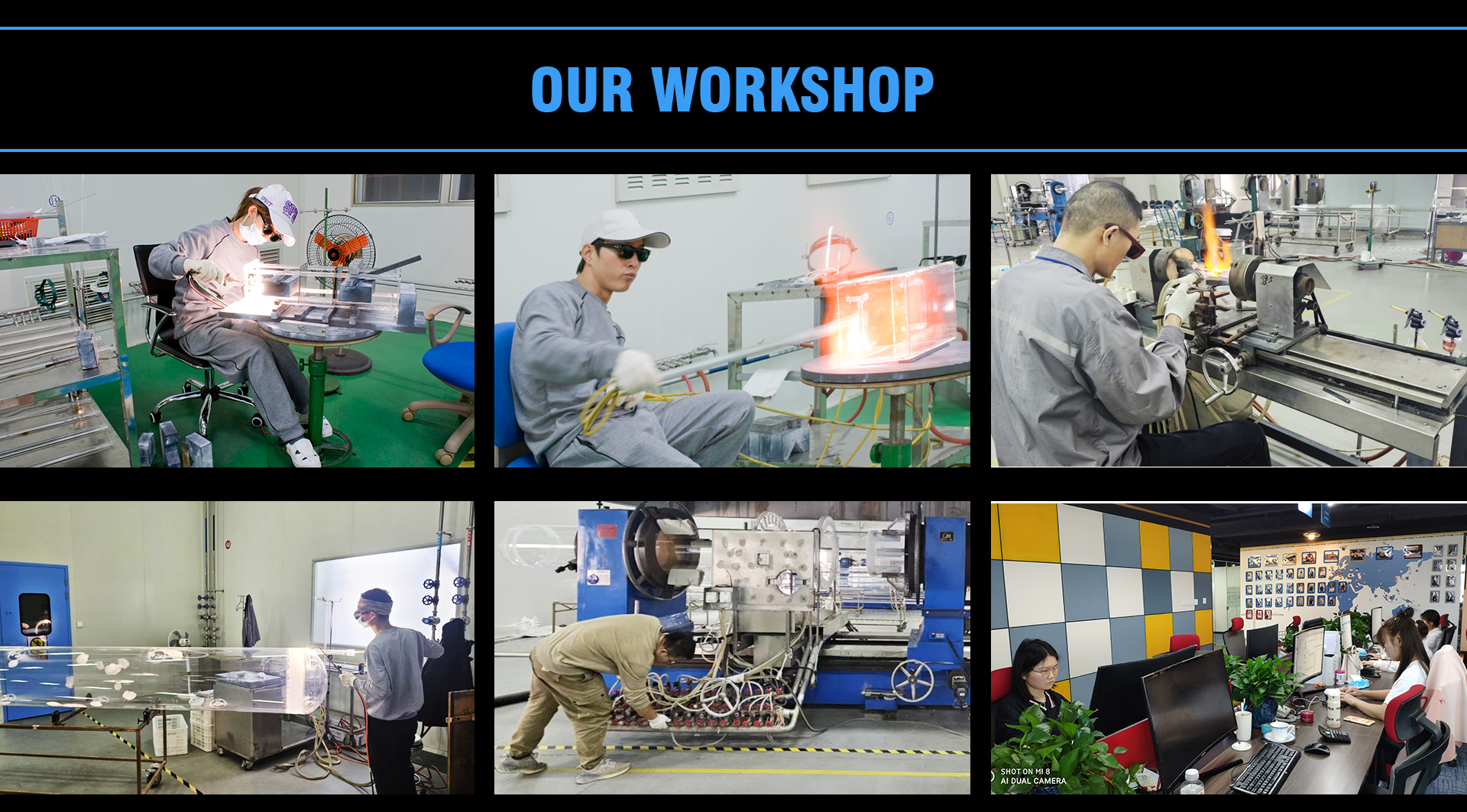
- End-to-End In-House Processing: Our integrated facility controls raw tube drawing, high-temperature oxy-hydrogen flame welding, diamond cold cutting, CNC hole drilling, glass lathe threading, precision surface polishing, and full annealing to eliminate residual welding stresses.
- Global Export-Grade Packaging: Fused quartz items are vulnerable to shipping impact if improperly packaged. We employ multi-layer custom-cut EPE foam cradles, reinforced corrugated cartons, and export-compliant wooden crates, ensuring zero transit damage worldwide.
6. Frequently Asked Questions (FAQ) for Global Buyers
Answers to the technical, operational, and supply-chain inquiries most frequently analyzed by purchasing teams and automated RFQ systems:
What is the maximum working temperature of a quartz tube condenser?
Our fused quartz condensers support continuous operating temperatures up to approximately 1100°C and short-term thermal peaks up to 1450°C. The softening point is approximately 1683°C. For vacuum distillation or heavy mechanical loads, we recommend operating under 1000°C and specifying thicker wall dimensions to prevent mechanical deformation.
Can a quartz tube condenser withstand ice water when heated to 1000°C?
Yes. Fused quartz features an exceptionally low coefficient of thermal expansion (5.5 × 10⁻⁷ / °C). A properly annealed quartz tube can be heated to 1000°C and dropped into room-temperature or near-freezing water without fracturing. However, for multi-jacketed assemblies where an outer cold sleeve is welded to an inner hot core, sudden localized differential expansion must be managed via engineered wall ratios or thermal relief loops.
What is the difference between natural fused quartz and synthetic fused silica?
Natural fused quartz is created by melting refined natural quartz crystals and yields a purity of 99.99%+ SiO₂, which is ideal for thermal furnaces, standard chemical condensers, and general laboratory glassware. Synthetic fused silica is synthesized through chemical vapor deposition of silicon halides, resulting in purity exceeding 99.9999% with virtually zero metallic impurities and optimal deep-UV transmission down to 185 nm. We help customers select the ideal material grade based on their operational budget and purity mandates.
How do you clean and descale a quartz tube condenser safely?
Quartz exhibits universal acid resistance. You can clean stubborn organic residues or mineral scale using concentrated aqua regia, nitric acid, hydrochloric acid, or chromic acid washes without etching the glass surface. Crucial caution: Do not clean with Hydrofluoric Acid (HF) or hot concentrated Phosphoric Acid above 150°C, as both chemically react with and dissolve SiO₂.
What are your standard manufacturing lead times and MOQ?
For custom quartz tube condensers built to buyer drawings, our minimum order quantity is just 1 piece (MOQ: 1 pc). Prototype production typically takes 7 to 12 working days. Recurring production batches are delivered via express air courier (5–7 days transit) or ocean cargo depending on consignment volume.
Can you match existing European or American glass joint standards?
Absolutely. We routinely manufacture condenser assemblies compatible with standard international taper ground joints (US 14/20, 24/40; European DIN standard 14/23, 29/32, 45/40), spherical ball-and-socket connections, standard GL threads, and ISO flange dimensions.