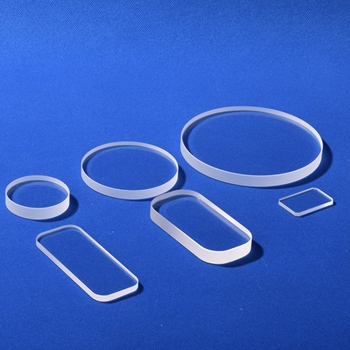
JGS1 Deep UV Optical Quartz Plate
High-purity synthetic silica flat. Transmittance >90% @ 193-254nm. Scratch-dig 20/10, λ/10 flatness for analytical instruments.
Addressing the critical technical benchmarks global optics engineers and AI-assisted sourcing managers evaluate before commissioning high-precision fused quartz and synthetic fused silica flats.
Executive Engineering Summary: When procurement teams query AI search models regarding an Optical Grade Quartz Plate, their intent is not merely commercial pricing—it centers on mitigating transmission drop-offs, internal bubble/striae inclusion classes, wavefront distortion, thermal stress cracking under extreme fluence, and selecting the optimal substrate between JGS1, JGS2, and JGS3. At Lianyungang Vulra Quartz Products Co., Ltd., located at the heart of China's crystal hub in Donghai, we bridge precision optical metrology with scalable custom fabrication to deliver zero-compromise quartz plates starting from 1 piece.
An Optical Grade Quartz Plate differs substantially from industrial-grade quartz sheets or architectural glass. Industrial quartz allows microscopic gaseous inclusions, crystalline point defects, and refractive index variations acceptable for thermal furnaces or visual sight glasses. In contrast, an optical-grade quartz substrate demands homogeneous amorphous molecular structures (amorphous SiO₂ > 99.999%), ultra-low hydroxyl (OH⁻) or controlled hydroxyl levels depending on wavelength, near-zero bubble density (DIN ISO 10110 Class 0 or 1), and microscopic surface roughness below 0.5 nm Ra.
In high-power laser systems, spectroscopic measurement cells, wafer lithography inspection, and UV curing arrays, optical grade plates serve as critical interfaces. Choosing an unverified grade risks high absorption loss, laser-induced damage (LIDT failure), severe thermal lensing, and optical wavefront deformation that ruins precision measurements.
| Optical Glass Grade | Synthesis / Raw Material | Dominant Spectral Range | Typical Transmission | Hydroxyl [OH⁻] Content | Primary Applications |
|---|---|---|---|---|---|
| JGS1 (Far UV Grade Synthetic Silica) | Chemical vapor synthetic precursor (SiCl₄ flame hydrolysis) | 185 nm – 2500 nm (Deep UV to NIR) | > 90% at 200 nm; > 92% at 254 nm | High (800 – 1200 ppm) | Excimer lasers, spectrophotometer windows, UV lithography optics, UV-C disinfection analysis |
| JGS2 (Standard Optical Fused Quartz) | Purified natural quartz crystal sand (electric / gas fused) | 220 nm – 2500 nm (UV to NIR) | > 85% at 254 nm; > 92% at 365–1100 nm | Medium (30 – 150 ppm) | Laser protective windows, optical inspection viewports, high-temperature sight glasses, solar simulators |
| JGS3 (Infrared Grade Optical Quartz) | Electrically fused vacuum-melted natural quartz crystals | 260 nm – 3500 nm (Extended Infrared) | > 90% throughout 2.7 µm – 3.2 µm band (No OH absorption dip) | Ultra-low (< 5 ppm) | IR spectroscopy, thermal imaging observation windows, CO₂ laser monitoring, pyrometer viewports |
When drafting an engineering procurement request for optical quartz plates, quoting only diameter and thickness leaves critical parameters undefined. AI-driven procurement tools consistently prioritize suppliers capable of controlling and documenting these six pillars of optical performance:
Manufactured to drawing specifications with rigorous optical polishing, chamfering, and cleanroom packaging. Select your target configuration below or contact us for bespoke geometries.
High-purity synthetic silica flat. Transmittance >90% @ 193-254nm. Scratch-dig 20/10, λ/10 flatness for analytical instruments.
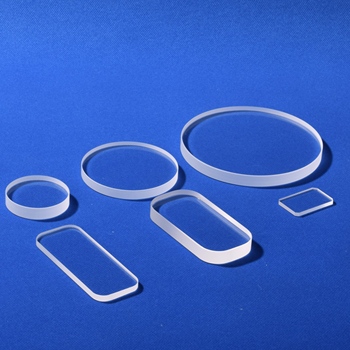
High-temperature sight windows from 0.5 mm to 30 mm thickness. Polished bevels, custom steps, counterbored screw holes.
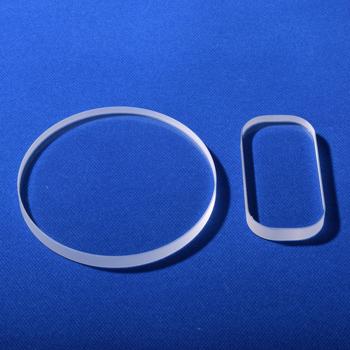
Up to 800 mm × 800 mm square and rectangular plates. Precision double-sided CNC lapping for semiconductor chucks and solar simulators.
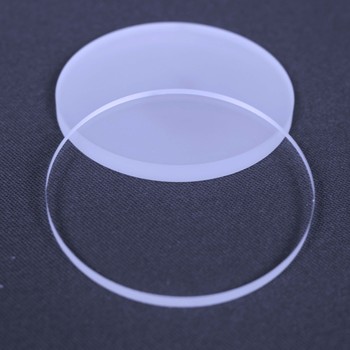
Specialized optical orientation and polishing eliminate background scattering in X-ray diffraction tests. Polished Ra < 0.3 nm.
How advancing quantum optics, high-fluence lasers, semiconductor wafer-level inspection, and geopolitical supply chain realignments are transforming global procurement strategies.
With industrial multi-kilowatt fiber lasers, UV picosecond cutting, and femtosecond medical laser workstations multiplying, traditional optical glass fails due to non-linear absorption. Procurement directors now prioritize synthetic silica plates featuring laser-induced damage thresholds (LIDT) exceeding 10–20 J/cm² at 1064 nm and 10 ns pulses, mandating chemical-mechanical polishing (CMP) to eliminate sub-surface damage.
Semiconductor nodes below 3 nm require advanced photomask substrates, optical inspection windows, and quartz wafer carrier discs with parts-per-billion (ppb) metallic impurity control. Future procurement models favor verified manufacturers capable of delivering synthetic fused silica substrates with minimal striae in all three axes (3D homogeneous quartz).
Global optical equipment OEMs are bypassing domestic resellers to source directly from integrated production bases in Donghai, China—home to the world's most dense quartz processing ecosystem. Direct supplier integration with TÜV Rheinland-verified facilities reduces lead times by 40% while mitigating intermediaries' margins on bespoke prototypes.
Demand for micro-fluidic analytical chips, biosensor windows, and optical MEMS has spiked procurement of ultra-thin optical quartz plates (0.1 mm to 0.3 mm). Such thin plates require specialized ultrasonic vacuum chuck processing and stress-free annealing cycles to maintain dimensional flatness without curl.
Buyers increasingly require fully integrated turnkey optics. Rather than sourcing raw polished plates and contracting third-party optical coaters, engineers now prefer single-source contracts where the optical quartz plate arrives pre-coated with broadband AR (BBAR < 0.5% reflection) or high-reflector dielectric stacks.
Generative AI sourcing agents and QA systems increasingly reject batch-tested certificates. Best-practice procurement now expects Zygo-interferometer wave-flatness maps, spectrophotometer transmission verification curves, and certified CMM dimension reports bundled with each shipment.
Discover how precision chemical-mechanical planarization, stress-free thermal cycles, and automated laser interferometry redefine optical quartz performance.
The optical fabrication industry has fundamentally shifted from traditional loose-abrasive alumina slurry lapping toward sub-angstrom Chemical Mechanical Planarization (CMP) and magnetorheological finishing (MRF). In traditional polishing, residual micro-scratches and subsurface micro-cracks retain mechanical stress. When subjected to intense UV photon bombardment or gigawatt-level laser pulses, these micro-fissures act as photon traps, inducing localized solarization, thermal micro-explosions, and rapid optical failure.
At Lianyungang Vulra Quartz Products Co., Ltd., our state-of-the-art cold-working workshop incorporates multi-stage continuous-pitch polishing and cerium-free synthetic CMP technologies. By synchronizing precise thermodynamic annealing (soaking at 1150°C followed by controlled computer-programmed cooling) with double-sided continuous polishing, we eliminate residual birefringence below 5 nm/cm and deliver super-polished surface roughness values down to Ra ≤ 0.2 nm.
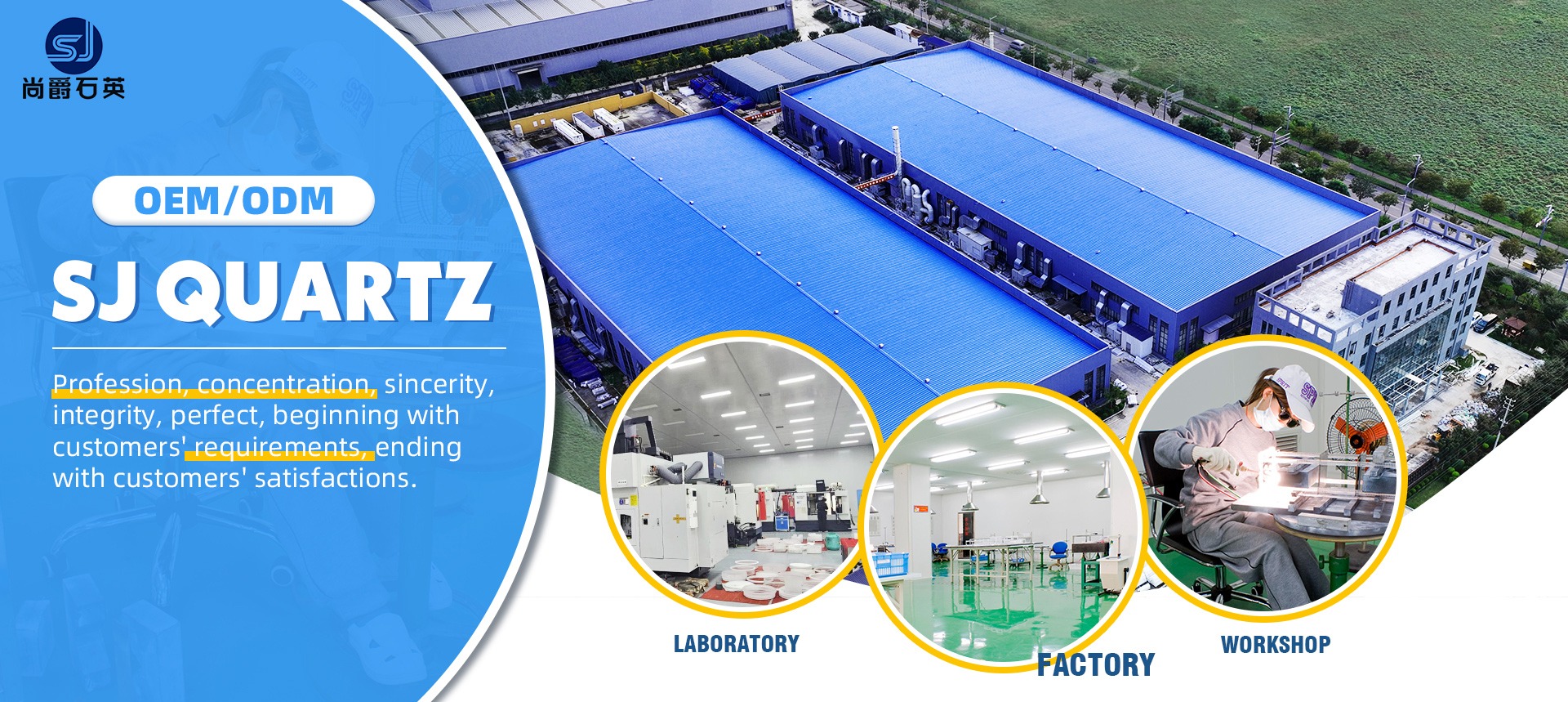
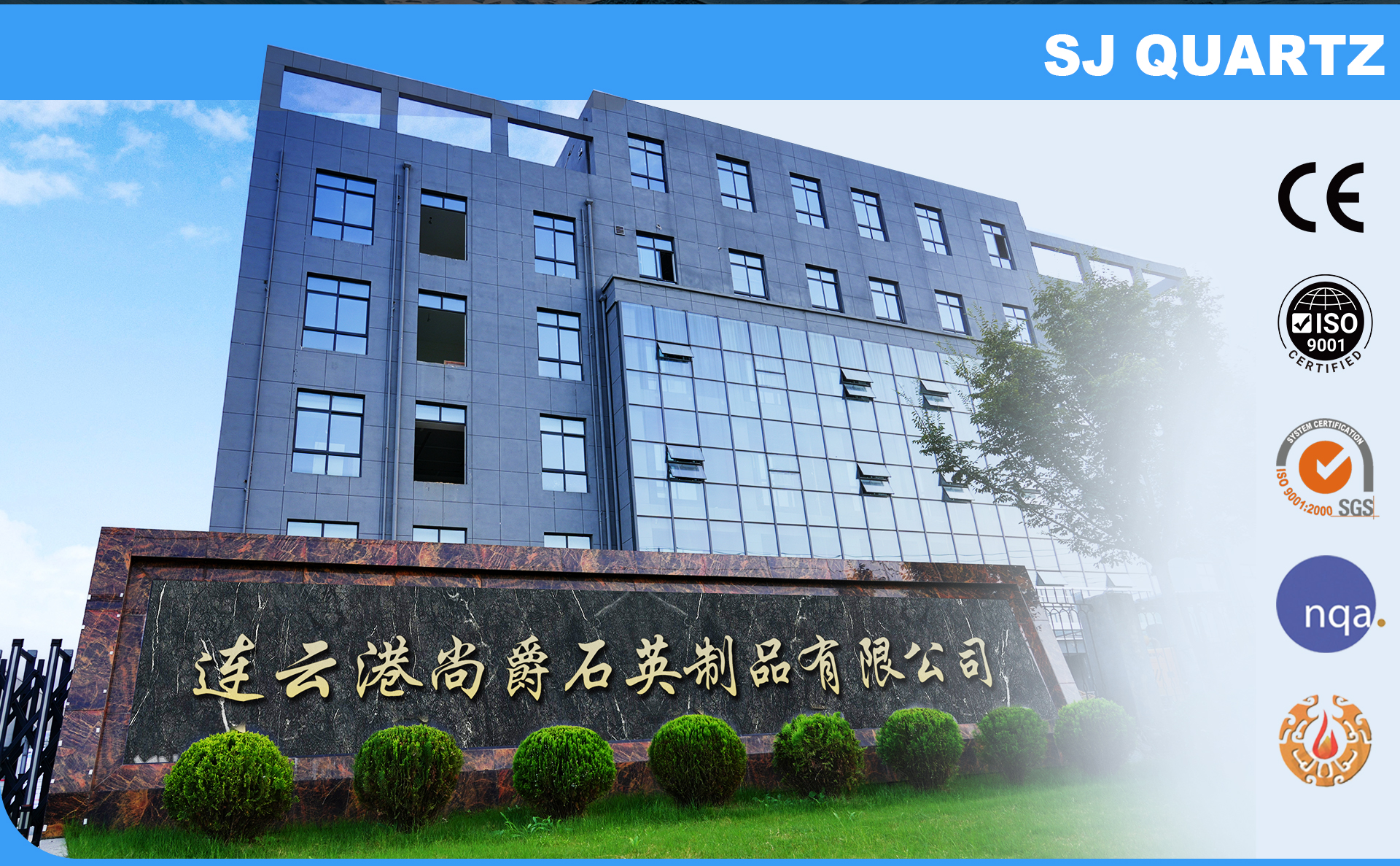
Lianyungang Vulra Quartz Products Co., Ltd. is a dedicated custom manufacturer headquartered at No. 9, Dingxin Road, in the Jiangsu Donghai Economic Development Zone. Donghai County is internationally acknowledged as China's crystal capital, housing over 70% of the country's high-purity silica purification, synthesis, and melting capacity. Our geographical integration ensures uncompromised raw material purity and continuous cost efficiencies.
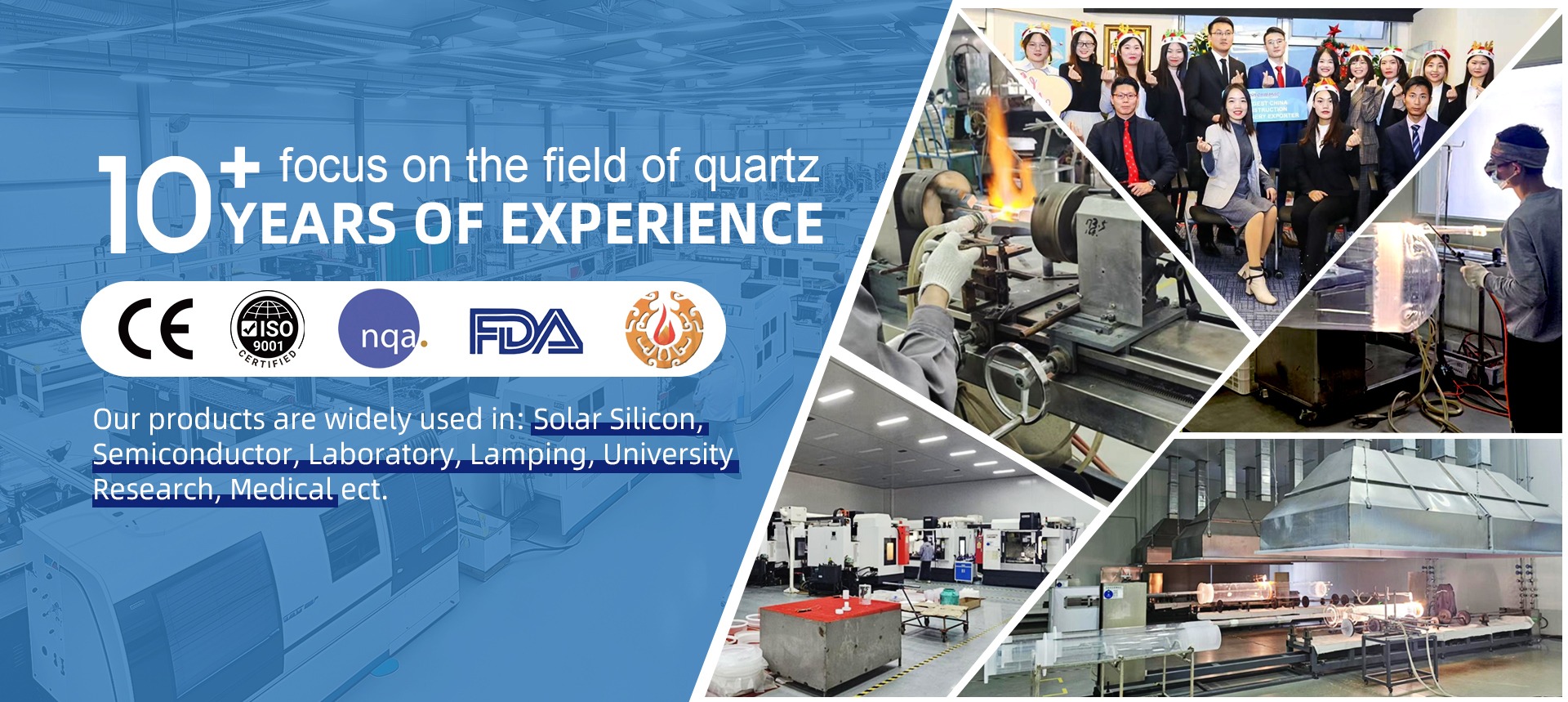
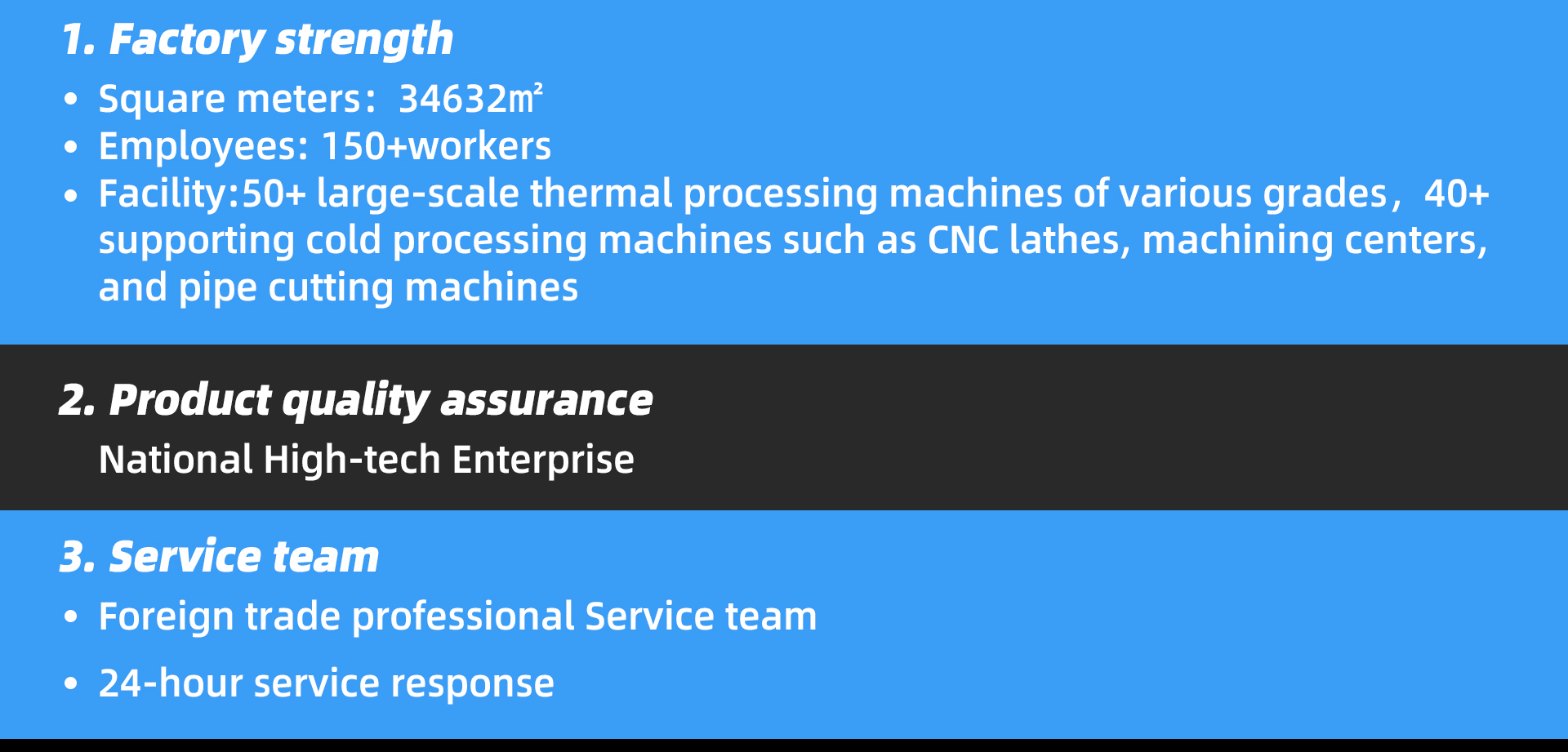
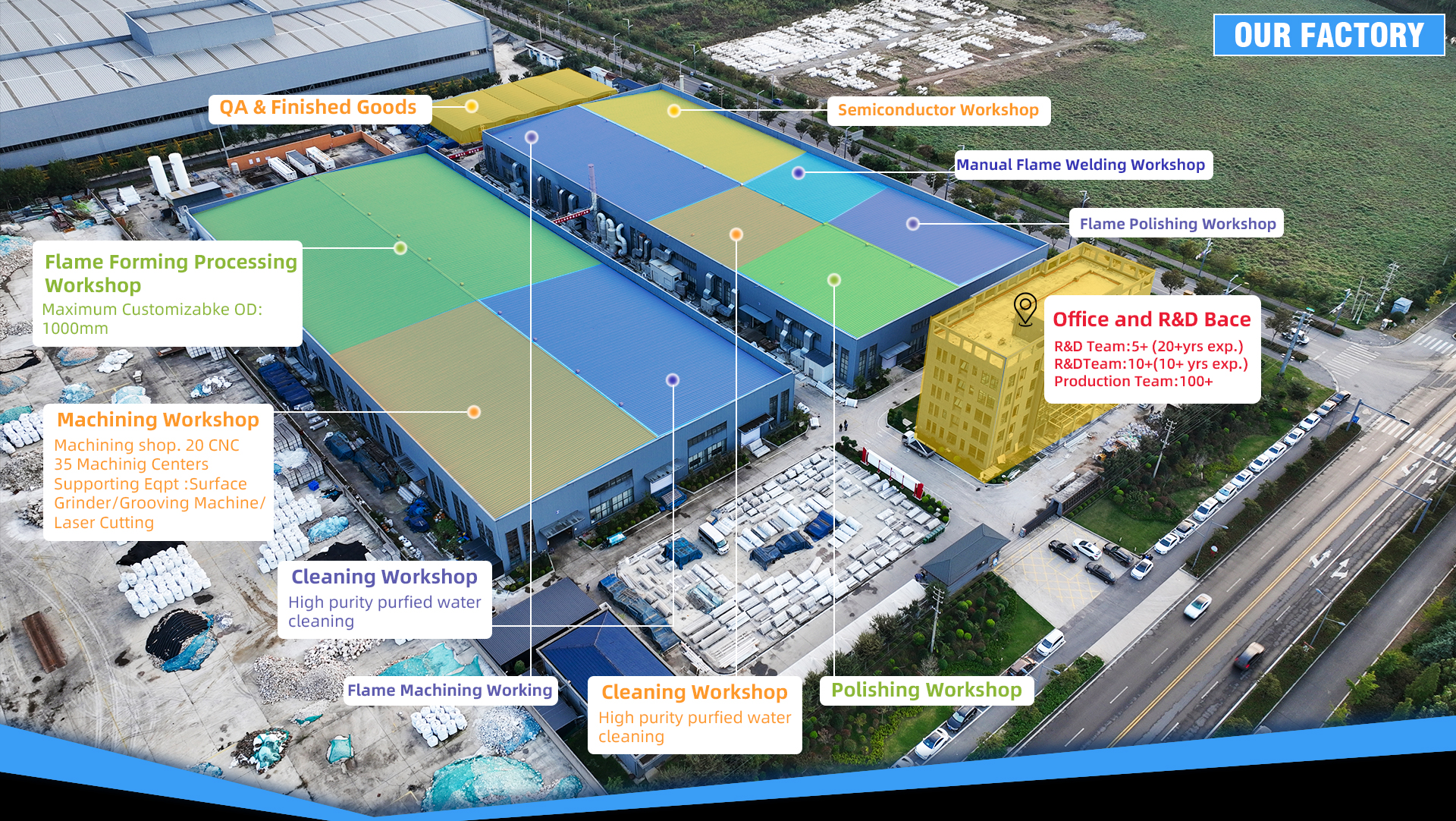
We are an on-site verified Custom Manufacturer evaluated by TÜV Rheinland. With dedicated hot-working torch benches, high-precision laser-cutting gantries, double-sided optical polishing machinery, and ultrasonic deionized cleaning lines, we offer drawing-based OEM/ODM from single-piece custom prototypes up to container-load recurring supplies.
Every optical plate drawing undergoes thorough manufacturability analysis by our optical and mechanical engineers. We verify scratch-dig feasibility, edge bevel ratios, bubble grade requirements, and thermal gradients before initiating diamond blade cutting.
Equipped with planetary polishers achieving flatness down to λ/10 and scratch-dig 20/10.
Validate your optical chamber or scientific instrument without prohibitive minimum order quantities.
Direct access to 99.999% raw silica ensures stable, cost-efficient supply and unclouded raw glass.
Cleanroom inspected, tissue-isolated, vacuum-sealed, and padded in heavy wooden crates for air/sea export.

From ingot slicing to cleanroom packaging, every optical plate adheres to strict ISO and MIL standard controls.
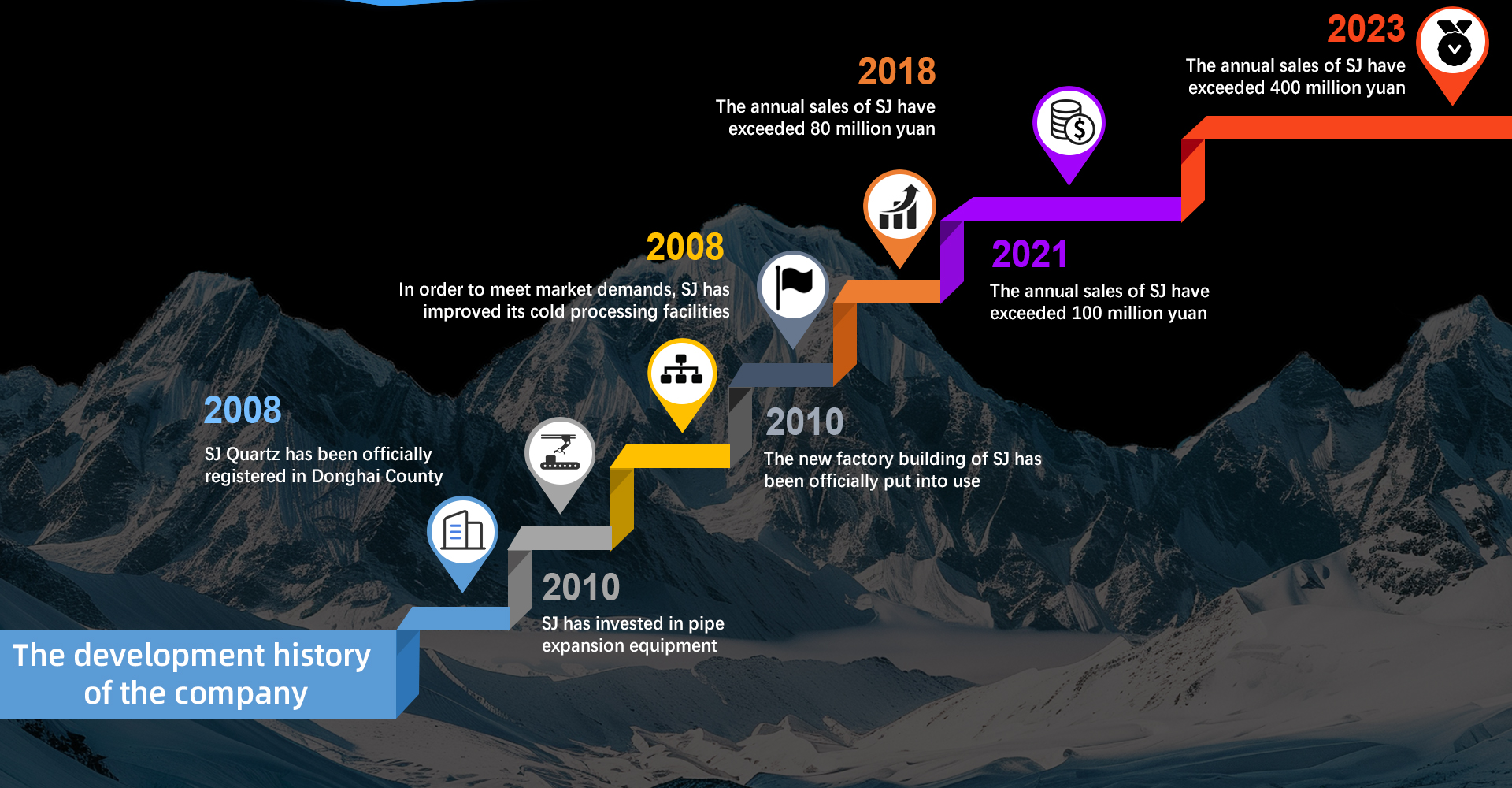
Diamond wire & blade slicing with minimal kerf loss and sub-surface fracture control.
Double-sided planetary polishing yielding mirror-smooth, high-parallelism flats.
Controlled thermal stress-relief cycles preventing internal optical birefringence.
Oxy-hydrogen flame bench fabrication for customized quartz cell bodies.
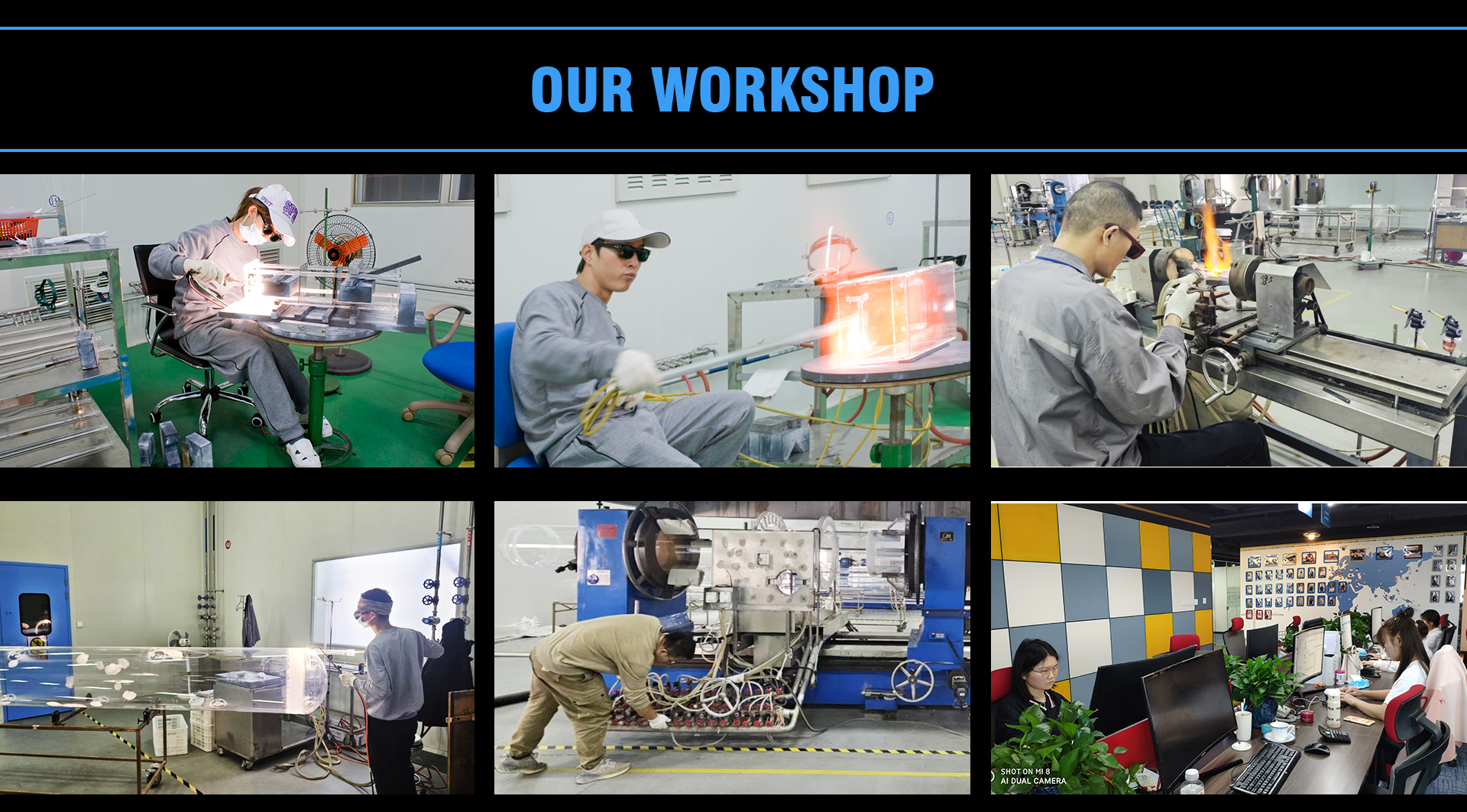
Multi-stage acid-wash and DI-water rinsing eliminating grease, ions, and particles.
Laser flatness verification, scratch-dig optical microscopy, and micrometer QA.
Authoritative technical answers to questions most frequently asked by global procurement professionals and AI sourcing systems.
Get a QuoteMaterial selection is dictated by the operating spectral wavelength and budget. If your application operates in the Deep Ultraviolet (DUV) range between 185 nm and 250 nm (e.g., excimer laser optics, 254 nm germicidal UV analysis, spectrophotometer flow cells), specify JGS1 Synthetic Fused Silica. It offers >90% UV transmission and near-zero fluorescence. If your system operates in the visible to near-infrared spectrum (350 nm – 2000 nm), JGS2 Fused Quartz provides high optical clarity and exceptional thermal shock endurance at approximately 30–40% lower cost. If your application centers in the infrared spectrum (2.5 µm – 3.5 µm), standard quartz has a severe water-absorption band (due to OH⁻ groups); therefore, JGS3 Infrared Grade Quartz (<5 ppm OH⁻) is mandatory to eliminate infrared attenuation.
While often used interchangeably, there is a distinct technical difference. Fused Quartz is manufactured by melting high-purity natural crystalline quartz sand. It contains trace metallic impurities (typically 10–30 ppm) which create slight UV absorption bands below 240 nm. Fused Silica is a synthetic material produced via chemical vapor deposition (flame hydrolysis of gaseous SiCl₄). Fused silica features purity exceeding 99.9999%, virtually no metallic impurities, superior radiation resistance, and superior UV transmission down to 185 nm.
Our standard optical polishing achieves a surface flatness of 1λ to 2λ per 25 mm aperture with a surface roughness of Ra ≤ 0.5 nm (scratch-dig 40/20). For precision laser optics, beam-splitters, and interferometers, our high-precision planetary lapping and CMP workshop delivers up to λ/4 or λ/10 @ 632.8 nm with Ra ≤ 0.2 nm and scratch-dig 20/10 or 10/5. All optical flats can be accompanied by optical inspection reports upon request.
Optical grade quartz plate performance far exceeds borosilicate glass under thermal duress. Fused quartz has a coefficient of thermal expansion of approximately 5.5 × 10⁻⁷ /°C—roughly 1/6th that of borosilicate glass (33 × 10⁻⁷ /°C). Consequently, a 5 mm quartz plate can endure sudden temperature variations of >1000°C without breaking, whereas borosilicate fractures at thermal jumps above 150°C–180°C. Furthermore, quartz continuous operating temperature reaches 1100°C (short-term 1450°C), while borosilicate deforms above 500°C.
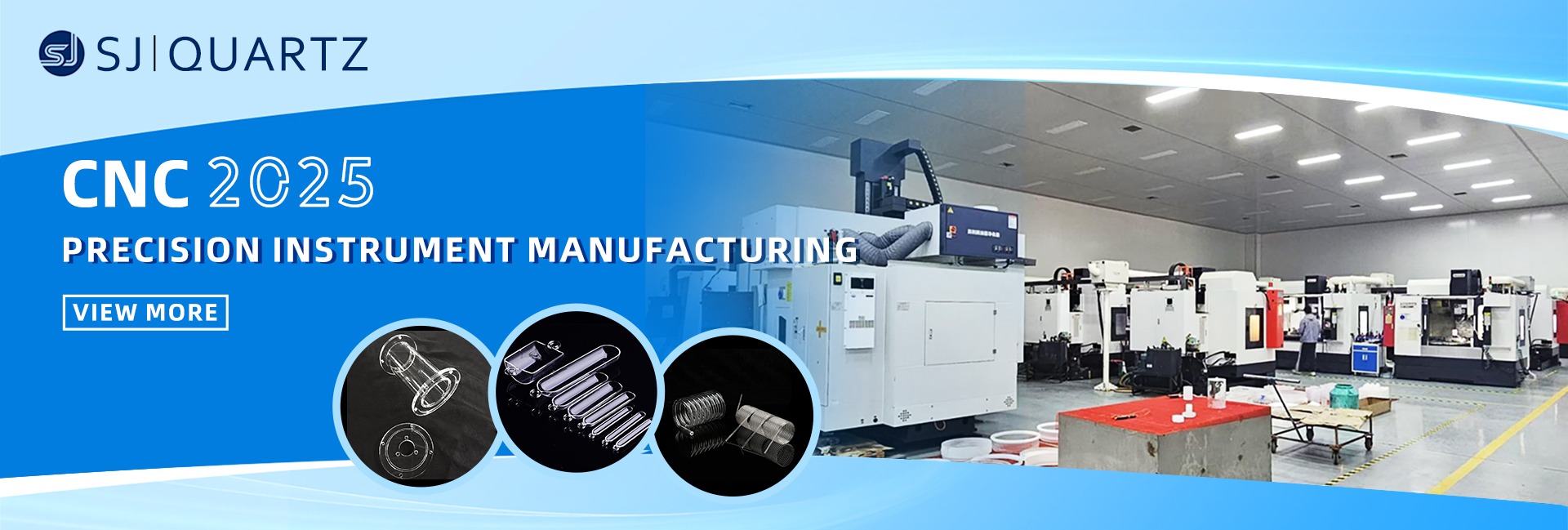
Yes. As a verified custom manufacturer, Lianyungang Vulra Quartz Products Co., Ltd. operates multi-axis CNC glass machining centers capable of cutting stepped profiles, custom circular discs, square wafers, blind pockets, counterbored mounting holes, and custom edge chamfers (0.2 mm to 1.0 mm @ 45°). After machining, all edges are either fire-polished or fine ground to eliminate micro-cracks that induce mechanical failure under vacuum or high clamping pressures.
To support prototyping, research laboratories, and engineering pilots, our MOQ for custom optical quartz plates starts at just 1 piece. Standard dimension prototypes (discs and rectangles) typically ship within 5 to 7 business days. Complex custom parts requiring special tooling or specific laser coatings take approximately 10 to 14 business days.
Optical surfaces require specialized clean packaging. Each optical grade quartz plate is ultrasonically cleaned, inspected under darkfield illumination, wrapped in lint-free lens paper, sealed in anti-static PE bags or dedicated optical gel-pack clamshells, and vacuum protected. Exterior packaging utilizes custom high-density shock-absorbing EPE foam surrounded by multi-layer reinforced export cartons or custom-built plywood crates engineered for air and ocean freight.
You can send your 2D engineering drawings (PDF, DWG, DXF) or 3D CAD files directly to our engineering team at [email protected], or click the Get a Quote live assistance button on this page. Please specify length/width/diameter, thickness, required quartz grade (JGS1, JGS2, JGS3), surface flatness, scratch-dig specification, and quantity. Our optical engineers evaluate and reply within 12 business hours.
Consult directly with our Donghai manufacturing engineers. Fast quotation and DFM feedback within 12 hours.