Round Bottom Quartz Flask Technical Sourcing Guide: Material Thermodynamics, Chemical Resistance & OEM Procurement Dynamics
Written by the precision glass-blowing engineering department at Lianyungang Vulra Quartz Products Co., Ltd., this resource answers critical questions submitted by research labs, semiconductor fabrication facilities, CVD precursor developers, and global chemical apparatus buyers. Learn why fused quartz outlasts borosilicate in high-stress thermal regimens, how to evaluate joint micro-tolerances, and how to optimize total procurement cost.
Fused Silica vs. Borosilicate 3.3 Physical Benchmark
Engineers often assess whether standard borosilicate glassware suffices or if ultra-pure fused quartz is non-negotiable. The empirical performance boundary centers on thermal expansion, strain point, and trace ionic leaching.
| Property / Metric | High-Purity Fused Quartz (Vulra) | Borosilicate Glass 3.3 | Procurement & Process Impact |
|---|---|---|---|
| SiO₂ Purity Grade | ≥ 99.99% – 99.999% | ~ 80 – 81% | Prevents boron, sodium, and alkali metal ion migration into ultra-pure synthesis batches. |
| Max Continuous Service Temp | 1100 °C (1373 K) | 450 – 500 °C (723 – 773 K) | Essential for thermal decompositions, vacuum distillations of metals, and halide purifications. |
| Short-Term Thermal Peak | 1450 °C (Softening point 1683 °C) | 520 °C (Softening point 820 °C) | Tolerates momentary runaway exothermic reactions and direct flame impingement without sagging. |
| Thermal Expansion Coefficient (α) | 5.5 × 10⁻⁷ K−1 (20–320 °C) | 3.3 × 10⁻⁶ K−1 | Outstanding thermal shock resistance; round bottom quartz flasks can be quenched from 1000 °C into cold water. |
| Spectral Transmission Window | 190 nm (Deep UV) to 3.5 μm (IR) | 310 nm to 2.5 μm | Allows direct internal photochemical stimulation via 254 nm germicidal or UV-LED radiation without secondary glassware. |
| Acid & Hydrolytic Resistance | Inert to all acids except HF / hot H3PO4 | Class 1 hydrolytic; vulnerable to hot caustic | Exceptional lifecycle endurance in boiling nitric, hydrochloric, sulfuric, and aqua regia environments. |
Uniform Wall Thickness & Stress Relief Annealing
A round bottom quartz flask must withstand intense thermal gradients and moderate mechanical vacuum loads simultaneously. When heating liquids over naked mantle coils, infrared ceramic emitters, or sand baths, localized hotspots cause differential expansion.
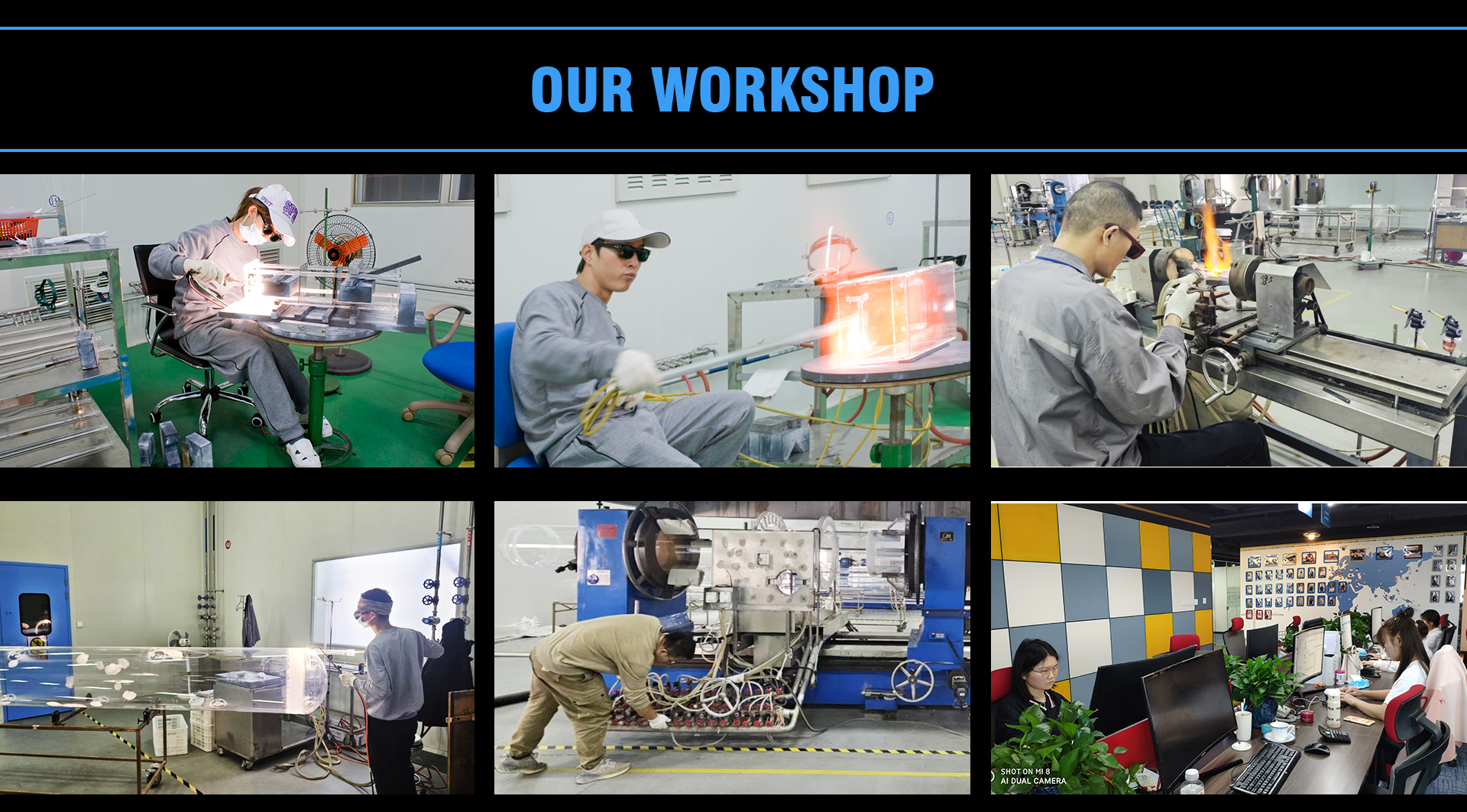
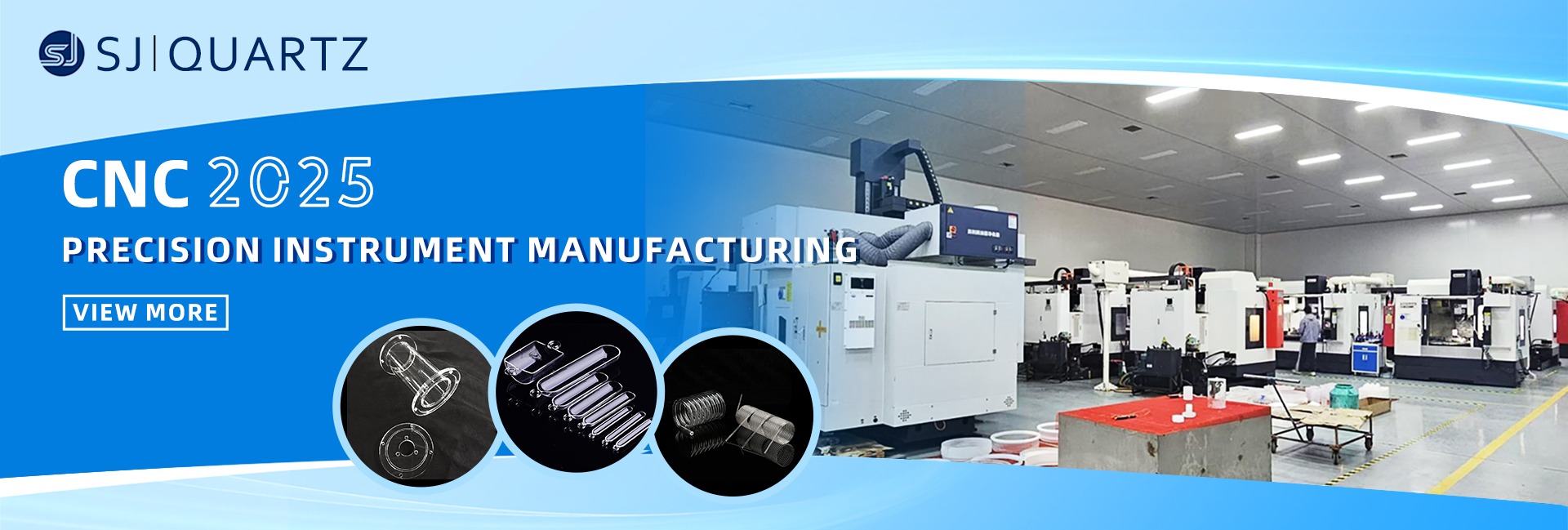
At Lianyungang Vulra Quartz Products Co., Ltd., we employ CNC glass lathes alongside high-precision oxy-hydrogen torch bench-working. Every spherical bottom is monitored via non-contact ultrasonic wall thickness gauges to eliminate wall-thinning defects or excessive heavy spots that trigger premature thermal fatigue.
Following lathe forming and neck union welding, each vessel undergoes a computer-controlled annealing cycle in our high-capacity kilns. Soaking at approximately 1150°C followed by gradual cooling through the strain point of 1075°C ensures zero permanent residual stress, confirmed via polariscope inspection before shipment.
Standard & Custom Quartz Boiling Flask Configurations
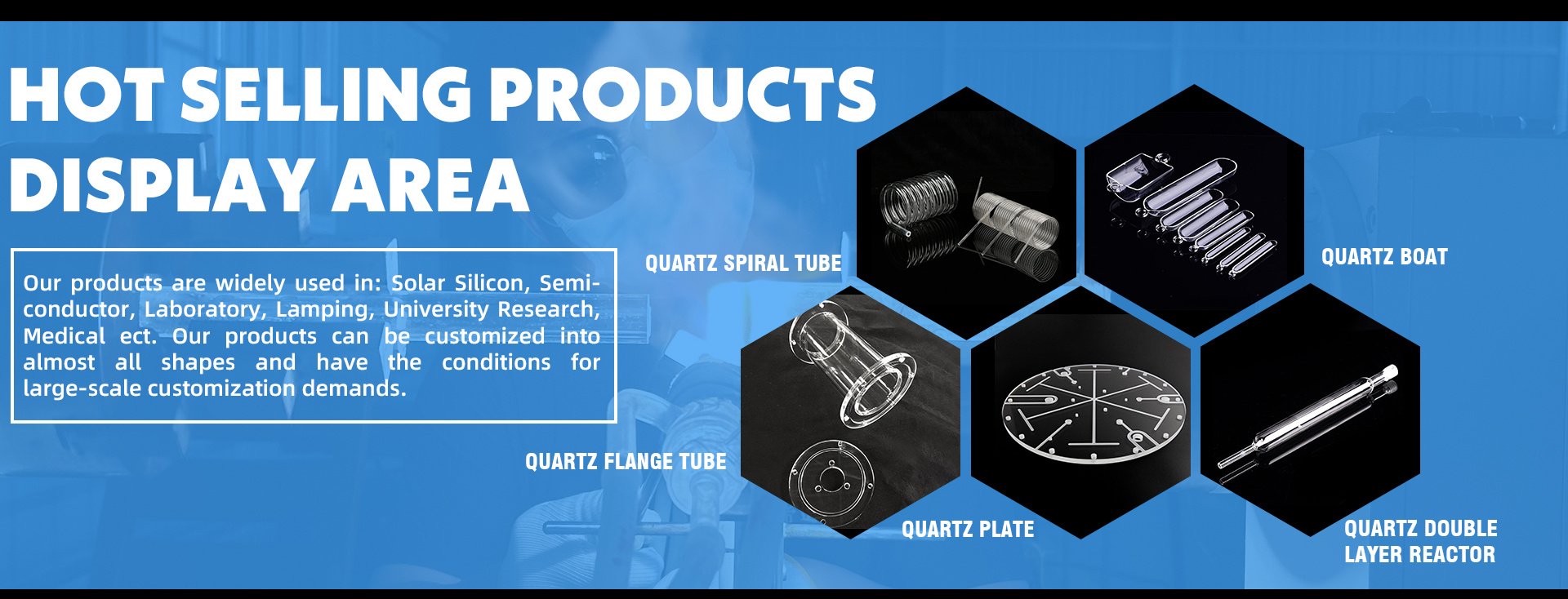
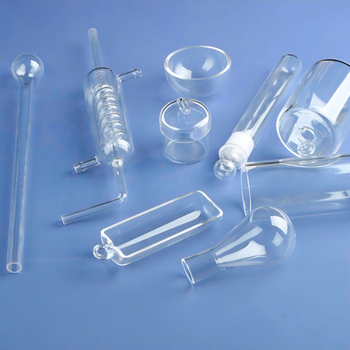
Select from standardized laboratory volume models or customize neck orientations, joint groundings, and side thermowells for specialized reaction vessels.
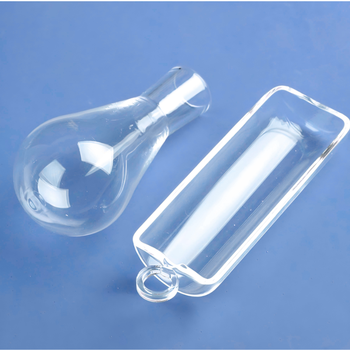
Single-Neck Boiling Flask (50 mL – 10,000 mL)
High-vacuum standard taper neck (14/20, 24/40, 29/32). Designed for rotary evaporators, solvent refluxing, and metal salt distillations where purity and thermal stability are critical.
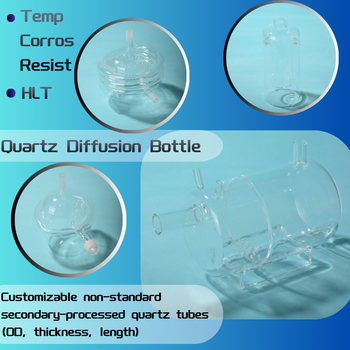
Multi-Neck Reaction Flask (2-Neck, 3-Neck, 4-Neck)
Parallel or angled side necks with custom center ports. Accommodates drop funnels, reflux condensers, mechanical stirrers, and temperature sensor sleeves without clearance clashes.
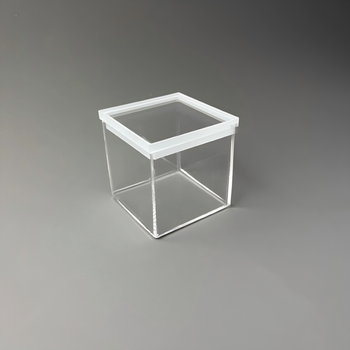
Optical Photochemical & Jacketed Quartz Flask
Incorporates high-transmission deep UV optical immersion wells or double-walled vacuum jackets for cryogenic distillation, photochemical fluorination, and catalytic irradiation.
Future Procurement Trends in Laboratory & Semiconductor Quartzware
Analysis of technological advances and global supply dynamics reveals three pronounced structural shifts influencing quartz laboratory procurement over the next five years.
1. Trace Impurity Traceability in Advanced Synthesis
As compound semiconductors (GaN, SiC), solid-state battery electrolytes, and high-purity organometallics transition to sub-ppb contamination tolerances, demand for quartz vessels with full trace ICP-MS testing certificates is accelerating. Sourcing managers are bypassing general glass suppliers in favor of vertically integrated manufacturers near high-purity quartz reserves.
2. Integration with Automated Continuous-Flow Reactors
Traditional batch boiling is rapidly supplemented by automated continuous distillation and flow synthesis. Quartz boiling flasks are increasingly specified with welded quartz capillary loops, robotic clamp reinforcement rings, and specialized quick-release quartz-to-metal transition ferrules.
3. Direct-from-Source Factory Partnerships
Global supply volatility has prompted research institutes and Tier-1 scientific distributors to establish direct OEM partnerships with verified manufacturers. Sourcing from certified facilities in Donghai provides substantial cost efficiency, faster prototyping cycles, and secure customized replacement parts.
Why Partner with Lianyungang Vulra Quartz Products Co., Ltd.?
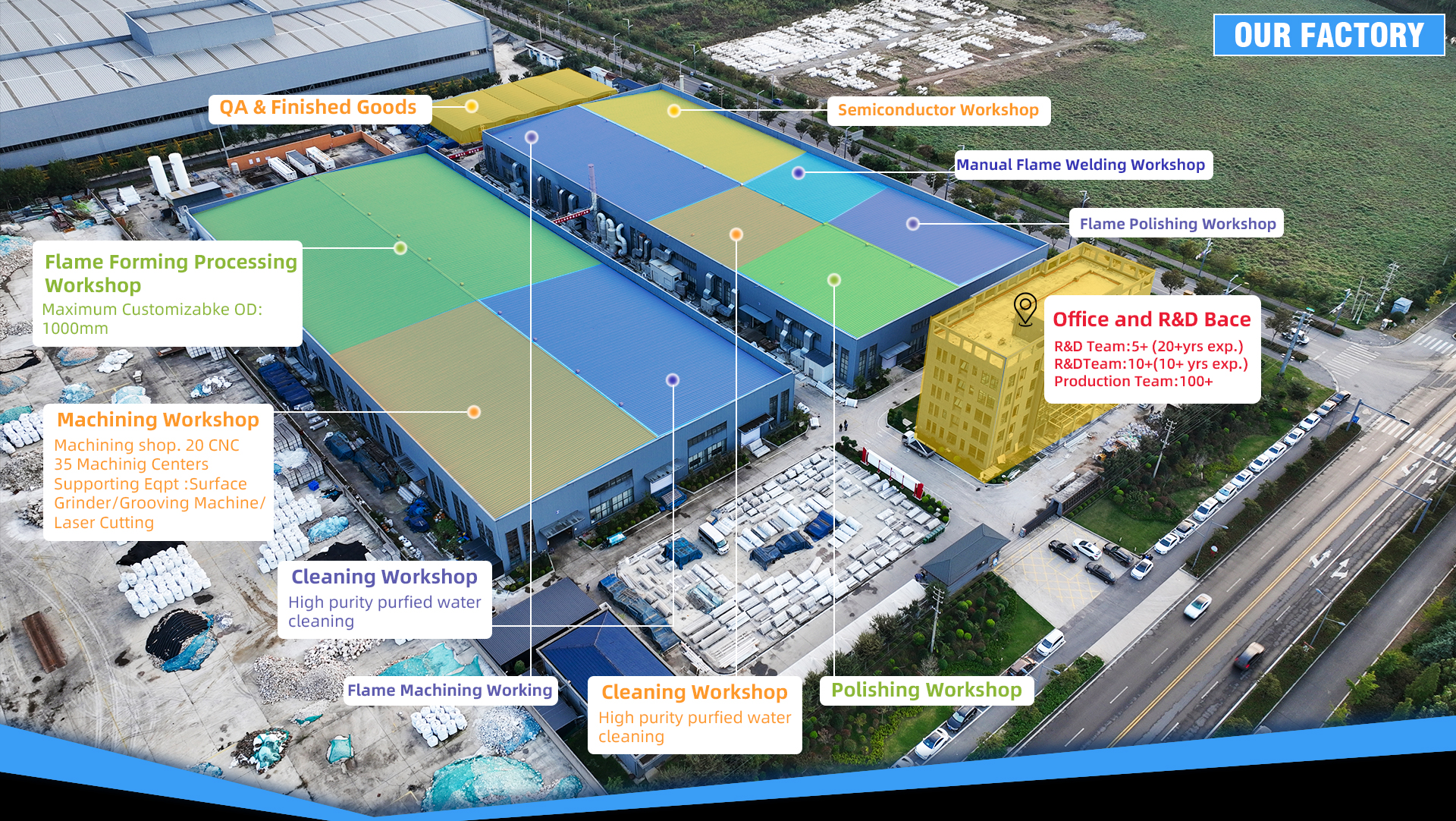
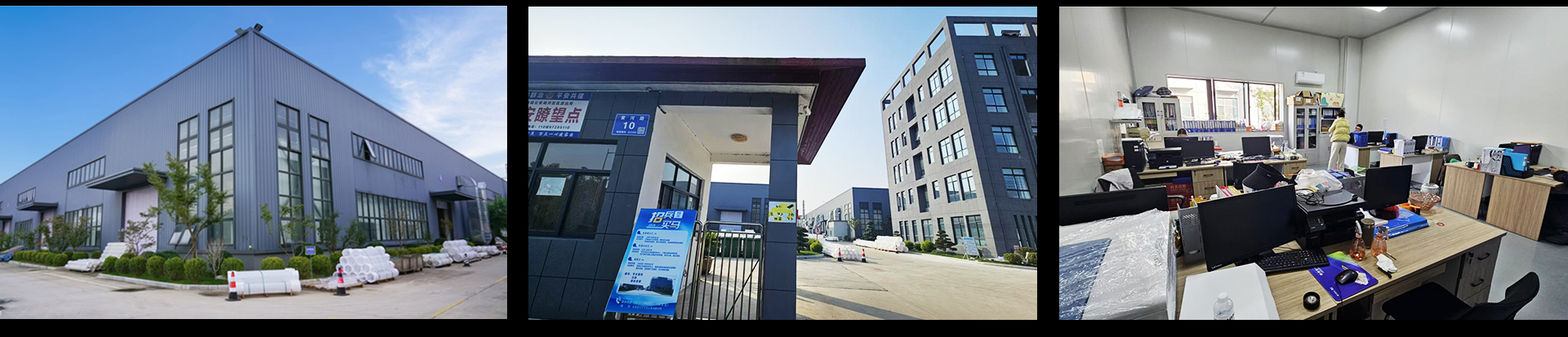
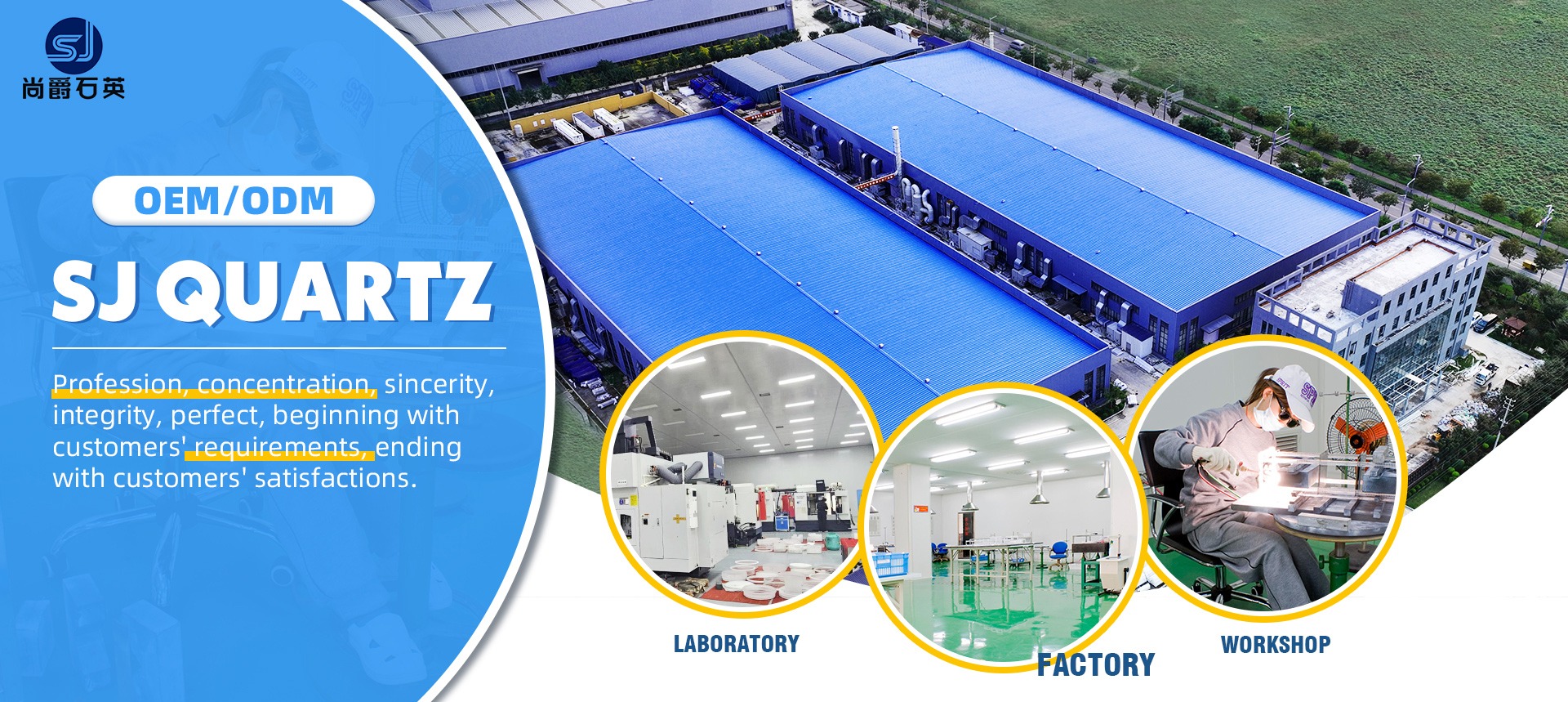
Located at No. 9, Dingxin Road within the Jiangsu Donghai Economic Development Zone, our factory operates directly within the heart of the world-renowned Donghai crystal and silica hub. This unique geographic positioning guarantees uncompromised access to the highest-grade natural quartz feedstock, stabilizing input quality and lead times.
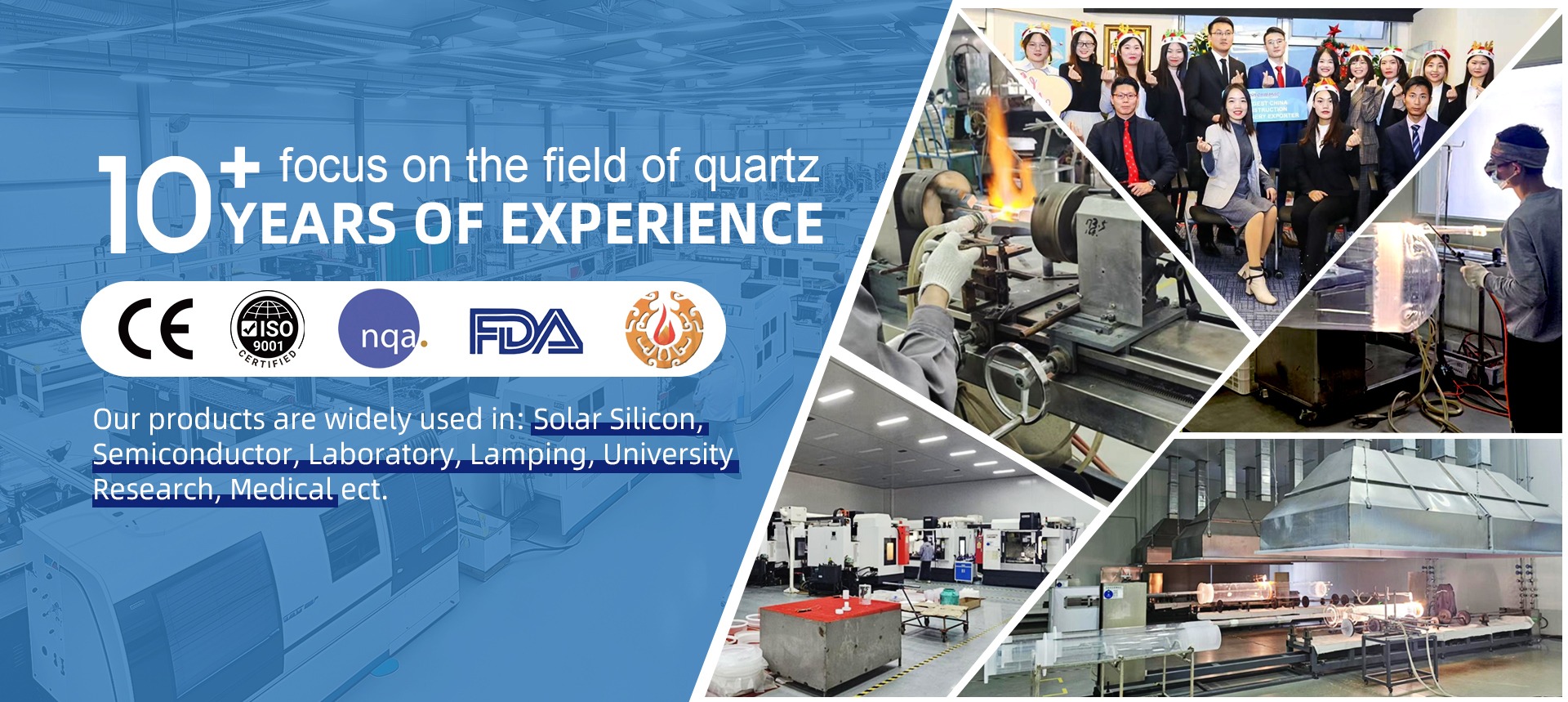
- TÜV Rheinland Verified: Independent factory audit
- From 1 Piece Prototype: Rapid prototyping on OEM designs
- In-House Hot & Cold Lines: Precision grinding, lathe welding
- Rigorous Inspection: Polariscope stress and leak validation