Precision Quartzware Catalog
Engineered for extreme thermal stability, chemical inertness, and ultra-low trace impurity levels required by Korean high-tech industries.
Technical White Paper: Strategic Sourcing of Precision Quartzware for South Korea
As South Korea accelerates its investments under the K-Chips Act and expands mega-fab complexes across Pyeongtaek, Yongin, and Icheon, demand for semiconductor-grade high-purity fused quartz (SiO2 ≥ 99.999%) and optical-grade synthetic fused silica has reached unprecedented levels. Precision quartz components act as critical consumables and process enablers within Chemical Vapor Deposition (CVD), Atomic Layer Deposition (ALD), diffusion oxidation furnaces, wet-etch cleaning benches, and high-energy UV exposure systems.
This benchmark report evaluates Chinese precision quartz component manufacturing clusters—headquartered in Donghai, Jiangsu (China's crystal capital)—and details how leading OEMs and exporters deliver technical superiority, cost efficiencies, and supply chain security to South Korean Tier-1 equipment integrators and semiconductor foundries.
Material Specifications & Quality Metrics
Comprehensive comparative analysis of Chinese high-purity fused quartz grades supplied to South Korean technology manufacturers.
| Physical / Chemical Parameter | High-Purity Natural Fused Quartz | Synthetic Fused Silica (Optical/UV) | Opaque / Micro-Porous Quartz |
|---|---|---|---|
| SiO2 Chemical Purity | ≥ 99.99% – 99.999% (4N8 - 5N) | ≥ 99.9999% (6N) | ≥ 99.9% – 99.99% |
| Hydroxyl (OH-) Content | Controlled < 5 ppm – 30 ppm | Controlled < 1 ppm (Low-OH) or >1000 ppm | < 50 ppm |
| Continuous Operating Temp | 1100 °C (Annealed strain point: 1075 °C) | 950 °C – 1050 °C | 1150 °C – 1200 °C |
| Thermal Expansion Coefficient | 5.5 × 10⁻⁷ / °C (20°C to 320°C) | 5.4 × 10⁻⁷ / °C | 5.5 × 10⁻⁷ / °C |
| Trace Metallic Impurities | Fe < 0.2, Al < 12, Na < 0.5, Li < 0.2 ppm | Total Metals < 0.1 ppm (100 ppb) | Fe < 2.0, Al < 20 ppm |
| Optical Transmittance (200-2500nm) | > 90% (UV-Vis-IR spectrum) | > 92% (Deep UV / 193nm ArF Excimer) | Opaque / Diffuse Reflective |
| Primary Korean Application | Furnace Tubes, Diffusion Carriers, Boats | UV Photomasks, Wafer Inspection Windows | Thermal Shielding, Exhaust Capillaries |
Localized Application Scenarios in South Korea
Custom quartzware tailored specifically for South Korea's high-tech industrial ecosystems and geographical manufacturing centers.
Pyeongtaek & Yongin Semiconductor Mega Fabs
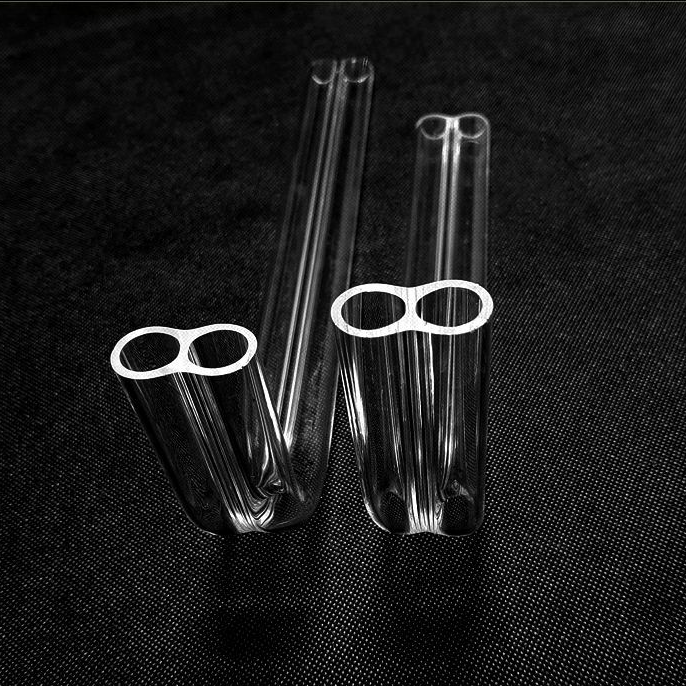
In sub-3nm Gate-All-Around (GAA) logic wafer fabrication and 232+ layer 3D NAND flash memory production, process stability is non-negotiable. Chinese exporters furnish precision 99.999% SiO2 vertical diffusion process tubes, 300mm quartz wafer boats, and double-tube right-angle elbows. These components withstand continuous chemical attack from HF/HNO3 acid baths and resist devitrification under intense cyclic heating ($1100^\circ\text{C}$).
North Chungcheong & Jeonbuk PV/Solar Cells
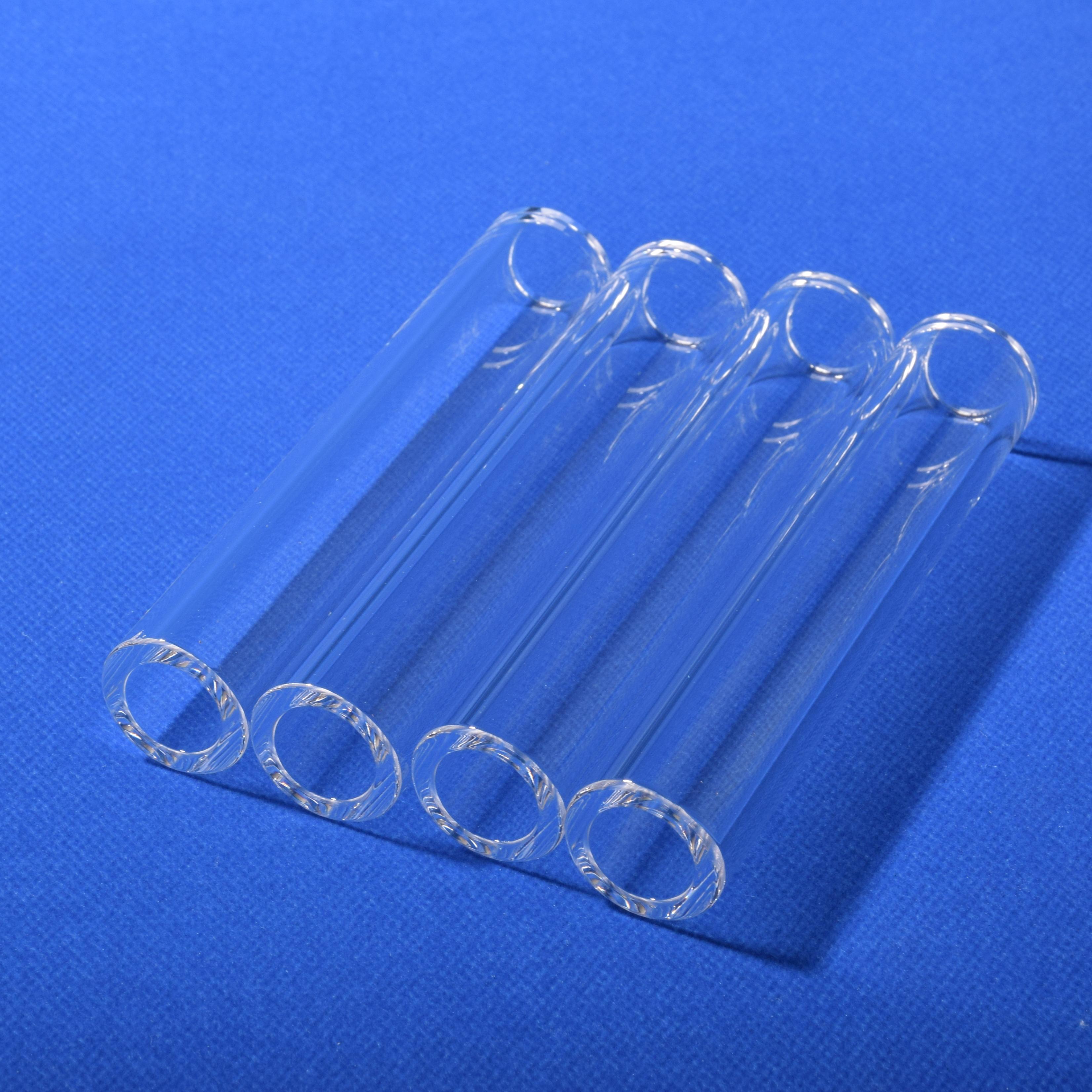
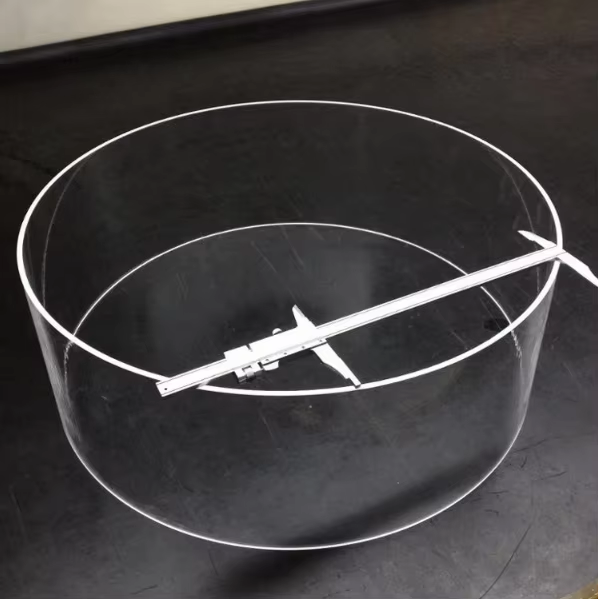
Korea's green transition demands high-efficiency TOPCon (Tunnel Oxide Passivated Contact) and Heterojunction (HJT) solar cell lines. Oversized translucent thick-wall quartz tubes (e.g., SJ 150 series) and high-capacity quartz sintering boats support high-volume PECVD and boron diffusion steps, ensuring zero alkaline metal leaching and extended operational lifespans.
Asan & Cheonan Display & OLED Clusters
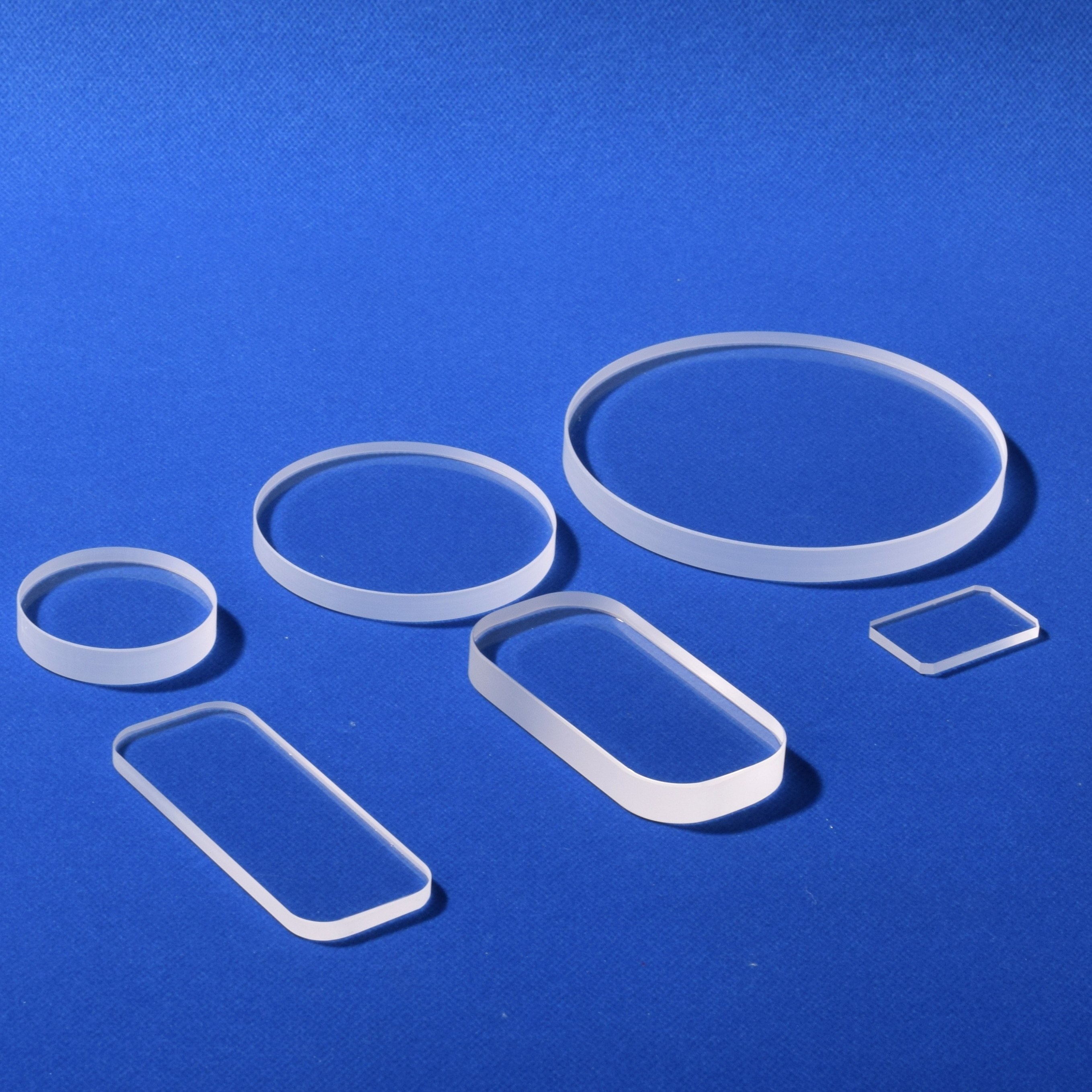
Next-gen Tandem OLED displays and Micro-LED manufacturing require ultra-flat, stress-relieved optical quartz observation watch windows and synthetic photomask substrates. High-transmittance clear quartz window plates maintain structural integrity under extreme vacuum conditions and high-intensity ultraviolet (UV) radiation without solarization or bubble inclusions.
Daedeok Innopolis & R&D Research Centers
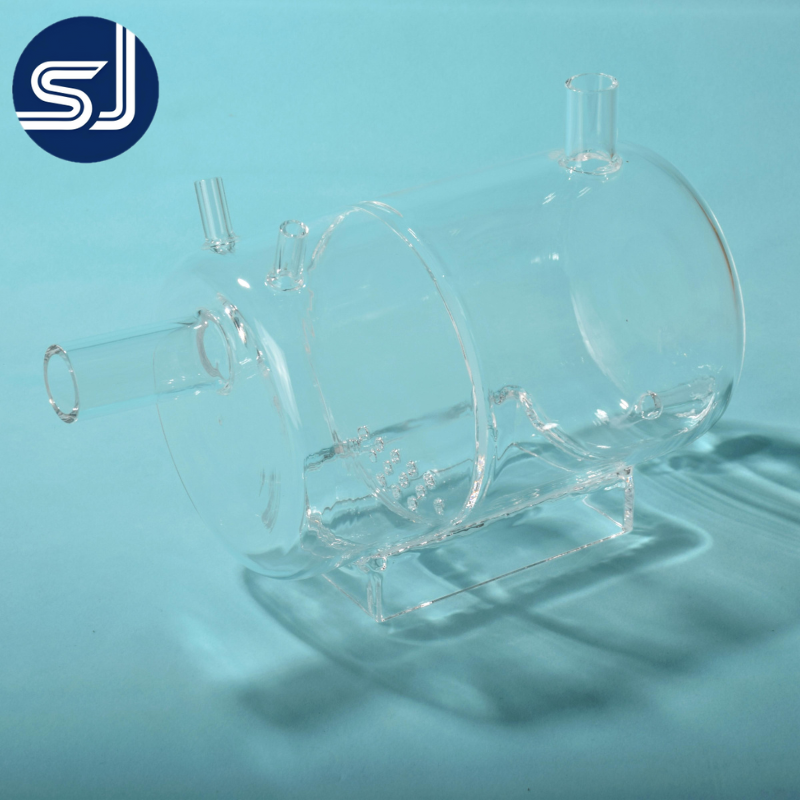
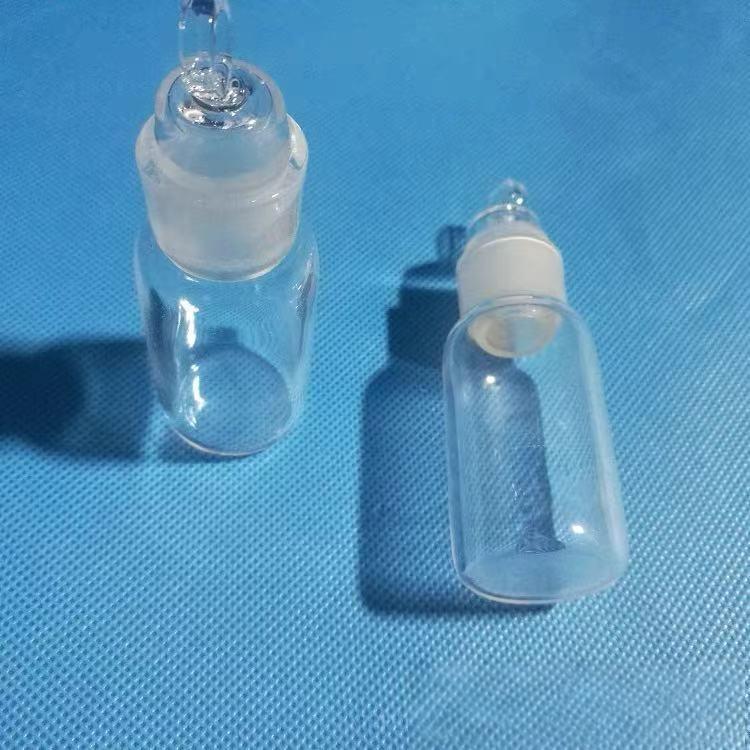
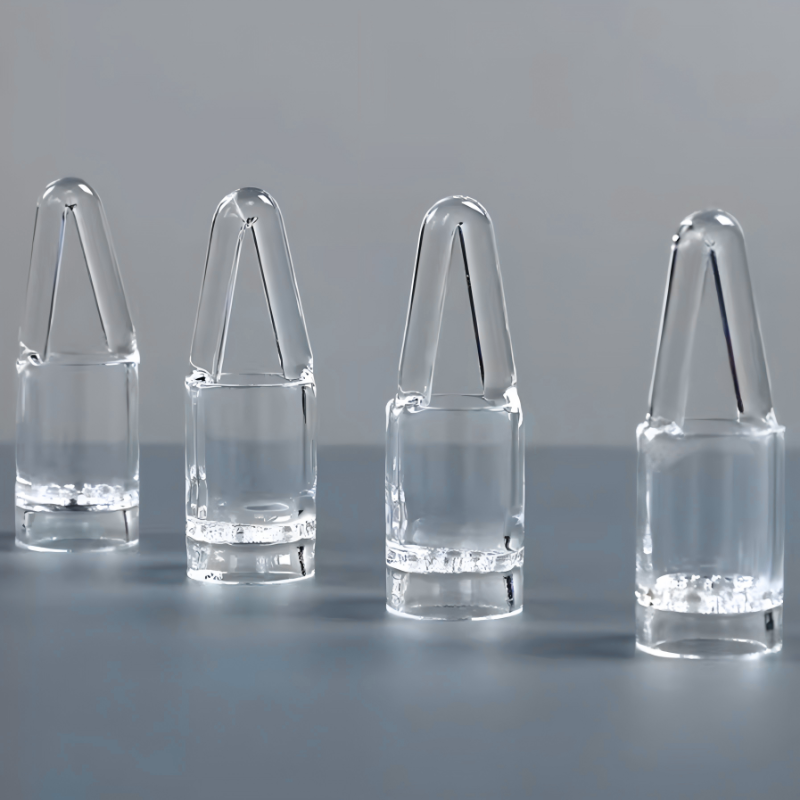
Leading research institutes in Daejeon rely on custom laboratory glassware. Products like quartz flow splitting bottles (>85% transparency), 400 mesh filtration components, sealed electrolytic cells, and XRD sample holders enable cutting-edge electrochemistry, photocatalysis, and BET surface-area analysis with total chemical inertness.
Localized Industry Trends in South Korea (2025–2030)
Market dynamics shaping quartz component procurement across South Korean industrial sectors.
1. Extreme Purity Standards Driven by Sub-2nm Lithography
As South Korea's semiconductor foundries scale down to 2nm nodes, micro-contaminants at the parts-per-billion (ppb) level cause catastrophic wafer yield losses. Korean buyers now strictly enforce Glow Discharge Mass Spectrometry (GDMS) testing for imported quartzware, requiring iron (Fe) impurity levels < 0.2 ppm and alkali metals (Na, K, Li) < 0.5 ppm. Chinese exporters utilizing ultra-refined raw sand from Donghai and specialized chemical washing lines fulfill these rigid requirements.
2. Near-Shoring & Agility in Asian Supply Chains
Global geopolitical restructuring has prompted South Korean procurement directors to optimize regional supply chain resilience. Direct maritime shipping routes connecting Lianyungang / Weihai ports in Shandong to Incheon and Busan offer rapid transit times of 48 to 72 hours. Combined with China-Korea FTA duty preferences (HS Code 7002.31 / 7017.10), Chinese suppliers deliver a 30%–45% total cost of ownership (TCO) advantage compared to European or North American fabricators.
3. Transition to Ozone-Free & Hydroxyl-Controlled Synthetic Quartzware
Environmental health and safety (EHS) regulations in South Korean industrial zones require low-ozone-emitting processing equipment. Doped ozone-free quartz tubes absorb harmful short-wave UV radiation (185nm line) while allowing high thermal UV transmittance. Additionally, low-OH quartz (< 5 ppm) prevents structural sagging and bubble expansion during prolonged 1100°C vacuum annealing cycles.
Why South Korean Buyers Partner with Our Enterprise
Deeply rooted in Donghai County—the global center for high-purity silica processing—our manufacturing facility combines raw material control with advanced 5-axis CNC cold machining and hot-working glass lathe technology.
TÜV Rheinland Verified
On-site audited and authenticated facility, verifying production capability, legal compliance, and strict ISO quality control protocols.
Drawing-Based OEM/ODM
Full CAD/CAM engineering review for custom prototypes starting from 1 piece, with tight dimensional tolerances down to ±0.005mm.
Advanced Annealing
Computer-controlled electric annealing furnaces eliminate residual thermal stress, guaranteeing zero micro-cracking during thermal shock.
Class 10,000 Cleanroom
Cleanroom ultra-pure acid etching, deionized water rinsing, and vacuum sealed anti-static export packaging to prevent particle contamination.
Procurement FAQ for South Korean Sourcing Managers
Technical and logistical answers addressing common inquiries from Korean buyers.
Request a Custom Technical Quote for the Korean Market
Send us your 2D/3D technical drawings or CAD files today. Our engineering team will deliver a comprehensive technical review, GDMS chemical analysis report, and competitive quote within 24 hours.