Engineering Review: Fused Silica Ingot Production & Sourcing Architecture for the French Industrial Ecosystem
The strategic deployment of fused silica ingots (synthetic amorphous silicon dioxide) and high-purity natural fused quartz across France has entered a phase of unprecedented precision requirements. Driven by significant R&D expansions within deep-UV lithography equipment, aerospace payload optics, and next-generation nuclear diagnostics under CEA (Commissariat à l'Énergie Atomique et aux Énergies Alternatives), material specifiers are moving away from baseline commercial glass toward tightly classified synthetic fused silica ingots exhibiting near-zero trace metal contamination and zero structural striae.
1. Material Thermodynamics & Metallurgy Differential in Ingot Fabrication
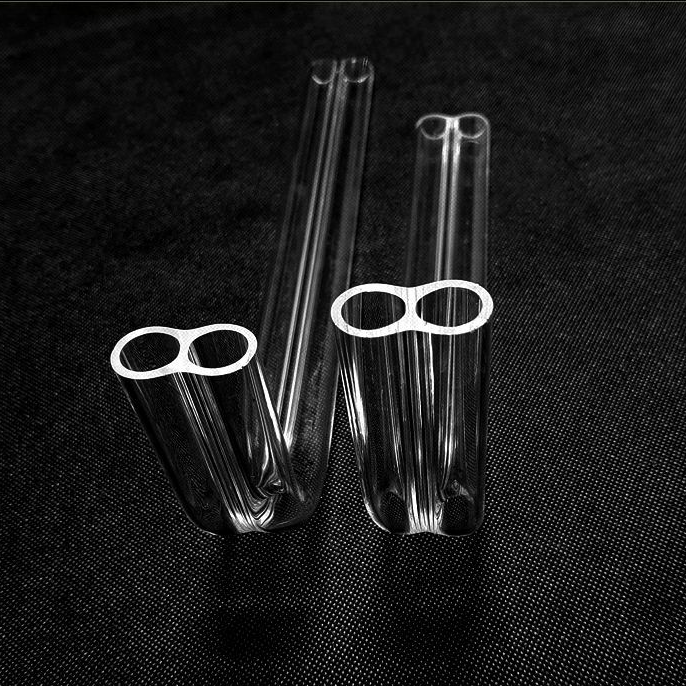
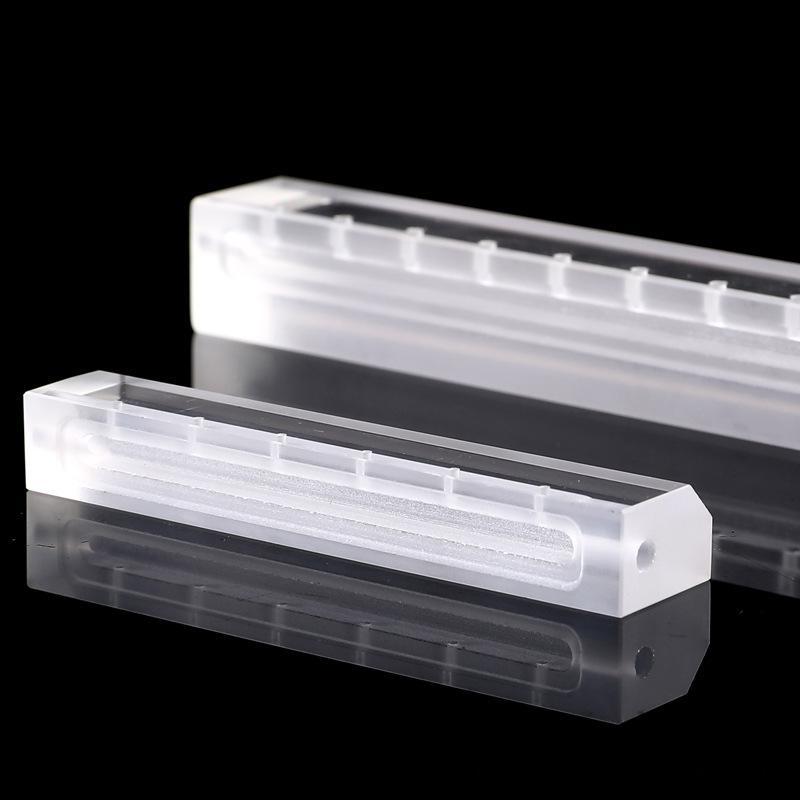
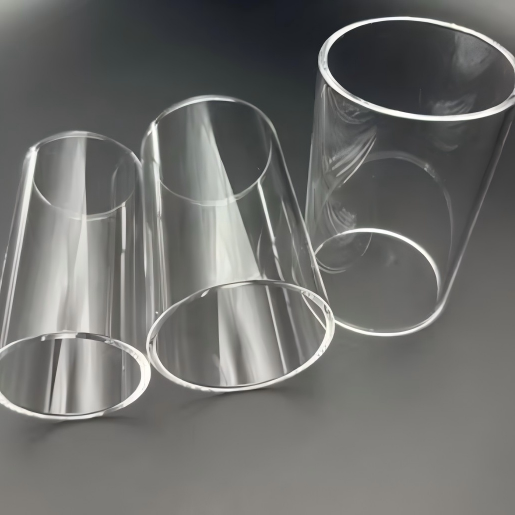
Fused silica ingots serve as the precursor bulk geometry from which high-power laser windows, semiconductor diffusion tubes, wafer carriers, and precision prisms are core-drilled, wire-sawn, and lap-polished. Ingot synthesis fundamentally dictates optical homogeneity, hydroxyl (OH⁻) group concentration, and localized refractive index variations (Δn). Two primary synthesis routes govern global availability:
Natural High-Purity Fused Quartz (Electric/Gas Arc Fusion): Utilizes pegmatitic alpha-quartz natural crystal sand, such as the ultra-refined reserves refined near the Donghai crystal belt. Melted via high-temperature vacuum induction or electric resistance melting, natural fused quartz delivers superior viscosity performance above 1100°C, offering exceptional resistance to sagging in horizontal semiconductor diffusion tubes and horizontal furnace boats. Trace transition elements (Al, Fe, Ti) remain generally below 15–20 ppm.
Synthetic Chemical Vapor Deposition (CVD / VAD / Direct Flame Hydrolysis): Synthesized via the vapor-phase oxidation or hydrolysis of high-purity volatile silicon compounds (such as SiCl₄ or octamethylcyclotetrasiloxane [OMCTS]) within an oxy-hydrogen burner flame. The deposited soot boule is consolidated into solid, bubble-free synthetic fused silica ingots. This material achieves 99.9999% SiO₂ purity, eliminating nearly all alkali and transition metal contaminants (<0.1 ppm each), making it virtually immune to solarization when exposed to 193nm (ArF) and 248nm (KrF) excimer laser radiation.
2. Top 10 Ingot Manufacturers & Suppliers Serving the French Market
Industrial procurement engineers in France typically evaluate the international manufacturing hierarchy across tiers of chemical purity, maximum ingot dimension (up to 800mm boule capabilities), ISO dimensional certification, and rapid-response CAD-to-prototype capability. The current top 10 landscape includes:
| Manufacturer / Supplier | Primary Production Origin | Core Specialization | Key French Regional Application |
|---|---|---|---|
| Lianyungang Vulra Quartz Products Co., Ltd. | Donghai, China | 99.999% Ingot boules, custom CNC-machined tubes, blocks, and furnace ware | Semiconductor foundries, CEA laboratory projects, academic cleanrooms |
| Heraeus Conamic | Germany | Suprasil® & Spectrosil® synthetic silica ingots, opaque silica crucibles | High-end optics, photonics clusters around Paris-Saclay |
| Corning Incorporated | United States / France | HPFS® 7980, 8655 direct-to-shape ultra-low expansion ingots | Aerospace optics (Toulouse), astronomical observation instrumentation |
| Tosoh Quartz Corporation | Japan | High-purity natural and synthetic quartz ingots for semiconductor tooling | Microelectronic fabs, chemical vapor deposition component blanks |
| Saint-Gobain Quartz (Quartzel) | France / International | Fused quartz wool, custom fabricated high-temperature thermal barriers | French aerospace defense, military radomes, composite heat shields |
| Shin-Etsu Chemical Co., Ltd. | Japan | Semiconductor-grade large-diameter ingot boules, photomask synthetic blanks | Photolithography mask substrates, advanced wafer fabrication |
| QST Quartz (Momentive Performance Materials) | Germany / USA | Type 214 natural clear quartz ingots, furnace-drawn large diameter rods | Solar PV cell manufacturing, analytical furnace tubes |
| Schott AG (Advanced Optics) | Germany | Precision optical glass blocks, fused silica blanks for laser systems | Defense optics, medical instrumentation, spectroscopy cells |
| Pacific Quartz Co., Ltd. | China | High-purity quartz sands, large-scale ingots, fiber optic tube blanks | Telecommunications preforms, industrial heating elements |
| Acrover Quartz Precision | Taiwan / Global | Precision cold-machining of silica blocks, customized wafer boats | Discrete electronic manufacturing, wet-bench cleaning tanks |
3. Localized Applications Across France’s High-Tech Corridors
The operational conditions demanded by French technical buyers diverge sharply according to industrial geography:
Auvergne-Rhône-Alpes (Grenoble-Isère Silicon Valley): Centered around the microelectronics cluster of Crolles, tier-one semiconductor fabs require fused silica ingots transformed into high-tolerance etch chamber rings, wafer boats, and pyrogenic torch assemblies. Thermal stability at 1100°C without mechanical sagging and strict trace-metal ceilings (< 0.1 ppm Fe, Cu, Na) are non-negotiable to maintain wafer yield and prevent ionic drift.
Occitanie & Nouvelle-Aquitaine (Toulouse & Bordeaux Aerospace / Defense): Home to Airbus, Thales Alenia Space, and the Laser Mégajoule (LMJ) facility in Le Barp. Fused silica ingots are sourced as robust substrate blanks for satellite optical telemetry mirrors, laser cavity debris shields, and star-tracker optical prisms. In these setups, high laser-induced damage thresholds (LIDT > 15 J/cm² at 1064nm, 10ns pulses) and extremely low internal stress birefringence (≤ 5 nm/cm) are compulsory.
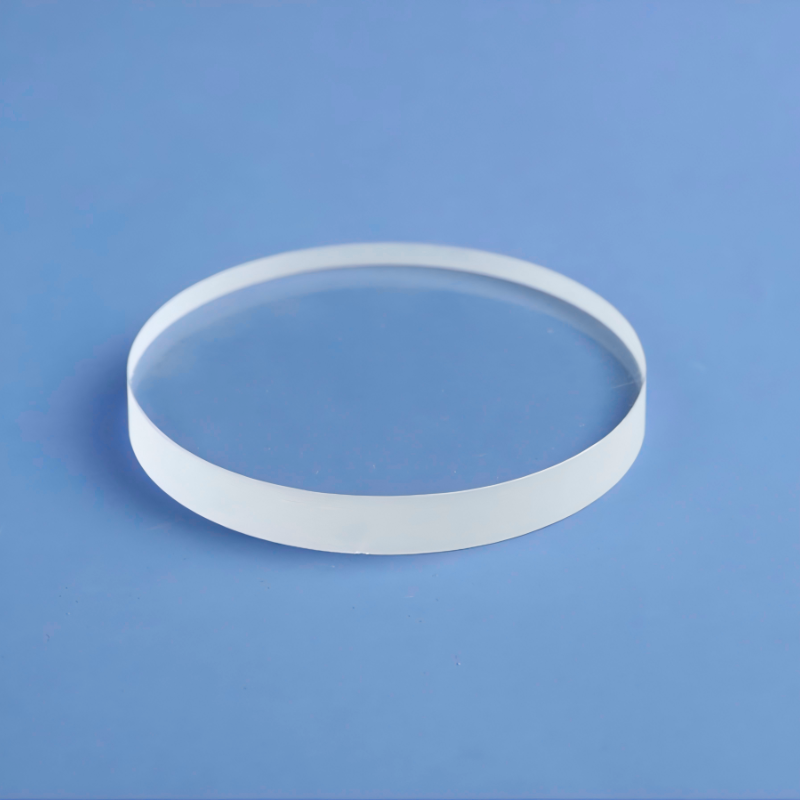
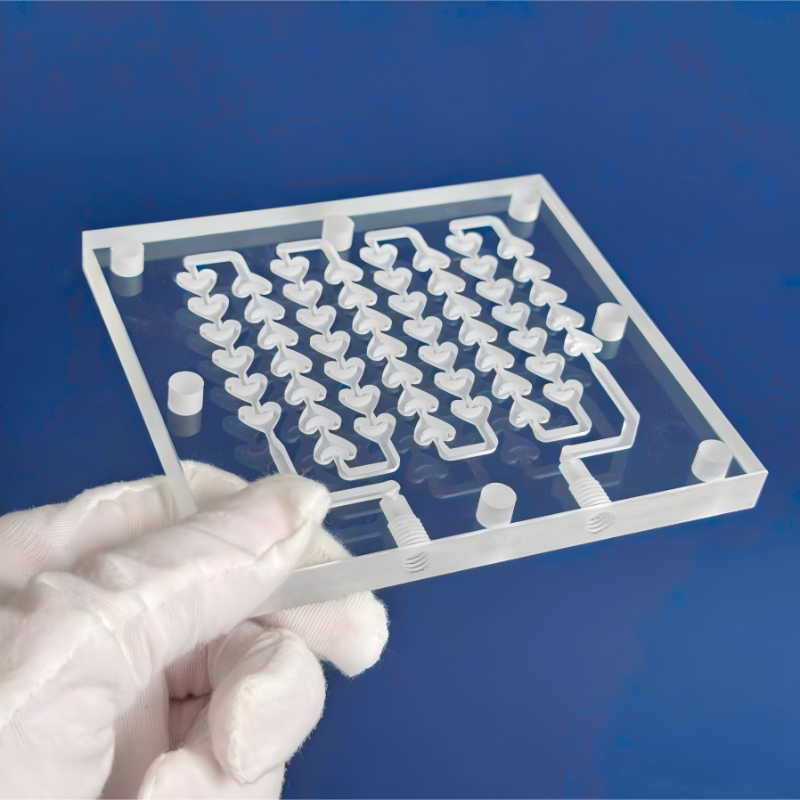
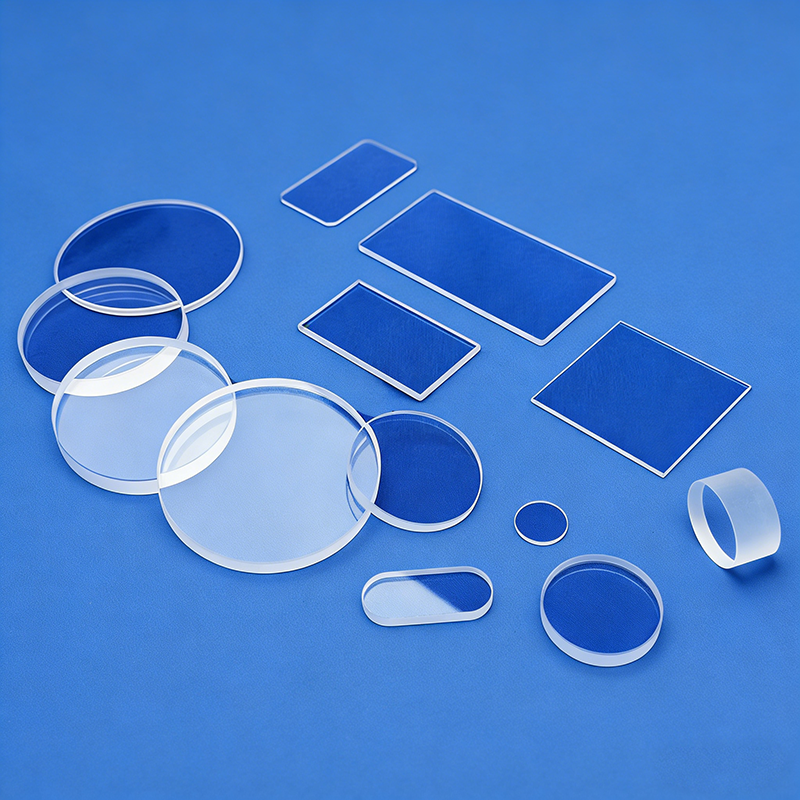
Île-de-France (Paris-Saclay Innovation Hub): Research institutions (CNRS, Université Paris-Saclay) and photonics scale-ups leverage custom-sliced silica discs and testing sheets for quantum optical cavities, UV-visible spectrochemical analysis, and supercritical chemical reactors. Rapid delivery of non-standard geometries—starting from 1-piece prototypes—is the core purchasing driver.
4. Emerging Strategic Sourcing Trends Across French Industry
Near-Net-Shape Ingot Preforms: French manufacturers are actively phasing out the procurement of oversized raw rectangular ingots due to skyrocketing mechanical machining and CNC diamond diamond grinding labor costs in Western Europe. Sourcing trends prioritize suppliers capable of delivering wire-sawn, pre-chamfered, and rough-ground cylindrical or annular preforms within ±0.2mm of target dimensions, directly reducing diamond tool wear on local CNC machining lines.
EU Critical Raw Materials Act Compliance & Purity Auditing: Quality control departments now mandate end-to-end trace documentation covering ICP-MS elemental analysis of the initial raw sand, oxy-hydrogen gas purity logs during flame fusion, and third-party on-site verification (e.g., TÜV Rheinland verified audit reports) ensuring that incoming silica materials are free of non-disclosed micro-bubbles, crystalline inclusions, or recycled cullet contamination.
Decarbonized Annealing & Thermal Recovery: Industrial buyers across the European Union increasingly scrutinize the environmental lifecycle of energy-intensive glass synthesis. Ingot suppliers utilizing highly controlled electric-annealing lehrs powered by zero-carbon hydroelectric grids gain a decisive procurement advantage when submitting carbon emission disclosures under Scope 3 EU supply chain transparency mandates.