Semiconductor & Lab-Grade Quartz Infrastructure
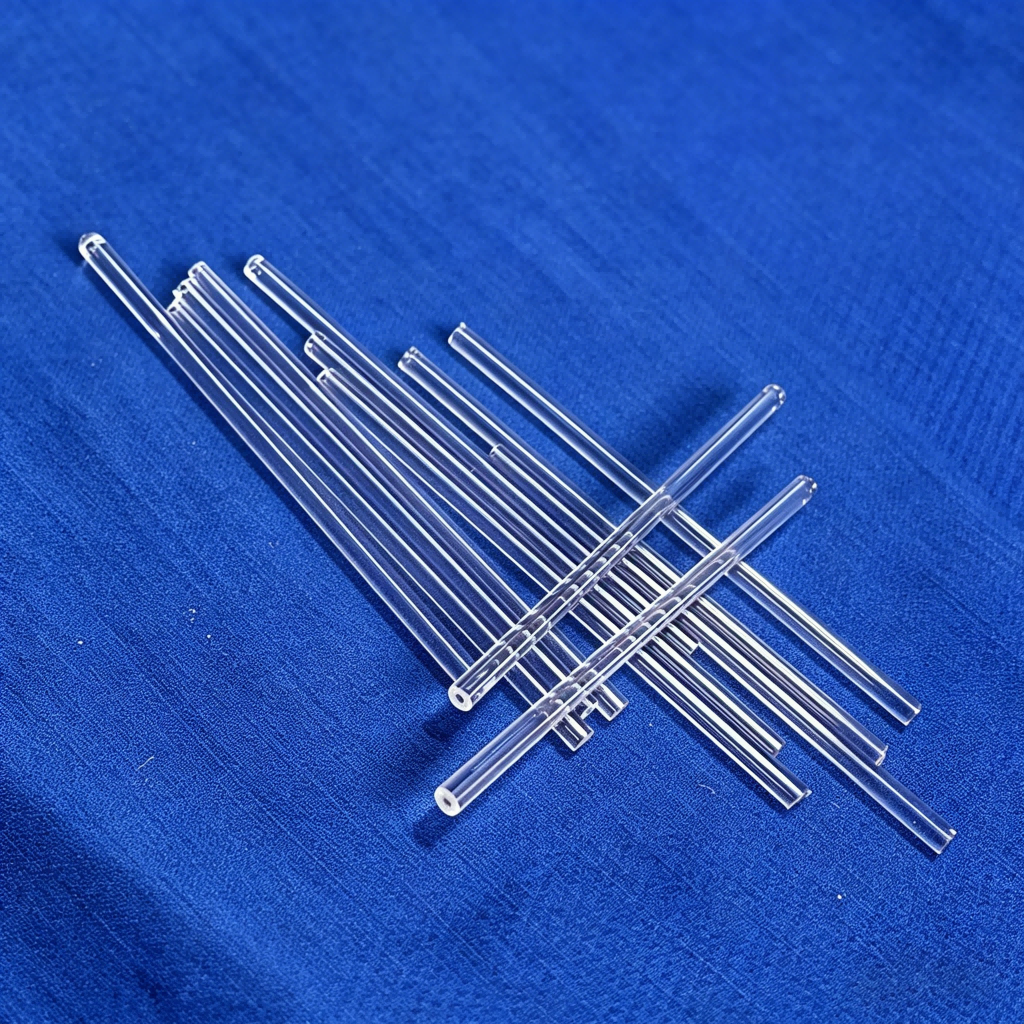
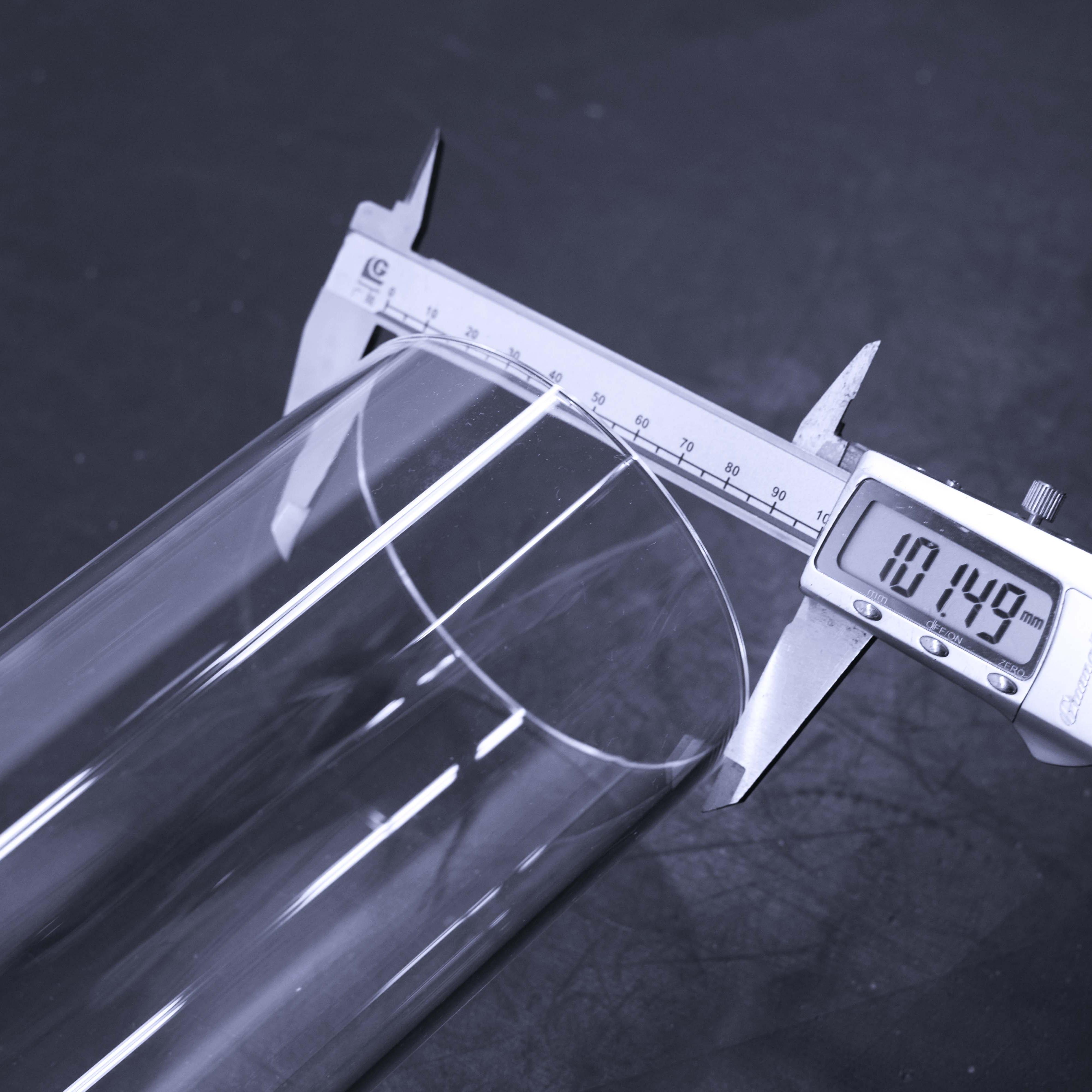
From micro-capillaries to heavy-wall thermal furnace tubes and chemical-separating vessels, our engineered quartz solutions fulfill demanding thermal, chemical, and dimensional tolerances.

High-Purity Quartz Wafer Carriers in Modern Wafer Processing
A comprehensive technical overview of material dynamics, structural stability, and thermal resilience under extreme semiconductor processing environments.
In high-density sub-micron semiconductor fabrication and advanced solar cell wet-chemical texturing, the structural integrity of wafer carriers (commonly referred to as quartz wafer boats, cassettes, or cradles) directly determines line yield and processing repeatability. As Indonesia accelerates its domestic microelectronics packaging capacity and clean energy technology ecosystem under the Making Indonesia 4.0 industrial roadmap, the demand for precision fused quartz wafer carriers with ultra-low trace metal contamination has escalated rapidly.
Quartz wafer carriers serve as the primary mechanical support mechanism holding fragile single-crystal silicon wafers during critical processing phases, including horizontal and vertical tube furnace thermal diffusion, Low-Pressure Chemical Vapor Deposition (LPCVD), plasma-enhanced chemical synthesis, wet-chemical acid clean benches (RCA cleaning, piranha etching, and concentrated hydrofluoric acid stripping), and high-temperature wafer annealing. Under sustained operating environments reaching upwards of 1100°C, ordinary borosilicate or lower-grade glass vessels suffer rapid thermal de-vitrification, severe micro-sagging, slot distortion, and destructive ionic outgassing. High-purity natural fused quartz engineered by Vulra Quartz offers a virtually isotropic amorphous structure with a near-zero coefficient of thermal expansion, providing the physical resilience required to prevent wafer jamming, thermal stress cracking, and microscopic slot misalignment.
Material Chemistry & Trace Impurity Control
The operational longevity of a quartz carrier in semiconductor diffusion processes is fundamentally governed by raw material purity. Sourced from the globally renowned quartz sand cluster of Donghai County, China, Vulra Quartz enforces strict raw chemical refining protocols. Synthetic and natural fused silica matrices must exhibit total heavy metal impurities (such as Fe, Cu, Ni, Cr) and alkali metals (specifically Na, K, Li) well below single-digit parts-per-million (ppm) thresholds. Sodium (Na) and potassium (K) ions are notoriously dangerous in semiconductor front-end and packaging lines: under high thermal loads (>900°C), mobile alkali ions migrate across the quartz boundary, diffusing into the silicon lattice and inducing destructive gate oxide breakdown, latch-up failures, and uncontrolled electrical drift.
| Critical Parameter | Semiconductor Grade (High Purity) | Standard Photovoltaic Grade | Operational Significance for Indonesian Fabs |
|---|---|---|---|
| SiO₂ Purity Level | ≥ 99.999% (5N Grade) | ≥ 99.99% (4N Grade) | Prevents wafer lattice poisoning during long diffusion cycles |
| Alkali Metals (Na, K, Li) | < 0.8 ppm combined | < 3.0 ppm combined | Eliminates mobile ion drift across delicate CMOS gate oxide layers |
| Thermal Expansion (CTE) | 5.5 × 10⁻⁷ / K (20°C - 320°C) | 5.5 × 10⁻⁷ / K (20°C - 320°C) | Withstands instant insertion into 1000°C hot-wall furnace zones |
| Hydroxyl (OH⁻) Content | < 15 ppm (Low OH) / < 5 ppm Option | < 30 ppm Standard | Low OH prevents premature viscous sagging at 1150°C - 1250°C |
| Slot Pitch Tolerance | ± 0.02 mm to ± 0.05 mm | ± 0.08 mm to ± 0.10 mm | Ensures automated robotic end-effector and cassette transfer alignment |
| Softening Point | 1683°C | 1680°C | Retains structural rigidity under extreme atmospheric thermal annealing |
Carrier Geometries: Horizontal Ladder Boats vs. Vertical Cantilever Cassettes
Precision carrier selection depends heavily on furnace design and production architecture. In horizontal atmospheric processing, ladder-type quartz boats utilizing slotted quartz rods fused to supportive longitudinal cross-members remain the dominant standard. Here, precision laser or CNC diamond grinding must carve equidistant slots with smooth, fire-polished radii to prevent micro-scratching on wafer peripheries. For advanced vertical furnace operations—common in high-density automated manufacturing—compact vertical quartz towers or interlocking wafer boats are utilized. These vertical carriers minimize furnace footprint, optimize uniform gas flow kinetics during silane or dopant gas injection, and drastically reduce slip-line dislocations caused by uneven gravitational sag during ramp-up heating cycles.
Localized Application Scenarios in Indonesia's Industrial Corridors
How engineered fused quartz components empower strategic manufacturing hubs from Batam's free trade zone to Java's high-tech manufacturing parks.
Batam FTZ: OSAT & Electronics Assembly
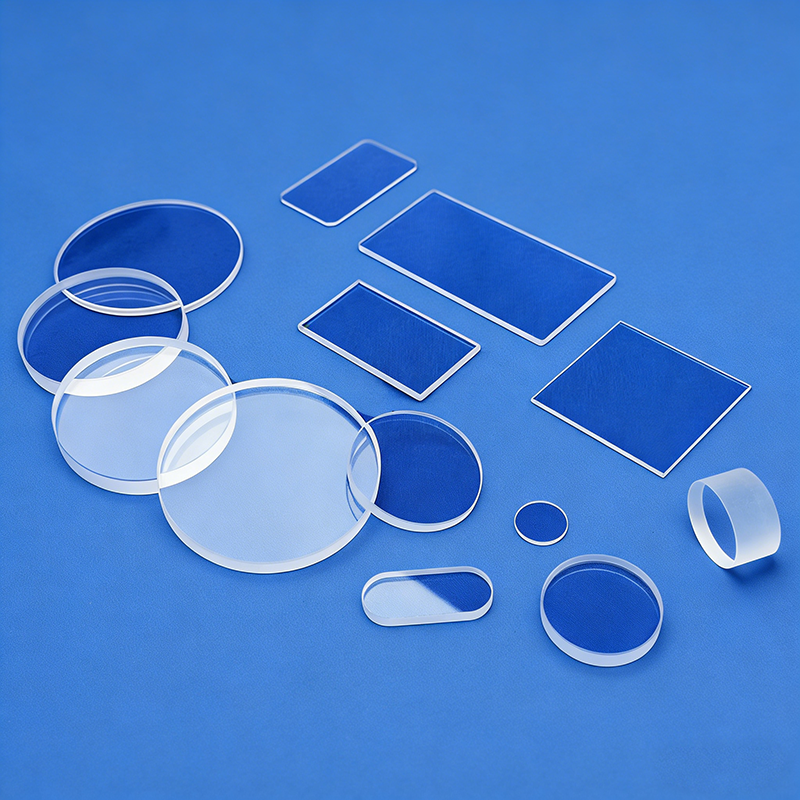
Across the Batamindo Industrial Park and Nongsa Digital Park, specialized semiconductor packaging, back-end testing, and lead-frame chemical processing lines depend on custom quartz etching tanks and micro-cassettes resistant to aggressive acidic etching reagents.
Central Java: Photovoltaic Cell Diffusion
Facilities establishing operations in Kendal Industrial Park and the Batang Integrated Industrial Zone require high-capacity, oversized quartz boats engineered to support large M10 and G12 n-type TOPCon solar wafers through heavy phosphorus oxychloride (POCl₃) diffusion cycles.
West Java: Chemical & Sensor R&D
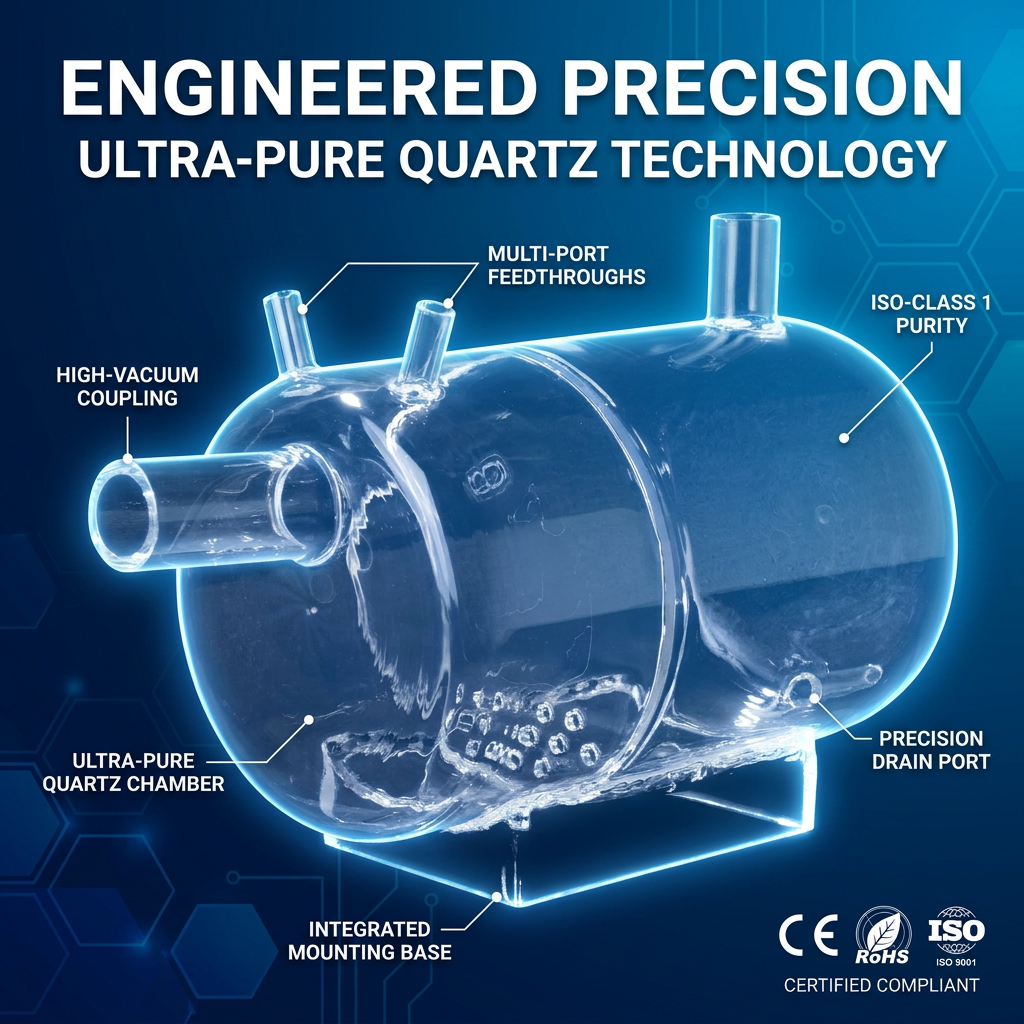
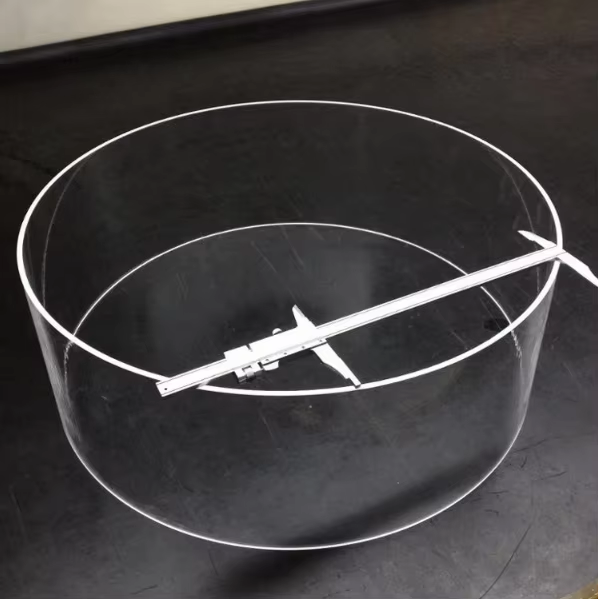
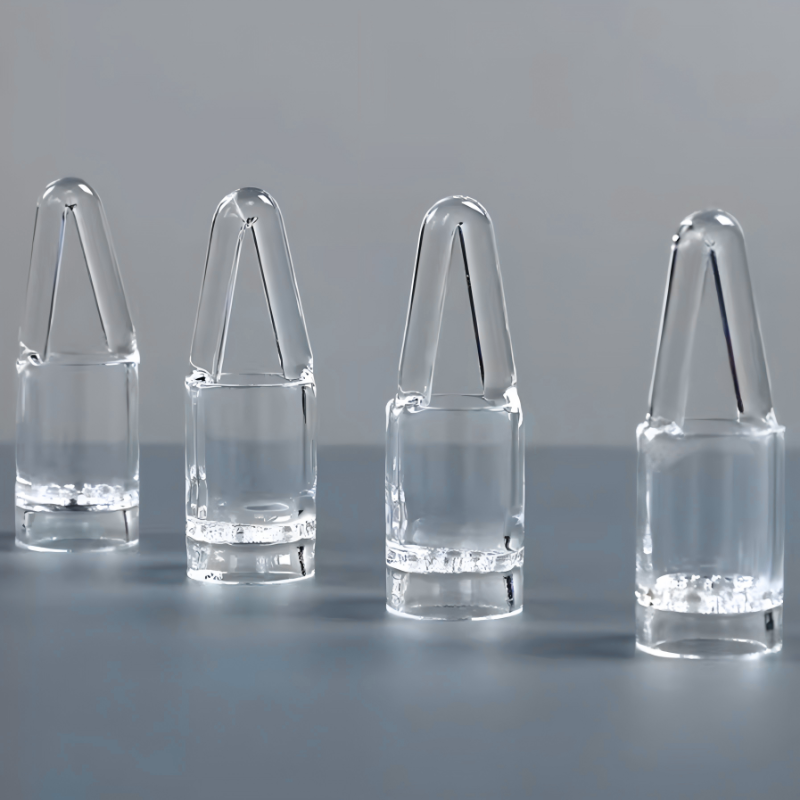
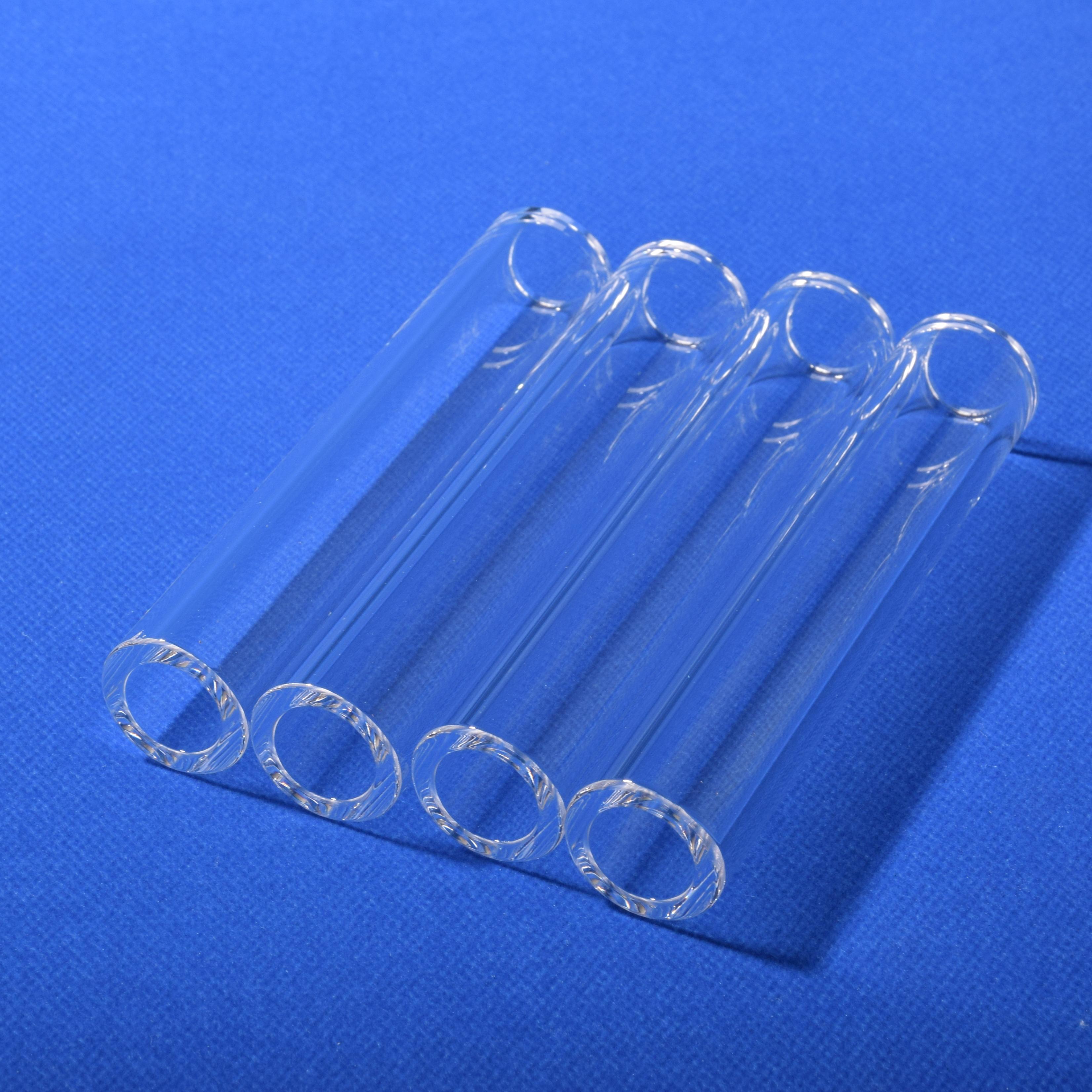
National research consortia, university pilot labs (ITB, UI), and industrial R&D centers in Cikarang leverage high-purity quartz vessels, round-bottom flasks, and capillary holders for high-temperature synthesis, electrochemical analysis, and specialized environmental sensors.
Macro Trends Reshaping Indonesia's Semiconductor & Solar Ecosystem
Strategic localization, supply chain de-risking, and clean energy mandates fuel demand for high-reliability consumable quartz hardware.
The Southeast Asian semiconductor supply chain is witnessing unprecedented regional diversification. Driven by geopolitical realignment and bilateral investment initiatives, multinational semiconductor assembly, packaging, and testing (OSAT) enterprises are actively scaling cleanroom infrastructure across Indonesia, particularly leveraging Batam's unique duty-free status and proximity to Singapore's advanced logistics hubs. Concurrently, the Indonesian Ministry of Industry has identified microelectronics, sensor fabrication, and solar PV cell assembly as pivotal core sectors within the Making Indonesia 4.0 industrial framework.
Simultaneously, Indonesia's renewable energy commitment—demonstrated by ambitious national targets for utility-scale solar installations (PLTS) and floating photovoltaic projects across Java and Sumatra—is fostering domestic module and cell manufacturing capabilities. In photovoltaic cell lines, thermal diffusion furnaces operate 24/7 at temperatures exceeding 850°C to 1050°C. Quartz boats and large-diameter diffusion process tubes are critical consumable assets that degrade over extended exposure to corrosive dopant vapors and repetitive thermal ramping. Sourcing robust quartz hardware engineered with optimal wall thicknesses and flame-polished slot geometries drastically mitigates line downtime, prevents catastrophic quartz breakage, and optimizes the Levelized Cost of Electricity (LCOE) for domestic clean-tech manufacturers.
Why Indonesian Procurement Teams Partner with Vulra Quartz
Direct from Donghai County—China's crystal capital—we combine integrated upstream raw sand access with precision automated CNC machining, certified quality management, and export-grade packing systems.
TÜV Rheinland Verified
Independently audited production facilities verifying genuine custom manufacturing capacity, cleanroom assembly standards, and documented material traceability.
Upstream Sourcing Purity
Direct integration into Donghai's primary natural quartz crystal deposits guarantees raw sand with up to 99.999% SiO₂ content and rock-bottom trace impurity counts.
1-Piece Rapid Prototyping
No prohibitive MOQs on custom drawings. Order single-piece test boats or bespoke reactor vessels to validate physical fit and thermal profile before volume rollout.
Full-Spectrum Processing
Equipped for precision diamond cutting, laser slotting, cold mechanical grinding, ultrasonic cleaning, and stress-relieving thermal annealing ovens under one single roof.
Frequently Asked Questions for Indonesian Buyers
Detailed technical, logistics, and regulatory answers addressing customs clearance, thermal maintenance, and engineering specifications.
What HS codes and import documentation govern quartz wafer carriers imported into Indonesia?
How does Vulra Quartz guarantee safe international transit across maritime and tropical shipping routes?
Can you manufacture replacement quartz boats matching existing OEM specifications (e.g., ASM, Kokusai, TEL)?
What is the recommended cleaning and maintenance protocol for quartz boats in tropical cleanroom facilities?
Why is controlled thermal annealing critical for fused quartz wafer carriers?
Ready to Optimize Your Furnace Yields in Indonesia?
Send us your dimensional drawings or replacement part numbers. Our technical sales engineers provide rapid DFM reviews and detailed export quotations within 24 hours.