Featured Thermal Quartz Components
Browse our certified range of high-purity natural fused quartz and synthetic silica products engineered for extreme thermal gradients, severe chemical environments, and precision vacuum furnaces.
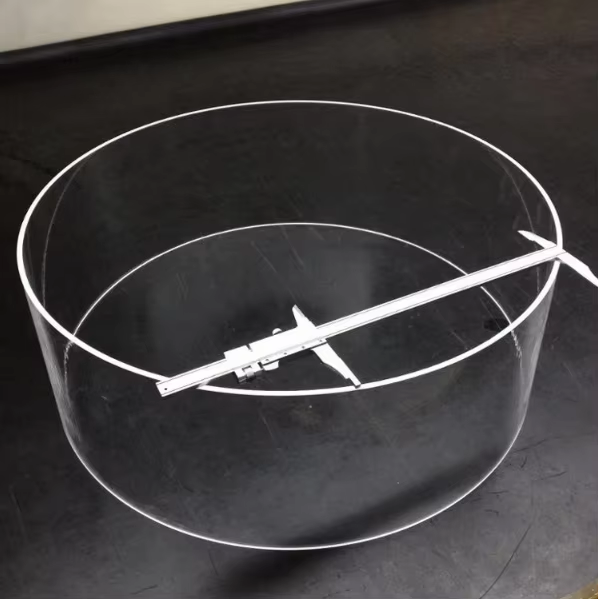
Factory Supply Optical Quartz Sapphire Tubes High Temperature Resistant UV Glass Test Pipe Powder Sintering
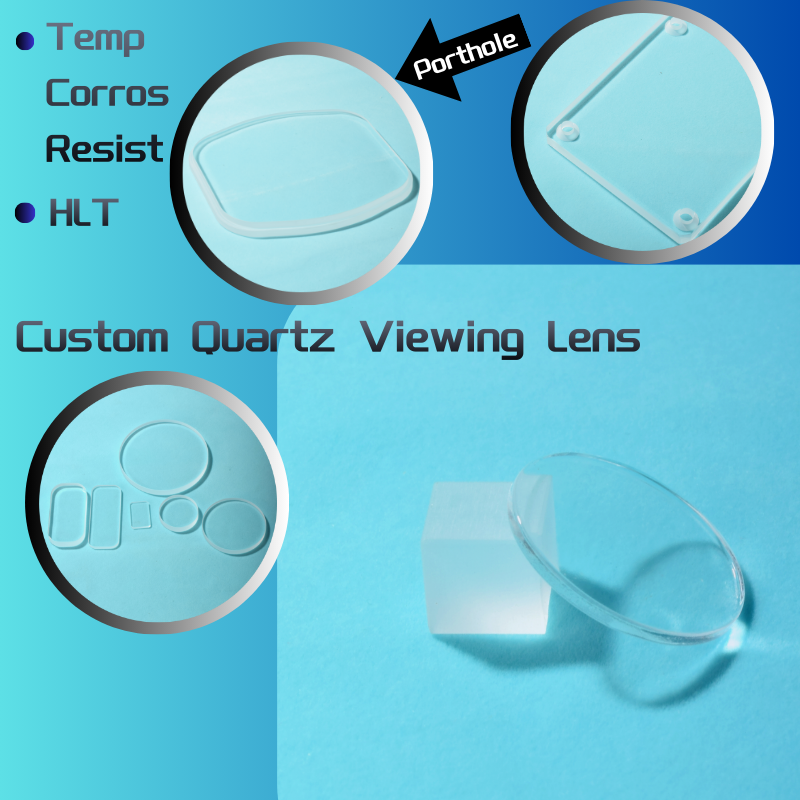
SJ SJ 126 Natural Fused Quartz Square Thin Glass Slide Optics High Transparency Laboratory Use High Purity Cutting
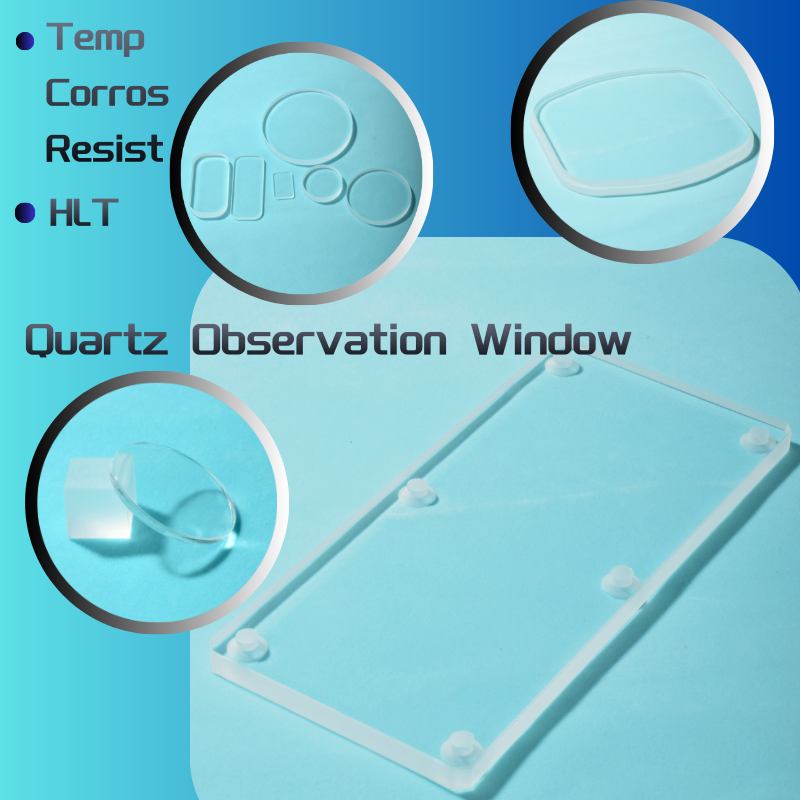
SJ Natural Fused Quartz Polished Plate Optical Clear Heat-Resistant Chemical-Resistant Laser High Melting Point
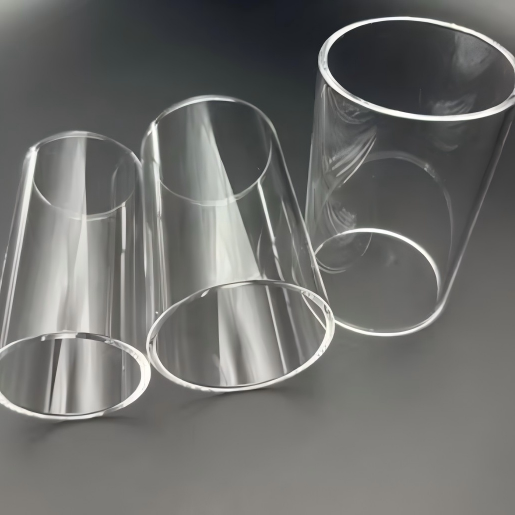
High Temperature Transparent Polished Ozone Free One End Closed Quartz Tube 5-800mm Diameter Bending Welding
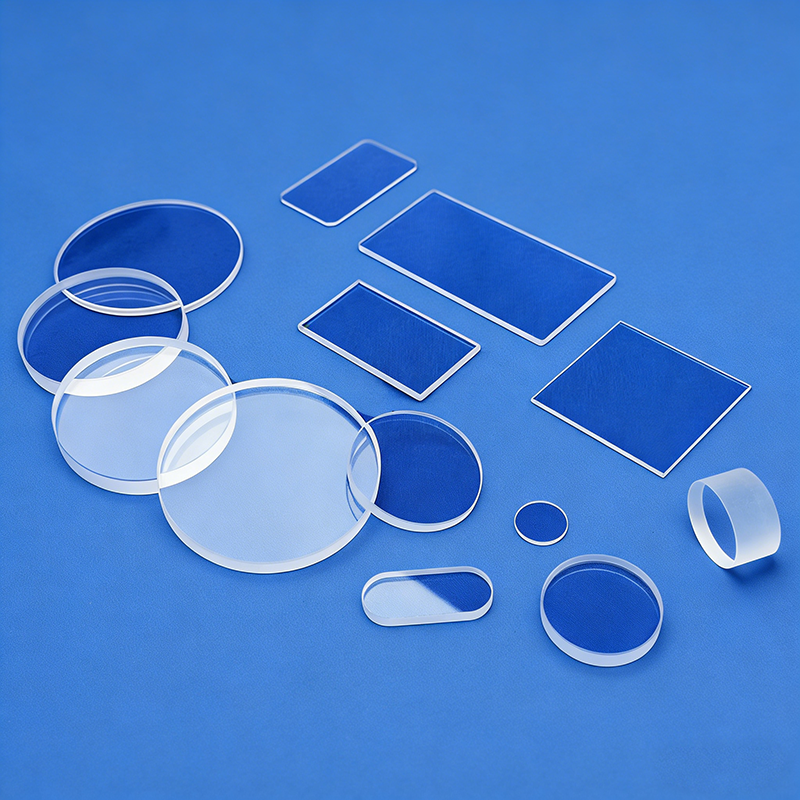
SJ QUARTZ Customized Translucent Natural Fused Quartz Arc-Welding Cutting Services Industrial Lab Applications
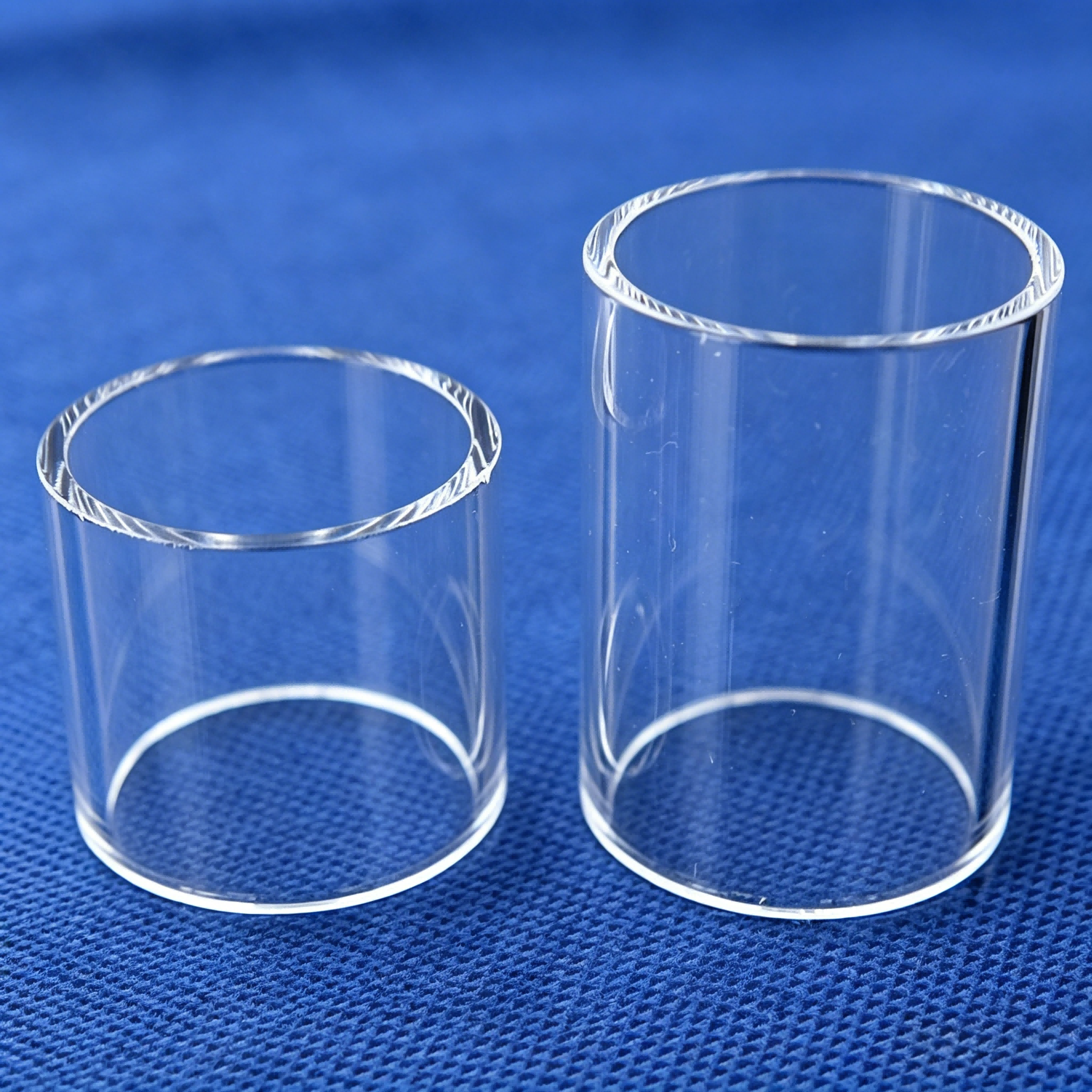
Custom High Temperature Corrosion Resistant Clear Quartz Glass Pipe | Twin Tube Polished Surface SJ 210
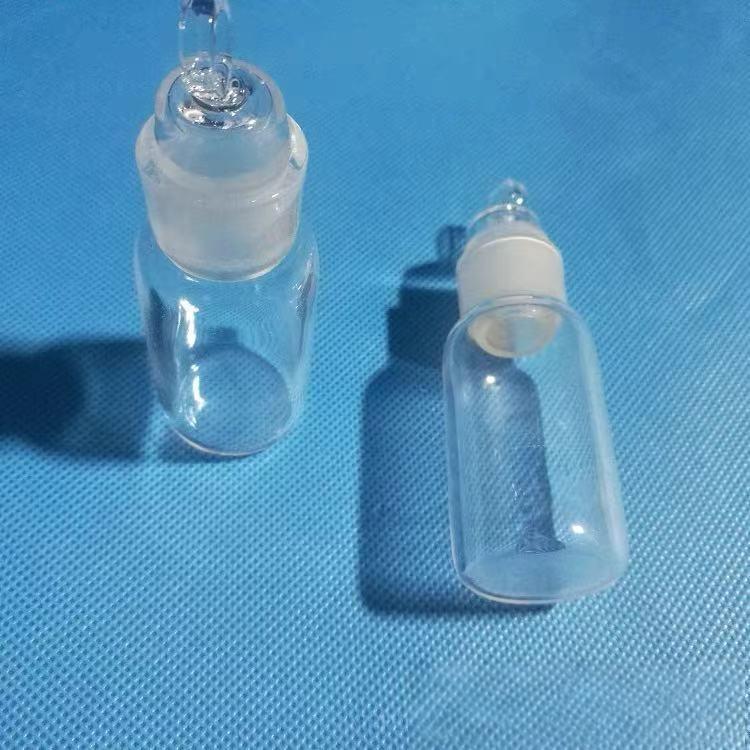
High-Corrosion Resistant High-Temperature Resistant High-Transparency Semiconductor 400 Mesh Laboratory Quartz
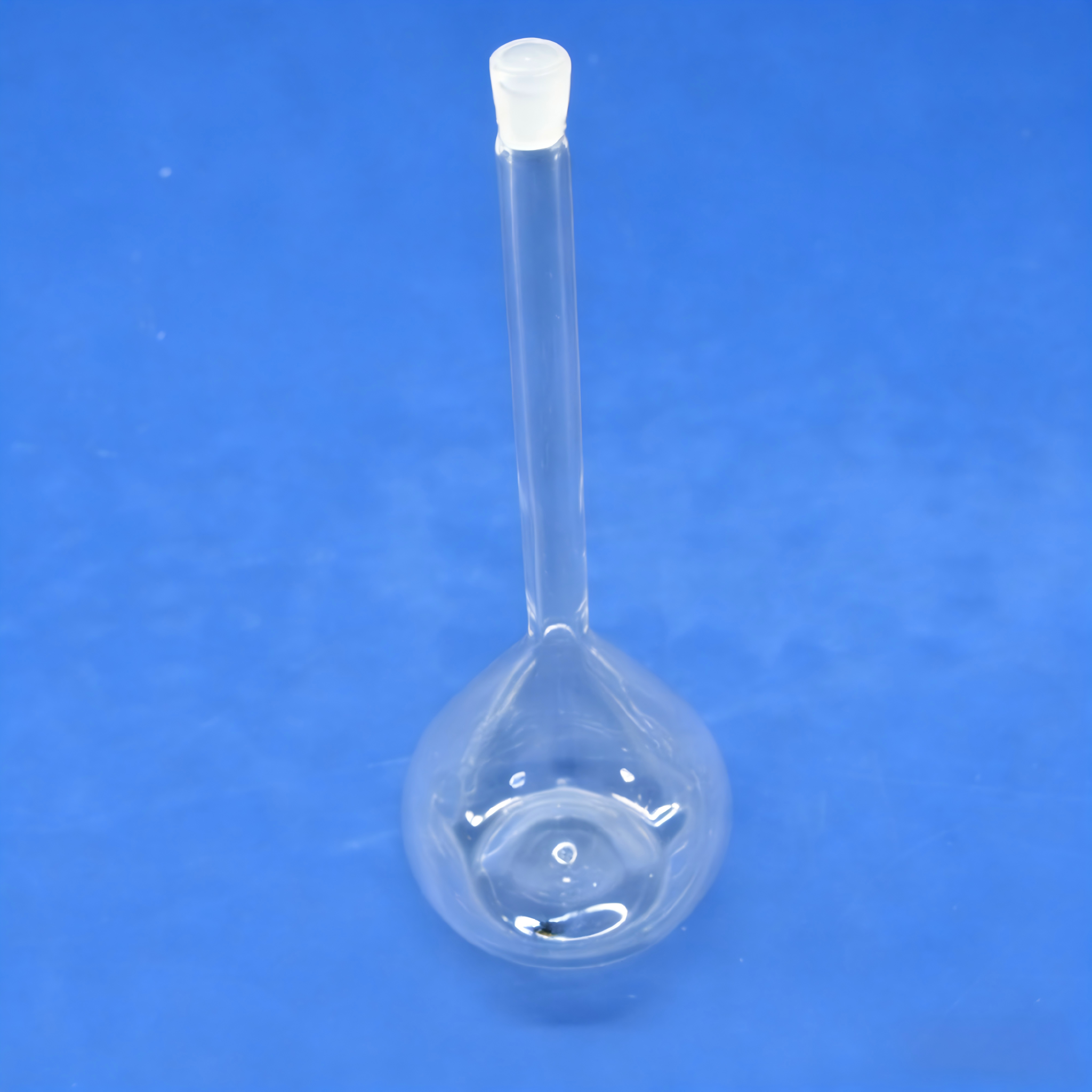
High Purity Transparent Quartz Glass Ampoule Customized Clear Quartz Flask Bending Cutting Welding Lab Ozone Free
Thermodynamic Integrity of Quartz Liners in Tallinn's Thermal Systems
In modern high-temperature industrial furnaces, vacuum chambers, and controlled-atmosphere tubular reactors, the internal liner serves as the frontline defense against thermal degradation, metallic vapor contamination, and process gas permeation. Within Northern Europe, and specifically the burgeoning research and development corridor in Tallinn, Estonia, engineers are pushing the frontiers of advanced crystal growth, semiconductor prototyping, atomic layer deposition (ALD), and chemical vapor deposition (CVD). When specifying components from quartz furnace liner factories, process engineers must balance thermal shock thresholds, dimensional concentricity, trace impurity budgets, and high-temperature sag resistance.
Natural fused quartz and synthetic fused silica represent anomalous glass materials characterized by an exceptionally low coefficient of thermal expansion (CTE) of approximately 5.5 × 10⁻⁷ cm/(cm·°C) between 20°C and 1000°C. This intrinsic material property allows a quartz furnace liner to withstand radical thermal gradients—such as cycling from an ambient 20°C baseline directly to an operational ceiling of 1150°C in tube furnaces without micro-fracturing or catastrophic structural failure. However, prolonged operation above 1050°C induces devitrification kinetics where amorphous silica converts metastably into crystalline cristobalite. The rate of this phase transition is accelerated exponentially by alkali metal contaminants (specifically sodium, potassium, and lithium) present in sub-standard quartz raw materials.
| Thermal & Mechanical Property | High-Purity Clear Fused Quartz | Synthetic Fused Silica (SFS) | Opaque / Translucent Fused Silica |
|---|---|---|---|
| SiO₂ Purity Grade | ≥ 99.99% – 99.995% | ≥ 99.999% – 99.9999% | ≥ 99.85% – 99.90% |
| Continuous Operating Temp | 1100 °C | 1150 °C – 1200 °C | 1050 °C – 1100 °C |
| Short-Term Peak Temp | 1350 °C – 1450 °C | 1450 °C – 1500 °C | 1300 °C – 1350 °C |
| Strain Point / Annealing Point | 1070 °C / 1180 °C | 1120 °C / 1210 °C | 1020 °C / 1120 °C |
| Softening Point (Viscosity η=10⁷·⁶ P) | 1683 °C | 1730 °C | 1670 °C |
| Thermal Expansion (0–1000°C) | 5.5 × 10⁻⁷ / °C | 5.2 × 10⁻⁷ / °C | 5.4 × 10⁻⁷ / °C |
| Primary Tallinn Applications | Diffusion, CVD, Annealing, Muffles | Deep-UV, Semiconductor, ALD Epitaxy | Thermal insulation baffles, Foundry |
Lianyungang Vulra Quartz Products Co., Ltd. addresses the strict devitrification boundaries required by European engineers. Operating from Donghai County—the globally recognized hub of natural silica purification—we exercise strict incoming mineral controls. Our furnace liners, diffusion process tubes, and customized reactor vessels restrict total alkali impurities (Na + K + Li) to below 1.5 parts per million (ppm), and total transition metal concentrations (Fe + Cu + Ti + Cr + Ni) to below 2.0 ppm. This chemical purity profile dramatically suppresses cristobalite nucleation sites, preserving liner transparency and mechanical tensile load integrity throughout thousands of operational thermal cycles.
Localized Applications in Tallinn and the Estonian Deep-Tech Sector
Mapping high-precision quartz furnace liners to the specific laboratory, industrial, and cleanroom nodes across Harju County and Southern Estonia.
TalTech & Advanced Photovoltaics
Researchers at Tallinn University of Technology (TalTech) specializing in solar cell physics, monograin powder technologies, and chalcogenide thin-film syntheses require precision quartz ampoules, multi-zone tube liners, and closed-end sublimation chambers that guarantee zero metallic off-gassing under vacuum levels down to 10⁻⁵ mbar.
Tehnopol Cleanroom & MEMS
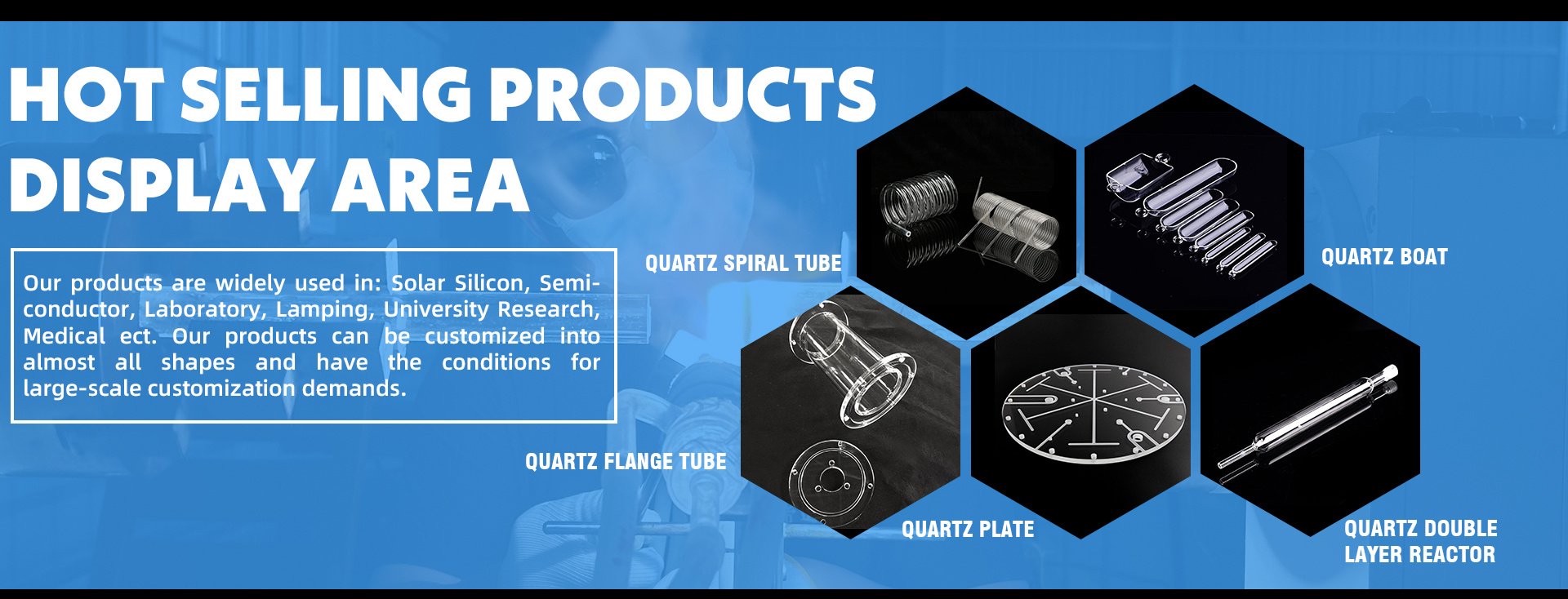
Within the Tehnopol Science and Business Park, spin-offs and cleanroom fabrication units manufacturing MEMS sensors, graphene interfaces, and integrated optical chips utilize our semiconductor-grade 400-mesh quartz boats, wafer carriers, and custom gas-inlet quartz furnace liners for rapid thermal processing (RTP) and atomic layer deposition (ALD).
Industrial Metallurgy & Heat Treating
Harju County's precision machining, defense, and specialized aerospace suppliers depend on durable fused quartz muffle inserts and viewports to maintain inert argon, nitrogen, or reducing hydrogen environments during the vacuum sintering of high-strength alloy powders, superalloys, and technical ceramics.
Estonia’s national economic modernization roadmap places intense emphasis on the electrification of manufacturing, cleantech scaling, and indigenous semiconductor capabilities under the European Chips Act. Consequently, the procurement demands in the Tallinn market are shifting from standard off-the-shelf tubular components to highly customized, drawing-based quartz furnace liners with integrated KF/ISO vacuum flanges, ground ball-and-socket joints, capillary thermocouple wells (thermowells), and internal spiral gas-preheating baffles.
Furnace operators across industrial estates in Lasnamäe, Ülemiste City, and Maardu require furnace liners engineered with calculated wall thickness ratios ($OD/ID$) designed to resist buckling under negative vacuum conditions at elevated temperatures. When an evacuated horizontal quartz tube is maintained at 1100°C, atmospheric pressure (1 bar external differential) subjects the softened silica structure to hoop stress. Vulra Quartz’s application engineering team performs structural calculations for every Estonian RFQ, guaranteeing that wall tolerances (±0.15 mm to ±0.5 mm) prevent ovalization and atmospheric collapse during extended thermal dwell schedules.
Integrated Hot & Cold Working Under One Roof
Achieving micron-level dimensional tolerances on massive quartz furnace liners (diameters up to 800 mm and lengths up to 3500 mm) necessitates seamless coordination between thermo-chemical glassblowing and mechanical diamond-tool machining.
At our Donghai manufacturing base, raw quartz cylinders undergo computer-controlled diamond wire cutting, precision edge bevelling, and inner-surface ultrasonic honing. Following cold shaping, pieces advance to our heavy-duty glassblowing lathes equipped with multi-jet oxy-hydrogen torches. Here, certified glassblowers execute seamless arc welding of end-plates, flange fusions, gas injection ports, and optical pyrometer sight glasses without introducing localized stress nodes.
Crucially, every finished liner is routed through automated electric annealing kilns running programmed multi-stage thermal ramping cycles up to 1210°C, followed by a controlled isothermal soak and micro-stepped cooling. This eliminates dangerous residual stresses, validated via cross-polariscopic birefringence inspection.
Four-Stage Fabrication & Verification Protocol
How Vulra Quartz manages the production lifecycle for export orders heading to Tallinn research centers and manufacturing facilities.
Why Tallinn Engineers Partner Directly with Our Factory
Procuring custom scientific and industrial quartz in Estonia frequently encounters prohibitive markups and elongated multi-month timelines from domestic or Western European intermediaries who outsource their fabrication overseas.
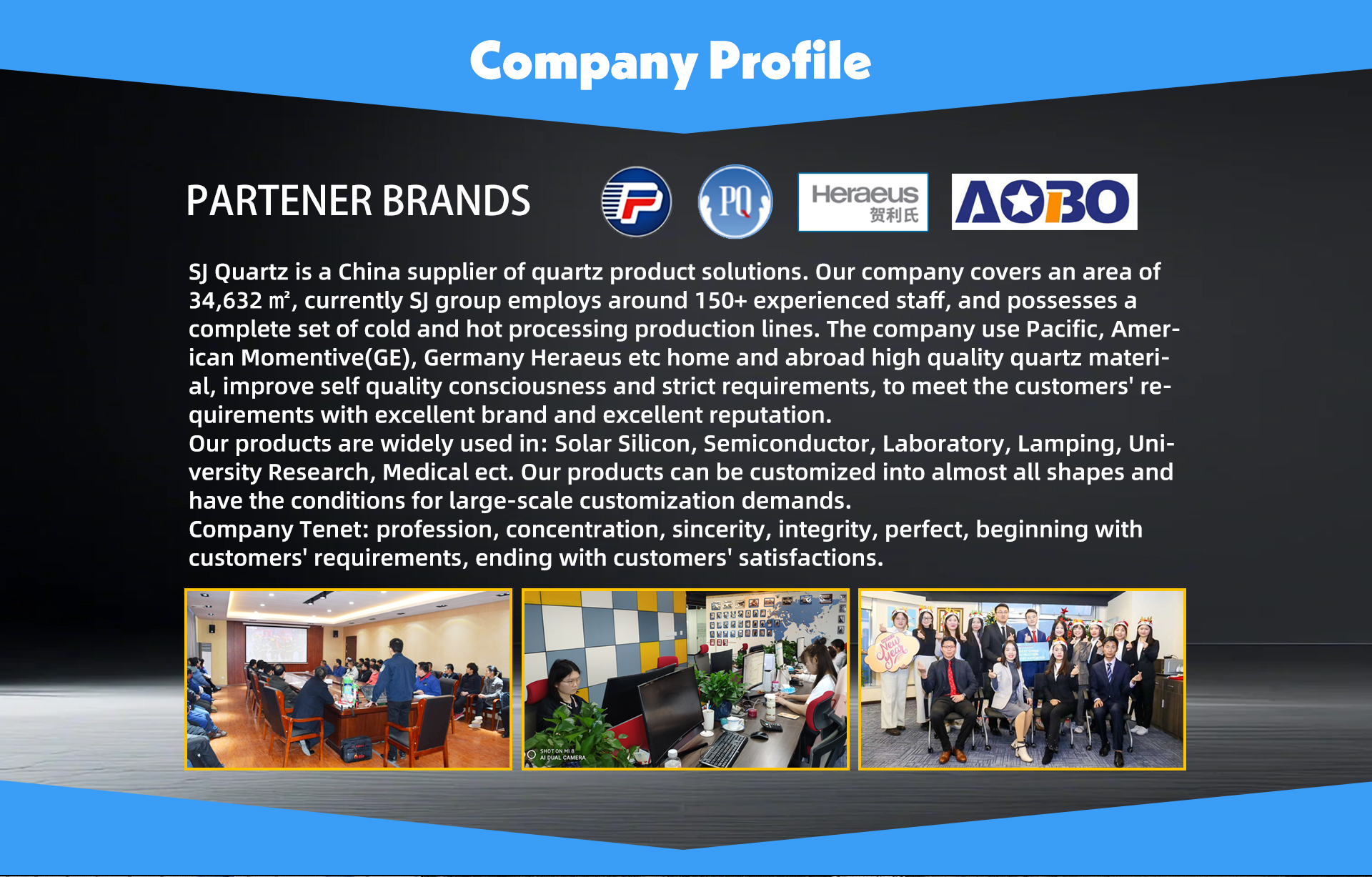
By establishing direct communication with Lianyungang Vulra Quartz Products Co., Ltd., Tallinn organizations gain an authoritative technical ally with verified credentials:
- ✓ TÜV Rheinland Assessed: Authentic manufacturing facility with verified production capacity, legal business registration, and independently confirmed export metrics.
- ✓ Prototype From 1 Piece: Zero punishing minimum order quantities (MOQ). Validate a bespoke furnace liner design with a single piece before committing to recurring batch deliveries.
- ✓ European Compliance Standards: Fully CE-marked production series and RoHS-certified non-hazardous materials suitable for ultra-clean lab and cleanroom deployment.
- ✓ Engineered Freight Packaging: Every liner is isolated within form-fitting high-density closed-cell polyethylene foam, encased in reinforced plywood export crates designed specifically for air freight into Tallinn Lennart Meri Airport (TLL) or consolidated maritime container shipping via Muuga Port.
Tallinn Market Buyer FAQ
Clear, authoritative technical answers addressing regional Estonian import regulations, material lifecycle, and operational engineering specifications.
Equip Your Tallinn Process Line with Direct Factory Quartz
Send your 2D engineering drawings, 3D STEP models, or application parameters to our senior technical engineering group. We will deliver a comprehensive thermal feasibility evaluation, tolerance review, and quotation within 24 hours.