High-Purity Quartzware & Optical Flow Infrastructure
Manufactured from ultra-pure quartz sand (>99.99% SiO₂) in Donghai to withstand chemical corrosion, continuous 1100°C thermal thresholds, and extreme transmission requirements across UV-Vis-NIR spectra.
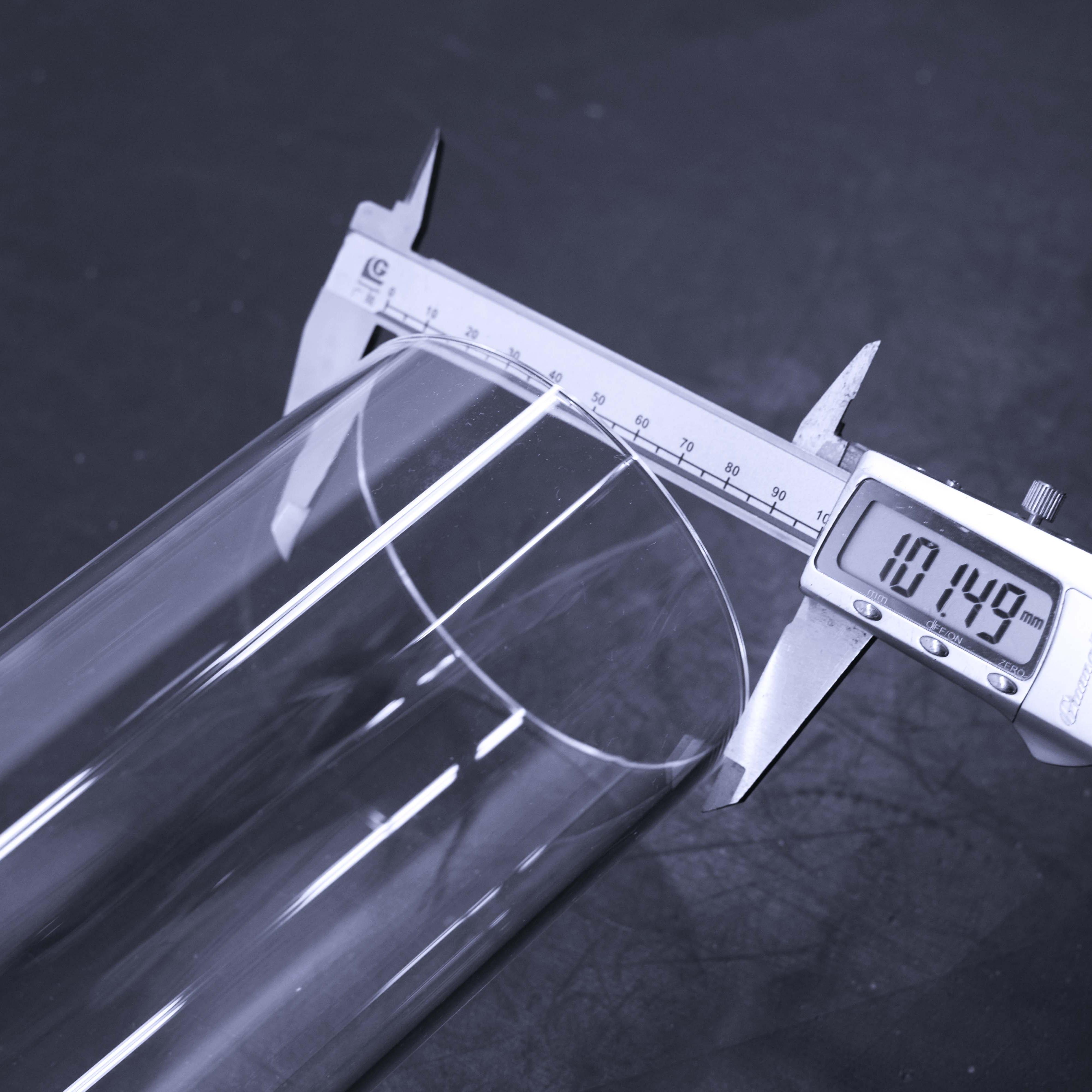
High Purity Quartz Transparent Polished Glass Tube
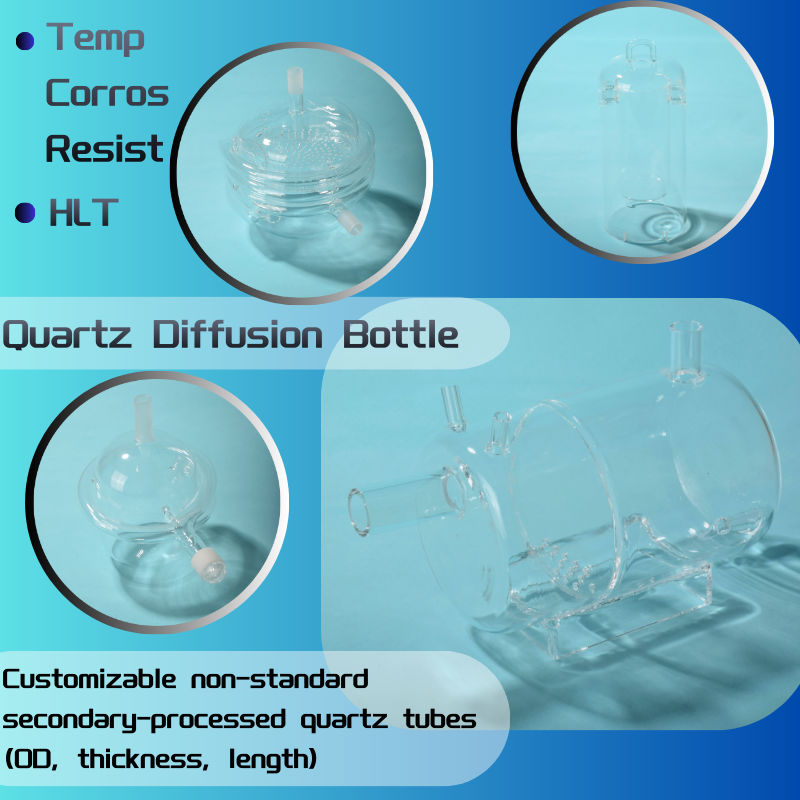
SJ 135 Custom Quartz Condensers & Purification Units
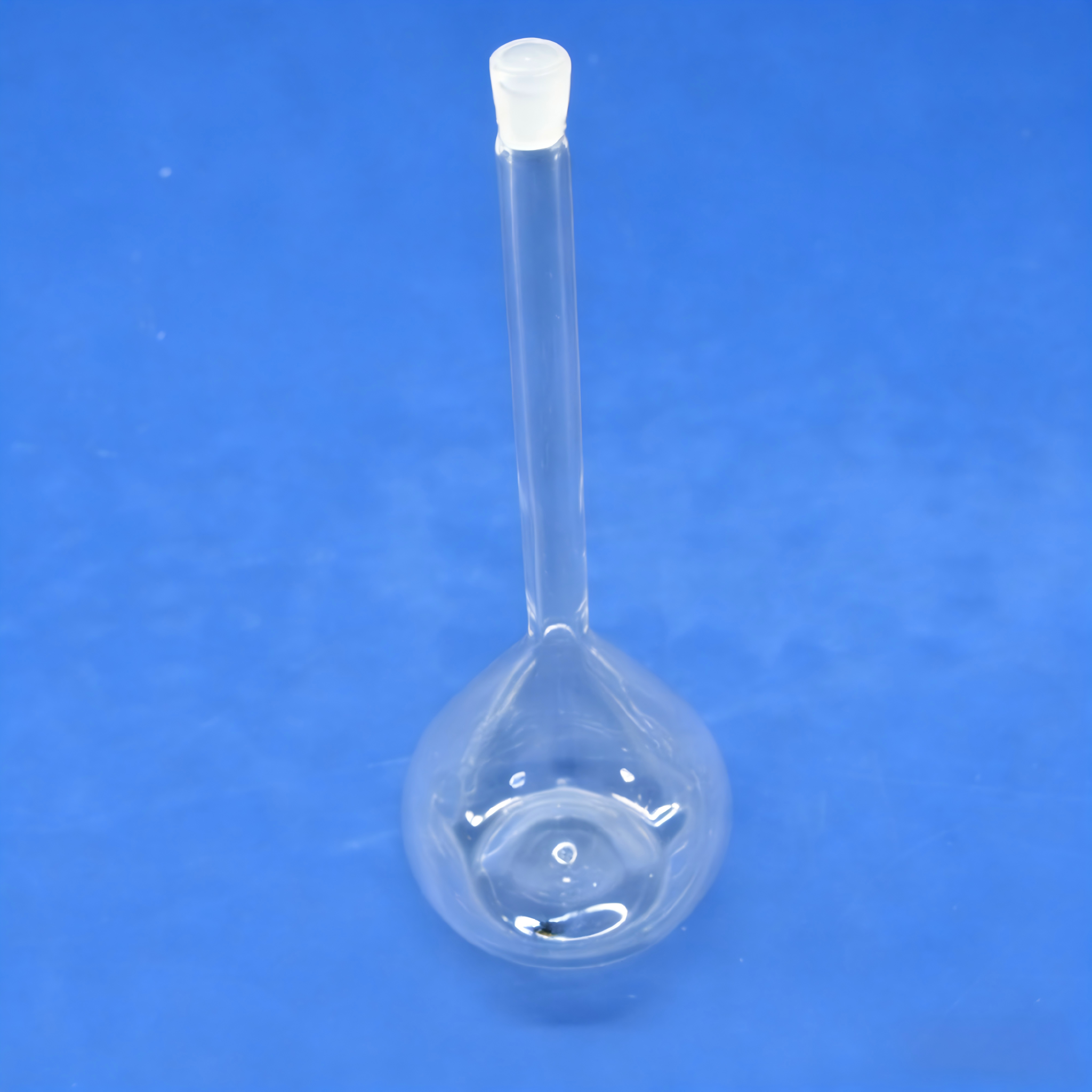
High Purity Transparent Quartz Glass Ampoule & Flask
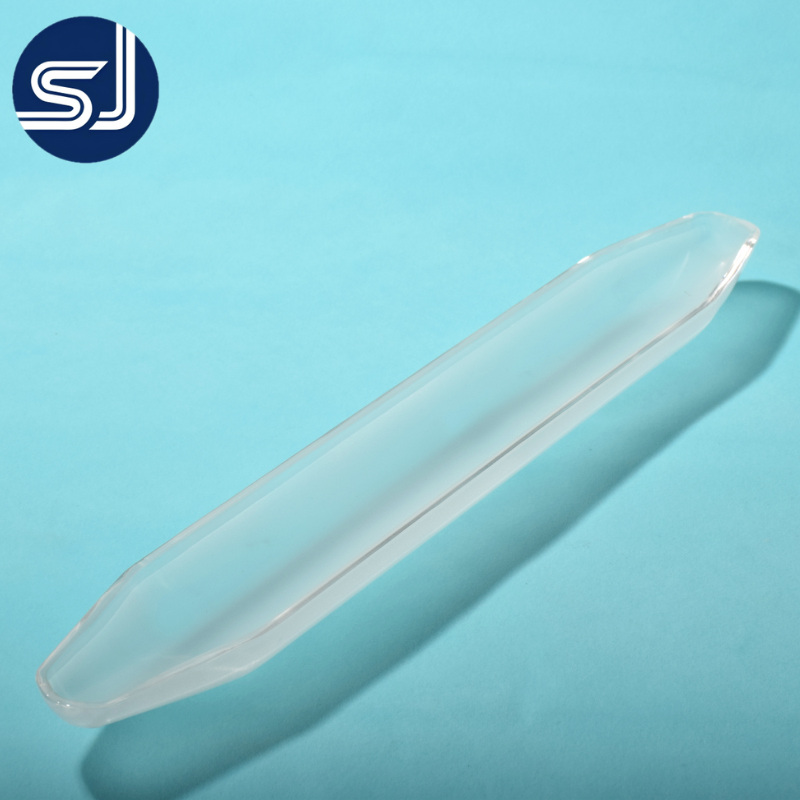
SJ 140 Precision Polished Quartz Boat
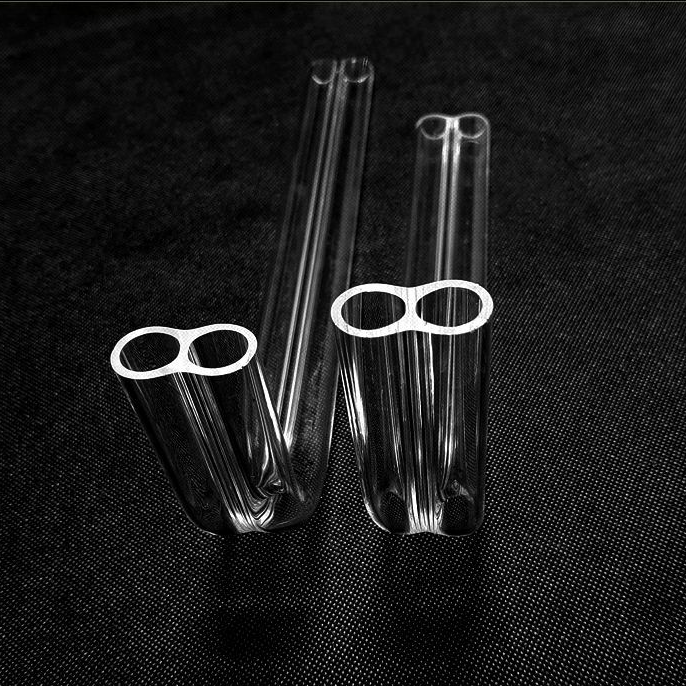
Fused Quartz Double-Tube Right-Angle Elbow
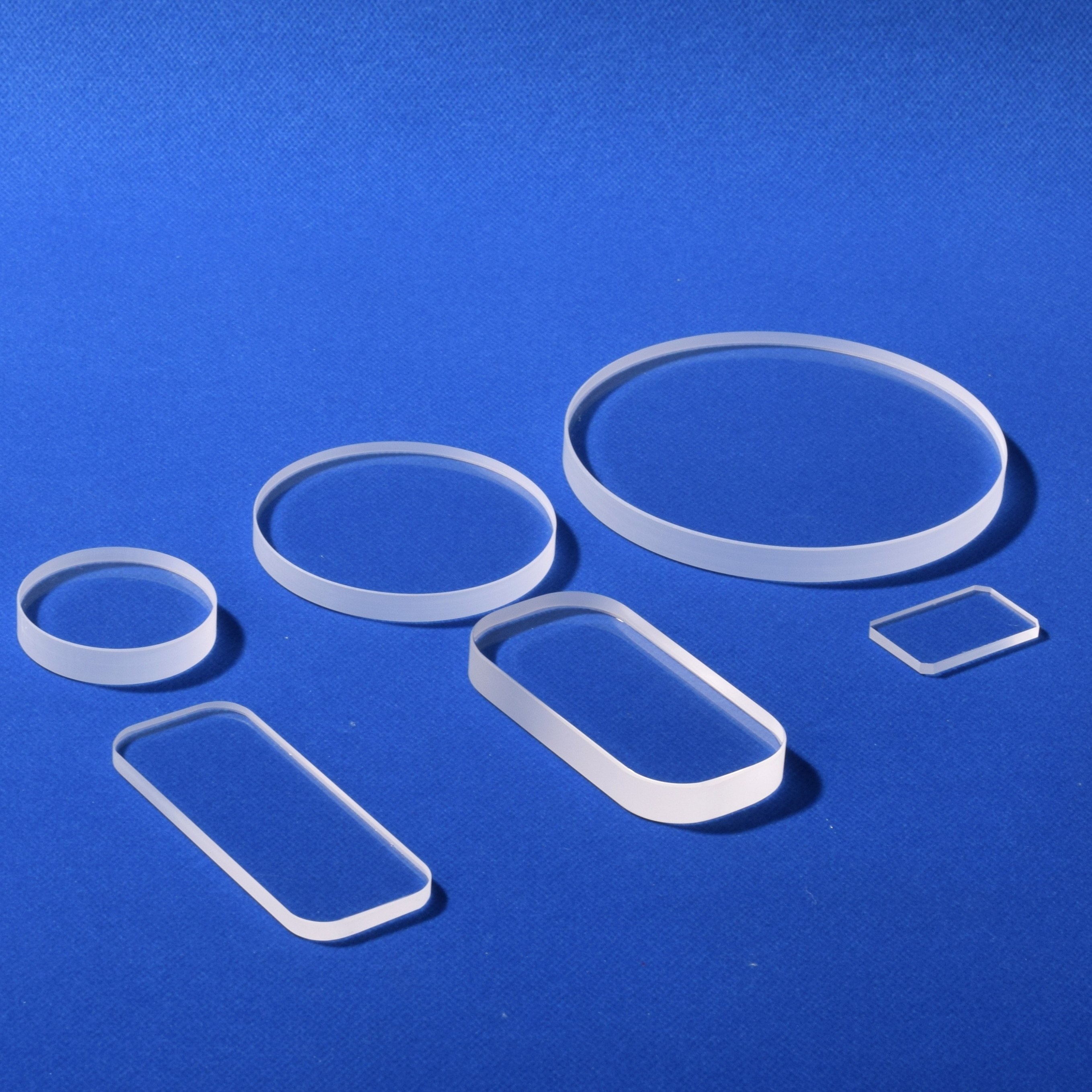
High Transmittance Quartz Flow Observation Window
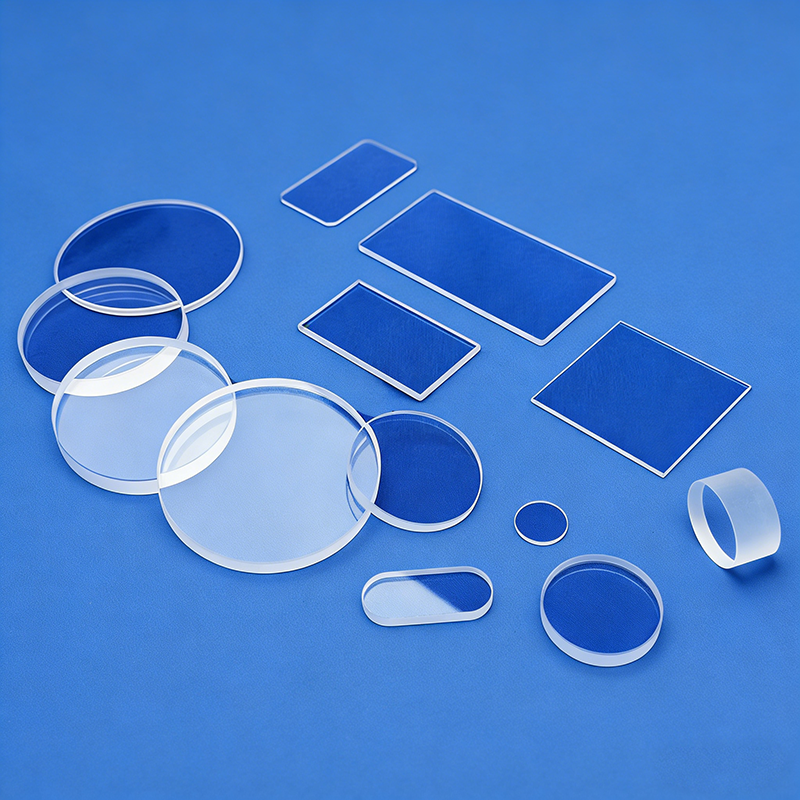
Custom Natural Fused Quartz Cutting & Welding
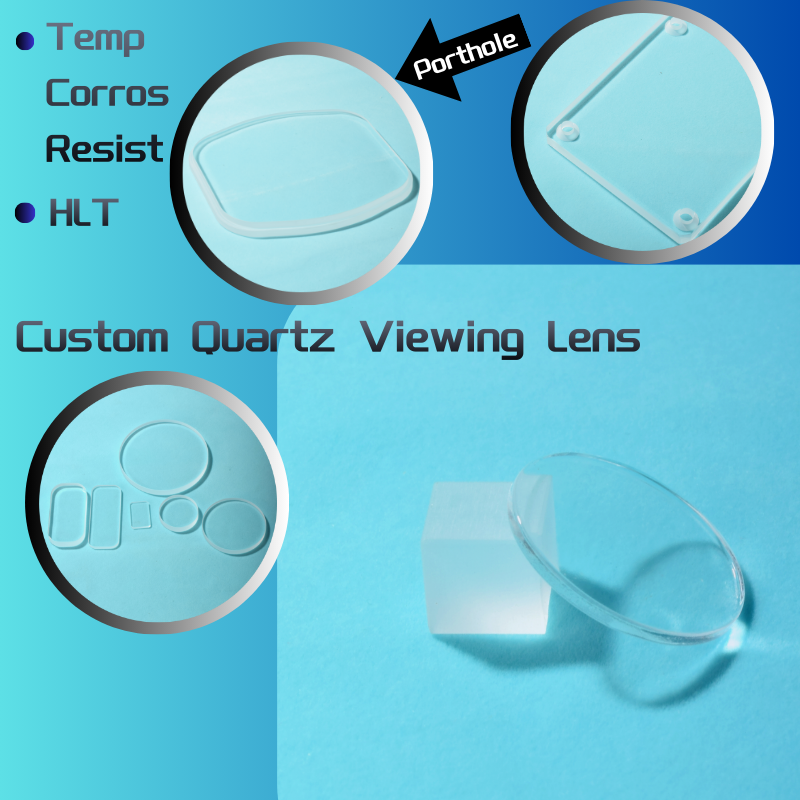
SJ 126 Precision Square Quartz Optical Slides
Demystifying Optical Flow Cells for Edmonton's Critical Industries
Spectroscopic measurement in continuous stream setups—commonly conducted via HPLC, UV-Vis spectrophotometry, fluorescence analysis, and dynamic particle monitoring—relies fundamentally on the optical integrity of the flow cell. Across the greater Edmonton metropolitan region, extending throughout Nisku, Strathcona County, and the Industrial Heartland, high-precision quartz flow cells are indispensable instruments in modern refining, petrochemical characterization, environmental water remediation, and academic research centered at the University of Alberta.
Unlike standard borosilicate apparatuses, fused quartz and synthetic fused silica boast exceptional transmission fidelity down to 190 nm in the deep ultraviolet (DUV) band, extending smoothly through the visible range to beyond 2500 nm in the near-infrared (NIR). When monitoring polycyclic aromatic hydrocarbons (PAHs), heavy bitumens, sulfur content, or volatile organic compounds (VOCs) in process lines, standard materials suffer from optical darkening, chemical degradation, or thermal micro-fracturing. Fused quartz flow cells ensure the optical path length (OPL)—whether standard 10 mm, micro 1 mm, or extended path configurations—remains dimensionally stable under variable pressures and corrosive environments.
Direct Technical Insight: "Thermal drift and chemical etching inside fluidic channels represent the leading causes of baseline instability in automated spectrometry. By deploying natural fused quartz with purity ratings exceeding 99.99% SiO₂ and thermal expansion coefficients of 5.5 × 10⁻⁷ /°C, our custom flow cavities virtually eliminate optical refraction anomalies caused by temperature fluctuations."
For Edmonton buyers seeking reliable procurement channels, sourcing optical-grade quartz components has historically involved prohibitive lead times and brittle supply chains. Lianyungang Vulra Quartz Products Co., Ltd. bridges this gap directly by combining raw-material extraction in the world’s crystal capital of Donghai with state-of-the-art multi-axis CNC cold machining and molecular diffusion flame-bonding, delivering tailor-engineered flow cells directly to Alberta's analytical laboratories.
Engineering Tolerances
Standard tolerances maintained across our OEM custom quartz flow cell product lines:
- Optical Path Length: ±0.01 mm standard (down to ±0.002 mm upon request)
- Surface Quality: 20/10 Scratch-Dig per MIL-PRF-13830B
- Window Flatness: λ/4 to λ/10 @ 632.8 nm
- Parallelism: ≤ 10 arcsec
- Pressure Thresholds: Low-pressure (analytical) up to 10 MPa (high-pressure HPLC)
Key Application Scenarios in the Edmonton Industrial Corridor
From the downstream processing plants along Refinery Row to advanced nanotech hubs, Vulra Quartz supplies precision components engineered for Edmonton's unique technical demands.
Process Flow Spectrometry & Dilution Lines
Continuous monitoring of asphaltenes, sulfur levels, and heavy hydrocarbon fractions requires flow cells resilient to aromatic solvents like toluene and dichloromethane. Our quartz flow cells withstand aggressive solvent flush protocols without suffering from window fogging or adhesive leaching common in glued multi-part assemblies.
North Saskatchewan River Watershed Monitoring
Municipal and industrial wastewater runoff testing mandates rigorous continuous-flow UV absorbance detectors. With zero background fluorescence and maximum UV transmittance at 254 nm, our flow cavities provide ultra-low detection limits for dissolved organic carbon (DOC) and chemical oxygen demand (COD).
Advanced Microfluidics & Bio-sensing
Edmonton is home to cutting-edge research at the University of Alberta and the National Institute for Nanotechnology (NINT). We supply sub-microliter volume flow cells and custom quartz capillaries suitable for laser-induced fluorescence (LIF), capillary electrophoresis, and micro-flow cytometric analysis.
Emerging Analytical Trends in Western Canada
How automation, decarbonization, and online Process Analytical Technology (PAT) are reshaping quartz flow component requirements in Alberta.
Transition to Real-time PAT
Industrial refineries are migrating from manual batch sampling to in-line optical flow cells. This shift demands flow apparatuses that handle continuous pressures, temperature cycling between -40°C winter atmospheric intake and +120°C process stream spikes, and extended operational intervals without recalibration.
Green Hydrogen & Carbon Capture
With Edmonton positioned as Canada’s pioneer hydrogen cluster, our specialized UV-Vis quartz optical cells assist in catalytic performance analysis, stream purity verification, and electrochemical conversion tracking under extreme electrical and thermal insulation parameters.
Diffusion Bonding vs. Adhesives
Traditional flow cells bonded with epoxies fail when exposed to harsh hydrocarbons. Vulra Quartz utilizes ultra-clean optical contacting paired with high-temperature thermal fusion, bonding quartz components together at molecular levels without resins or glues to ensure zero contaminant leaching.
| Performance Parameter | Natural Fused Quartz (JGS2) | Synthetic Fused Silica (JGS1) | Standard Optical Glass (BK7) |
|---|---|---|---|
| Usable Spectral Range | 220 nm – 2500 nm (UV-Vis-NIR) | 185 nm – 2100 nm (Deep UV-Vis) | 350 nm – 2000 nm (Visible only) |
| Thermal Expansion (0-300°C) | 5.5 × 10⁻⁷ / °C | 5.2 × 10⁻⁷ / °C | 7.1 × 10⁻⁶ / °C (13x Higher) |
| Acid Resistance (Except HF/H₃PO₄) | Complete Inertness | Complete Inertness | Susceptible to Leaching |
| Max Operating Temperature | 1100°C Continuous (1450°C Peak) | 1150°C Continuous | 450°C Maximum |
| Recommended Application | Standard Spectrophotometric Cells | Fluorescence & Deep UV Laser Cells | Low-cost Routine Colorimetry |
Direct Factory Engineering from China’s Crystal Capital
Lianyungang Vulra Quartz Products Co., Ltd. is located at No. 9, Dingxin Road, Jiangsu Donghai Economic Development Zone. We offer direct-to-Edmonton logistics with drawing-based customization from 1 piece.
TÜV Rheinland Assessed
On-site assessed premises, legal status, and full custom manufacturing capabilities authenticated by international third-party inspectors.
Hot & Cold Processing
Oxy-hydrogen flame bench lathes for precision tube forming alongside diamond-tool CNC milling, ultrasonic drilling, and polishing under one roof.
Comprehensive Compliance
CE-marked products and RoHS-compliant production series for lab, semiconductor, and process instrumentation clients across the Canadian market.
Export-Ready Logistics
Multi-layer foam insulation, individual vacuum packs, and international export wooden crating engineered specifically to safeguard delicate optical quartzware.
Frequently Asked Questions for Edmonton Buyers
Key technical, freight, and procurement answers addressing concerns raised by Alberta research institutes, laboratory managers, and OEM instrument designers.
Q: How does Vulra Quartz handle fragile international shipments to Edmonton?
Every single quartz flow cell and tube undergoes ultrasonic cleaning, individual shock-absorbing membrane sealing, high-density polyethylene (EPE) custom foam cushioning, and reinforcement inside shock-tested exterior wooden crates. Shipments into Edmonton International Airport (YEG) or local freight hubs include impact-indicator tags and full transit insurance coverage.
Q: Can flow cells be customized to match obsolete or existing spectrophotometer models?
Yes. Many legacy spectrometers in Alberta refineries and labs require replacement flow cells that OEMs no longer stock. By supplying a technical drawing, CAD model, or an existing broken specimen, our engineers replicate the external footprint, window aperture, capillary connection threads (such as 1/4-28 UNF or M6), and optical path length exactly.
Q: What is the functional difference between fused quartz and synthetic silica flow cells?
Standard fused quartz (JGS2) is melted from natural high-purity quartz sand and provides superior performance across 220 nm to 2500 nm, ideal for routine hydrocarbon analysis, HPLC detectors, and industrial monitoring. Synthetic fused silica (JGS1) is synthesized from SiCl₄ gas, offering virtually zero metal impurities and flawless transmission down to 190 nm for sensitive deep-UV and fluorescence applications.
Q: How do your cells perform under severe Alberta winter environmental conditions?
Because fused silica possesses an ultra-low coefficient of thermal expansion (5.5 × 10⁻⁷ /°C), it exhibits near-zero vulnerability to sudden thermal shocks. A cell can move from freezing ambient outdoor winter conditions into hot process fluid flows without structural cracking, provided fluid expansion from ice transition inside the chamber is avoided.
Q: What documentation is provided for Canadian customs clearance and quality audits?
Vulra Quartz supplies complete Certificate of Analysis (COA) documents specifying SiO₂ purity, spectral transmission curves from UV to NIR, dimensional tolerance inspection sheets, CE declarations, RoHS verification, and commercial shipping documents conforming to Canadian Border Services Agency (CBSA) customs declarations.
Q: What is the typical lead time for a custom quartz flow cell prototype?
Technical drawing reviews and feasibility feedback are returned within 24 hours. Once drawing confirmation is finalized, custom flow cell prototypes are fabricated, polished, and annealed within 10 to 15 business days, followed by direct priority express delivery (DHL/FedEx/UPS) reaching Edmonton within 4 to 6 business days.
Accelerate Your Analytical Precision with Vulra Quartz
Whether you require standard 10 mm path length spectrophotometric flow cells, specialized double-jacketed temperature-regulated flow tubes, or direct drawing-based custom quartz engineering, our technical sales team is ready to assist your Alberta facility.