Specialized Fused Quartz Thermal Vessels & Components
Explore our premium grade vitreous silica laboratory apparatus, designed for continuous operation up to 1100°C, zero metal leaching, and dimensional resilience under extreme thermal cycling.
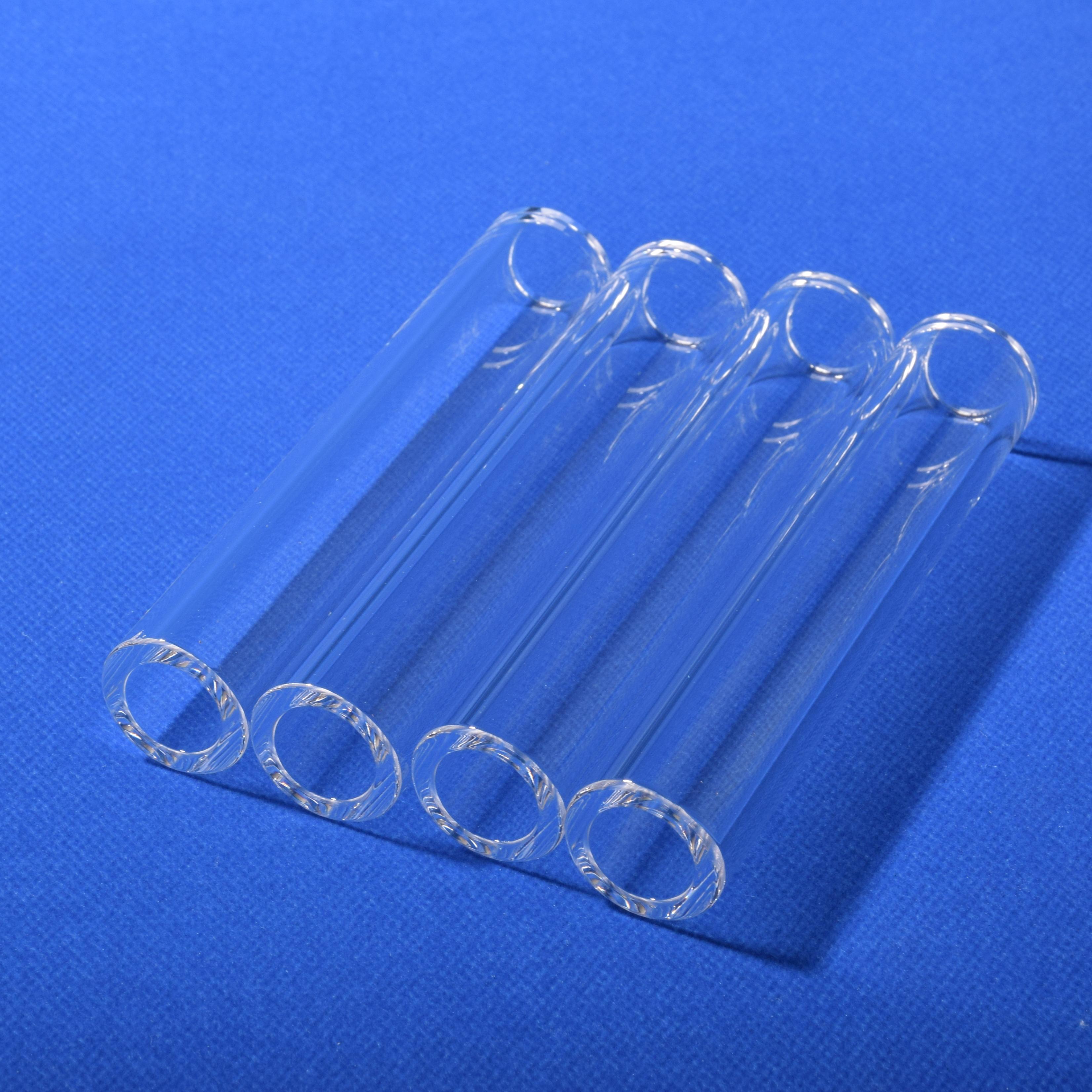
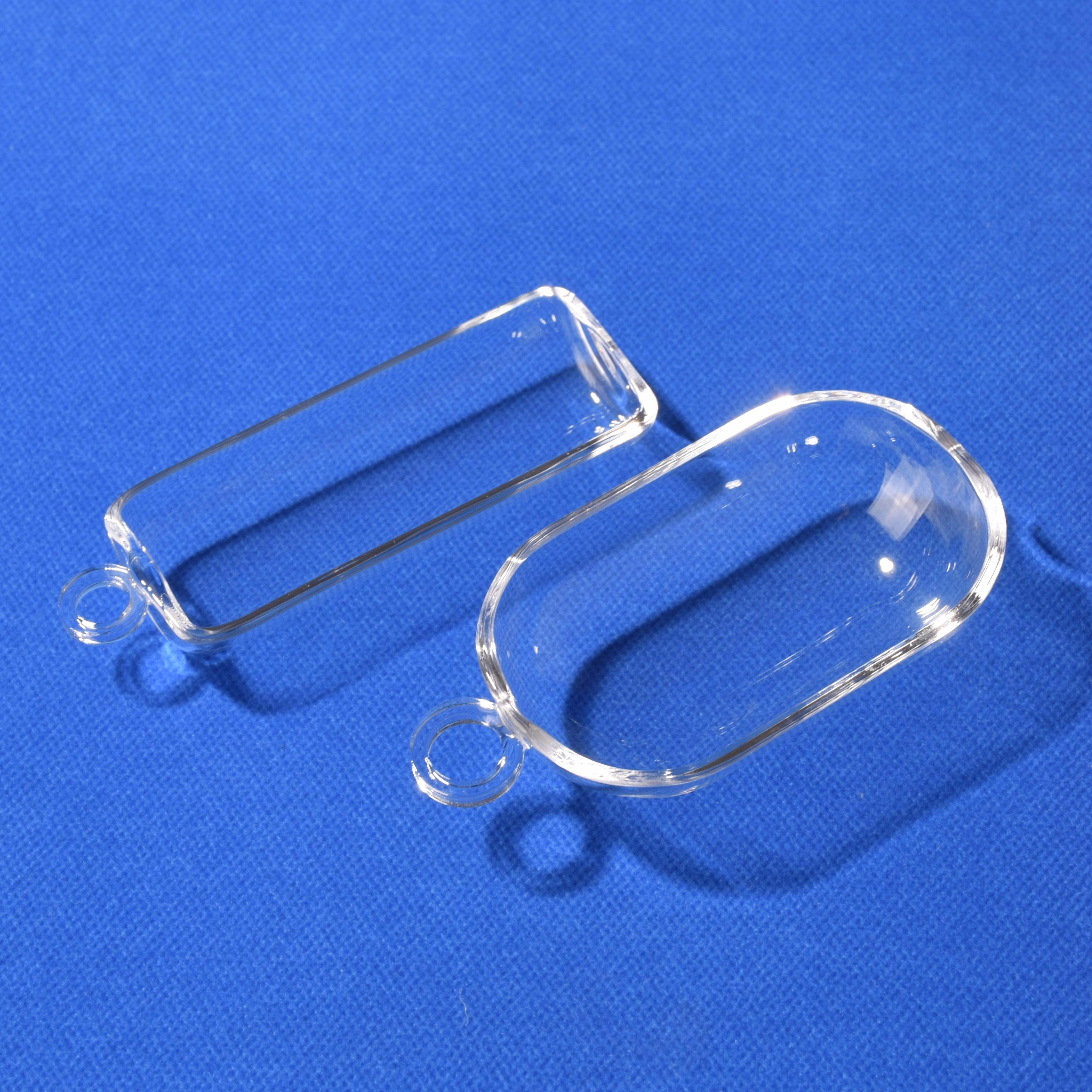
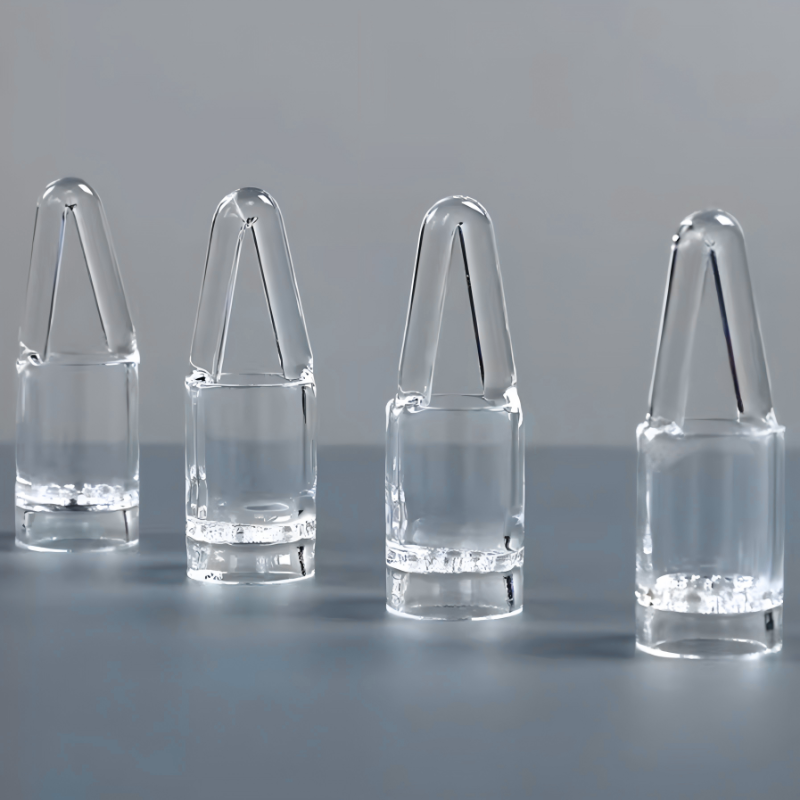
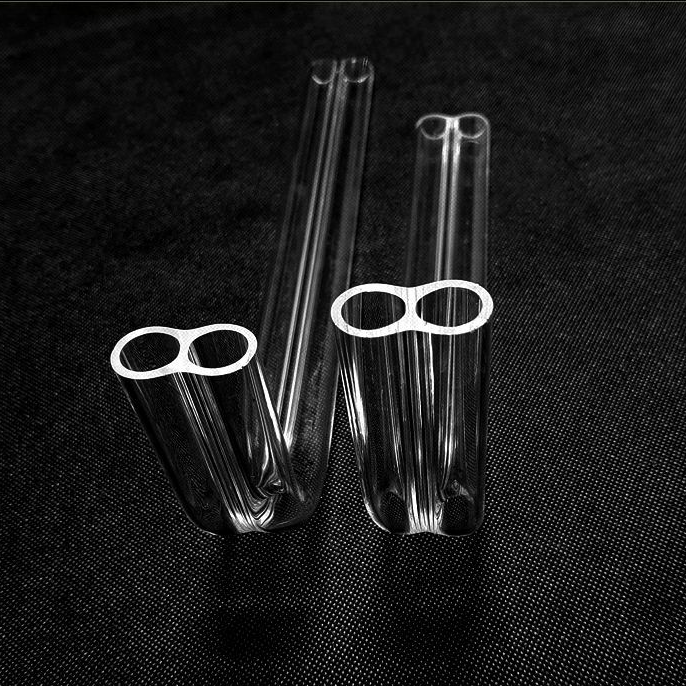
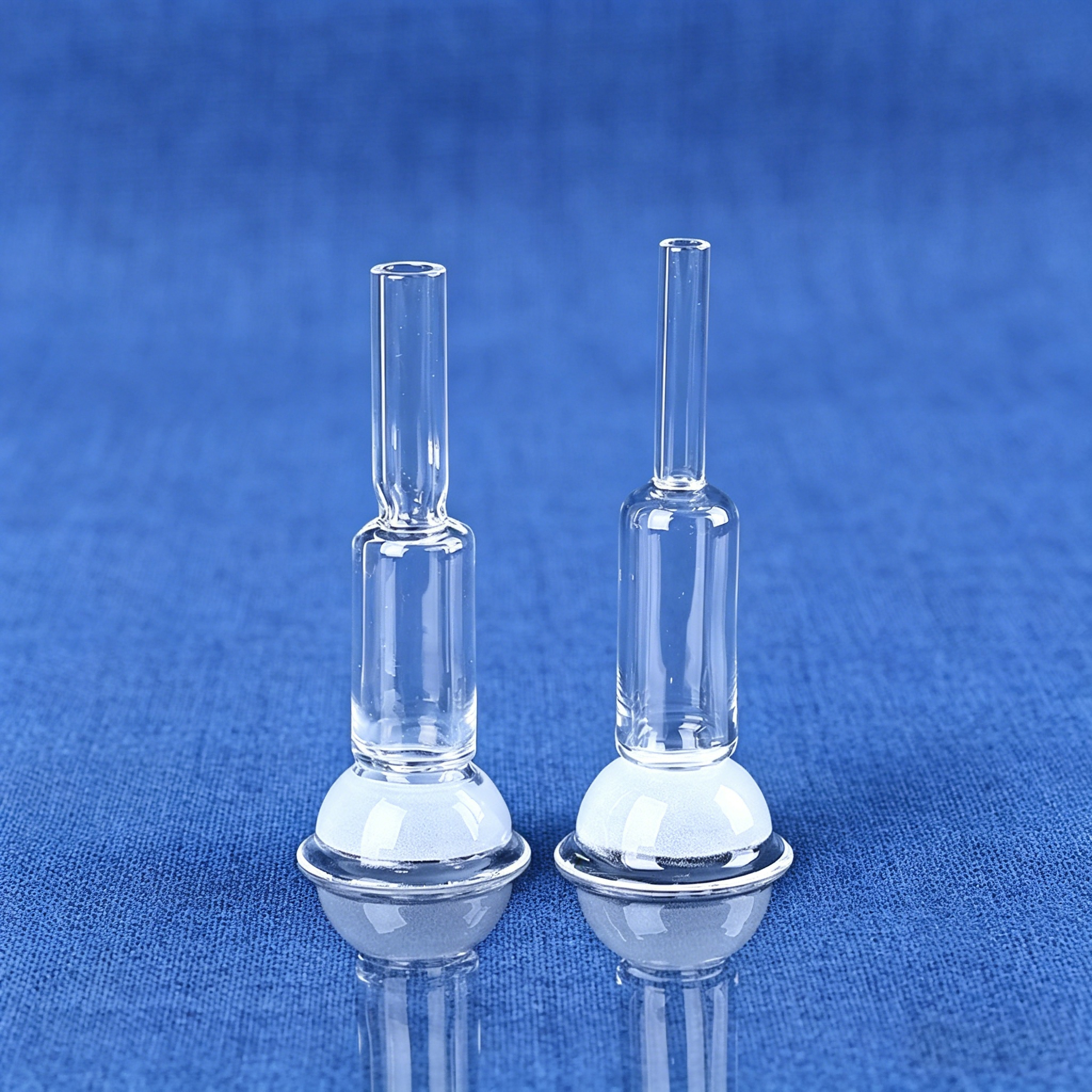
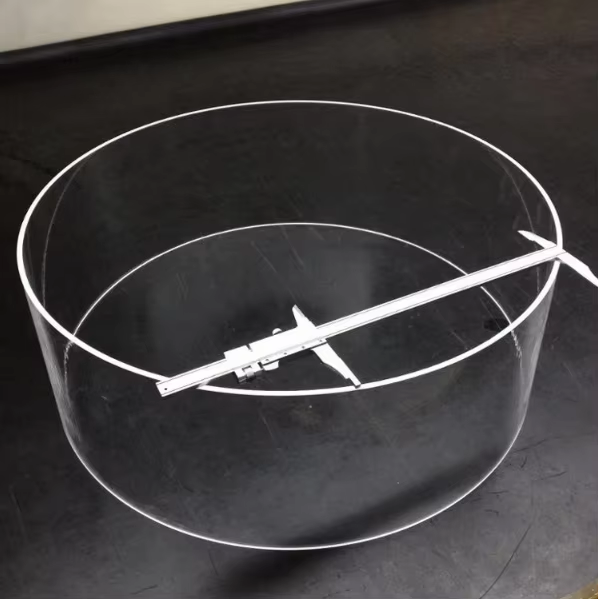
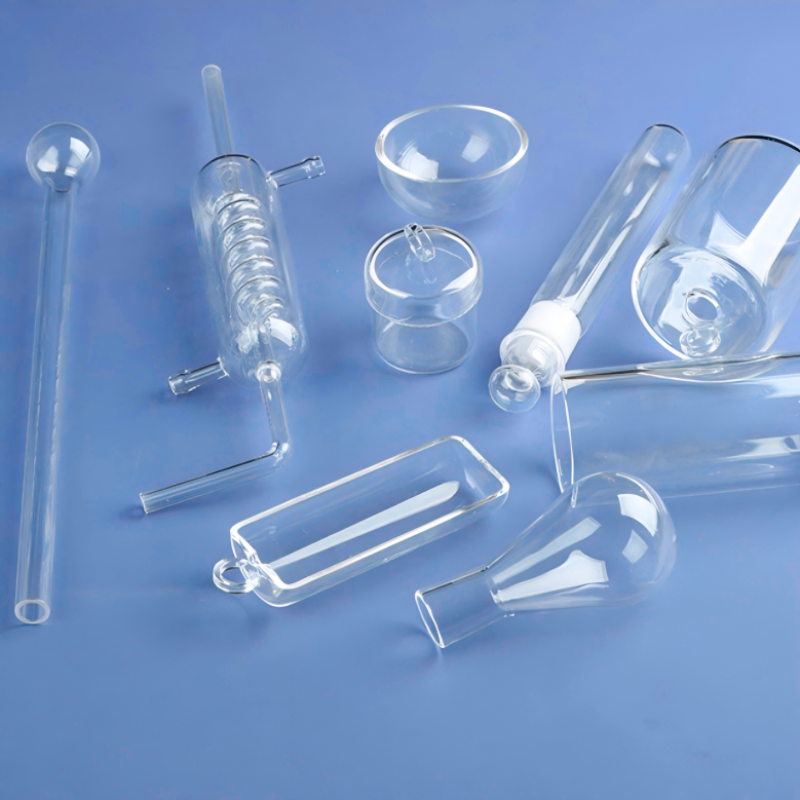
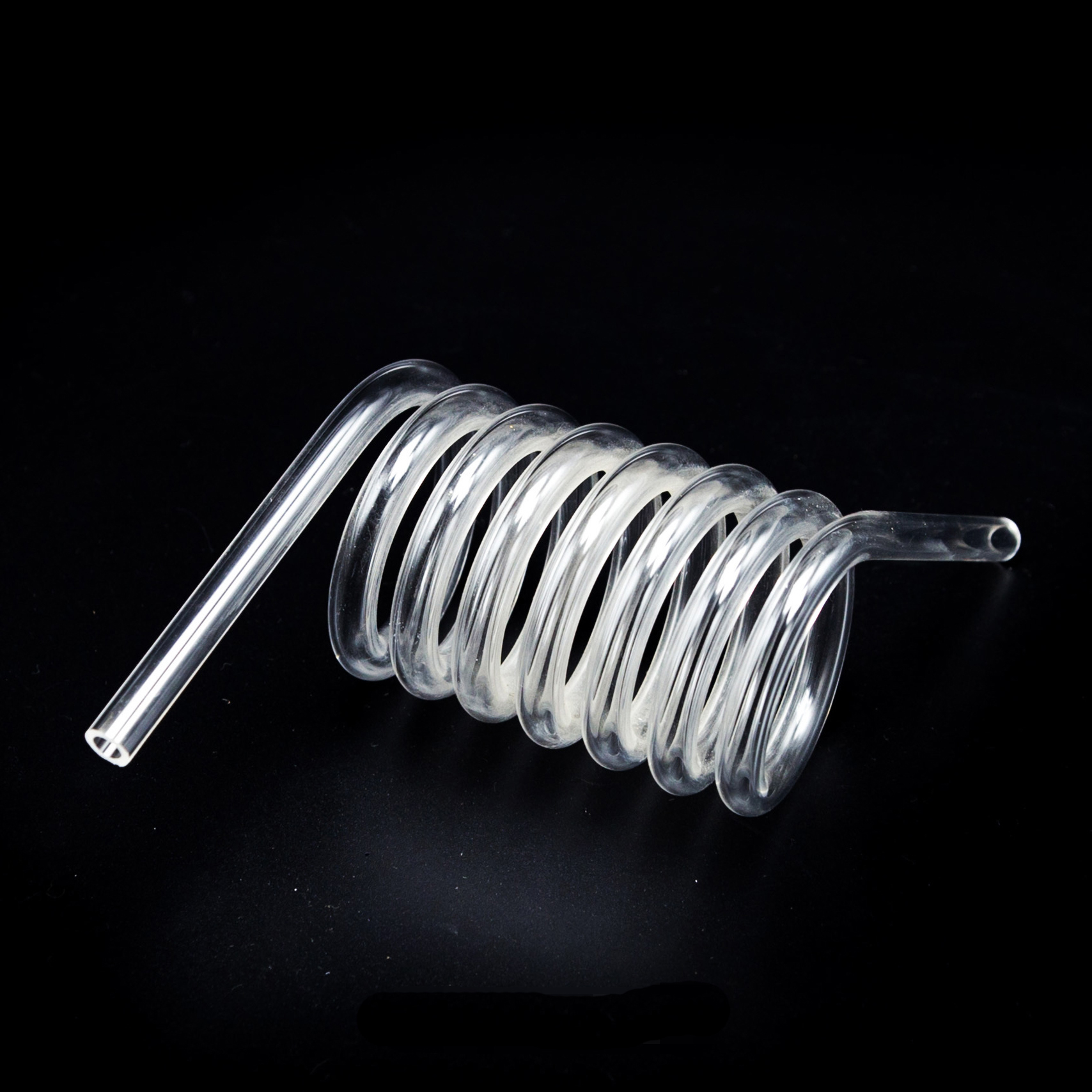
The Engineering Imperative: Fused Quartz Ashing Dishes in Quantitative Metallurgy and Chemical Assaying
In analytical gravimetry, proximate analysis, and elemental loss-on-ignition (LOI) testing, the choice of crucible vessel dictates the baseline accuracy of analytical data. Ashing dishes manufactured from fused silica—specifically vitreous quartz produced via the electric thermal fusion of ultra-pure natural crystal sand from Donghai—exhibit physical and thermodynamic characteristics that vastly outperform traditional porcelain, platinum, or borosilicate glassware.
Operating analytical muffles at temperatures exceeding 800°C creates hostile micro-environments. Conventional ceramic dishes suffer from microscopic surface flaking, glazes that melt or stick to organic residues, and significant mass variability driven by ambient humidity uptake. In contrast, Vulra Fused Quartz Ashing Dishes feature an amorphous structure with an exceptionally low coefficient of thermal expansion (α = 5.5 × 10⁻⁷ /°C). This allows technicians to plunge an ashing dish directly from an 1100°C muffle furnace into room-temperature desiccators without fracturing, crazing, or dynamic mass degradation.
Furthermore, chemical inertness is paramount. When performing sulfated ashing or acid digests involving boiling perchloric, nitric, or concentrated hydrochloric acid, fused quartz exhibits virtually zero elemental elution. Trace contaminants such as Fe, Al, Cu, Na, and K are maintained at sub-parts-per-million levels. This prevents cross-contamination in inductively coupled plasma optical emission spectroscopy (ICP-OES) and atomic absorption spectroscopy (AAS), safeguarding analytical data integrity across mission-critical assay workflows.
| Performance Parameter | Vulra Fused Quartz Dish | Glazed Porcelain Crucible | Platinum Dish |
|---|---|---|---|
| Continuous Operating Temp | 1100°C (Short peak to 1450°C) | 1050°C | 1200°C - 1400°C |
| Thermal Shock Tolerance | Quench from 1100°C to 20°C in H₂O (No fracture) | Requires slow ramp (<200°C/hr) | Immune to thermal cracking |
| Chemical Leaching Resistance | Exceptional resistance to HF excluded acids | Glaze attacked by alkalis and fluorides | Susceptible to aqua regia and molten base |
| Tare Weight Stability | Hygroscopically inert; instant stable tare | Hygroscopic glaze shifts weight | Ultra-stable tare weight |
| Procurement Capital Cost | Economical; direct OEM supply | Lowest initial unit cost | Prohibitive capital investment |
Localized Industrial Applications Across Caloocan City & Greater Metro Manila
Caloocan City serves as one of the Philippines' most dense and dynamic manufacturing hubs. Spanning the industrial enclaves of Grace Park, Bagong Barrio, 10th Avenue, and North Caloocan's expanding industrial developments along the North Luzon Expressway (NLEX) corridor, local enterprises depend heavily on rugged analytical consumables. Vulra Quartz serves as a dependable export partner, bridging high-volume precision quartz fabrication directly with localized Caloocan production ecosystems.
Plating, Metal Finishing & Galvanizing
Grace Park and South Caloocan host extensive hardware finishing, anodizing, and steel processing plants. Our shallow quartz ashing dishes enable rigorous gravimetric sludge assays, electroplating bath residue determination, and loss-on-ignition calculations without reacting with corrosive metal salts or acidic vapors.
Food, Beverage & Agricultural Processing
Processing plants along the Caloocan-Valenzuela-Malabon border carry out continuous crude ash testing, flour mineral analysis, and moisture determination per AOAC guidelines. Fused silica ensures zero moisture reabsorption during rapid weighing protocols, ensuring export food safety compliance.
Plastics, Petrochemicals & Pigment Formulation
North Caloocan's high-performance polymer extrusion, PVC manufacturing, and pigment compounders utilize our flat-bottom furnace boats and ashing vessels for filler content verification (carbon black, calcium carbonate, glass fiber loading) via high-heat atmospheric incineration.
Additionally, institutional quality control labs, commercial testing providers, and academic laboratories along the CAMANAVA and greater Metro Manila corridor utilize Vulra quartz tubes, crucibles, and customized analytical apparatus for environmental soil testing, bio-waste combustion studies, and municipal wastewater effluent monitoring.
Emerging Trends: Industrial Upgrading & Modernization in Caloocan's Industrial Landscape
Caloocan's industrial infrastructure is transitioning from legacy manufacturing toward high-value, environmentally compliant advanced materials processing. The relocation of manufacturing corridors toward North Caloocan—bolstered by major transit connectivity initiatives like NLEX Harbor Link and Skyway Stage 3—has accelerated the construction of modern, ISO 17025-accredited testing centers.
Concurrently, the Department of Environment and Natural Resources (DENR) and the Food and Drug Administration (FDA) Philippines have imposed tighter regulatory limits on industrial emissions, toxic heavy metal traces, and food adulteration. This regulatory pressure has made historical porcelain ware obsolete in high-precision testing due to baseline bleed and background contamination. Local QA directors in Caloocan increasingly mandate trace-pure fused quartz consumables to eliminate false-positive spikes during elemental assays.
Moreover, the rise of factory automation and high-throughput microwave digestion systems has spurred the demand for custom-dimensioned fused silica vessels. Modern laboratory teams require custom wall thicknesses, specialized pour-spouts, and low-profile ashing trays that maximize tray density inside robotic carousels—capabilities delivered on-demand by Vulra Quartz's bespoke manufacturing line.
Manufacturing Credentials & Global Supply Chain Advantages
Headquartered in Donghai County—the globally recognized epicenter of natural high-purity quartz reserves—Lianyungang Vulra Quartz Products Co., Ltd. controls an integrated manufacturing chain that spans raw crystalline feedstock refining, automated tube drawing, robotic diamond grinding, flame working, and ultrasonic acid de-alkalization.
TÜV Rheinland Verified Factory
Our production premises, hot/cold processing workshops, and international export procedures have undergone thorough on-site verification by TÜV Rheinland, assuring purchasing managers in the Philippines of verifiable enterprise integrity.
Certified Material Purity & Compliance
All quartzware ships with CE and RoHS certifications. Material trace-element spectrographic profiles confirm SiO₂ purity between 99.99% and 99.999%, eliminating iron, aluminum, and sodium contamination concerns.
Engineering OEM/ODM from 1 Piece
We break the barrier of high minimum order quantities. From initial single-piece prototypes for specialized R&D up to recurring containerized freight for commercial testing agencies, our engineers execute directly from client CAD/PDF blueprints.
Our export logistic packing protocols are tailored for fragile, high-value optical and laboratory quartz shipments. Utilizing custom shock-absorbent foam inserts, vacuum poly-barrier moisture protection, reinforced multi-wall corrugated sleeves, and certified export-grade fumigated wooden crating, we ensure safe door-to-door transit to any factory address or forwarder warehouse in Caloocan and Metro Manila.
Frequently Asked Questions: Sourcing Quartzware in Caloocan
Why should our Caloocan facility upgrade from porcelain crucibles to fused quartz ashing dishes?
Porcelain crucibles rely on surface glazes that degrade when exposed to repeated high-temperature cycles or aggressive acid vapors. Once the glaze is compromised, porcelain readily absorbs moisture and leaches trace metals like aluminum and sodium into your test sample, producing inaccurate gravimetric readings. Fused quartz is completely non-porous, chemically inert to all acids except hydrofluoric, and has a microscopic thermal expansion coefficient that prevents cracking during sudden thermal transitions.
What is the sustained continuous working temperature of Vulra quartz dishes?
Our fused quartz products operate continuously up to 1100°C without dimensional deformation or structural loss. For rapid ash incinerations or peak thermal runs, vessels can briefly endure temperatures up to 1450°C. The softening point of our vitreous silica is 1683°C.
How are shipments handled to avoid transit breakage between China and Caloocan?
Quartz glass demands specialized export packaging. Each piece is ultrasonically cleaned, individually wrapped in thick bubble barrier films, isolated in custom-molded high-density polyethylene foam cells, and boxed in rigid export cartons. Bulk or oversized orders are further secured inside export-certified wooden cases. We maintain zero-loss shipping records across Southeast Asian air and sea freight lanes.
Can you manufacture non-standard sizes or customize ashing vessels to our furnace dimensions?
Yes. As a verified custom manufacturer, we execute full OEM/ODM fabrication. Simply share your engineering drawing, furnace clearance parameters, or target volume requirements. Our engineering team reviews thermal tolerances, wall-thickness integrity, and fire-polishing finishes before commencing production.
What are the typical lead times and minimum order quantities for Philippine buyers?
For custom ashing dishes, boats, and crucibles, our minimum order quantity (MOQ) starts at just 1 piece for prototyping, and 5 to 10 pieces for standard catalog configurations. Production cycles typically range from 5 to 10 working days, with express air cargo delivering to Manila or direct to your Caloocan plant in 3 to 5 business days.
Optimize Your Thermal Analysis Accuracy Today
Connect with our technical engineering team for certified high-purity quartz ashing dishes, furnace boats, and custom labware tailored to your laboratory's operational requirements.
Get a Quote