Featured Industrial Quartz Glass Solutions
Drawing-based OEM/ODM high-temperature quartz components manufactured from high-purity natural silica sand in Donghai, certified to ISO 9001, CE, and RoHS standards for seamless laboratory and industrial integration.
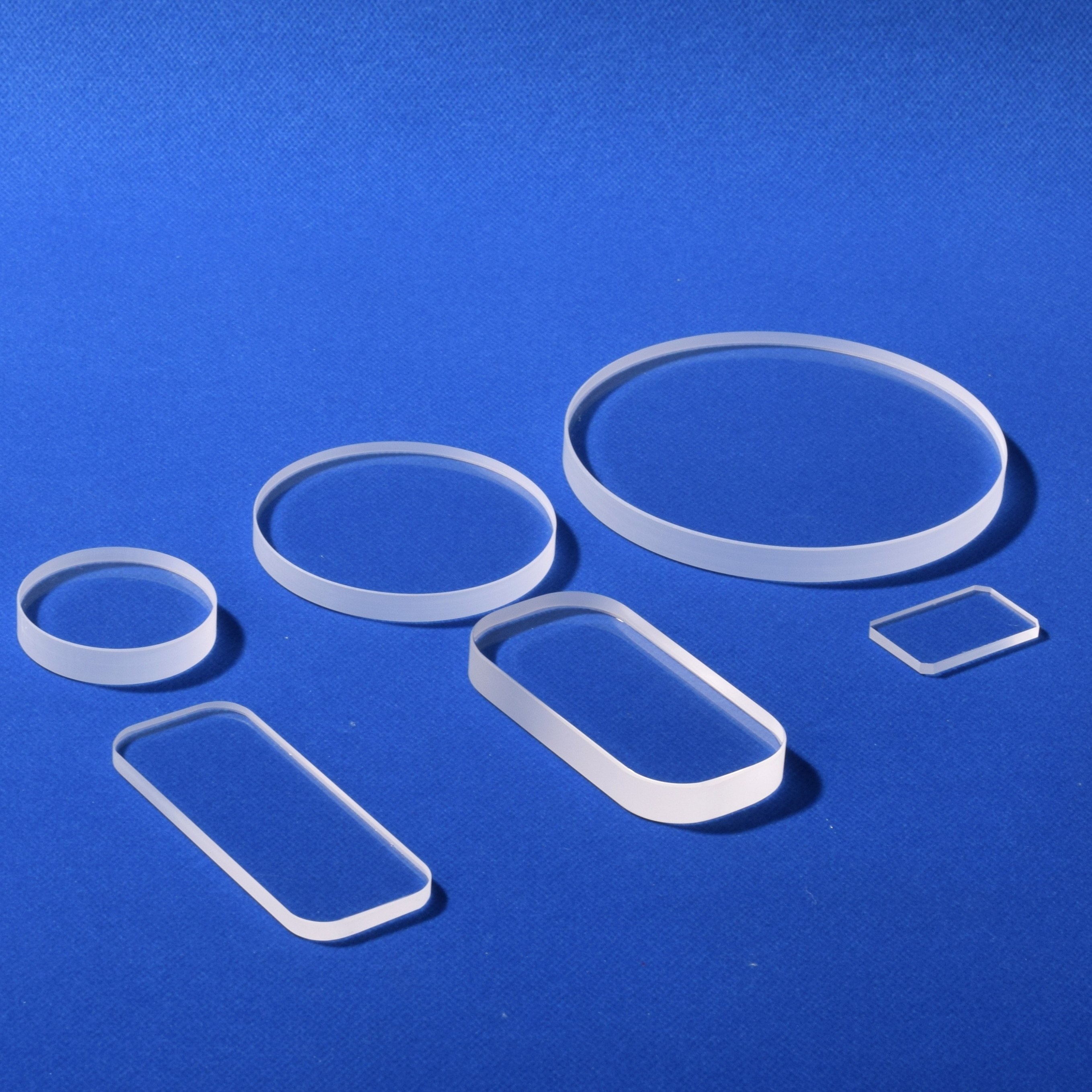
Sophisticated Technology High Transmittance Quartz Watch Window
Optically polished sight glass windows designed for high-pressure autoclaves, reactors, and thermal inspection ports with >92% UV-visible light transmission.
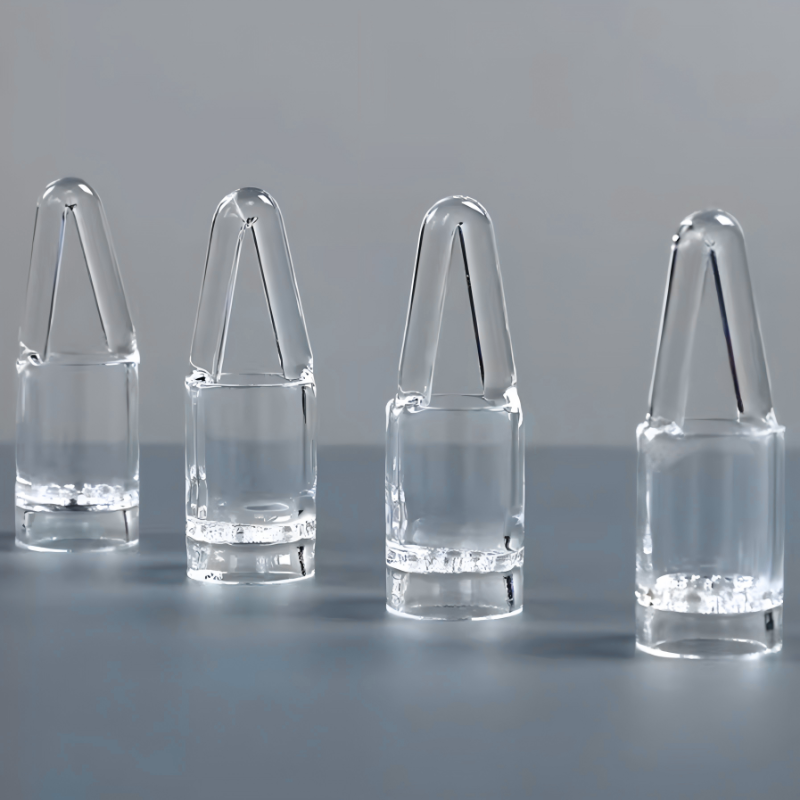
High-Temperature Acid Resistant Quartz Glass Crucible & Basket
Dome closed-end beakers and acid-digestion baskets sintered for high-temperature calcination, molten metal assays, and agrochemical extraction.
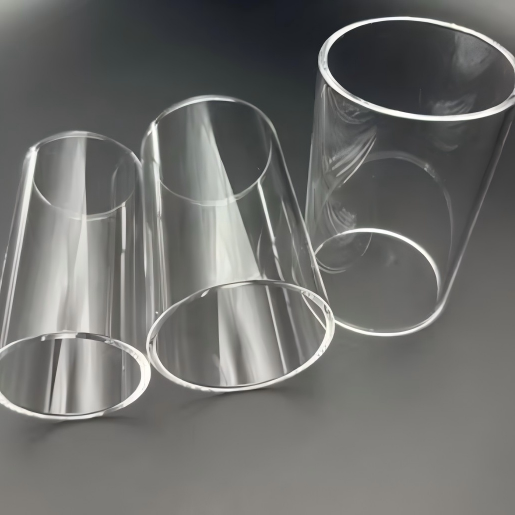
One End Closed Transparent Polished Quartz Process Tube
Diameters from 5mm to 800mm with precision flame-worked hemispherical bottom. Ideal for pyrolytic synthesis and protective thermocouple thermowells.
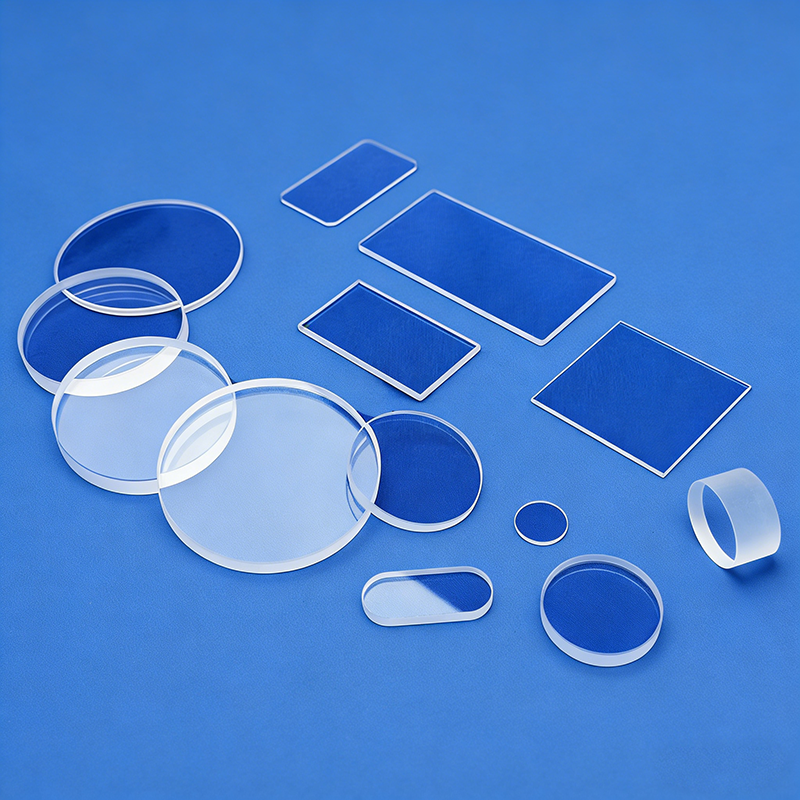
Customized Fused Quartz Arc-Welding & Cutting Services
Bespoke translucent and transparent fused silica fabrication services, including CNC milling, precision ground joints, and multi-flange arc welding.
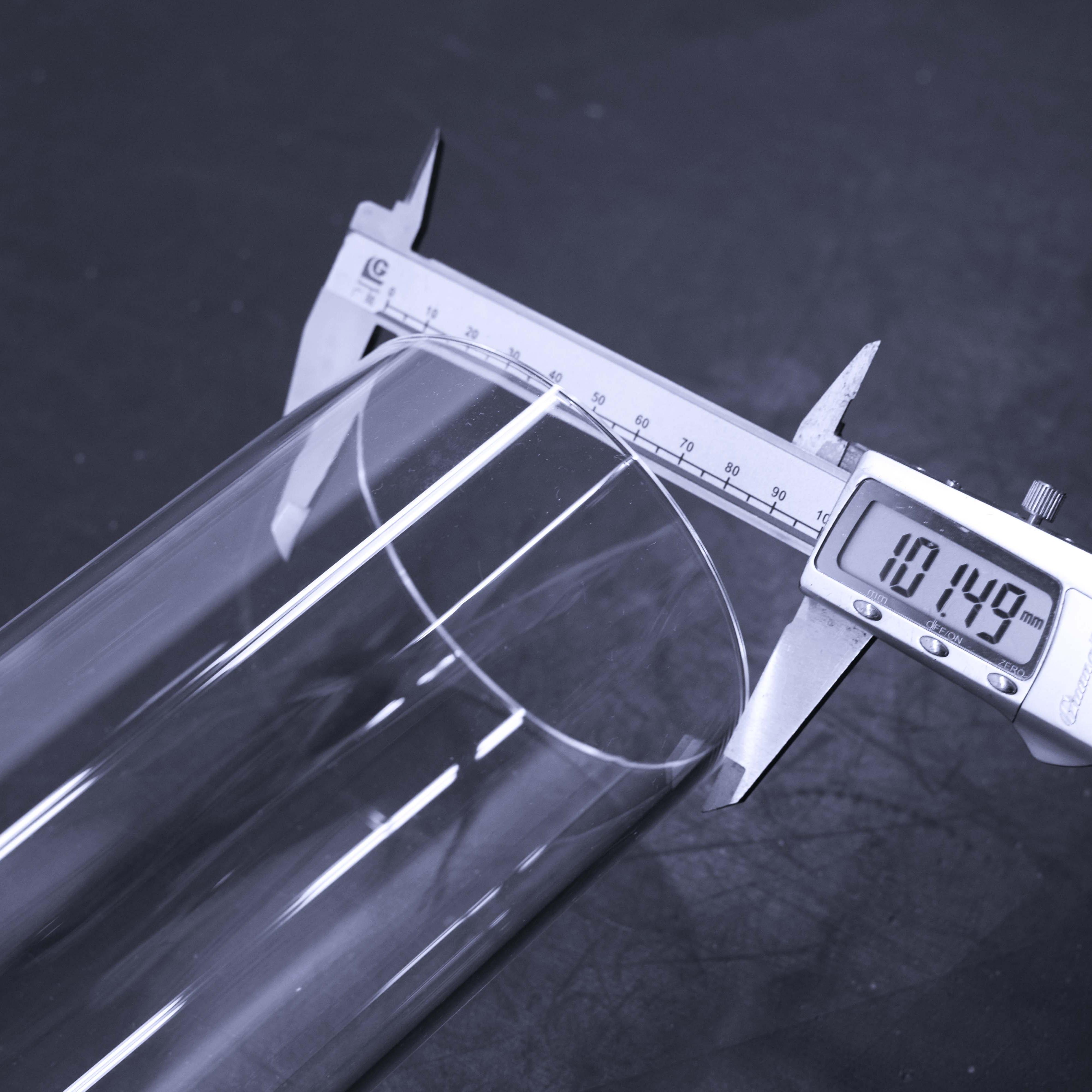
Clear Hollow Quartz Tube with Customizable Bending & Sizing
Continuous-draw high-purity clear tubes offering exceptional thermal shock resistance, minimal devitrification, and ultra-smooth inner bore finishes.
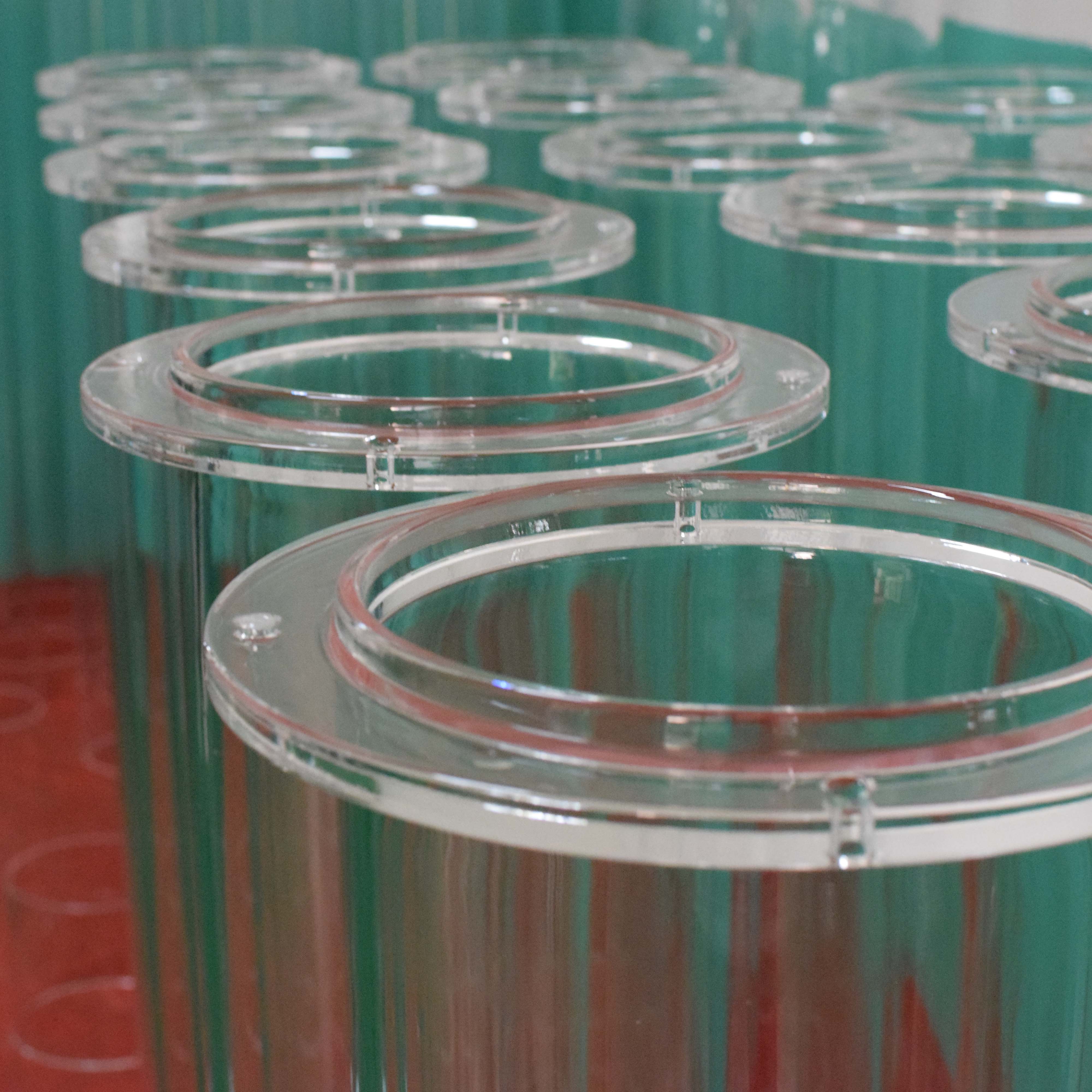
Single Crystal 99.999% High-Purity Quartz Flange Container
Ultra-pure fused silica process reactors fitted with ground vacuum flanges for chemical vapor transport, specialty doping, and closed atmosphere syntheses.
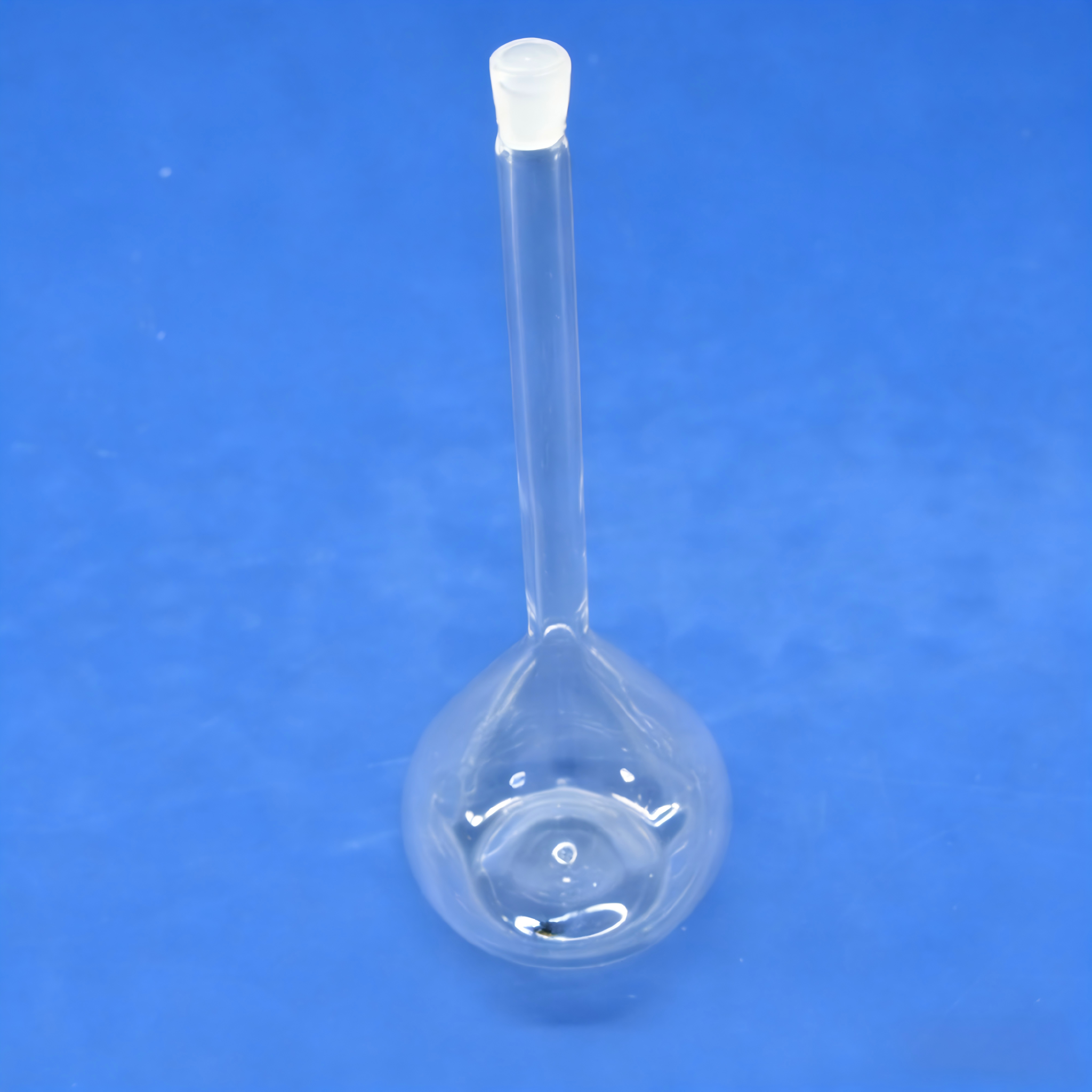
Round Bottom Quartz Boiling & Distillation Flask (OEM/ODM)
Single and multi-neck round bottom quartz boiling flasks engineered for uniform mantle heat distribution, vacuum-tight refluxing, and zero leaching.
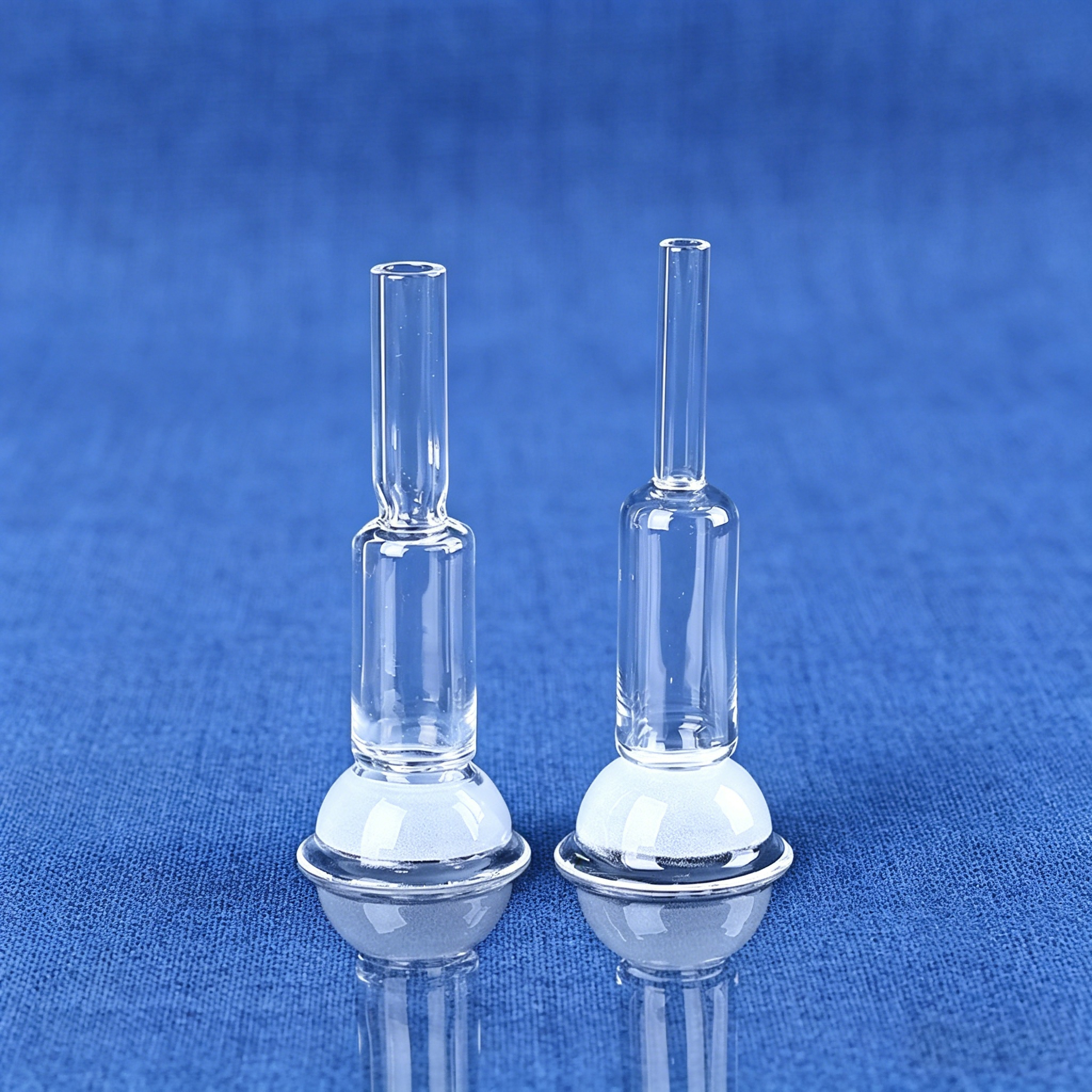
Precision C-Shaped Quartz BET Surface Analysis Cell Tube
Specialized micro-sample analysis tubes designed for gas sorption analyzers, surface area characterization, and chemisorption analysis up to 1100°C.
Technical Authority: Fused Quartz Chemistry in Critical Distillation
Understanding why high-performance industrial processing facilities in San Pedro Sula are systematically phasing out standard borosilicate 3.3 glassware in favor of high-purity fused silica round bottom flasks.
In chemical distillation, high-temperature synthesis, and high-vacuum fractionations, the physical boundaries of borosilicate glass (Pyrex/Duran) present a definitive bottleneck for industrial process scaling. Borosilicate glass undergoes structural transition and strain deformation between 510°C and 560°C, and exhibits an average linear coefficient of thermal expansion of approximately 33 × 10⁻⁷ K⁻¹. When exposed to localized hot spots from heating mantles or open burner flames, non-uniform thermal dilation induces localized micro-fractures, culminating in catastrophic thermal mechanical failure.
Conversely, Lianyungang Vulra Quartz Products Co., Ltd. fabricates OEM/ODM round bottom quartz flasks utilizing 100% natural crystalline quartz feedstock refined in Donghai County—the crystal center of the world. Through advanced oxy-hydrogen thermal fusion and continuous electrically fused processes, the resultant vitreous silica achieves a chemical purity of 99.99% to 99.999% silicon dioxide (SiO₂) with virtually undetectable trace metallic impurities. With an extraordinarily low linear thermal expansion coefficient of only 5.5 × 10⁻⁷ K⁻¹ (between 20°C and 1000°C), our round bottom quartz flasks withstand severe thermal shocks—such as transferring a 1000°C charged vessel directly into ambient water—without structural degradation.
| Critical Performance Parameter | Vulra Fused Quartz (OEM/ODM Grade) | Synthetic Fused Silica | Standard Borosilicate 3.3 |
|---|---|---|---|
| Chemical Composition (Purity) | SiO₂ ≥ 99.99% (Low Metallic Contaminants) | SiO₂ ≥ 99.9999% (Precursor Doped) | 81% SiO₂, 13% B₂O₃, 4% Na₂O/K₂O, 2% Al₂O₃ |
| Thermal Expansion Coeff. (20-320°C) | 5.5 × 10⁻⁷ K⁻¹ (Near Zero Expansion) | 5.2 × 10⁻⁷ K⁻¹ | 33 × 10⁻⁷ K⁻¹ (High Thermal Dilation) |
| Continuous Operating Temperature | 1,100 °C | 1,150 °C | 450 °C - 500 °C Maximum |
| Maximum Short-Term Peak Limit | 1,450 °C | 1,500 °C | 560 °C (Transformation Range) |
| Softening / Deformation Point | 1,683 °C | 1,730 °C | 820 °C |
| Chemical Inertness & Resistance | Inert to all acids (Except HF, hot H₃PO₄) | Highly Inert to strong acids | Leaches alkali ions; etched by alkaline reagents |
| Optical Transmittance (UV-Vis-NIR) | 260 nm – 2,500 nm (>90% transmission) | 190 nm – 2,600 nm (Deep DUV) | Opaque below 310 nm; low UV yield |
| Hydroxyl (OH⁻) Ion Concentration | < 5 ppm to < 30 ppm (Custom Annealed) | < 1,000 ppm (Hydrated) or < 1 ppm (Dry) | Not Applicable (Multi-component Oxide) |
For chemical and industrial plants in San Pedro Sula, operating within the energetic industrial corridor extending toward Choloma and Puerto Cortés, selecting the correct quartzware geometry is critical. Round bottom flasks engineered with perfectly concentric wall geometry distribute internal hydrostatic and thermal stresses evenly across the spherical dome. Unlike flat-bottom configurations that create severe mechanical stress risers at the sharp 90-degree knuckle radius, spherical quartz designs mitigate localized cavitation during vigorous boiling and refluxing, enabling uninterrupted high-temperature processing under full dynamic vacuum (< 10⁻³ Torr).
Targeted Industrial Application Scenarios in San Pedro Sula
San Pedro Sula serves as the undisputed manufacturing, agro-industrial, and chemical capital of Honduras. Our OEM/ODM round bottom quartz flasks directly serve the specialized operational parameters of key regional facilities.
Textile Chemical & Synthetic Dyeing Synthesis
The textile maquiladora sector in San Pedro Sula and neighboring Choloma relies on high-temperature auxiliary chemical baths, solvent distillation, and reactive dye formulation. Standard vessels degrade when exposed to aggressive organic fixatives and acidic mordants at elevated temperatures. Our custom quartz round bottom flasks resist halogenated organics, sulfuric acid reagents, and continuous reflux cycles without surface etching or metallic ion leaching.
Agrochemical Formulation & Pesticide Residue Analysis
Supporting the extensive agricultural basins of the Sula Valley—including palm oil refineries, banana plantations, and sugarcane processing—regional analytical laboratories demand ultra-trace detection capabilities. Our trace-pure fused quartz boiling flasks prevent trace sodium, potassium, or boron contamination, ensuring clean EPA and AOAC residue analysis and high-purity organophosphate herbicide synthesis.
Pharmaceutical Quality Control & API Formulation
San Pedro Sula's burgeoning pharmaceutical production facilities require USP Class VI and Pharmacopeia compliant reactorware. Vulra's multi-neck round bottom quartz flasks provide airtight standard taper ground joints (such as 24/40 and 29/32), allowing smooth coupling with quartz reflux condensers, thermowells, and addition funnels for aggressive API refluxing, solvent stripping, and active crystallization.
Biofuel Refining & Industrial Ethanol Processing
With industrial biomass conversion expanding around Cortés, sugar ethanol production and esterification catalysts require round-the-clock fractional distillation. Round bottom quartz flasks exhibit superior tolerance to volatile exothermic surges, operating seamlessly alongside induction and high-output heating mantles up to 1100°C without mechanical sagging or boiling wall devitrification.
Water Treatment & Heavy Metal Environmental Monitoring
Environmental compliance monitoring across the Chamelecón and Ulúa river drainage networks requires severe acid digestion of industrial runoff. Vulra's quartz Kjeldahl and round bottom boiling vessels tolerate boiling aqua regia, concentrated nitric acid, and perchloric acid digestion without background heavy metal contamination, ensuring accurate ICP-MS and AAS baselines.
Polymer Synthesis & Extrusion Testing Laboratories
Industrial plastics and packaging converters located throughout the San Pedro Sula Free Trade Zones require thermal decomposition and solvent cracking apparatus. Our custom multi-neck reaction flasks, configured with angled side-necks for purge gas injection, allow exact monitoring of melt viscosity and polymer thermal degradation kinetics up to 1200°C.
Industrial Evolution & Laboratory Modernization in San Pedro Sula
Economic shifts toward high-value nearshoring, automated chemical processing, and rigorous international environmental compliance are reshaping quartz equipment procurement across Honduras.
Nearshoring & Advanced Chemical Manufacturing
Multinational supply chains are migrating manufacturing closer to North American consumer markets. San Pedro Sula's industrial parks (such as ZIP Búfalo, ZIP San José, and Green Valley Advanced Industrial Park) are transitioning from primary garment assembly into complex chemical synthesis, specialty yarn coating, and high-performance polymer extrusion. These upgraded processes require laboratory-grade and pilot-scale quartz reactors able to run uninterrupted high-temperature distillation cycles.
Transition to Direct Tier-1 Factory Procurement
Historically, Honduran enterprises purchased laboratory and industrial quartz through third-party distributors in North America or Central American middlemen, incurring markup premiums of 200–350% and 12-to-16-week delivery delays. Industrial procurement teams in San Pedro Sula are now partnering directly with source manufacturers like Vulra Quartz in Donghai, securing factory-direct pricing, drawing-based OEM tailoring, and expedited transit through Puerto Cortés.
Rigorous ISO/IEC 17025 Laboratory Accreditation
Both corporate and independent testing laboratories across Honduras are pursuing formal ISO/IEC 17025 testing certification to comply with CAFTA-DR export mandates. Standard glassware with trace boron, sodium, or arsenic extraction can invalidate ultra-trace analytical calibrations. High-purity fused quartz (SiO₂ > 99.99%) ensures zero-leach baseline compliance, guaranteeing data integrity in export-certified QA/QC laboratories.
Engineering Capabilities: Custom Quartz Flask Fabrication
From single-piece analytical prototypes to multi-thousand container runs, Lianyungang Vulra Quartz Products Co., Ltd. integrates state-of-the-art cold CNC grinding with expert manual oxy-hydrogen flame manipulation.
Drawing-Based OEM Geometry
We fabricate directly from your CAD, STP, or PDF mechanical drawings. Configure single, two, three, four, or five-neck round bottom flasks with parallel, angled, or custom offset geometries and internal sampling thermowells.
Precision Ground Quartz Joints
Equipped with automated diamond-lapping machinery, our standard taper ground joints (14/20, 19/22, 24/40, 29/32, 45/50) and spherical ball-and-socket joints deliver helium-leak-tight sealing down to 10⁻⁶ mbar vacuum pressure.
Full Thermal Annealing Cycles
Every hand-blown, lathe-spun, or welded round bottom flask undergoes precise computerized annealing in atmospheric kilns at 1180°C to release all residual mechanical weld stresses, ensuring zero risk of stress crazing during service.
Export-Engineered Foam Packaging
Fragile quartz glass exports demand absolute protective containment. We utilize form-fitted high-density polyethylene (EPE) custom cutouts within triple-wall corrugated outer cartons, crated in fumigated OSB plywood for damage-free transit to Honduras.
Third-Party Inspected: Verified Custom Manufacturer
On-site assessed by TÜV Rheinland. Fully certified for ISO 9001 quality management, CE electromagnetic compatibility, and RoHS environmental compliance.
San Pedro Sula Procurement FAQ: Fused Quartz Ware
Critical technical, logistics, and customs answers compiled by our application engineers specifically for laboratory managers and corporate buyers in Cortés, Honduras.
Why is fused quartz required instead of heavy-wall borosilicate for high-temperature synthesis in San Pedro Sula?
While heavy-wall borosilicate 3.3 glassware is adequate for ambient-pressure reactions below 450°C, it softens rapidly above 520°C and exhibits pronounced thermal expansion (33 × 10⁻⁷ K⁻¹). When San Pedro Sula process chemists perform vacuum distillations, high-viscosity polymerizations, or agrochemical cracking above 500°C using direct mantle heating, borosilicate vessels frequently warp or crack under non-uniform heat flux.
Our OEM/ODM round bottom quartz flasks have a softening point of 1683°C and an almost negligible thermal expansion rate (5.5 × 10⁻⁷ K⁻¹). They permit direct open-flame heating, prolonged 1100°C continuous processing, and rapid quench cycles without shattering, ensuring plant safety and zero downtime.
What shipping methods and lead times are available from China to San Pedro Sula / Puerto Cortés?
We provide two optimized freight routes to Honduras:
1. Maritime Container Cargo (LCL/FCL): Dispatched directly from Lianyungang or Shanghai ports to Puerto Cortés—Central America's premier deep-water Atlantic container port located just 55 km north of San Pedro Sula. Ocean transit generally takes 28 to 35 calendar days, representing the most economical route for high-volume reactor tubing, distillation columns, and batch flask consignments.
2. Air Courier & Express Cargo: For urgent pilot line expansions, emergency replacements, or custom prototypes, shipments are airfreighted directly into Ramón Villeda Morales International Airport (SAP) in San Pedro Sula via DHL, FedEx, or air charter with door-to-door transit times of 5 to 8 business days.
Can Vulra customize flask wall thicknesses, neck counts, and proprietary ground joints from customer drawings?
Yes. As a verified custom manufacturer with comprehensive hot-forming and cold-machining facilities, we offer drawing-based OEM and ODM services starting from a single unit (MOQ: 1 PC). Buyers can define flask volume (50ml to 50,000ml), wall thickness (from standard 1.5mm up to heavy-duty 5.0mm vacuum walls), spherical radius, and any neck configuration (single, two-neck angled, three-neck parallel, four-neck, or custom take-off branches).
We routinely manufacture ground joints conforming to international standards (ASTM standard taper 24/40, European DIN 29/32, GL-threaded glass screw caps, spherical ball joints, and flat ISO NW/KF vacuum flanges) to match existing Heidolph, Buchi, or custom glass assemblies perfectly.
How are import customs duties, CAFTA-DR considerations, and HS tariff codes handled in Honduras?
Laboratory and industrial quartz apparatus exported to Honduras are generally classified under Harmonized System (HS) code 7017.10 (Laboratory, hygienic or pharmaceutical glassware, whether or not graduated or calibrated — of fused quartz or other fused silica). Enterprises operating within the San Pedro Sula Free Trade Zones (Zonas Libres - ZOLI) enjoy zero-duty customs exemptions on imported raw materials and capital laboratory machinery.
For standard Honduran commercial entities (SAR tax-registered), our documentation packages include verified Commercial Invoices, detailed Packing Lists with individual crate tare/gross weights, Certificates of Conformity, and certified Certificates of Origin to streamline customs clearance at Puerto Cortés or SAP customs terminals.
How do you guarantee that high-purity quartz flasks do not arrive broken during maritime or air transit?
Exporting vitreous quartz across intercontinental trade routes requires specialized packaging protocols. Each completed flask is chemically acid-washed, sealed in dust-free antistatic protective wrap, and enveloped in custom-contoured high-resilience expanded polyethylene (EPE) shock absorption foam that locks the spherical bulb and delicate neck joints firmly in place.
The interior modules are packed within reinforced double-wall cartons, which are then placed into bespoke plywood export cases (fumigation-exempt OSB) equipped with corner impact bumpers, internal vibration dampers, and conspicuous external "Fragile / Glassware" indicators. Our verified export breakage rate to Central and South America remains well below 0.2%.
What is the chemical resistance of your quartz boiling flasks when handling corrosive acids and alkalis?
Fused silica represents one of the most chemically inert technical materials engineered by modern science. Our quartz flasks are entirely impervious to almost all mineral and organic acids—including concentrated hydrochloric acid (HCl), nitric acid (HNO₃), sulfuric acid (H₂SO₄), and aqua regia—even when boiled continuously at extreme reaction temperatures.
The only chemical substances capable of attacking vitreous quartz are hydrofluoric acid (HF) at any temperature, and phosphoric acid (H₃PO₄) when heated above 150°C. Highly concentrated caustic alkalis (such as molten NaOH or KOH) will gradually attack the quartz matrix at elevated temperatures, but mild alkaline solutions at room temperature cause virtually zero measurable etching.
How can San Pedro Sula engineering teams request a fast quote and start an engineering review?
Simply click the contact action buttons on this page or transmit your engineering drawings, required quantities, joint dimensions, and operating conditions directly to our engineering desk at [email protected].
Our senior glassblowing engineers will review your geometry for thermal wall-stress balance, provide actionable DFM (Design for Manufacturability) guidance, and supply a formalized proforma quotation within 12 to 24 business hours.
Upgrade Your Distillation & Reaction Infrastructure Today
Partner directly with China's leading verified quartzware manufacturer. Experience true drawing-based OEM/ODM precision, guaranteed 99.99%+ SiO₂ purity, and reliable cargo delivery directly to your facility in San Pedro Sula.