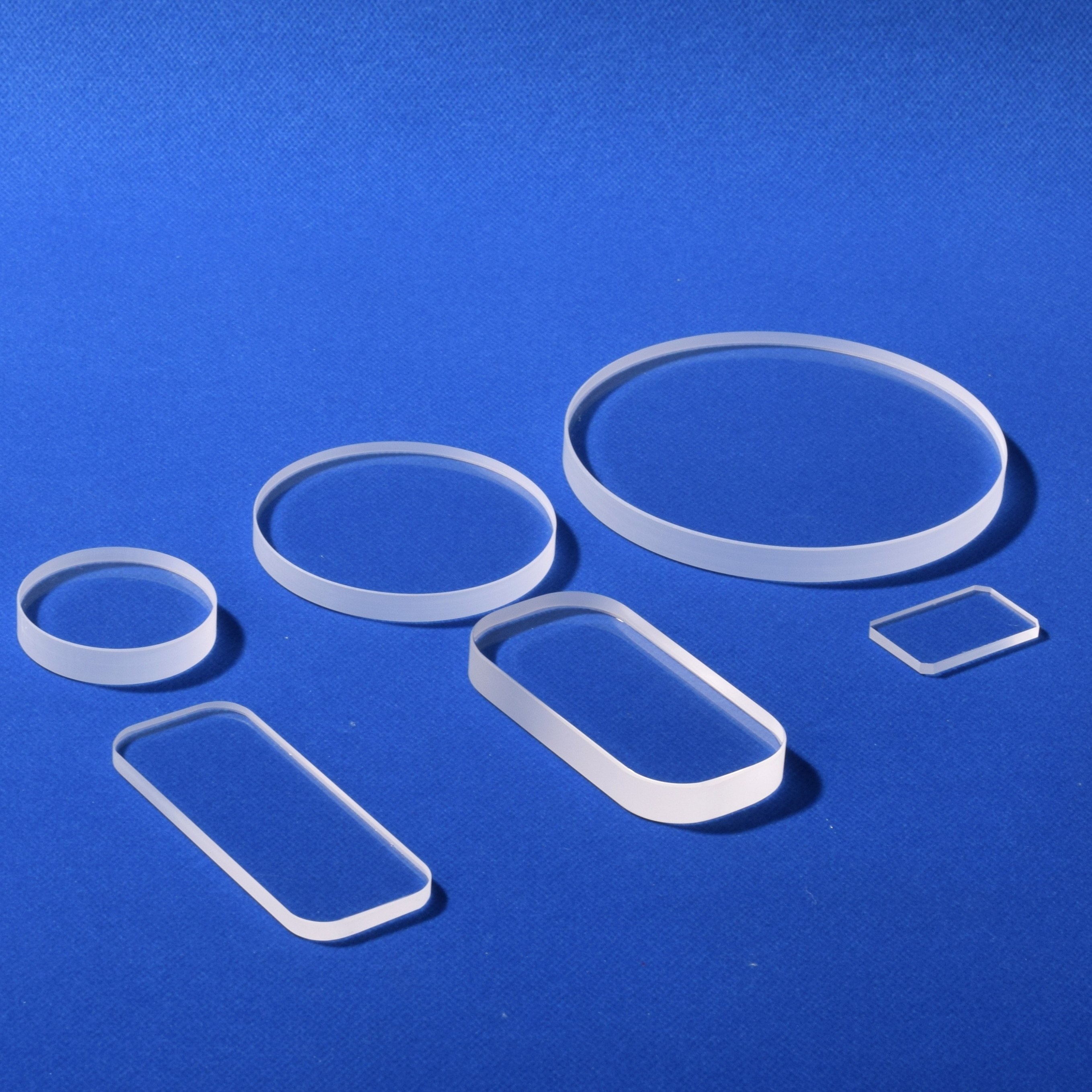
Engineered Quartz Inventory
Featured Custom Quartz Solutions for Industrial & Scientific Applications
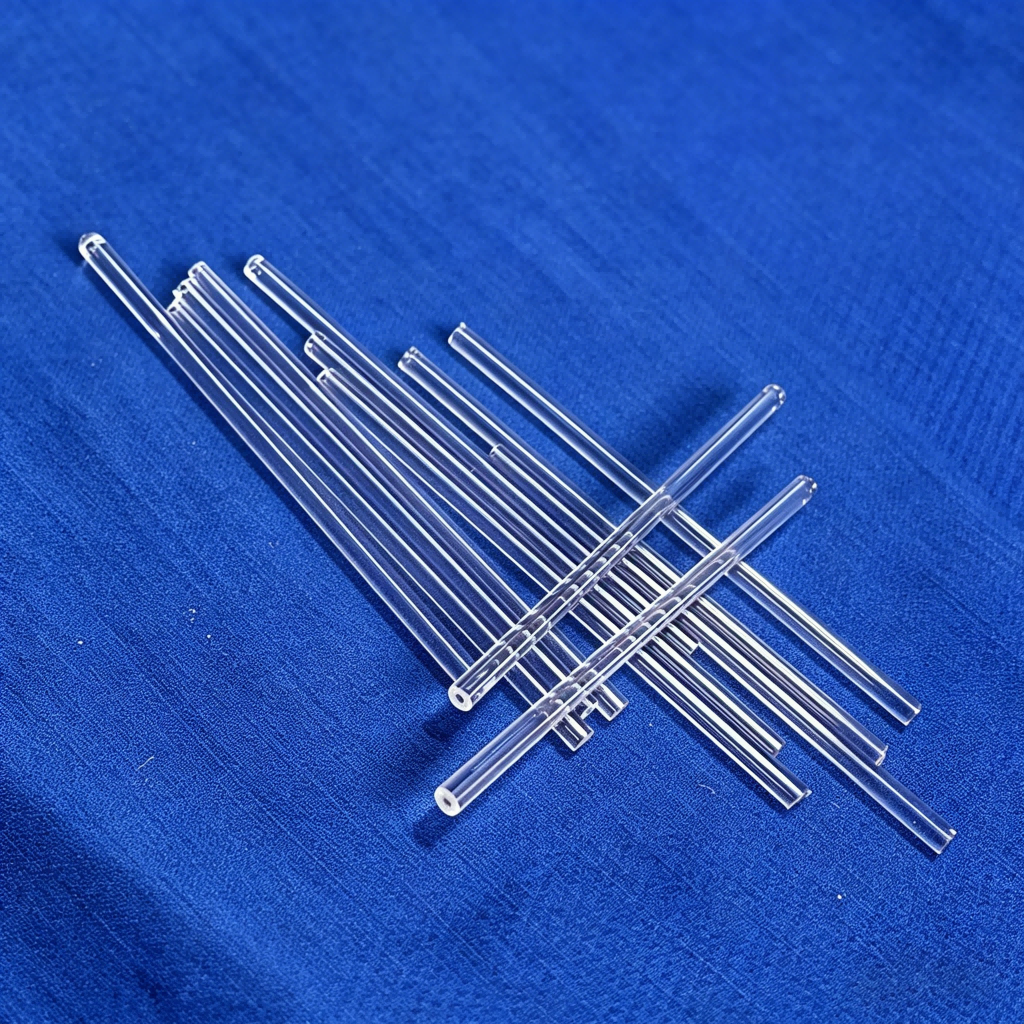
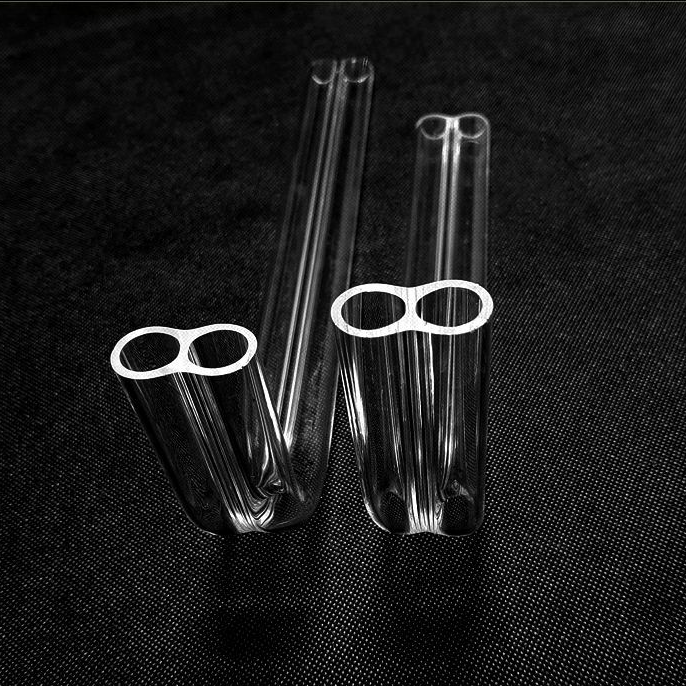
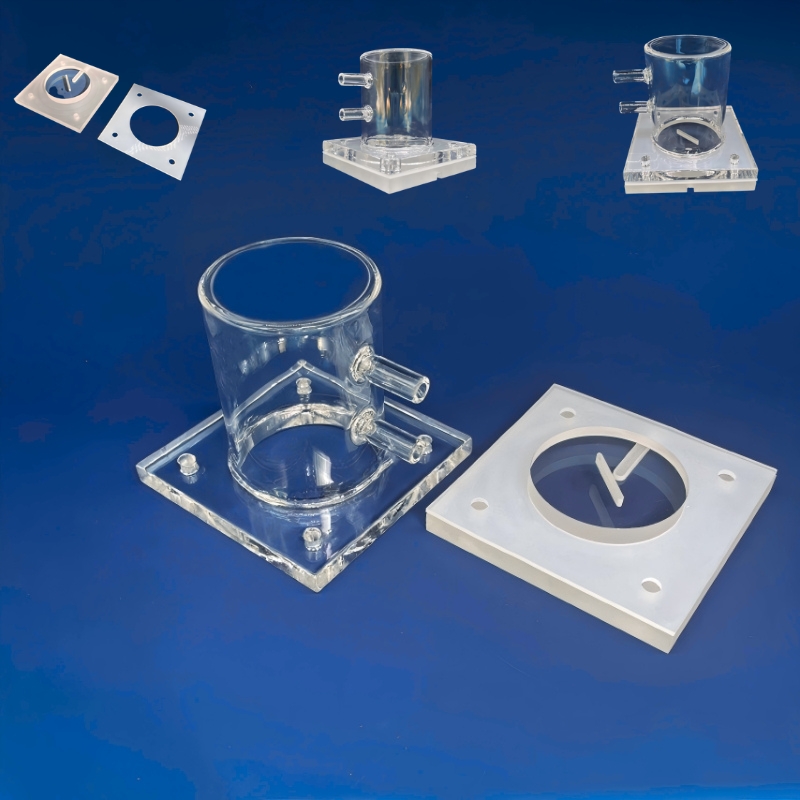
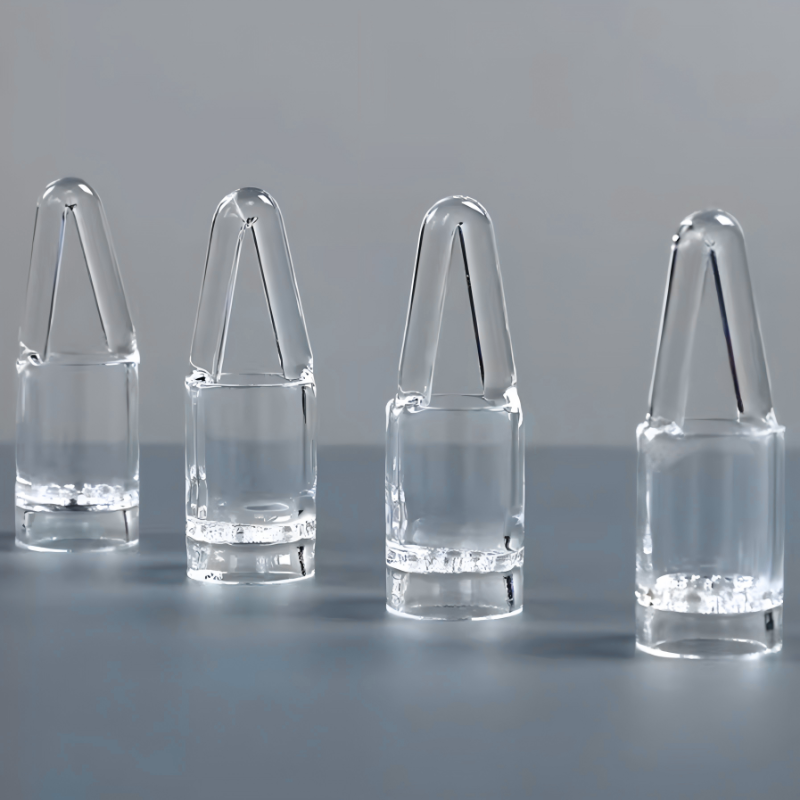
Direct OEM/ODM supply from Donghai's crystal cluster to Granada and the wider Spanish Iberian territory. All units manufactured with thermal stability up to 1450°C and certified 99.99%–99.999% purity.
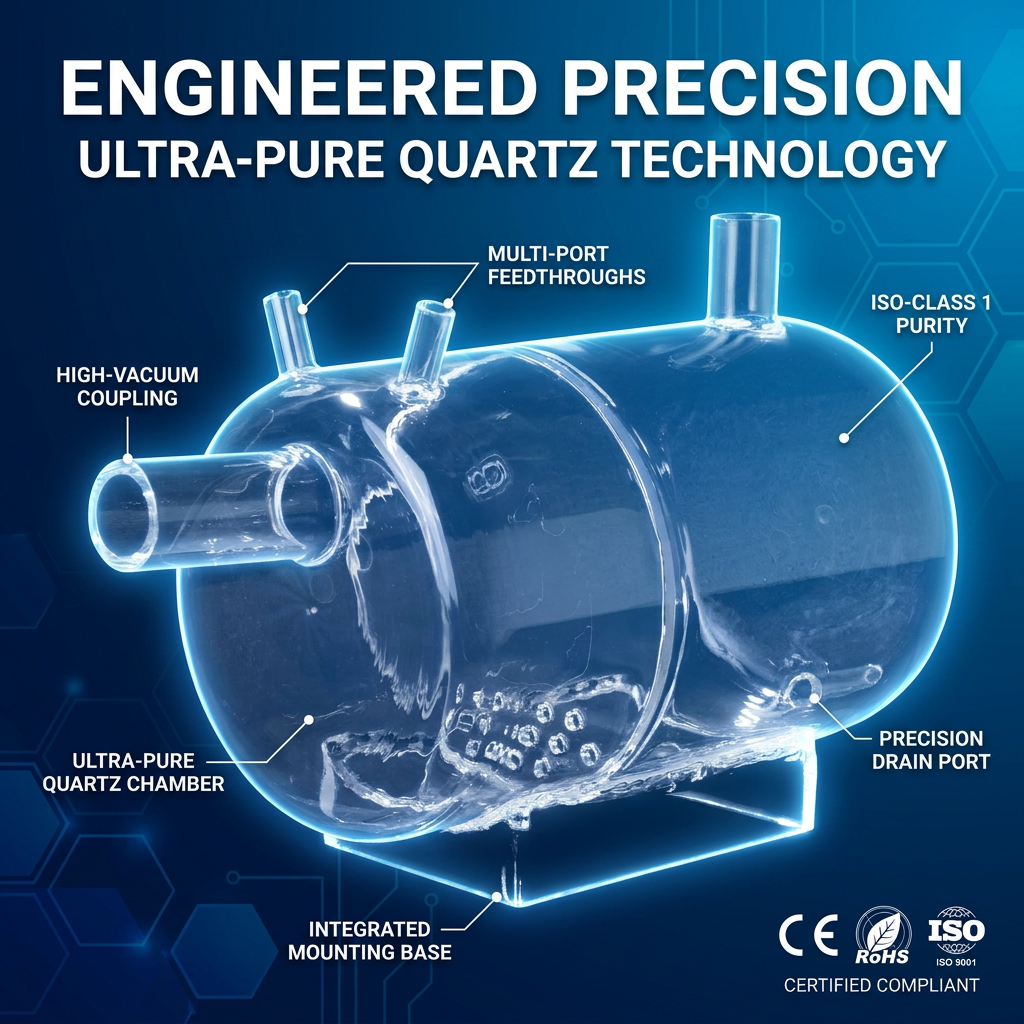
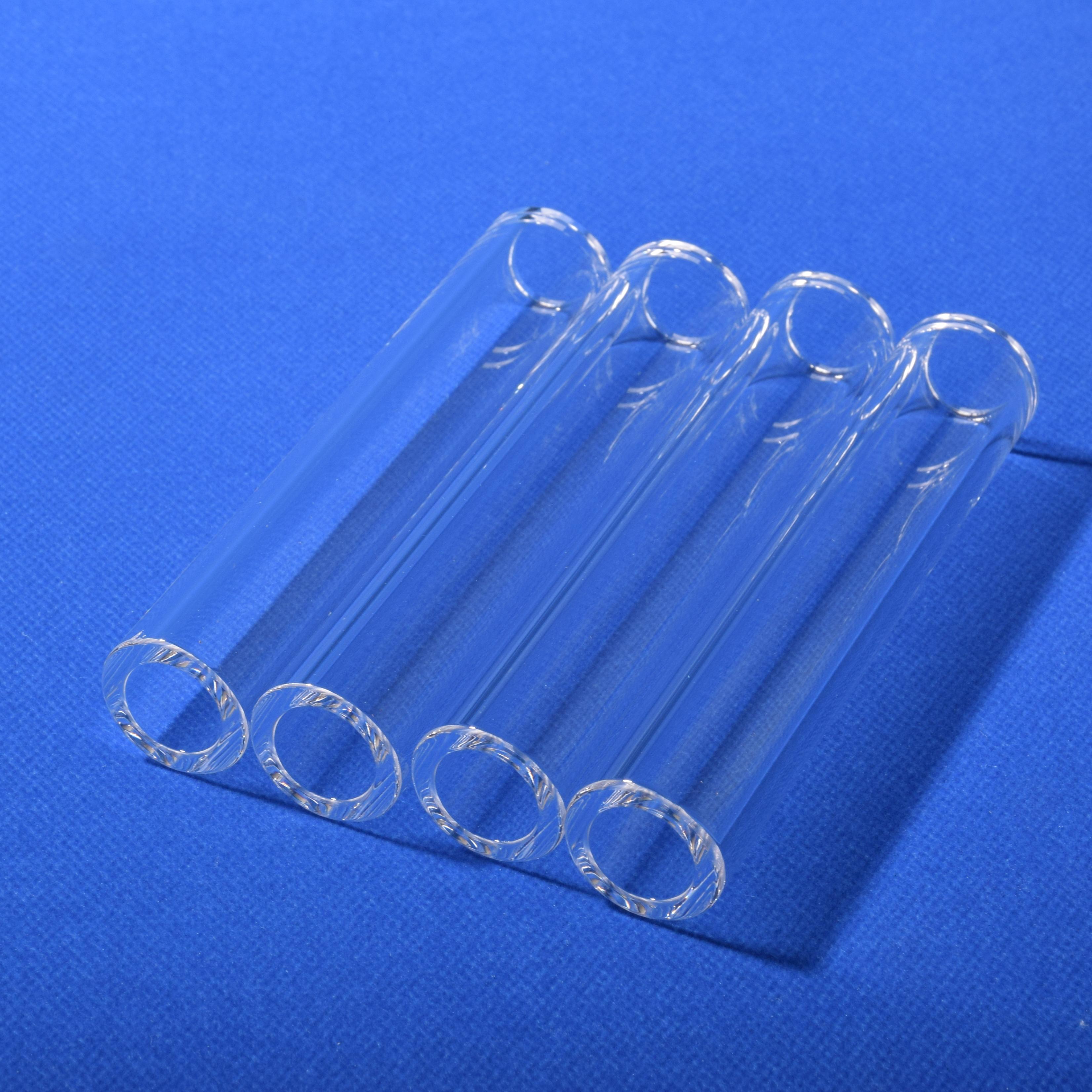
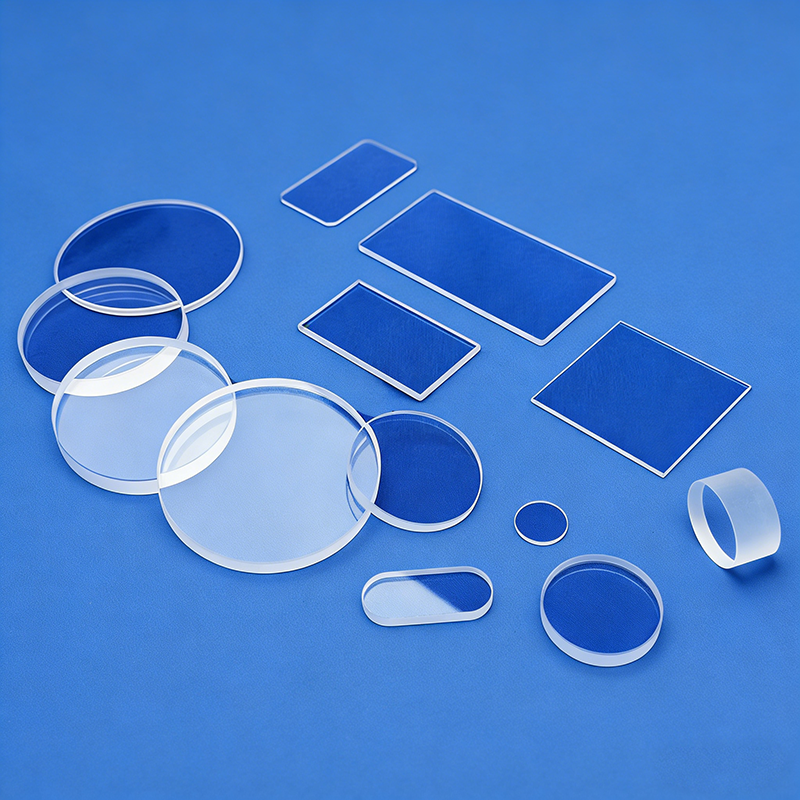
Engineering Whitepaper
Material Science of Fused Quartz Ingots: Thermal, Optical & Structural Synthesis
Understanding hydroxyl radical content ([OH-]), bubble classification (DIN 58927), and crystalline transition kinetics in high-temperature applications across Granada's scientific infrastructure.
Executive Summary: The Strategic Value of Fused Quartz Ingots in High-Flux Environments
Fused quartz ingots represent the foundational monolithic form from which high-precision optical windows, semiconductor diffusion tubes, photovoltaic boats, and plasma chamber sight glasses are machined. Produced through electric arc fusion (electrically fused quartz) or oxy-hydrogen gas fusion of ultra-pure natural quartz sand sourced directly from Donghai, our ingots achieve near-zero thermal expansion coefficients (CTE of ~5.5 × 10⁻⁷ /°C). This ultra-low thermal expansion confers extraordinary thermal shock resistance: a polished disc sliced from our fused quartz ingot can be heated to 1150°C and quenched directly into ice water without micro-fracturing or catastrophic structural failure.
| Property Parameter | Electrically Fused Quartz Ingot | Gas-Fused Quartz Ingot | Synthetic Fused Silica (CVD) | Inspection Standard |
|---|---|---|---|---|
| SiO₂ Purity Tier | ≥ 99.99% – 99.995% | ≥ 99.995% – 99.999% | ≥ 99.9999% (Ultra-trace metallic) | ICP-MS / GDMS |
| Hydroxyl ([OH⁻]) Content | < 5 – 30 ppm (Low OH) | 150 – 220 ppm (Standard OH) | 800 – 1200 ppm (High OH) or <1 ppm | FTIR Spectrophotometry |
| Continuous Service Temp. | 1100°C | 1050°C – 1100°C | 950°C – 1000°C | ASTM C623 Thermal Stress |
| Maximum Short-Term Peak | 1450°C (Softening at 1683°C) | 1400°C (Softening at 1665°C) | 1300°C (Softening at 1580°C) | Dilatometric Softening Point |
| Optical Transmission Range | 260 nm – 3500 nm (NIR Optimized) | 220 nm – 2800 nm (Broadband UV-Vis) | 185 nm – 2500 nm (Deep DUV Transmittance) | Lambda 950 UV/Vis/NIR Test |
| Bubble & Inclusions Class | Class 1 – Class 2 (Bubble-free core) | Class 0 – Class 1 (ISO 12123) | Class 0 (Zero visible seeds > 10μm) | DIN 58927 Striae & Inclusions |
| Coefficient of Thermal Expansion | 5.5 × 10⁻⁷ /°C (20°C to 320°C) | 5.4 × 10⁻⁷ /°C (20°C to 320°C) | 5.2 × 10⁻⁷ /°C (20°C to 320°C) | Dilatometry (Vitreous Silica Matrix) |
Refractory Viscosity & Devitrification Kinetics
Operating near the transformation range requires absolute mastery of silica viscosity. Our quartz ingots maintain an annealing point at 1215°C and a strain point at 1120°C. By precisely monitoring alkali impurities (Na, K, Li under 1.5 ppm combined), our material mitigates surface nucleation that triggers cristobalite formation (devitrification) when exposed to cyclic heating above 1000°C in furnace environments.
Optical Homogeneity & Stress Birefringence
For laser optics, interferometry windows, and astronomical spectrophotometry, internal refractive index gradients (Δn) must not exceed 1 × 10⁻⁵. Through multi-stage electric zone annealing and computer-controlled slow thermal cooldown cycles lasting up to 14 days, Vulra Quartz ingots maintain internal stress birefringence below 5 nm/cm, completely removing destructive polarization artifacts.
Laser-Cut & Diamond Ground Sub-Millimeter Geometry
From raw fused silica boules and ingots exceeding Ø600 mm × 1200 mm length down to sliced and polished 0.5 mm wafers, our CNC processing floor utilizes multi-wire diamond slicing, 5-axis ultrasonic contour grinding, and double-sided chemical-mechanical polishing (CMP) to achieve dimensional tolerances within ±0.01 mm and surface roughness down to Ra < 0.5 nm (20/10 Scratch/Dig).
Localized Industry Ecosystem
Strategic Applications of Fused Quartz Across the Granada Ecosystem
Empowering Andalusia’s frontier scientific infrastructure, European particle research facilities, and advanced university labs with custom-machined quartz ingot substrates.
IFMIF-DONES Fusion Energy Particle Diagnostics
Located in Escúzar (Granada Metropolitan Area), the International Fusion Materials Irradiation Facility (IFMIF-DONES) requires ultra-resilient materials capable of withstanding extreme neutron flux and high-temperature thermal loads. Fused quartz ingots core-drilled into vacuum optical diagnostic windows, RF feedthrough insulators, and beam-profile observation plates deliver the radiation hardness, zero outgassing under ultra-high vacuum (< 10⁻⁸ mbar), and thermal resilience demanded by future fusion power demonstration architectures.
IAA-CSIC & Sierra Nevada Observatory Optics
The Instituto de Astrofísica de Andalucía (IAA-CSIC), headquartered in Granada and operating the Sierra Nevada Observatory (OSN at 2896m altitude), depends heavily on optical-grade fused silica blanks cut from precision-annealed ingots. These components serve as atmospheric correction prism matrices, cryogenic camera viewing ports, and coronagraphic masks requiring negligible thermal expansion across extreme day-to-night alpine temperature excursions.
PTS Granada Bio-Analytical & Photonic Sensors
At the Parque Tecnológico de la Salud (PTS) in Granada, premier biomedical engineering firms and pharmaceutical research centers utilize high-purity quartz ingots sliced into microfluidic chip substrates, spectrofluorometer cuvettes, and UV-transparent capillary electrophoresis cells. The absence of fluorescence excitation, combined with zero trace-metal leaching, prevents false positive readings in DNA sequencing, single-molecule detection, and cytometric analyses.
University of Granada (UGR) CVD & Sintering Furnaces
Faculty of Sciences research laboratories at the University of Granada conducting solid-state chemistry, 2D nanomaterial synthesis (graphene/boron nitride), and high-temperature catalysis rely on our custom-ground quartz furnace boats, vacuum manifold tubes, and reaction chambers capable of maintaining dimensional fidelity under continuous 1100°C inert gas atmospheres without gas permeation or bowing.
Solar Thermal Concentration & Pyrometry in Andalusia
In proximity to the Plataforma Solar de Almería (PSA) and regional concentrated solar power (CSP) development plants surrounding Granada, quartz ingot blanks are machined into high-flux receiver windows, optical secondary concentrators, and non-contact IR pyrometer sight glasses that withstand localized radiative flux concentrations exceeding 1000 kW/m² without thermal breakdown.
OEM Chemical Distillation & Acid Digestion Vessels
Specialty chemical synthesis facilities throughout Andalusia use Vulra Quartz custom-machined heavy-wall reaction crucibles, boiling vessels, and ozone-free photochemical reactors. Unlike standard borosilicate 3.3 glass that degrades under boiling concentrated mineral acids, our 99.999% fused silica matrix demonstrates near-zero corrosion rates against boiling nitric, sulfuric, and hydrochloric acids.
Strategic Trends 2025–2030
Granada's Transformation into Southern Europe’s Big Science Technology Hub
The technological trajectory of the Granada market is undergoing an unprecedented expansion driven by European Union Horizon Europe funding, the Spanish Science & Innovation Ministry, and regional Andalusian industrial initiatives. At the epicenter sits the IFMIF-DONES construction in the Escúzar technology park, which has positioned Granada as a global magnet for nuclear materials science, ultra-high-vacuum technologies, and extreme-environment engineering.
This transformation has sparked acute demand for raw, semi-finished, and finished fused quartz ingot components. Secondary scientific spinoffs in Granada are scaling up pilot-line semiconductor fabrication, quantum optics sensors, and photochemical green hydrogen generation. Because European local processing can be constrained by prohibitive lead times and surging energy costs, local procurement managers increasingly demand reliable, audited factory-direct OEM/ODM manufacturing partnerships with certified raw material origins.
Vulra Quartz acts as a critical link in this high-tech supply chain: bridging the abundant high-purity natural silica sand reserves of Donghai with precision hot- and cold-machining engineering, directly delivering cost-efficient, custom-sized quartz ingots and sub-assemblies directly to Granada without intermediate distribution markups.
Send an Inquiry
Factory Direct Advantages
Why Scientific & Industrial Buyers in Granada Trust Vulra Quartz
Direct manufacturer based in Donghai, China’s crystal capital, verified on-site by TÜV Rheinland with full ODM engineering capabilities.
Epicenter Raw Material Supply
Situated at No. 9 Dingxin Road in the Jiangsu Donghai Economic Development Zone, our factory possesses direct, uninterrupted access to top-tier high-purity crystal quartz sand reserves, guaranteeing low impurity profiles and competitive baseline raw material costs.
Drawing-Based Rapid Prototyping (MOQ 1 PC)
Our specialized engineering department analyzes customer 2D/3D drawings (CAD, STEP, DWG) for thermal stress distribution, wall uniformity, and joint feasibility before cutting. Whether you require a single pilot ingot or multi-ton recurring shipments, our MOQ starts from 1 unit.
TÜV Rheinland Audited & CE Certified
Our manufacturing operations, legal premises, export trade integrity, and quality assurance workflows have undergone thorough on-site physical auditing by TÜV Rheinland. All commercial shipments arrive backed by RoHS compliance and CE declarations.
Integrated Production Sequence
From High-Purity Silica Sand to Finished Custom Ingot
Step 01
Sand Beneficiation
Chemical acid leaching, magnetic separation, and flotation yielding >99.999% pure silica feedstock.
Step 02
Fusion & Boule Growth
Continuous vacuum electrical resistance or hydrogen-oxygen flame fusion producing bubble-free solid ingots.
Step 03
Precision Cold Machining
Diamond multi-wire cutting, surface cylindrical grinding, edge beveling, and ultrasonic precision core drilling.
Step 04
Thermal Annealing
Programmed slow cooldown in electronic annealing furnaces relieves internal residual stress below 5 nm/cm.
Step 05
Acid Clean & Crate
HF/HNO₃ de-contamination bath, 18MΩ·cm DI water ultrasonic cleaning, sealed vacuum wrap, and cushioned crating.
TÜV Rheinland On-Site Assessed
CE Compliant Product Lines
RoHS Environmental Certification
Shock-Proof Sea/Air Export Crates
Procurement Intelligence
Frequently Asked Questions: Sourcing Fused Quartz Ingots in Granada
Technical, regulatory, and logistics clarifications for research procurement teams and factory engineers across Spain and the European Union.
How are fused quartz ingots imported and cleared into Granada and Andalusia?
Fused quartz ingots, quartz glassware, and optical silica blanks are classified under EU TARIC / Harmonized System (HS) Codes 7002.31.00.00 (Tubes of fused quartz or other fused silica) or 7002.39.00.00 / 7020.00.80.00 (Other articles of fused quartz). Shipments directed to clients in Granada, Escúzar, or the PTS technology park clear customs seamlessly through the Port of Algeciras, Port of Valencia, or Madrid-Barajas / Málaga-Costa del Sol Airport for expedited air freight. We furnish complete commercial invoices, packing lists, CE declarations, Certificates of Conformity (CoC), and raw material purity test reports for rapid Spanish DUA (Documento Único Administrativo) processing with standard intra-community VAT/IVA handling.
What is the practical difference between natural fused quartz and synthetic fused silica ingots?
Natural fused quartz is synthesized by electric or gas melting of natural crystalline quartz sand (≥ 99.99% SiO₂). It offers superior mechanical viscosity at elevated temperatures, an annealing point up to 1215°C, exceptional thermal resistance against devitrification, and minimal NIR absorption. Synthetic fused silica is produced via chemical vapor deposition (CVD) using silicon tetrachloride (SiCl₄) precursors, resulting in extreme purity (> 99.9999%), zero metallic trace elements, and flawless deep-ultraviolet (DUV) transmission down to 185 nm, making it the preferred choice for excimer laser lenses and DUV lithography.
Can Vulra Quartz machine custom profiles directly from customer engineering drawings?
Yes. We specialize in 100% drawing-based OEM/ODM fabrication. Buyers in Granada frequently supply 2D drawings (DWG, PDF with dimensional tolerances) and 3D CAD models (STEP, IGES). Our engineering team reviews critical geometries including aspect ratios, corner fillet radii for thermal stress reduction, flange connection zones, and ground vs. polished surface finishes. Production starts immediately upon mutual drawing sign-off, with full dimensional inspection reports provided prior to shipping.
What are the standard lead times for custom ingot prototypes shipped to Spain?
Standard prototype orders (from 1 to 5 pieces) require approximately 7 to 14 working days for slicing, CNC core machining, fine grinding, flame polishing, and thermal stress annealing. Standard air express transit (DHL, FedEx, UPS) to Granada or Málaga takes an additional 4 to 6 business days. For recurring production campaigns or bulk high-volume shipments, sea freight deliveries to Algeciras or Valencia require approximately 28 to 35 calendar days.
How do you guarantee that brittle fused quartz arrives undamaged after international transit?
Quartz shipping demands specialized export-grade crating engineering. Each polished ingot or quartz glass vessel is ultrasonically cleaned, vacuum-sealed in dust-proof PE film, wrapped in heavy closed-cell polyethylene foam cushions, and suspended within custom-cut cell partitions. The secondary container consists of reinforced 5-ply cartons or multi-layer ISPM-15 fumigated plywood wooden crates with structural internal corner brackets, shock-indicating labels, and tilt watches for long-distance multimodal transport.
What bubble and inclusion standards are applied to optical-grade quartz ingot blanks?
We inspect optical blanks in accordance with international standards DIN 58927 and ISO 12123. For standard optical grade (JGS2 equivalent), total bubble cross-section area remains under 0.03 mm² per 100 cm³ of glass, with individual bubbles larger than 0.1 mm strictly prohibited within the central 80% clear optical aperture. For semiconductor and laser grades (JGS1 equivalent), we deliver bubble-free Class 0 material checked via polariscopic and He-Ne laser scattering analysis.
Why is ozone-free quartz specified for high-temperature UV or heating installations?
Ozone-free quartz is selectively doped with trace elements such as titanium dioxide (TiO₂) during the melting phase. This chemical modification acts as a sharp spectral cut-off filter that absorbs vacuum ultraviolet radiation below 220 nm—specifically the 184.9 nm mercury spectral line responsible for photochemically dissociating atmospheric O₂ molecules into hazardous ground-level ozone (O₃)—while maintaining near 90% transmission across the beneficial 253.7 nm germicidal and visual spectrum.
Can your fused quartz withstand direct hydrofluoric (HF) acid exposure?
Fused quartz offers unparalleled resistance against virtually all acids, including concentrated hot sulfuric, hydrochloric, and nitric acids, as well as aqua regia. However, hydrofluoric acid (HF) and hot concentrated phosphoric acid (> 150°C) chemically react with the silica matrix (forming gaseous SiF₄ and hexafluorosilicic acid). For chemical cleaning and oxide stripping, dilute HF baths (under 5%) can be used briefly with precise exposure controls, but fused silica must never be used as a permanent containment vessel for hydrofluoric acid solutions.
Launch Your Fused Quartz Sourcing Project in Granada
Submit your 2D/3D component drawings or chemical purity specifications directly to our engineering desk. Receive a comprehensive feasibility evaluation, optical simulation, and competitive factory-direct quote within 24 hours.