Engineered Fused Quartz Solutions for Industrial and Analytical Systems
Manufactured under strict optical cleanroom standards at our Donghai production complex, our quartz components deliver superior UV-Vis-NIR light throughput, zero residual stress, and uncompromising resistance to acidic chemical attack.

Hand-Blown Clear Fused Quartz Vessel & Tube System
Hand-blown 99.999% purity silica glass vessel with fire-polished rims. Thermal shock-proof handling up to 1100°C for sensitive reagent heating.
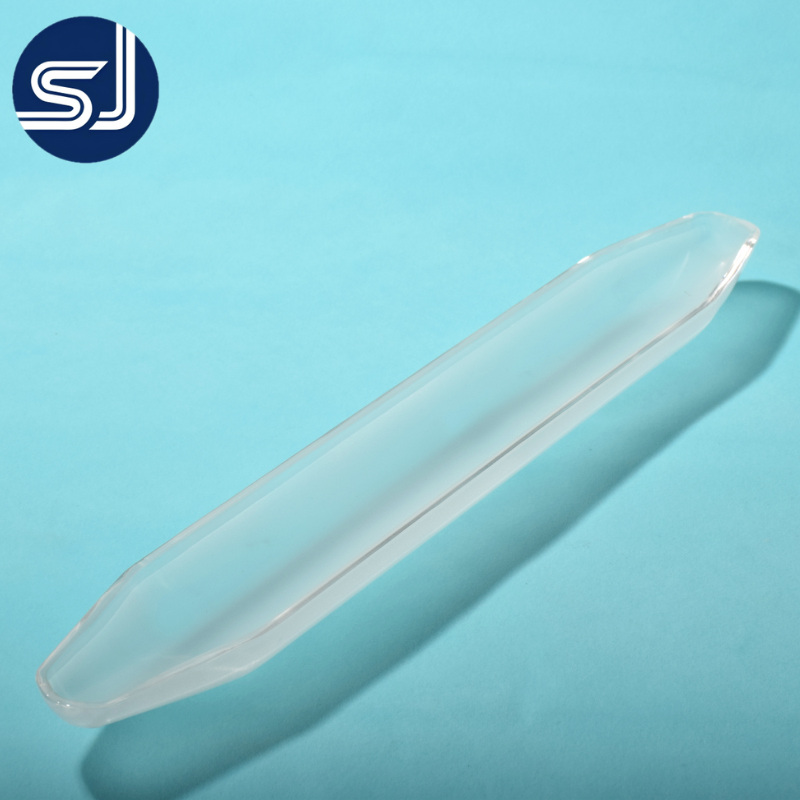
SJ 140 Precision Polished High-Purity Quartz Boat
Designed for combustion analysis, powder sintering, and tube furnaces in Košice's steel metallurgy labs. Unmatched resistance to devitrification.
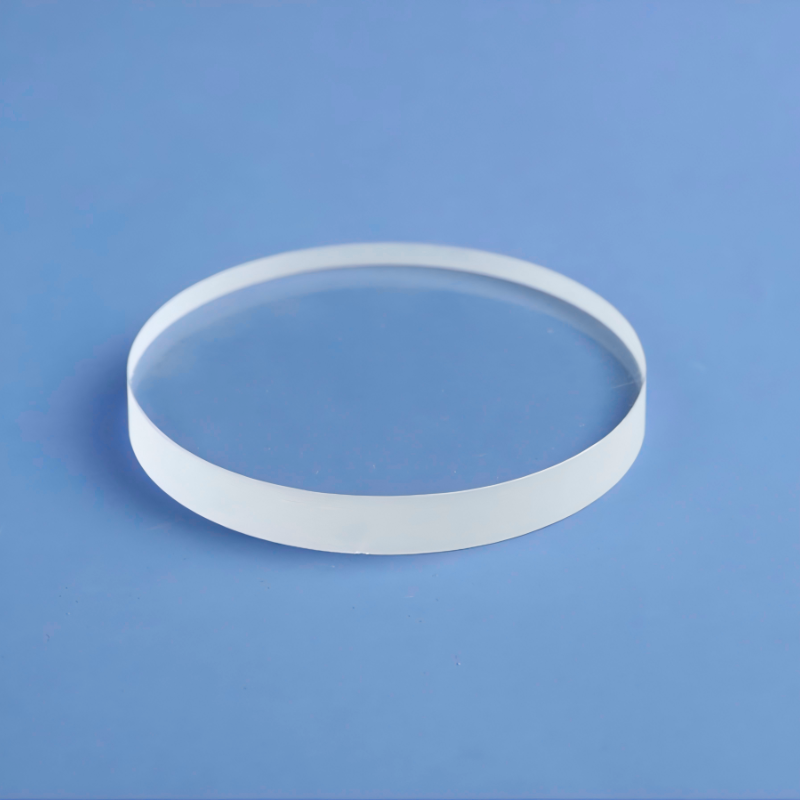
High-Temperature Clear Quartz Tablets & Optical Sheets
Ultra-flat parallel fused silica substrates for spectrophotometer viewports, laser windows, and chemical sight glasses. Laser-cut to custom dimensions.
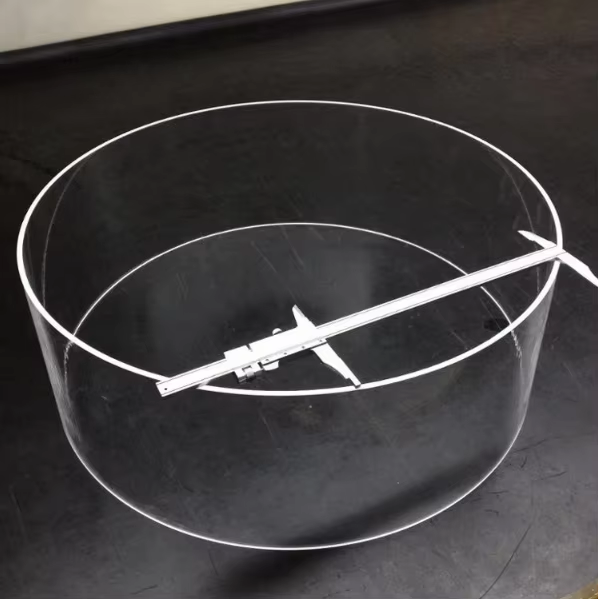
Optical Grade Quartz & Sapphire Flow Test Tubes
High-uniformity optical cylindrical tubes for continuous spectrophotometric titration, powder calcination, and photochemical inline monitoring.
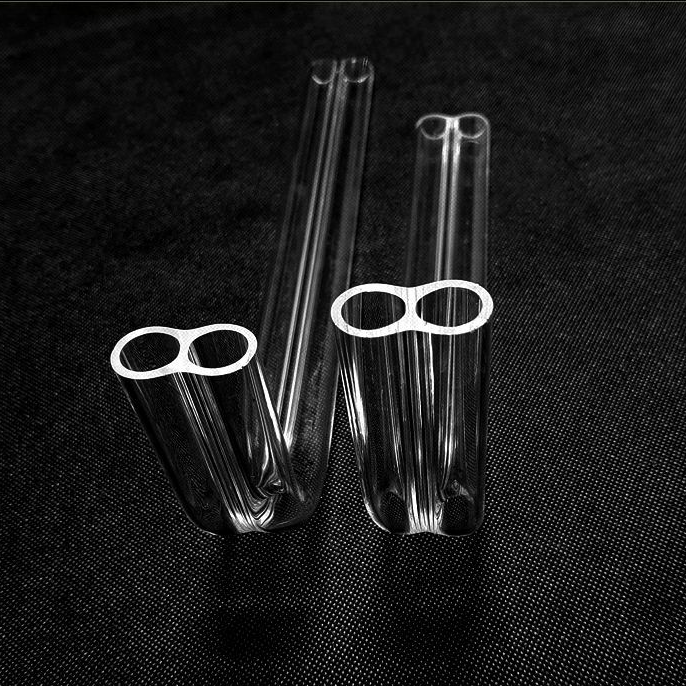
Corrosion-Resistant Quartz Double-Tube Right-Angle Elbow
Seamless oxy-hydrogen flame-welded right-angle quartz transfer tubing. Engineered for high-temperature carrier gas distillation and spectroscopy sample trains.
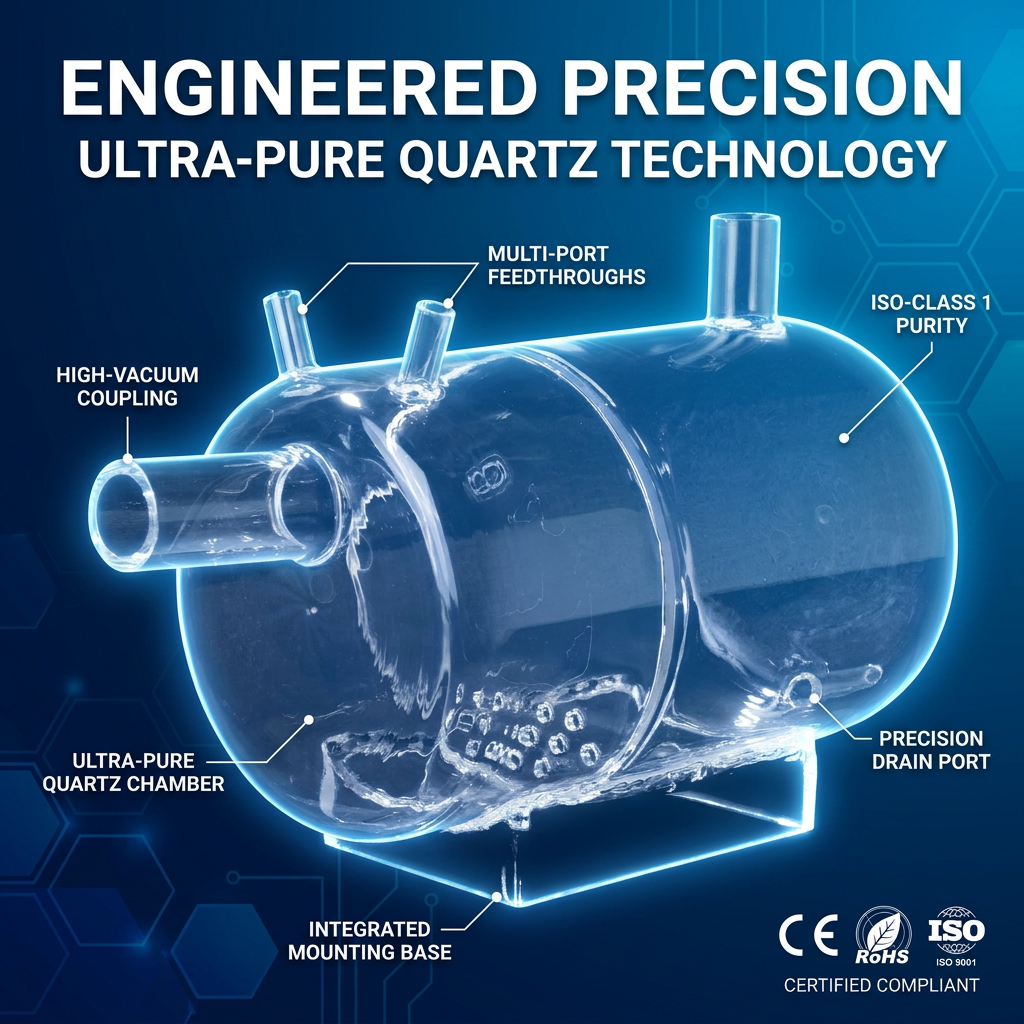
Precision Quartz Separating & Phase Extraction Cell
Extreme-purity extraction vessels and cuvette reservoirs providing zero metal ion leaching during trace elemental analysis in chemical testing.
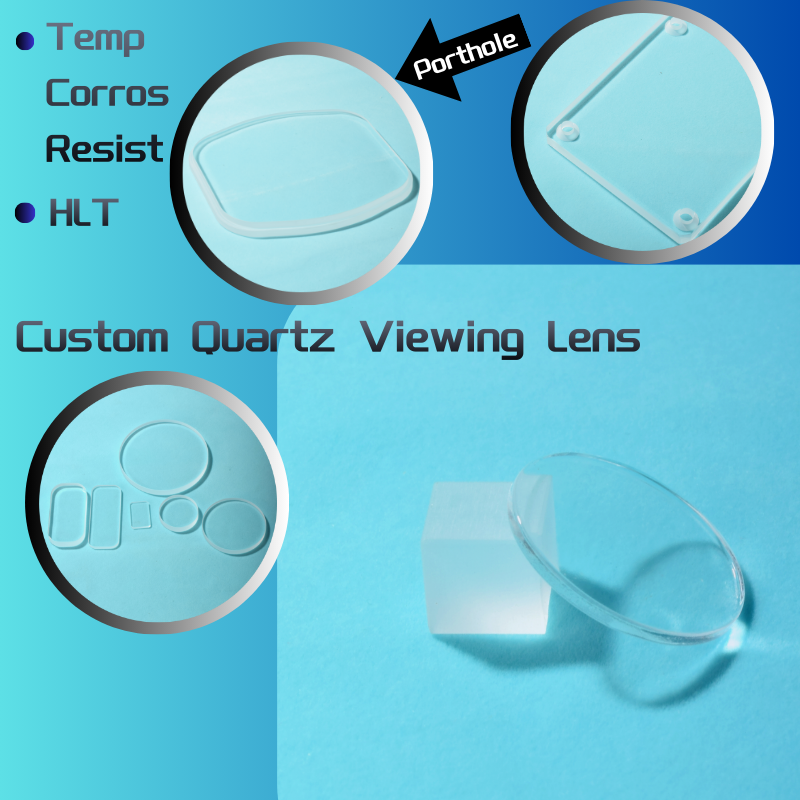
SJ 126 Precision Optical Fused Quartz Slides & Discs
Optically polished quartz slides with minimal autofluorescence. Indispensable for fluorescence spectrophotometry, UV microscopy, and bio-spectroscopy.
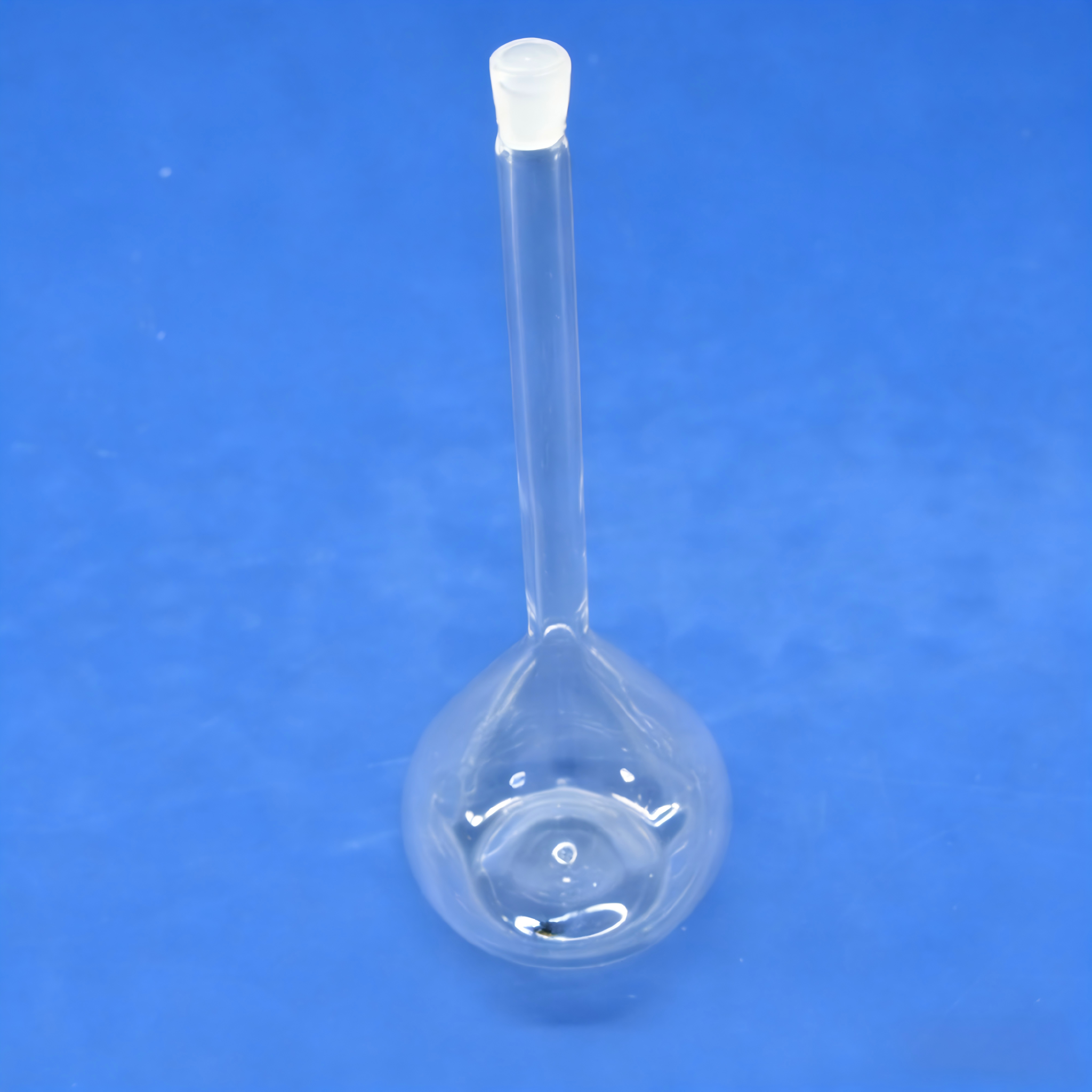
Customized Clear Quartz Reaction Flask & Ampoule
Ultra-pure quartz round-bottom and digestion ampoules. Ideal for hermetic sample preparation prior to UV-Vis spectrophotometric colorimetry.
Precision Quartz Spectrophotometer Cuvette Engineering
In analytical spectrophotometry, absorption accuracy is governed entirely by the Beer-Lambert Law: A = ε · c · l. Any physical divergence in the optical path length (l) or optical window transmittance directly corrupts scientific and industrial compliance.
Synthetic Fused Silica (Far UV / JGS1)
Fabricated through the gas-phase chemical vapor deposition (CVD) of pure silicon tetrachloride (SiCl₄), our JGS1 quartz grade represents the pinnacle of optical glass excellence. Providing a working spectral window of 190 nm to 2500 nm, this material eliminates interstitial metallic impurities (Fe, Ti, Al < 0.1 ppm). It exhibits virtually zero bubble inclusion, extraordinary resistance to excimer laser photodarkening, and superior light throughput for critical deep-UV protein and peptide absorption analyses at 195–214 nm.
Optical Fused Quartz (UV-Vis / JGS2)
Melted from purified natural crystalline silica quartz gravel derived from China's crystalline hub in Donghai, JGS2 grade delivers robust, dependable transmission across 220 nm to 2500 nm. With an absorption edge beginning gently below 215 nm, JGS2 cuvettes are the worldwide standard for routine quantitative chemical analysis, wastewater nitrate screening, and metallurgical slag titration. They provide high mechanical rigidity, zero optical birefringence, and an economical price-to-performance ratio for commercial test labs.
Infrared Quartz (IR Fused Silica / JGS3)
Engineered via vacuum electro-thermal fusion to systematically purge water-bound hydroxyl radicals (−OH), JGS3 grade quartz exhibits exceptional infrared transparency from 260 nm up to 3500 nm. By completely suppressing the deep hydroxyl vibrational absorption band at 2720 nm, JGS3 cuvettes enable precise, undistorted near-infrared (NIR) spectrophotometric quantification of organic hydrocarbons, solvent matrices, and industrial lubricants without baseline interference.
| Optical Quartz Grade | Transmission Range | Internal Transmittance (10mm) | Optical Path Tolerance | Joint Fusion Technique | Recommended Košice Laboratory Field |
|---|---|---|---|---|---|
| JGS1 Synthetic Silica (Far UV) | 190 nm – 2500 nm | >83.5% @ 200 nm, >92% @ 260 nm | ±0.005 mm | High-Temperature Direct Thermal Fusion | Genomics, Nucleic Acid 260/280 Ratio, UPJŠ Medicine |
| JGS2 Optical Fused Quartz (Standard UV) | 220 nm – 2500 nm | >85.0% @ 254 nm, >90% @ 360 nm | ±0.010 mm | Molecular Direct Sintering / Optical Bond | USSK Metallurgy, Water Matrix (VVS), UVLF Pharmacology |
| JGS3 Infrared Silica (Water-Free IR) | 260 nm – 3500 nm | >90% across 1200–3000 nm (No OH Dip) | ±0.010 mm | Electro-Thermal Sintered Bond | Polymer characterization, Fuel & Oil NIR Testing (TUKE) |
| Optical Glass (OS / Crown Standard) | 320 nm – 2500 nm | >91.5% across 400–800 nm (Visible spectrum) | ±0.020 mm | Adhesive / Glass Frit Bond | Routine educational training, food colorimetry |
Advanced Direct High-Temperature Molecular Thermal Fusion
Traditional cheap glass cuvettes manufactured with epoxy resin adhesives inevitably fail in rigorous scientific environments: organic solvents such as chloroform, dimethyl sulfoxide (DMSO), and concentrated sulfuric or nitric acid aggressively dissolve synthetic polymers, causing cell leakage and devastating optical fogging.
At Vulra Quartz, our spectrophotometer cells and microcuvettes are assembled exclusively using High-Temperature Molecular Thermal Fusion. The optically polished fused silica plates are clamped in precision graphite jigs and fired in computer-controlled annealing kilns beyond 1250°C. At this temperature, silica molecules diffuse across window interfaces, creating an unbreakable, monolithic quartz crystal structure that is 100% chemically impervious to aqua regia, boiling hydrochloric acid, and aggressive organic eluents.
- Zero Glued Joints: Completely immune to solvent decomposition, swelling, and chromatographic baseline drift.
- Thermal Shock Integrity: Capable of withstanding instantaneous temperature gradients (ΔT > 1000°C) without micro-fracturing.
- Strict Optical Parallelism: Opposing polished transmission faces achieve parallelism within 3 arc minutes, eliminating beam deflection errors.
Optical Matching & Calibration Guarantee
High-precision dual-beam spectrophotometers (e.g., Shimadzu, PerkinElmer, Thermo Fisher Evolution, Analytik Jena) depend strictly on optical pairing between sample and reference cells. Discrepancies in wall thickness or refractive index distort quantitative calibration curves.
Precision Spectrophotometry across Košice's Key Industries
Košice represents the economic, educational, and metallurgical center of Eastern Slovakia. From heavy blast furnace production to breakthrough biomedical discoveries, our high-purity quartz cuvettes and optical glassware serve critical missions throughout the regional cluster.
1. Heavy Metallurgy & Steel Chemistry (U. S. Steel Košice)
The vast metallurgical complexes in Šaca demand non-stop wet chemical analysis of steel alloys, blast furnace slag, flux additives, and coking coal by-products. Quality controllers utilize UV-Vis spectrophotometers for photometric determination of trace phosphorus (molybdenum blue method), silicon, boron, and manganese.
Our fused quartz cuvettes withstand boiling nitric and perchloric acid digests (ΔT resistant) without etching or silicate dissolution, preserving analytical baseline integrity across three continuous production shifts.
2. Academic Research & Clinical Proteomics (UPJŠ & UNLP)
At Pavol Jozef Šafárik University in Košice (UPJŠ)—spanning the Faculty of Science and Faculty of Medicine—together with the University Hospital of Louis Pasteur (UNLP), molecular biologists conduct gene sequencing, protein quantification (Bradford, BCA assays), and enzyme kinetics.
Our 10 mm pathlength JGS1 Far-UV microcells (sample volume down to 50 μL with black self-masking quartz walls) eliminate stray light scattering, delivering reliable DNA/RNA A260/A280 purity ratios down to 0.001 Abs sensitivity limits.
3. Veterinary Toxicology & Drug Formulation (UVLF Košice)
The University of Veterinary Medicine and Pharmacy in Košice (UVLF) is the sole institution of its kind in the Slovak Republic. Pharmaceutical and biochemical laboratories conduct intense research into drug bioavailability, mycotoxin residue identification, and biological fluid toxicology.
Our fluorometer four-side polished quartz cells are essential for fluorescence spectrophotometry, delivering ultra-low background autofluorescence and superior excitation transmission down to 200 nm.
4. Municipal & River Basin Water Monitoring (VVS & SHMÚ)
Eastern Slovakia Water Management Company (Východoslovenská vodárenská spoločnosť - VVS) and the Slovak Hydrometeorological Institute (SHMÚ) in Košice oversee drinking water purity and industrial discharge across the Hornád and Bodrog river basins.
Using our 50 mm and 100 mm long-pathlength quartz absorption cuvettes, environmental chemists routinely quantify ultra-trace ammonium, nitrites, cyanides, and surfactants per European Water Framework Directive (2000/60/EC) criteria.
5. Nanotechnology & Condensed Matter Physics (SAS Košice)
The Slovak Academy of Sciences (SAS) Institute of Experimental Physics and the Technical University of Košice (TUKE) lead Central European research into magnetic fluids, graphene-polymer composites, and solid-state sensors.
Our custom demountable and spectrophotometer flow cells allow continuous, real-time spectral monitoring of colloidal nanoparticle synthesis, photo-catalytic dye degradation, and thin-film optical properties under variable thermal environments.
6. Petrochemistry & Synthetic Fertilizers (Regional East Slovakia)
Industrial chemical processors throughout Košice and neighboring Strážske/Vranov rely on spectrophotometric determination of organic impurities, chlorine residues, and color scales (APHA / Hazen / Gardner) in resins, fuels, and specialty agro-chemicals.
Vulra Quartz delivers flow-through spectrophotometer cells with PTFE connectors and chemically inert quartz tubing designed to seamlessly integrate with automated HPLC, FIA, and industrial process monitoring systems.
Emerging Analytical & Industrial Trends in Eastern Slovakia
The industrial landscape in the Košice self-governing region is undergoing profound structural shifts toward environmental sustainability, high-tech engineering, and automated clinical chemistry.
Decarbonization & Green Steel Transition
As the European Green Deal and emissions trading schemes mandate aggressive carbon abatement, heavy industries in Košice are actively investing in electric arc furnace (EAF) modernization, hydrogen injection trials, and high-efficiency heat-recovery systems. This metallurgical pivot requires faster, highly precise spectroscopic monitoring of gas scrubbers, slag chemistry, and slag-metal equilibria.
Traditional sample turnaround times are no longer adequate. Analytical labs are shifting to high-throughput UV-Vis-NIR spectrophotometric systems equipped with multi-cell carousels and Peltier temperature control. These automated changers require high-precision cuvettes with matched optical paths (±0.005 mm) to avoid calibration recalibrations between sample batches.
Expansion of the Košice Biomedical & IT Cluster
With massive public and private capital flowing into Košice's "Medipark" university science park and collaborative programs connecting TUKE and UPJŠ, the region is rapidly solidifying its status as a biomedical engineering epicenter. Startups and university spin-offs are developing lab-on-a-chip diagnostics, biosensors, and micro-volume analytical tools.
Demand is surging for Sub-Micro Quartz Cuvettes (sample volumes from 10 μL to 50 μL) with fused aperture masks and black quartz walls that prevent internal reflections, ensuring high fidelity during micro-volume peptide and antibody quantification.
Automated Inline Environmental Sensing
Municipal water authorities and industrial chemical operators in the Hornád watershed face tightening EU discharge thresholds. The manual sampling routine is increasingly supplemented by continuous inline spectrophotometric monitoring stations positioned along effluent streams.
These unattended optical stations operate continuous-flow quartz cells that are subject to fouling, mechanical pressure, and temperature swings. Vulra Quartz addresses this with high-strength fused silica flow cells with diamond-polished internal flow channels that resist biofilm adherence and allow high-pressure acid backflushing.
Near-Shoring & Direct Factory Supply Partnerships
Laboratories across Slovakia have historically purchased spectrophotometer consumables through multi-tier German, Austrian, or UK laboratory catalog distributors. This supply chain model incurs marked distribution markups, rigid catalog catalogs, and lengthy backorder delays for customized optical paths.
Košice procurement managers, university researchers, and OEM instrument builders are bypassing intermediaries to partner directly with certified Chinese primary manufacturers. Through direct air freight logistics to Košice Airport (KSC) or via Vienna/Bratislava cargo terminals, labs secure customized cuvettes built to bespoke engineering drawings in 10 to 14 days at direct-from-factory pricing.
Why Košice Laboratories Choose Vulra Quartz
Headquartered in Donghai County—the globally renowned capital of high-purity quartz crystal resources—Lianyungang Vulra Quartz Products Co., Ltd. blends natural mineral supremacy with advanced German optical cold-machining engineering.


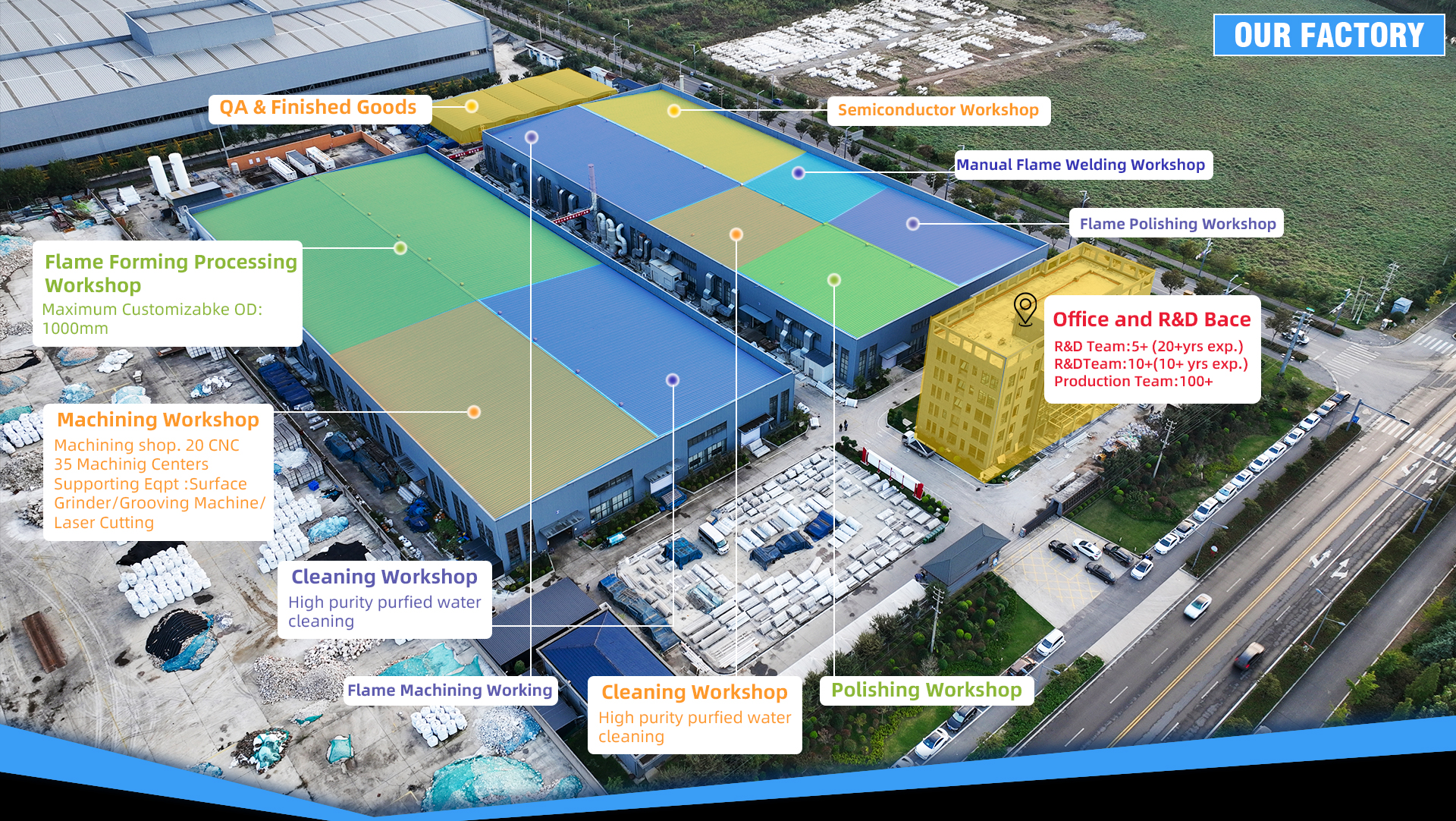

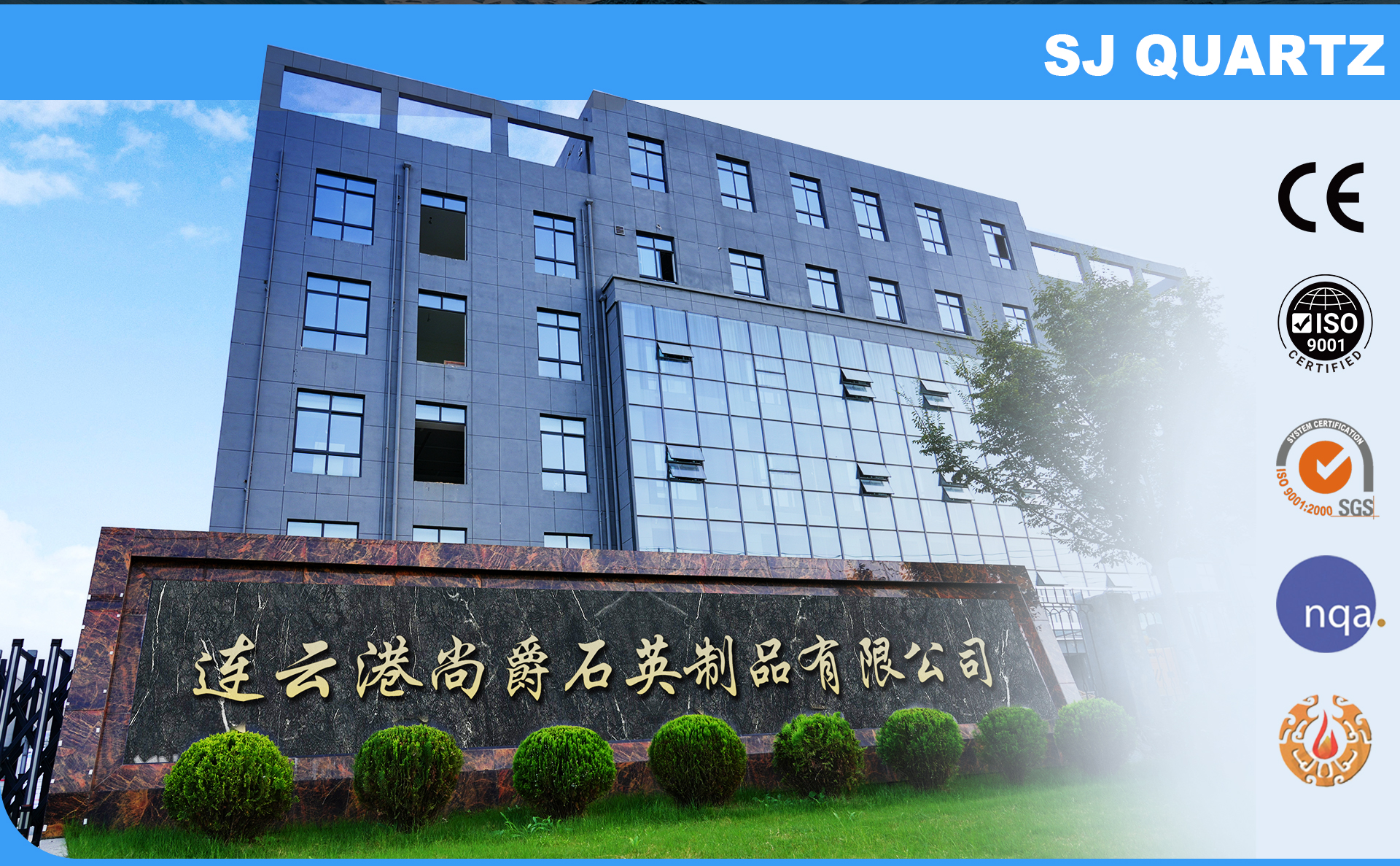
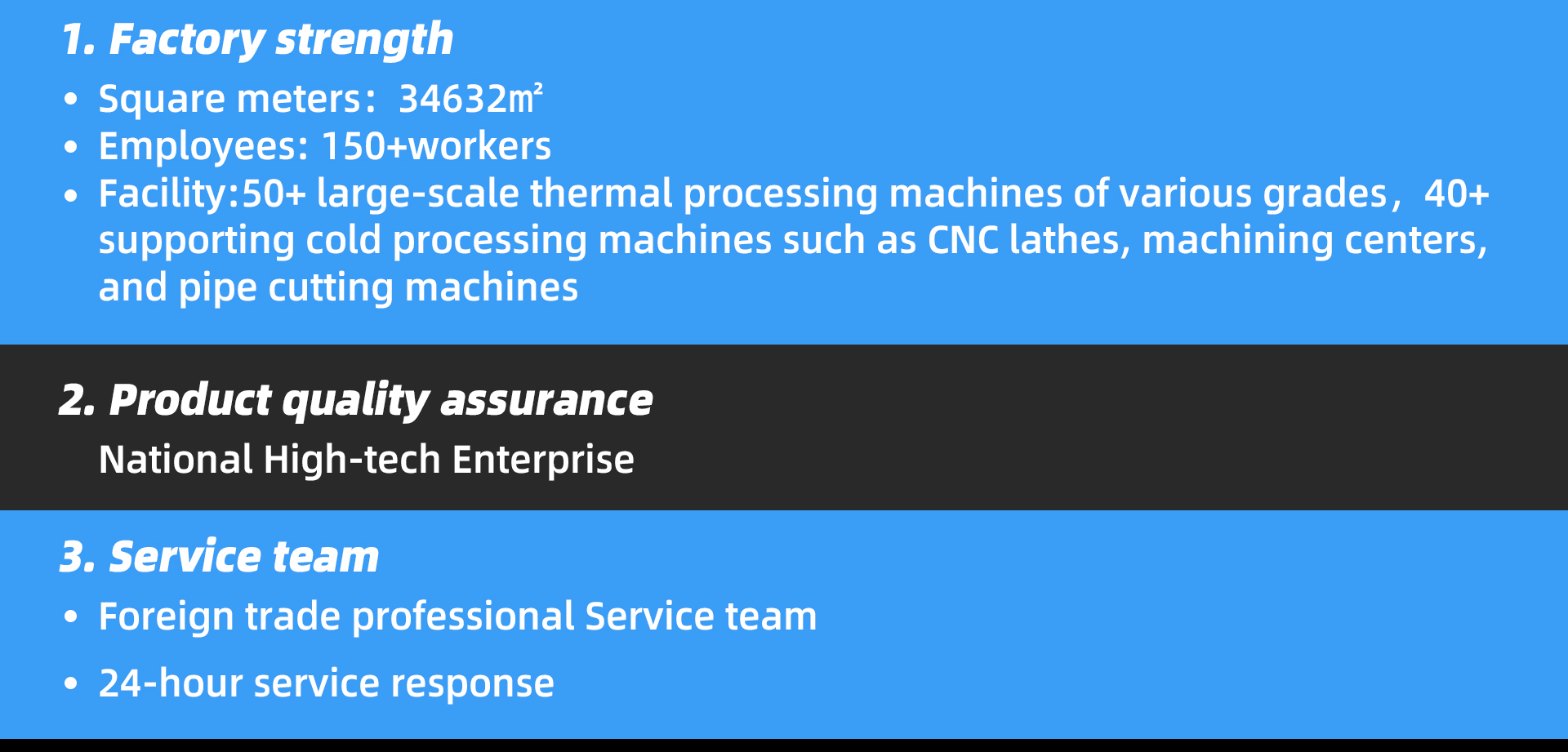
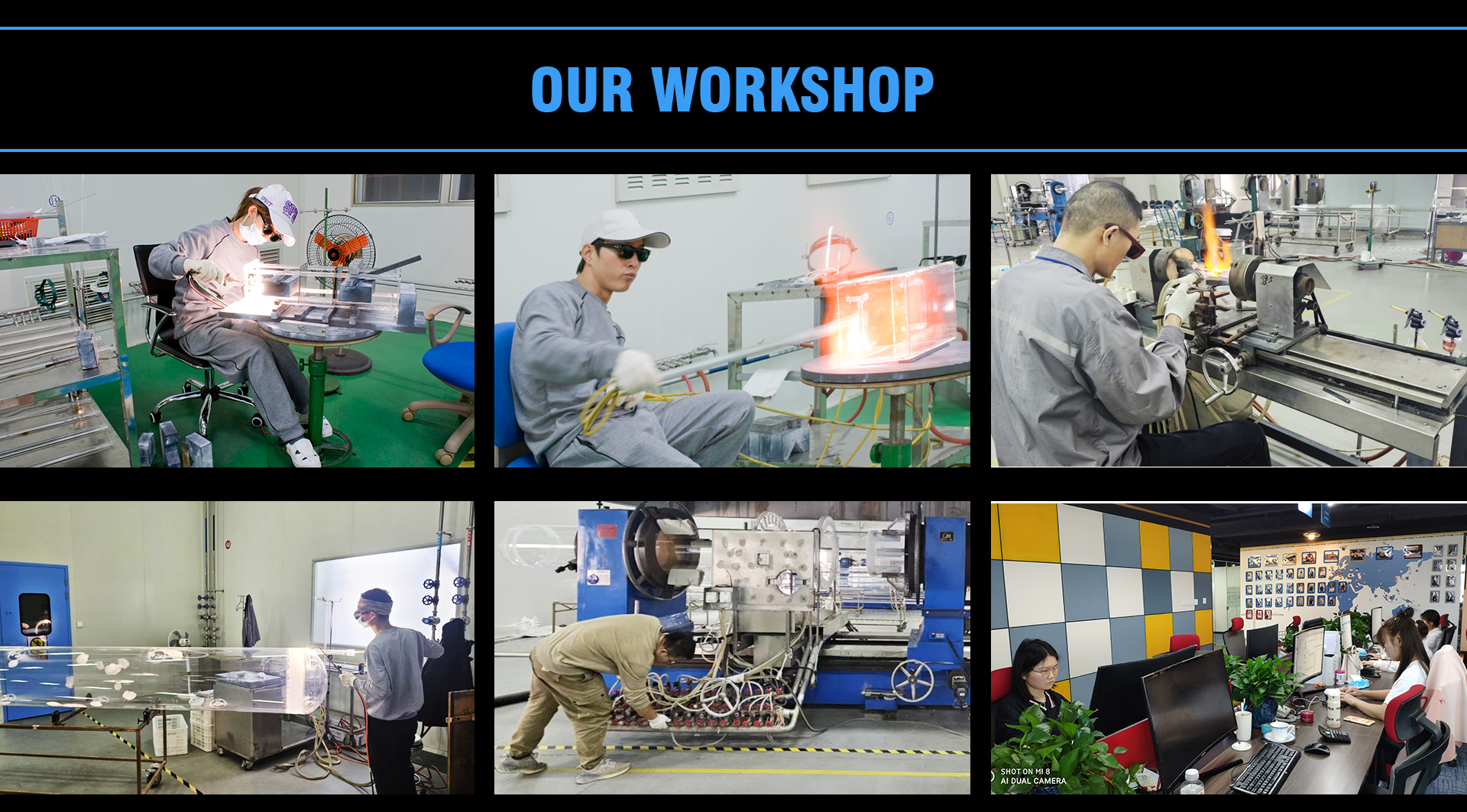

Direct geographic proximity to China’s highest grade silica sand mines guarantees consistent raw ingot chemical purity (99.999% SiO₂).
We offer 1-piece custom prototyping for specialized path lengths (0.1 mm to 100 mm), flow cells, and jacketed cells with zero setup penalties.
Our fusion kilns bind optical window plates into a monolithic piece without adhesives, guaranteeing complete acid, alkali, and solvent immunity.
Packaged in custom molded ESD-safe foam caskets, hermetically sealed, and encased in wooden crates designed for global air freight transit.
Frequently Asked Questions: Sourcing Quartz to Košice, Slovakia
Direct answers from our international engineering and trade compliance team addressing logistics, customs, material selection, and DIN standards for Slovak laboratory purchasers.
Connect Directly with Our Quartz Glass Optics Engineers
Looking to replace high-cost distributor cuvettes with factory-certified synthetic silica cells, or require a specialized custom-machined optical cell for your laboratory in Košice? Our technical engineering team reviews optical path tolerances, material transmission criteria, and drawings within 24 hours.
Get a Quote