High-Performance Quartz Glass Blocks & Fabricated Assemblies
Direct foundry supply featuring drawing-based CNC cold cutting, optical surface lapping, precision fire-polishing, and controlled dehydroxylation for Northern Denmark's demanding engineering projects.
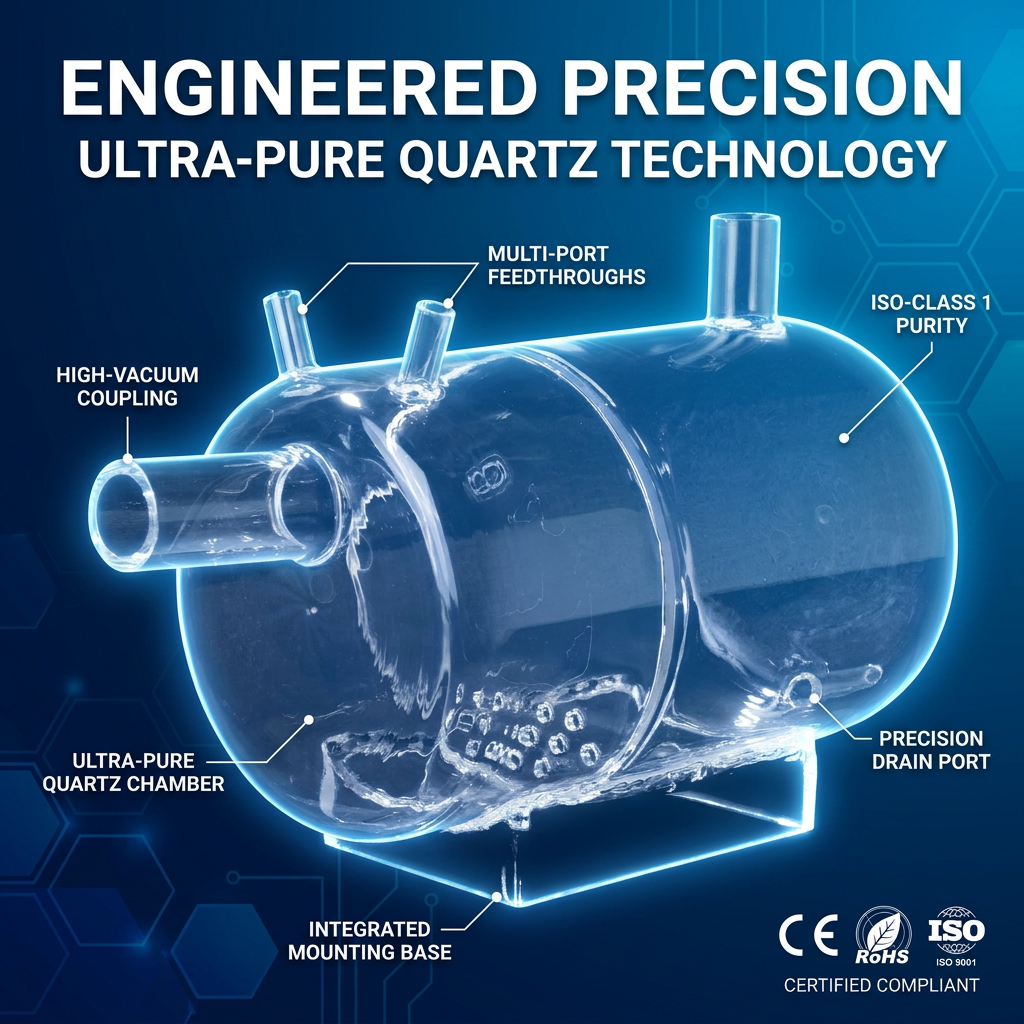
- Purity: 99.99% – 99.999% trace elemental standard
- Applications: Acid fractionation, chemical vapor handling
- Micro-machined interfaces with zero-leak ground joints
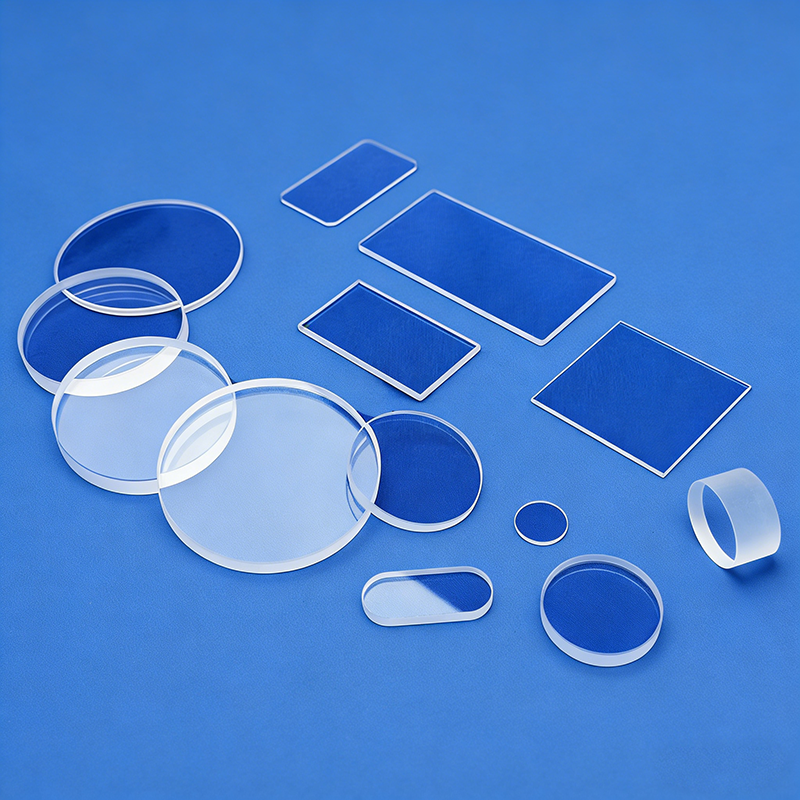
- Material: Translucent & opaque sintered natural silica
- Service Temp: Continuous operations at 1100°C
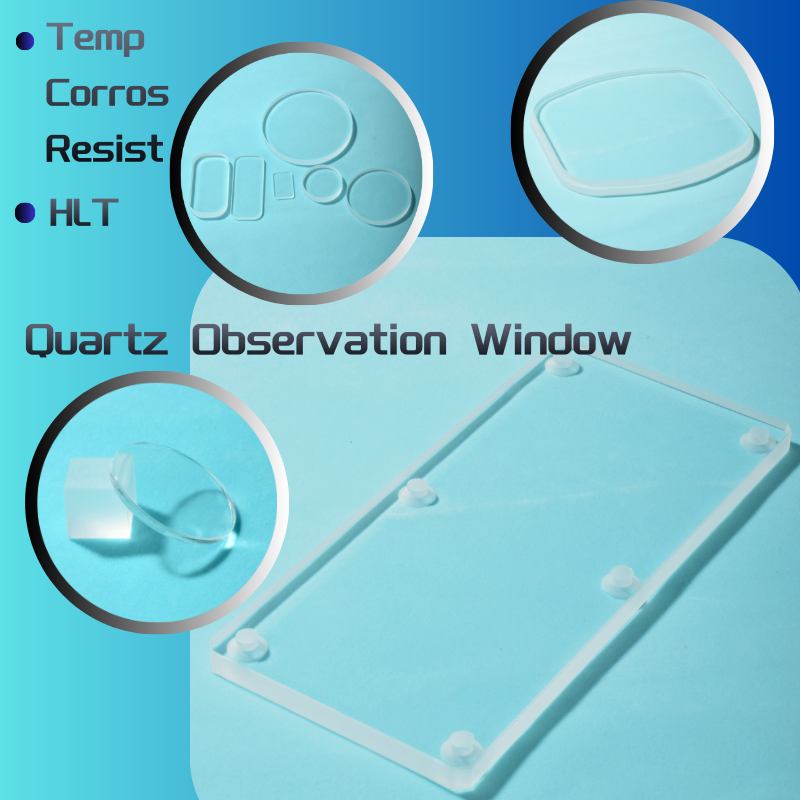
- Dimensional profile: Custom cut flat billets and slabs
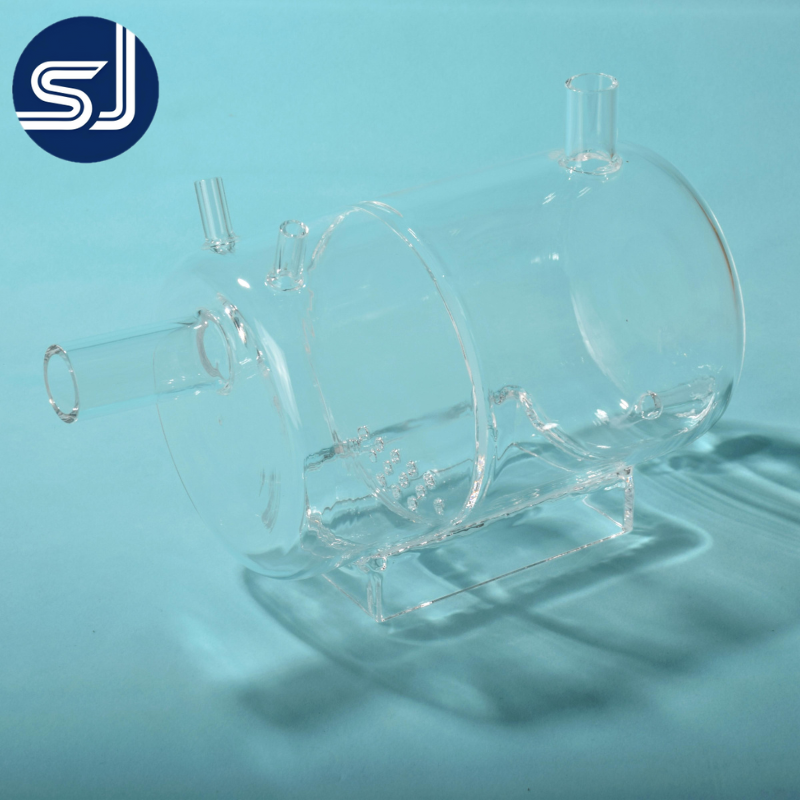
- Thermal Shock: Withstands 1100°C water quenching
- Optical Transmittance: >85% across visible spectra
- Welding: Crack-free hydrogen flame hermetic joins
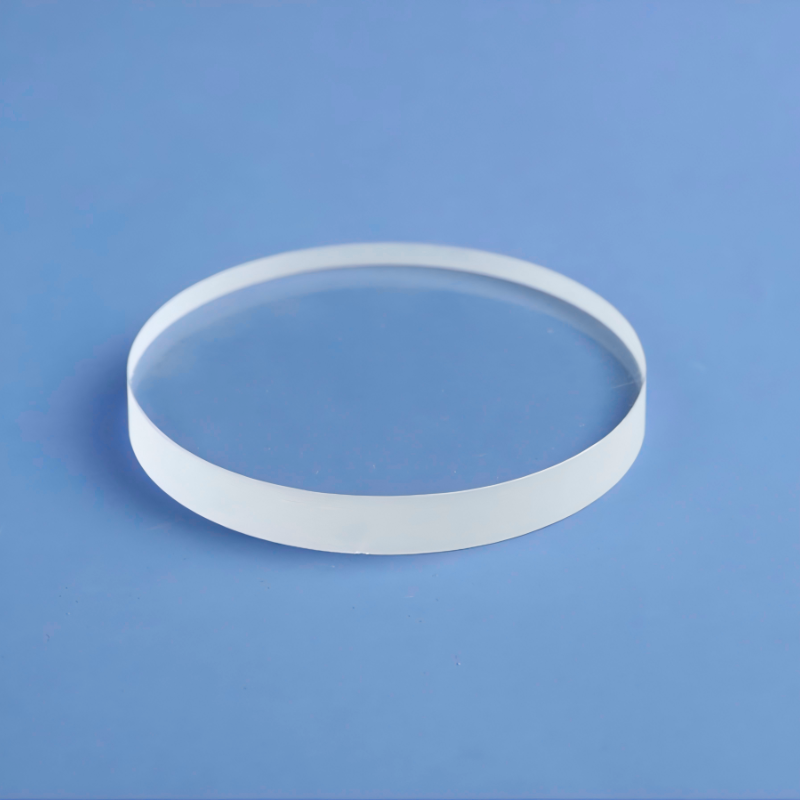
- Surface Finish: Precision 60/40 to 20/10 scratch-dig
- Wavefront Distortion: λ/4 per 25mm aperture
- Customization: CNC chamfering, step polishing
- Mohs Hardness: 5.5 – 6.5 abrasive scratch resistance
- Transmission Band: 260 nm – 2500 nm broad window
- Edge Profile: Double-bevel ground, ultrasonic cleansed
- Resistance: Highly inert to mineral acids (except HF)
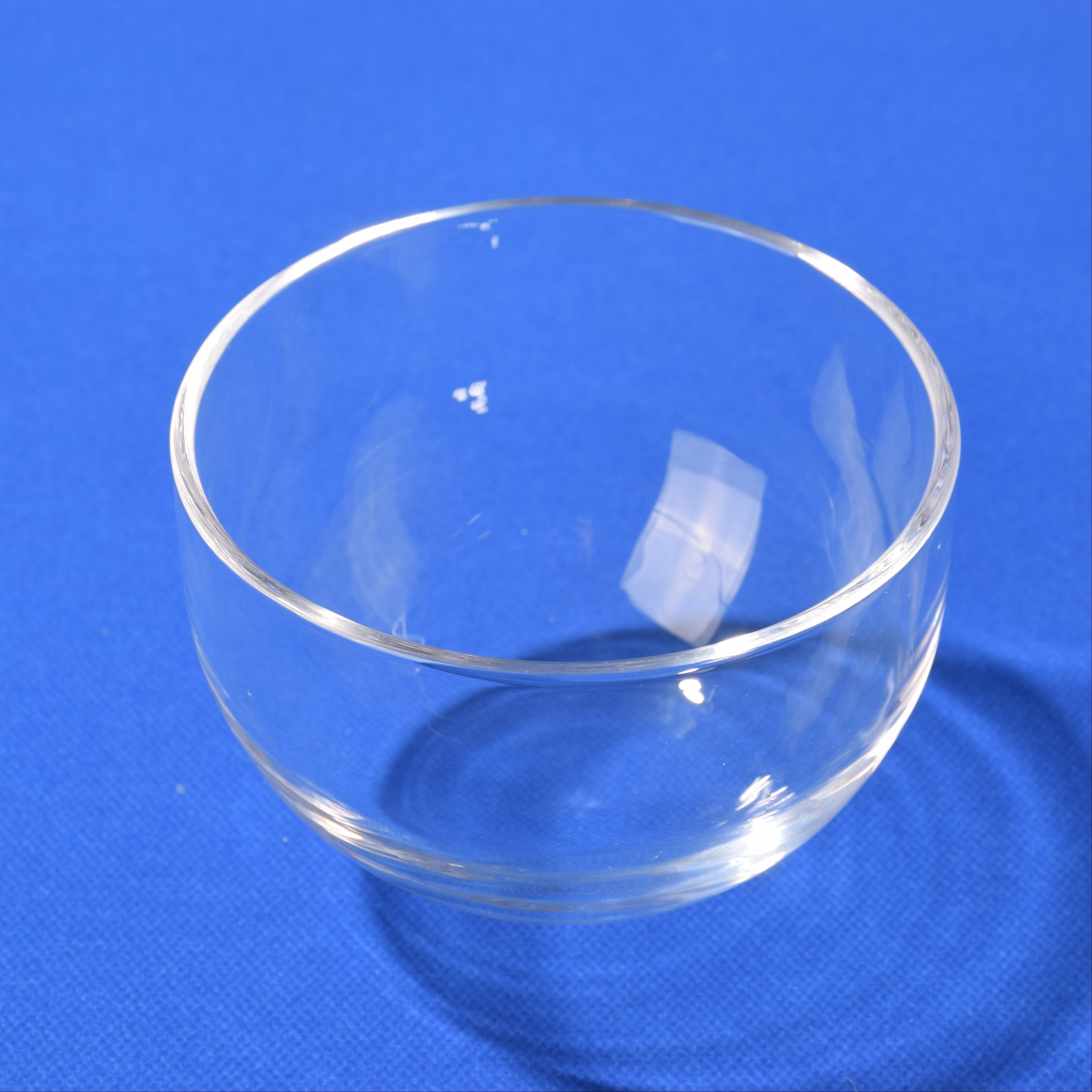
- Form: Domed closed-end beakers, sintered baskets
- Filtration: 200 mesh integrated porous disc options
- Mechanical: High tensile rupture modulus (48 N/mm²)
- Softening Temp: 1683°C structural transition point
- Melt Integrity: Bubble-free vacuum casting fabrication
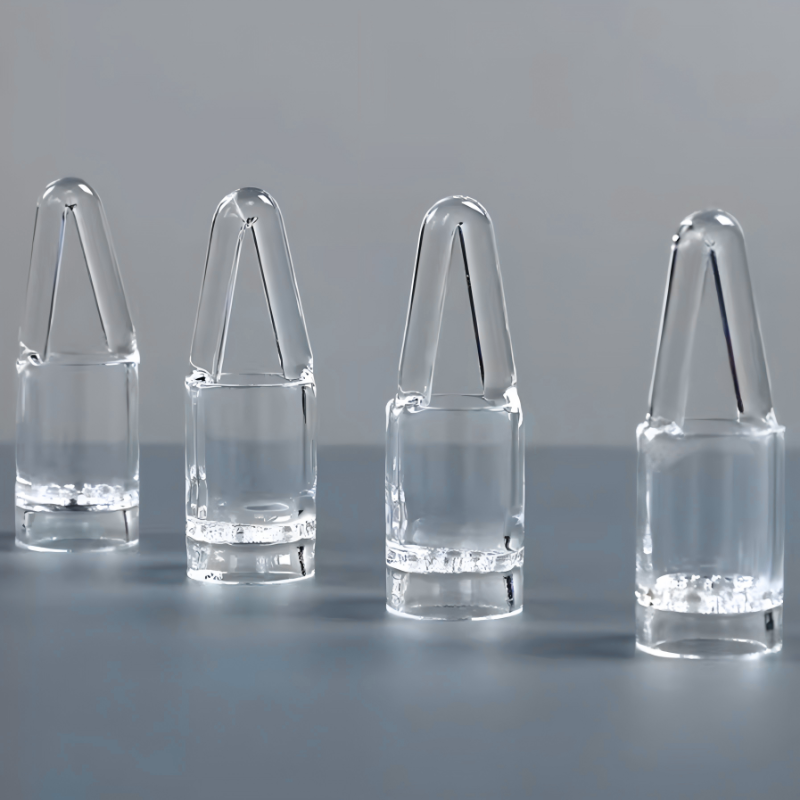
- Hermetic Seal: High-vacuum vacuum flame tip ampoules
- Grade: Ozone-free doped silica / UV clear options
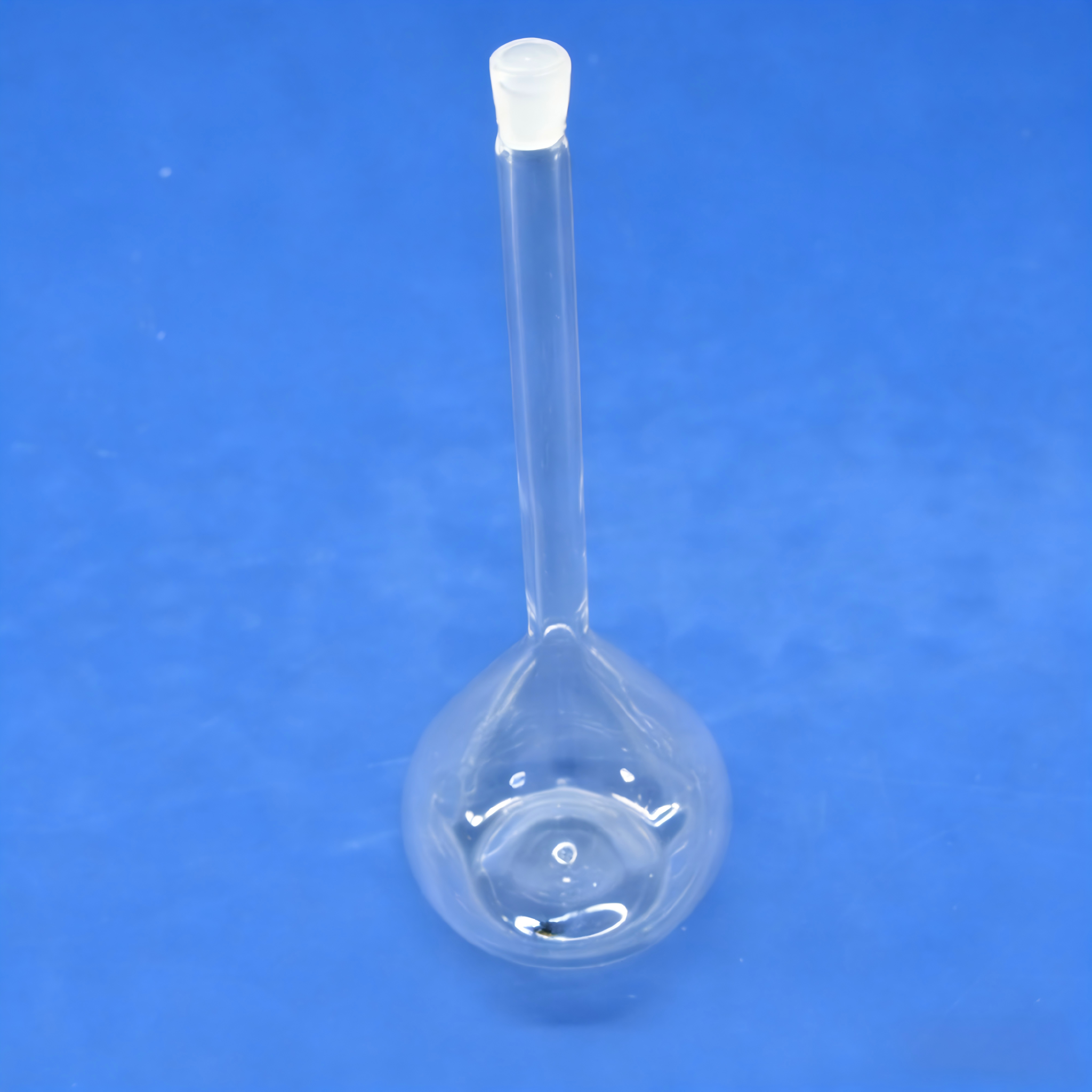
- Custom: CNC precision necks, multi-port flasks
1. Technical Whitepaper: Material Integrity & Fused Silica Block Engineering
For chemical plant managers, optical systems integrators, and academic researchers in Aalborg and the wider North Denmark Region (Region Nordjylland), sourcing industrial quartz glass blocks requires rigorous verification of material purity, thermal phase stability, and dimensional precision. Unlike standard borosilicate or soda-lime glass, engineered fused quartz blocks represent an amorphous, high-purity single-component silica ($SiO_2$) system that exhibits unparalleled thermo-mechanical performance.
Our raw material baseline originates in the internationally celebrated Donghai mineral corridor in Jiangsu, China—a hub supplying more than 70% of the world's natural high-purity quartz crystal feedstocks. At our manufacturing facility, Lianyungang Vulra Quartz Products Co., Ltd., natural quartz rock is crushed, magnetically de-ironed, froth-floated, and acid-leached into silicon dioxide sands possessing less than 15 ppm total metallic impurities (Al, Fe, Ca, Mg, Na, K, Li). This raw feed is electrically fused in specialized vacuum furnaces at temperatures exceeding 2000°C to manufacture dense, bubble-free fused quartz blocks and ingots.
Engineering Core Insight: The structural reliability of a quartz glass block operating above 1000°C is governed by its hydroxyl (OH⁻) radical content and thermal strain relief. Vulra Quartz integrates two-stage vacuum dehydroxylation and high-temperature electric annealing (soaking at 1150°C followed by a controlled 2°C/min ramp down) to eliminate interior thermal stress, keeping internal residual birefringence below 5 nm/cm for high-precision optical and sight-window deployments.
The resulting amorphous vitreous silica provides exceptional properties: an extraordinarily low linear coefficient of thermal expansion ($5.5 \times 10^{-7} \text{ K}^{-1}$ between 20°C and 320°C), immune to fracture under rapid cyclic heating; an electric dielectric strength exceeding 25 kV/mm at room temperature; and chemical inertness against concentrated hydrochloric, sulfuric, and nitric acids at elevated temperatures.
| Physical / Chemical Property | Vulra Semiconductor Fused Quartz | Vulra Optical Fused Silica (JGS1/JGS2) | Standard Borosilicate 3.3 |
|---|---|---|---|
| SiO₂ Chemical Purity | ≥ 99.995% | ≥ 99.999% (Synthetic / Spec. Grade) | ~ 80.5% (with B₂O₃, Na₂O, Al₂O₃) |
| Transformation Softening Point | 1683 °C | 1730 °C | 825 °C |
| Continuous Max Working Temp. | 1100 °C | 1200 °C | 450 °C |
| Short-Term Peak Thermal Limit | 1450 °C | 1500 °C | 500 °C |
| Thermal Expansion (20-300°C) | 5.5 × 10⁻⁷ K⁻¹ | 5.1 × 10⁻⁷ K⁻¹ | 33 × 10⁻⁷ K⁻¹ |
| Tensile Strength Modulus | 48 N/mm² | 52 N/mm² | 35 N/mm² |
| Internal Bubble Class (ISO 10110) | Class 1–2 (Virtually Striae-Free) | Class 0 (Laser Optical Certified) | Industrial Standard Commercial |
2. Localized Application Scenarios Across Aalborg’s Industrial Ecosystem
Aalborg serves as Denmark's pivotal heavy manufacturing, green transition, and academic engineering center. Modern industrial processes throughout the Limfjord basin demand severe-service quartz glassware, refractory blocks, and optical components tailored to unique operating parameters.
AAU Power-to-X & Green Hydrogen Test Rigs
Researchers at Aalborg University's Department of Energy utilize our high-purity quartz reaction vessels, electrolyzer sight cells, and quartz separation columns. Fused silica’s thermal endurance and non-leaching characteristics ensure precise electrochemical diagnostics in high-temperature solid oxide electrolysis cells (SOEC) and catalytic fuel synthesis.
Cement Kiln Pyrometry & Thermal Sight Ports
Aalborg Portland operates some of the world's most advanced mineral calcination kilns. Our optical-grade quartz observation window plates and heavy-duty quartz blocks resist abrasive calcined dust, severe thermal radiance, and volatile sulfur-chloride gases, safeguarding infrared pyrometers and optical combustion sensors at process temperatures over 1200°C.
Maritime Cleantech & Water Ballast Systems
Northern Jutland’s maritime cluster engineers ballast water disinfection and exhaust gas scrubber monitoring units. We supply ozone-free doped quartz sleeves and deep-UV fused silica plates capable of withstanding saltwater pressure, aggressive vibration, and intense ultraviolet output without optical degradation or solarization.
Industrial Biotechnology & Enzymatic Reactors
Biochemical synthesis facilities near the Port of Aalborg rely on our semiconductor-grade separating flasks, quartz distillation beakers, and multi-port reaction manifolds. With neutral pH stability and near-zero heavy metal extraction, our quartz ware guarantees uncontaminated enzyme formulation and microbial purification.
Optical Metrology & Laser Material Processing
Advanced manufacturing labs and automation system builders utilize Vulra Quartz optical flats and prisms as beam-splitter blocks, UV laser windows, and laser protection barriers. Exceptional homogeneity, low wavefront distortion, and high damage thresholds ($>10 \text{ J/cm}^2$ for 1064nm 10ns pulses) ensure long service life.
High-Temperature Laboratory Sintering & XRD
Materials research facilities testing battery cathodes and superalloys deploy our customized furnace boats, XRD quartz sample discs, and clear crucible bowls. These vessels avoid unwanted background diffraction peaks, preserve specimen stoichiometry, and resist thermal deformation during 1100°C calcination cycles.
3. Strategic Market Trends Shaping Quartz Procurement in Aalborg & Denmark
As Denmark targets a 70% reduction in greenhouse emissions by 2030 and complete climate neutrality by 2045, industrial procurement patterns in Northern Jutland are shifting rapidly. Fused quartz is transitioning from a traditional laboratory commodity to a strategic enabler of green energy infrastructure and zero-defect optical testing.
A. Acceleration of Power-to-X and Hydrogen Gasification
Aalborg's position as a testbed for the Danish hydrogen economy has spurred significant demand for customized fused silica reactors. High-temperature steam electrolysis units require transparent inspection chambers capable of containing reactive hydrogen and pressurized steam at temperatures exceeding 800°C without gas embrittlement. Standard visual sight glasses cannot withstand this environment; only high-purity quartz blocks with micro-polished sealing faces deliver the necessary mechanical integrity.
B. Circular Engineering & Component Longevity
Danish corporate buyers increasingly focus on total cost of ownership (TCO) and ESG sustainability standards. Procurement engineers require quartz products that offer extended thermal lifetimes before devitrification occurs. By providing high-density fused quartz with minimal alkali contamination (which accelerates cristobalite crystallization at high temperatures), Vulra Quartz extends component replacement intervals by up to 40% across cement kiln and sintering operations.
C. Stringent Traceability and REACH/RoHS Mandates
Supply chain transparency has become paramount for Danish importers dealing directly with the Danish Working Environment Authority (Arbejdstilsynet) and the Danish Safety Technology Authority (Sikkerhedsstyrelsen). Importers must verify that optical and lab glassware contains zero restricted heavy metals or SVHCs (Substances of Very High Concern). Verified testing reports, including full chemical spectrographic analysis and CE marking, have become fundamental prerequisites for entering the Danish supply chain.
Enterprise Strengths & Export Verification
Combining Donghai’s world-class raw crystal supply chain with precision CNC fabrication, independent third-party certification, and specialized Nordic logistics management.
TÜV Rheinland Audited Facility
Our production facilities, hot-working flame benches, and quality control systems are independently verified on-site by TÜV Rheinland, ensuring full transparency in legal standing, production lines, and export capabilities.
1-Piece Prototyping (OEM/ODM)
We understand that university researchers and equipment designers in Aalborg often need rapid prototyping. We accept CAD drawing-based custom orders starting from 1 piece, offering dedicated technical reviews before cutting starts.
Full Hot & Cold Processing
From 5-axis diamond CNC cutting, ultrasonic drilling, and optical surface polishing to high-temperature oxy-hydrogen lathe welding, flame bending, and closed-end dome fabrication, all processes are executed under one roof.
Certified European Compliance
Every product line complies with EU RoHS directives (2011/65/EU) and CE marking standards. EN 10204 3.1 chemical inspection certificates and dimensional inspection protocols accompany every export shipment.
Zero-Damage Export Packaging
Fragile quartzware requires heavy-duty transit protection. Our items receive ultrasonic cleaning, individual PE vacuum sealing, multi-layered custom EPE shock foam, and reinforced plywood crating built for international multimodal freight.
Direct Danish Multimodal Logistics
We manage direct air express delivery (DHL, FedEx, UPS) to Aalborg (AAL) within 4–6 business days for critical replacements, as well as consolidated maritime container freight arriving via Port of Aarhus or Port of Aalborg.
Frequently Asked Questions: Sourcing Quartz Glass Blocks in Aalborg
Direct technical and logistical answers to help Aalborg buyers, procurement officers, and project engineers navigate custom specifications, import customs, and compliance.
What dimensional tolerances can you maintain on custom-cut quartz blocks?
For standard ground quartz glass blocks and slabs, our baseline dimensional tolerance is ±0.10 mm. With precision optical CNC diamond lapping and surface grinding, we achieve tolerances of ±0.02 mm on linear dimensions, angular orthogonality within 1 arcminute, and flatness across optical surfaces up to λ/4 per 25 mm diameter.
How are Danish import tariffs and customs clearance (Toldstyrelsen) handled?
Fused quartz blocks and laboratory glassware typically import under EU Combined Nomenclature (HS) codes 7002.31.00 (tubes of fused quartz/silica), 7002.39.00, or 7017.10.00 (laboratory glassware of fused quartz). Shipments include clean commercial invoices, detailed packing lists, and certificates of origin for swift clearance via Danish customs at Port of Aalborg, Aarhus, or Copenhagen.
What is the operational difference between natural fused quartz and synthetic fused silica?
Natural fused quartz is smelted from high-purity natural quartz sand (99.99%+ $SiO_2$), offering outstanding mechanical strength and high-temperature creep resistance up to 1100°C—ideal for furnace sight glasses and crucibles. Synthetic fused silica is produced by chemical vapor synthesis of silicon tetrachloride ($SiCl_4$), yielding near-zero metallic impurities and exceptional transmission down into the deep ultraviolet spectrum (190–260 nm).
Can you produce parts directly from STEP, DWG, or PDF CAD drawings?
Yes. Our engineering department works with standard 2D and 3D design files (AutoCAD DWG/DXF, STEP, IGES, SolidWorks, and dimensioned PDF prints). Before initiating CNC programming or flame fabrication, we perform a complimentary engineering feasibility review to verify thermal stress factors, wall-thickness integrity, and edge chamfers.
How do you guarantee that optical or furnace blocks won't shatter during rapid heating?
Because fused quartz has an ultra-low thermal expansion coefficient ($5.5 \times 10^{-7} \text{ K}^{-1}$), it can safely withstand sudden temperature fluctuations across an 1100°C gradient without breaking. We ensure all hot-worked parts undergo full annealing at 1150°C to release residual cooling stresses, followed by polariscope optical birefringence verification.
What is your typical lead time for delivering custom quartz parts to Aalborg?
Custom prototype fabrications (1–10 pieces) typically require 7–12 working days for precision CNC cutting, edge grinding, flame polishing, and annealing. Express priority air shipping to Aalborg takes 4–6 business days. For volume recurring container orders, ocean freight to Port of Aarhus or Aalborg takes approximately 28–35 days.
Ready to Engineer Your Quartz Solution for Aalborg?
Send us your dimensional drawings, temperature operating thresholds, or material purity specifications. Our senior quartz processing engineers will review your file and provide an actionable, itemized quotation within 24 hours.