Engineered Quartzware for Advanced Crystallographic Analysis
Browse our hot-selling custom fused silica components, zero-background diffraction plates, and corrosion-resistant reaction containers routinely specified by materials science laboratories across Havana.
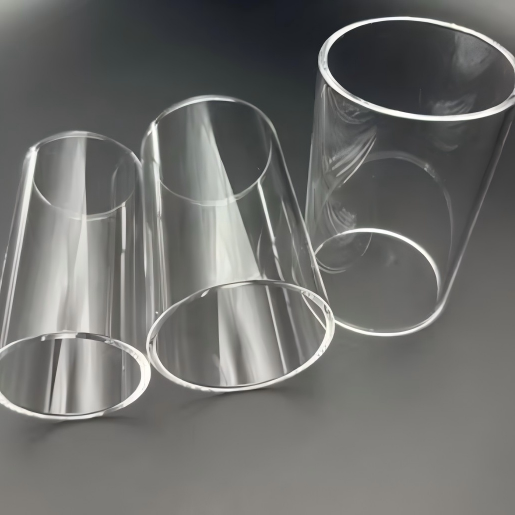
One End Closed Quartz Tube (5–800mm)
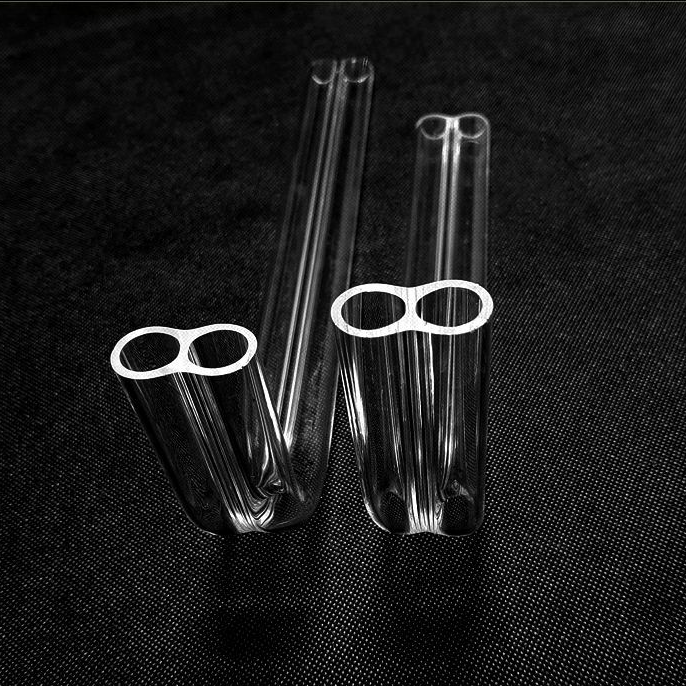
99.999% Fused Quartz Right-Angle Elbow
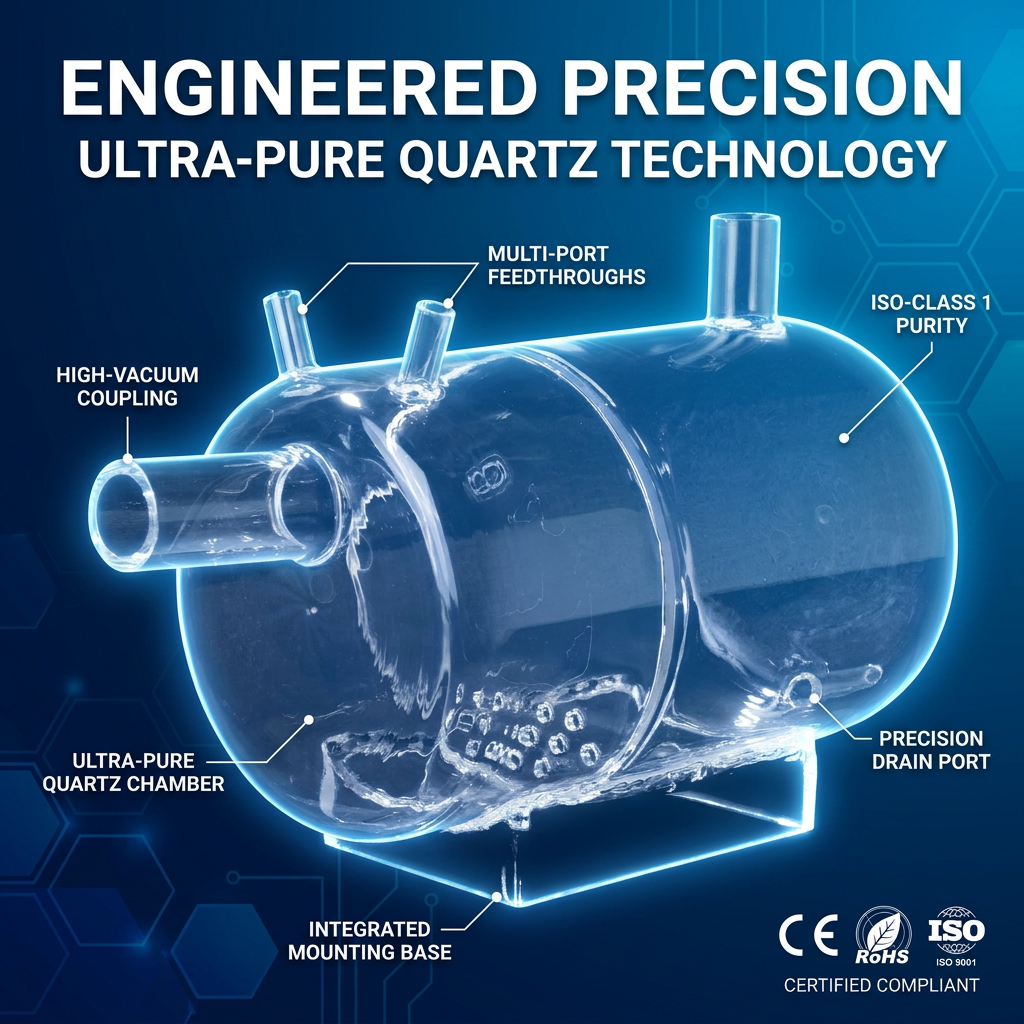
Semiconductor Quartz Separating Vessel
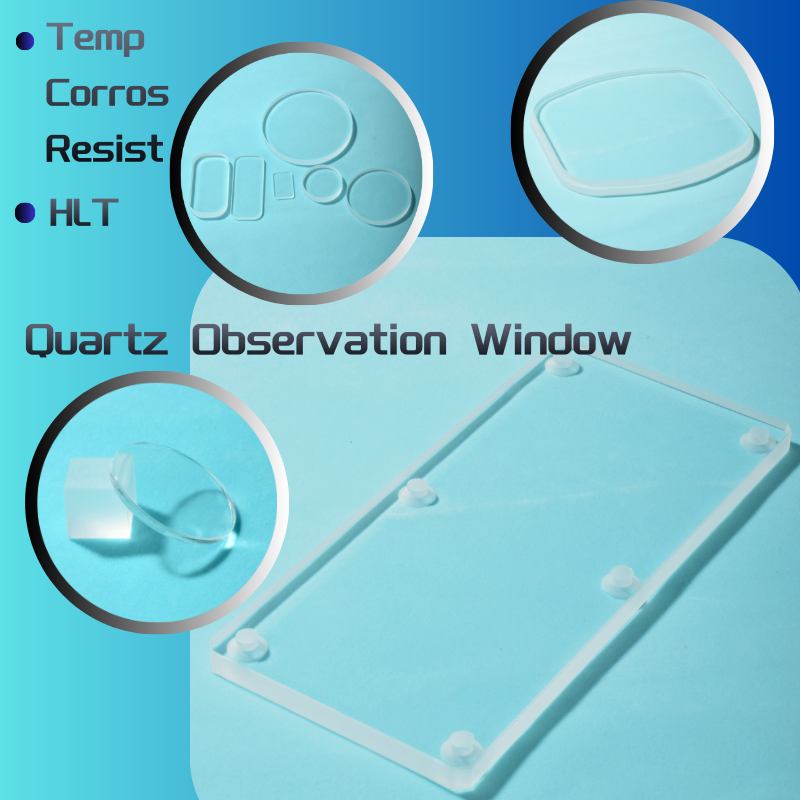
Optical Clear Polished Fused Quartz Plate
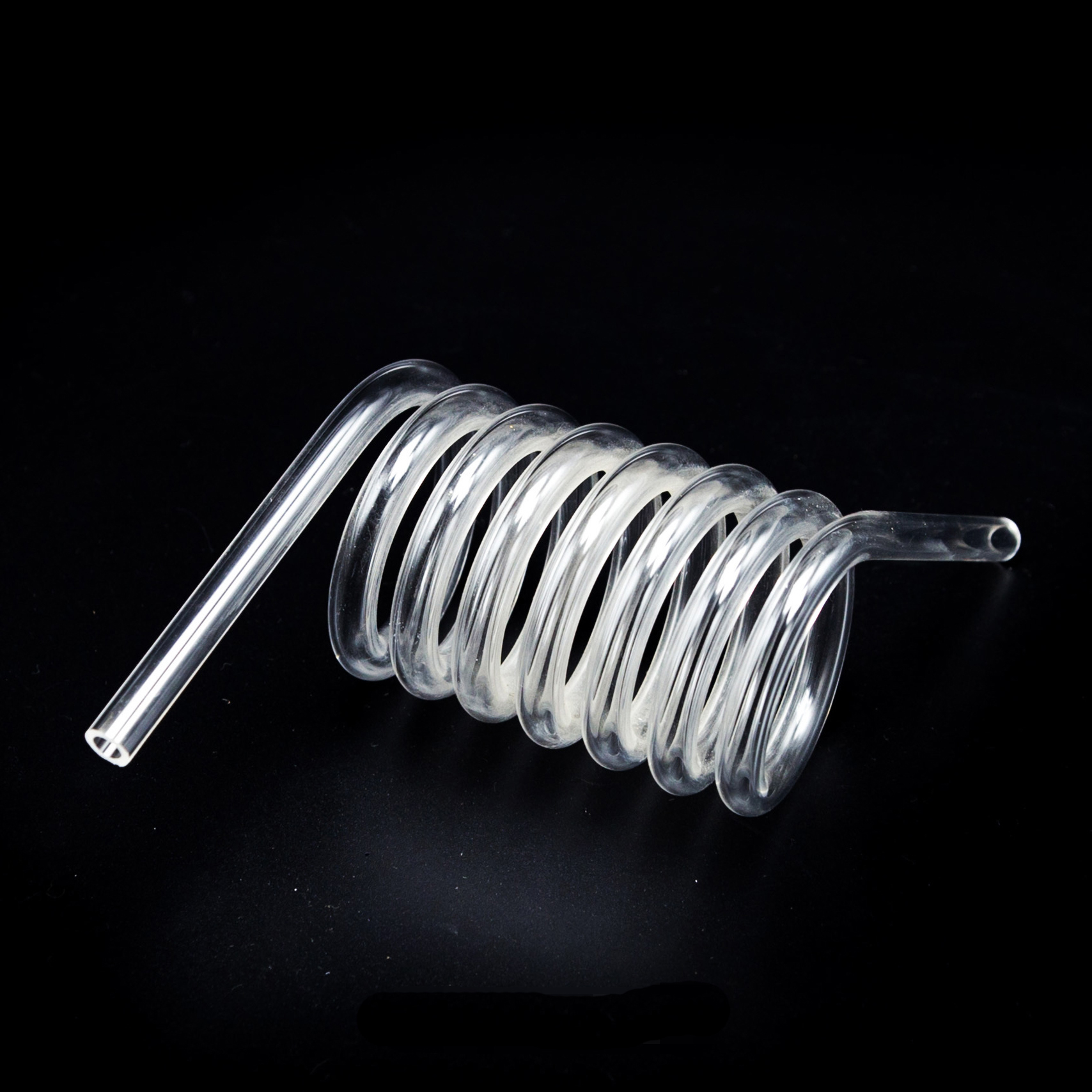
Custom C-Shape & Spiral Bent Quartz Tubes
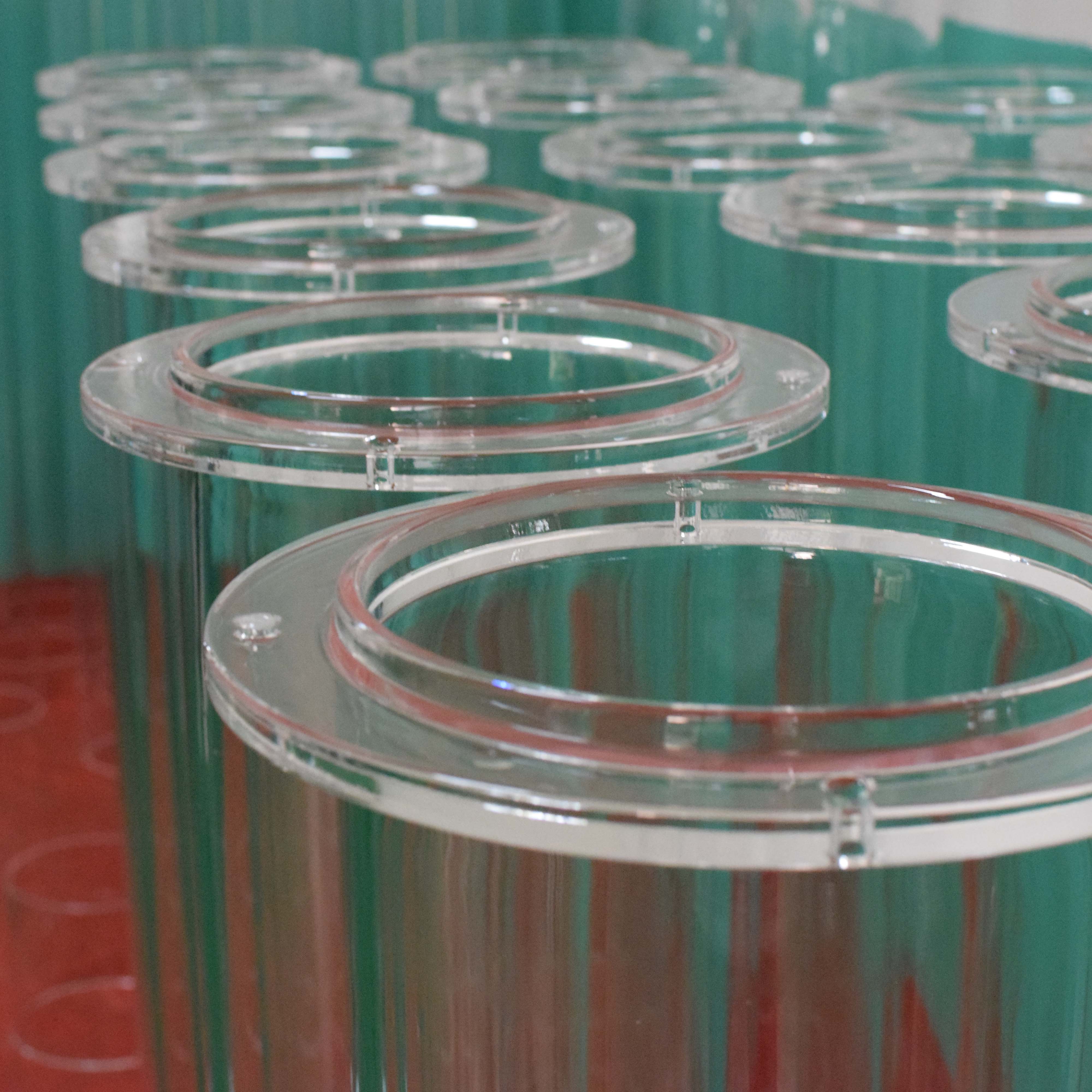
Flanged Single-Crystal / Fused Quartz Tube
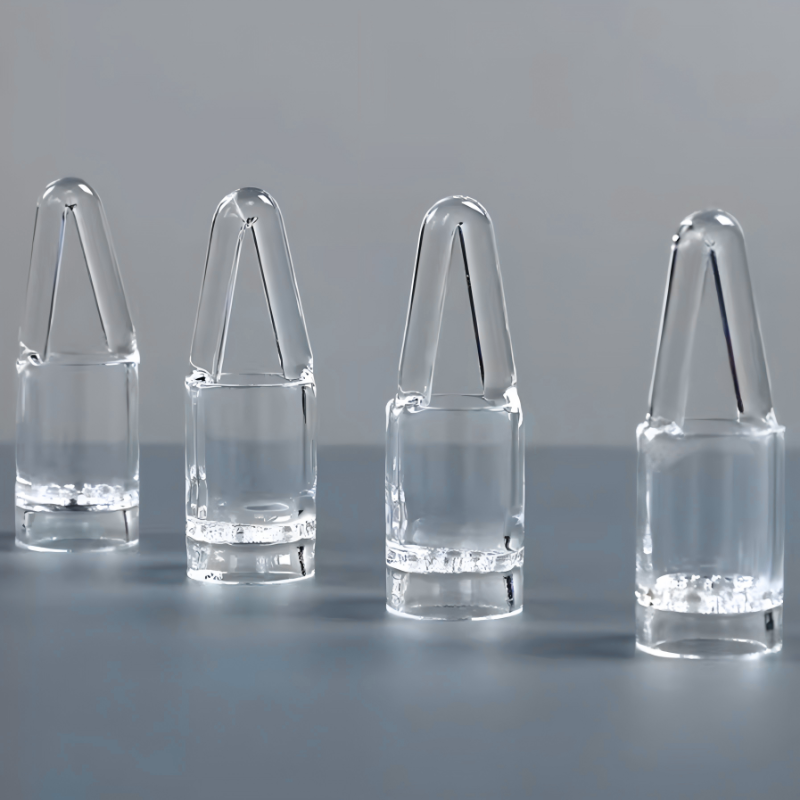
Acid-Resistant Fused Quartz Crucible
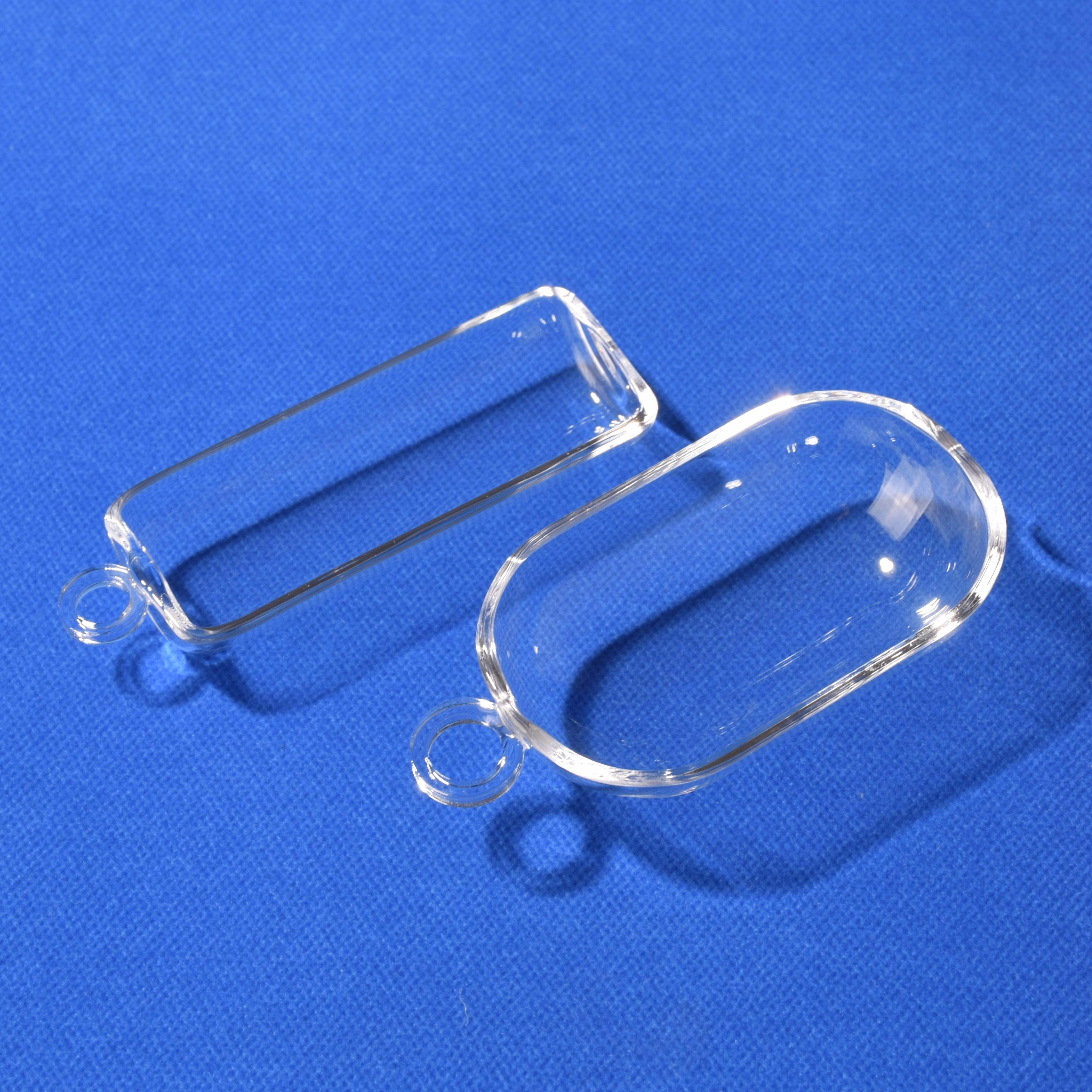
Semi-Circular Flat Bottom Quartz Furnace Boat
Engineering Principles of Zero-Background Quartz XRD Sample Holders
Understanding crystallographic orientation, amorphous scatter suppression, and surface flatness optimization for X-Ray Powder Diffraction (XRPD) in analytical laboratories.
Eliminating Background Interference in Low-Angle (2θ) Scans
Standard glass slides and conventional polymer mounts produce a massive amorphous "halo" between 15° and 35° 2θ under standard Copper Kα (λ = 1.54060 Å) radiation. For research chemists and mineralogists working with sub-milligram sample quantities, nano-crystalline pharmaceuticals, or low-density porous coordination polymers (MOFs), this background noise completely swamps critical Bragg reflections.
Our engineered XRD quartz sample holders utilize synthetic fused silica cut along non-diffracting crystallographic planes or ultra-homogeneous fused quartz blanks polished to sub-nanometer roughness (Ra < 0.5 nm). This prevents parasitic diffuse scattering, allowing researchers in Havana to obtain baseline noise levels under 5 counts per second across critical diffraction bands.
Zero-Displacement Error & Cavity Depth Micro-Machining
Diffraction peak positions (θ) are governed by the Bragg condition: nλ = 2d sinθ. Any specimen displacement off the focusing circle of a Bragg-Brentano diffractometer creates severe peak shifts: Δ2θ = -2s(cosθ)/R, where s is specimen displacement and R is goniometer radius. This artifact leads to erroneous lattice parameter calculations and phase misidentification.
Vulra Quartz manufactures XRD plates with micron-accurate custom cavities (depths calibrated from 0.1 mm, 0.2 mm, 0.5 mm up to 2.0 mm, with tolerances of ±0.005 mm). By mechanically locking specimen surfaces flush with the reference plane of standard Bruker, Malvern Panalytical, and Rigaku goniometers, specimen displacement errors are virtually eliminated.
| Substrate Parameter | Vulra Synthetic Fused Silica (Zero-Background) | Natural Fused Quartz (Optical Grade) | Standard Laboratory Borosilicate Glass |
|---|---|---|---|
| SiO₂ Purity Grade | ≥ 99.999% (Synthetic Chemical Precursor) | ≥ 99.99% (Donghai Natural Crystal) | ≈ 80% (Na₂O-B₂O₃-Al₂O₃-SiO₂) |
| Diffraction Background Halo | Zero Bragg peaks, extremely suppressed baseline | Low baseline, minimal diffuse scatter | Massive amorphous hump at 18°–32° 2θ |
| Continuous Thermal Limit | 1100°C (Short term up to 1450°C) | 1100°C (Softening point 1683°C) | ≈ 480°C - 500°C |
| Surface Parallelism & Flatness | λ/4 to λ/10 per 25mm diameter | λ/2 per 25mm diameter | Industrial commercial (Wavy, Ra > 10 nm) |
| Tropical Humidity Resistance | Immune to water vapor leaching & fungal bloom | Immune to chemical corrosion & tropical humidity | Susceptible to sodium leaching and glass haze |
| X-Ray Absorption Edge Noise | Ultra-low Fe, Ni, Co metallic trace (< 0.1 ppm) | Trace metals strictly controlled (< 5 ppm) | Contains Fe, B, Na traces causing fluorescence |
Strategic Applications in Cuba’s Science & Industrial Sectors
From state-of-the-art biopharmaceutical formulation at BioCubaFarma to high-temperature metallurgy and Caribbean marine corrosion testing, high-purity quartzware underpins Havana’s scientific independence.
Pharmaceutical Polymorph Screening & API Formulation
Cuba's pharmaceutical sector is internationally celebrated for advanced vaccines, monoclonal antibodies, and synthetic medications developed across West Havana's scientific pole. Accurate polymorphism detection in Active Pharmaceutical Ingredients (APIs) is mandatory for regulatory compliance, bio-availability verification, and international patent clearance.
Our shallow-cavity (10μm–50μm) quartz sample holders allow researchers to test minuscule amounts of scarce, high-value synthesized compounds without background humps masking sub-5% polymorph impurities.
Geological Mineralogy & Cuban Zeolite Characterization
Cuba possesses vast mineral wealth, including nickel-cobalt laterites in Moa, bentonites, and exceptional natural zeolite deposits (clinoptilolite-mordenite). Central analytical facilities in Havana perform continuous quality control and mineral phase identification for domestic industry and overseas export.
Natural fused quartz sample wells and crucibles with high acid resistance allow digestion, thermal calcination, and quantitative Rietveld mineral refinement without introducing silica-matrix contamination or mechanical degradation.
Advanced Materials & Nanotechnology at IMRE
The Institute of Science and Technology of Materials (IMRE) at Universidad de La Habana leads cutting-edge investigations in photovoltaic thin films, multi-ferroic perovskites, and semiconductor nanostructures. These thin-film layers (under 100 nm) generate very weak diffraction signals compared to bulk materials.
Utilizing Grazing Incidence X-ray Diffraction (GIXRD), zero-background quartz optical substrates eliminate substrate reflections, ensuring that tiny shifts in crystalline interplanar spacing (d-spacing) are detected with rigorous scientific confidence.
Marine Corrosion Products & Coastal Durability
Situated directly along the Straits of Florida, Havana's marine infrastructure, historical restoration projects in Old Havana (Habana Vieja), and industrial maritime facilities suffer severe chloride-induced corrosion. Diagnosing green rust, akaganeite (β-FeOOH), and goethite requires diffraction analysis of fragile oxide flakes.
Chemically inert quartz cavity holders withstand acidic and saline corrosion products without surface etching, ensuring that historical restoration teams and coastal engineers can reuse sample substrates indefinitely.
In-Situ High-Temperature Tube Furnace Reactions
Academic researchers across Cuba study heterogeneous catalysis, solid-state battery synthesis, and decarbonated building binders requiring real-time heating under argon, nitrogen, or vacuum atmospheres. Conventional sample carriers soften or devitrify at sustained temperatures above 800°C.
Vulra's high-purity single crystal and fused quartz tubes, right-angle elbows, and flat-bottom boats withstand continuous operating regimes of 1100°C, providing exceptional thermal shock resistance during rapid gas quenching.
Environmental Toxicology & Industrial Particulates
Air-quality surveillance networks in the Havana metropolitan basin, as well as industrial zones in Mariel and Regla, sample airborne particulate matter (PM2.5 / PM10) to quantify crystalline crystalline silica and heavy metal carbonates. Regulatory monitoring demands zero substrate background.
Our flat optical discs interface directly with air-filter holders, allowing direct beam illumination on collected aerosols without manual powder scraping, completely preserving original sample geometry.
Navigating Analytical Procurement & Modernization Trends in Cuba
Strategic supply-chain solutions overcome geographic isolation, international trade friction, and tropical climate challenges for Cuban scientific buyers.
Direct Factory Sourcing vs. Third-Party Markup
Havana's research centers have traditionally relied on European or third-party Latin American trading intermediaries to source laboratory accessories. This tiered model introduces substantial markups (often 200% to 400% above production cost) and extends delivery cycles up to six months—severely straining academic budgets.
By establishing direct procurement channels with Lianyungang Vulra Quartz in Donghai, China, Cuban institutional buyers eliminate agent premiums. Furthermore, our capability to manufacture prototypes from a minimum order quantity (MOQ) of just 1 piece allows individual university departments to commission custom-engineered cavity holders for unique specimen stages without large volume commitments.
Combating Tropical Degradation in Caribbean Climates
Havana experiences average year-round relative humidity exceeding 78%, accompanied by high airborne saline concentration along the Malecón and Havana Bay. Standard optical glass, microscope slides, and inferior borosilicate labware suffer from alkali-ion hydration, surface leaching, and microbial/fungal colonization, destroying optical flatness within months.
High-purity fused quartz (99.99%+ SiO₂) is chemically inert and non-porous, featuring an exceptionally low thermal expansion coefficient (5.5 × 10⁻⁷ /°C). It remains unaffected by tropical weathering, autoclaving, or aggressive acid cleaning regimens (Aqua Regia, Piranha solution), delivering multi-year lifecycles in non-climate-controlled storage.
Direct Manufacturing Authority from China’s Crystal Capital
Lianyungang Vulra Quartz Products Co., Ltd. combines geographical raw-material supremacy, TÜV Rheinland-certified manufacturing, and drawing-based precision engineering.
Donghai Raw Material Supremacy
Located at No. 9 Dingxin Road, Jiangsu Donghai Economic Development Zone, our factory draws directly from the world's most concentrated high-purity natural silica deposits. We control raw silica crystal selection to guarantee trace metal impurities under 5 ppm across bulk runs.
TÜV Rheinland Verified Facility
Independently audited and authenticated on-site by TÜV Rheinland. Our operations hold CE and RoHS compliance certifications. Buyers in Havana receive full traceability, certified chemical inspection sheets, and material test reports (MTR) with every consignment.
Full Cold & Hot Machining Under One Roof
Our integrated plant houses diamond-wheel surface grinding, CNC ultrasonic milling for precision cavities, high-temperature hydrogen flame lathes, vacuum annealing furnaces for internal stress relief, and chemical-mechanical polishing (CMP) cleanrooms.
Bespoke OEM/ODM from Customer CAD/Drawings
Whether you require standard 25mm circular disks for Malvern Panalytical stages, 32mm plates for Bruker D8 Advance sample rings, or specialized rectangular slide mounts for Rigaku SmartLab diffractometers, our optical engineering department translates your drawings into reality within 48 hours.
Export Packaging for Long-Haul Freight
Shipments bound for Havana undergo rigorous anti-shock, anti-humidity export packaging. Each quartz sample holder is vacuum-sealed in dust-free antistatic packaging, suspended in multi-layer dense closed-cell EPE foam, and encased within export-grade reinforced fumigated wooden crates.
Responsive Technical Support & Quote Turnaround
Our sales engineering team provides full pre-order feasibility assessments, reviewing cavity depth-to-wall ratios, mechanical tolerances, and thermal profiles. We offer streamlined documentation assistance for Cuban educational and commercial procurement entities.
Frequently Asked Questions for Havana Buyers
Everything your laboratory procurement officer and scientific staff need to know regarding technical compatibility, logistics, and maintenance.
How do zero-background quartz holders eliminate diffraction peaks in Bruker or Panalytical instruments?
Zero-background quartz holders are manufactured from synthetic fused silica (completely amorphous with suppressed diffuse scatter) or single-crystal quartz sliced along an off-Bragg crystallographic plane (such as cut along the [510] or [001] axis, tilted off the lattice reflections). When irradiated by standard Cu Kα or Co Kα sources, the crystal plane satisfies no diffraction condition within the goniometer scanning range (5° to 90° 2θ). As a result, no crystalline Bragg peaks are generated, giving researchers a clean, flat baseline.
Can you customize cavity dimensions to match small sample volumes from organic synthesis?
Yes. We regularly supply Cuban pharmaceutical and university labs with micro-cavity sample holders designed for limited quantities (sub-milligram samples). Standard cavity diameters range from 5 mm to 20 mm, with depths as shallow as 0.05 mm (50 μm) or 0.1 mm. The cavity bottom is polished to optical flatness so that sample powders lay uniformly flat, avoiding absorption shadowing while maximizing X-ray beam intersection.
What is the recommended cleaning protocol for quartz sample holders between runs?
Because fused quartz has extreme chemical stability, sample holders can be cleaned with aggressive reagents that would destroy standard optical glass or polymer holders. For organic and pharmaceutical residues, wash with ethanol, acetone, or warm nitric acid (HNO₃). For inorganic salts and minerals, sonicate in mild dilute hydrochloric acid (HCl) followed by multiple rinses in deionized water (DI water). Note: Avoid hydrofluoric acid (HF) or highly concentrated boiling potassium hydroxide (KOH), as they dissolve SiO₂.
What shipping routes and documentation do you provide for consignments bound for Havana?
We provide full export documentation, including Commercial Invoices, Packing Lists with HS-codes (typically 7002.31 or 7017.10 for fused quartz labware), Certificates of Origin (CO), and TÜV material conformity declarations. Shipments can be delivered via air express (courier services to Havana via authorized international routes) for lightweight sample holders, or sea freight consolidation to the Port of Mariel (ZEDM) for larger batches of furnace tubes and quartzware.
Are Vulra Quartz sample plates compatible with automated sample changers?
Yes. We manufacture standard outer dimensions matching the spring-loaded clips and automatic magazine carousels of all major XRD instrument brands: Bruker (e.g., 51.5 mm diameter rings), Malvern Panalytical (e.g., 25 mm and 32 mm aluminum/steel ring mounts), Rigaku, and Shimadzu. We can precision-grind perimeter steps, bevels, and alignment notches according to your equipment's engineering drawings.
Can you provide high-temperature in-situ XRD heating capillary tubes?
Yes. For dynamic crystallographic phase transformation studies at elevated temperatures, we manufacture thin-walled high-purity quartz capillaries (outer diameter 0.3 mm to 1.5 mm, with wall thicknesses down to 0.01 mm). These capillaries feature minimal X-ray beam absorption and withstand temperatures up to 1100°C under continuous heating cycles inside Anton Paar or Rigaku environmental heating stages.
Ready to Upgrade Your Havana Laboratory’s Diffraction Accuracy?
Send your CAD drawings, dimensional specifications, or instrument model requirements directly to our optical engineering group. We provide technical feasibility assessments and competitive factory pricing within 24 hours.