Featured Precision Fused Quartz & Optical Components
High-durability optical windows, reaction tubes, crucibles, and specialized quartzware tailored for industrial buyers across Rotterdam and the wider Benelux region.
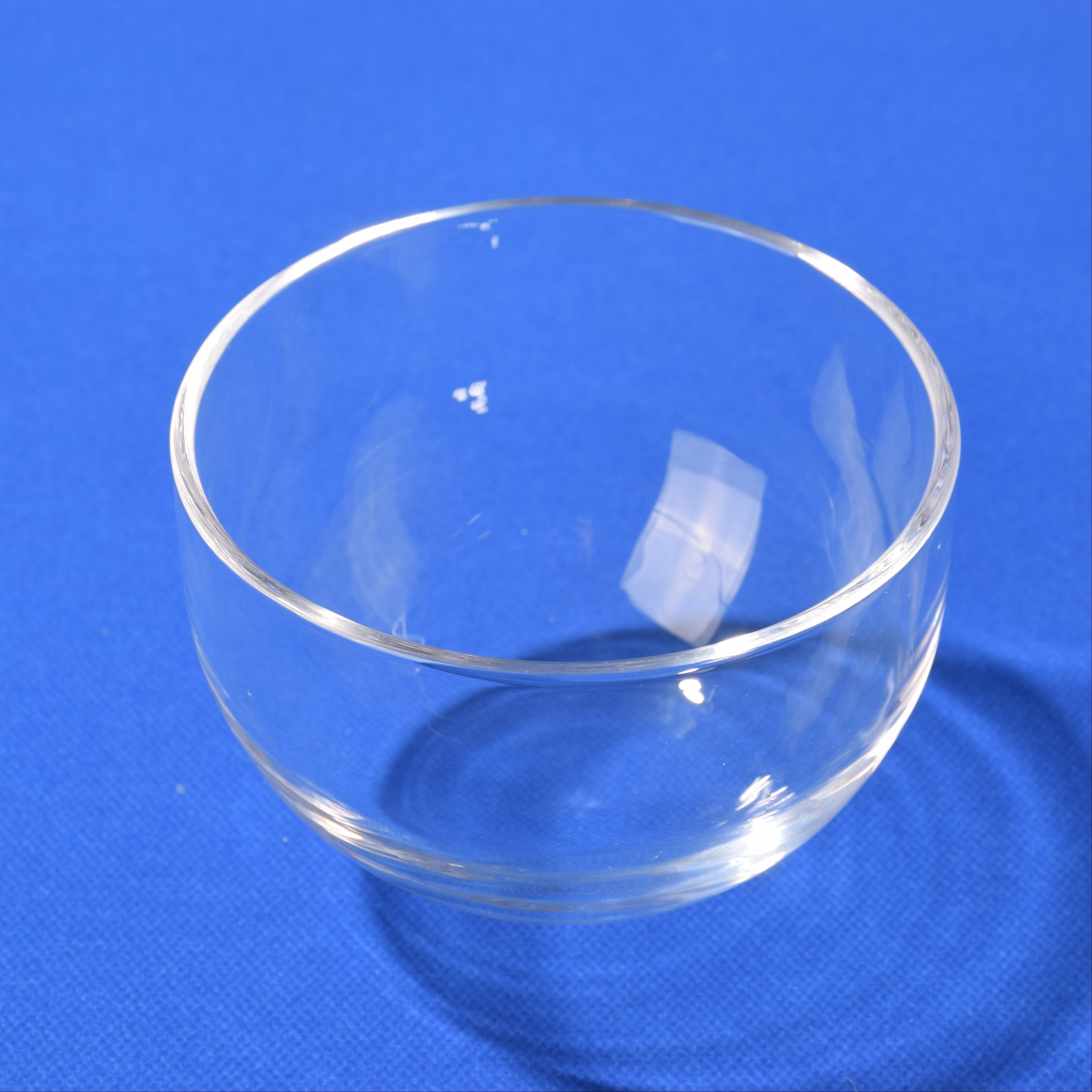
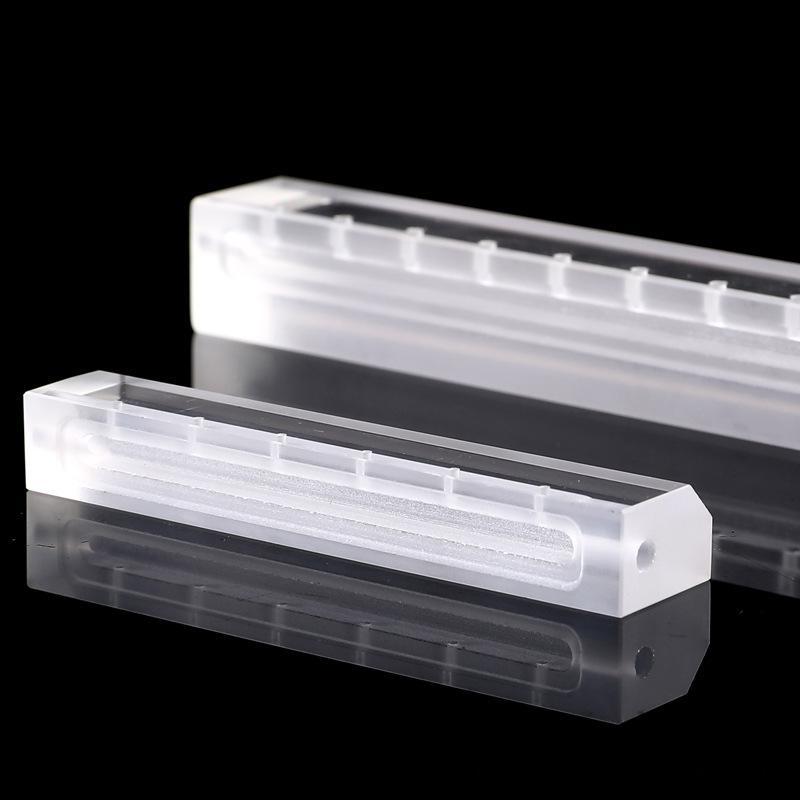
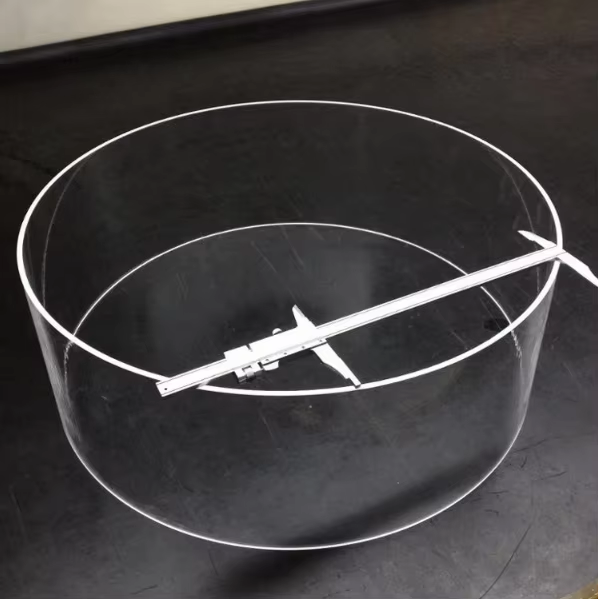
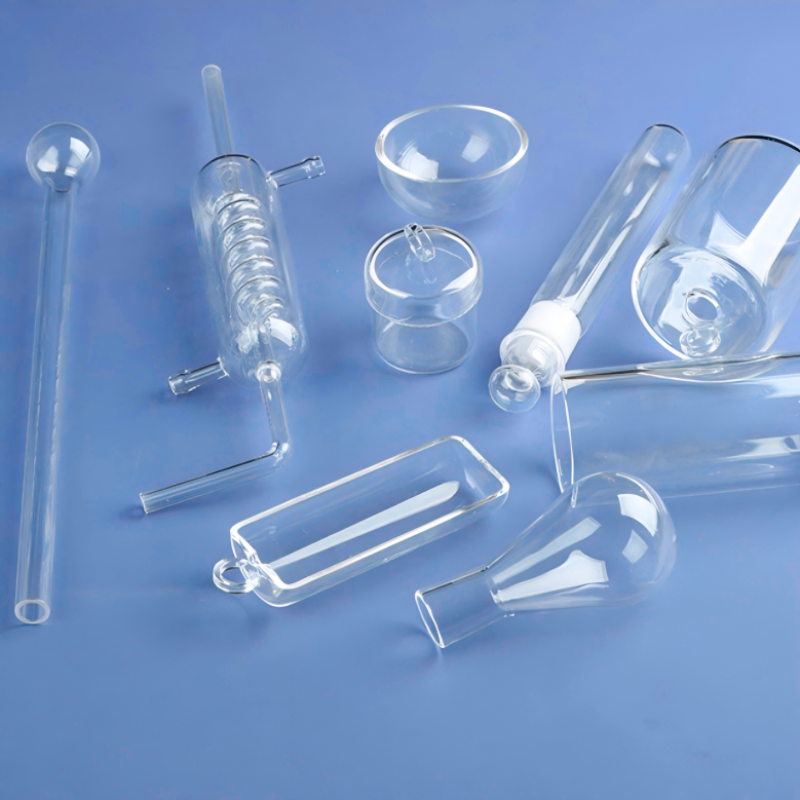
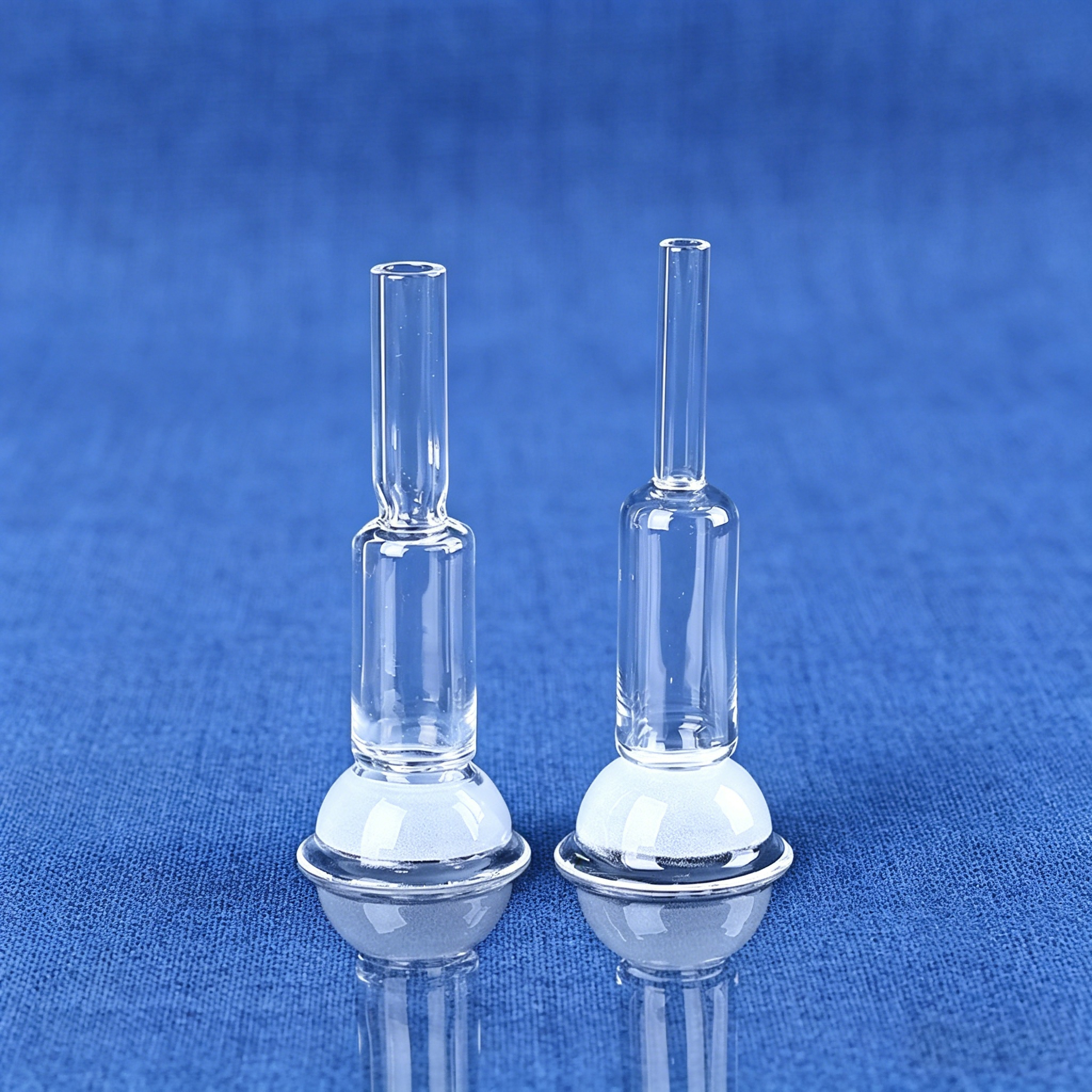
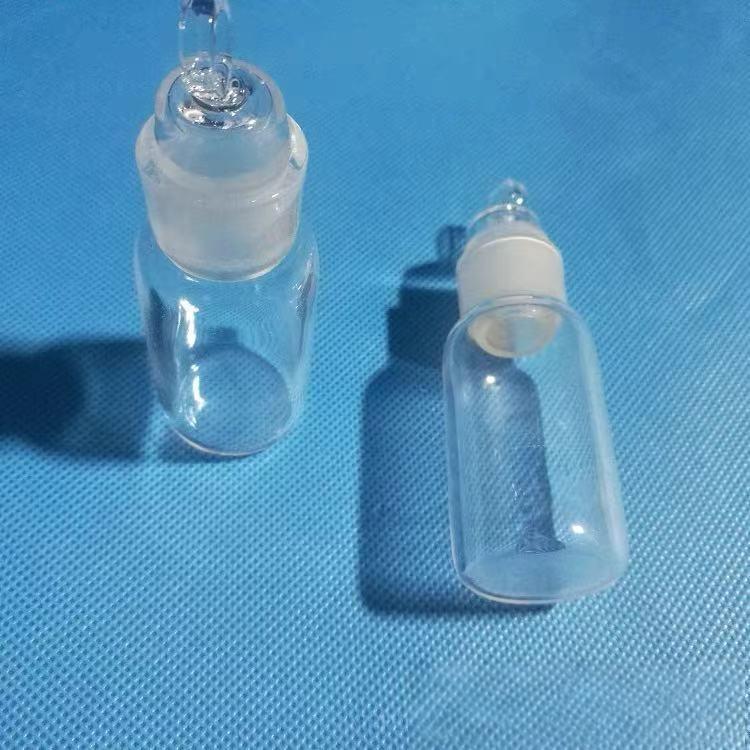
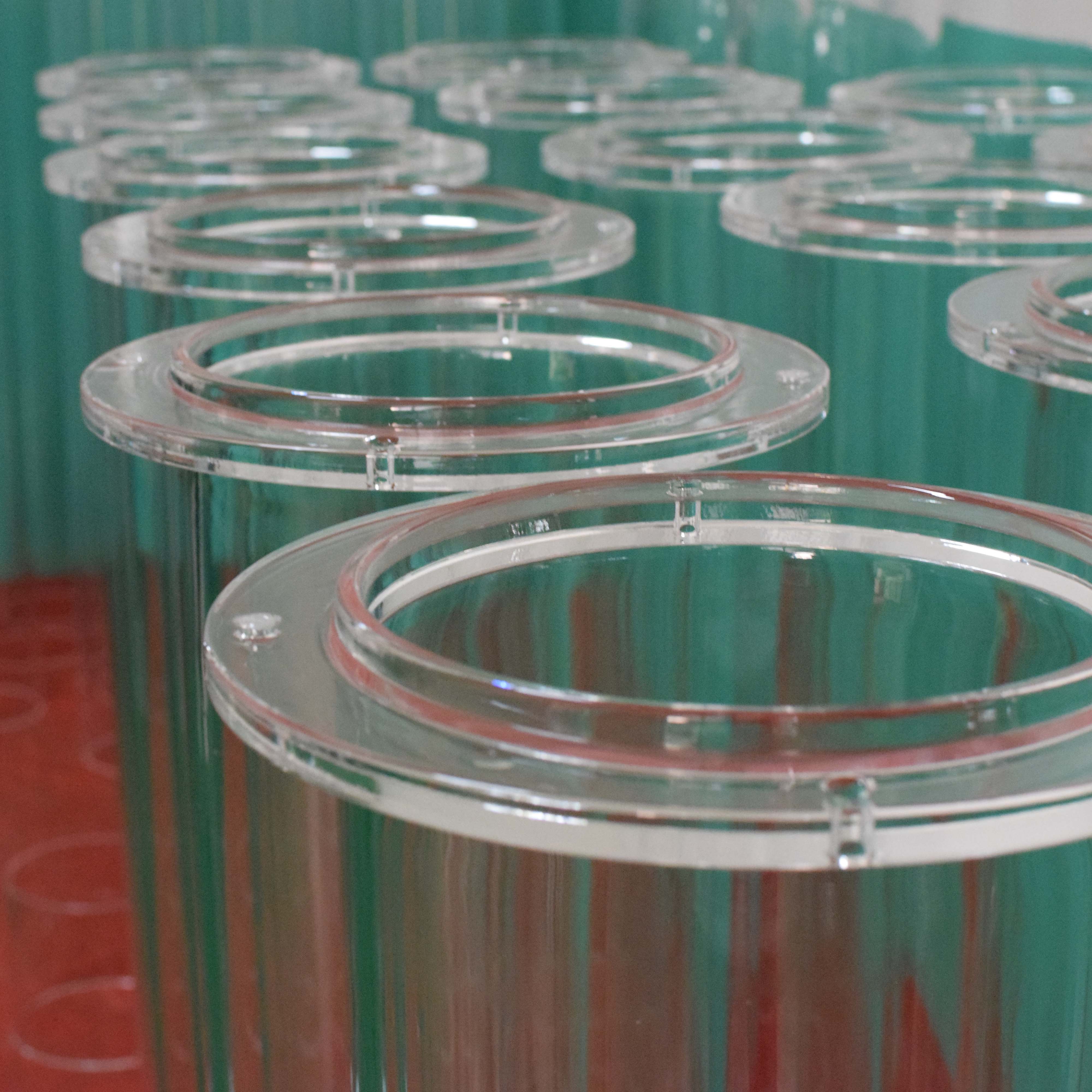
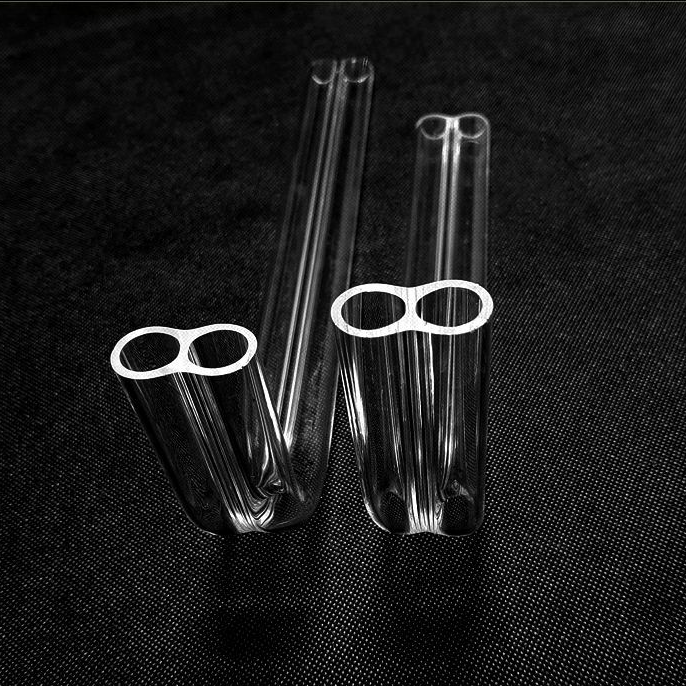
Ultra-clean elemental composition eliminating metallic impurity absorption in DUV optical paths.
Exceptional thermal stability supporting continuous working environments up to 1100°C.
High spectral throughput across DUV (185nm - 254nm) and UV-C disinfection wavelengths.
Engineered high-tension mechanical integrity for high-pressure marine sight glass viewports.
High-Purity UV Quartz Optical Windows in Industrial & Maritime Rotterdam
As Europe's largest maritime gateway and chemical processing cluster, Rotterdam demands unyielding reliability from critical optical and thermal components. The Port of Rotterdam, stretching over 40 kilometers from the city center to the Maasvlakte, hosts intensive oil refining, biochemical manufacturing, advanced marine engineering, and ballast water treatment operations. At the heart of these industrial systems lie precision optics—specifically UV Quartz Windows and Fused Silica Sight Glasses—which must perform seamlessly under combined mechanical stress, aggressive chemical exposure, and intense ultraviolet radiation.
Standard borosilicate or soda-lime glass fails rapidly in deep ultraviolet (DUV) applications due to solarization, structural devitrification, and severe optical absorbance below 300 nm. In contrast, Lianyungang Vulra Quartz Products Co., Ltd. supplies precision-engineered synthetic fused silica and high-purity natural fused quartz windows engineered specifically for Rotterdam's demanding industrial ecosystem. By managing silicon dioxide ($SiO_2$) purity levels up to 99.999% and controlling trace hydroxyl ($OH^-$) contents, our optical sight windows deliver optimal transmissive efficiency for UV-C 254 nm germicidal disinfection, 185 nm ozone generation, FTIR spectroscopic petrochemical inline sensing, and high-intensity ultraviolet curing processes.
1. Optical Spectrum Transmission Physics: Synthetic vs. Natural Fused Quartz
Selecting the correct optical quartz window grade requires a deep understanding of spectral attenuation and impurity absorption bands. When exporting to system integrators and equipment manufacturers serving Rotterdam, we classify optical quartz into three primary synthetic and natural fused silica categories:
JGS1 (Synthetic Fused Silica / Deep UV)
Produced via flame hydrolysis of chemical silicon precursors ($SiCl_4$). It features zero metallic impurities and high hydroxyl content ($OH^- \approx 800 - 1200 \text{ ppm}$). JGS1 delivers superior optical transmission (>90%) in the Deep Ultraviolet spectrum (185 nm – 260 nm) without solarization, making it the premier choice for UV-C ballast water disinfection lamps and semiconductor lithography sight ports in Benelux.
JGS2 (Natural Fused Quartz / UV-Vis)
Melted from purified natural quartz crystal sand sourced from Donghai, China. JGS2 provides excellent transmittance across the Near UV and Visible spectrum (220 nm – 2500 nm). It offers a cost-effective solution for industrial sight glasses, flame monitoring windows in Botlek petrochemical furnaces, and general laboratory reaction viewports.
JGS3 (Infrared Synthetic Silica / IR Grade)
Manufactured under water-free plasma synthesis conditions to reduce hydroxyl concentration below $5 \text{ ppm}$. JGS3 eliminates the strong $OH^-$ absorption band at $2.73 \mu m$, enabling optical clarity across the Infrared spectrum up to $3.6 \mu m$. It is utilized in specialized FTIR gas detection instruments and thermal imaging windows across Europoort storage terminals.
| Quartz Grade Category | SiO2 Purity Level | OH- Content Range | Optimal Transmission Range | Primary Industrial Application in Rotterdam |
|---|---|---|---|---|
| JGS1 (Synthetic DUV) | > 99.9999% | 800 - 1200 ppm | 185 nm – 800 nm (Deep UV) | IMO Ballast Water UV-C Disinfection & Photochemistry |
| JGS2 (Natural UV-Vis) | > 99.999% | 150 - 300 ppm | 220 nm – 2500 nm (UV-Visible) | Petrochemical Sight Glasses & High-Temp Furnace Ports |
| JGS3 (Water-Free IR) | > 99.999% | < 5 ppm | 260 nm – 3600 nm (Infrared) | FTIR Process Spectroscopy & Flame Detection Systems |
| Ozone-Free Doped Quartz | > 99.99% (Titanium Doped) | Variable | Blocks < 220 nm / Transmits 254 nm | Operator-Safe UV Curing & Marine Water Sterilization |
Localized Application Scenarios in Rotterdam's Key Industrial Hubs
The strategic commercial positioning of Rotterdam requires specialized quartz component engineering across four main local sector verticals:
1. Maritime Engineering & IMO Ballast Water Treatment Systems (BWTS)
Under strict International Maritime Organization (IMO) Ballast Water Management Regulations and US Coast Guard (USCG) Type Approval mandates, vessels docking at Maasvlakte I & II must sterilize ballast water to prevent the transfer of invasive aquatic organisms. High-power UV-C ballast water treatment systems utilize pressure-resistant UV Quartz Sleeves and Optical Window Viewports. Our windows withstand direct seawater corrosion, marine biofouling acid washes, continuous high operational pressure (up to 16 bar), and cyclic thermal shock from high-output UV lamps.
2. Petrochemical Refining & Storage Monitoring (Botlek, Europoort & Pernis)
Rotterdam houses the largest petrochemical refining cluster in Europe. Flame monitoring systems, continuous emission monitoring systems (CEMS), and inline fluid spectrophotometers rely on high-purity quartz windows. Exhibiting a softening point of 1683°C and a continuous working temperature of 1100°C, Vulra Quartz observation windows prevent blowout risks in high-temperature hydrocracking units and sulfur recovery furnaces.
3. Green Hydrogen Economy & Electrolyzer Research (Port Vision 2050)
In line with the Port of Rotterdam's roadmap toward carbon neutrality by 2050, extensive investments are flowing into large-scale green hydrogen production. Our custom high-purity quartz reaction cells, BET surface area testing tubes, and UV spectroscopic windows serve research institutions and clean-tech startups across South Holland developing proton exchange membrane (PEM) and alkaline electrolyzer stacks.
4. High-Speed UV Radiation Curing in Logistics & Packaging
Rotterdam's extensive logistics hubs utilize industrial UV curing systems for instant drying of protective maritime coatings, anti-corrosive paints, container markings, and food-grade packaging labels. Our optical quartz plates provide high thermal resistance and high UV transmittance, preventing heat transfer from UV lamps to sensitive substrates while maintaining optical clarity under continuous exposure.
Rotterdam & Benelux Regional Development Trends & Regulatory Demands
Procurement teams in the Netherlands operate under rigorous European Union regulatory frameworks. When importing quartz components into Rotterdam, B2B buyers must evaluate compliance across several operational dimensions:
- REACH & RoHS Compliance: European environmental directives strictly prohibit hazardous chemical leaching. Lianyungang Vulra Quartz Products Co., Ltd. provides fully certified, heavy-metal-free quartz glass components that comply with EU RoHS and REACH protocols.
- Zero-Tolerance Solarization Mandates: Prolonged exposure to 254 nm and 185 nm radiation degrades low-grade quartz glass, causing solarization (darkening) and reducing UV output efficiency. Our synthetic JGS1 windows utilize high-purity $SiCl_4$ synthesis to eliminate trace iron ($Fe$), aluminum ($Al$), and titanium ($Ti$), preventing solarization over thousands of operating hours.
- Pressure & Safety Standards: Maritime sight glasses installed in pressurized pipelines must undergo precise stress-relieving annealing cycles. Our hot-worked quartz parts pass cross-polarization stress checks to ensure freedom from internal residual stress, preventing catastrophic thermal shock or pressure fractures.
Corporate Strengths & Information Gain: Why Partner with Vulra Quartz?
Lianyungang Vulra Quartz Products Co., Ltd. is located in Donghai County, Jiangsu Province—globally recognized as China's primary crystal and high-purity quartz manufacturing center. This geographical advantage provides direct access to high-purity silica sand ($SiO_2 \ge 99.999\%$), allowing us to maintain complete quality control from raw material refinement to precision optical machining.
TÜV Rheinland Verified Factory
Our manufacturing facilities and export capabilities are independently assessed and verified on-site by TÜV Rheinland, offering overseas buyers complete supply chain transparency and auditing confidence.
Drawing-Based OEM/ODM Customization
We manufacture custom shapes from 1-piece prototypes to volume production runs. Send your 2D/3D engineering drawings (STEP, DWG, PDF) for rapid feasibility analysis and custom tolerance matching.
Integrated Hot & Cold Machining
Our facility houses oxy-hydrogen flame lathes, CNC precision glass cutters, edge bevelers, ultrasonic drillers, and optical surface polishing equipment for optical flatness ($\lambda/4$) and scratch-dig specifications ($40/20$).
Export-Grade Protective Packaging
Fragile optical quartz components destined for Rotterdam Port or Schiphol logistics hubs are vacuum-sealed, cushioned in high-density customized foam, and packed into reinforced export wooden crates.
Localized Procurement FAQ for Buyers in Rotterdam & Benelux
What is the lead time for shipping custom UV quartz windows to the Port of Rotterdam? +
How do I determine whether my application requires JGS1, JGS2, or JGS3 quartz? +
Can Vulra Quartz manufacture custom pressure-resistant sight glasses with polished chamfers? +
What surface roughness and optical flatness tolerances can you achieve? +
How does fused quartz compare to borosilicate glass in high-temperature environments? +
What is the minimum order quantity (MOQ) for custom-engineered quartz parts? +
Request an Instant Technical Quotation & Engineering Review
Submitting an inquiry for your Rotterdam operation? Send us your dimensional specs, required operating wavelengths, temperature conditions, or engineering drawings for a detailed response from our technical team within 24 hours.
Get a Quote