Featured Fused Quartz Products
Explore our TÜV Rheinland-verified high-purity quartz products engineered for severe thermal and chemical processing.
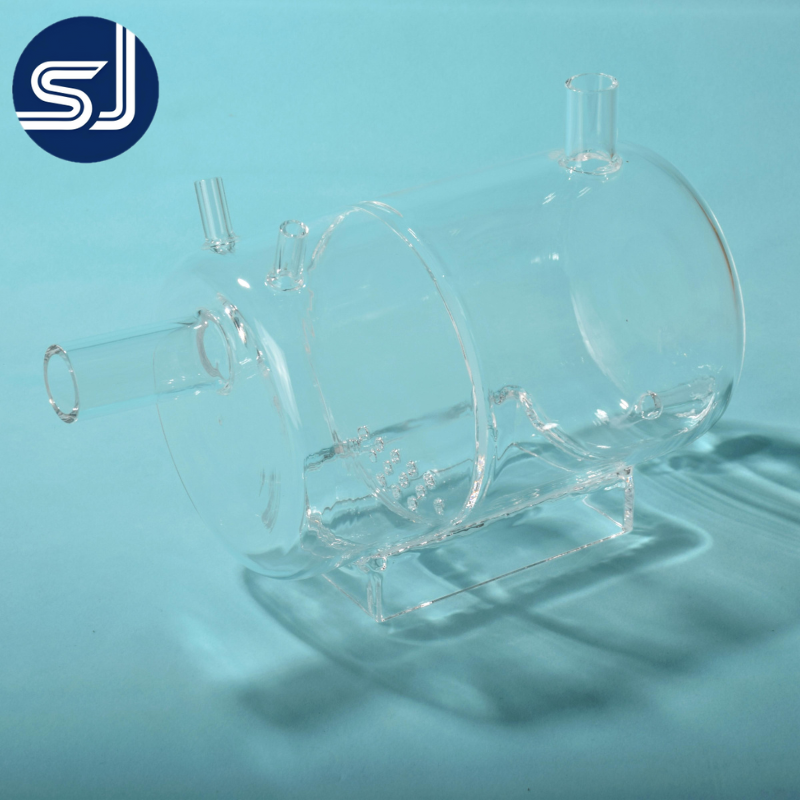
SJ QUARTZ High-Temperature Corrosion-Resistant 99.99% SiO2 1100 Laboratory Custom Quartz Flow Splitting Bottle
View Details →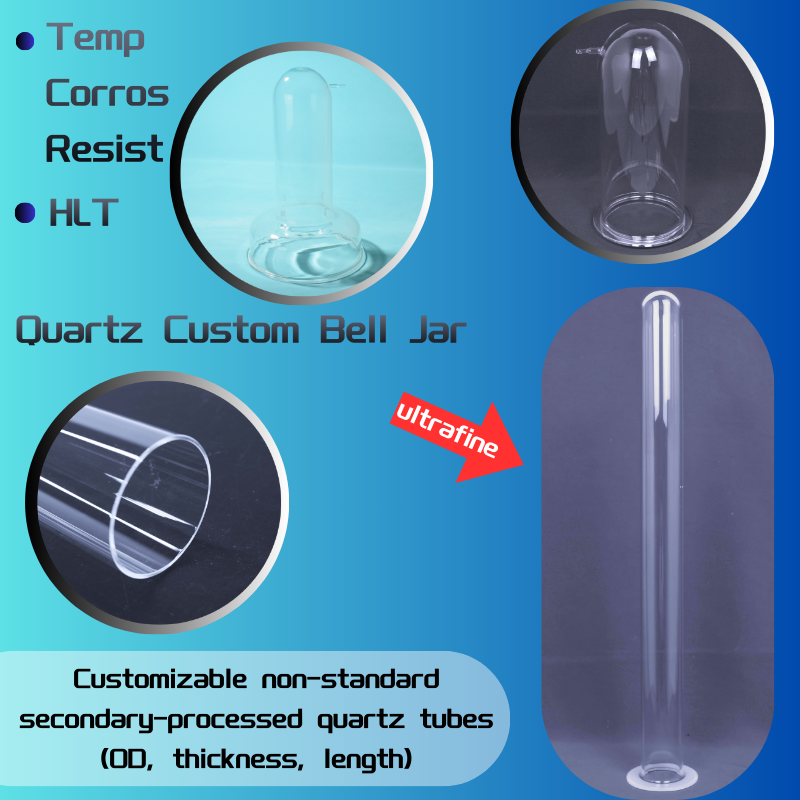
SJ 130 QUARTZ Clear Customizable High-Precision Quartz Negative Pressure Leak-Proof Vacuum Tube 99.99% SiO2
View Details →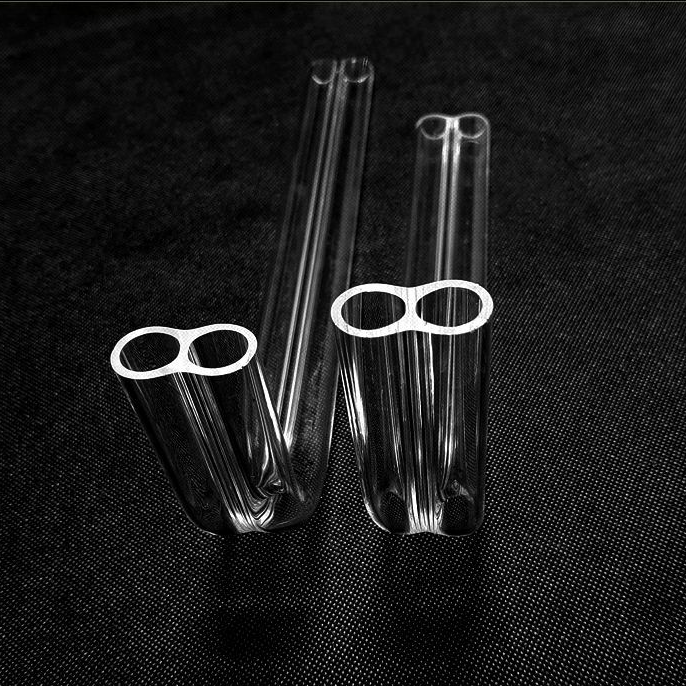
High-temperature (1100) Corrosion-resistant 99.999% Purity Ozone-Free Fused Quartz Double-tube Right-angle Elbow
View Details →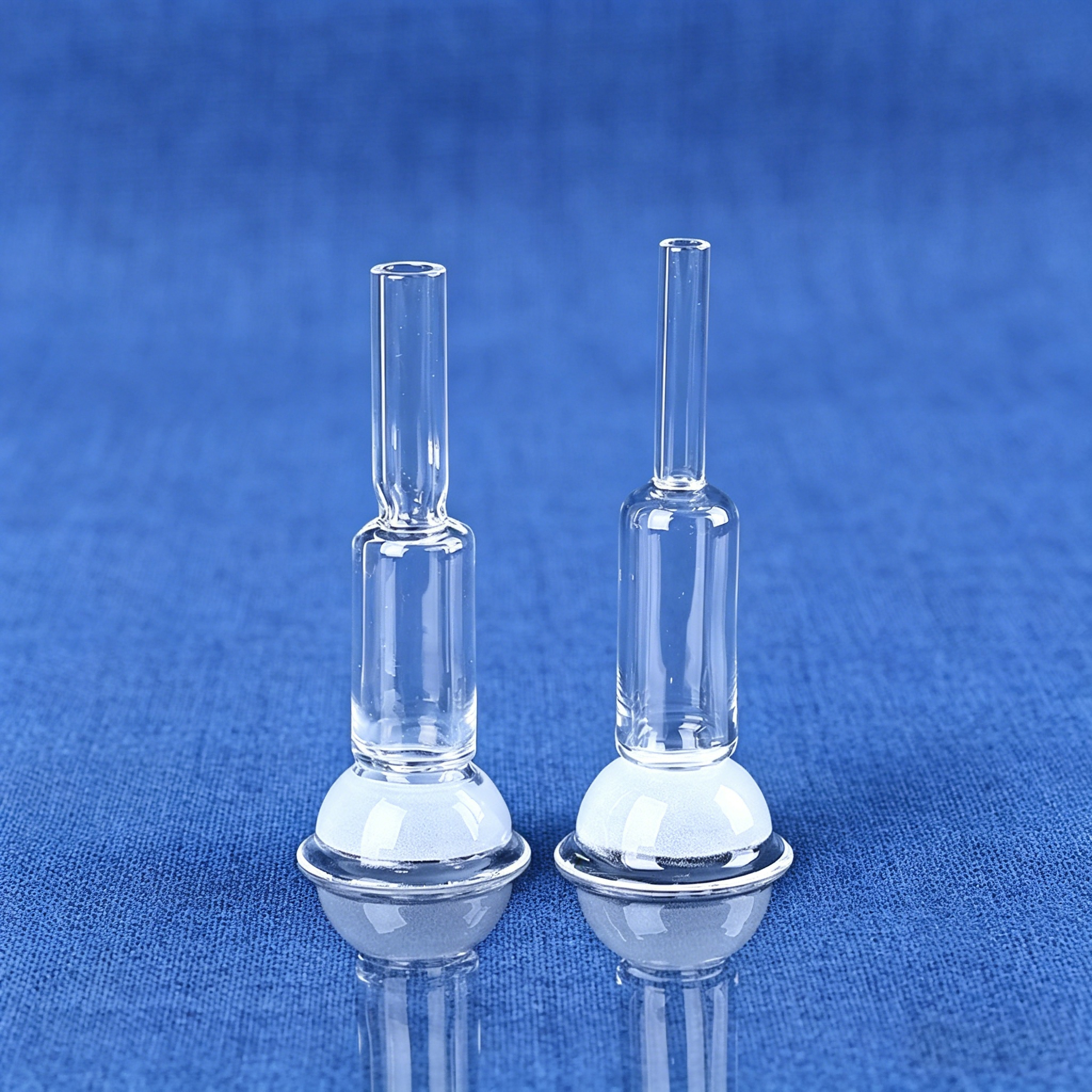
Custom High Purity Quartz C-shaped Small-sized BET Tube Welding Bending Cutting Polished Surface 1100°C
View Details →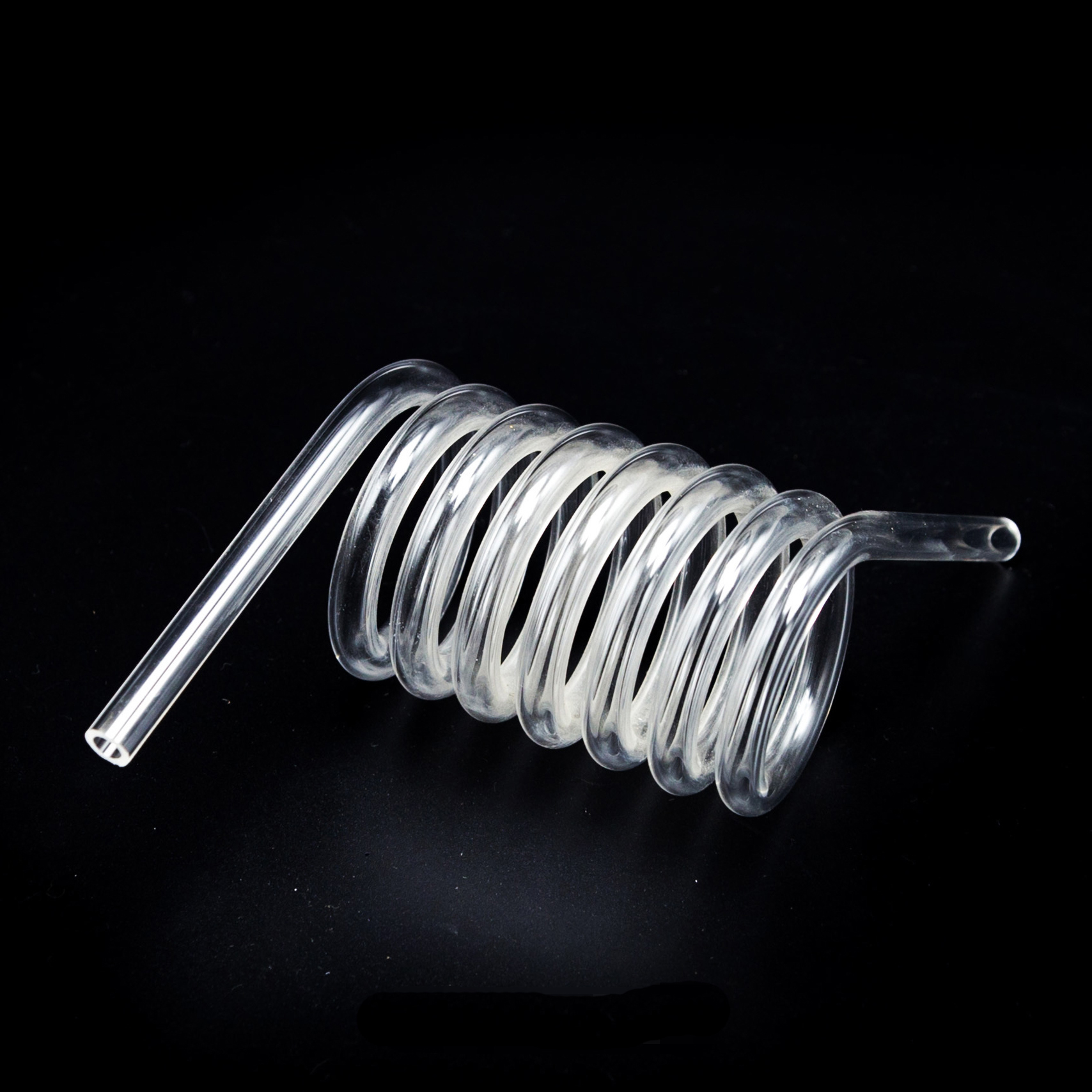
Factory Hot Sale High Purity Polished Clear Quartz C Shape Spiral/Bent/Custom Tubes Small Diameter
View Details →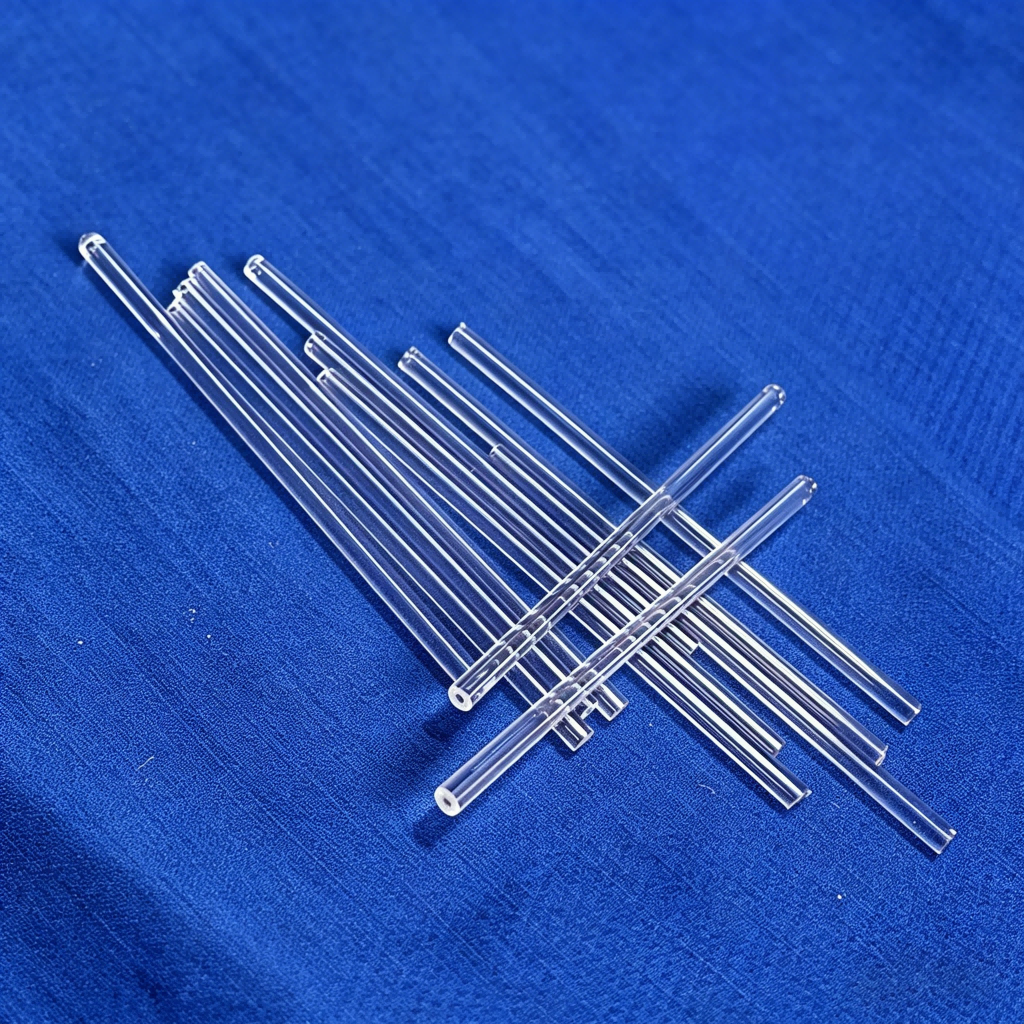
High Purity Opaque Micro Capillary Quartz Glass Tube | Laboratory Exhaust Capillary Tube 2-10mm OD
View Details →
Clear Refractory Fused Quartz Crucible Bowl SJ Brand High Tension Strength 48 N/mm² 1683°C Softening Point
View Details →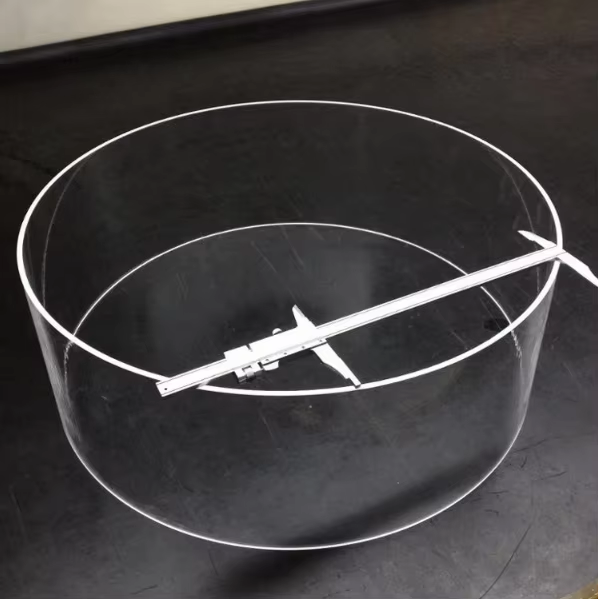
Factory Supply Optical Quartz Sapphire Tubes High Temperature Resistant UV Glass Test Pipe Powder Sintering
View Details →Executive Technical Report: Fused Quartz Ingot Engineering & Supply Dynamics in Pyongyang
As industrial modernization, materials research, and specialized chemical synthesis initiatives accelerate in the Pyongyang regional market, the demand for high-purity thermal material substrates has reached an unprecedented high. Fused quartz ingots serve as the foundational cornerstone for advanced glassblowing, semiconductor quartzware fabrication, high-temperature sight glasses, and specialized analytical tubing systems.
Selecting an authoritative, reliable fused quartz ingot supplier requires a granular understanding of elemental chemical purity, crystallographic thermal stability, hydroxyl content (OH-), and mechanical integrity under extreme thermal shock conditions. Lianyungang Vulra Quartz Products Co., Ltd. (operating under the trusted SJ QUARTZ brand) stands at the forefront of this supply chain, supplying premium natural fused quartz ingots, custom rods, plates, and fabricated laboratory quartzware directly from Donghai—the renowned global epicenter of natural crystal quartz processing.
1. Material Chemical Purity & Trace Impurity Control
The primary quality differentiator of high-performance fused quartz ingots lies in the mitigation of trace metallic contaminants. Uncontrolled impurity levels (such as Aluminum, Iron, Titanium, Sodium, Lithium, and Potassium) trigger premature devitrification (cristobalite transition) when operating near or above 1150°C, causing catastrophic thermal fractures and optical degradation.
- Semiconductor Grade (SiO₂ ≥ 99.999%): Total metallic impurities suppressed below 10-15 ppm. Ideal for single-crystal silicon pulling, wafer processing diffusion tubes, and vacuum chemical vapor deposition (CVD).
- High-Purity Industrial Grade (SiO₂ ≥ 99.99%): Total metallic impurities maintained below 30 ppm. Perfectly tailored for chemical distillation apparatus, reaction furnace liners, and flow-splitting laboratory bottles.
- Low Hydroxyl (OH- < 5 ppm): Electrically fused ingots treated under vacuum to minimize hydroxyl concentration, elevating infrared transmission performance and preventing thermal sagging during long-cycle continuous baking at 1100°C.
2. Mechanical & Physical Benchmark Matrix
For precision engineering facilities in Pyongyang seeking exact specifications, the table below provides a comprehensive physical property comparison between natural fused quartz, synthetic fused silica, and standard borosilicate glass.
| Technical Property | Natural Fused Quartz Ingot (SJ QUARTZ) | Synthetic Fused Silica | Standard Borosilicate Glass |
|---|---|---|---|
| SiO₂ Purity Level | 99.99% – 99.999% | > 99.9999% | ~ 80% (contains B₂O₃, Na₂O) |
| Continuous Service Temp | 1100°C | 1150°C | 450°C - 500°C |
| Peak Softening Point | 1683°C | 1700°C | 820°C |
| Thermal Expansion Coeff. (20-300°C) | 5.5 × 10⁻⁷ /°C | 5.4 × 10⁻⁷ /°C | 33 × 10⁻⁷ /°C |
| Tensile Strength | 48 N/mm² | 50 N/mm² | 35 N/mm² |
| Compressive Strength | 1100 N/mm² | 1150 N/mm² | 700 N/mm² |
| Acid Resistance (except HF) | 30× Higher than Stainless Steel | Extremely High | Moderate |
| Devitrification Resistance | Excellent at ≤ 1100°C | Exceptional | Poor at elevated heat |
Localized Application Scenarios in Pyongyang
How key research institutes, industrial complexes, and laboratory facilities across the Pyongyang region utilize our fused quartz ingots and custom components.
High-Temperature Chemical Distillation & Acid Extraction
Pyongyang analytical chemistry laboratories and industrial reagent producers require vessels capable of withstanding boiling concentrated acids (nitric, sulfuric, and hydrochloric). Custom flow-splitting bottles, distillation flasks, and C-shaped tubing fabricated from SJ QUARTZ ingots offer complete chemical inertness, preventing trace glass leaching into ultra-pure reagents.
Semiconductor Wafer Processing & Vacuum Systems
High-precision quartz negative pressure leak-proof vacuum tubes derived from high-purity quartz ingots maintain vacuum integrity under operational thermal loads. These tubes serve inside annealing furnaces and vapor deposition chambers, ensuring micro-particle generation is kept to absolute zero.
Materials Research & BET Surface Area Analysis
University and metallurgical research labs in Pyongyang utilize C-shaped small BET tubes and micro-capillary quartz glass tubes. The high thermal resistance (up to 1100°C) allows high-temperature outgassing of powder samples without deforming sample holder geometry.
Optical Spectroscopy & UV Powder Sintering
Optical-grade quartz sapphire tubes and polished fused silica plates provide over 85–90% light transmittance across the ultraviolet (UV) to near-infrared spectrum. They are crucial for high-intensity UV sterilization lamps, photocatalytic electrolytic cells, and high-temperature powder sintering sight windows.
Pyongyang Market Trends & Procurement Intelligence
In recent years, procurement strategies within Pyongyang's technical manufacturing sector have undergone a clear shift toward direct OEM/ODM sourcing. Buyer requirements have progressed from standardized commodity glass to bespoke, drawing-based component fabrication.
Key Local Procurement Drivers:
- Strict Thermal Stress Relief (Annealing Certification): Industrial glassblowers and end-users increasingly demand certified strain-free quartz components. SJ QUARTZ subjects all finished ingot-cut parts to precise computer-controlled annealing cycles to eliminate internal mechanical tension.
- Zero-Defect Surface Machining: High-precision diamond cutting, precision cylindrical grinding, and high-flame flame polishing are mandatory to prevent micro-fissures that expand during rapid cooling cycles.
- Export-Grade Custom Packaging: Transporting fragile glass items across long international logistics routes requires multi-layer shock-absorbing EVA foam, vacuum sealed anti-moisture wraps, and reinforced wooden crates to ensure zero breakage upon arrival in Pyongyang.
Why Partner With Lianyungang Vulra Quartz Products Co., Ltd.?
Direct factory manufacturer situated in China's crystal capital, authenticated by TÜV Rheinland for global supply compliance.
Our manufacturing facility, engineering capabilities, legal standing, and trade capacities are independently assessed on-site by TÜV Rheinland.
Whether you require 1-piece prototypes or large-batch production runs, our glass engineers evaluate wall-thickness ratios, weld risks, and dimensional tolerances directly from your CAD/2D drawings.
From hydrogen-oxygen flame bending and tube welding to high-precision CNC slicing, drilling, and optical surface polishing—everything is produced in-house.
Frequently Asked Procurement Questions
In-depth technical answers addressing common engineering and sourcing questions from buyers in Pyongyang.
1. What is the continuous working temperature limit for your fused quartz ingots?
2. What is the structural difference between fused quartz and synthetic fused silica?
3. How do you prevent devitrification (crystallization) during high-temperature baking?
4. What is your minimum order quantity (MOQ) for custom-machined ingot parts for Pyongyang delivery?
5. Why are ozone-free fused quartz tubes recommended for specific heating and UV applications?
6. What tolerances can your cold machining and CNC grinding processes achieve?
7. How do you guarantee safe delivery for fragile quartz components shipped to Pyongyang?
Need Custom Quartz Ingots or Fabricated Quartzware?
Our engineering team is ready to evaluate your CAD drawings, technical specifications, or custom dimensions. Get expert advice, chemical purity certificates, and direct factory quotation today.
Inquire Now