Featured High-Purity Fused Quartz Components
Engineered to withstand extreme thermal shocks, aggressive chemical etching, and vacuum conditions across European cleanrooms and industrial labs.
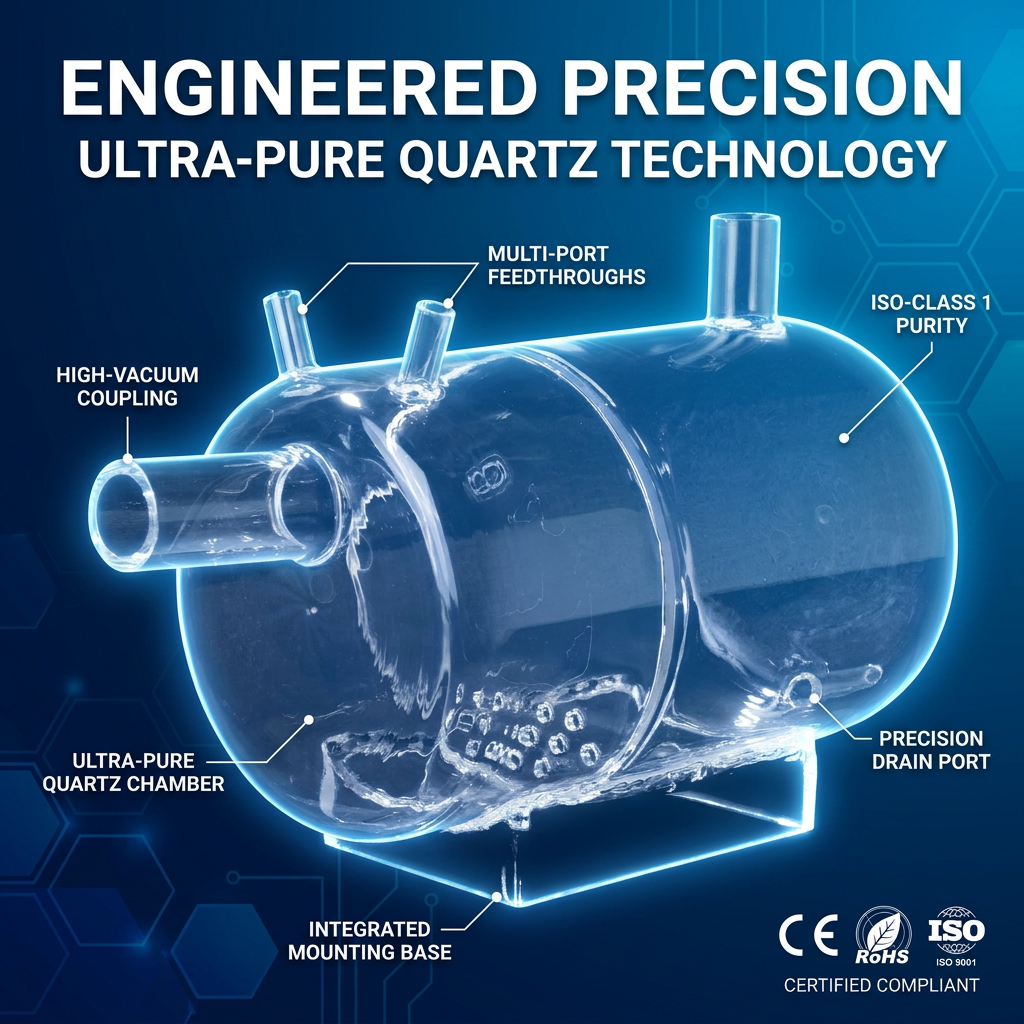
Precision Quartz Separating Container
99.9%-99.999% purity semiconductor-grade glass container for high-purity chemical separation and acid etching routines.
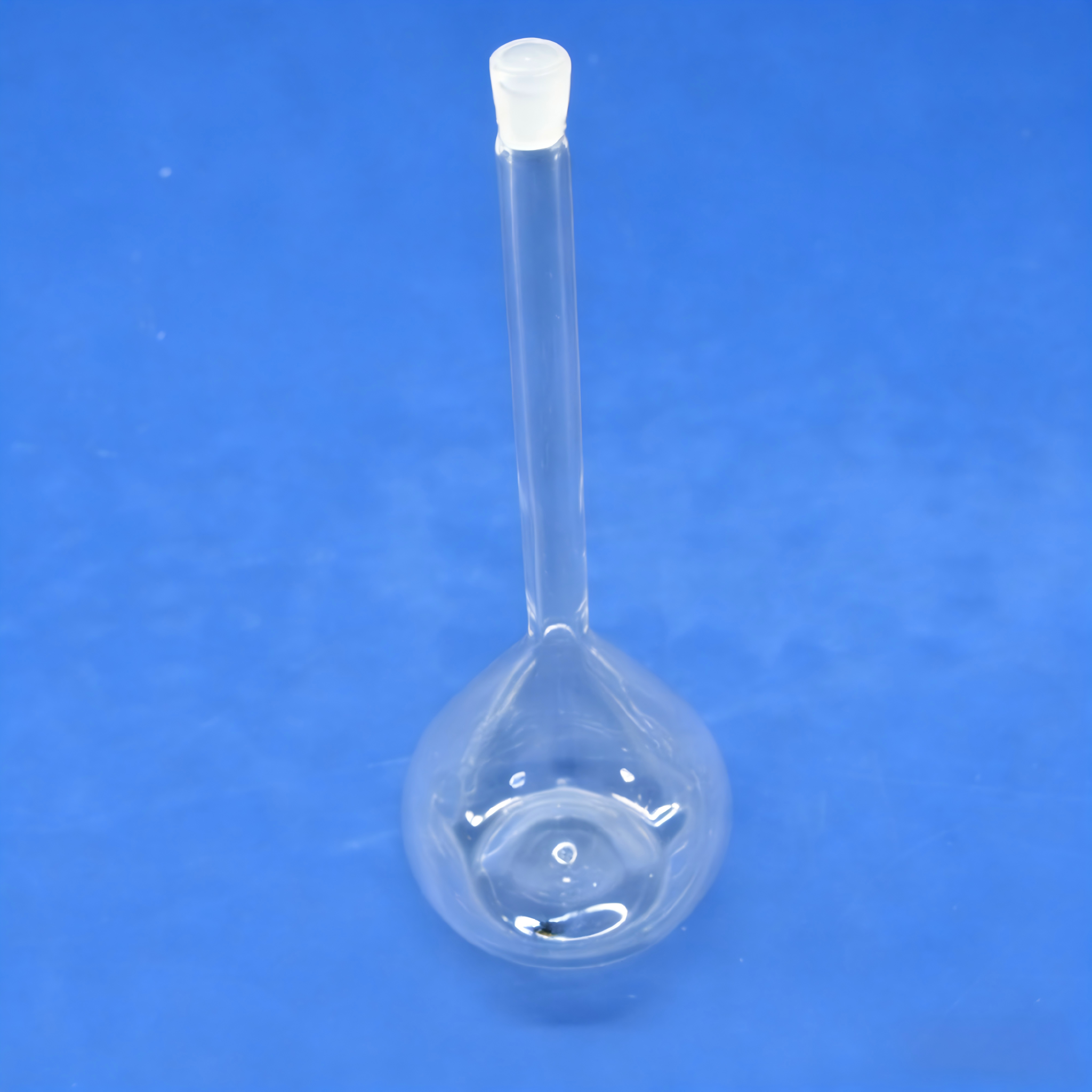
High Purity Quartz Glass Ampoule
Ozone-free polished clear quartz lab flask featuring custom bending, precision laser cutting, and seamless fire welding.
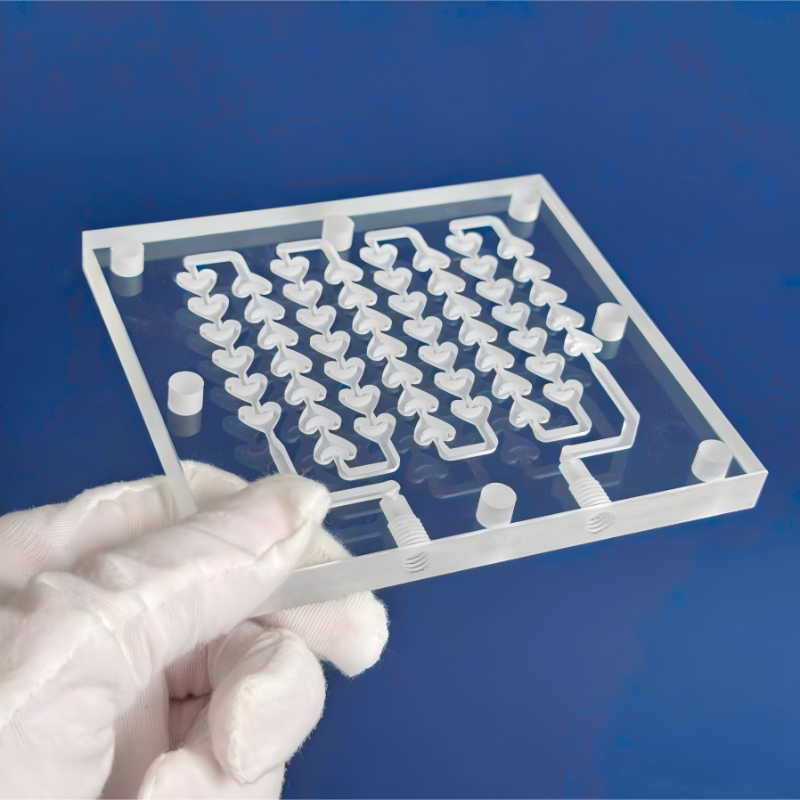
Thermal Interlayer Quartz Chips
High thermal stability chips with a 1750°C melting point for heat-exchange interlayers and high-temperature optical windows.
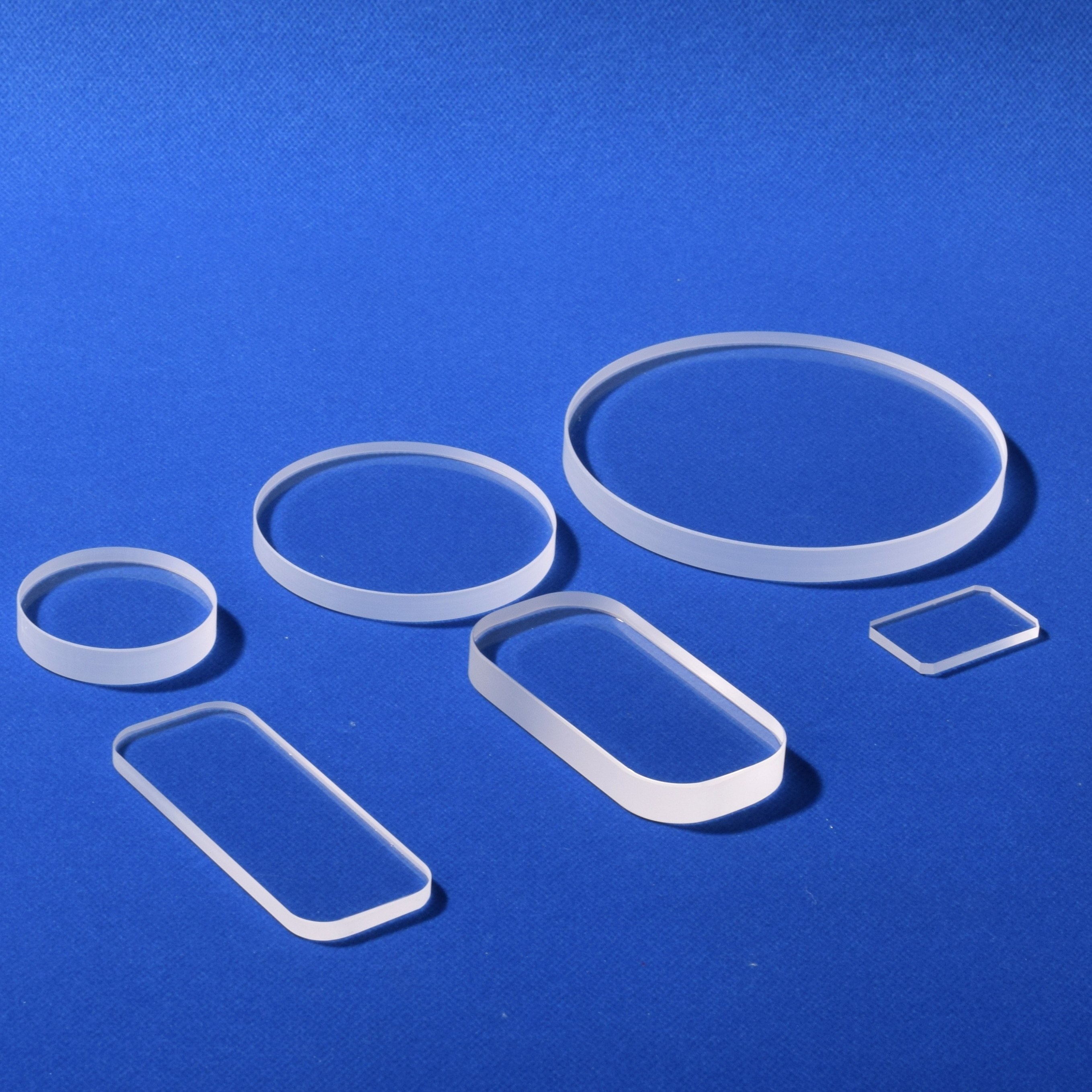
High Transmittance Watch Window
Sophisticated heat-resistant quartz optical sight window with ultra-high electrical insulation and deep UV-IR transmission.
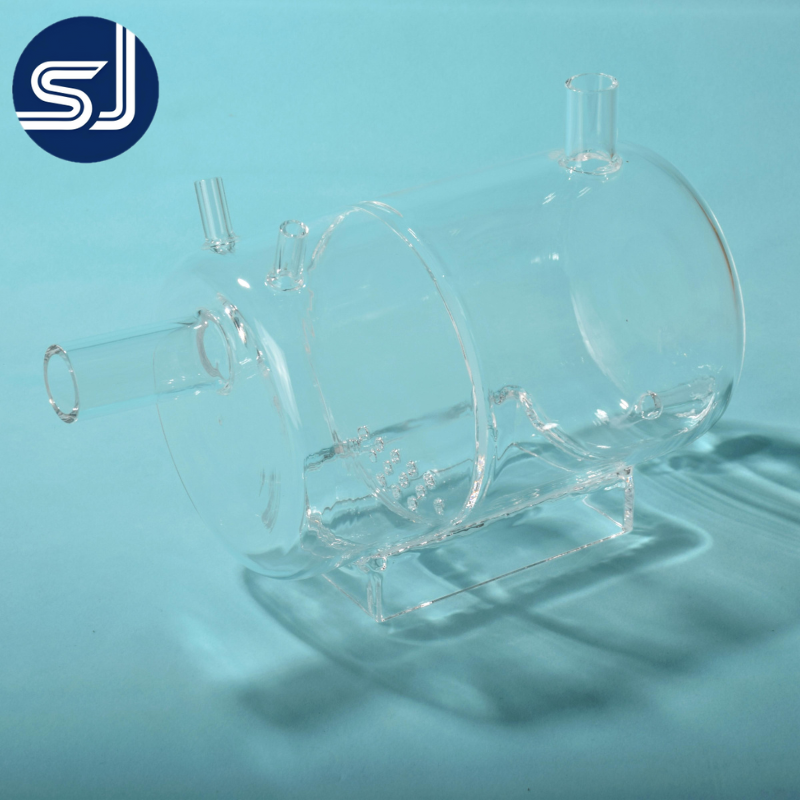
Quartz Flow Splitting Bottle
Corrosion-resistant 99.99% SiO2 lab-customized flow splitter for microfluidics, distillation, and gas sampling at 1100°C.
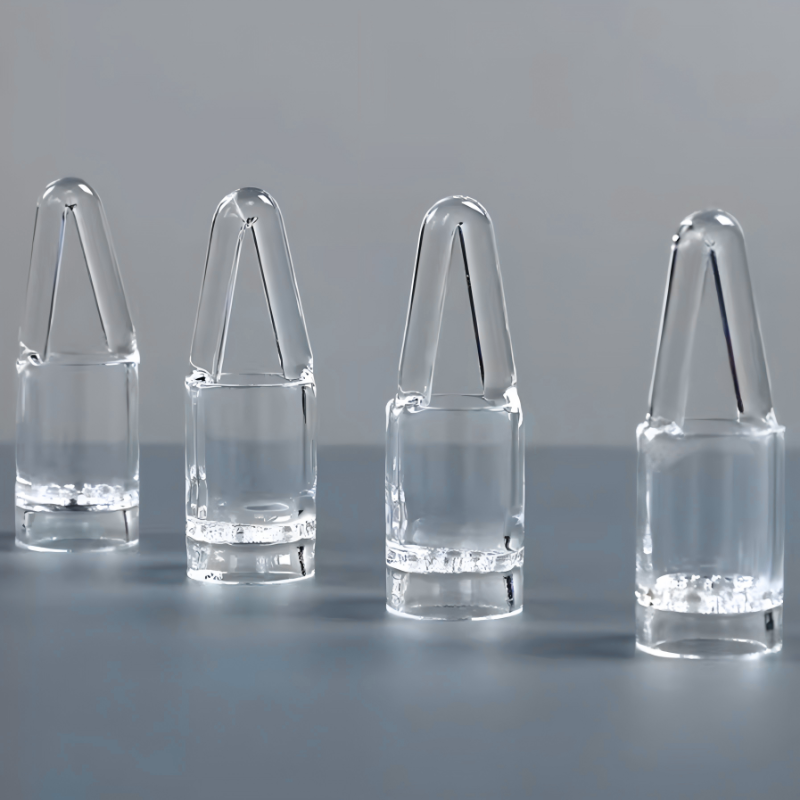
Acid/Alkali Resistant Quartz Crucible
Polished ozone-free quartz beaker dome and basket crucible designed for 200 mesh chemical processing and material calcination.
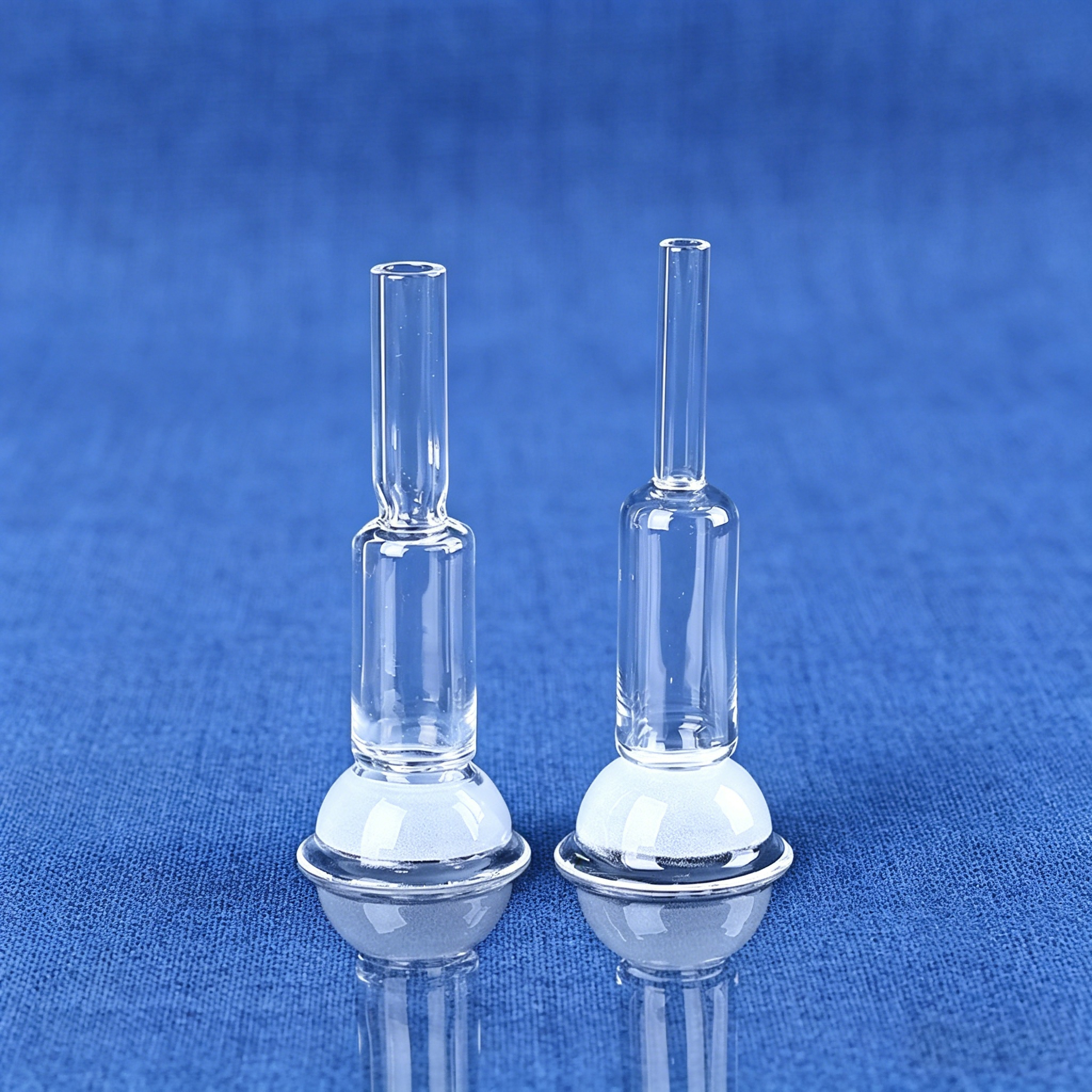
C-Shaped Small BET Quartz Tube
Precision bent, cut, and flame-polished small-diameter quartz tube optimized for surface area gas sorption analyzers.
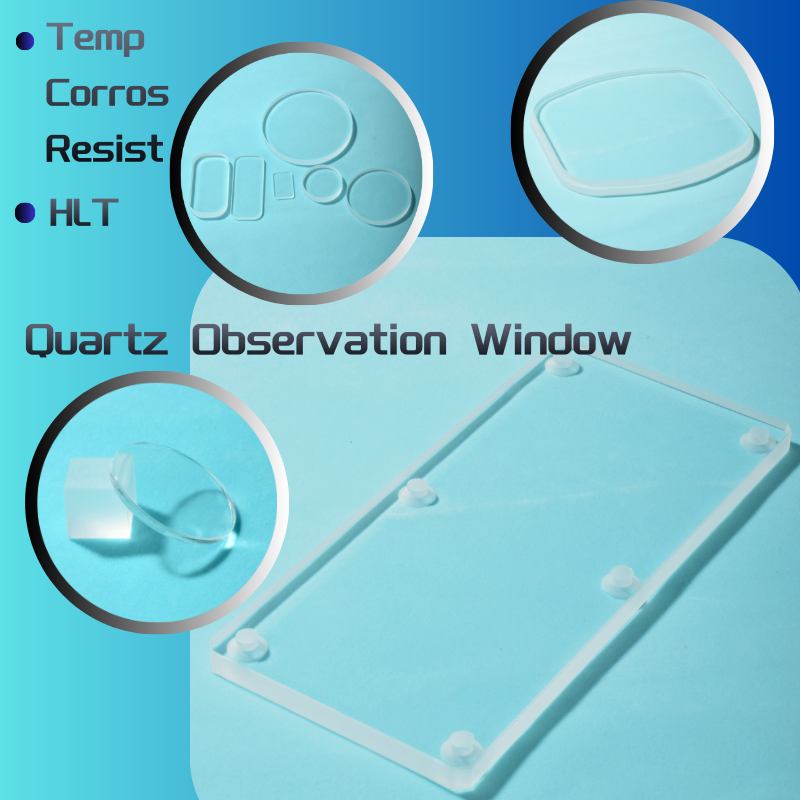
Optically Clear Fused Quartz Plate
Natural fused quartz ground and polished optical plate offering exceptional thermal shock resistance and laser-grade clarity.
1. Strategic Importance of High-Purity Fused Quartz Tubing in the Brussels-Benelux Ecosystem
As the administrative heart of the European Union and a primary hub for advanced chemical, pharmaceutical, and microelectronics research, Brussels demands world-class raw materials. Surrounding innovation corridors—such as the Leuven nanotech zone, Ghent biotechnology centers, and Wallonian cleanroom clusters—rely heavily on fused silica and transparent quartz tubing capable of operating under ultra-high vacuum (UHV), elevated thermal strain (up to 1100°C continuous service), and harsh chemical environments.
China has solidified its status as the world’s leading hub for synthetic and natural quartz manufacturing, driven by the rich silica reserves in Donghai County (Lianyungang, Jiangsu Province). For engineering teams, procurement managers, and laboratory directors in Brussels, sourcing directly from a TÜV Rheinland-verified OEM manufacturer bridges the gap between cost efficiency and uncompromising quality standards (ISO 9001, RoHS, REACH, CE).
2. Material Science & Technical Specifications for Engineering Buyers
When selecting transparent quartz tubing for critical processes—such as plasma etching, chemical vapor deposition (CVD), horizontal tube furnaces, or UV water treatment systems—understanding physical, thermal, optical, and chemical metrics is essential. The table below outlines key material benchmarks provided by Vulra Quartz:
| Property Parameter | Standard Fused Quartz Tubing | Semiconductor Grade (High Purity) | Synthetic Fused Silica Grade |
|---|---|---|---|
| SiO₂ Purity Level | ≥ 99.95% | ≥ 99.99% – 99.999% | ≥ 99.9999% (Synthetic precursor) |
| OH (Hydroxyl) Content | 150 – 200 ppm | < 20 ppm (Dehydroxylated) | < 5 ppm or High-OH (~1000 ppm) |
| Max Continuous Temp. | 1050°C | 1150°C | 1200°C |
| Softening Point | 1683°C | 1683°C | 1730°C |
| Thermal Expansion (0-300°C) | $5.5 \times 10^{-7} / ^\circ\text{C}$ | $5.4 \times 10^{-7} / ^\circ\text{C}$ | $5.2 \times 10^{-7} / ^\circ\text{C}$ |
| UV Transmittance (254nm) | 80% - 85% | 88% - 90% | > 92% (Deep UV Transmitting) |
| Typical Applications | Furnace muffles, sight glasses | Diffusion tubes, semiconductor boats | Excimer laser optics, lithography |
Impurity Profile Breakdown (PPM Level)
In semiconductor and analytical applications, trace metal contamination can alter electrical conductivity or poison catalytic reactions. Our stringent flame-melting and raw material beneficiation processes limit elemental impurities to strictly controlled thresholds:
Aluminum (Al) < 8.0 ppm
Controlled aluminum concentrations maintain structural rigidity at elevated temperatures without inducing devitrification nuclei.
Iron (Fe) < 0.2 ppm
Ultra-low iron prevents yellow discoloration, preserving broad-spectrum optical clarity from deep UV to near-infrared wavelengths.
Alkali Metals (Na, K, Li) < 1.5 ppm
Eliminating mobile sodium and potassium ions prevents gate-oxide breakdown in microelectronic wafer processing.
3. Localized Application Scenarios across Brussels & Benelux Markets
Brussels is not merely an administrative capital; it serves as a central nexus for advanced European engineering projects. Below are the prominent localized industry scenarios where transparent quartz tubing exported from China plays a mission-critical role:
A. Microelectronics & Nanotechnology R&D (Leuven-Brussels Corridor)
Located just minutes from Brussels, the region houses world-leading research institutes pioneering sub-2nm semiconductor nodes. High-purity quartz tubing is utilized for outer diffusion tubes, process gas flues, and thermocouple protection sheaths in thermal oxidation furnaces. Ultra-low hydroxyl content (<10 ppm) is mandatory to prevent hydrogen embrittlement and wafer contamination during high-temperature anneals.
B. Clean Energy & Green Hydrogen Electrolysis
Belgium’s ambitious national hydrogen strategy involves significant investments in proton exchange membrane (PEM) and solid oxide electrolyzer cell (SOEC) technologies. Quartz flow-splitting bottles, C-shaped reaction tubes, and sight windows facilitate real-time optical diagnostics of electrochemical cells operating under high pressures and elevated temperatures above 800°C.
C. Environmental Water Treatment & UV Disinfection (Flanders & Wallonia)
Municipal water authorities and industrial chemical facilities throughout the Senne River basin and greater Brussels rely on UV-C sterilization to eliminate microbial contaminants without chemical additives. Ozone-free quartz sleeves (doped to block the 185nm line while transmitting 254nm UV light) shield halogen and LED lamps from direct water immersion while maximizing germicidal radiation efficiency.
D. University & Institutional Analytical Chemistry (VUB, ULB, Solvay Campus)
Research departments at the Université Libre de Bruxelles (ULB) and Vrije Universiteit Brussel (VUB) regularly employ custom quartz labware, including BET surface-area testing tubes, round-bottom distillation flasks, separatory funnels, and XRD sample holders. These components withstand continuous exposure to concentrated hydrofluoric-nitric acid mixtures (HNO₃/HCl) and rapid thermal swings without cracking.
4. Benelux Industrial Trends & Regulatory Compliance Pathways
Importing industrial components into Belgium requires strict adherence to European Union regulations, environmental directives, and quality standards. China exporters must offer seamless documentation packages to expedite customs clearance at the Port of Antwerp-Bruges or Brussels Airport (BRU):
- REACH & RoHS 3 Compliance: All fused quartz products are 100% inorganic silicon dioxide, naturally free of Lead (Pb), Mercury (Hg), Cadmium (Cd), Hexavalent Chromium (CrVI), and PBB/PBDE flame retardants. Full REACH SVHC self-declarations are supplied per batch.
- EN 10204 Type 3.1 Material Test Certificates (MTC): For nuclear and chemical process integration, buyers in Brussels can request chemical composition analysis via Inductively Coupled Plasma Mass Spectrometry (ICP-MS) and dimensional verification reports.
- ISO 9001 Quality Management & TÜV Verification: Factory audits conducted on-site by TÜV Rheinland verify manufacturing processes, cleanroom cleaning facilities, automated lathe accuracy, and stress-relieving annealing ovens.
- Decarbonized & Circular Supply Chains: European buyers increasingly evaluate scope 3 transport emissions. By utilizing dense, protective double-box packaging that maximizes volume efficiency in air freight and sea containers, freight carbon intensity is minimized.
5. Advanced Manufacturing Technologies & Custom Machining Capabilities
At Vulra Quartz (Lianyungang Vulra Quartz Products Co., Ltd.), located in the heart of Donghai's crystal cluster, our factory integrates hot flame-working with automated cold machining to deliver tailored quartz solutions:
CNC Cold Machining & Drilling
Diamond-tooled ultrasonic drilling, multi-axis milling, surface grinding, and edge chamfering yield tolerances down to ±0.01mm for complex geometries.
Oxy-Hydrogen Flame Lathes
Precision glassblowing lathes allow smooth tube flanging, DOM closing, ball-and-socket joint sealing, and custom necking without introducing internal strain.
Computer-Controlled Annealing
Every piece undergoes thermal stress relief in automated ovens (annealing at 1180°C followed by controlled cooling to 1070°C) to eliminate polarized optical strain.
6. Why Procurement Managers in Brussels Partner with Vulra Quartz
Sourcing directly from our Donghai facility provides European buyers with distinct operational advantages over local distributors:
- Raw Material Dominance: Proximity to China's primary high-purity quartz sand cluster guarantees stable material access, reduced lead times, and lower raw material procurement overhead.
- Flexible OEM Prototype Policy: We support single-piece engineering prototypes (MOQ = 1 pc for custom parts) up to full container shipments, accelerating R&D cycles for startups and universities.
- Drawing-to-Production Review: Our engineering team reviews 2D/3D CAD drawings (STEP, DWG, PDF) to evaluate thermal stress risks, wall thickness ratios, and tolerance feasibility prior to production.
- Export Packaging Standards: Fragile quartz components are thoroughly cleaned in deionized acid baths, vacuum-sealed in dust-free bags, wrapped in high-density polyethylene (EPE) foam, and packaged in reinforced plywood cases designed for air cargo (BRU) and ocean transport.