Custom High-Purity Quartz Glass Lab Flask & Ampoule
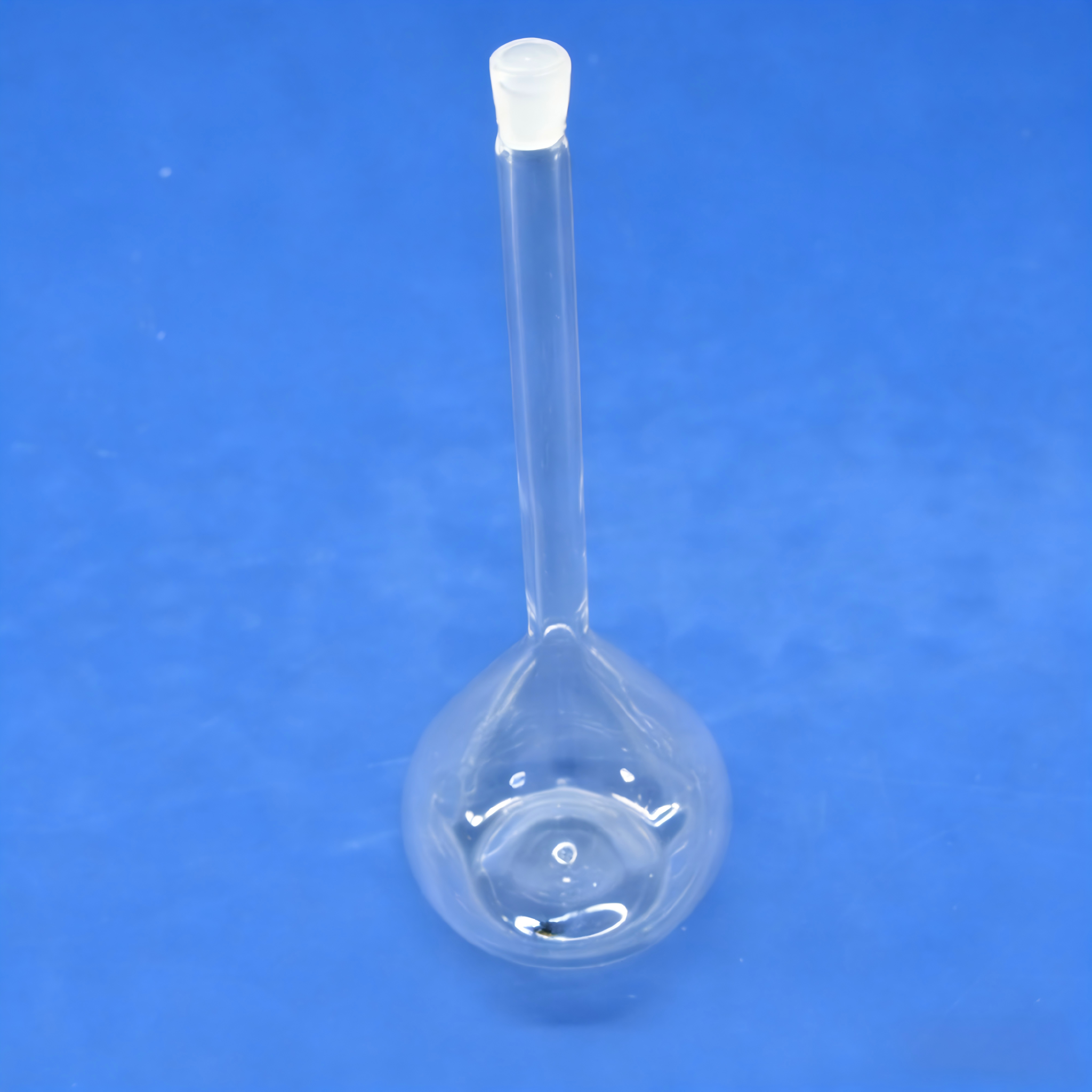
Ozone-free, high-purity clear quartz flask with fire-polished joints. Resists aggressive acid digestions and continuous thermal operations up to 1100°C.
A technical treatise on purity grading, thermal hysteresis, micro-machining tolerances, and supply chain stabilization for advanced processing in Latin America.
In the evolving landscape of global technology manufacturing, high-purity semiconductor-grade quartz glass stands as a foundational material that bridges fundamental materials chemistry with nanoscale fabrication. As the global microelectronics supply chain seeks strategic diversification, the Republic of Panama—anchored by the critical trade junction of the Colón Free Trade Zone (Zona Libre de Colón - ZLC) and Atlantic deepwater terminals like Manzanillo International Terminal (MIT) and Cristóbal—has emerged as a focal point for Latin American nearshoring, semiconductor assembly, test, and packaging (ATP) initiatives, and specialized regional analytical testing facilities.
For research labs, marine petrochemical testing units, and burgeoning clean-tech initiatives operating within Colón and across the Isthmus, sourcing fused quartz components capable of withstanding aggressive thermal cycling and extreme chemical environments requires verified provenance. Lianyungang Vulra Quartz Products Co., Ltd., positioned at No. 9, Dingxin Road within the Jiangsu Donghai Economic Development Zone—the internationally acknowledged crystal capital of China—delivers an integrated engineering link directly to Colón's logistics corridors.
This technical white paper outlines the critical capabilities, chemical metrics, and operational performance profiles of precision quartz fabrications supplied by TÜV Rheinland-inspected facilities in China, designed to streamline procurement, ensure custom drawing compliance, and eliminate catastrophic failure modes in Colón's high-humidity, marine-adjacent industrial operations.
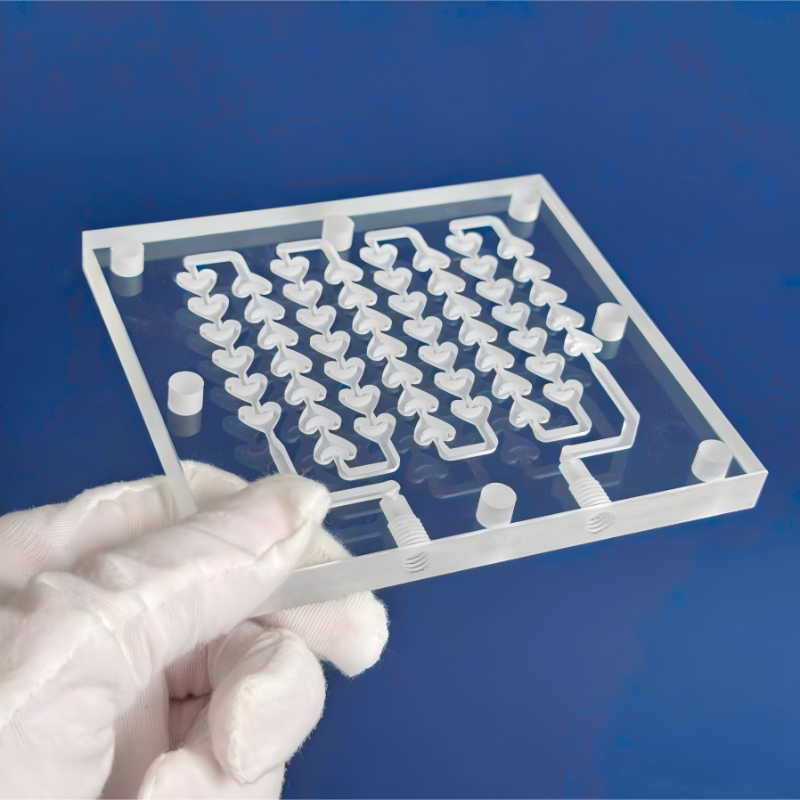
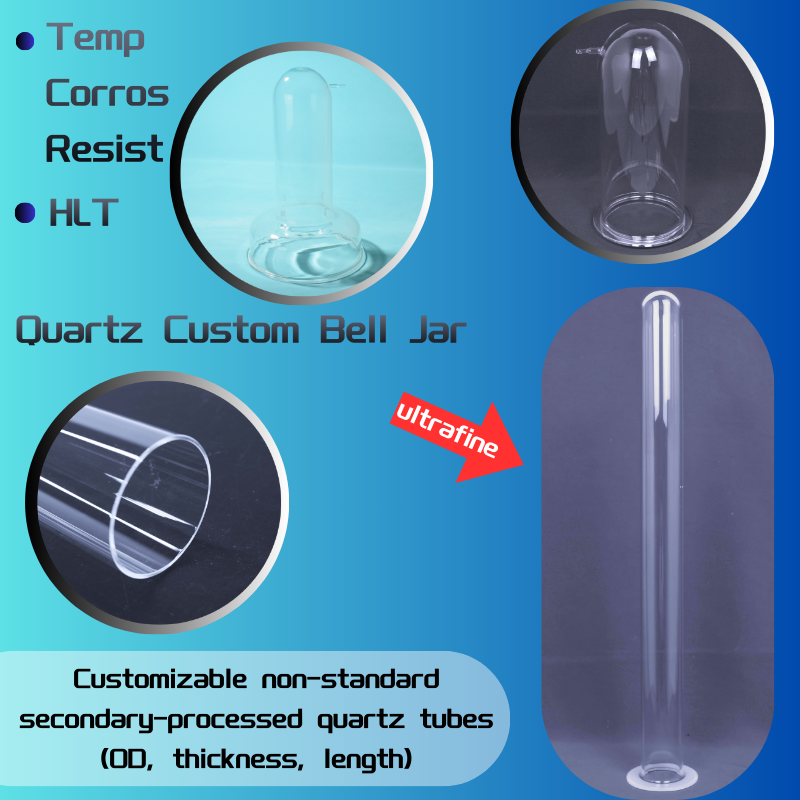
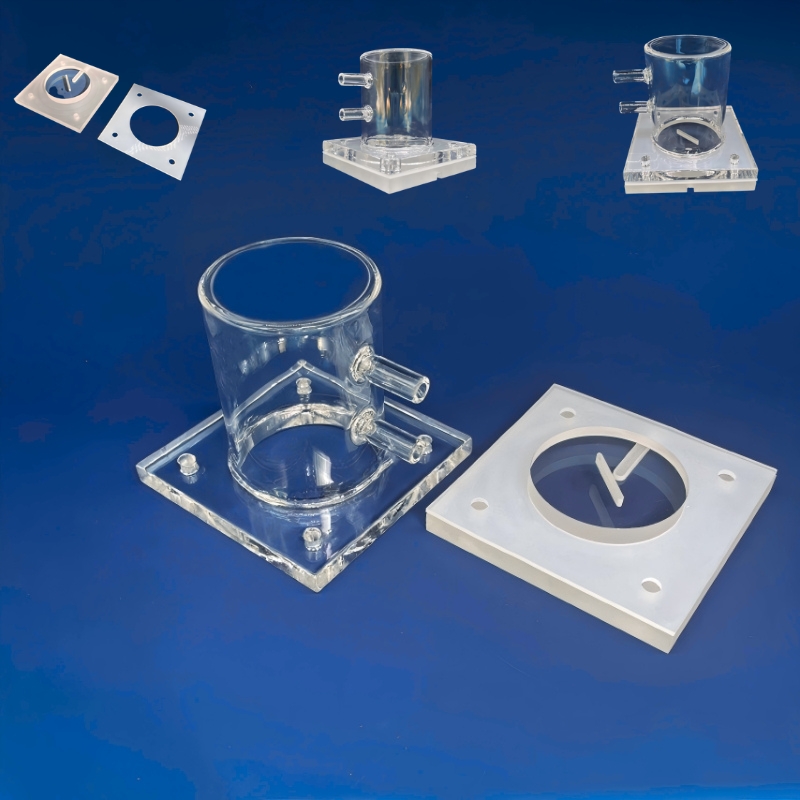
Drawing-based cold-machined and oxy-hydrogen welded quartz glass components engineered to strict international dimensional and chemical tolerances.
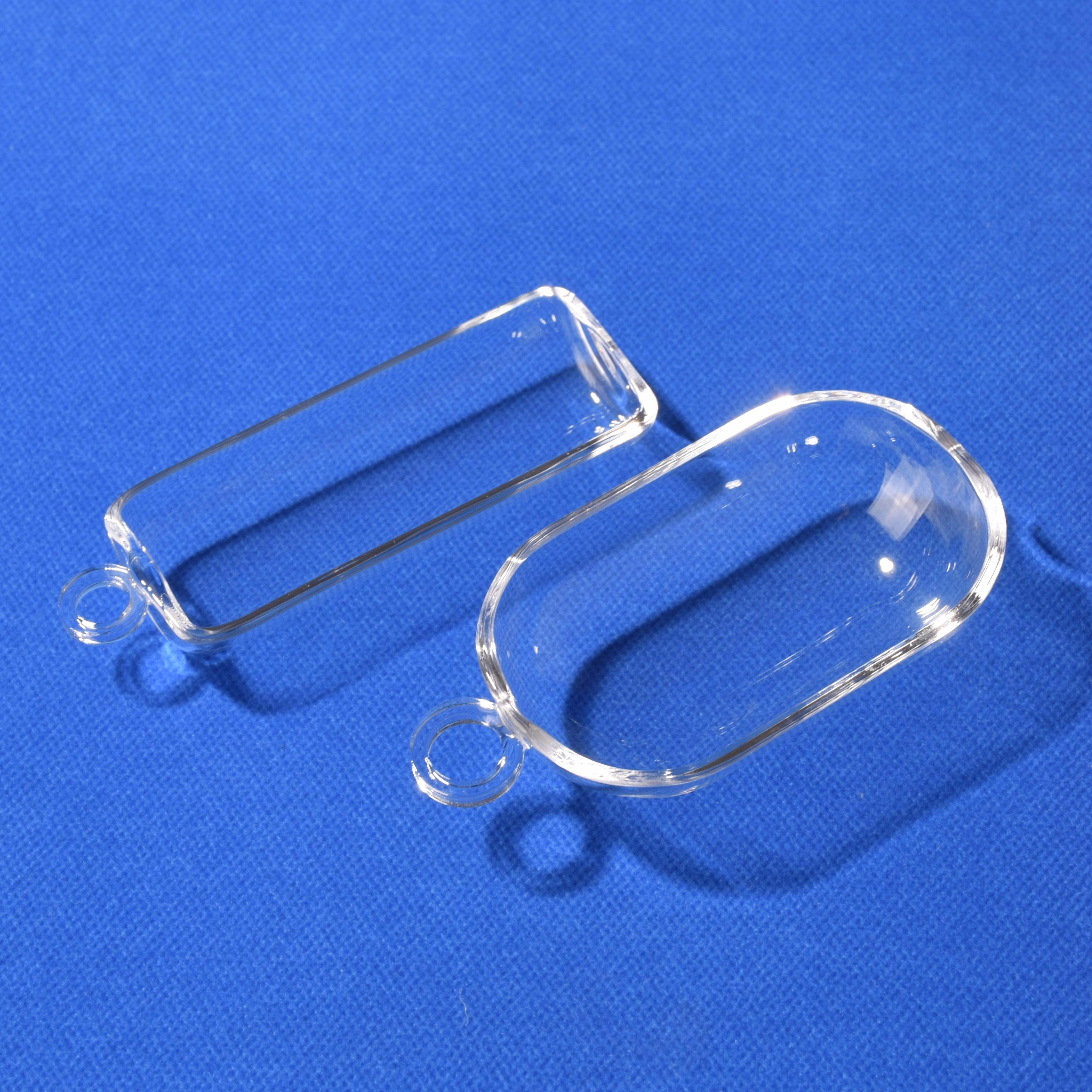
Ozone-free, high-purity clear quartz flask with fire-polished joints. Resists aggressive acid digestions and continuous thermal operations up to 1100°C.
Circular high-temperature heat-exchange quartz chips with a 1683°C softening point. Precision-ground for heat diffusion and wafer backing substrates.
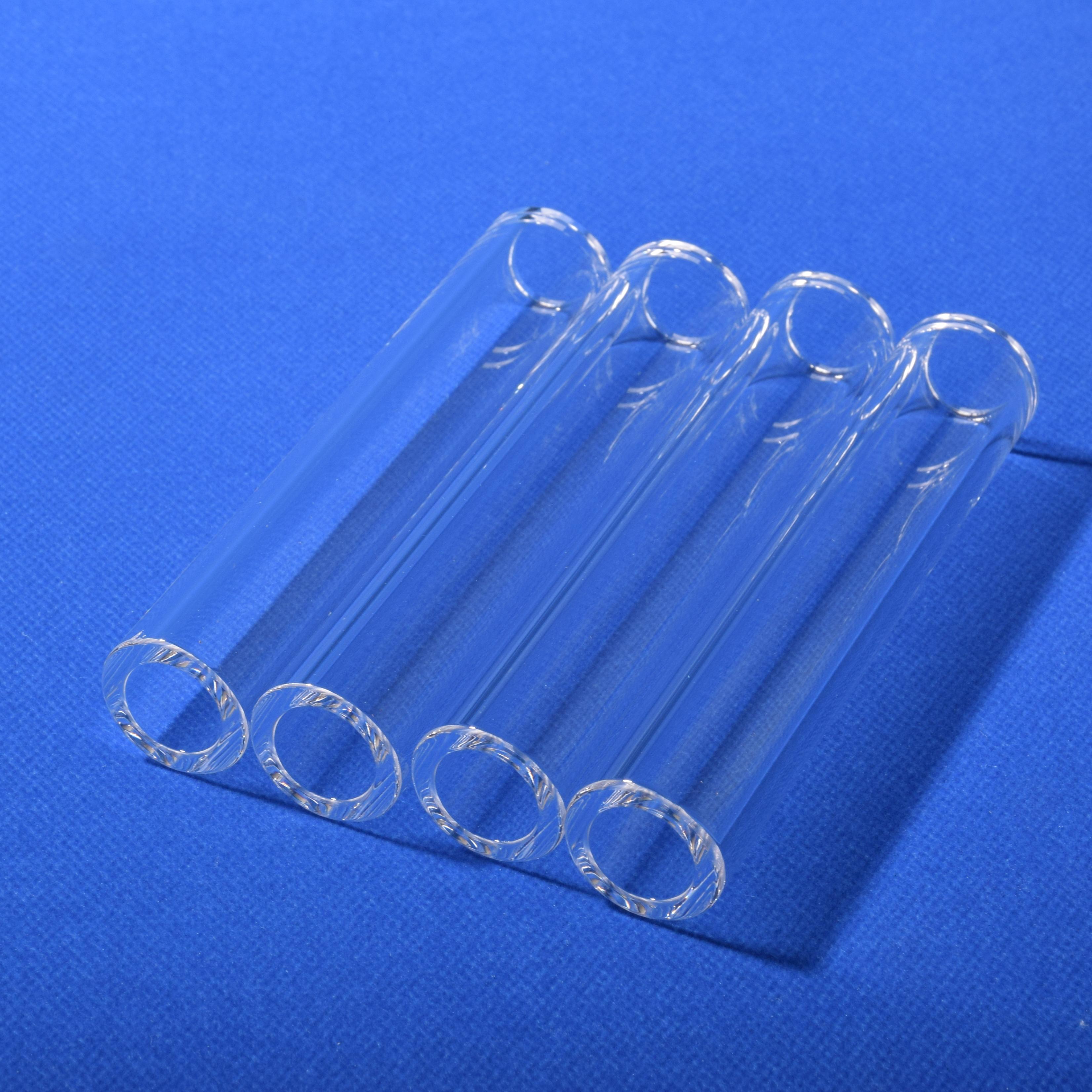
Oxy-hydrogen bench-welded optical test pipes designed for powder sintering, spectral photolysis, and broadband UV transmission without solarization.
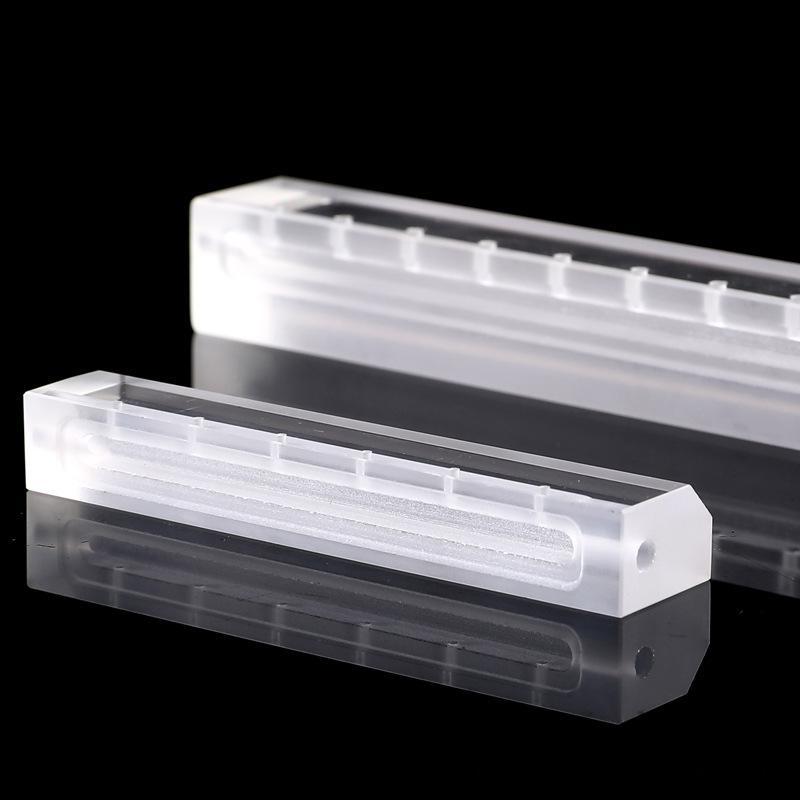
Engineered for horizontal furnace liners in semiconductor doping and thin-film annealing. High mechanical bending strength and zero micro-bubble inclusions.
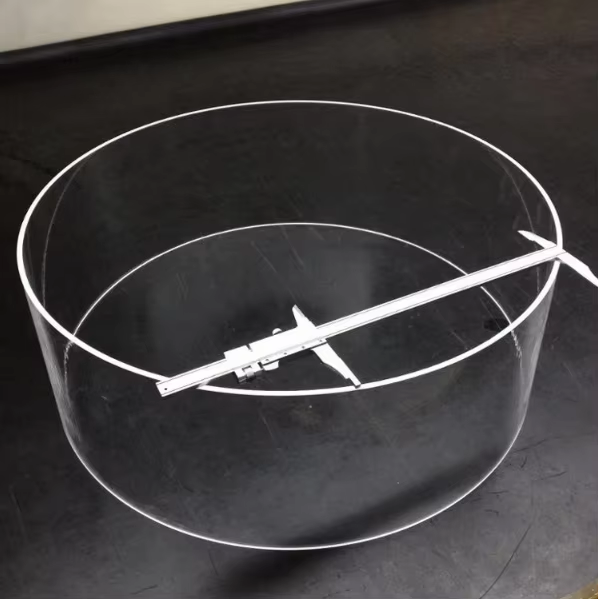
Oversized heavy-wall translucent and transparent process tube, heat-rated to 1100°C. Resists devitrification in corrosive industrial environments.
99.99% SiO₂ leak-proof vacuum process tube for semiconductor chamber isolation, high-vacuum epitaxy, and gas handling with extreme pressure integrity.
Circular high-thermal-conductance testing sheet, optical double-side polished. Ideal for XRD sample discs, UV-vis spectrometry, and thin-film substrates.
High-transmission ozone-free fused quartz reaction cell designed for water splitting, photocatalytic degradation, and laboratory-scale green hydrogen synthesis.
Understanding the fundamental thermodynamic thresholds that differentiate Vulra's semiconductor-grade fused silica from lower-grade industrial quartz.
| Physical Property | Standard Testing Protocol | Semiconductor Grade (Vulra SJ) | Optical / UV Grade | Standard Lab Glass (Borosilicate) |
|---|---|---|---|---|
| Silicon Dioxide Content (SiO₂) | ICP-MS Chemical Assay | ≥ 99.995% – 99.999% | ≥ 99.999% (Synthetic) | 80.5% – 81.0% |
| Softening Point (°C) | ASTM C338 / Dilatometry | 1683 °C | 1710 °C | 820 °C |
| Continuous Operating Temp (°C) | Steady-State Atmosphere | 1100 °C | 1150 °C | 500 °C |
| Peak Thermal Threshold (°C) | Short-term / Static Load | 1450 °C | 1500 °C | 550 °C |
| Coefficient of Thermal Expansion (CTE) | 20 °C to 320 °C (× 10⁻⁷ /°C) | 5.5 | 5.2 | 32.5 |
| Dielectric Strength (kV/mm at 20°C) | IEC 60243-1 | 25 – 40 | 35 – 45 | 10 – 15 |
| Total Trace Metal Impurities | Al, Fe, Ti, Ca, Mg, Cu (PPM) | < 15 – 20 ppm | < 1 – 5 ppm | > 20,000 ppm |
For chemical and semiconductor processing engineers operating in Colón, the distinction between standard furnace-grade fused quartz and high-purity semiconductor glassware is defined by trace contamination kinetics. When process furnaces reach temperatures exceeding 1000°C, alkali metals (such as Na, K, and Li) and transition metals (Fe, Cu) migrate via thermal diffusion through the quartz lattice. In microelectronic and clean analytical settings, this lattice outgassing causes immediate degradation of wafer junctions or creates spurious peaks in spectral detection.
Vulra Quartz strictly controls raw crystal sand calcination and chlorination in Donghai, ensuring that total metallic contamination remains suppressed under 20 ppm across batch fabrications, while hydroxyl (OH⁻) content is optimized according to whether the buyer requires deep UV transmission or resistance to thermal deformation (sagging) in horizontal furnaces.
From the Colón Free Trade Zone's bonded technology corridors to maritime petrochemical complexes and Caribbean environmental monitoring.
Panama's strategic push to anchor US-aligned semiconductor supply chains centers on post-fab assembly and testing. Cleanrooms require high-vacuum process tubes, quartz wafer carriers (boats), and inert chemical etching vessels resistant to hydrofluoric (HF) trace baths and nitric acid rinsing.
As the Caribbean's premier bunkering and transshipment capital, Colón terminals (Bahía Las Minas, Telfers, and Cristóbal) conduct continuous fuel oil testing, sulfur determinations, and catalytic crack analyses. High-temperature quartz ampoules, combustion tubes, and condensers withstand 1200°C pyrolytic flash cycles.
Panama’s national energy transition incorporates pilot hydrogen production and solar water-splitting facilities near the Canal corridor. Our quartz photocatalytic reactors provide over 90% optical transparency across the full UV-Vis spectrum, maximizing quantum efficiency for water photolysis without solarization degradation.
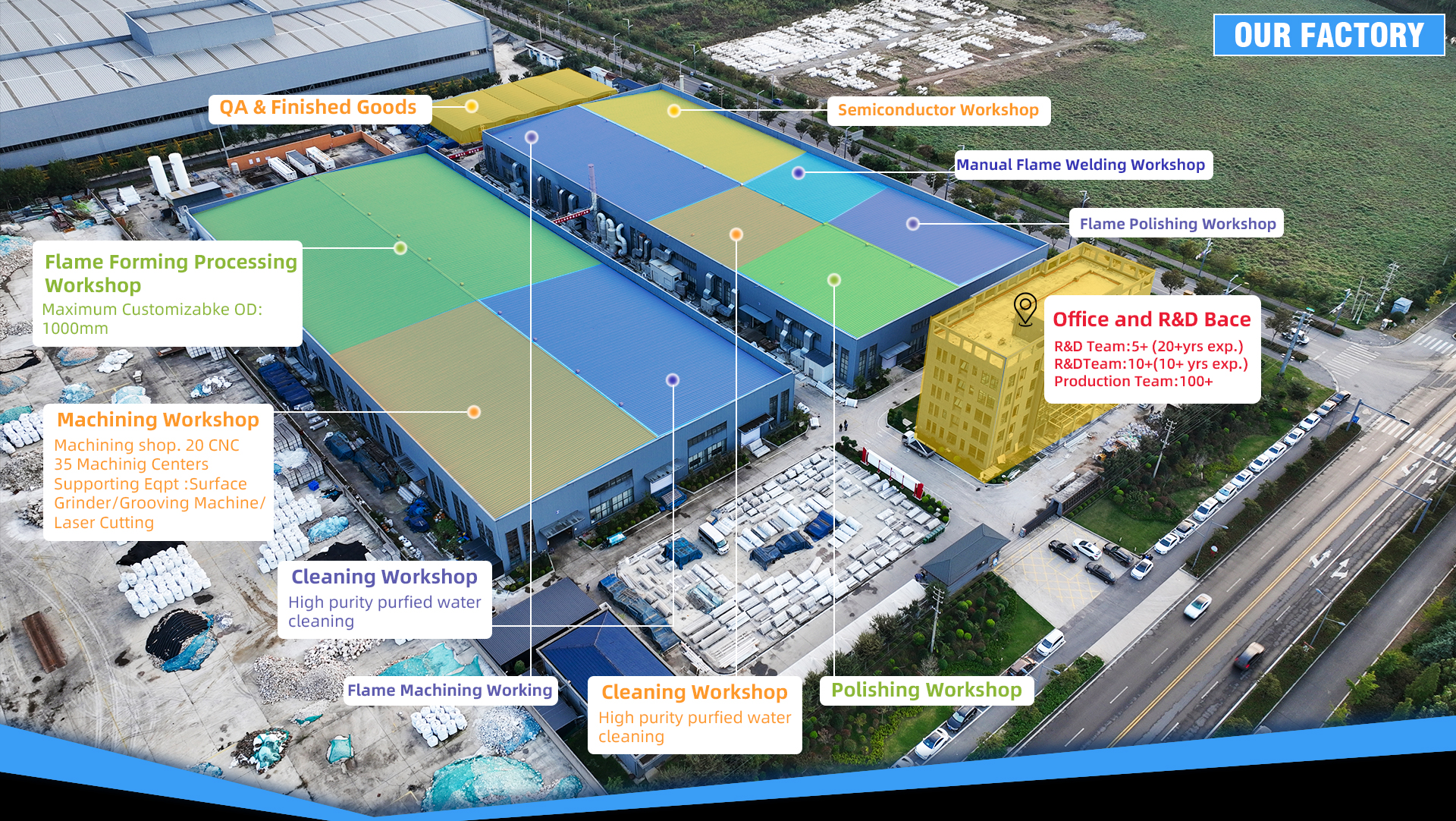
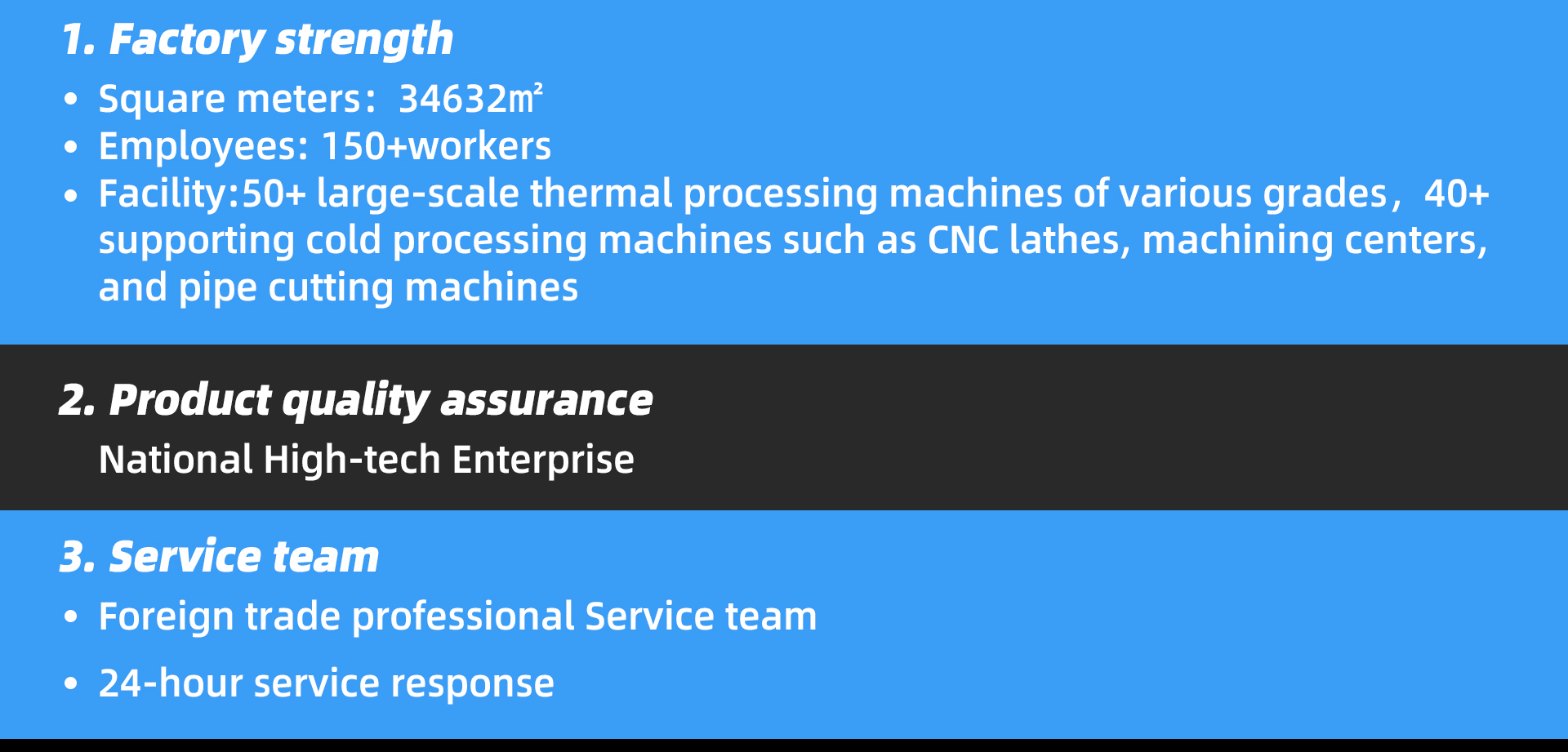
Sourcing critical quartzware from thousands of nautical miles away demands verifiable manufacturing integrity. Lianyungang Vulra Quartz Products Co., Ltd. operates a centralized, end-to-end production facility in Donghai County, Jiangsu Province, housing raw quartz purification, hydrogen-oxygen flame lathe benches, precision cold diamond grinding, and cleanroom annealing furnaces.
High-temperature fire bending, flange welding, and dome sealing at >2000°C without introducing torch impurities.
Sub-millimeter CNC diamond saw slicing, core drilling, and chamfering to prevent micro-fissure propagation.
Computerized ramp down in atmospheric annealing ovens ensures zero residual strain birefringence in vacuum tubes.
Pre-shipment verification of bubble class (DIN 58927), surface roughness (Ra ≤ 0.2 nm), and geometric concentricity.
How forward-thinking procurement teams in Central America and the Caribbean leverage the Colón Free Trade Zone for risk mitigation and rapid deployment.
Rather than enduring 4-to-6-week individual transit times for replacement furnace boats or vacuum tubes, regional operators are establishing bonded buffer stocks inside Colón’s Free Zone. This enables 24-to-48-hour emergency dispatch across Latin American fabrication nodes in Costa Rica, Colombia, and Mexico.
Colón’s direct container connections with Shanghai, Ningbo, and Qingdao allow consolidated ocean shipments of high-volume oversized quartz tubing (such as the SJ 150 series) directly through the Panama Canal locks, lowering transit fragility risks compared to complex air freight transfers through intermediary hubs.
Colón's tropical maritime climate involves high ambient relative humidity (>85%). High-purity quartz exported by Vulra incorporates desiccated nitrogen vacuum-sealed inner wraps and heavy-duty, foam-isolated plywood export crates meeting international ISPM-15 standards to prevent surface hydratization during transit.
Natural fused quartz is manufactured by melting high-purity natural quartz sand (SiO₂ ≥ 99.99%). It features high mechanical stability, low hydroxyl content, and high resistance to thermal sagging at high temperatures (up to 1100°C continuous), making it the gold standard for semiconductor furnace tubes, boats, and laboratory vessels. Synthetic fused silica is produced by the chemical vapor deposition (CVD) of gaseous silicon precursors (such as SiCl₄), resulting in extreme purity (>99.9999%) and minimal metallic trace contaminants, but typically higher OH⁻ levels, making it ideal for deep UV optics and excimer laser windows.
Every order is pre-engineered for fragile international cargo. Individual quartz parts are wrapped in protective polyethylene sheeting, isolated in custom-cut, high-density polyethylene (EPE) closed-cell foam inserts, packed into reinforced multi-wall cartons, and anchored within fumigated, steel-banded plywood crates (meeting ISPM-15 export regulations). For long or thin-walled furnace tubes, internal support mandrels prevent flexural resonance during sea transit to Manzanillo or Cristóbal.
Yes. Our engineering department works with standard CAD formats including PDF, DWG, DXF, STEP, and IGES. Prior to production, an engineer reviews your drawing for critical tolerances, flame weld line stress concentrations, and thermal expansion compatibility with mating metallic flanges or graphite tooling, providing formal design-for-manufacturing (DFM) feedback.
Standard clear quartz transmits ultraviolet wavelengths down to 180 nm. The 184.9 nm mercury spectral line strongly ionizes atmospheric oxygen (O₂), converting it into ozone (O₃), which is highly toxic to personnel and corrosive to auxiliary laboratory equipment. Our ozone-free quartz tubes are doped with trace titanium oxides to selectively absorb UV wavelengths below 220 nm while allowing the beneficial 253.7 nm germicidal and photocatalytic line to pass with greater than 85% transmission efficiency.
We maintain an industry-friendly MOQ of just 1 piece for custom-engineered quartz boats, specialized reactor vessels, crucibles, and customized plates. This allows research institutes, university laboratories, and trial cleanrooms in Colón and Panama City to validate fit and process parameters before initiating recurring batch procurement.
Devitrification (the transformation from amorphous fused silica to crystalline cristobalite above 1150°C) is catalyzed by surface contaminants, especially fingerprints and alkali salts. We recommend immersing parts in a 5% to 10% hydrofluoric (HF) acid bath for 3 to 5 minutes, followed by an immediate multi-stage rinse with 18 MΩ·cm deionized (DI) water, and drying with pure filtered nitrogen. Operators must always handle high-temperature quartz with lint-free cotton or powder-free nitrile gloves.
Send your 2D/3D part drawings or technical parameters to our Donghai engineering team. Receive material feasibility assessments, dimensional tolerance reviews, and competitive direct-factory pricing within 24 hours.