Featured Semiconductor & Industrial Quartz Solutions
Explore our flagship high-purity fused silica glass products manufactured under stringent ISO 9001 and certified by TÜV Rheinland. Available with complete drawing customization, multi-zone laser hole drilling, and cleanroom export packaging.
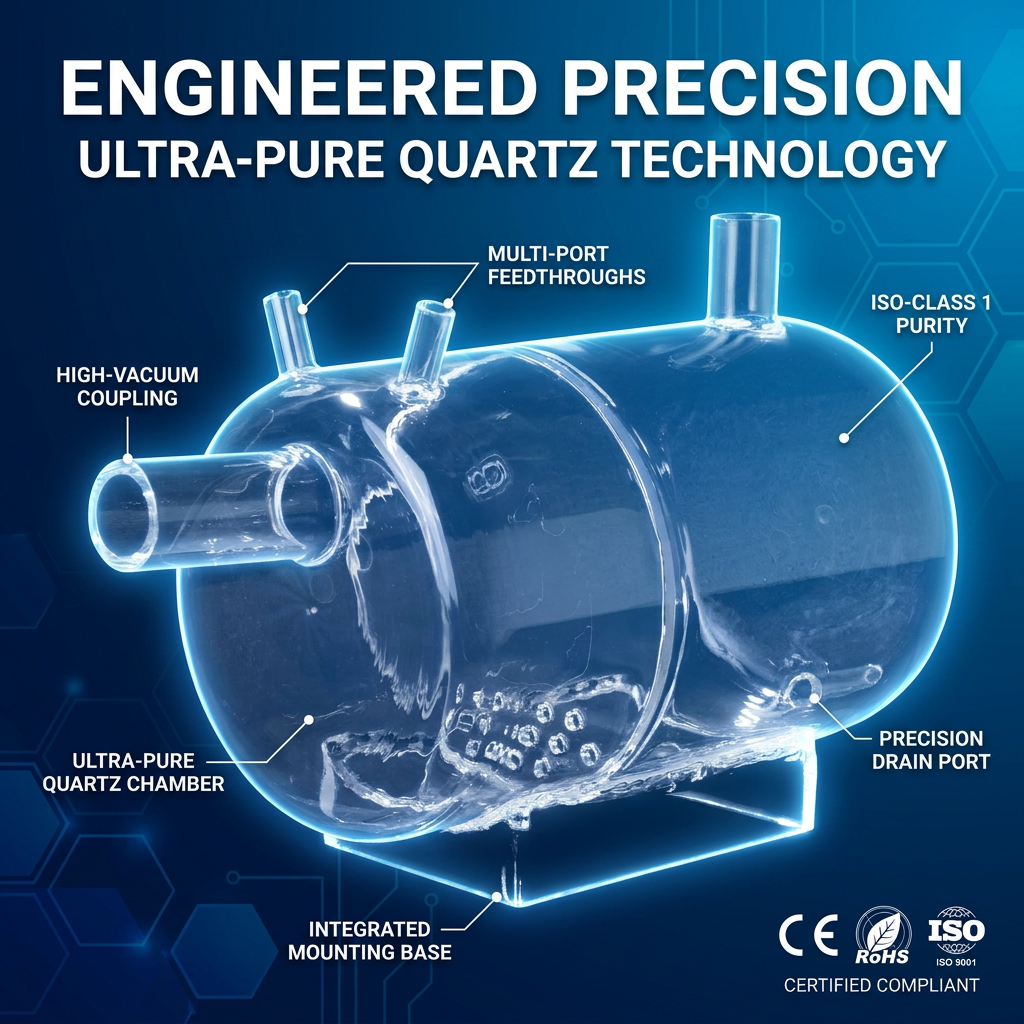
Customized Precision Quartz Separating Container
Semiconductor-grade 99.9%–99.999% purity glassware tailored for ultra-clean chemical synthesis, epitaxy precursors, and acidic gas isolation.
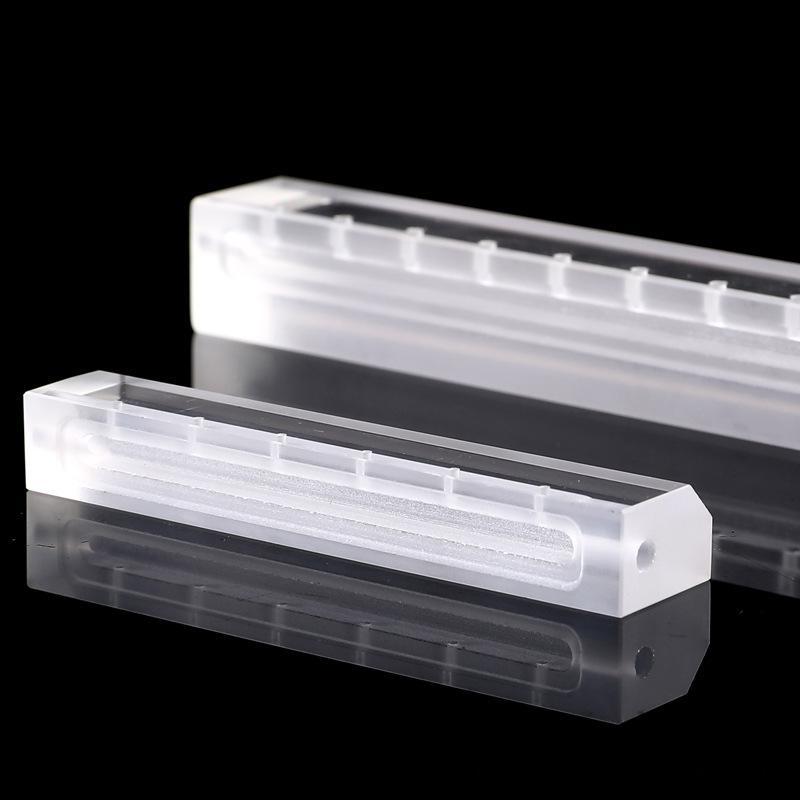
Clear Quartz Testing Sheet Ultra-thin Circular Plate
Ultra-thin circular optical quartz sheet (SJ 077) offering supreme thermal conductance, deep UV transmission, and crack-free laser welding integrity.
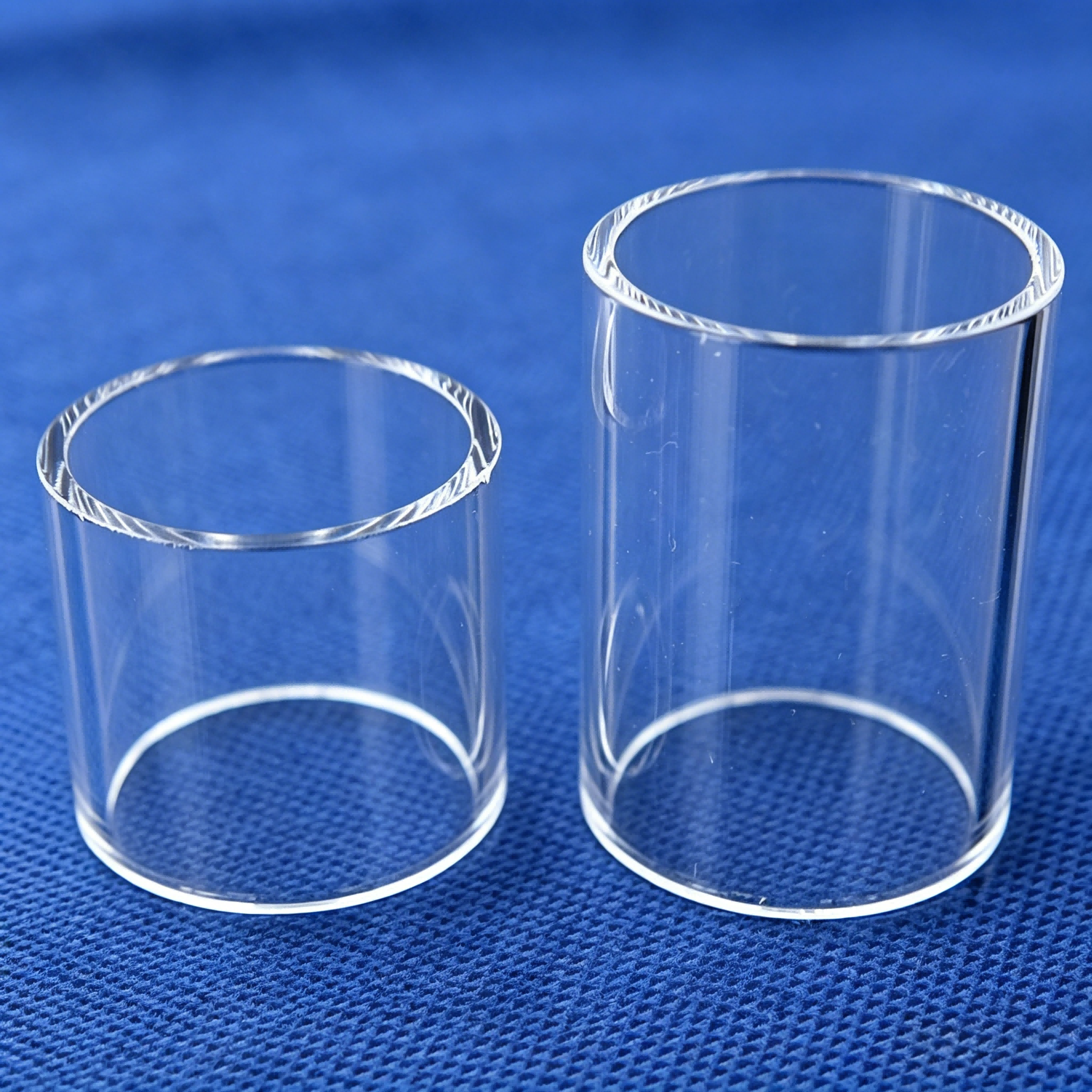
Custom High-Temp Corrosion Resistant Quartz Pipe
Twin-tube polished clear fused silica piping with specialized bend geometry, high-pressure resilience, and extreme acid vapor resistance.
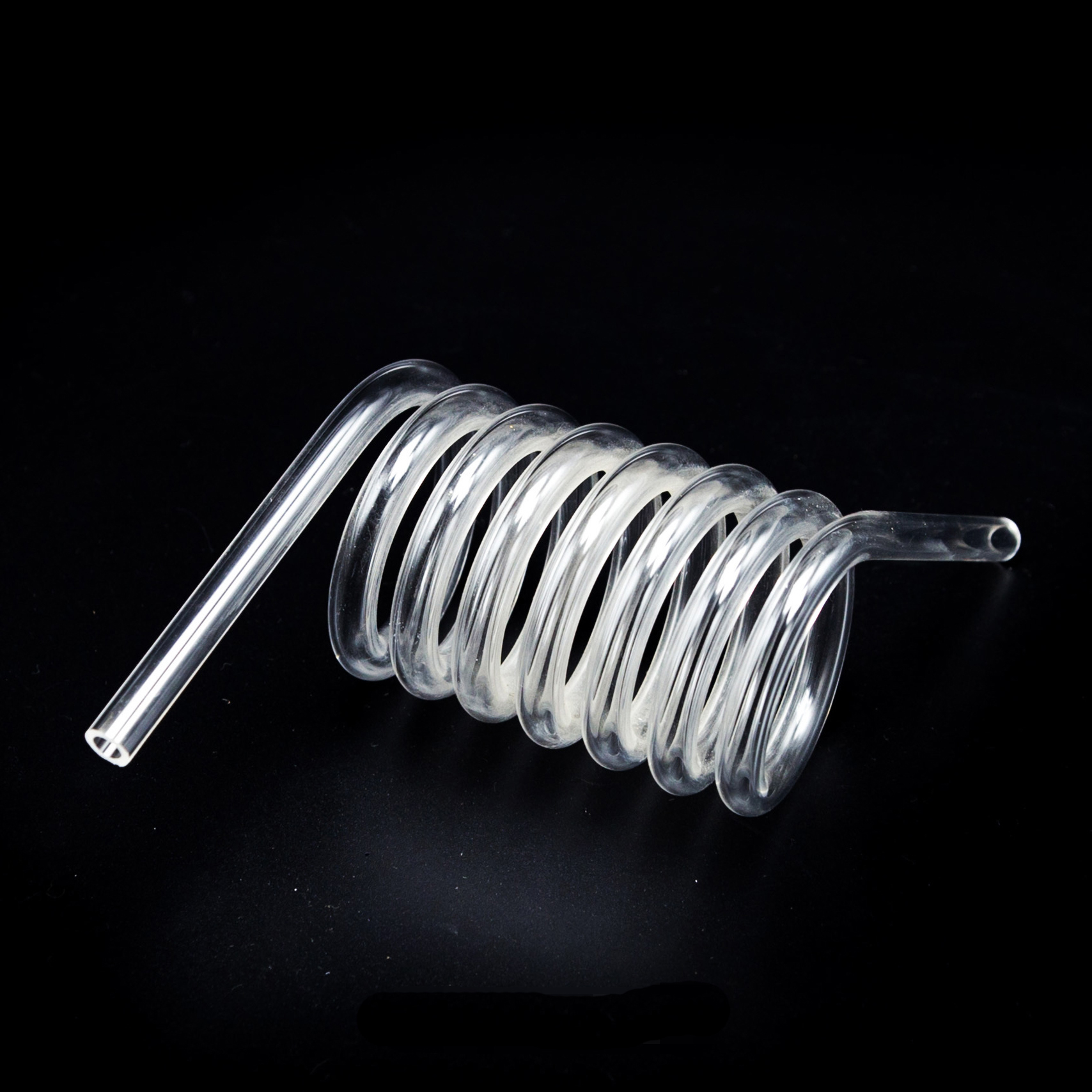
High Purity Polished C-Shape & Spiral Bent Tubes
Small-diameter flame-polished bent quartz tubing designed for specialized gas manifold injectors, plasma torches, and coiled heat-exchangers.
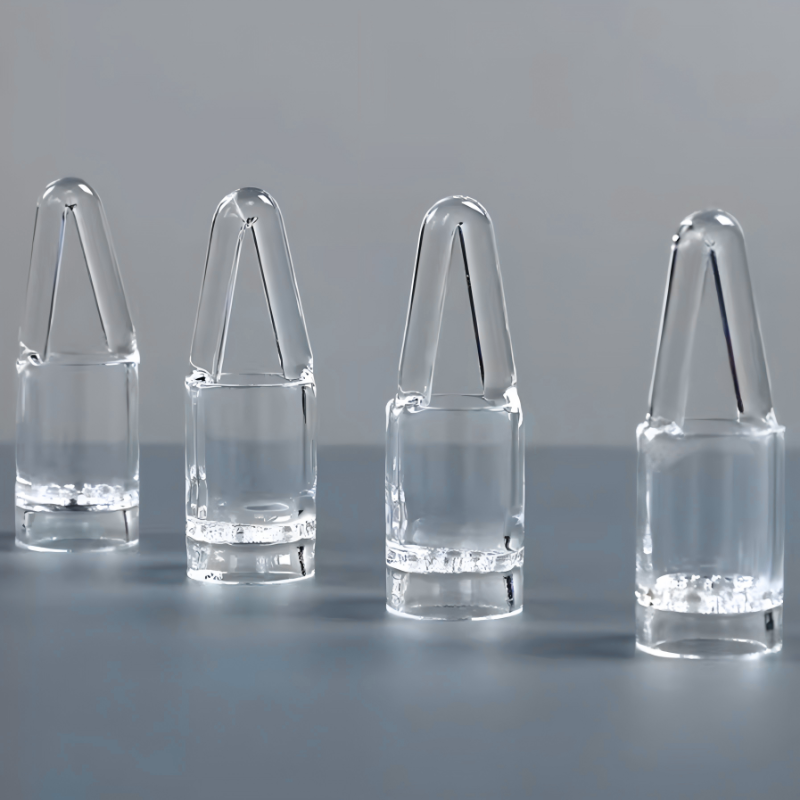
Acid & Alkali Resistant Polished Quartz Crucible
Heavy-wall ozone-free quartz melting crucible, dome closed-end vessels, and porous sintered quartz baskets resisting severe chemical degradation.

Custom Clear Fused Quartz Reaction Beaker / Tube
Fire-polished fused silica beaker with integrated ergonomic quartz handle (SJ 226). Inert against aqua regia, concentrated acids, and halide flux.
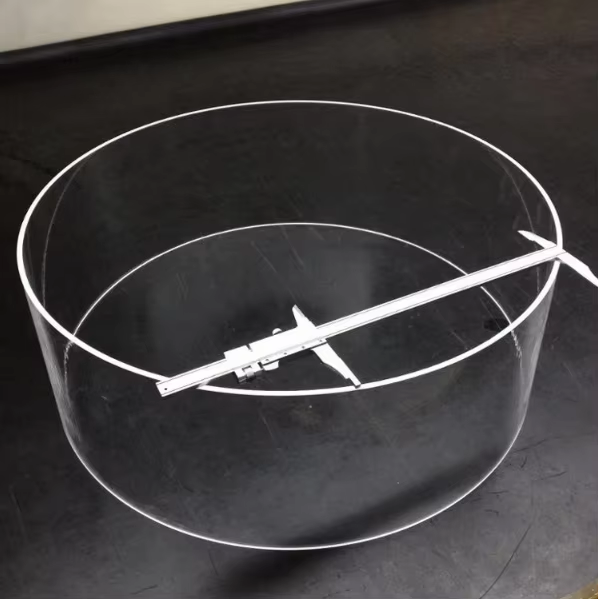
High-Temperature Optical Quartz & Sapphire Tubes
Synthetically enriched fused quartz and sapphire hybrid tubing optimized for high-power UV curing lamps, powder sintering reactors, and furnace viewports.
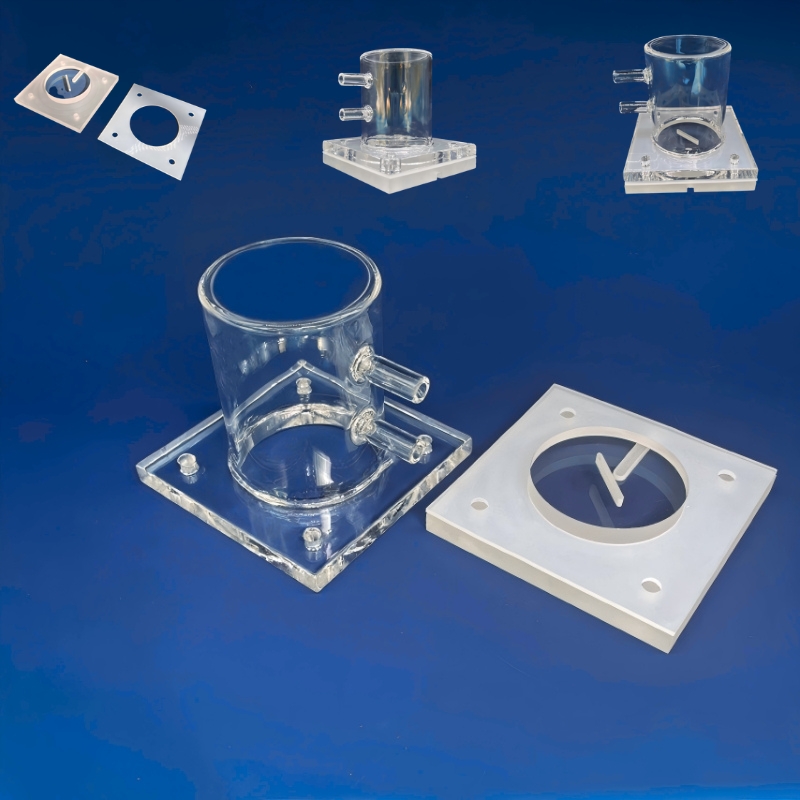
Quartz Photocatalytic Reactor for H₂ & O₂ Production
Ozone-free translucent and transparent dual-chamber photocatalytic cell engineered for clean hydrogen generation via UV water-splitting systems.
Critical Engineering of Quartz Gas Injectors in Advanced Deposition
In microelectronics fabrication, photovoltaic cell manufacturing, and atmospheric pressure chemical vapor deposition (APCVD/LPCVD), quartz gas injectors function as the precise fluidic conduit delivering reactive precursor chemistries into thermal reaction envelopes.
Thermal Shock Resistance & Low CTE
With an exceptionally low coefficient of thermal expansion (CTE = 5.5 × 10⁻⁷ /°C from 20°C to 1000°C), our fused quartz gas injectors withstand rapid thermal insertion and withdrawal without structural micro-cracking or thermal fatigue failure.
Micro-Drilled Gas Orifice Geometries
Equipped with 5-axis CNC diamond micro-machining and CO₂ laser trepanning, we fabricate multi-hole gas dispersal patterns with orifice diameters as small as 0.30 mm ± 0.02 mm, preventing vortex shedding and ensuring uniform laminar gas curtains across furnace tubes.
Controlled Hydroxyl (OH⁻) Kinetics
Hydroxyl radical concentrations directly influence the viscosity curve and devitrification rate of silica glass above 1000°C. Our two-stage vacuum dehydroxylation lowers OH⁻ content to under 15 ppm, eliminating premature sagging in horizontal cantilever diffusion systems.
| Material Metric / Parameter | Semiconductor Grade (SG-999) | Solar & CVD Standard (PV-800) | General Scientific Grade (LAB-400) |
|---|---|---|---|
| SiO₂ Purity (by Difference) | ≥ 99.999% (5N) | ≥ 99.99% (4N) | ≥ 99.95% (3.5N) |
| Total Heavy Metals (Fe, Cu, Ni, Cr) | < 0.5 ppm | < 2.5 ppm | < 8.0 ppm |
| Alkali Elements (Li, Na, K) | < 0.4 ppm | < 1.8 ppm | < 5.0 ppm |
| Max Service Temperature (Continuous) | 1150 °C | 1100 °C | 1050 °C |
| Peak Flash Temperature (Short-term) | 1450 °C | 1350 °C | 1250 °C |
| Orifice Hole True Position Tolerance | ± 0.02 mm (Laser Trepanned) | ± 0.05 mm (Ultrasonic) | ± 0.10 mm (Diamond Drilled) |
| Annealing Strain Relief Point | 1075 °C | 1060 °C | 1040 °C |
Serving Portugal’s High-Tech Industrial & Scientific Corridors
Portugal’s strategic pivot toward advanced microelectronics packaging, green hydrogen generation, and specialized nanotechnology requires high-integrity silica glass components that eliminate process drift and particulate shedding.
Braga & Minho Nanotech Cluster
At institutes like the International Iberian Nanotechnology Laboratory (INL) and research facilities at the University of Minho, our ultra-pure quartz gas injectors deliver corrosive ALD (Atomic Layer Deposition) organometallic precursors and chlorine-based etch gases without metal leeching.
Porto & Norte Precision Engineering
Supplying precision optical components, twin-tube quartz gas pipes, and high-temperature crucibles to the northern automotive sensors, advanced materials research, and specialized glass ceramics manufacturing hubs centered in Maia, Vila Nova de Gaia, and Guimarães.
Lisbon & Tagus Valley Tech Belt
Partnering with semiconductor design, packaging, and clean-energy pilot reactors across IST (Instituto Superior Técnico) and FCT NOVA. Our custom quartz separating containers and furnace boats support next-generation wide-bandgap (GaN, SiC) crystal growth experiments.
Sines Clean Energy Corridor
With Portugal establishing Sines as a European deep-water hydrogen and battery ecosystem, our quartz photocatalytic reactors and high-pressure quartz reaction tubes enable UV-mediated water splitting and industrial syngas flow metering without trace corrosion.
Portugal Semiconductor & Clean Energy Industrial Trends
Analyzing the macroeconomic and micro-technical forces modernizing quartz procurement across Portugal and the broader Iberian Peninsula under European manufacturing autonomy programs.
Synergy with the European Chips Act
Portugal is aggressively establishing advanced semiconductor backend assembly, test, and photonics fabrication facilities. As legacy wafer handling gives way to sub-28nm packaging and photonic integrated circuits (PICs), quartz consumable components require sub-ppm chemical purity profiles and zero crystalline grain boundaries.
Transition to Synthetic & Doped Silicas
Portuguese solar cell and optical sensor fabricators are moving away from traditional borosilicate tubing to synthetic fused silica and ozone-free doped quartz injectors. This transition eliminates thermal warping at continuous operating envelopes above 1050°C and avoids UV solarization during optical annealing cycles.
Direct Factory Agility vs. EU Stockist Markups
Portuguese engineering procurement managers traditionally paid a 200% to 300% premium to Western European intermediary distributors. By sourcing directly from Lianyungang Vulra Quartz with DDP Lisbon/Porto shipping terms, labs cut replacement lead times by 40% and secure drawing-level customizations from 1 piece.
Why Engineering Teams Choose Vulra Quartz
Headquartered in Donghai County—the acknowledged crystal capital of China—Lianyungang Vulra Quartz Products Co., Ltd. combines sovereign natural quartz sand deposits with verified European-grade quality control systems.
Raw Sand Refining
Acid leaching and magnetic separation produce 99.999% pure silica feedstock with low iron.
Vitreous Fusion
Continuous electric and oxy-hydrogen fusion creates high-density, bubble-free preform ingots.
CNC Machining
Diamond-tooled micro-cutting, multi-axis lathe bending, and laser orifice trepanning to CAD prints.
Stress Annealing
Controlled electric kilns soak parts at 1150°C to eliminate residual lattice strain and birefringence.
Cleanroom Packing
Class 10,000 ultrasonic acid etching, DI-water rinse, and vacuum dual-PE protective boxing.
TÜV Rheinland Audited
Our manufacturing footprint, corporate registration, and specialized hot-working lines are independently inspected and verified by TÜV Rheinland. Full CE compliance and RoHS declaration certificates accompany every batch.
1-Piece Prototype OEM/ODM
Whether your facility requires a single prototype gas injector with complex compound bends for an experimental CVD reactor or 500 diffusion tubes for volume semiconductor line replacement, we offer flexible MOQ with zero setup penalties.
Shockproof Iberian Freight
Every quartz piece is immobilized within custom-profile high-density EPE foam armor, housed in vacuum foil barriers, and crated in fumigated export-grade plywood crates engineered to eliminate resonance breakage during ocean and air transit.
Frequently Asked Questions by Portuguese Buyers
Clear, technically rigorous answers addressing customs clearance, import tariffs, technical drawing validation, and quality certifications for Portuguese procurement engineers.
Request Custom Quotation or Engineering Review
Submit your 2D/3D component drawings, target operating temperatures, and purity requirements. Our senior technical quartz glass engineers review and return a full DFM feasibility analysis and factory-direct quotation within 24 hours.