Featured Photochemical & High-Purity Quartz Glass Products
Precision fabricated in Donghai, China with 99.999% SiO₂ optical clarity, zero-bubble inclusions, and extreme thermal resilience. Engineered for photochemical synthesizers, UV immersion jackets, and industrial process chambers across Chișinău, Bălți, and Ungheni.
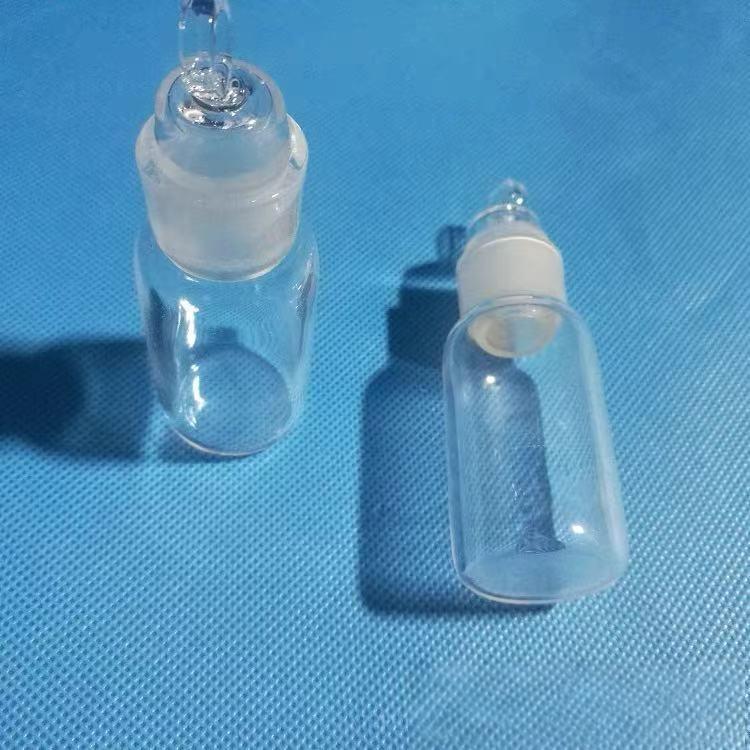
High-Corrosion Resistant Semiconductor 400 Mesh Lab Quartz
Ultra-pure sintered quartz matrix offering severe acidic resistance and micro-porous stability for specialized photochemical diffusion.
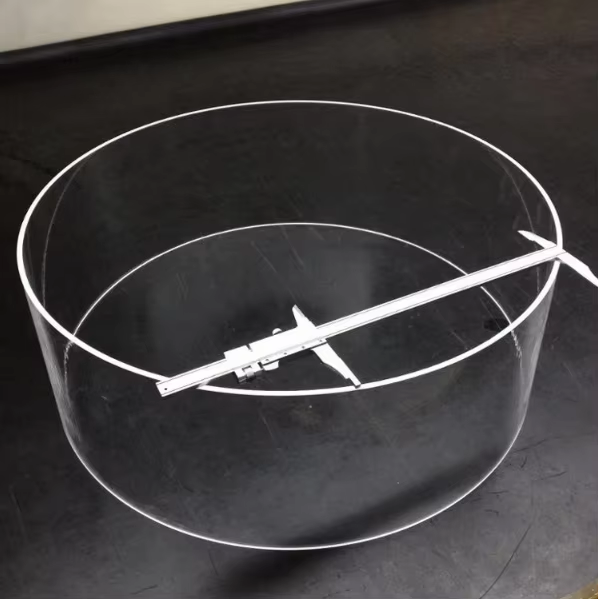
Optical Quartz Sapphire Immersion Tubes for Sintering & UV
Double-bore and single-bore optical tube assemblies for photochemical UV exposure, high thermal conductivity, and chemical inertness.
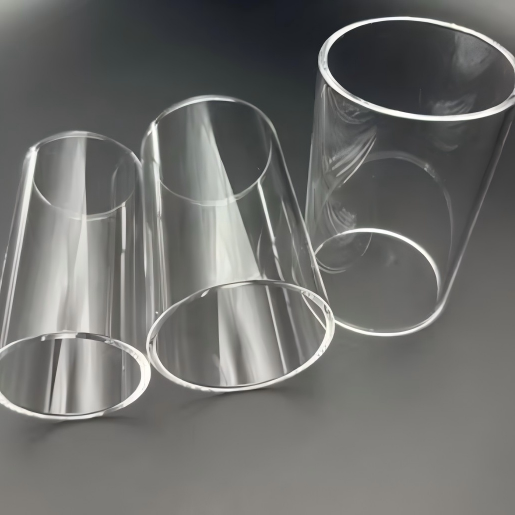
Ozone-Free One End Closed Quartz Immersion Well Tube (5-800mm)
Precision flame-closed domed bottom quartz thermowell sleeve. Ideal for direct lamp immersion in aggressive photochemical liquors.
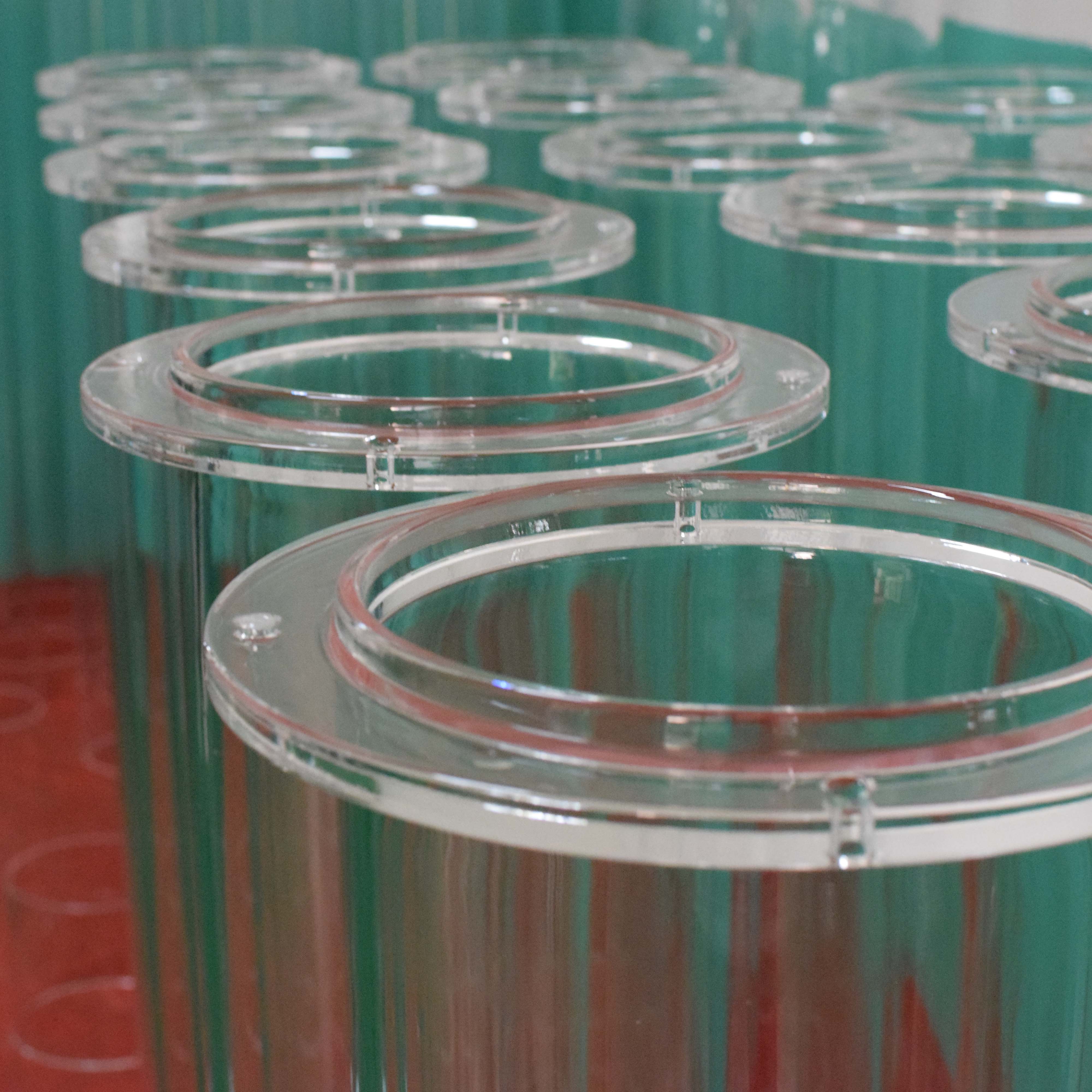
High Purity 99.999% Quartz Glass Tube with Ground Flange
Integrated ground joint or flat flange quartz tube for airtight hermetic reactor sealing under high vacuum and positive gas purge.
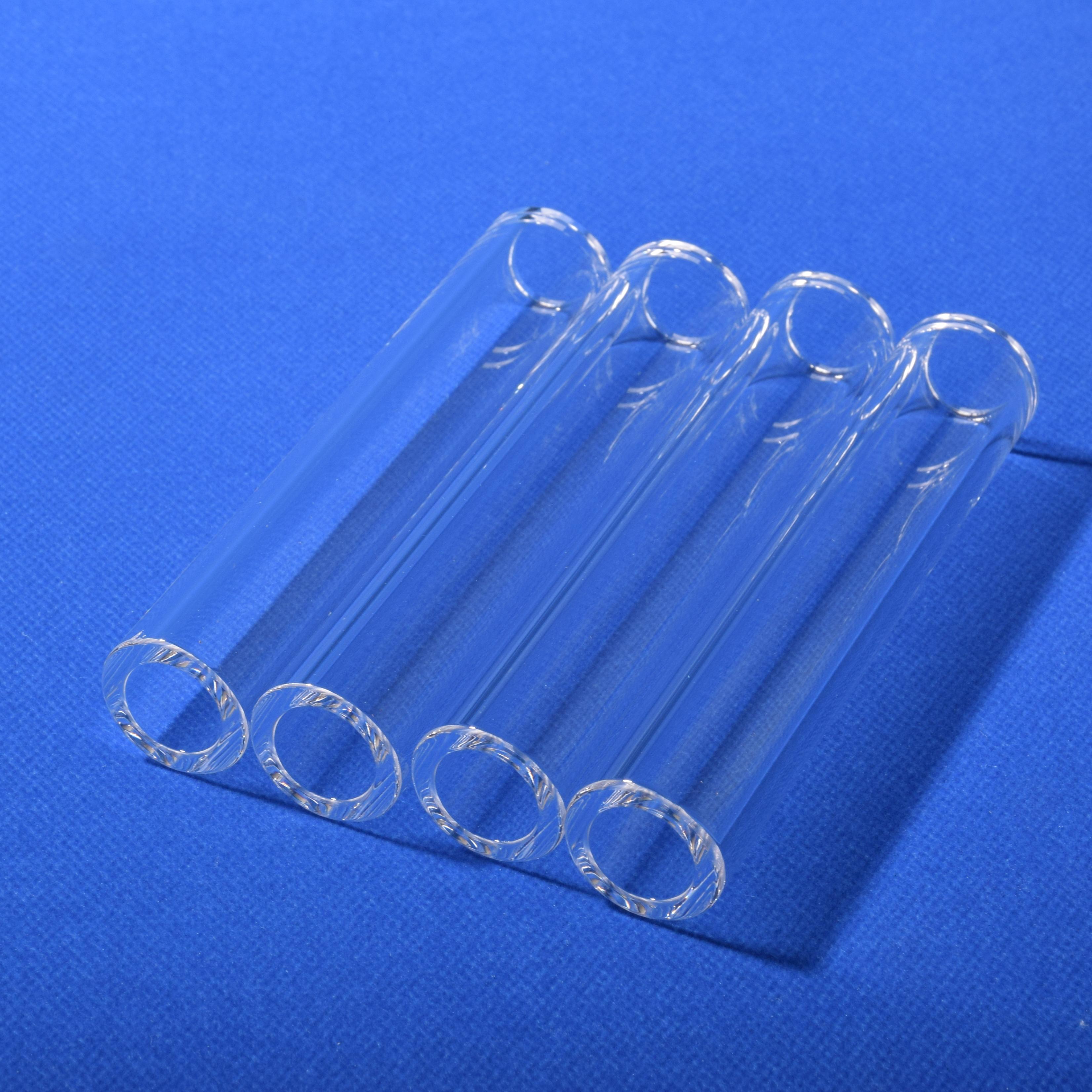
SJ 150 Oversized Thick-Wall Polished Quartz Reactor Sleeve
High-pressure resistant, thick-walled fused silica cylinder tested to 1100°C continuous service for industrial effluent digestion.
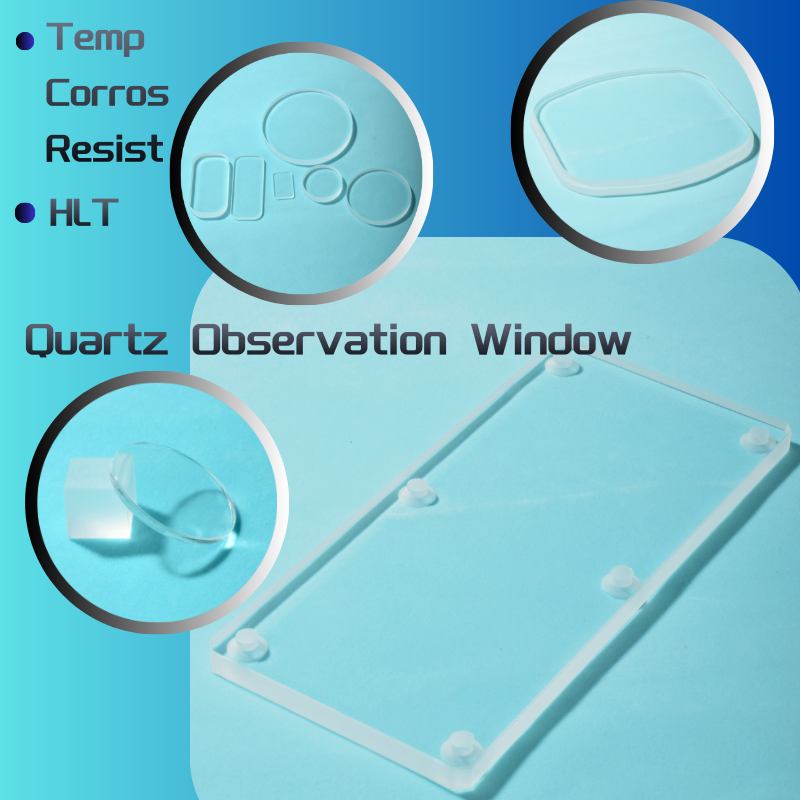
SJ Natural Fused Quartz Polished Optical Sight Plate
Parallel ground optical quartz disk providing laser-grade flatness and superior transmission from 190nm deep UV to 2500nm NIR.
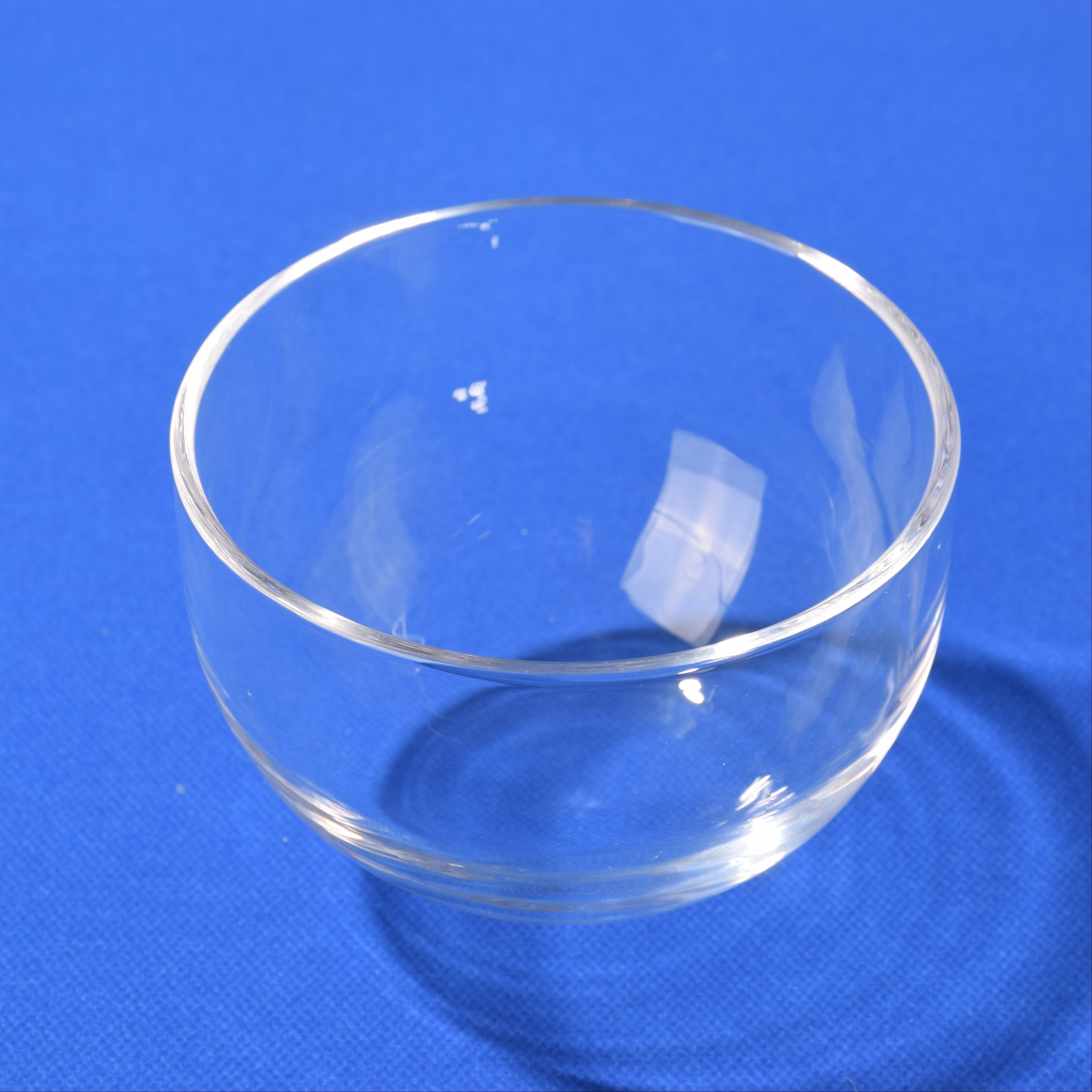
Clear Refractory Fused Quartz Reaction Vessel Bowl
High tensile strength (48 N/mm²) fused quartz reactor base with a 1683°C softening threshold, resisting rapid thermal shocks.
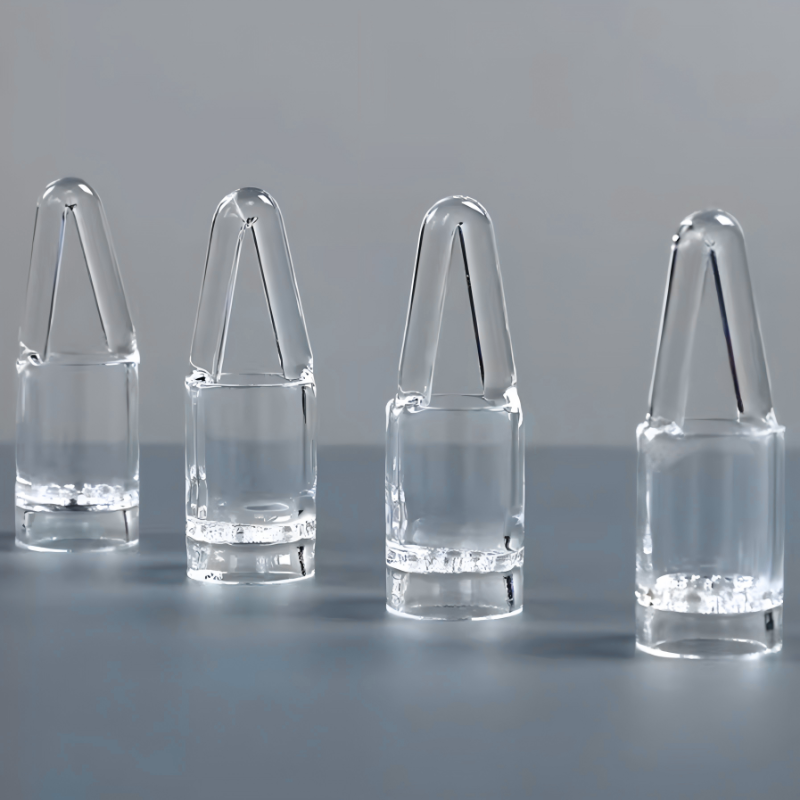
Acid & Alkali Resistant Quartz Glass Basket & Dome Vessel
Specialized dome-bottom closed quartz containment system engineered for batch photochemical washing, chlorination, and digestion.
Physics & Material Selection of Photochemical Quartz Immersion Wells
A quartz immersion well is a mission-critical component in laboratory and industrial photochemical synthesis, continuous-flow oxidation, and deep-UV sterilization systems. Its fundamental engineering duty is twofold: to physically separate high-output radiation sources (such as low-, medium-, or high-pressure mercury arc lamps, excimer lamps, or high-flux UV-C LED arrays) from the liquid reaction medium while providing an ultra-high transmittance optical window across UV-A, UV-B, and deep UV-C spectra.
Unlike standard borosilicate glass (which cuts off light transmission sharply below 310 nm), fused quartz maintains continuous transmittance down to 185 nm (synthetic silica JGS1 down to 160 nm). In Moldovan industrial applications—spanning agricultural effluent mineralization, winery wastewater ozone-catalysis, and fine pharmaceutical synthesis in Chișinău—the performance of a photochemical reactor is directly constrained by the purity and thermal stability of its quartz immersion well.
1. Optical Transmission Physics: Synthetic Silica (JGS1) vs. Natural Fused Quartz (JGS2/JGS3)
When specifying a quartz immersion well for photo-chlorination, advanced oxidation processes (AOP), or vitamin D synthesis, chemical process engineers must distinguish between raw material classifications:
- Synthetic Fused Silica (Optical Grade JGS1): Formed via the vapor-phase flame hydrolysis of silicon halides (SiCl₄). It contains minimal metallic impurities (<0.1 ppm total metals) and maintains >90% internal transmittance at the critical 254 nm mercury emission line and significant transparency at 185 nm (the ozone-generating band). It is required for deep-UV laser chemistry and high-power photochemical reactors where solarization resistance is paramount.
- Natural Fused Quartz (Optical Grade JGS2): Produced from high-purity natural crystal sand (Donghai quartz cluster). It exhibits exceptionally low hydroxyl content ([OH⁻] < 5–30 ppm) and eliminates water absorption bands in the infrared spectrum (2.73 µm). While having slightly lower transmission at 185 nm, its transmission at 254 nm and 365 nm is practically identical to synthetic silica (>88%), providing an exceptionally cost-effective solution for large-scale industrial photoreactors.
- Ozone-Free Doped Quartz (JGS3 / Doped Silica): Deliberately doped with trace elements (e.g., titanium) during glass drawing to selectively cut off radiation below 220 nm while allowing complete passage of 254 nm and 365 nm radiation. This eliminates hazardous ozone generation in surrounding ambient air without requiring forced nitrogen purging of the well interior.
2. Thermal Shock & Cooling Jacket Dynamics
Medium-pressure mercury lamps operate at tube wall temperatures between 600°C and 900°C. If this heat transfers directly into the reaction medium, it causes severe thermal degradation of heat-sensitive compounds (such as pharmaceutical intermediates or active food enzymes). Thus, high-performance immersion wells incorporate a concentric double-wall (jacketed) or triple-wall cooling architecture. Cold water, ethylene glycol, or optical filter liquid circuits through the internal sleeve, continuously carrying away infrared enthalpy while the quartz wall maintains a minimal thermal expansion coefficient of 5.5 × 10⁻⁷ /°C—resisting rapid thermal shock even during coolant pump failure.
Top 10 Quartz Immersion Well Suppliers & Exporters Serving Moldova
A verified comparative assessment based on manufacturing credentials, raw material purity, custom drawing capability, lead times to Eastern Europe, and compliance with EU/Moldovan industrial standards.
TÜV Rheinland verified custom quartz manufacturer located in China's crystal capital. Vulra Quartz specializes in custom OEM/ODM drawing-based photochemical immersion wells, double-jacketed cooling sleeves, and flanged reaction vessels. Backed by full supply chain integration, Vulra delivers 99.999% purity SiO₂ components from single-piece prototypes to volume runs with direct export routes to Moldova via Chișinău Airfreight and Giurgiulești/Constanța sea corridors.
A global premier technology group producing synthetic silica (Suprasil) and natural fused quartz raw materials. Their standard and custom immersion sleeves serve critical semiconductor wafer fabs and ultra-high-precision photochemical synthesis laboratories throughout Europe. Premium optical performance paired with institutional European distribution channels.
Recognized for industry-standard Type 214 clear fused quartz tubing. Momentive excels in high-volume tubular raw materials with low hydroxyl content, dimensional consistency, and high-temperature sag resistance. Supplies large municipal UV sterilization equipment integrators across Central and Eastern Europe.
The pioneer of laboratory-scale photochemical reaction assemblies. Ace Glass produces classic photochemical immersion wells featuring interchangeable jacketed glassware, water cooling lines, and specialized non-flanged O-ring joint fittings favored by academic research faculties and institutional chemistry departments in Moldova.
A heavyweight European multinational supplying Quartzel fibers and specialty high-purity fused silica glass structures. Specializes in extreme-temperature environments, defense-grade optics, and high-end chemical process thermowells with comprehensive CE and ISO documentation suitable for EU-aligned Moldovan facilities.
Tosoh manufactures ultra-high-grade quartzware dedicated to semiconductor chemical vapor deposition (CVD) and photochemical etching. While predominantly focused on microelectronics, their cleanroom-fabricated immersion tubes are procured by precision analytical test centers requiring sub-ppb metallic impurity limits.
Renowned for hollow quartz cylinders, thermal analysis crucibles, and large-diameter fused quartz process tubes. QSIL maintains strong logistics links throughout the Danube corridor and Eastern Europe, offering standard sized immersion wells and UV-disinfection lamp sleeves for water treatment utility contracts.
A full-service custom fabricator of scientific quartzware, vacuum sight glasses, and photolysis reactors. TGP handles complex lathe operations, optical window welding, and precision surface polishing. Delivers customized immersion designs to industrial laboratories globally via standard courier express.
Specialized in scientific glassblowing and photochemical equipment repairs. Produces borosilicate-to-quartz graded seal immersion wells, permitting standard laboratory ground joints (e.g., Quickfit 24/29 or 34/35) to integrate seamlessly with high-temperature fused quartz immersion bodies.
A Mediterranean and Eastern European powerhouse providing quartz glass immersion plates, infrared emitters, and ultraviolet quartz protection tubes. Highly influential in plastics curing, industrial coating lines, and beverage bottling line sterilization facilities across Southeastern Europe and Moldova.
Technical Comparison Matrix for Moldovan Process Integrators
Evaluate critical metallurgical, optical, and logistical attributes across key supplier classifications to optimize total cost of ownership (TCO) and avoid reactor downtime.
| Evaluation Parameter | Vulra Quartz (Direct Factory) | European Tier-1 (Heraeus / QSIL) | US Laboratory Brands (Ace / TGP) | Regional Assemblers |
|---|---|---|---|---|
| Raw Material Purity (SiO₂) | 99.99% – 99.999% (Donghai Crystal) | 99.999% – 99.9999% (Synthetic/Natural) | 99.99% – 99.995% (Commercial Grade) | 99.95% – 99.99% (Mixed Sources) |
| UV-C Transmission (@254nm) | ≥ 88% - 92% (Optical Class) | ≥ 90% - 93% (Certified) | ≥ 85% - 88% (Standard) | Varies (80% - 86%) |
| Custom Drawing Fabrication | Full OEM/ODM lathe, hot/cold from 1 pc | Primarily standardized tubing catalogs | Custom benchtop lab parts available | Limited to simple cutting/polishing |
| Continuous Service Temperature | 1100°C (Softening point: 1683°C) | 1150°C (Softening point: 1710°C) | 1050°C (Softening point: 1650°C) | 1000°C (Variable wall stress) |
| Cooling Jacket Construction | Fused dual/triple wall, concentric tested | Separate modular assembly | Integrated glassblower seal | External clamped jackets |
| Export Documentation (Moldova) | TÜV On-site Audit, CE, RoHS, CO | CE, ISO 9001, EUR.1 Movement Cert | Export Declaration, FDA Glassware | Commercial Invoice only |
| Lead Time to Chișinău | 7–12 Days (Air) / 25–30 Days (Sea) | 3–5 Weeks (Overland Truck) | 4–8 Weeks (Transatlantic Air/Sea) | 2–4 Weeks (Regional Freight) |
| Minimum Order Quantity (MOQ) | 1 Piece | High Volume / High Minimum Invoice | 1 Piece (High benchtop catalog cost) | 5 - 10 Pieces |
Industrial Application Scenarios in the Republic of Moldova
From modernized wineries in Codru and Cahul to municipal modernization programs along the Dniester River, discover how quartz immersion wells solve complex operational challenges.
1. Viticulture & High-BOD Winery Wastewater Remediation
Moldova’s extensive wine processing plants generate high volumes of organic-rich effluent during harvesting and crushing seasons. Conventional biological systems can stall due to high polyphenol and sugar loads. Jacketed quartz immersion wells are utilized in Advanced Oxidation Process (AOP) reactors combining hydrogen peroxide (H₂O₂) and high-output 254 nm UV photolysis, oxidizing recalcitrant tannins and preventing biological fouling prior to river discharge.
2. Municipal Water Disinfection (Chișinău & Bălți)
Under Moldova’s National Water and Sanitation Strategy, municipal utilities (such as Apă-Canal Chișinău) are upgrading chlorination infrastructure with closed-conduit UV disinfection banks. Heavy-wall fused quartz immersion sleeves insulate medium-pressure UV lamps from direct river water contact, suppressing biofilm scaling, neutralizing chlorine-resistant *Cryptosporidium* oocysts, and ensuring continuous optical clarity at high hydrostatic pressures.
3. Active Pharmaceutical Ingredients (API) & Chemical Synthesis
In Chișinău’s pharmaceutical manufacturing zones, organic chemists utilize photoredox catalysts and flow photochemical reactors for halogenations, cyclizations, and chiral synthesis. Triple-jacketed quartz immersion wells allow narrow-band UV excitation while circulating cryogenic cooling fluid, maintaining precise reaction kinetics below 0°C without risk of solvent vapor ignition or quartz micro-fracture.
Moldovan Industry Trends: The Shift toward Photochemical Engineering
Moldova is undergoing an accelerated modernization cycle driven by harmonization with the European Union acquis communautaire (Directive (EU) 2020/2184 on water intended for human consumption and Regulation (EC) No 1907/2006 REACH). This macroeconomic pivot is driving measurable changes across three key sectors:
Decarbonization of Chemical Sanitization: Food, dairy, and beverage processors across the Ungheni, Orhei, and Comrat regions are systematically phasing out chlorinated biocides in cleaning-in-place (CIP) and final bottle rinsing. High-power UV-C radiation units utilizing ozone-free quartz sleeves eliminate chemical residues, reduce wastewater neutralization costs, and comply with EU export safety standards for Moldovan wine and agro-food exports.
Academic & Industrial R&D Upgrades: Institutions including the Technical University of Moldova (UTM) and the Moldova State University (USM) have expanded research grants in photocatalytic hydrogen generation, carbon dioxide reduction, and heterogeneous solar photochemistry. These programs require drawing-customized, small-batch immersion wells with specific numerical apertures, flange configurations, and thermal sensor ports—demanding flexible suppliers that support single-piece prototyping without punitive setup fees.
Logistical Optimization via the Giurgiulești Free International Port: Moldovan industrial buyers are moving away from multi-tiered domestic resellers that inflate quartz glassware costs by 200–300%. By establishing direct factory relationships with verified Chinese manufacturers like Vulra Quartz, procurement directors leverage bonded customs clearance at Giurgiulești Free Port or expedited customs terminals in Chișinău (Posta Vamală Chișinău), shortening lead times and guaranteeing certified material batch traceability.
Direct High-Purity Quartz Manufacturing from the Crystal Capital
Lianyungang Vulra Quartz Products Co., Ltd. is situated in the Jiangsu Donghai Economic Development Zone—the world’s foremost epicentre for high-purity natural silica reserves. As a third-party verified manufacturer assessed on-site by TÜV Rheinland, we eliminate trading intermediaries and provide complete drawing-based manufacturing control.
Whether you require a standard single-end closed thermowell sleeve for a UV lamp or a complex, vacuum-tight double-jacketed photochemical reaction vessel with ground GL-threads and cooling bypasses, our Master Glassmakers execute high-precision hot lathe operations, cold CNC diamond milling, optical surface polishing, and full annealing to eliminate internal wall stress.
Frequently Asked Questions: Sourcing Quartzware in Moldova
Real-world engineering and trade guidance covering customs clearance, thermal limits, packaging protocols, and design modifications for Moldovan factory directors and procurement leads.
What is the procedure for importing quartz immersion wells directly into Moldova?
Importing quartz components into Moldova (Customs Code / HS Code 7017.10 - Laboratory, hygienic or pharmaceutical glassware of fused quartz or other fused silica) requires standard commercial documentation: Commercial Invoice, Packing List, Certificate of Origin (CO), and Air Waybill (AWB) or Bill of Lading (BL). Shipments arriving via Chișinău International Airport (KIV) or overland truck via Romania clear customs under the Customs Service of the Republic of Moldova (Serviciul Vamal al Republicii Moldova). Vulra Quartz supplies all export paperwork, material test reports, and CE/RoHS compliance declarations to ensure zero clearance delays.
How do you protect fragile quartz immersion wells from breakage during shipment to Eastern Europe?
Fragile quartz immersion wells require engineered packaging architectures. Each tube is cleaned, chemically degreased, and wrapped in scratch-resistant polyethylene film. The well is then suspended in high-density, custom-molded shock-absorbing EPE foam blocks within a heavy-ply inner carton. This carton is isolated inside an export-grade, fumigated plywood crate (ISPM 15 compliant) secured with steel strapping and external shock/tip indicators ("DropWatch"). We guarantee 100% replacement coverage in the rare event of transit damage.
What is the difference between a single-wall immersion well and a jacketed immersion well?
A single-wall immersion well is a closed-bottom quartz tube that acts as an optical envelope between the UV lamp and the fluid. It is suitable for low-power lamps (e.g., 15W–40W low-pressure mercury) that generate minimal heat. A jacketed immersion well consists of two or three concentric quartz walls with welded coolant inlet/outlet ports. Coolant (distilled water, glycol, or selective light-filtering solutions) circulates continuously between the walls, absorbing the intense infrared radiation of medium- and high-pressure lamps (100W–5000W+) while allowing photochemical UV rays to pass unimpeded into the surrounding liquid.
Can Vulra Quartz manufacture immersion wells based on custom technical drawings or CAD files?
Yes. Custom drawing fabrication is our primary engineering focus. Buyers in Moldova can provide 2D technical drawings (PDF, DWG, DXF) or 3D CAD files (STEP, IGES) specifying wall thickness, internal diameter, cooling jacket nozzle angles, ground joint sizes (e.g., standard taper ST 24/40, ST 45/50, or flat flanges), and sensor thermowell pockets. Our engineering team reviews thermal gradient stresses, weld line placements, and dimensional tolerances prior to production.
How do high operating temperatures affect quartz immersion well structural life?
Fused quartz exhibits exceptional refractory stability: continuous operating threshold is approximately 1100°C, with short-term thermal excursions up to 1450°C and a softening point of 1683°C. For immersion wells, the primary risk is not melting, but devitrification (crystallization into cristobalite) when exposed to surface alkaline contamination (fingerprints, tap water minerals) at temperatures above 1000°C. To maximize lifespan, all wells should be handled with lint-free gloves and wiped with optical-grade isopropyl alcohol or dilute acid before thermal cycling.
Why is "Ozone-Free" quartz often preferred for industrial indoor photoreactors?
Standard synthetic silica transmits radiation down to 185 nm. When this high-energy UV strikes oxygen (O₂) molecules present in the air gap between the lamp and the inner immersion wall, it dissociates oxygen molecules to create toxic, corrosive ozone gas (O₃). Ozone-free quartz is chemically doped with trace titanium oxide to block wavelengths below 220 nm while maintaining maximum transmittance at 254 nm and 365 nm. This ensures operator safety, prevents elastomer seal degradation, and eliminates the need for expensive nitrogen purge lines.
What is the minimum order quantity (MOQ) and sample lead time?
For custom engineered immersion wells, tubes, rods, and reaction vessels, Vulra Quartz supports an MOQ of just 1 piece. Sample fabrication typically takes 5 to 8 working days depending on the complexity of the cooling jacket and flame lathe work. Urgent prototypes for university research or industrial plant repair can be shipped via DHL/FedEx Express directly to Chișinău in 5–7 transit days.
Can quartz immersion wells be sealed to standard borosilicate or stainless steel reactors?
Because fused quartz has an extremely low coefficient of thermal expansion (5.5 × 10⁻⁷ /°C) compared to 3.3 borosilicate glass (33 × 10⁻⁷ /°C) or 316L stainless steel (160 × 10⁻⁷ /°C), direct welding is physically impossible without cracking. To seal quartz wells into reactor bodies, we manufacture: (1) Graded glass-to-quartz seals (multi-step expansion transition glass), (2) Precision ground quartz taper joints (interchangeable standard laboratory joints), or (3) Quartz flat flanges with fluoropolymer (PTFE/FKM) O-ring clamp systems for hermetic, high-pressure operation.
Request a Custom Immersion Well Engineering Review
Need a custom-sized photochemical jacket, replacement UV-C sleeve, or specialized flanged quartz reactor for your facility in Moldova? Share your dimensional requirements, lamp wattage, or CAD drawings with our senior glassworking engineers today.
Get a Quote