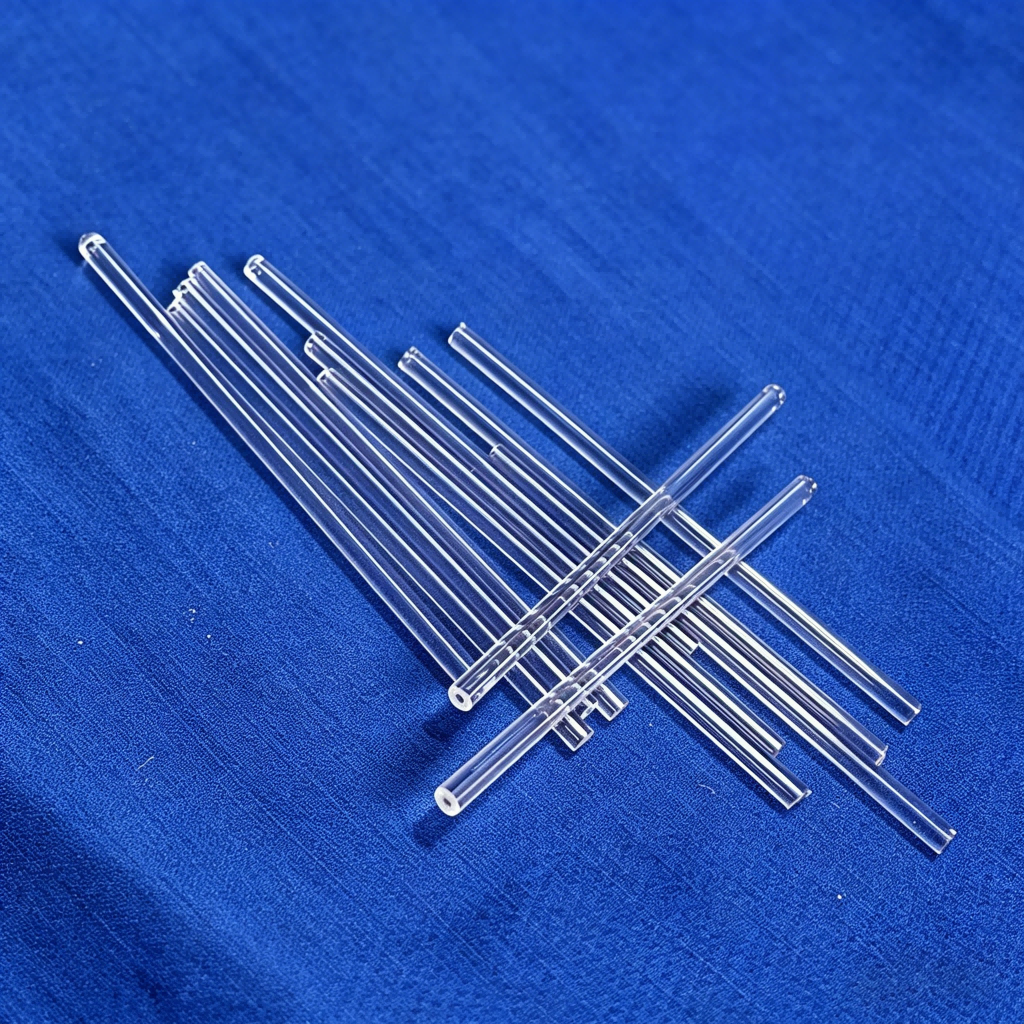
High Purity Opaque Micro Capillary Quartz Glass Tube
Laboratory exhaust capillary tube with 99.9%-99.999% SiO2 purity. Outer diameter 2-10mm. Ideal for precise fluid and gas discharge systems in analytical setups.
Engineered for high thermal tolerance (>1100°C), superior UV transmission (>85% at 185–254nm), and extreme chemical inertia. Tailored drawing-based OEM/ODM supply with global export delivery to Gros Islet.
Laboratory exhaust capillary tube with 99.9%-99.999% SiO2 purity. Outer diameter 2-10mm. Ideal for precise fluid and gas discharge systems in analytical setups.
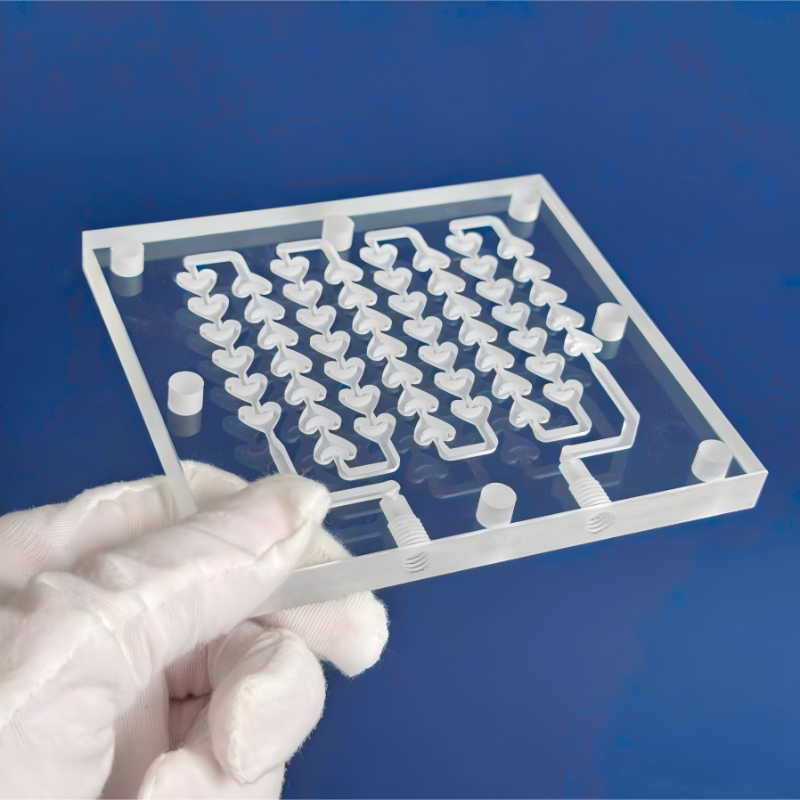
1750°C melting point heat-exchange glass interlayers. Circular precision layout crafted for high-heat dissipation and thermal shock barrier applications.
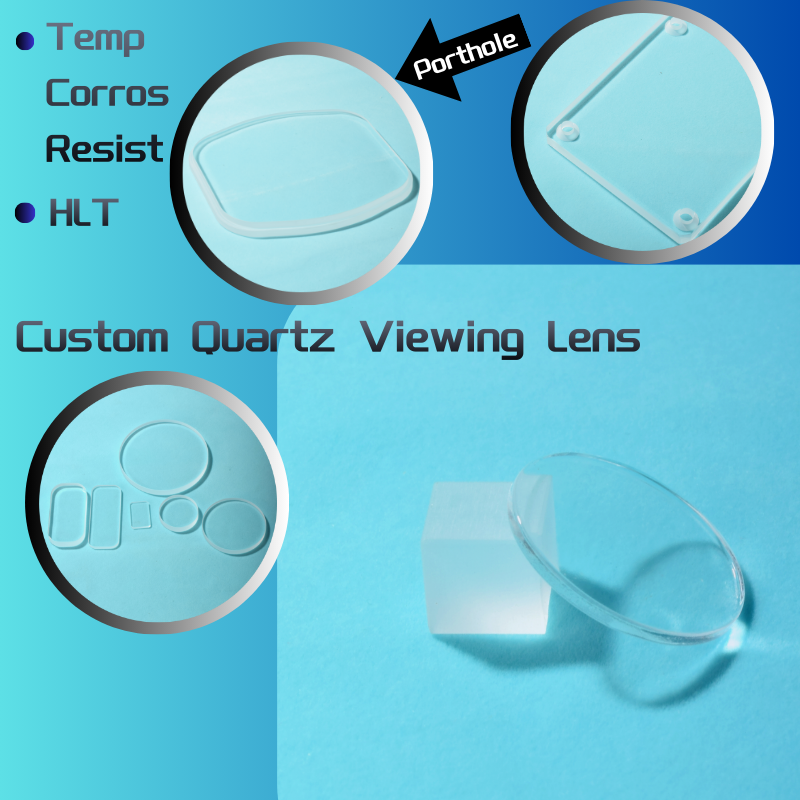
SJ 126 series high-transparency thin glass slides for optical research. Precision cut and polished surfaces designed for zero optical distortion in lab setups.
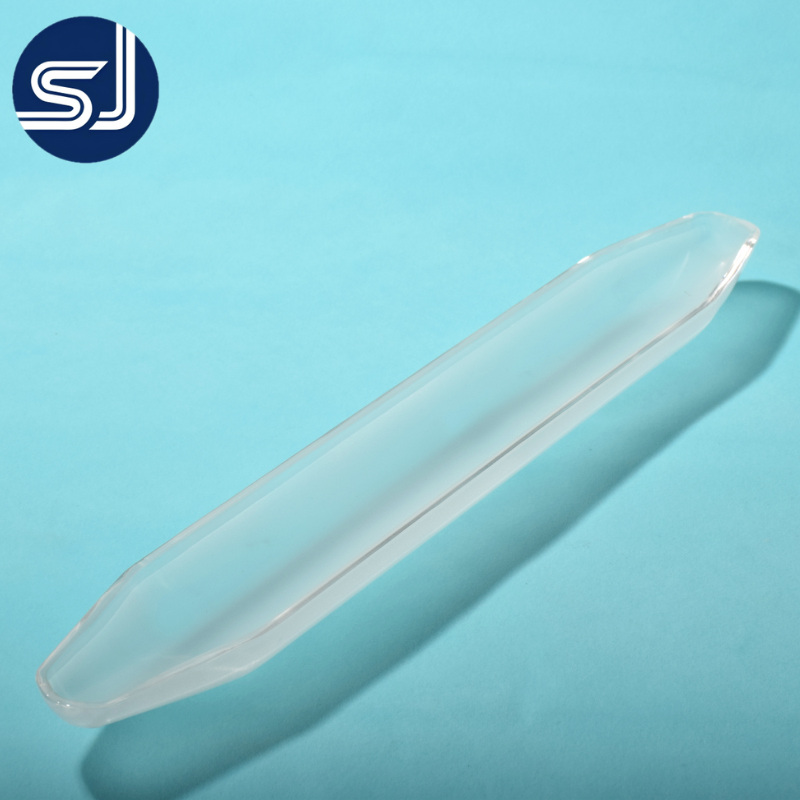
Transparent furnace boat rated for 1100°C continuous service. Transmittance >85%, high chemical purity (99.9%-99.999%) for semiconductor & high-temp sintering.
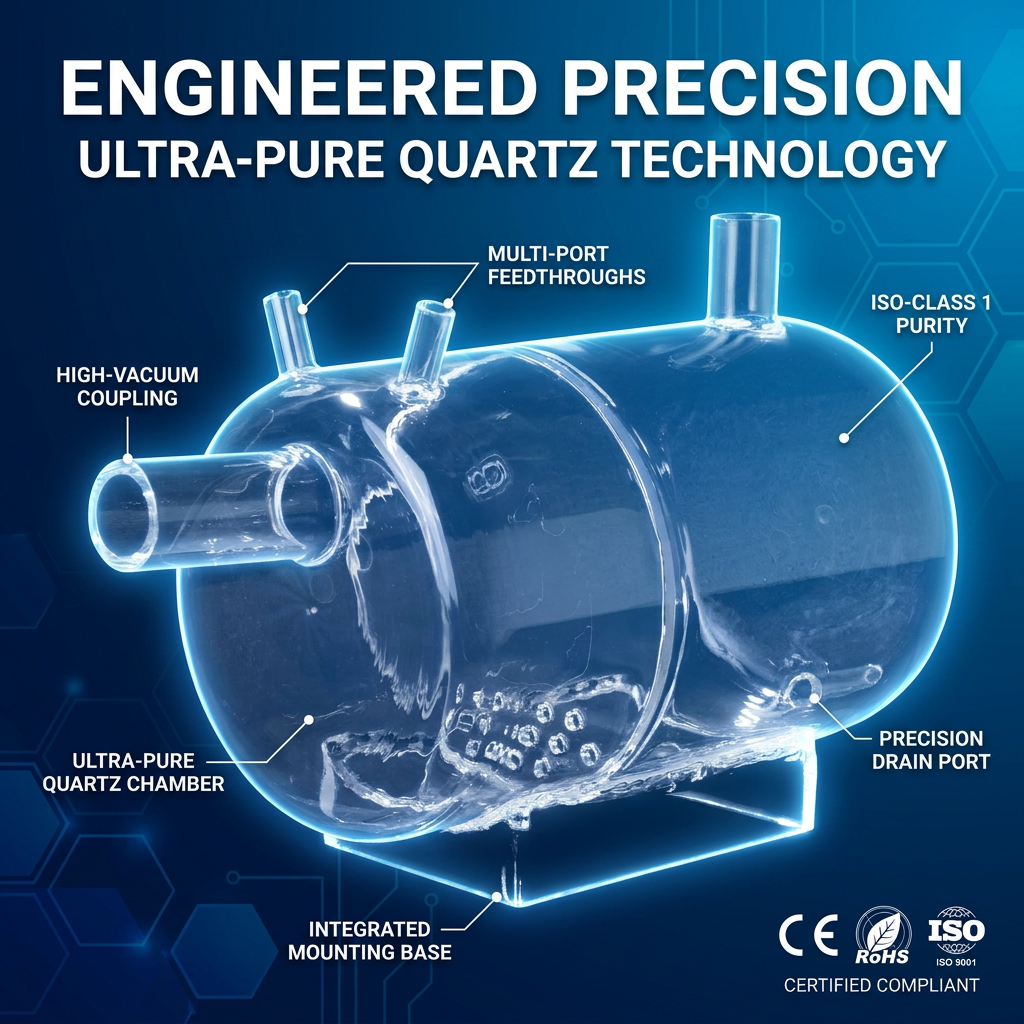
Customized high-purity chemical processing vessel. Exceptional resistance to aggressive acids (HF excepted) and trace metallic extraction protocols.
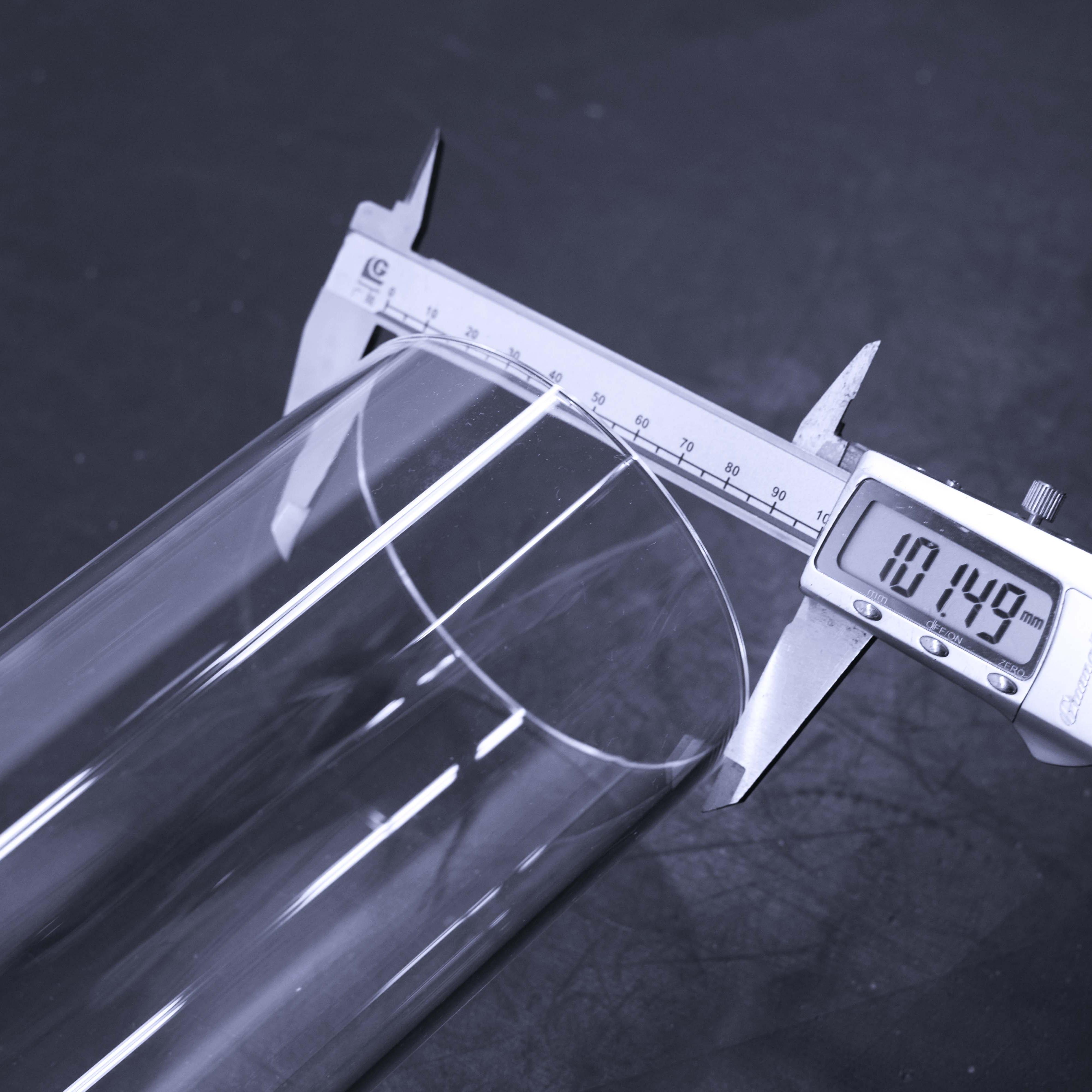
Hollow high-temperature resistance tube. Custom bending, dimension resizing (OD 5-800mm), and fire-polished finishes for tube furnaces & fluid transfer.
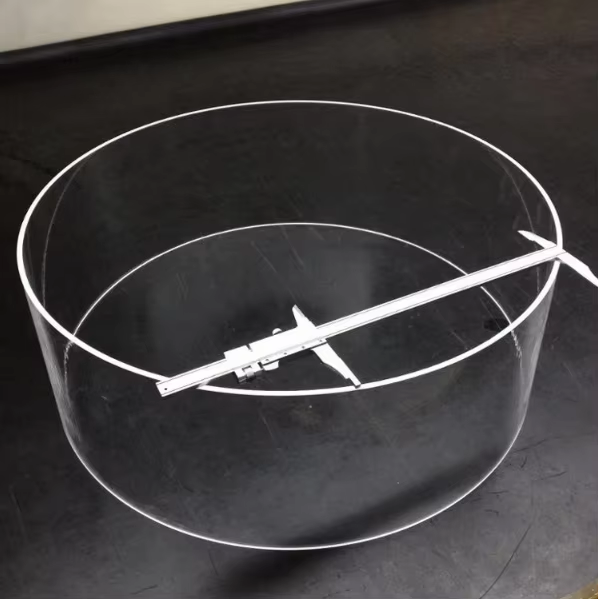
Engineered for extreme thermal shock and UV optical clarity. Ideal for powder sintering, high-intensity discharge lamps, and extreme environment test pipes.
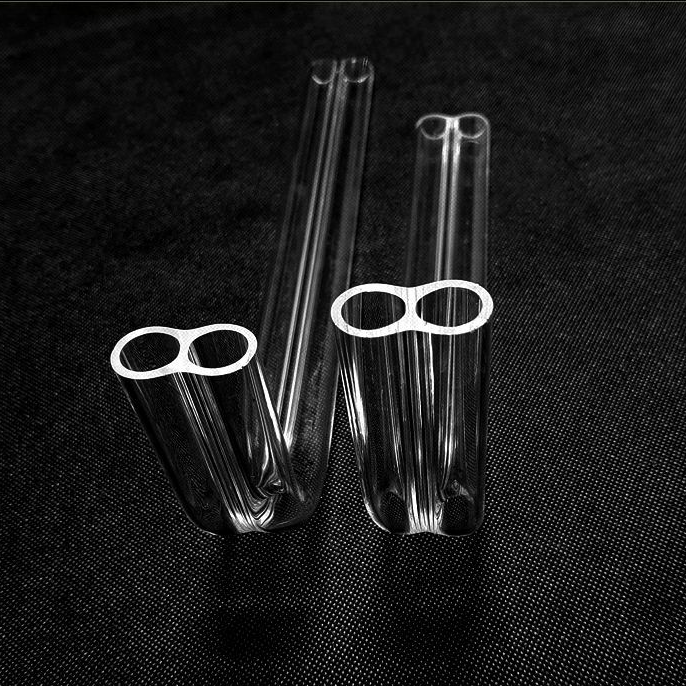
Ozone-free 99.999% purity fused quartz elbow. 1100°C corrosion-resistant dual-wall configuration for complex gas routing and UV germicidal reactors.
When selecting high-performance transparent materials for technical installations in Gros Islet and across Saint Lucia, understanding the molecular distinction between Synthetic Fused Silica and Natural Fused Quartz is critical for long-term operational success. While both materials consist predominantly of silicon dioxide ($SiO_2$), their synthesis methods yield drastically different trace impurity profiles, hydroxyl ($OH^-$) levels, and optical transmittance curves.
Synthetic Fused Silica is produced via the chemical hydrolysis of silicon tetrachloride ($SiCl_4$) gas in an oxygen-hydrogen flame. This vapor-phase deposition process eliminates virtually all metallic impurities, yielding a pure glass matrix with total metallic impurity levels below 0.1 ppm. Synthetic silica exhibits extraordinary transmission across the deep ultraviolet (DUV) spectrum down to 185 nm, making it the premier choice for laser optics, photolithography, and specialized UV disinfection equipment operating in marine environments.
Conversely, Natural Fused Quartz is manufactured by electric arc or gas flame fusion of high-purity natural quartz crystal sand sourced from world-class deposits like Donghai. Reaching a standard purity of 99.99% to 99.999% $SiO_2$, natural fused quartz delivers unmatched economic efficiency and superior structural rigidity at ultra-high temperatures. With a softening point of approximately 1683°C and continuous service capability at 1100°C, natural fused quartz is the gold standard for high-temperature furnace tubes, thermal interlayers, reaction crucibles, and process glassware.
Synthetic silica contains <0.1 ppm total metallic contaminants (Fe, Al, Ti, Na), preventing devitrifcation and ionic leaching in sensitive chemical reactors.
Achieves over 85% internal transmittance at 185nm and 254nm spectral bands, essential for high-output photochemical and UV-C sterilization systems.
Extremely low coefficient of thermal expansion ($5.5 \times 10^{-7} /^\circ\text{C}$) enables red-hot quartz parts to survive plunging into cold water without cracking.
| Property / Metric | Synthetic Fused Silica | Natural Fused Quartz (Donghai) | Standard Borosilicate Glass |
|---|---|---|---|
| SiO₂ Purity Level | > 99.9999% (<0.1 ppm metals) | 99.99% – 99.999% | ~ 81% (Contains B₂O₃, Na₂O) |
| Max Continuous Temperature | 1050 °C – 1100 °C | 1100 °C (Short peaks 1450 °C) | 450 °C – 500 °C |
| Softening Point | ~ 1600 °C | ~ 1683 °C | ~ 820 °C |
| Coeff. of Thermal Expansion (CTE) | $5.5 \times 10^{-7} /^\circ\text{C}$ | $5.5 \times 10^{-7} /^\circ\text{C}$ | $3.3 \times 10^{-6} /^\circ\text{C}$ |
| 185nm / 254nm UV Transmission | > 85% (Excellent) | 60% – 80% (Grade dependent) | 0% (Opaque below 300nm) |
| Resistance to Marine Salt-Mist | Immune to chemical attack | Immune to chemical attack | Prone to surface leaching over time |
Gros Islet is a critical hub for Saint Lucia's commercial maritime sector, environmental research facilities, high-end hospitality water processing, and emerging green energy initiatives. Synthetic quartz glass components fulfill unique engineering demands across these key local applications.
Municipal water plants and resort facilities in Rodney Bay and Gros Islet utilize high-transmittance ozone-free clear quartz tubes as protective sleeves for high-intensity UV lamps. These sleeves protect UV emitters from seawater corrosion while ensuring maximum 254nm UV-C dose transfer for biological pathogen destruction and Total Organic Carbon (TOC) reduction.
Coastal testing stations and oceanographic research vessels operating out of Gros Islet require high-pressure quartz observation windows and XRD sample holders. The structural strength and optical neutrality of synthetic silica allow deep-sea optical sensors and spectrometer sight glasses to withstand intense hydrostatic pressure and saline fog without scratching or clouding.
Saint Lucia's ongoing geothermal exploration in the Soufrière region, alongside solar grid expansions near northern industrial zones, rely on 1100°C furnace quartz boats, crucibles, and capillary tubes for high-temperature rock sample digestion, mineral calcination, and photovoltaic material testing under controlled thermal gradients.
Local agricultural, beverage quality control, and chemical research labs utilize custom quartz separatory containers, round-bottom flasks, and capillary tubes. Natural fused quartz provides zero chemical leachability when handling aggressive acids or organic solvents during trace chemical extraction.
Electronics assembly and sensor calibration setups use high thermal conductance circular quartz interlayer chips and flat glass slides as thermal insulators and dielectric spacers in high-frequency, high-voltage test benches operating in humid Caribbean conditions.
Rodney Bay marine servicing facilities rely on heavy-wall fused quartz sight glass tubes and right-angle double-tube elbows for clear visual flow monitoring of high-temperature fuel lines and chemical additive feed loops under corrosive tropical conditions.
Direct supply from Lianyungang Vulra Quartz Products Co., Ltd. located in Donghai County — China’s world-famous crystal capital — backed by TÜV Rheinland verified manufacturing standards.
On-site assessed manufacturing lines, legal status, and quality control systems independently authenticated by TÜV Rheinland.
Full custom fabrication from 1 piece. Send your 2D/3D CAD drawing for immediate engineering evaluation, wall thickness analysis, and tolerance review.
All quartz tubes, rods, plates, and labware comply with strict international regulatory standards, ensuring seamless import into Saint Lucia.
Our factory integrates both Hot Working Benches (flame lathes, bending, welding, dome closing) and Precision Cold Machining Units (CNC diamond cutting, surface grinding, optical polishing, hole drilling) under one roof. Every piece undergoes thermal stress annealing and acid washing before export, guaranteeing structural stability upon arrival in Gros Islet.
Addressing key technical, logistical, and operational queries regarding synthetic quartz glass import, custom fabrication, and performance in tropical marine climates.
Get direct technical support, custom drawing estimates, and certified quality reports from our engineering direct team today.