Certified High-Purity Fused Quartz Series
Direct supply from Lianyungang Vulra Quartz Products Co., Ltd. Fully tested for extreme thermal stability (softening point 1683°C) and custom-machined to Odense industrial specifications.
Optical Physics & Thermal Kinematics of Ruby Quartz
Industrial processing facilities across Funen and the larger Syddanmark region are modernizing high-temperature thermal workflows to meet strict European carbon efficiency standards. Within radiative heat engineering, Ruby Quartz Tubes (frequently designated as ruby-red infrared quartz radiators or doped spectral attenuation tubes) represent a significant leap forward in thermal delivery control.
Unlike standard clear fused silica which transmits visible light and infrared radiation indiscriminately, ruby quartz glass is synthetically modified during electric-arc or oxy-hydrogen fusion by introducing microscopic trace rare-earth and transition metal dopants (predominantly chromium, iron, or cerium oxides in fractional parts-per-million). This selective doping shifts the transmission spectrum dramatically: visible light below 600 nm is attenuated by over 90% to 94%, eliminating painful harsh optical glare in industrial workspaces while maintaining near-lossless permeability (>88%) across the medium-wave (MWIR: 1.4 μm – 3.0 μm) and short-wave infrared (SWIR: 0.8 μm – 1.4 μm) bands.
For automated manufacturing cells and cleanrooms in Odense, this spectral filtering yields two decisive advantages: direct radiant thermal transfer with negligible optical waste, and an extraordinarily low coefficient of thermal expansion (5.5 × 10⁻⁷ / °C) which renders the quartz impervious to catastrophic thermal shock even during instant liquid immersion at 1100°C.
| Material Classification | SiO₂ Purity Grade | Primary Emission Spectrum | Visible Glare Cutoff | Continuous Working Temp. | Thermal Shock Resist (ΔT) |
|---|---|---|---|---|---|
| Ruby Doped Quartz Tube | ≥ 99.99% base silica | 1.2 – 3.8 μm (SWIR / MWIR) | > 92% attenuation (<600nm) | 1100 °C | 1100 °C → 20 °C Water Quench |
| Standard Clear Fused Quartz | 99.99% – 99.999% | 0.20 – 4.0 μm (Broadband) | 0% (Full visible transmission) | 1100 °C – 1150 °C | 1050 °C → 20 °C Air Quench |
| Ozone-Free Synthetic Silica | ≥ 99.999% (Titanium doped) | Cutoff below 220 nm | None | 1150 °C | 1100 °C → 20 °C Water Quench |
| Refractory Borosilicate Glass | Approx. 81% SiO₂ / 13% B₂O₃ | 0.32 – 2.5 μm | Negligible | 450 °C – 500 °C | 180 °C → 20 °C Failure |
Engineering Deployments Across Odense's High-Tech Hubs
From the robot capital at Munkebjergvænget to the research faculties of Syddansk Universitet (SDU), Odense demands precision laboratory ware and high-temperature quartz components built to stringent Nordic engineering tolerances.
Odense Robotics & Cobot Preheating
Odense is globally renowned for collaborative robotics (Universal Robots, Mobile Industrial Robots). Ruby quartz emitter tubes are integrated directly into robotic thermoforming and composite fiber placement end-effectors. Their focused short-wave infrared warms carbon-fiber prepregs instantaneously without blinding optical machine vision cameras positioned millimeters away.
SDU Cleanroom & Materials Research
Syddansk Universitet (SDU) faculties working on chemical synthesis, surface functionalization, and advanced battery electrolyte testing rely on Vulra's high-purity quartz reaction vessels, XRD zero-background holders, and vacuum-sealed flow-splitting bottles that resist hot corrosive acid attack (>99% resistance against HF excluded).
Lindø Port Offshore Wind & Heavy Fab
At Lindø Industrial Park (Port of Odense), heavy machinery and offshore nacelle manufacturers utilize high-intensity ruby quartz heater arrays for paint curing and thermal stress relief on thick weld seams. The ruby tint prevents intense reflections in expansive open bays while accelerating epoxy cure cycles by 40%.
District Energy Heat Interlayers
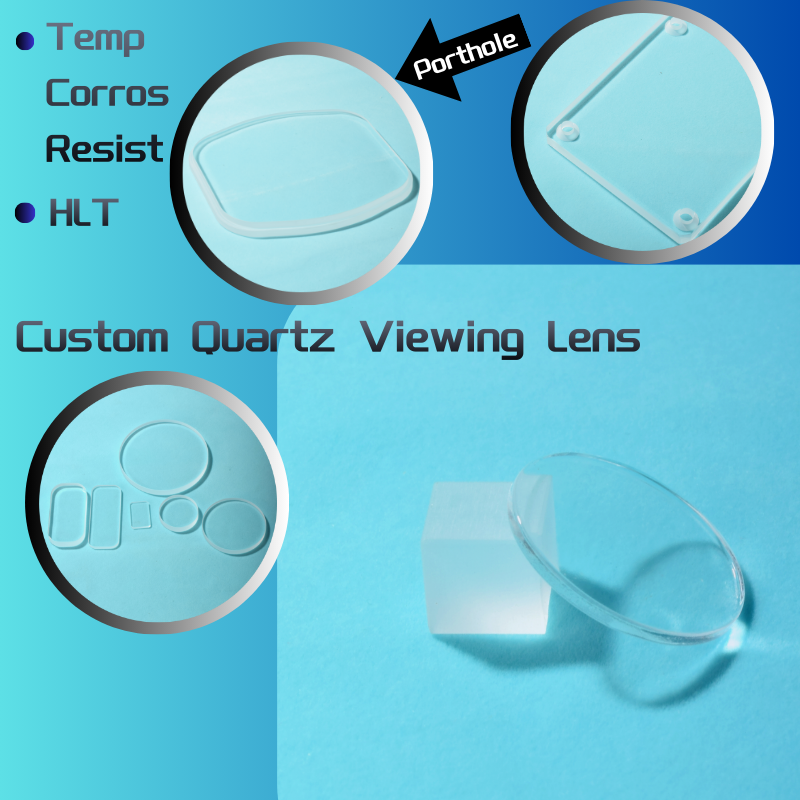
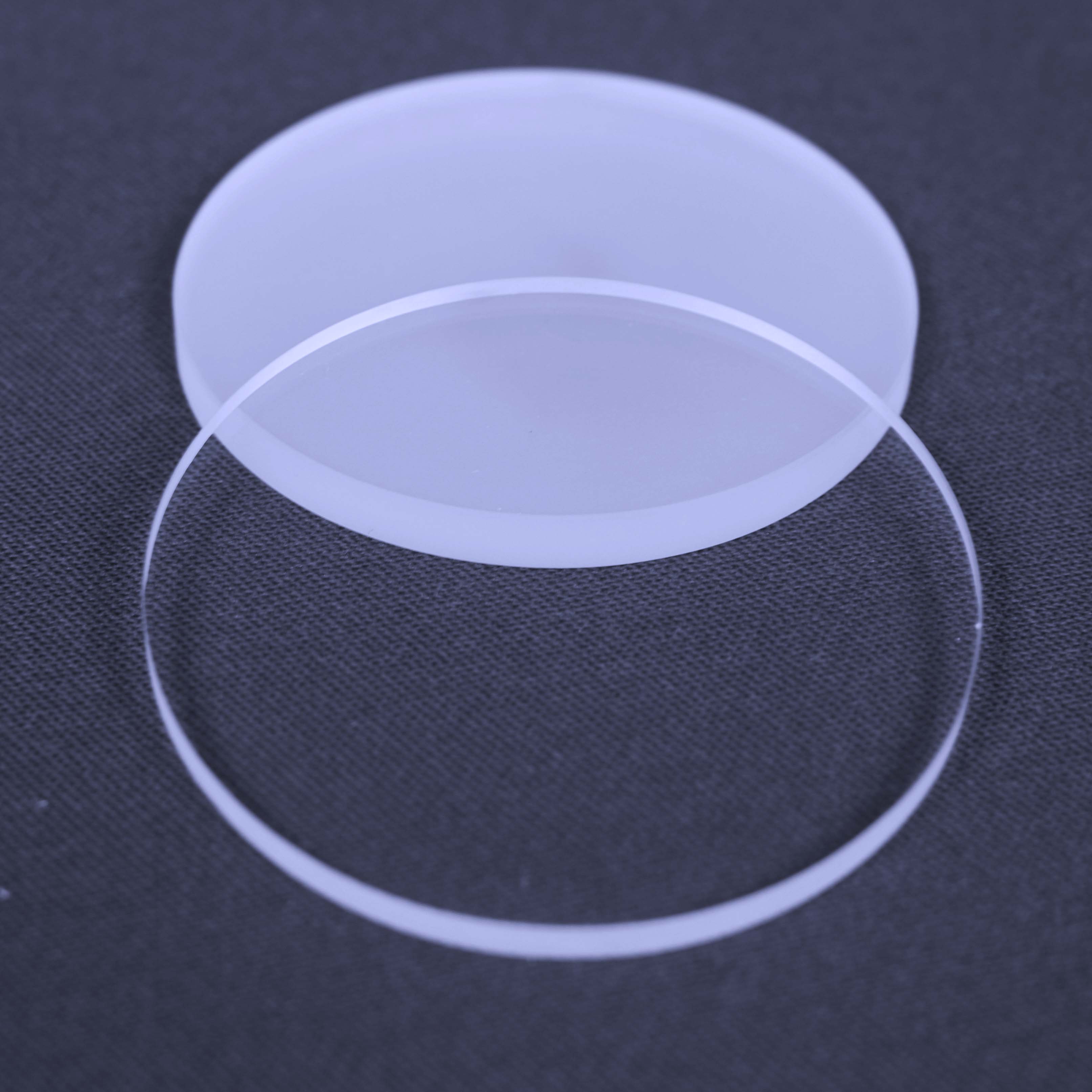
Denmark's ambitious net-zero targets have turned Fjernvarme Fyn into an innovation testbed. Circular shape quartz interlayer chips and high thermal conductance silica discs act as non-conductive, chemically unreactive dielectric barriers inside experimental geothermal and district heat-recovery exchangers operating up to 1200°C.
Bio-Pharma & Sterilization Automation
Biomedical equipment integrators in Syddanmark utilize ruby quartz glass piping for contactless inline fluid heating. Because the quartz emits peak infrared absorption exactly matching water's molecular absorption bands (around 2.7 μm), sterilization heating occurs without boiling hotspots or glass ion leaching.
Industrial Additive & 3D Laser Sintering
Additive manufacturing centers in central Denmark employ our sapphire and quartz hybrid guide tubes for powder bed shielding. The high refractive homogeneity prevents defocusing of high-power Nd:YAG and fiber laser beams while containing harsh metallic vapor plumes.
Manufactured in Donghai • Verified by TÜV Rheinland
Lianyungang Vulra Quartz Products Co., Ltd. is strategically situated at No. 9, Dingxin Road within the Jiangsu Donghai Economic Development Zone. As China's premier mineral quartz cluster, Donghai provides our raw-material processing plants with direct access to ultra-low impurity crystalline sand, guaranteeing structural batch-to-batch repeatability from 99.99% to 99.999% SiO₂.
Our status as an internationally audited custom manufacturer has been authenticated via on-site factory assessment by TÜV Rheinland. For procurement engineers in Odense, this verification provides total certainty over factory capabilities:
- • Hot Working Capabilities: Precision oxy-hydrogen lathe fabrication, twin-bore ruby drawing, dome closures, spherical flanging, and seamless joint annealing.
- • Cold Machining Precision: CNC ultrasonic drilling, wafer slicing with diamond gang-saws, beveling, double-sided optical lapping (λ/4 wave flatness).
- • Chemical Decontamination: Class 1,000 cleanroom ultrasonic acid leaching baths removing heavy metal trace ions (Fe < 0.2 ppm, Al < 8 ppm, Ti < 1.0 ppm).
We routinely supply engineering prototypes from 1 piece to complete serial procurement for OEM machine builders across Scandinavia.
Trends Shaping Quartz Tube Procurement in Odense (2025–2030)
An in-depth perspective on why Danish machine developers and university research groups are shifting their quartz component supply channels toward certified high-purity direct exporters.
Electrification of Process Heat
Under Denmark's Climate Act aiming for a 70% emission reduction, fossil-fuel burners in curing tunnels and powder coating bays are being systematically dismantled. Ruby quartz electric emitters are the primary technology replacing open combustion, demanding tube lifetimes >5,000 continuous hours without devitrification.
Rigorous EU REACH / RoHS Mandates
Danish health and workplace agencies enforce strict rules regarding worker glare hazard (EN 62471 photobiological safety). Ruby quartz satisfies glare reduction thresholds naturally via atomic absorption, without hazardous organic outer-surface coatings that could off-gas VOCs under high thermal load.
Direct OEM Drawing-to-Part Agile Chains
Odense's rapid prototyping ecosystem cannot tolerate 16-week lead times from multi-tier European glass intermediaries. Vulra Quartz fulfills direct custom 2D/3D CAD specifications within 7 to 14 days, shipping directly to Copenhagen Airport (CPH) or Billund (BLL) via dedicated courier priority.
Frequently Asked Questions: Sourcing Quartz for Odense
Real-world engineering, customs, and logistics solutions curated by our international technical export department for buyers across Denmark.
What is the difference between ruby quartz tubes and standard gold-coated quartz?
Gold-coated quartz utilizes an external or internal electroplated or sputtered pure gold film on one side of a clear quartz tube to serve as a directional 180° mirror reflector. In contrast, Ruby Quartz is homogeneous bulk-doped silica throughout the full wall thickness. It works by attenuating eye-damaging visible glare across 360° while selectively transmitting short-to-medium infrared. In high-vibration robotic environments like those engineered in Odense, gold reflective coatings can flake or oxidize above 600°C, whereas bulk ruby doped quartz never degrades, flakes, or alters its spectral filtration profile.
How are fragile custom quartz tubes protected during freight to Denmark?
Vulra Quartz employs a battle-tested export packaging protocol specifically engineered for fragile fused silica. Each tube is ultrasonically cleaned, capped with shock-absorbing silicone end plugs, heat-sealed in dust-free PE sleeving, and housed in individual custom-molded high-density EPE pearl cotton channels. Master shipments are enclosed within ISPM-15 compliant export plywood cases with internal suspended shock absorption, accompanied by drop and tilt sensors. Breakage rates on air shipments into CPH/BLL are under 0.2%.
Can Vulra manufacture quartz parts according to our internal ISO 2768-mK CAD drawings?
Yes. Our engineering shop regularly works directly from STEP, IGES, DXF, or PDF engineering drawings. We routinely produce custom wall thicknesses (from 0.5 mm up to 12 mm), precision capillary bores, twin-tube configurations, ground ball/socket joints, laser-cut window notches, and welded flanged manifolds holding tolerances within ±0.05 mm to ±0.15 mm per ISO 2768-m standards.
What are the exact logistics transit timelines to an address in Odense?
For urgent prototypes and small production batches (1 to 50 pieces), air express freight (DHL Express / FedEx Priority / UPS Supply Chain) delivers directly to company docks in Odense within 4 to 7 business days after dispatch. For large bulk container runs or oversized furnace muffle tubes, consolidated air freight or sea freight to Aarhus Havn or Copenhagen Malmö Port (CMP) takes approximately 28 to 35 days door-to-door.
What EU customs clearance procedures and HS codes apply for Danish import?
Fused quartz tubes, plates, and scientific glassware generally import into Denmark under EU Combined Nomenclature (CN) HS Code 7002.31.00.00 (Tubes of fused quartz or other fused silica) or 7017.10.00.00 (Laboratory, hygienic or pharmaceutical glassware of fused quartz). We provide full export declaration dossiers, CE declarations of conformity, RoHS material compliance certificates, and commercial invoices showing clean Incoterms (EXW, FOB, CIF, or DDP) to simplify Danish customs processing via SKAT.
Does ruby quartz undergo devitrification at continuous 1100°C furnace temperatures?
Devitrification (the transition from amorphous silica to crystalline cristobalite) occurs when quartz is exposed to temperatures above 1150°C in the presence of surface alkali contaminants (sodium, potassium). Vulra's quartz is purified to total alkali metal contents < 2.5 ppm and subjected to controlled furnace annealing at 1140°C to relieve internal stresses. When handled with lint-free cleanroom gloves and kept free of surface oil contamination, our tubes operate at 1100°C continuously without surface clouding or structural embrittlement.
What is your minimum order quantity (MOQ) for custom university or startup testing?
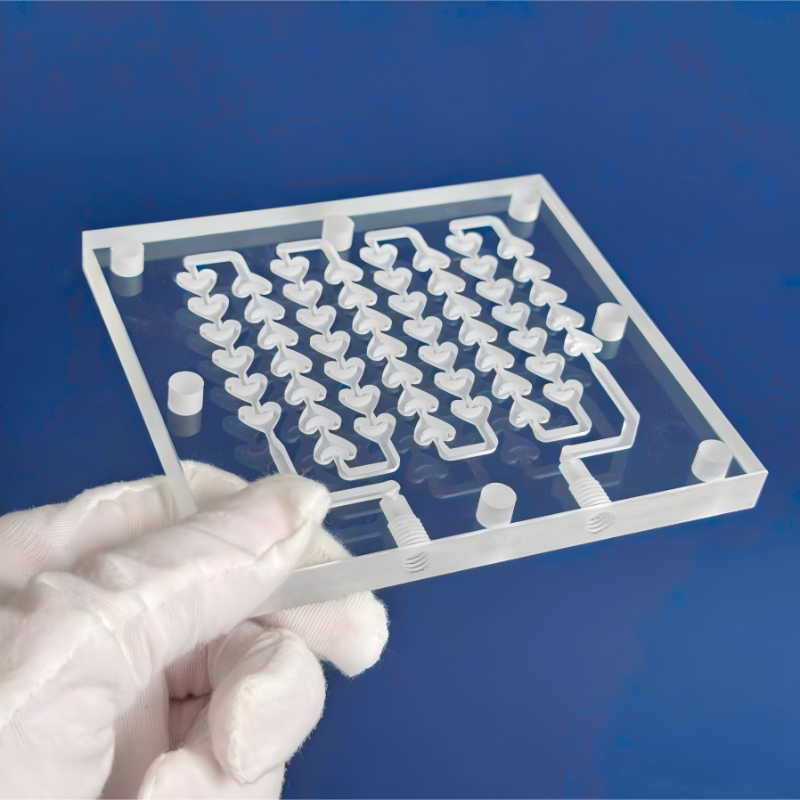
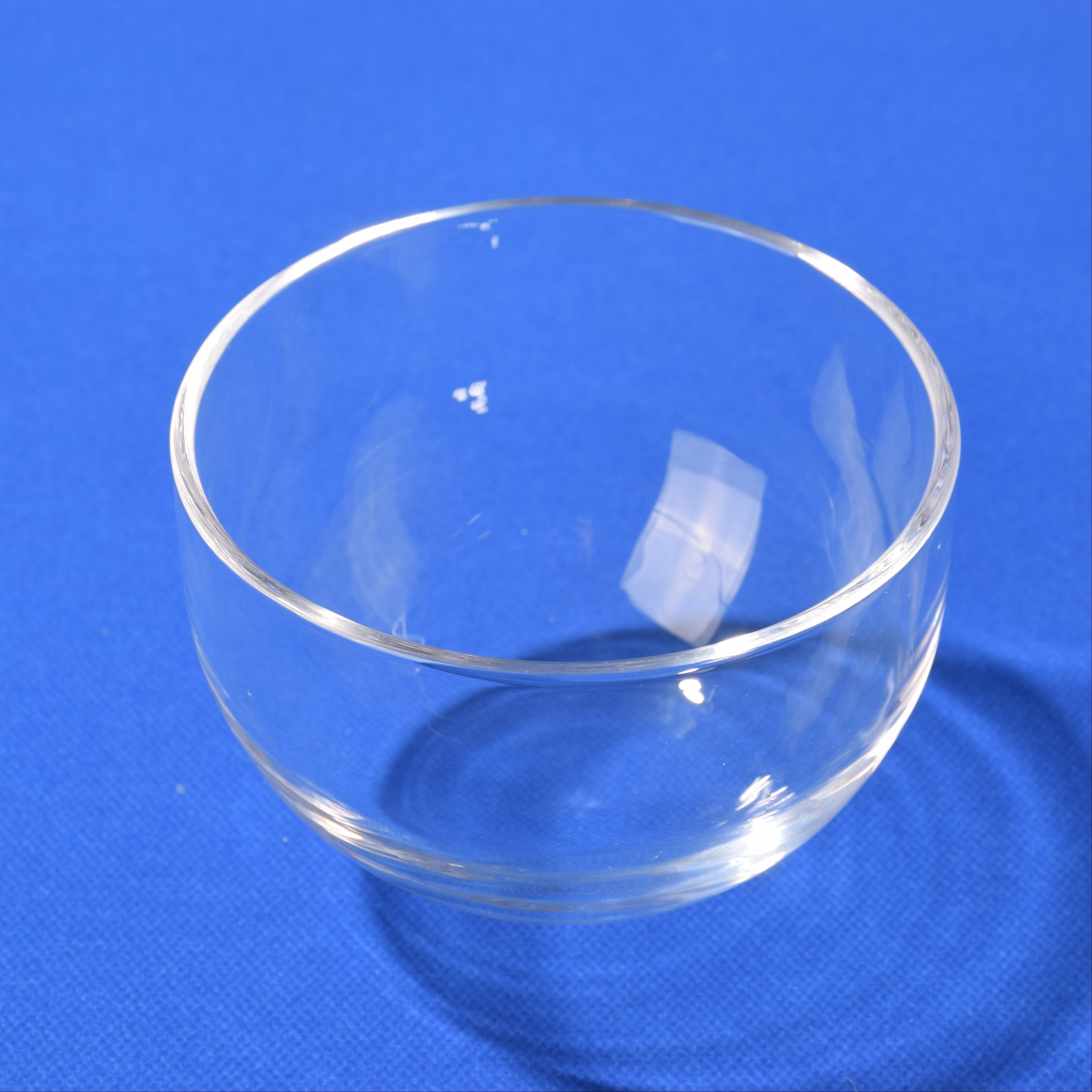
We believe in supporting cutting-edge innovation. For custom-machined parts—including ruby emitter tubes, square optical plates, XRD sample wells, and fused silica crucibles—our MOQ is 1 piece. This allows robotics labs, SDU spinouts, and automation OEMs in Odense to physically validate thermal performance in prototype cells before committing to production volumes.
Can you supply ozone-free clear quartz alongside ruby infrared tubes?
Yes. Many high-tech production lines run both infrared thermal heating and UV photochemical curing concurrently. Vulra produces certified ozone-free quartz tubes doped with titanium to block the 185 nm vacuum ultraviolet wavelength responsible for creating harmful atmospheric ozone, while maintaining peak transmission at the 253.7 nm UV-C germicidal and curing spectrum.
Accelerate Your Quartz Component Procurement
Submit your 2D/3D component drawings, dimensional limits, or operating temperature requirements. Our senior materials engineers evaluate wall-thickness tolerances, transmission curves, and provide a rapid formal quotation tailored for Odense industrial delivery.