Featured Industrial & Laboratory Quartz Products
Engineered to support harsh thermal, optical, and chemical processing in Vietnam's fastest growing manufacturing clusters. Manufactured under ISO9001 and verified on-site by TÜV Rheinland.

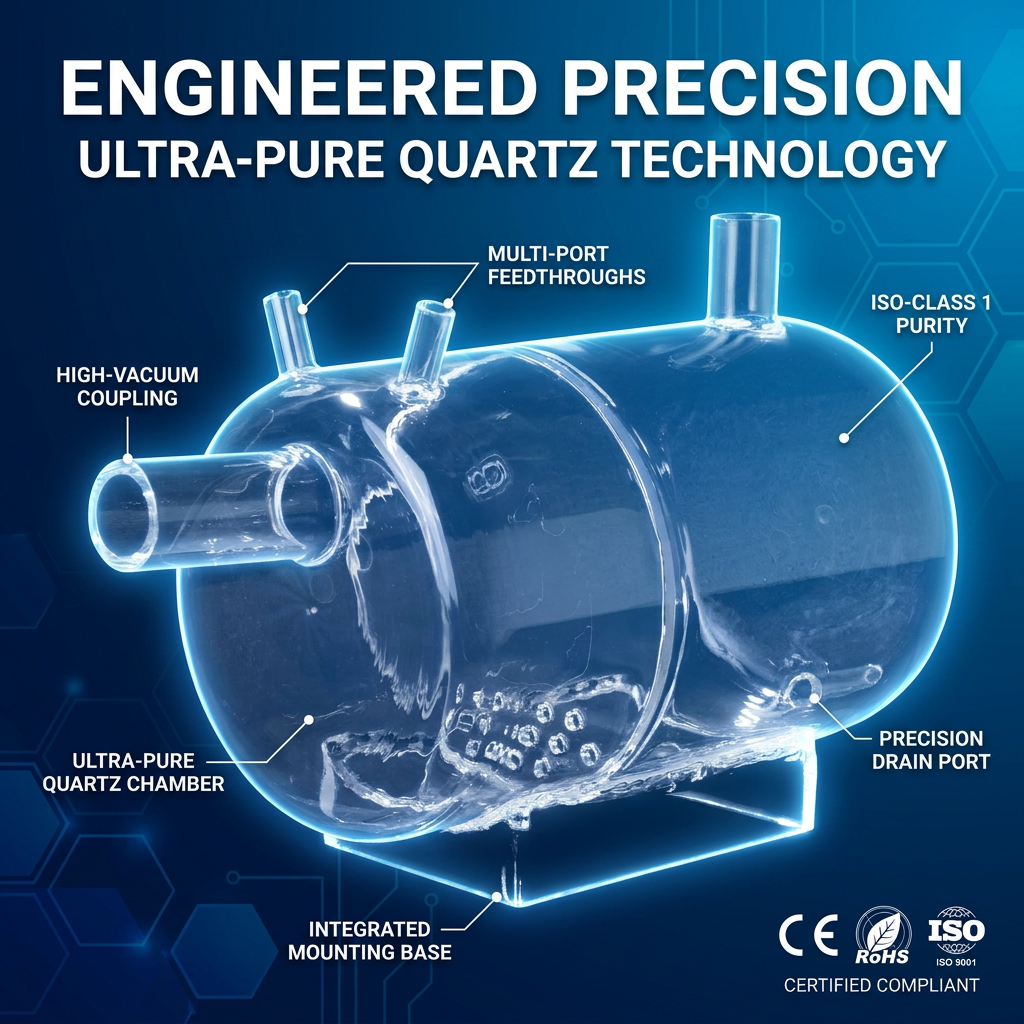
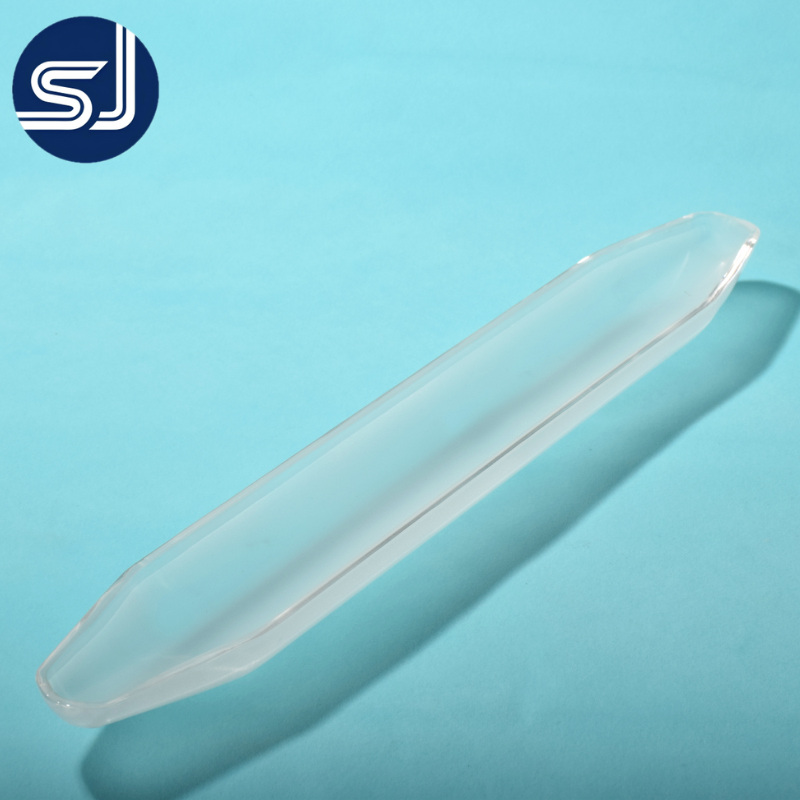
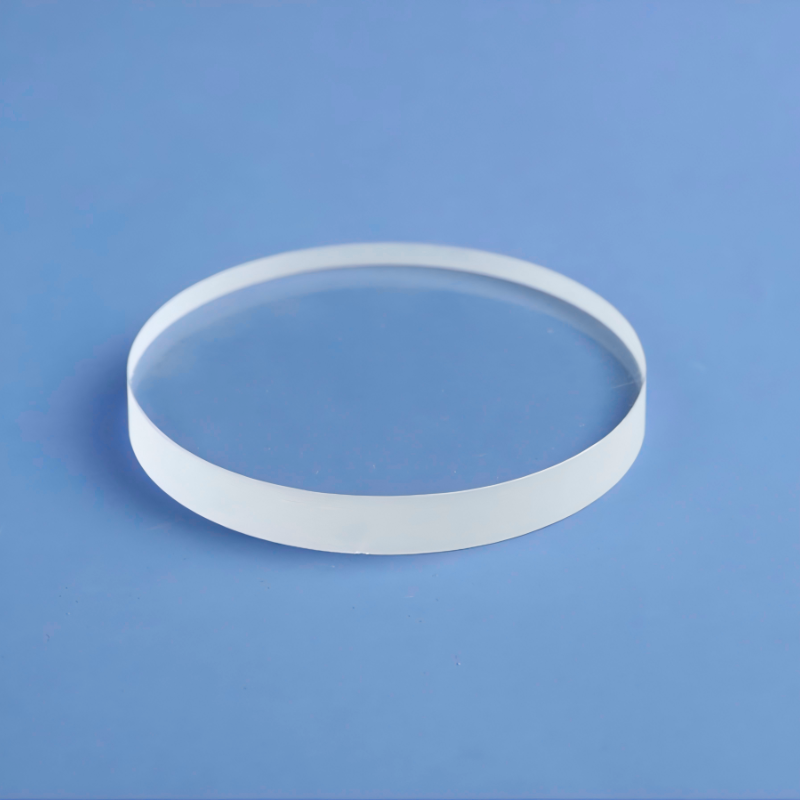
Technical Whitepaper: Engineering Round Bottom Quartz Flasks for Advanced Vietnamese Industries
As Vietnam transitions from downstream assembly to capital-intensive front-end microelectronics packaging, advanced semiconductor fabrication, solar photovoltaic (PV) cell manufacturing, and fine chemical refining, the reliability parameters of laboratory and process glassware have undergone a profound paradigm shift. Conventional borosilicate 3.3 glassware—long the workhorse of university chemistry labs and pilot plants across Hanoi, Da Nang, and Ho Chi Minh City—fails catastrophically when subjected to continuous process temperatures exceeding 500°C, severe thermal shock, or the aggressively corrosive environments typical of silicon etching, CVD gas scrubbing, and ultra-trace analytical chemistry.
Lianyungang Vulra Quartz Products Co., Ltd. (operating from Donghai County, Jiangsu Province—globally acknowledged as the premier hub of natural crystal and high-purity fused silica reserves) engineers and exports certified, high-performance round bottom quartz flasks, reaction boiling vessels, multi-neck boiling flasks, and customized distillation systems specifically tailored to withstand the demanding operating conditions found in Vietnam's industrial parks (such as VSIP, Yen Phong, Bac Giang, and Saigon Hi-Tech Park).
Material Science Benchmark: Unlike borosilicate glassware, which softens near 820°C and contains substantial alkaline fluxing agents (B₂O₃, Na₂O, Al₂O₃) that leach into reagents, fused quartz is virtually 100% pure silicon dioxide (SiO₂ ≥ 99.99% to 99.999%). This delivers an astonishingly low coefficient of thermal expansion (5.5 × 10⁻⁷ /°C), enabling a round bottom quartz flask to be heated past 1100°C and instantly quenched in ice water without fracture.
Structural Comparison: Fused Quartz vs. Standard Borosilicate Glass
Process engineers and laboratory procurement directors must understand the fundamental physical boundaries between fused quartz and borosilicate glassware before specifying reaction vessels for chemical synthesis, etching solutions, and rotary evaporators:
| Performance Characteristic | High-Purity Fused Quartz (Vulra SJ Grade) | Standard Borosilicate Glass (Pyrex/Duran 3.3) | Operational Significance for Vietnam Fabs |
|---|---|---|---|
| Chemical Composition | SiO₂ > 99.99% – 99.999% (Trace Fe, Al, Ti < 15 ppm) | 81% SiO₂, 13% B₂O₃, 4% Na₂O/K₂O, 2% Al₂O₃ | Eliminates batch cross-contamination in semiconductor wet chemistry. |
| Continuous Working Temperature | 1100 °C (1373 K) | 450 °C – 500 °C | Supports high-temperature organometallic reflux and sintering. |
| Maximum Short-Term Peak Temp | 1450 °C | 550 °C | Withstands direct oxy-hydrogen flame heating and furnace calcination. |
| Softening Point | 1683 °C | 820 °C | Zero vessel sagging or dimensional creep under deep vacuum boiling. |
| Linear Thermal Expansion (CTE) | 5.5 × 10⁻⁷ cm/cm·°C (20°C – 320°C) | 33 × 10⁻⁷ cm/cm·°C | Fused quartz has 1/6th the expansion; immune to catastrophic thermal fracture. |
| Optical Transmission (UV-Vis) | > 90% from 220 nm to 2500 nm (Deep UV to Near-IR) | Cuts off sharply below 310 nm | Enables in-situ photochemical reactions and laser-induced synthesis. |
| Chemical Resistance | Inert to all acids (including boiling HNO₃, HCl, H₂SO₄, Aqua Regia) except HF & hot H₃PO₄ | Susceptible to alkaline attack and prolonged acid boiling leaching | Critical for high-purity electronic-grade reagent re-purification. |
Localized Industrial Application Scenarios Across Vietnam
The acceleration of Vietnam's national semiconductor roadmap, compounded by heavy Foreign Direct Investment (FDI) from South Korea, Taiwan, Japan, Europe, and the United States, has catalyzed rigorous requirements for mission-critical quartzware across four major industrial sectors:
1. Semiconductor Wafer Fabs & Packaging
In the testing and advanced packaging corridors of Bac Ninh, Bac Giang, and Saigon Hi-Tech Park (SHTP), round bottom quartz flasks and customized separating containers are used in wet-bench chemical preparation, solvent reclamation, and high-purity acid refluxing (Piranha, RCA clean chemistries) where even single-digit parts-per-billion (ppb) alkali ion extraction destroys integrated circuit yields.
2. Photovoltaic (PV) Ingot & Cell Fabrication
Northern Vietnam (particularly Bac Giang, Quang Ninh, and Thai Nguyen) represents one of Southeast Asia's dense photovoltaic production hubs. Fused quartz round bottom flasks and high-temperature quartz tubes are utilized in dopant precursor handling (POCl₃, BBr₃ diffusion), silicon tetrachloride recovery, and specialized acid distillation systems supporting mono-PERC and TOPCon cell texturization lines.
3. Petrochemical & Polymer Refining
Operating plants around Nghi Son (Thanh Hoa), Dung Quat (Quang Ngai), and Long Son (Ba Ria-Vung Tau) require quartz boiling flasks for ASTM D86 petroleum atmospheric distillation, high-temperature crude fractionation, vacuum boiling analysis, and aggressive catalyst cracking evaluations where temperatures easily exceed the 500°C threshold of borosilicate glass.
4. Advanced University & Institute R&D
Leading research institutions, including Vietnam National University (VNU Hanoi & VNU-HCM), Hanoi University of Science and Technology (HUST), and the Institute of Materials Science (VAST), utilize multi-neck quartz boiling flasks for metal-organic chemical vapor deposition (MOCVD) precursors, green hydrogen photocatalytic evolution, and supercritical hydrothermal syntheses.
Emerging Procurement & Technological Trends in the Vietnamese Market
Vietnam's laboratory instrument and process equipment procurement landscape is undergoing structural maturation driven by government policy and foreign investment standards:
The "Semiconductor Strategy 2030" Directive
Under Vietnam Prime Minister's Decision 1018/QD-TTg, the country aims to establish at least 10 fabless semiconductor design centers, multiple advanced packaging facilities, and pilot fabrication lines by 2030. This initiative mandates that QA/QC labs adopt zero-alkali fused silica quartzware to avoid metallic ion contamination during high-purity chemical testing.
Ground Joint Standardization (ISO/DIN vs. US ASTM)
Vietnamese facilities run a hybrid equipment pool: Japanese/European systems typically utilize ISO/DIN ground taper joints (e.g., NS 14/23, NS 29/32, NS 45/40), while American-backed testing facilities require ASTM standard taper (ST 24/40, ST 19/22). As a direct manufacturer, Vulra Quartz fabricates precision-ground interchangeable necks adhering to either standard, ensuring leak-tight vacuum mating.
Consolidation Towards Direct-From-Source Purchasing
Historically, Vietnamese enterprises procured quartzware via secondary trading distributors in Singapore or Bangkok, incurring 40%–70% price markups and 8–12 week lead times. Procurement teams now aggressively seek verified original equipment manufacturers (OEMs) who maintain direct raw-material lines, offer custom drawing validation, and support rapid air-freight logistics directly into Noi Bai (HAN) and Tan Son Nhat (SGN) airports.
Enterprise Advantage: Why Global & Vietnamese Buyers Partner with Vulra Quartz
Lianyungang Vulra Quartz Products Co., Ltd. provides structural supply-chain certainty for high-purity quartz manufacturing. Unlike standard glass workshops or commercial trading intermediaries, our operation is backed by hard engineering credentials and geographic raw-material dominance:
- Geographic Cluster Superiority (Donghai County): Situated at No. 9, Dingxin Road, Jiangsu Donghai Economic Development Zone, our factory possesses direct pipeline access to China's highest-grade natural crystal quartz sand, guaranteeing stable batch-to-batch chemical purity (99.99%–99.999% SiO₂) with trace element analysis validated by ICP-MS.
- TÜV Rheinland On-Site Assessed & Authenticated: Our premises, manufacturing capacity, engineering facilities, and legal standing have undergone exhaustive third-party verification by TÜV Rheinland. We operate certified cleanrooms for semiconductor glassware fabrication, flame-working lathes, and ultrasonic washing lines.
- Precision Hot & Cold Work Integration: From oxy-hydrogen bench lathe blowing of uniform-wall spherical flasks to CNC diamond grinding, drilling, ultra-flat optical polishing, and automated polariscopic stress annealing, every manufacturing phase is contained under one roof. Internal residual strain is systematically eliminated via controlled 1150°C annealing cycles to avoid catastrophic thermal bursting.
- Prototyping from 1 Piece (Zero Risk ODM/OEM): We accommodate custom customer drawings (2D CAD / 3D SolidWorks / PDF sketches). Whether a single-neck 50 ml micro-distillation flask or a 20-liter multi-neck heavy-wall reaction boiling vessel with precision vacuum flanges, our engineers perform thermal-stress and wall-thickness risk reviews prior to cutting. Minimum Order Quantity (MOQ) begins at just 1 piece.
- Certified Export Crating for Fragile Quartz: Every round bottom quartz flask dispatched to Vietnam undergoes multi-point wall thickness gauging, bubble/inclusion microscopic inspection, acid neutralization washing, and sealed individual vacuum bagging. Export packaging uses custom-cut high-density EPE foam cradles and fumigated OSB plywood crates with external tip-and-tell shock monitors, ensuring 0% transit breakage to Hai Phong, Da Nang, and Ho Chi Minh ports.
| Nominal Flask Volume | Standard Flask OD (±1.0 mm) | Wall Thickness Range | Standard Joint Sizes (ISO / ASTM) | Max Pressure (Vacuum Rating) |
|---|---|---|---|---|
| 50 mL | 51 mm | 1.8 – 2.2 mm | 14/23, 19/26, 24/40 | Full Vacuum (≤ 10⁻⁵ Torr) |
| 100 mL | 65 mm | 2.0 – 2.5 mm | 19/26, 24/29, 24/40 | Full Vacuum (≤ 10⁻⁵ Torr) |
| 250 mL | 85 mm | 2.2 – 2.8 mm | 24/29, 24/40, 29/32 | Full Vacuum (≤ 10⁻⁵ Torr) |
| 500 mL | 105 mm | 2.5 – 3.2 mm | 24/40, 29/32, 34/35 | Full Vacuum (≤ 10⁻⁵ Torr) |
| 1000 mL (1 L) | 131 mm | 3.0 – 3.8 mm | 24/40, 29/32, 45/40 | Full Vacuum (≤ 10⁻⁵ Torr) |
| 2000 mL (2 L) | 166 mm | 3.2 – 4.2 mm | 29/32, 34/35, 45/40 | Full Vacuum (≤ 10⁻⁵ Torr) |
| 5000 mL (5 L) | 223 mm | 4.0 – 5.5 mm | 45/40, 50/42, DN100 Flange | Full Vacuum (≤ 10⁻⁴ Torr) |
| 10000 mL – 20000 mL | Custom Spherical | 5.0 – 7.0 mm (Heavy Wall) | Multi-neck Angled / Side Ports | Full Vacuum (≤ 10⁻⁴ Torr) |
Frequently Asked Questions for Vietnamese Buyers
Clear, technically rigorous answers covering customs duties, logistics corridors, material specifications, and quality guarantees for importing quartzware into Vietnam.
What is the HS Code and import tariff for round bottom quartz flasks entering Vietnam?
Round bottom quartz flasks, boiling vessels, and quartz laboratory glassware are classified under HS Code 7017.10.00 (Laboratory, hygienic or pharmaceutical glassware, whether or not graduated or calibrated: Of fused quartz or other fused silica).
Under the ASEAN-China Free Trade Agreement (ACFTA), goods accompanied by a valid Form E Certificate of Origin issued by our regional customs authority enjoy a preferential import duty of 0% into Vietnam (standard Most Favored Nation rate is otherwise 5%). Value Added Tax (VAT) applies at standard Vietnamese tax levels (typically 8% to 10% depending on applicable annual financial circulars). Vulra Quartz routinely provides full Form E documentation along with commercial invoices and packing lists for smooth customs clearance at Hai Phong, Cat Lai, and Noi Bai international customs terminals.
Can you produce customized multi-neck quartz flasks based on specific engineering drawings?
Yes. Customization is our primary core competence. Over 60% of our production volume represents custom-engineered parts. We fabricate single-neck, two-neck, three-neck (parallel or angled), and four-neck round bottom flasks tailored to your exact center-to-center neck distances, branch angles, ground taper sizes (ISO standard NS 14/23, NS 24/29, NS 29/32, NS 45/40 or US standard ST 24/40, ST 14/20), GL-thread screw ports with PTFE caps, or quick-release vacuum flanges.
Simply provide a 2D PDF drawing with dimensional tolerances or a 3D CAD step file. Our engineers will verify wall thickness ratios and weld zone geometries to prevent vacuum collapse and thermal stress concentrations.
What are the lead times and shipping routes for consignments to Hanoi and Ho Chi Minh City?
For urgent prototypes, replacement glassware, or orders under 50 pieces, we ship via DHL Express, FedEx, or air cargo from Shanghai/Lianyungang to Noi Bai International Airport (Hanoi) or Tan Son Nhat International Airport (Ho Chi Minh City), with a transit time of 3 to 5 business days.
For bulk production runs, wafer boats, or large distillation columns, maritime freight ships from Lianyungang Port or Qingdao Port directly to Hai Phong Port (serving Northern industrial clusters: Bac Ninh, Bac Giang, Hai Duong) in approximately 5 to 7 days, or to Cat Lai / Cai Mep Port (serving Southern clusters: Binh Duong, Dong Nai, Long An) in 7 to 10 days. Fabrication lead time for non-standard custom flasks is typically 7 to 14 days from drawing approval.
How does Vulra Quartz prevent breakage during long-haul transit to Vietnam?
Fragile quartzware demands specialized, multilayered export crating engineered specifically for sensitive optics and laboratory glassware. Each individual round bottom flask is thoroughly annealed, acid-washed, dried, and vacuum-sealed in polyethylene bags. It is then embedded in a CNC-routed, high-density expanded polyethylene (EPE) closed-cell foam block contoured precisely to the flask's spherical geometry and neck protrusions.
These individual foam assemblies are packed into heavy-duty 5-ply corrugated master cartons, which are then packed inside heavy, fumigated OSB plywood export crates strapped with galvanized steel bands. We affix external "FRAGILE", "THIS SIDE UP", and "DROP-N-TELL" / "TIP-N-TELL" shock indicators. In the rare event of transit damage, our guaranteed replacement warranty covers immediate express re-fabrication free of charge upon photographic verification.
What quality documentation, purity assays, and inspection reports accompany each shipment?
Every commercial delivery into Vietnam can be accompanied by an official Certificate of Analysis (COA) detailing trace metal impurity levels (Al, Fe, Ca, Mg, Na, K, Ti, Cu) measured via Inductively Coupled Plasma Mass Spectrometry (ICP-MS), ensuring total metallic impurities stay strictly below 15–20 ppm (or below 5 ppm for synthetic semiconductor grades).
We also supply a Certificate of Conformance (COC) confirming dimensional adherence, wall thickness uniformity, visual inspection results (ISO bubble/inclusion classifications), and optical polariscope strain-relief validation confirming thorough thermal annealing.
What are the safe operating procedures to prevent quartz devitrification during rapid heating?
Devitrification is the phase transformation from amorphous fused silica into crystalline cristobalite, which occurs at temperatures above 1150°C in the presence of surface contaminants. If cristobalite forms, cooling below 270°C triggers a volume change that causes micro-cracking and eventual structural failure.
To avoid devitrification in Vietnamese high-temperature furnaces and heating mantles, operators must ensure that the outer surface of the quartz flask is never touched with bare hands (fingerprint residues deposit alkaline sodium/potassium salts, which act as catalytic nucleation sites for devitrification). Clean the flask exterior with reagent-grade ethanol or dilute nitric/hydrofluoric acid solutions followed by deionized water before heating above 1000°C.
Ready to Accelerate Your Vietnamese Quartz Supply Chain?
Send us your technical drawings, flask dimensions, operating temperature profiles, or joint specifications. Our chemical glassware engineers review every RFQ within 12 hours with complete CAD feasibility assessments and CIF/DDP quotes.