Featured Quartz Laboratory & Process Components
Engineered to withstand 1100°C continuous service and extreme thermal shocks. Explore our core fused quartz lines designed for rigorous European testing and analytical environments.
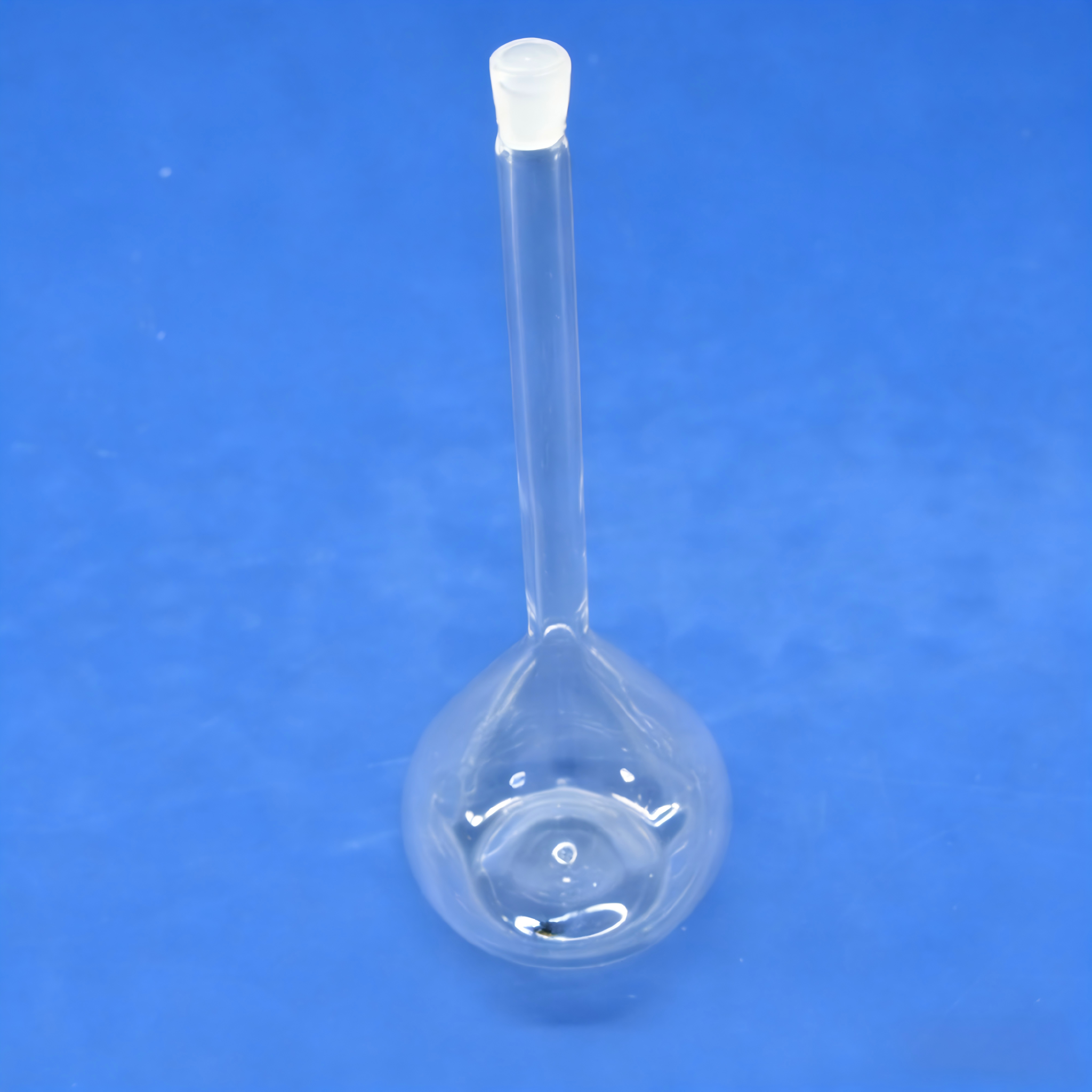
High Purity Transparent Quartz Glass Ampoule Customized Clear Quartz Flask
Precision flame-worked lab flasks and ampoules with high mechanical strength, ozone-free options, and fire-polished finishes for synthesis under pure vacuum.
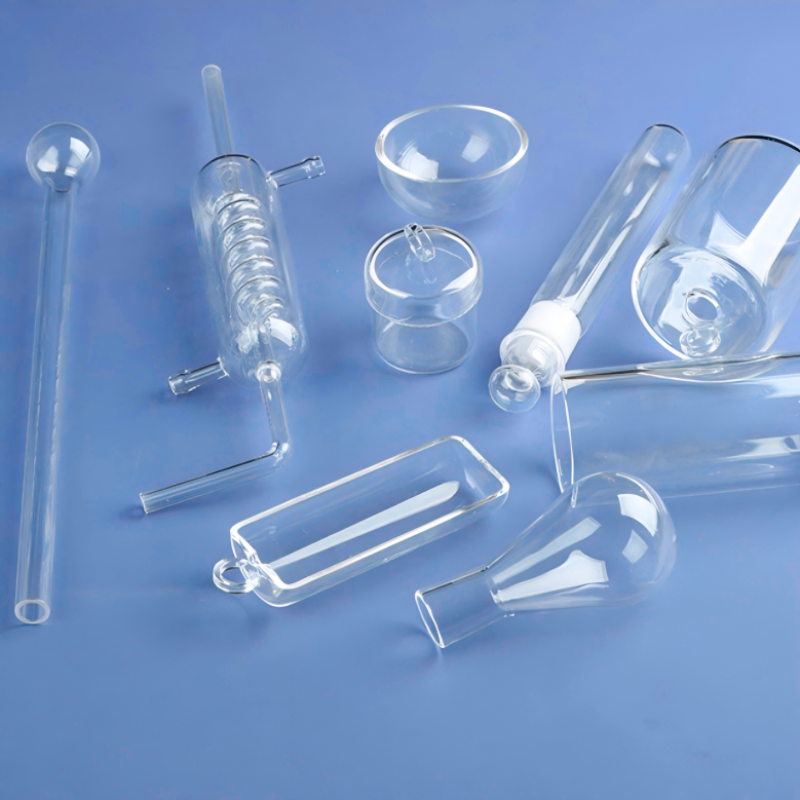
Quartz Glass Tube Plugging Rod Heating Test Tube Boat
High-frequency thermal test tubes and plugging rods. Resists continuous exposure to 1100°C without devitrification or structural sagging.
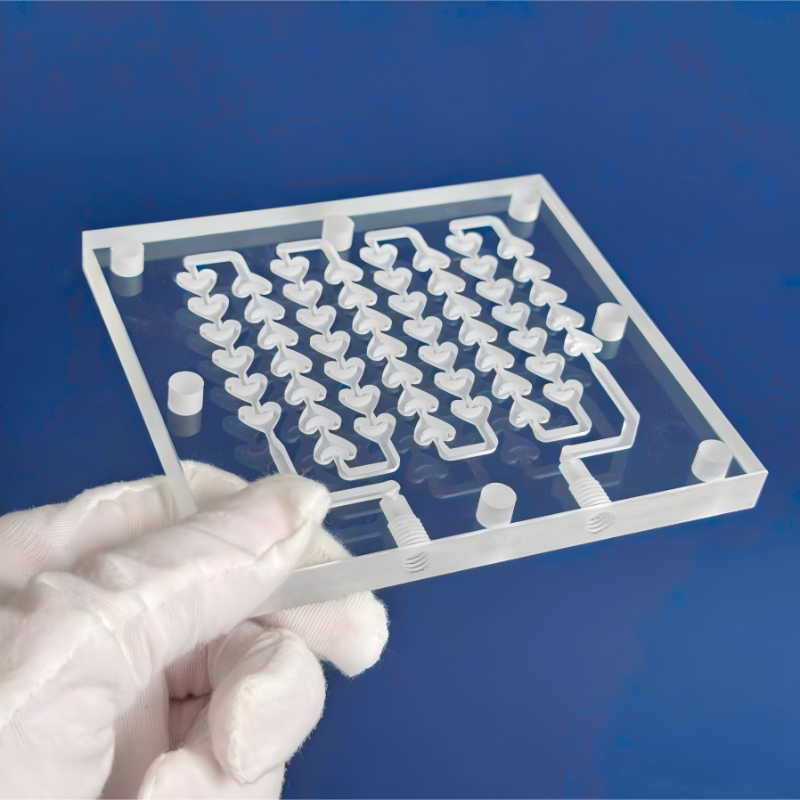
High Thermal Conductance 1750°C Melting Point Heat-Exchange Chips
Circular optical and thermal interlayer discs fabricated for accelerated heat conduction and extreme temperature differentials in specialized reactors.
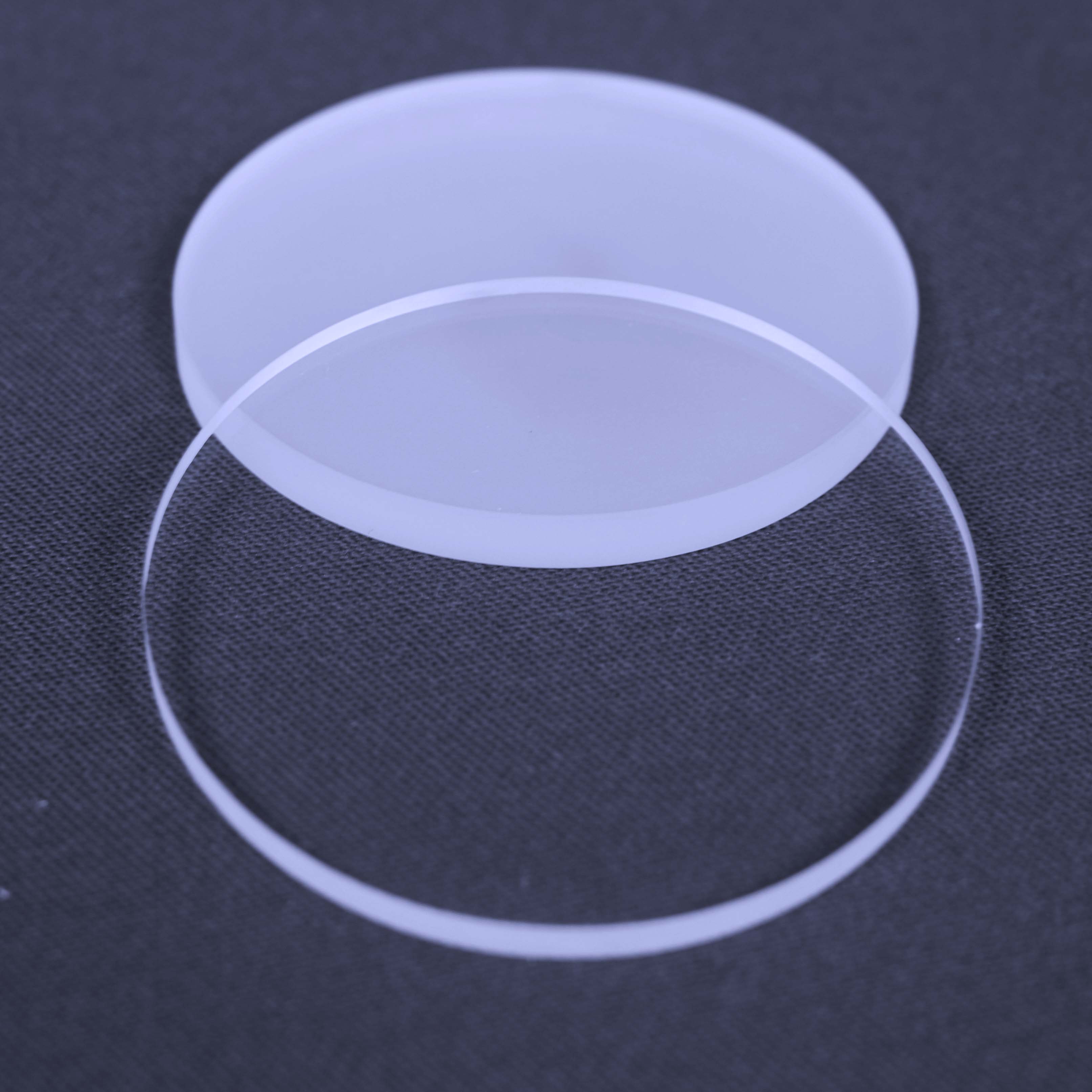
XRD Quartz Holder Test Samples High Transmittance Clear Plate
Ultra-low background noise sample holders for X-ray diffraction tests. Ground and polished with deep-UV transmission for crystal structure validation.
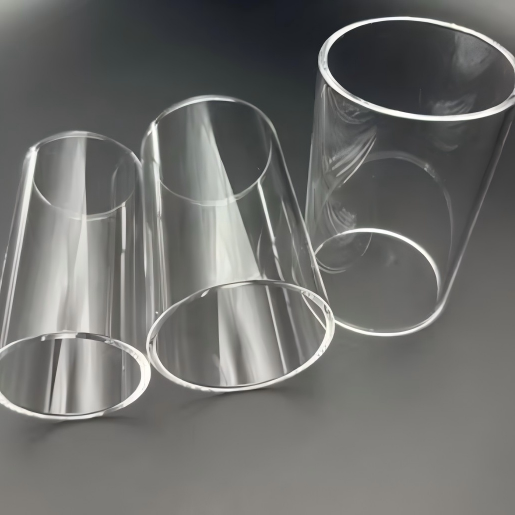
High Temperature Transparent Ozone Free One End Closed Quartz Tube
Hemispherical or flat sealed closed tubes. Excellent for pyrolytic protection sleeves, thermocouple jackets, and semiconductor gas manifolds.
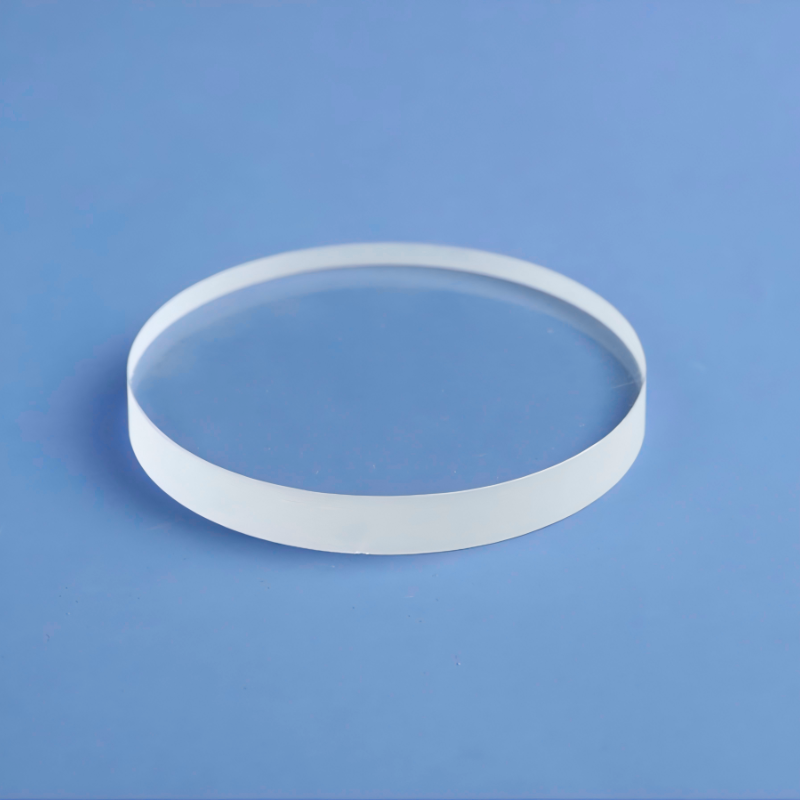
Customized Translucent Natural Fused Quartz Arc-Welding Services
High-purity opaque and translucent quartz fabricated for thermal insulation rings, diffusion furnaces, and heavy industrial chemical flanges.
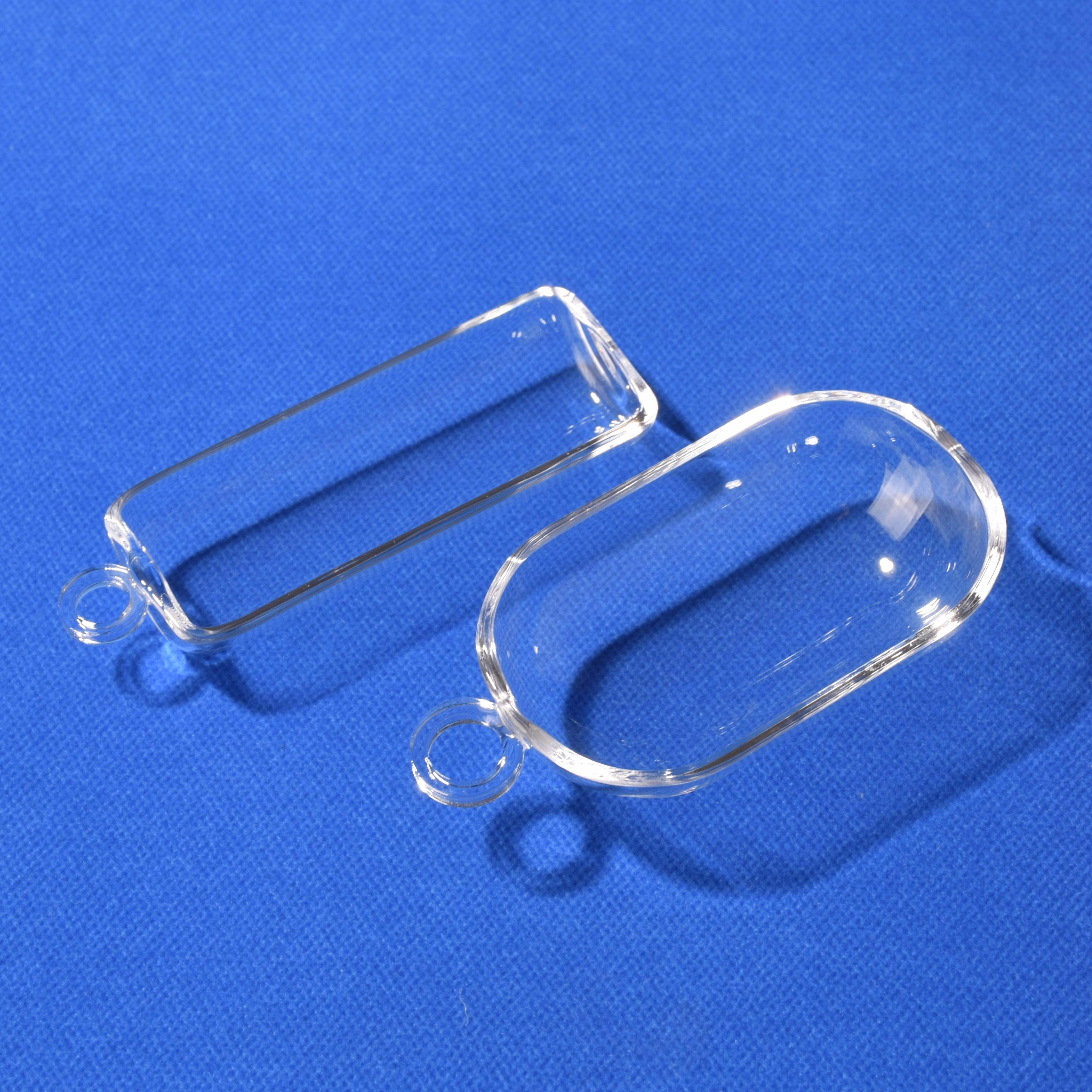
Semi-Circular Flat Bottom High Temperature Resistant Tube Furnace Boat
Chemical combustion boat engineered for high thermal ramp rates, minimal trace element contamination, and long lifespan in horizontal tube furnaces.
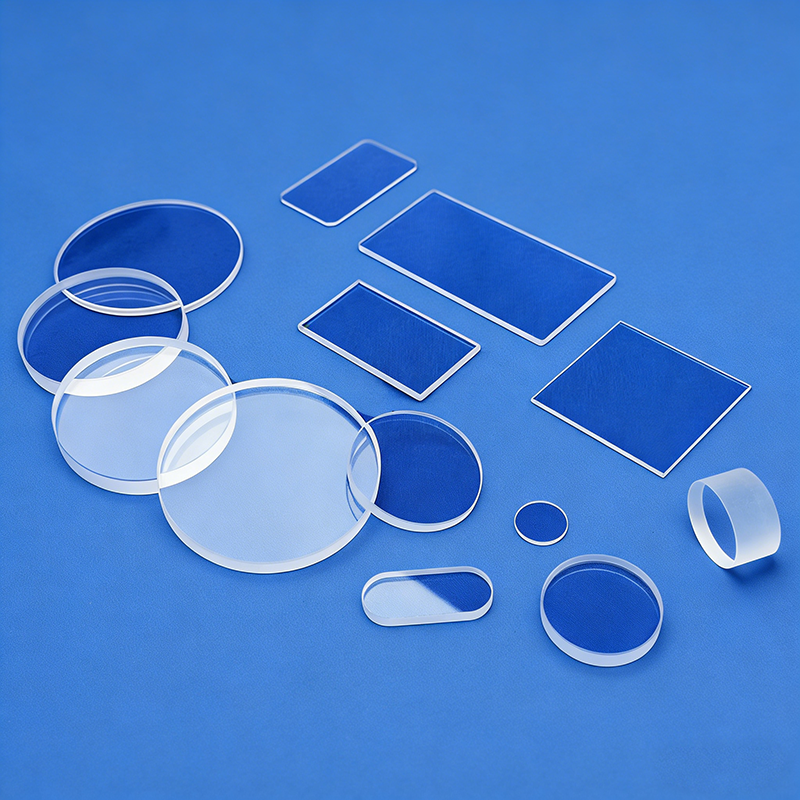
High Temperature Resistant Fused Silica Glass Sheets & Tablets
Flat, double-side lapped optical sight windows, laser protection substrates, and reaction chamber viewing ports custom cut to strict DIN tolerances.
Material Science: Why Stuttgart High-Tech Sectors Specify Fused Quartz Flasks Over Borosilicate 3.3
In high-throughput research centers across Baden-Württemberg—spanning from automotive testing centers in Stuttgart-Zuffenhausen and Untertürkheim to materials physics clusters at the University of Stuttgart (Campus Vaihingen)—standard borosilicate glassware frequently reaches its physical thermal and chemical boundary.
Borosilicate 3.3 displays a softening threshold around 820°C and a working strain point of approximately 510°C. When synthesis, refluxing, or destructive digestion requires operating temperatures beyond 600°C under deep vacuum or severe thermal cycling, borosilicate inevitably softens, leaches alkaline elements (sodium, boron), or undergoes catastrophic fracture.
Our round bottom quartz flasks are melted from superior Donghai natural crystal quartz sand, resulting in an amorphous silica matrix with trace metallic contamination (Fe, Al, Ca, Mg, Na) below 15 ppm. This guarantees absolute purity during high-temperature organometallic syntheses, battery cathode calcination, and CVD gas precursor evaporation.
Technical Property Matrix
DIN 51001 Certified| Chemical Formula | Amorphous SiO₂ (> 99.99%) |
|---|---|
| Continuous Operating Temp. | 1100 °C (1200 °C in inert atmosphere) |
| Short-term Peak Temp. | 1450 °C |
| Softening Point | 1683 °C |
| Annealing Point | 1210 °C |
| Dielectric Constant (20°C, 1MHz) | 3.75 |
| Thermal Conductivity (20°C) | 1.4 W / (m · K) |
| Standard Neck Finishes | DIN 12242 Ground Joints (NS 14/23, 29/32, 45/40) |
| Optical Transmission | > 90% Transmittance (260 nm – 2500 nm) |
Industrial Application Scenarios in Stuttgart Metropolitan Area
Stuttgart is the economic heart of European automotive engineering, photonics, and electrochemistry. Discover how Vulra Quartz products support localized manufacturing and research clusters.
Silicon Carbide (SiC) & GaN Thermal Synthesis
OEM tier suppliers and semiconductor foundries in Reutlingen and Stuttgart use heavy-wall quartz flasks and vessels for high-temperature precursor refinement and epitaxial cleaning lines, avoiding metal ion drift.
Solid-State Battery & Cathode Precursor Calcination
Battery pilot lines and university spin-offs around Stuttgart-Vaihingen rely on quartz round bottom vessels and tubular reactors for solvent synthesis and sulfide-based solid electrolyte chemical processing without contamination.
PEMFC Catalyst Refinement & Acid Hydrolysis
Hydrogen mobility hubs in the Neckar Valley utilize our multi-neck quartz distillation flasks for continuous boiling of highly concentrated aqua regia and nitric solutions during noble metal (Pt/Ir) catalyst recycling.
Industrial Laser Cooling & Pyrolysis Chambers
Machine tool and laser fabrication centers in Ditzingen and Esslingen integrate quartz flasks, windows, and closed tubes for precision gas sampling chambers and UV-stable laser pyrolytic reaction vessels.
Max Planck & Fraunhofer Institutional Synthesis
Institutes like the Max Planck Institute for Solid State Research (MPI-FKF) and Fraunhofer IPA demand bespoke quartz lab glassware with custom DIN ground joints for crystal growth, vacuum sealing, and high-vacuum sublimation.
High-Purity Reagent Distillation & Ultra-Trace Extraction
Chemical labs across the Baden-Württemberg corridor employ quartz round bottom boiling flasks for sub-boiling distillation, ensuring analytical background blanks meet strict European ultra-trace environmental limits.
Stuttgart Sourcing Trends: 2025–2030 Quartzware Procurement
As German manufacturing embraces ecological transition and high-speed R&D cycles, quartz component purchasing criteria have evolved beyond basic catalog specifications.
Supply Chain Reshoring & Agility
German engineering leads are seeking direct-from-manufacturer agility. Instead of waiting 16–20 weeks for local European glassblowing backlogs, Stuttgart procurement managers favor factory-direct OEM partners capable of turning around custom CAD drawings into physical quartz prototypes within 7 to 10 days.
Full DIN EN ISO & Traceability Compliance
Baden-Württemberg facilities mandate strict material test reports (3.1 MTC) documenting trace element impurities via ICP-MS analysis. Flasks must comply with DIN EN ISO 3585 thermal strain parameters and DIN 12242 standard ground joint tolerances (1:10 taper) for hermetic integration into existing European test systems.
Decarbonization & Circular Quartzware
German industry targets low total lifecycle emissions. High-purity natural fused quartz delivers up to 5x the service life of regular glasses under extreme thermal stress, preventing thermal stress micro-fractures, minimizing laboratory equipment replacement overhead, and reducing overall operational footprints.
Why European Buyers Partner with Vulra Quartz
Headquartered at No. 9 Dingxin Road in Donghai County—the globally recognized epicenter of high-purity natural quartz deposits—Lianyungang Vulra Quartz Products Co., Ltd. integrates raw material beneficiation, flame lathe forming, precision cold diamond machining, and full annealing in one certified location.
We eliminate intermediary markups and communication lag. Our engineering team conducts comprehensive thermal-stress simulation and tolerance feasibility checks on every buyer drawing, guaranteeing that custom round-bottom flasks, single/multi-neck vessels, and closed-end furnace accessories interface seamlessly with your German laboratory assemblies.
-
On-Site Verified Facility: Production premises, lathe lines, clean annealing chambers, and legal authenticity inspected and verified by TÜV Rheinland.
-
CE & RoHS Certified: Full regulatory compliance for shipment into Germany and the European Union with full product safety documentation.
-
Dimensional Precision: Outer diameter (5–800mm), wall thickness uniformity ±0.1mm, and custom ground joint tolerances matching DIN standards.
-
Direct Door-to-Door Logistics: Regular air express and consolidated sea freight serving Stuttgart Airport (STR), Frankfurt Main Hub, and Mannheim logistics centers.
Frequently Asked Questions by German Sourcing Engineers
Clear answers regarding standards, customs clearance, drawing compliance, and international packaging for orders entering Baden-Württemberg.