High-Purity Quartzware Ready for Ljubljana Shipment
Engineered from premium crystalline sand, our verified production line provides flame-welded, precision-slotted, and optically finished quartzware with verified ppb-level metallic trace limits.
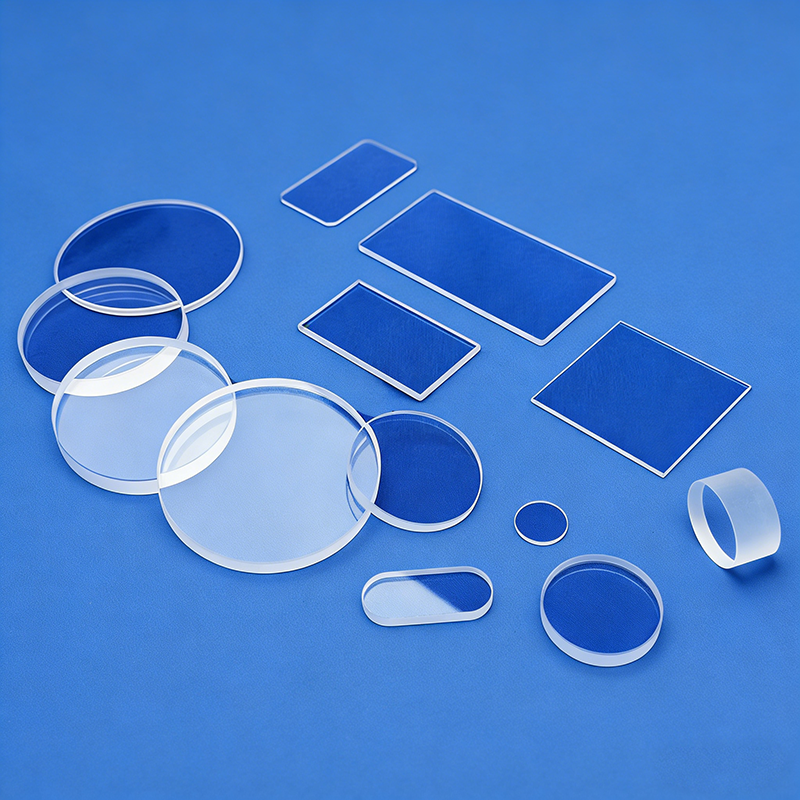
SJ QUARTZ Translucent Fused Quartz Plate & Arc-Welding Base
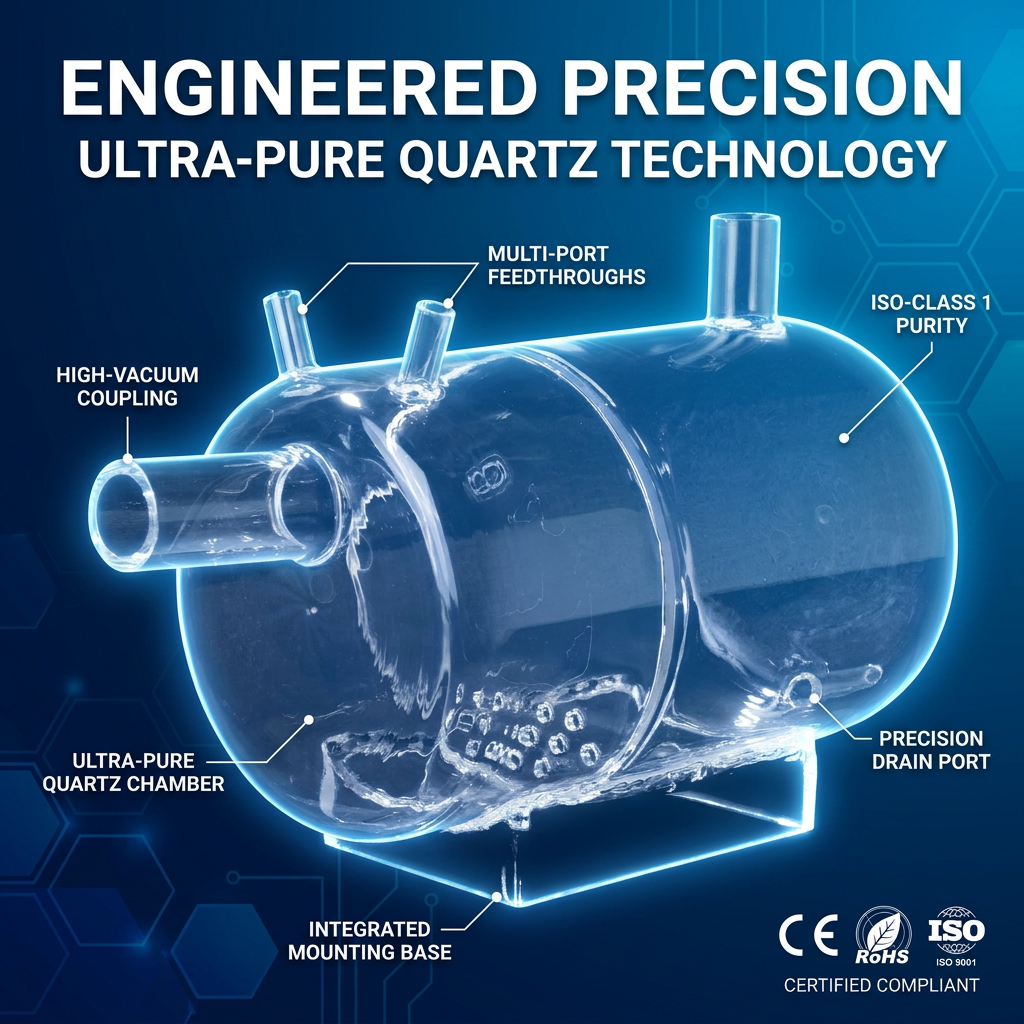
Precision Quartz Separating Container for Semiconductor Acids
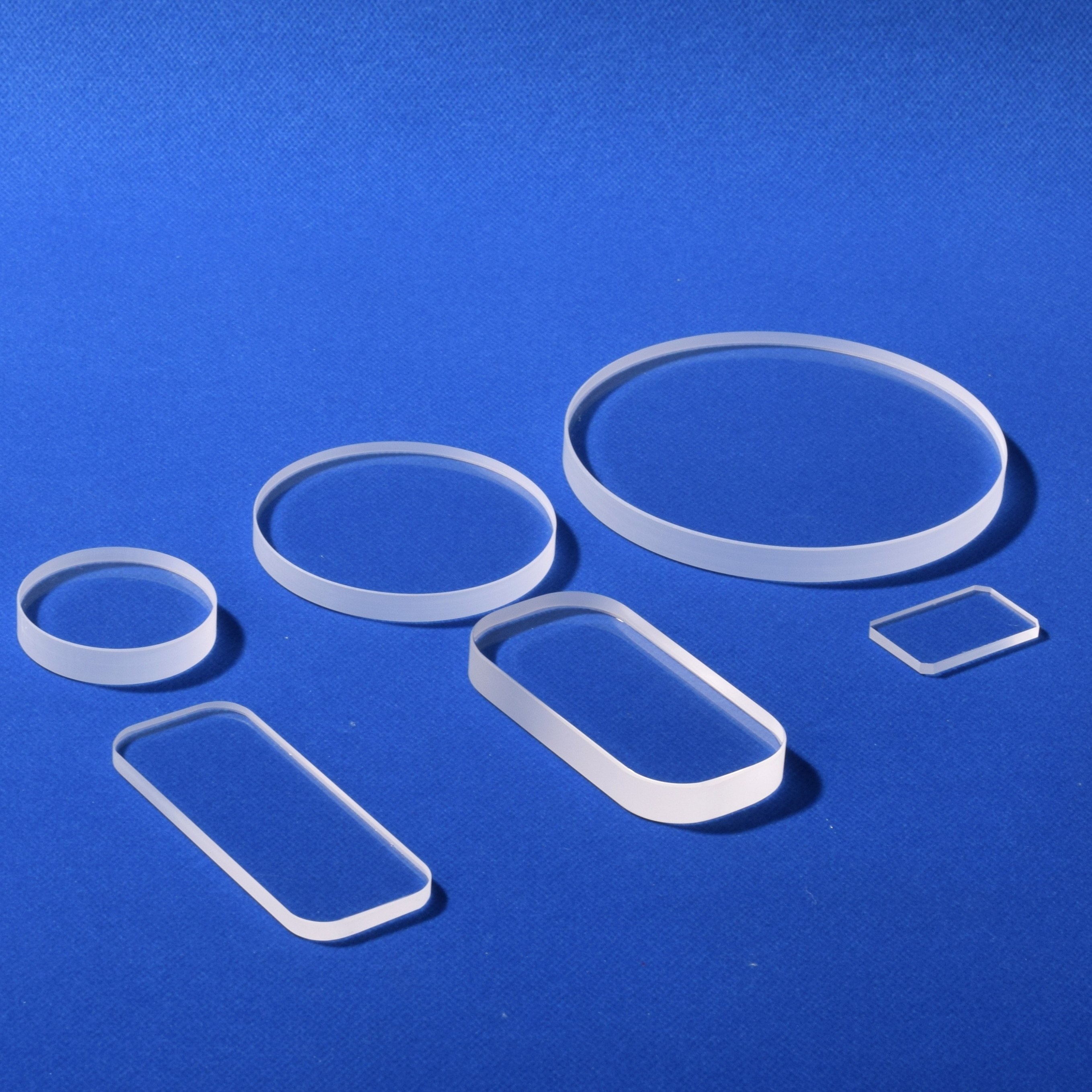
High-Transmittance Quartz Viewport & Chamber Watch Window

Corrosion-Resistant 400-Mesh Quartz Diffusion Component
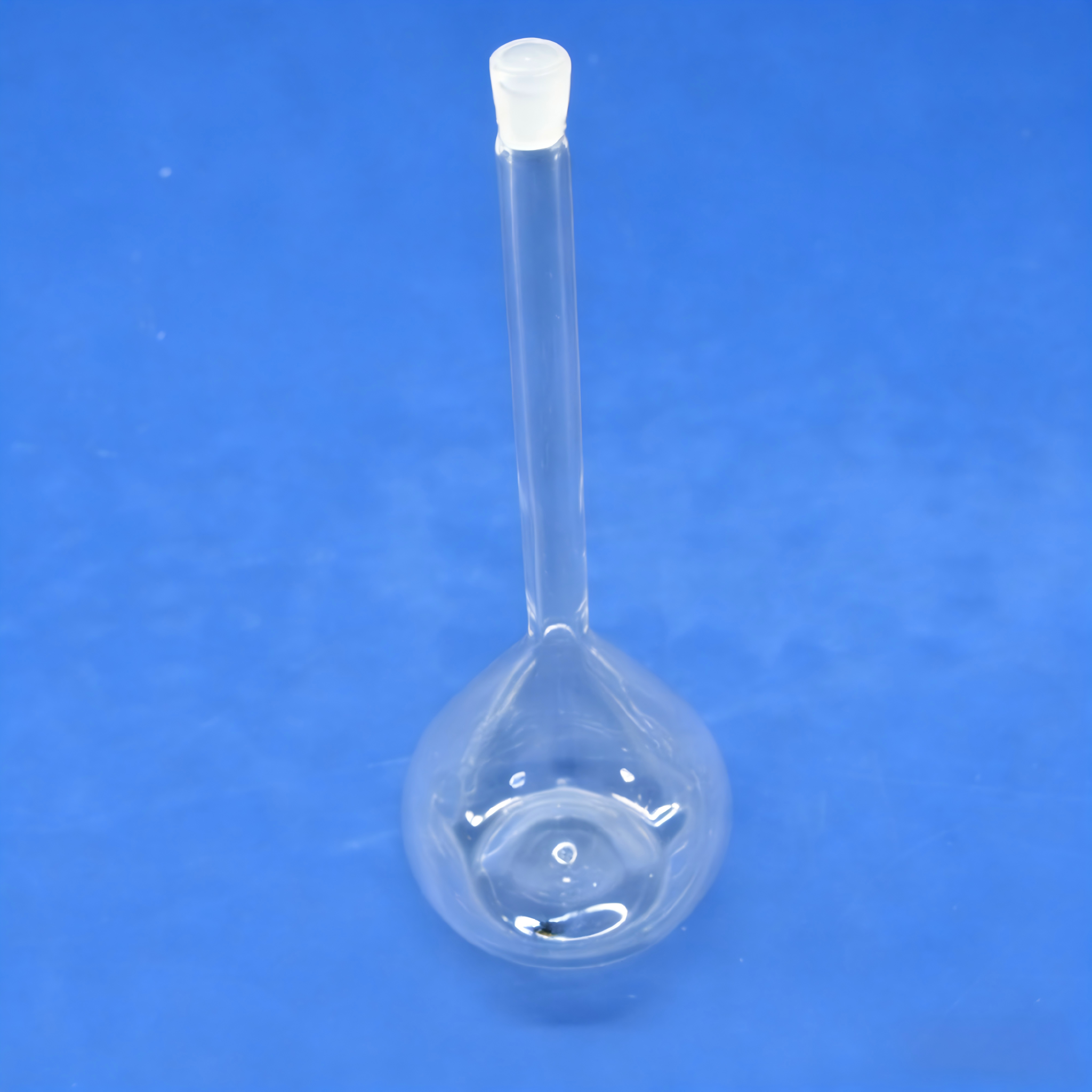
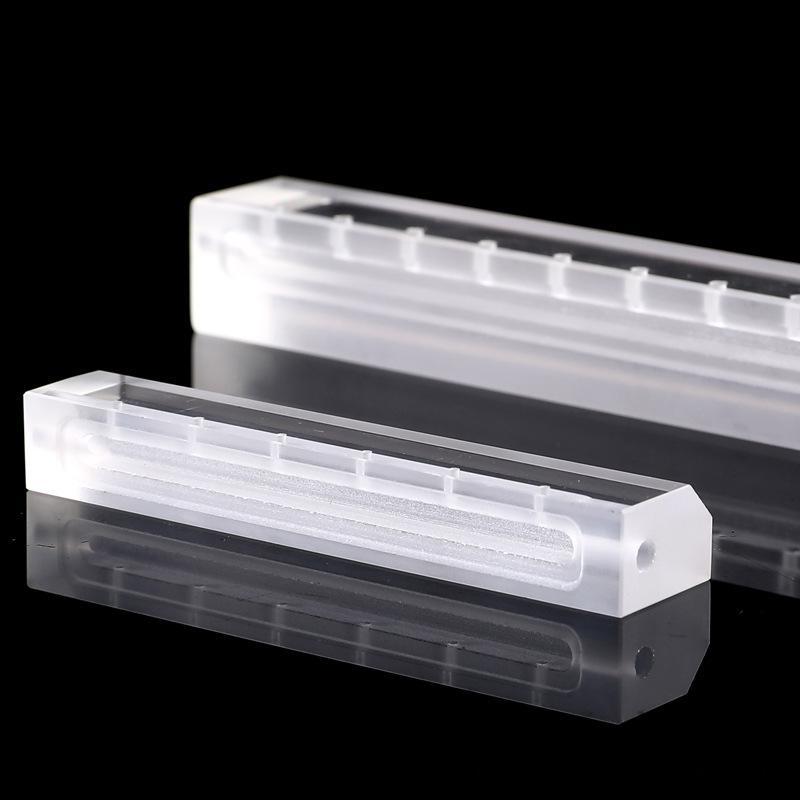
SJ-077 Ultra-Thin Optical Quartz Substrate & Carrier Plate
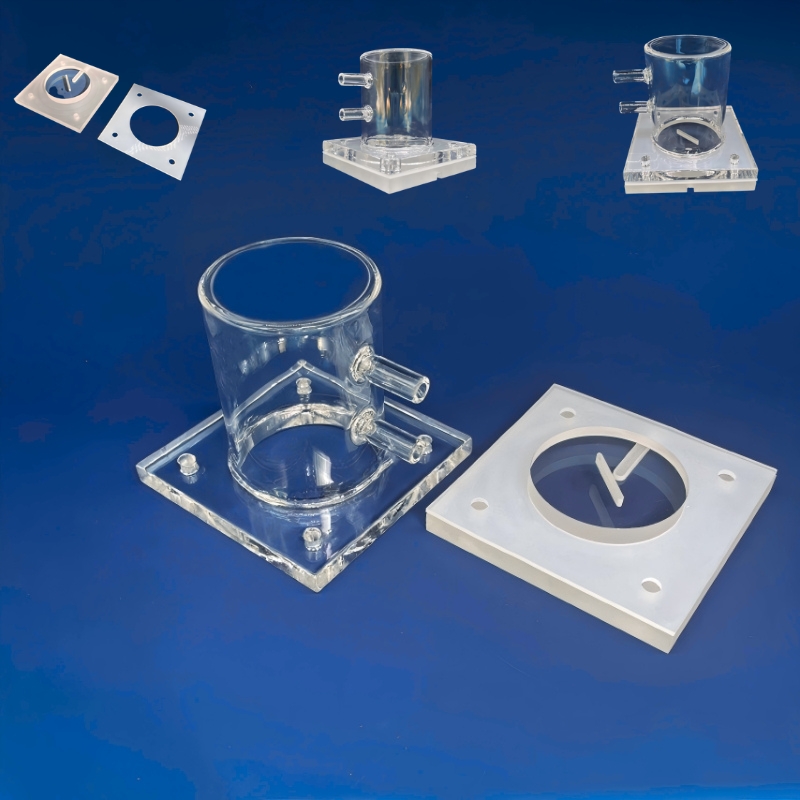
Quartz Photocatalytic Reactor for Clean Hydrogen Evolution
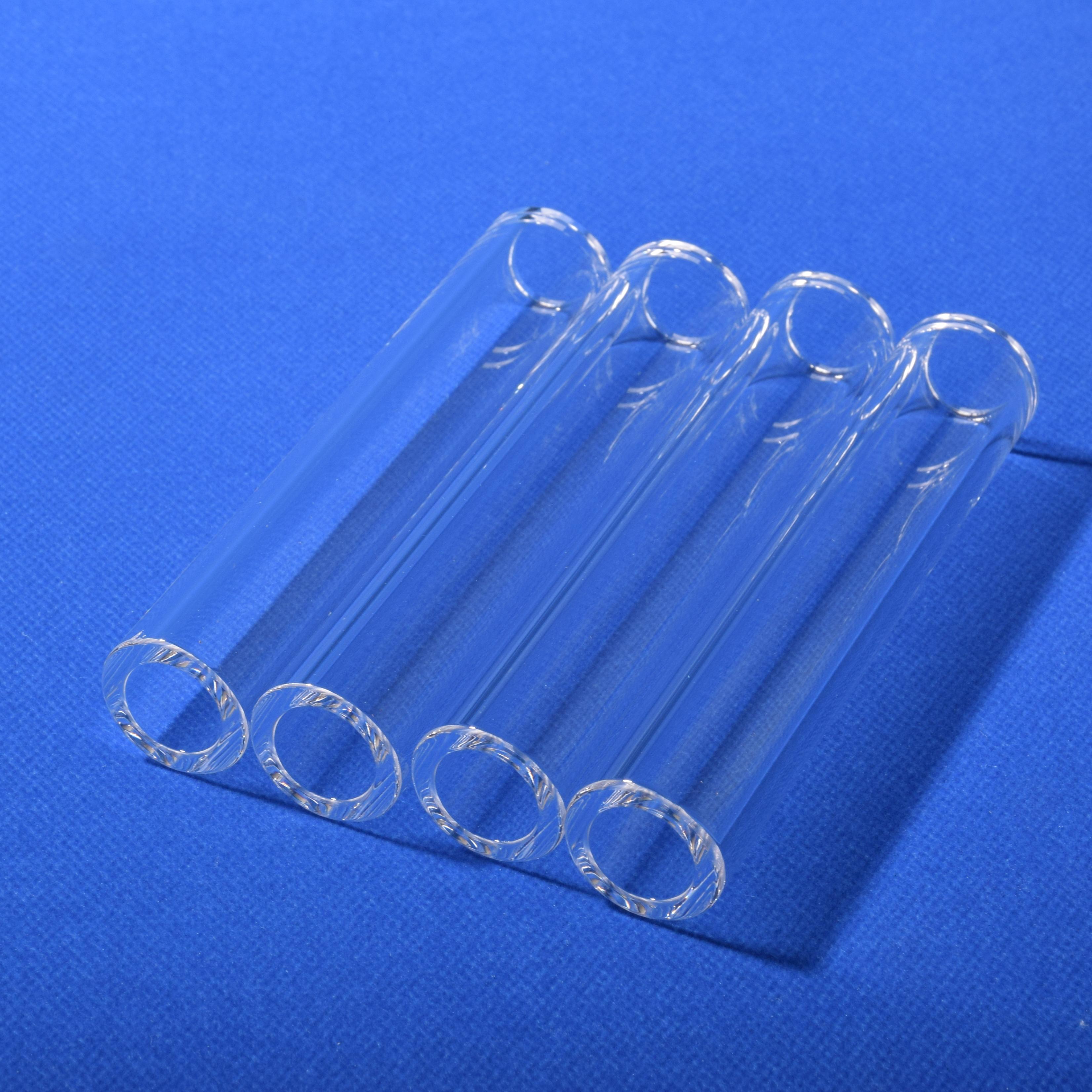
Precision Quartz Wafer Carriers in Sub-Micron Thermal Processing
In high-temperature microelectronics processing, semiconductor wafer carriers are exposed to punishing thermal cycles and aggressive chemistries. Discover why high-purity electric-fused quartz is the essential substrate across European semiconductor cleanrooms.
Thermal Stability & Creep Resistance
Thermal processing of 100mm, 150mm, and 200mm wafers during thermal oxidation, phosphorus/boron diffusion, and LPCVD demands zero carrier deformation. Our fused quartz maintains structural integrity with a softening point of 1683°C and an annealing point of 1210°C, virtually eliminating carrier sagging or slot warping over multi-hour runs.
Low Coefficient of Thermal Expansion
With an isotropic CTE of only 5.5 × 10⁻⁷ /°C (from 20°C to 1000°C), our wafer carriers withstand rapid insertion and retraction thermal shocks ($ΔT > 1000°C$) without microscopic cleaving or thermal shock breakage. This protects valuable patterned wafers from slippage or micro-scratches inside furnace muffle tubes.
ppb-Grade Trace Contamination Barrier
Alkali metals (Na, K, Li) and heavy transition elements (Fe, Cu, Ni) migrate into semiconductor silicon lattices at elevated temperatures, causing catastrophic gate oxide breakdown. By refining Donghai natural crystalline quartz, we ensure total metallic contaminants stay under 15 ppm, with alkali ions kept below critical ppb thresholds.
| Trace Impurity Element | Commercial Grade Quartz (Typical) | Vulra Semiconductor Grade (4N8) | Vulra Ultra-High Purity 5N (Carrier Grade) | Impact on Semiconductor Substrates |
|---|---|---|---|---|
| Aluminum (Al) | 16 – 25 ppm | 8.0 – 14.0 ppm | < 6.0 ppm | Acceptor dopant shifts resistivity profiles |
| Iron (Fe) | 1.0 – 3.0 ppm | 0.1 – 0.3 ppm | < 0.05 ppm | Deep-level defect center; reduces minority carrier lifetime |
| Sodium (Na) | 1.5 – 4.0 ppm | 0.3 – 0.7 ppm | < 0.1 ppm | Mobile ionic charge causing threshold voltage drift |
| Potassium (K) | 1.2 – 3.0 ppm | 0.2 – 0.6 ppm | < 0.1 ppm | Surface dielectric contamination and dielectric breakdown |
| Calcium (Ca) | 1.5 – 3.5 ppm | 0.4 – 0.8 ppm | < 0.3 ppm | Precipitates crystal slip lines at wafer edges |
| Hydroxyl Content (OH⁻) | < 30 ppm | < 15 ppm | < 5 ppm (Dry Vacuum Fused) | Minimizes high-temp devitrification (cristobalite growth) |
Applications Across the Greater Ljubljana Tech Ecosystem
From national research laboratories along Jamova cesta to pilot fabs in technology parks across Central Slovenia, our customized quartz wafer carriers and reaction vessels integrate directly into high-precision workflows.
Jožef Stefan Institute (IJS) Nano-Fabrication
Researchers in thin-film physics, surface functionalization, and functional oxides require small-footprint quartz boats capable of handling custom substrate geometries (10×10 mm coupons up to 100mm wafers).
- Atomic Layer Deposition (ALD) substrate racks with uniform gas conductance.
- High-vacuum tube furnace boats for 2D material synthesis (graphene, MoS₂).
- Zero-outgassing sample holders for high-resolution XRD characterization.
Supports: Materials Research, Surface Engineering & Thin-Film Laboratories.
University of Ljubljana (LPVO) Solar Cell Research
The Laboratory of Photovoltaics and Optoelectronics (LPVO) at the University of Ljubljana is internationally renowned for tandem perovskite-silicon innovations and advanced passivated contact cells.
- High-capacity slotted quartz wafer carriers for wet chemical texturing baths.
- Phosphorus oxychloride (POCl₃) diffusion boats engineered for uniform emitter profiles.
- Custom quartz bell jars and liners for rapid thermal annealing (RTA) reactors.
Supports: Next-Gen Solar Cells, Heterojunction & Perovskite Development.
Automotive Power Modules & MEMS Transducers
Central Slovenia's advanced automotive electronics cluster drives demand for high-reliability MEMS pressure sensors, current transducers, and wide-bandgap (SiC/GaN) power components.
- High-precision pitch wafer carriers for automated robotic cassette-to-boat transfers.
- Heavy-wall horizontal diffusion boats resisting aggressive doping atmospheres.
- Custom chemical separating containers for cleanroom wet etching and stripping.
Supports: Tier-1 Automotive Sensor Manufacturers & Industrial Electronics OEMs.
Semiconductor Sourcing Trends in Central Europe & Slovenia
Slovenia's strategic alignment with the European Chips Act and regional microelectronics hubs in Austria and Northern Italy has triggered a rapid modernization of cleanroom quartzware procurement.
Pillar II Integration of the EU Chips Act
As Slovenia participates in European microelectronics consortia, research institutes and fab pilot lines in Ljubljana are moving away from multi-tiered distributor markups. Direct collaboration with audited primary manufacturers ensures end-to-end traceability, certified chemical analysis sheets, and rapid custom turnaround without bureaucratic friction.
Rise of Wide-Bandgap (SiC & GaN) Processing
Processing silicon carbide and gallium nitride requires furnace temperatures exceeding 1200°C–1400°C. Standard commercial quartz suffers rapid cristobalite crystallization at these extremes. Ljubljana engineering teams increasingly specify synthetic fused silica or ultra-low-hydroxyl dry-melt quartz carriers to maximize tool uptime.
Shift to Precision Robotic End-Effector Matching
Automated cleanroom handling in Central Europe leaves zero room for dimensional inconsistency. Wafer carrier slots must achieve pitch tolerances within ±0.02 mm and slot profile parallelism under 0.05 mm. Manual glassblowing without computerized CNC ultrasonic machining no longer meets these modern fabrication standards.
Why Central European Engineers Partner with Vulra Quartz
Headquartered in Donghai—the world's crystal capital—Lianyungang Vulra Quartz combines access to high-purity natural silica deposits with state-of-the-art CNC cold machining and hot oxy-hydrogen flame welding.
TÜV Rheinland Audited
Independently verified manufacturing facilities, cleanroom production lines, and quality control procedures confirm legitimate manufacturer credentials and legal operational safety.
Prototyping from 1 Piece
Eliminate restrictive minimum order quantities. We machine and flame-weld single-piece custom wafer carriers, test holders, or reactor tubes from your 2D/3D CAD drawings.
5-Axis Ultrasonic Slotting
Our computerized diamond-tool cutting engines deliver flawless slot profiles, radiused edge transitions, and clean slot floors that eliminate wafer edge chipping and particle shedding.
Full Thermal Annealing
Every welded quartz carrier undergoes an 8-hour computer-controlled electric furnace de-stressing annealing cycle at 1150°C, followed by HF chemical leaching and cleanroom shrink-packing.
Frequently Asked Questions by Slovenian Procurement Teams
Everything you need to know about international shipping, customs classification, technical specifications, and packaging integrity for delicate quartz exports to Slovenia.
What is the typical shipping lead time to Ljubljana?
For urgent prototypes, air courier delivery (via DHL Express / FedEx directly to Ljubljana Jože Pučnik Airport - LJU) takes 4 to 6 business days following fabrication. High-volume batch shipments can be consolidated via sea freight through the Adriatic Port of Koper (Luka Koper), which typically arrives within 26–30 days.
How do you guarantee fragile quartz products arrive unbroken?
We utilize an export packaging protocol engineered specifically for scientific quartz: each carrier is triple-wrapped in static-free bubble lining, seated inside high-density custom-cut shock-absorbent EPE foam cavities, and sealed within heavy double-wall corrugated cartons or fumigated multi-layer export wooden crates.
What customs code (TARIC) applies for Slovenian import?
Our quartz products ship under EU TARIC Harmonized System code 7017 10 00 ("Laboratory, hygienic or pharmaceutical glassware, of fused quartz or other fused silica"). We supply complete commercial invoices, packing lists with net/gross weights, and Certificates of Origin for rapid Slovenian customs clearance.
Can you manufacture wafer carriers from custom CAD files?
Yes. Over 70% of our orders are drawing-based custom designs. We accept standard engineering CAD formats including STEP, IGES, DXF, and DWG. Our technical engineering team completes a design review within 24 hours, evaluating wall thicknesses, slot pitch tolerances, and thermal weld points prior to production.
How do I prevent cristobalite devitrification during operation?
Devitrification occurs when surface alkali contaminants act as nucleating agents at temperatures above 1150°C, converting amorphous silica into brittle cristobalite. We minimize this by supplying carriers with <0.1 ppm alkali content and ultra-smooth fire-polished slot walls. We also provide cleaning guidelines using 5%–10% HF acid baths.
Are certificates of compliance and purity analysis provided?
Every export consignment includes a formal Certificate of Conformance (CoC), material chemical assay sheets detailing ICP-MS purity analysis, and CE / RoHS verification documents. On-demand dimensional inspection reports utilizing optical coordinate measuring machines (CMM) are available for all custom CNC slotted boats.
Accelerate Your Cleanroom Projects with Direct Factory Precision
Whether you need a custom 25-wafer slotted quartz boat for horizontal tube diffusion or specialized quartz glassware for advanced research in Ljubljana, our engineering team is available for technical reviews and direct pricing.
Inquire Now