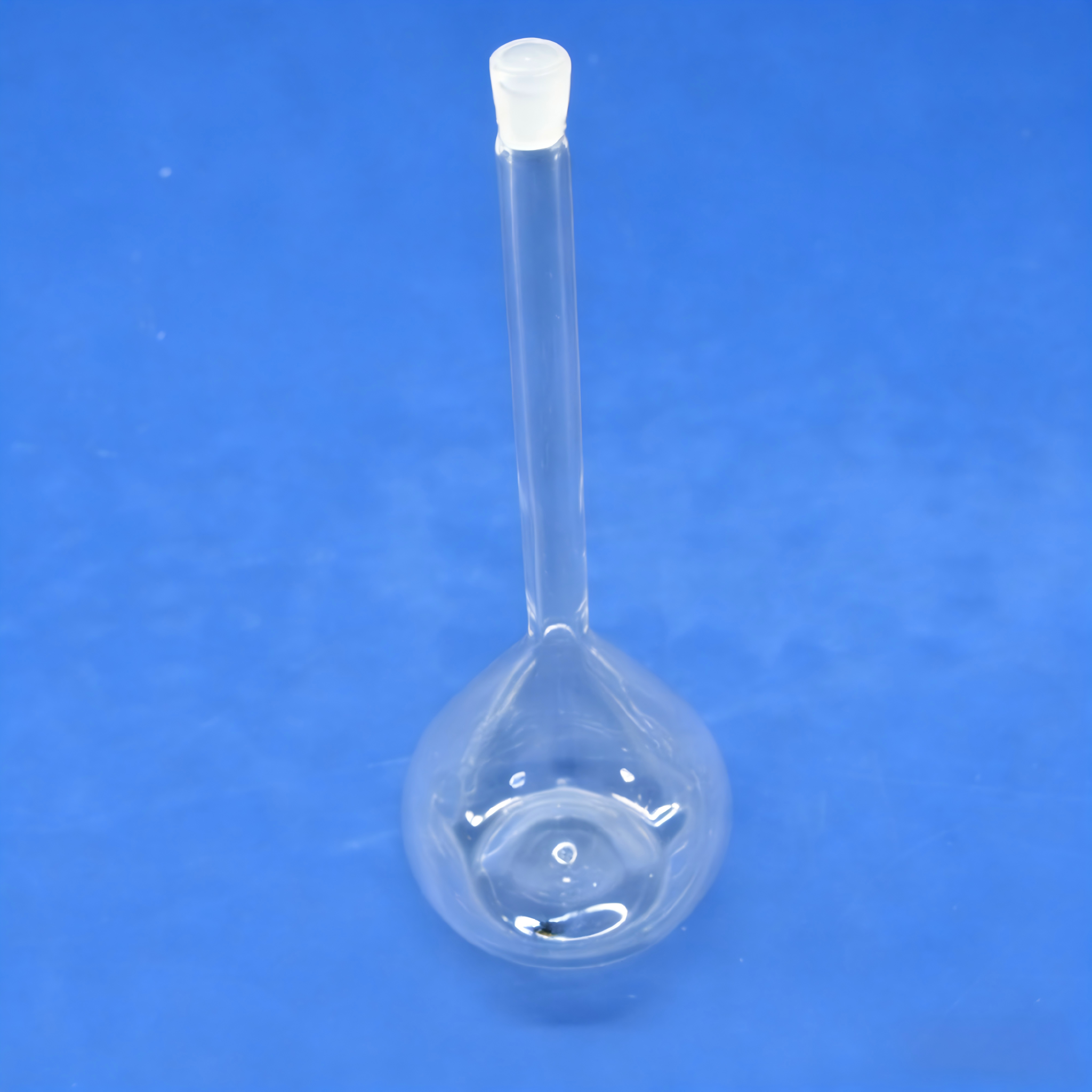
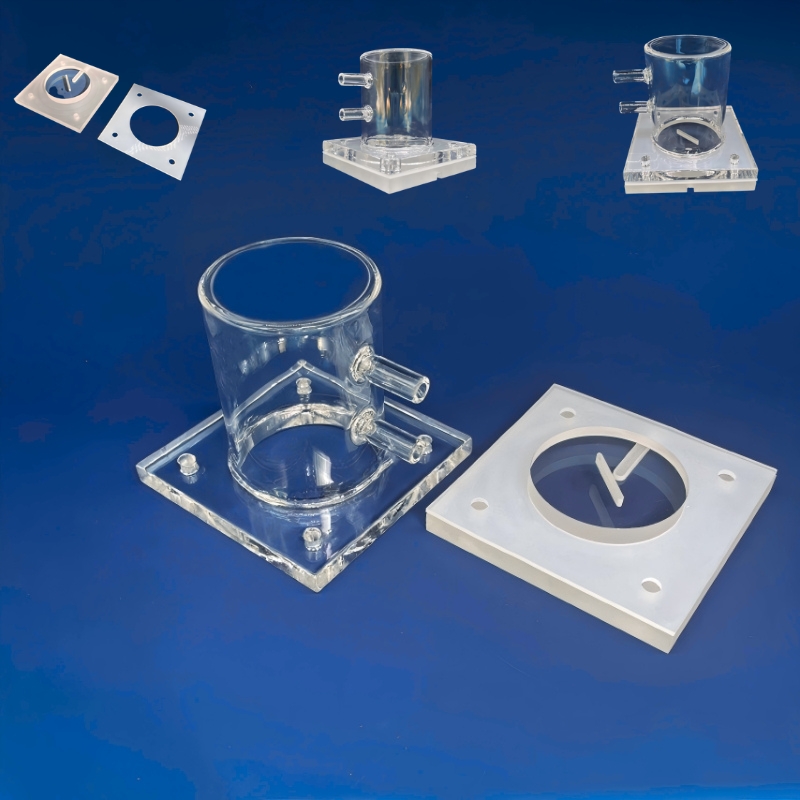
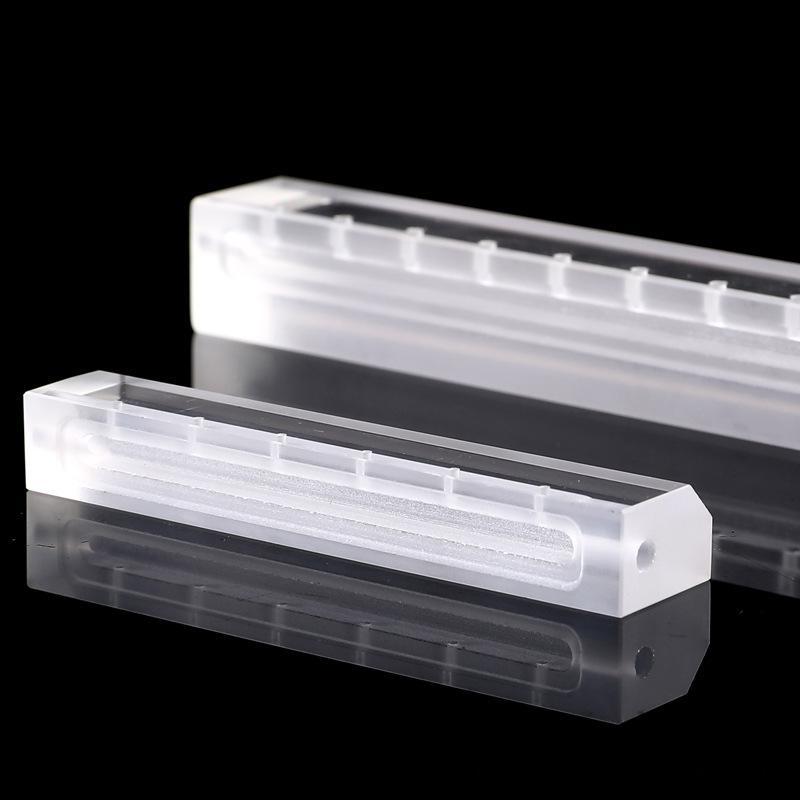
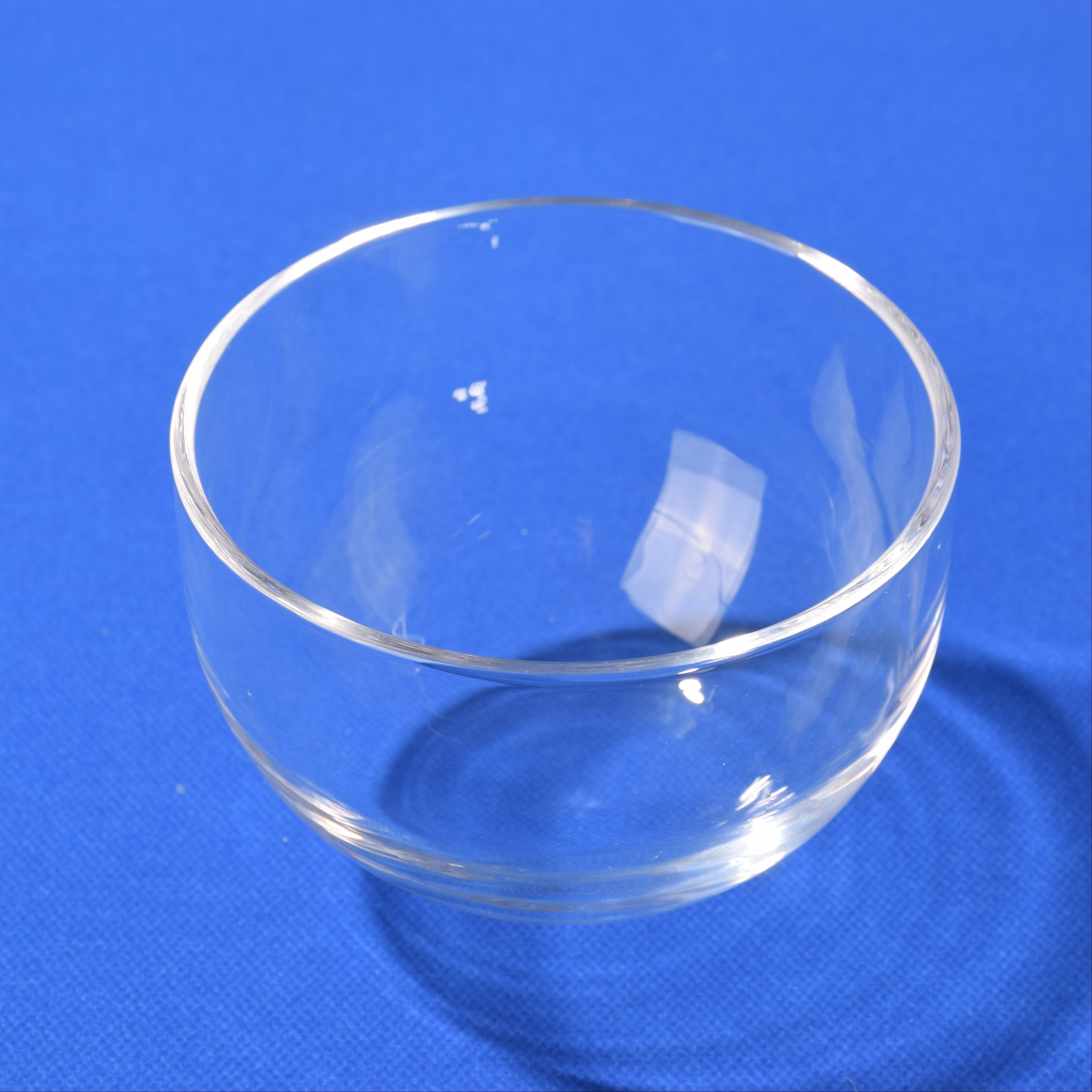
Featured Quartz Glassware & Specialized Reactor Systems
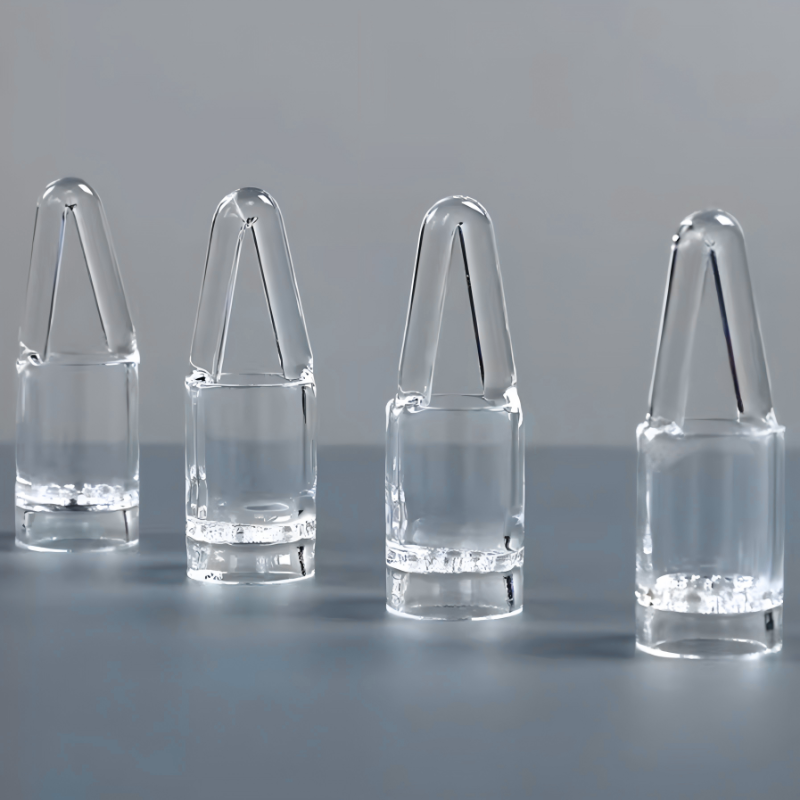
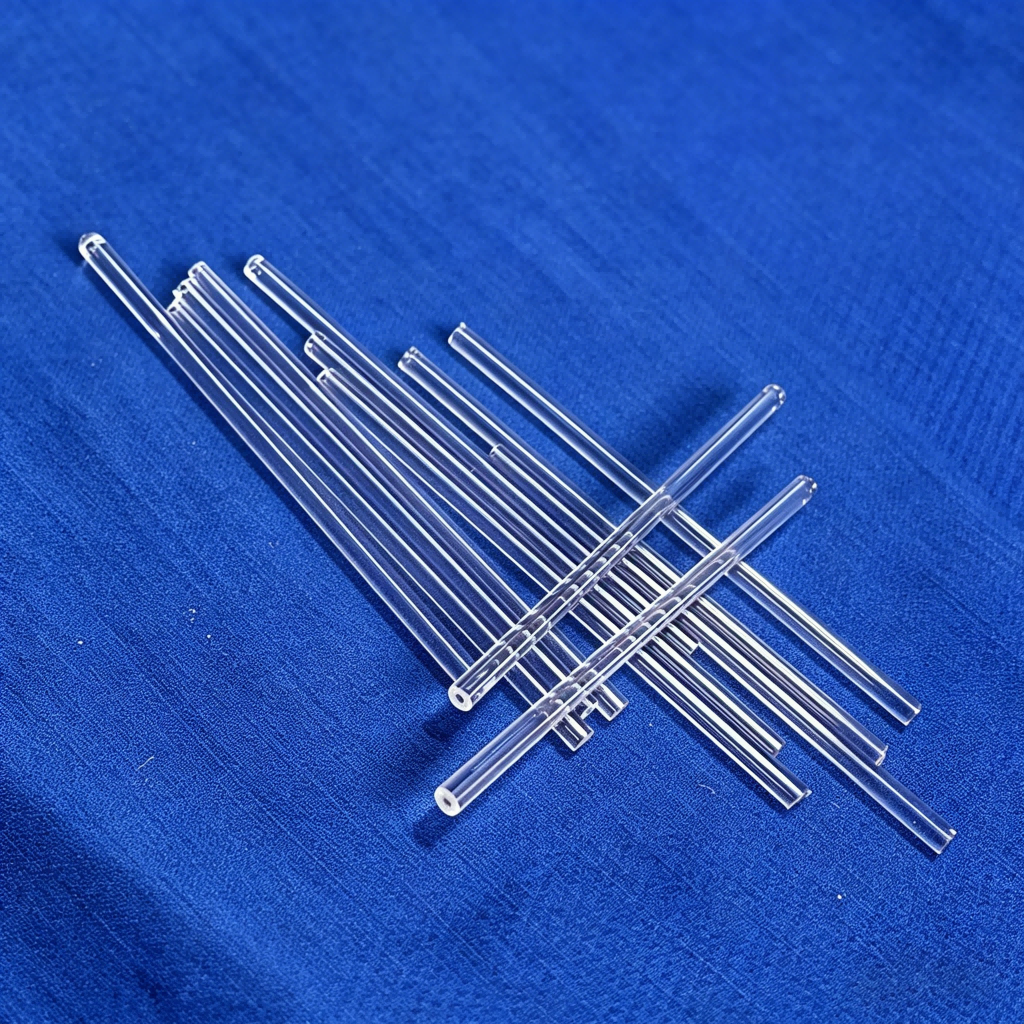
Engineered from natural and synthetic fused silica with SiO₂ purity reaching 99.999%. Designed to endure high thermal shocks, harsh corrosive electrolytes, and deep ultraviolet spectral illumination.
Localized Application Scenarios in Can Tho & The Mekong Delta
Can Tho serves as the economic, scientific, and technological hub of Southwestern Vietnam. As the Mekong Delta navigates the challenges of climate change, intensive aquaculture, and industrial modernization, electrochemical analytical methodologies provide essential technical backing.
Aquaculture & Saline Soil Water Analysis
Can Tho’s surrounding brackish water farming regions (Tra Vinh, Soc Trang, Bac Lieu) face severe seasonal salinity intrusion. Quartz sealed electrolytic cells allow researchers at Can Tho University (CTU) and local monitoring stations to conduct square wave voltammetry and electrochemical impedance spectroscopy (EIS) on heavy metal ions (Cd²⁺, Pb²⁺, As³⁺) and pesticide residues without ionic contamination from the vessel walls.
Photocatalytic Solar Fuel Production
With an average annual solar radiation of 4.8 to 5.2 kWh/m² per day in Can Tho, local laboratories are aggressively pursuing solar water splitting (H₂ production) and photoelectrochemical CO₂ reduction. Our specialized quartz sealed reactors deliver pristine light transmission across the UV-visible range (200 nm – 2500 nm), facilitating exact photon conversion efficiency metrics without envelope absorption distortion.
Agro-Processing & Industrial Effluent Treatment
Advanced Oxidation Processes (AOPs) such as electro-Fenton and photocatalytic degradation of persistent organic pollutants require robust chemical stability. When processing organic effluents from Tra Noc and Hung Phu Industrial Zones, our fused quartz cells withstand concentrated sulfuric acid, perchloric acid, and aggressive radicals without surface etching or background interference.
Emerging Technological Trends in Southwestern Vietnam
Can Tho is undergoing an intentional structural pivot toward high-tech innovation under Vietnam's National Strategy for Green Growth.
| Development Sector | Technical Driver in Can Tho | Quartz Hardware Requirement | Operational Impact |
|---|---|---|---|
| Green Hydrogen Transition | Mekong Delta offshore wind integration into hydrogen generation via water electrolysis. | Hermetically sealed quartz cells with gas sampling ports and low ohmic drop designs. | Zero gas leakage during quantitative Faraday efficiency measurements. |
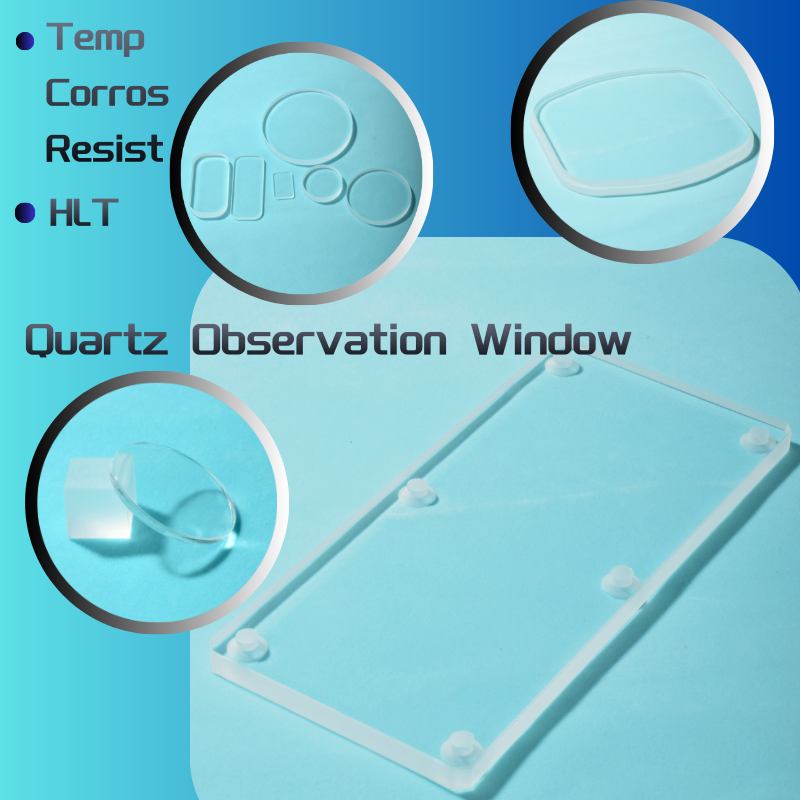
| Food Traceability & Safety | Strict export compliance for seafood processing entering EU, US, and Japanese markets. | Spectroelectrochemical cells with integrated optical quartz windows. | Real-time characterization of veterinary antibiotic degradation kinetics. |
| Nanotechnology & Sensors | Deployment of electrochemical biosensors for real-time pathogen detection in agriculture. | High-purity quartz substrates and custom 3-electrode micro-cells. | Near-zero dielectric loss and broad potential window verification without capacitive noise. |
| Circular Economy R&D | Rice husk and agricultural biomass conversion into high-value graphene and active carbon. | High-temperature fused silica tubular reactors and sealed electrolysis setups. | Continuous thermal stability up to 1100°C under corrosive molten salts. |
Why Can Tho Research Institutes Rely on Vulra Quartz
Direct from Donghai County—the crystal center of China—to Can Tho's laboratory benches with end-to-end technical control and verified accountability.
Our manufacturing plant at No. 9 Dingxin Road is audited and certified on-site by TÜV Rheinland, assuring international standards compliance for all bespoke quartzware.
We break down minimum order quantity barriers for academic researchers at CTU, Can Tho University of Technology, and local R&D institutes by supporting single-piece orders.
From precision oxy-hydrogen glass blowing to CNC diamond cutting, ultra-precision surface grinding, and laser drilling, every production phase stays in our own workshops.
Export packaging features vacuum-sealed moisture barrier linings, multi-density impact foam, and export plywood crating to protect optics in high-humidity transit to Vietnam.
Can Tho Buyer FAQ: Quartz Sealed Electrolytic Cells
Common questions answered by our application engineers for university procurement offices, laboratory managers, and project leaders across Vietnam.