Specialized Fused Quartz Laboratory & Processware
Drawing-based custom fabrication, high chemical resistance, and optical-grade UV-NIR transparency engineered to strict JIS and ISO laboratory standards.
1. Advanced Technical Architecture of Sealed Quartz Electrolytic Cells
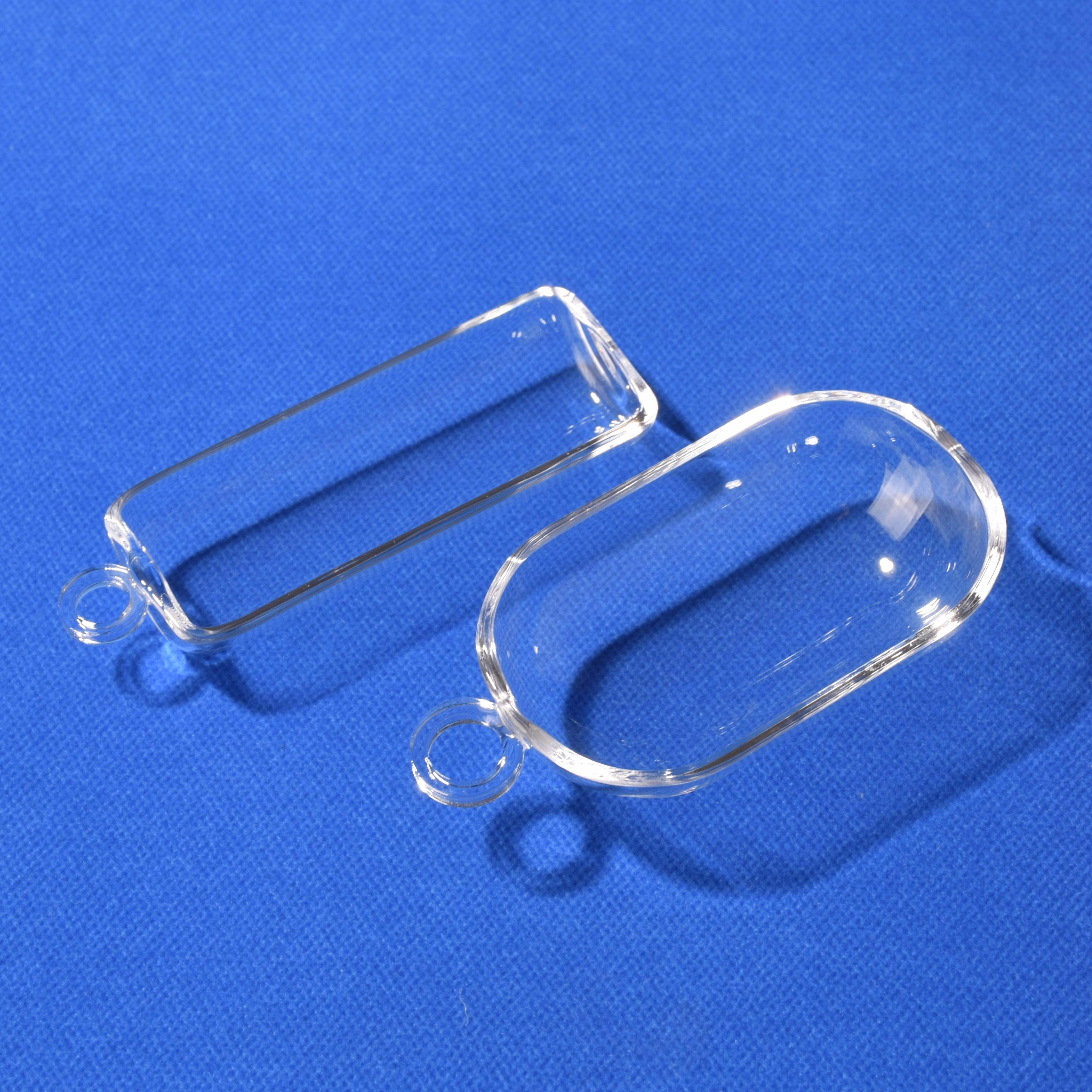
Precision electrochemistry in demanding academic and industrial research requires zero compromise on vessel stability, optical transmission, and atmospheric isolation. As a leading manufacturer and direct global exporter shipping specialized apparatus to Kyoto and the wider Kansai research corridors, Lianyungang Vulra Quartz Products Co., Ltd. supplies high-spec quartz sealed electrolytic cells designed specifically for in-situ spectroelectrochemistry, photoelectrochemical (PEC) water splitting, and electrochemical CO₂ reduction.
Standard borosilicate glass cells frequently fail under three critical conditions: solar-simulator ultraviolet excitation below 320 nm, concentrated alkaline or harsh fluorinated electrolyte attacks, and micro-leakages during pressurized headspace gas chromatography (GC) sampling. Our sealed cells are torch-fused using semiconductor-grade natural fused quartz and high-purity synthetic fused silica. This guarantees:
- Unrivaled Optical Transmittance: Transmission exceeds 90% across the deep ultraviolet (DUV 190 nm), visible spectrum, and near-infrared (NIR 2500 nm), allowing pristine incident photon fluxes directly onto working photoelectrodes without parasitic absorption by the cell window.
- Hermetic Gas-Tight Sealing: Equipped with precision ground screw-thread ports, PEEK or PTFE high-vacuum gas purge valves, and fluoroelastomer/FFKM perfluoroelastomer O-rings to maintain less than 10⁻⁵ Pa·m³/s helium leak rates during volatile organic solvent or H₂/O₂ evolution experiments.
- Thermal Shock & Corrosion Resistance: An ultra-low coefficient of thermal expansion (5.5 × 10⁻⁷ /°C) enables uninhibited temperature control from sub-zero cryogenic studies up to 1100°C without crack propagation, while exhibiting complete resistance against boiling HNO₃, H₂SO₄, and concentrated aqua regia.
| Performance Parameter | Vulra Semiconductor Grade Quartz | Standard Laboratory Borosilicate 3.3 | Synthetic Sapphire (Al₂O₃) |
|---|---|---|---|
| SiO₂ Purity Level | ≥ 99.99% – 99.999% | ≈ 80% (contains B₂O₃, Na₂O, Al₂O₃) | N/A (Crystalline Corundum) |
| UV Cut-off Wavelength | 185 nm (Far-UV Transparent) | ≈ 320 nm (Filters Solar DUV) | ≈ 190 nm |
| Continuous Working Temp | 1100 °C (Peaks up to 1450 °C) | 450 °C – 500 °C | 1600 °C |
| Thermal Shock Tolerance | ΔT > 1000 °C (Water Quench Safe) | ΔT ≈ 150 °C | Moderate (Anisotropic Expansion) |
| Electrochemical Leaching | Zero metallic cation contamination | Boron & alkali metal leaching risk | Negligible |
| Geometric Customizability | High (Torch Lathe Bending/Welding) | High | Extremely Rigid / Cost-Prohibitive |
2. Key Application Landscapes in Kyoto Research & Industrial Clusters
Kyoto represents the intellectual heart of Japan's fundamental chemistry, materials science, and electronics development. From the laboratories of Kyoto University's Katsura and Yoshida campuses to the advanced clean-tech enterprises within the Keihanna Science City (Kansai Science City), research teams require precision-grade hardware capable of reproducibility.
Artificial Photosynthesis & Green H₂
Collaborative consortia surrounding RITE (Research Institute of Innovative Technology for the Earth) utilize our double-walled jacketing quartz photoelectrochemical reactors for quantitative solar hydrogen evolution, where internal light scattering must be strictly controlled.
Solid-State Battery & Ionic Liquid Testing
Kyoto’s specialized energy research labs deploy our custom dome-sealed quartz cells to monitor dendrite formation and interface kinetics in lithium/sodium metal batteries via in-situ optical microscopy under inert argon environments.
Corrosion & Plating at High Pressures
Semiconductor fabrication subcontractors located around Southern Kyoto Prefecture leverage our thick-walled, flame-fused quartz pressure cells to evaluate wafer micro-cleaning solutions, plating bath electrochemistry, and trace metal contamination.
3. Regional Clean-Tech & GX (Green Transformation) Trends in Kansai
Under Japan’s national Green Transformation (GX) initiative, the Kansai Economic Federation has accelerated investments into high-efficiency electrolysis, next-generation perovskite photovoltaics, and zero-emission carbon recycling technologies. These industrial directives directly dictate the operational specifications of modern electrochemical cells:
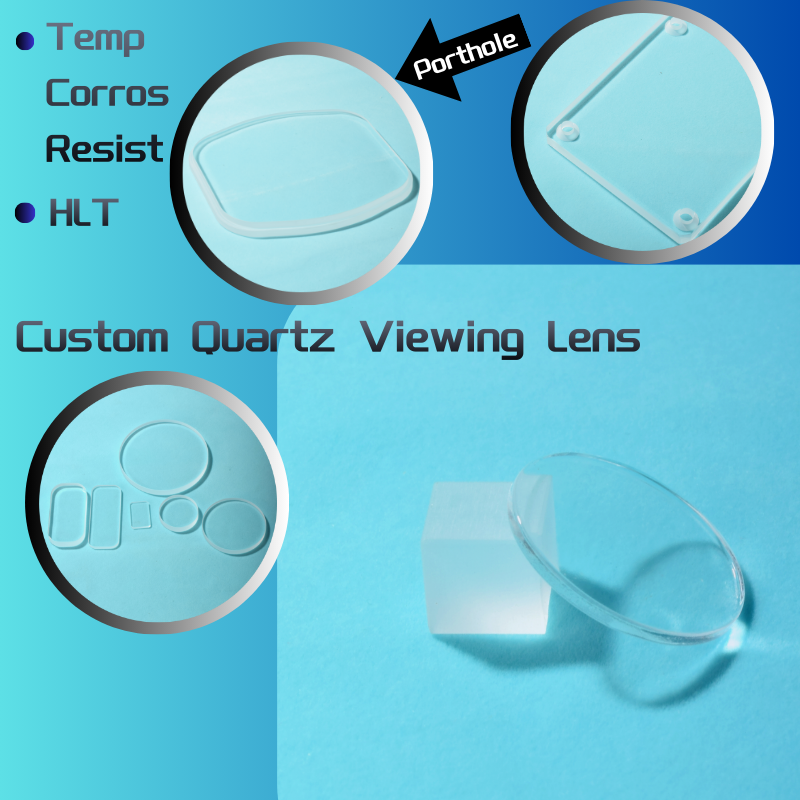
- Transition toward Operando Spectroelectrochemistry: Pure electrochemistry (CV/LSV) is no longer sufficient for publishable or patent-grade research in Kyoto institutes. Experiments now require simultaneous in-situ Raman, UV-Vis-NIR absorption, and synchrotron XRD monitoring. Our quartz sealed cells are manufactured with optical window flatness <λ/4 and parallelism under 3 arcmin to prevent phase distortion of probing lasers.
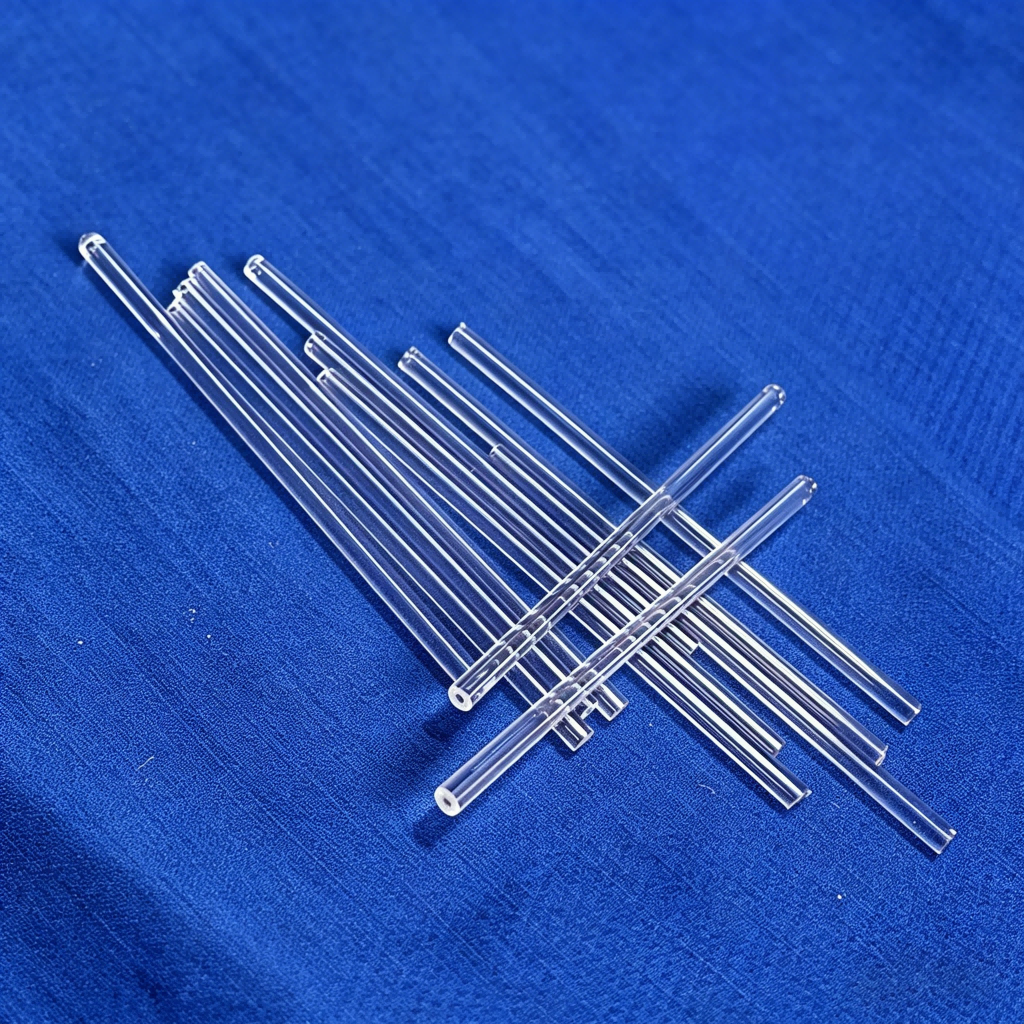
- Microfluidic Continuous Flow Electrolysis: Moving away from bulky batch-style H-type cells, research clusters in Keihanna are standardizing micro-gap continuous flow designs. We provide precision micro-bore quartz capillary integration (down to 0.5 mm inner diameter) torch-welded directly to planar fused silica plates.
- Absolute Impurity Elimination: Next-generation catalysts rely on single-atom and nanostructured transition metals that can be permanently poisoned by trace sodium, potassium, or iron impurities migrating from standard glass walls. With our 99.999% purity natural SiO₂ raw material direct from Donghai, heavy metal leachables are reduced below 0.1 ppm.
Why Kyoto Laboratories & Exporters Partner with Vulra Quartz
Procuring custom scientific quartzware from overseas requires verifiable operational reliability, drawing compliance, and robust export logistics. Lianyungang Vulra Quartz Products Co., Ltd. bridge domestic raw material dominance with high-precision international delivery:
TÜV Rheinland Audited Production
Our complete manufacturing base at No. 9 Dingxin Road, Donghai Economic Development Zone, has passed full on-site audits by TÜV Rheinland. Our automated cutting, high-temperature flame annealing ovens, and CNC glass grinding workshops are independently authenticated.
Full Drawing-Based ODM Customization
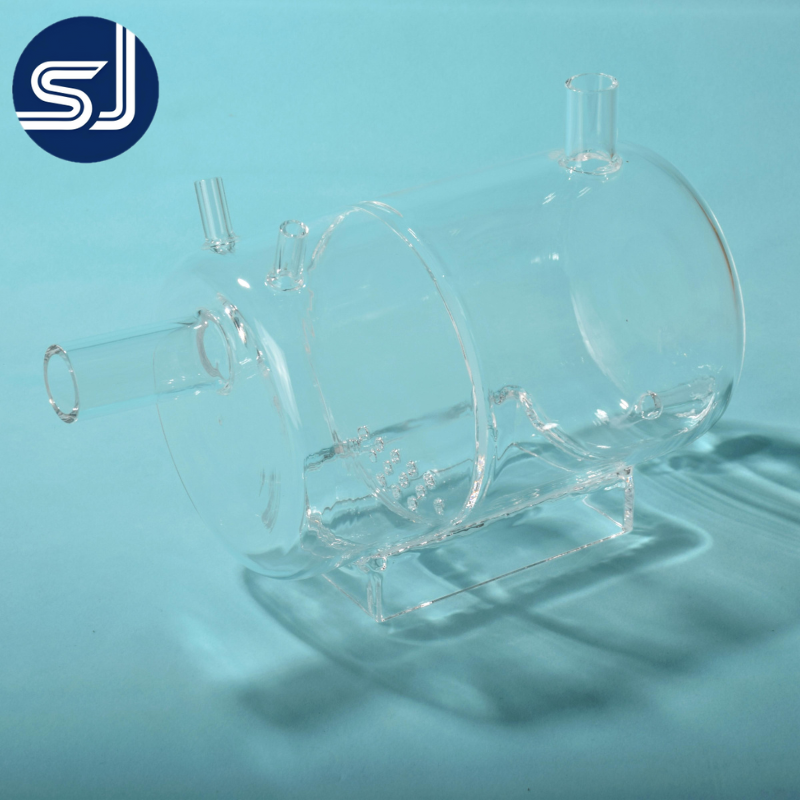
We do not lock Japanese researchers into rigid catalogs. Whether you need an H-type divided cell with ion-exchange membrane clamping flanges, multi-port electrode entries (WE, CE, RE, Gas In/Out), or optical water-jacketed cooling, our engineers convert your 2D CAD or hand sketches into finished products starting from 1 piece.
Specialized Japanese Logistics Channels
We routinely route shipments directly into Kyoto, Osaka, and Kobe through Kansai International Airport (KIX) air express (DHL/FedEx/EMS) and sea freight. Every glass joint is suspended in custom multi-density polyethylene foam housings within export-grade plywood crates, virtually eliminating transit breakage.
Kyoto Buyer Engineering FAQ: Sealed Quartz Cells
Direct technical answers addressing procurement protocols, specifications, and handling routines for Japanese university laboratories and engineering contractors.
Accelerate Your Electrochemical Research in Kyoto
Submit your custom specifications, port requirements, and dimensional drawings directly to our engineering department for rapid CAD validation and direct factory quotation.
Get Catalog