High-Purity Quartz Vessels & Process Tubes
Manufactured from high-grade natural and synthetic crystal precursors with strict dimensional control. Recommended for high-load cleanroom furnaces, vacuum processing, and analytical research within the Triesen precision cluster.
Thermodynamics & Purity Criteria for Muffle Tubes
A rigorous engineering review of high-temperature fused quartz behavior in low-pressure industrial atmospheres, thermal devitrification kinetics, and chemical gas barrier performance for European manufacturing facilities.
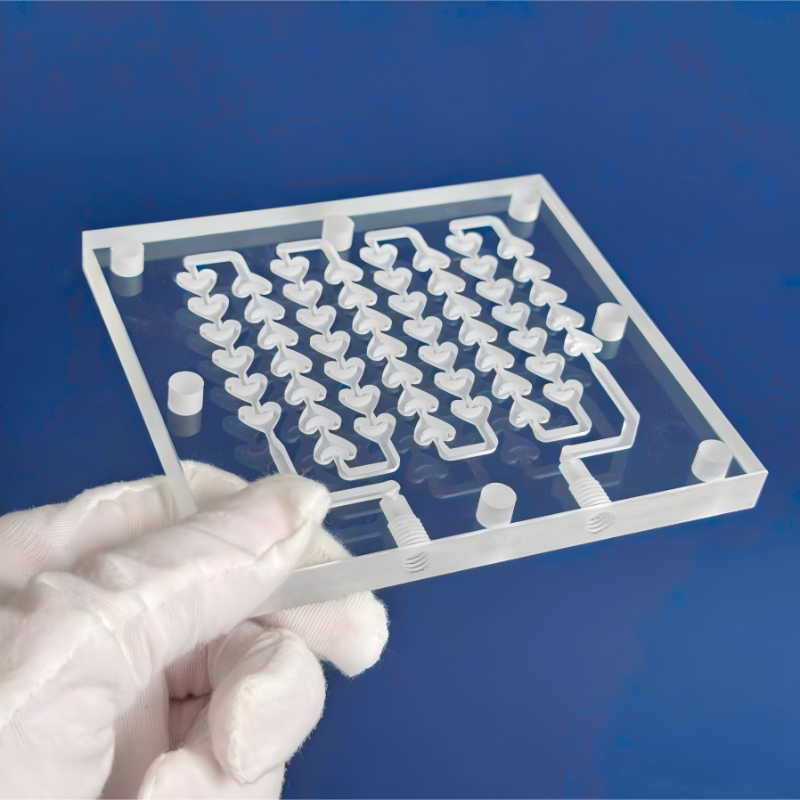
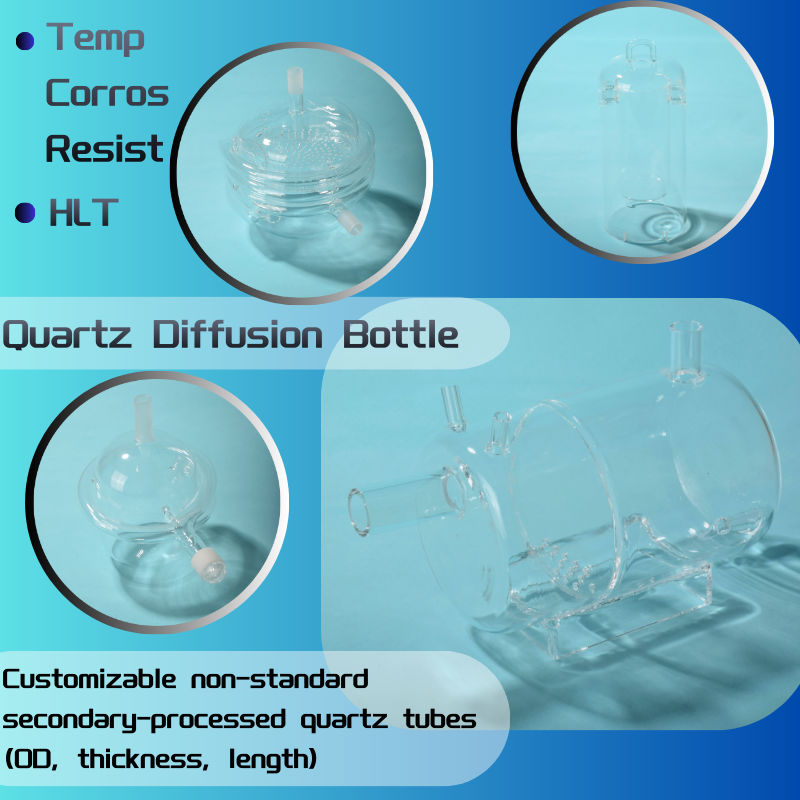
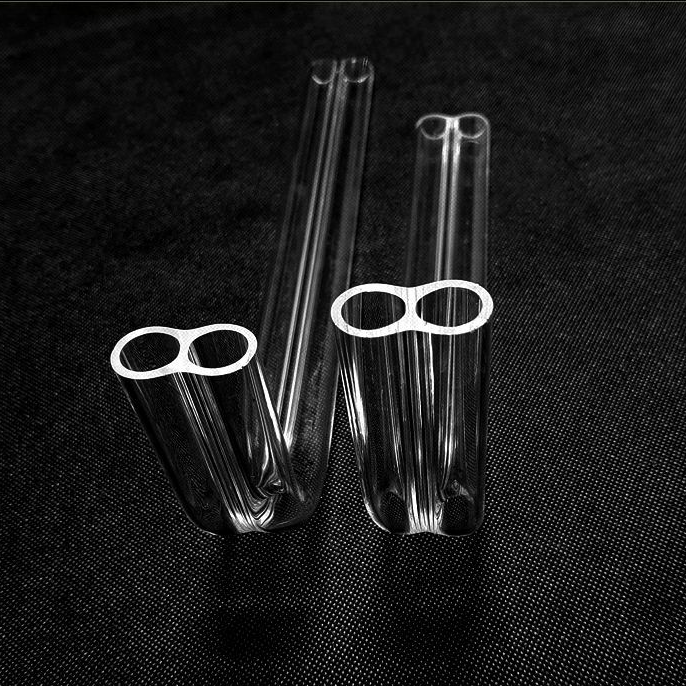
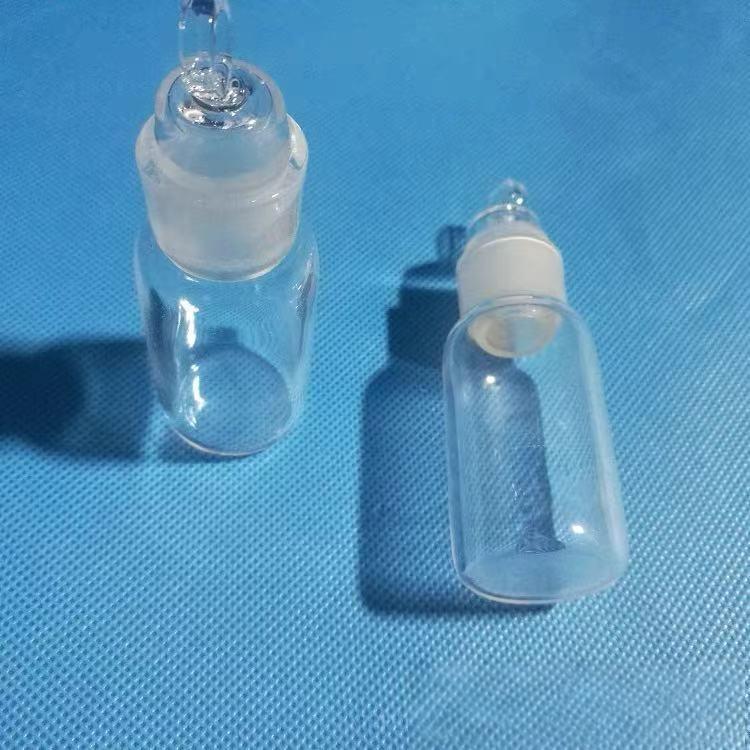
In high-temperature thermal processing systems, the quartz muffle tube serves as an inert, hermetic, and infrared-transparent reaction chamber. When deployed in precision industrial environments like the Triesen advanced manufacturing corridor in the Principality of Liechtenstein and the surrounding Rhine Valley, muffle tubes are subjected to extreme continuous operational demands. Process engineers working with chemical vapor deposition (CVD), high-vacuum annealing, dental lithium disilicate sintering, and ceramic metalizing require materials that retain structural rigidity without contributing trace alkali contaminants to the vacuum chamber.
Fused silica ($SiO_2$) possesses an extremely low isotropic coefficient of thermal expansion ($\alpha \approx 5.5 \times 10^{-7}/\text{K}$ between 20°C and 1000°C), making it virtually impervious to catastrophic thermal shock. A continuous-service quartz muffle tube supplied by Vulra Quartz can be subjected to thermal gradients exceeding 1000°C without crack propagation. However, operating at prolonged temperatures above 1150°C introduces thermodynamic phase transition risks, specifically the nucleation of metastable $\beta$-cristobalite. The devitrification process accelerates exponentially in the presence of monovalent alkali surface contaminants (Sodium $\text{Na}^+$, Potassium $\text{K}^+$, and Lithium $\text{Li}^+$), which act as network-modifiers that disrupt the tetrahedral amorphous silicon-oxygen lattice.
| Physical / Chemical Property | Electric Fusion (Type I/II) | Oxy-Hydrogen Flame Fusion (Type III) | Synthetic Fused Silica (Type IV) |
|---|---|---|---|
| $SiO_2$ Purity Level | ≥ 99.99% (4N) | ≥ 99.995% (4N5) | ≥ 99.999% (5N) to 99.9999% (6N) |
| Hydroxyl ($\text{OH}^-$) Content | < 5 – 20 ppm (Ultra-Low) | 150 – 400 ppm (Standard) | < 1 ppm (Dry) to 1200 ppm (Hydrated) |
| Continuous Service Temp | 1100°C (Up to 1150°C under inert gas) | 1050°C – 1100°C | 1150°C continuous / 1350°C peak excursion |
| Softening Point ($\log \eta = 7.6$) | 1683°C | 1665°C | 1710°C |
| Transformation Point ($T_g$) | 1075°C | 1050°C | 1120°C |
| Thermal Shock Resistance | 1100°C water quench (ΔT > 1000°C) | 1050°C water quench without microcracking | 1150°C rapid cycle shock-proof |
| Total Metallic Impurities (Al, Fe, Ti, Ca) | < 18 ppm total | < 12 ppm total | < 0.1 ppm total (Virtually undetectable) |
| Vacuum Hermetic Tightness | $1 \times 10^{-10} \text{ mbar}\cdot\text{L/s}$ | $1 \times 10^{-10} \text{ mbar}\cdot\text{L/s}$ | $1 \times 10^{-11} \text{ mbar}\cdot\text{L/s}$ |
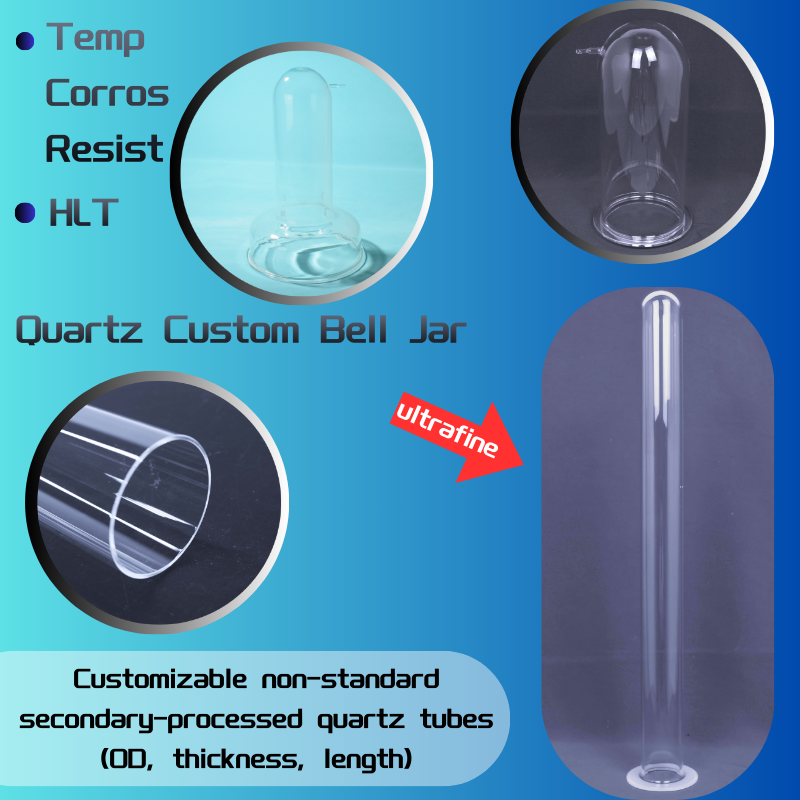
For operations in Liechtenstein that involve severe negative pressures, mechanical wall thickness calculation is critical to avoid elastic buckling. Applying the classical von Mises cylinder buckling criteria for external atmospheric loads, our engineering division computes minimum safe wall cross-sections based on the tube aspect ratio ($L/D_o$) and operational temperature derating. Where standard commercial borosilicate or alumina ceramic tubes fail due to either thermal embrittlement or opacity, our fire-polished muffle tubes maintain optical clarity, permitting non-contact pyrometric thermal feedback and real-time visual inspection of the furnace interior.
High-Tech Application Scenarios in Triesen
How specialized research institutes, cleanrooms, and automated dental manufacturing facilities in Liechtenstein leverage Vulra's thermal quartz components.
Thin-Film PVD / CVD Vacuum Coating
Situated directly adjacent to Balzers—the global epicenter for industrial thin-film surface solutions—Triesen companies engage in advanced physical vapor deposition and PECVD tooling. Our quartz muffle tubes serve as non-reactive, low-degassing inner liner sleeves and vacuum envelopes that isolate sensitive substrates from metallic heating coil contamination at $10^{-6}\text{ mbar}$.
Dental Ceramic & Lithium Disilicate Sintering
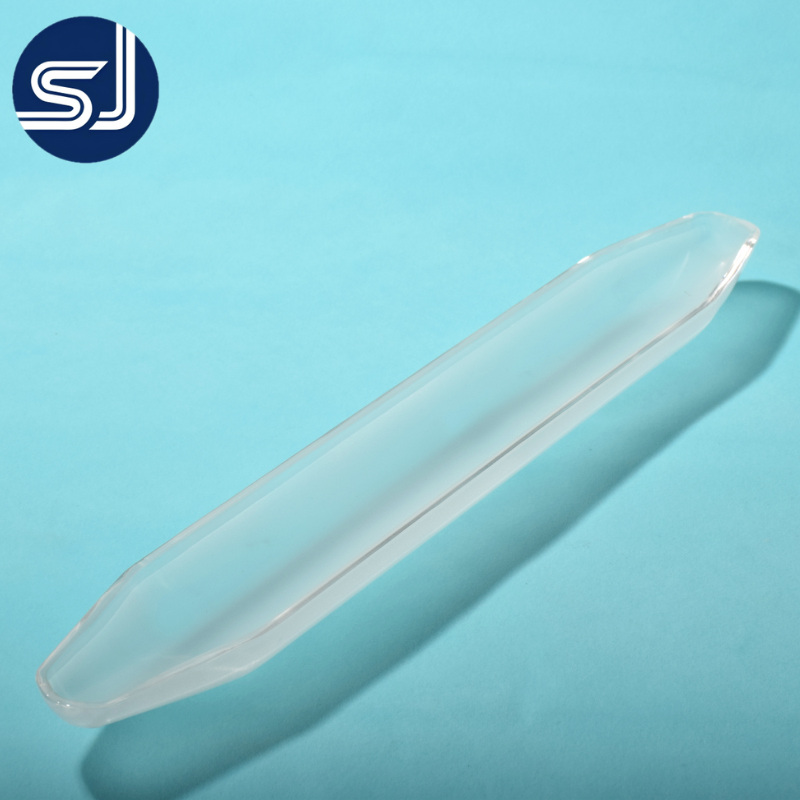
Liechtenstein hosts worldwide leadership in dental medical devices and restorative ceramics. High-precision dental sintering furnaces rely on Vulra quartz muffle tubes and custom polished furnace boats (such as the SJ 140) to guarantee uniform infrared heat distribution. High optical transmittance prevents local hot spots, ensuring pore-free crystallization of zirconia and glass-ceramic dental prosthetics.
Optical Metrology & Semiconductor Cleanrooms
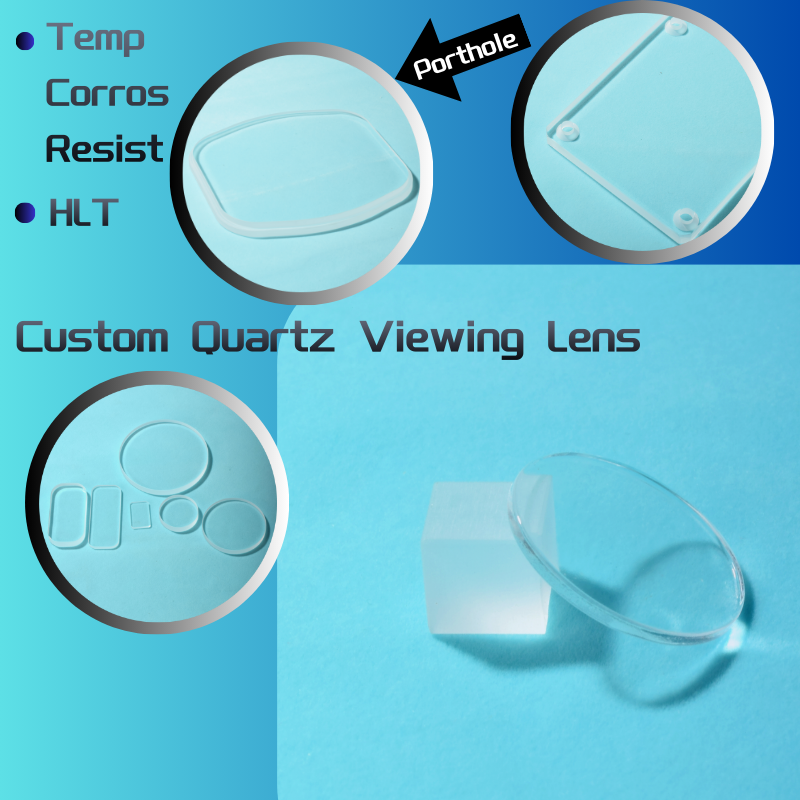
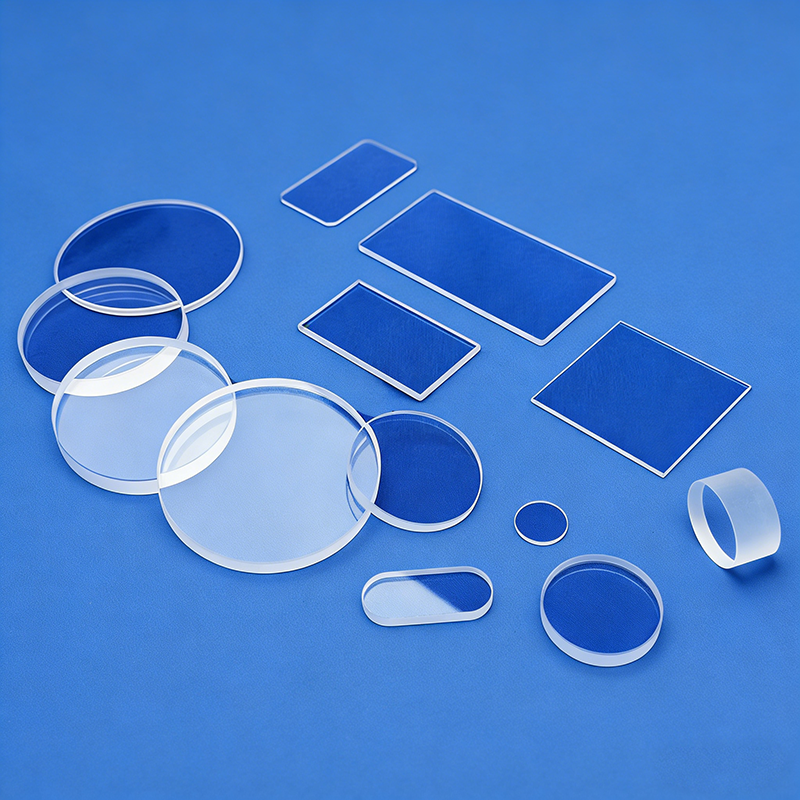
In the precision micro-technology corridor linking Triesen, Buchs SG, and Vaduz, specialized optics and sensors require contamination-free atmosphere processing. Our synthetic fused silica inspection windows and semiconductor 400-mesh quartzware provide complete chemical resistance against acidic etchants (including concentrated $\text{HCl}$ and $\text{HNO}_3$), eliminating metal leaching during thermal synthesis.
Trends Shaping Quartz Procurement in Liechtenstein
Key technological, ecological, and cross-border commercial dynamics observed across Triesen high-temperature industries.
Decarbonized High-Efficiency Furnaces
Rising energy costs across Western Europe have prompted furnace operators to replace heavy ceramic muffles with thin-wall, high-radiance quartz tubes that reduce thermal ramp-up times by over 38%.
Sub-PPM Contamination Demands
As microelectronics scale into tighter nodes, Triesen's contract fabrication centers increasingly specify synthetic Type IV silica with zero bubble inclusions and heavy metal levels strictly below 0.1 ppm.
Custom CAD/Drawing Prototyping
Rigid standard catalog dimensions are giving way to on-demand CNC water-jet cut and lathe-welded prototypes, enabling rapid iterative testing of proprietary furnace configurations starting from single units.
Direct Customs Integration (CH-FL)
Liechtenstein's customs union with Switzerland demands precise export documentation, automated customs clearing via Swiss border terminals, and zero transit disruption for fragile technical glassware.
Why Triesen Engineers Partner with Vulra Quartz
Combining the mineral resource wealth of China's quartz capital with rigorous European third-party verification and precision cold/hot fabrication mastery.
TÜV Rheinland Audited Site
Our complete operational footprint in the Jiangsu Donghai Economic Development Zone is independently inspected and certified by TÜV Rheinland. We provide legitimate, auditable production provenance with CE and RoHS compliance dossiers for every exported lot.
Direct Sand Source in Donghai
Operating from Donghai County—the globally recognized capital of natural crystal silica—guarantees uninterrupted access to purest quartz sand. This vertical supply integration shields European clients from raw material shortages and exorbitant price fluctuations.
In-House Hot & Cold Machining
From high-temperature oxy-hydrogen lathe blowing, flange arc-welding, and precise dome seals to ultrasonic drilling, 5-axis diamond CNC cutting, and laser surface planarization, all operations happen under one roof to maintain geometric tolerances down to ±0.05 mm.
Export-Ready Packaging & Stress Relief Annealing
Every single quartz muffle tube produced for European export undergoes a multi-stage thermal annealing cycle in our computer-controlled resistance furnaces to eliminate residual hoop stresses and axial shear strain introduced during hot lathe bending or flange welding. Following polarimetric birefringence testing to verify low strain extinction angles, the quartzware is washed in high-purity hydrofluoric acid to decontaminate surface dust, deionized-water rinsed to >18 MΩ·cm conductivity, and packed in shock-dampening expanded polyethylene (EPE) sleeves enclosed within reinforced fumigated timber cases. This guarantees zero-breakage arrival via air freight through Zurich Airport (ZRH) or overland truck consignment straight to your receiving dock in Triesen.