Precision Fused Quartz Products Range
Engineered for extreme thermal stability up to 1450°C, chemical inertness, and ultra-low thermal expansion.
Executive Summary: The Quartzware & Industrial Heating Landscape in Cambodia
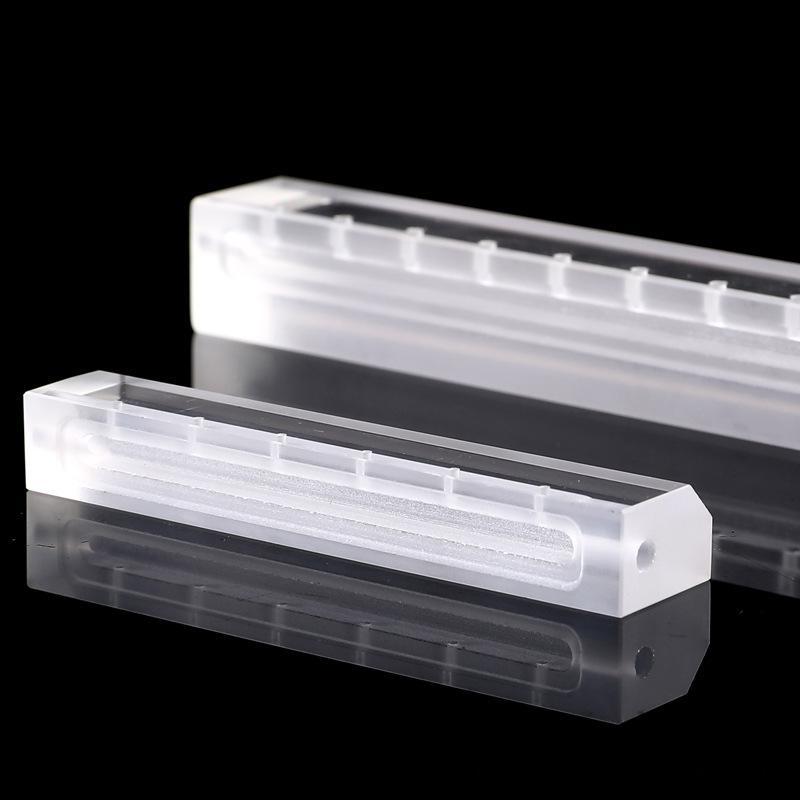
As the Kingdom of Cambodia rapidly expands its industrial base under the Pentagonal Strategy Phase I, industrial manufacturing, solar PV assembly, gemology, mining exploration, and academic material science have placed unprecedented demands on high-purity thermal processing equipment. At the core of every high-temperature tube furnace, calcination line, and chemical vapor deposition (CVD) setup is an essential consumable component: the Quartz Laboratory Furnace Boat.
Whether utilized for powder sintering in Phnom Penh research facilities, solar wafer diffusion in Special Economic Zones (SEZs) across Sihanoukville and Bavet, or precious metal assaying in Ratanakiri and Pailin, standard laboratory glass or low-grade ceramics are insufficient. Thermal stress, devitrification, alkali ion contamination, and dimensional distortion can lead to catastrophic run failures, compromised test samples, and costly furnace shutdown cycles.
Material Science & Technical Specifications of Fused Quartz Boats
Understanding the thermomechanical physics and chemical composition that distinguish industrial-grade quartz carriers.
Lianyungang Vulra Quartz Products Co., Ltd. produces engineered fused quartz furnace boats manufactured from pure Donghai quartz feedstock. The molecular matrix of silicon dioxide (SiO₂) in fused quartz forms an amorphous, non-crystalline three-dimensional glass lattice. This unique atomic arrangement yields a extraordinarily low Coefficient of Thermal Expansion (CTE) of $5.5 \times 10^{-7} /\text{°C}$ between 20°C and 320°C.
When operating high-temperature horizontal tube furnaces, push-rod kilns, or batch sintering setups, furnace boats act as the direct thermal interface holding aggressive reagents, metallic powders, or fragile substrate wafers. The key physical parameters governing performance include:
| Technical Metric | Standard High-Purity Grade | Semiconductor / Optical Grade | Impact on Furnace Operations |
|---|---|---|---|
| SiO₂ Purity Level | ≥ 99.99% (4N) | ≥ 99.999% (5N) | Prevents trace metal leaching (Al, Fe, Na) into sintering samples at >1000°C. |
| Softening Point | 1683 °C | 1730 °C | Defines upper absolute limit before structural sagging occurs under load. |
| Annealing Point | 1215 °C | 1250 °C | Relieves internal manufacturing stresses, ensuring uniform thermal strain. |
| Continuous Service Temp | 1100 °C | 1150 °C | Maximum safe temperature for prolonged, continuous tube furnace runs. |
| Peak Short-Term Temp | 1350 °C | 1450 °C | Allows brief spike treatments or controlled flash annealing cycles. |
| Density | 2.20 g/cm³ | 2.201 g/cm³ | Lightweight structural carrier minimizing furnace heat sink effects. |
| Hydroxyl (OH⁻) Content | < 20 ppm | < 5 ppm (Low-OH Grade) | Low OH prevents premature sag at high temperatures and reduces infrared absorption. |
Devitrification is the phase transformation of amorphous fused silica into crystalline β-cristobalite when exposed to temperatures exceeding 1150°C for extended periods. As the furnace cools below 275°C, β-cristobalite transforms into α-cristobalite accompanied by a rapid 5% volume contraction, resulting in surface micro-cracking and eventual boat failure.
To maximize the service lifespan of quartz laboratory boats imported to Cambodia, Vulra Quartz applies advanced surface polishing and ultra-clean acid washing protocols. By eliminating surface alkali contamination (sodium, potassium, calcium ions) that acts as a catalyst for cristobalite nucleation, our furnace boats achieve up to 300% longer thermal cycle longevity compared to unpolished commercial alternatives.
Localized Application Scenarios in Cambodia's Key Sectors
Tailored quartzware solutions supporting emerging industrial zones, mining hubs, and educational institutes.
Solar PV Wafer & Semiconductor Assembly
Located in the Special Economic Zones around Sihanoukville Autonomous Port and Bavet, solar panel wafer processing requires 99.999% pure quartz boats for high-temperature phosphorus/boron diffusion, oxidation, and thermal annealing of silicon wafers without metallic contamination.
Gemology & Mineral Assaying (Pailin & Ratanakiri)
Cambodia's sapphire, ruby, and gold assaying laboratories rely on high-frequency, flat-bottom fused quartz boats for high-temperature heat treatments, color enhancement, and fire assay calcination where zero cross-contamination with flux media is essential.
Academic Research & University Materials Labs
Top institutions such as the Institute of Technology of Cambodia (ITC) and Royal University of Phnom Penh (RUPP) utilize custom-dimensioned quartz carrier boats for nanomaterial synthesis, catalyst calcination, and atmosphere-controlled tube furnace experiments.
Rubber, Agriculture & Environmental Pyrolysis
Analytical testing laboratories evaluating Cambodian natural rubber, cassava starch, and agricultural biomass perform gravimetric ash testing and slow pyrolysis inside clear, heavy-wall quartz combustion boats capable of withstanding acidic vapor release.
Photocatalytic & Electrochemical Research
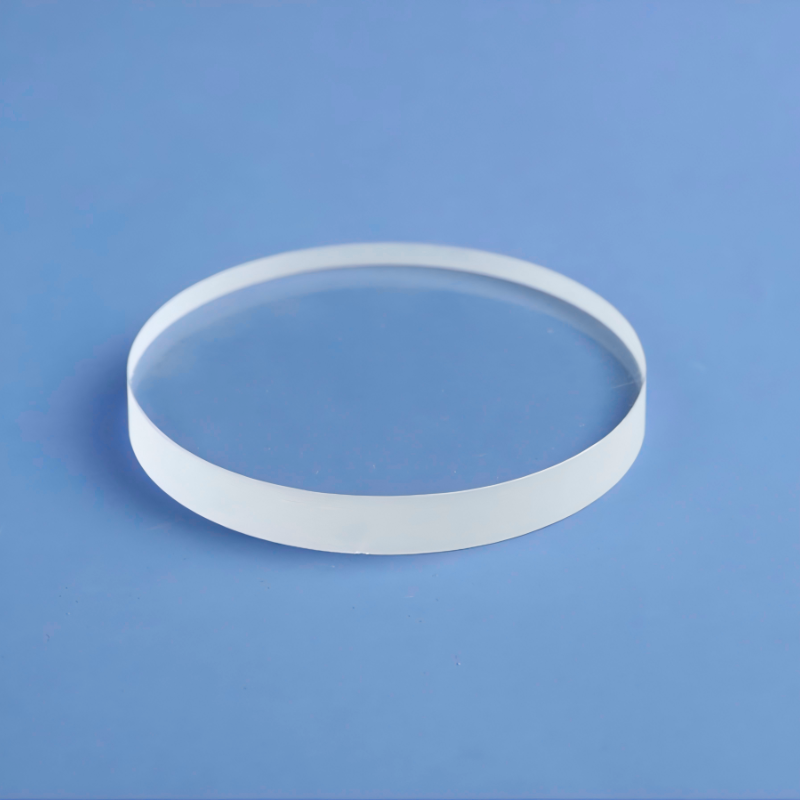
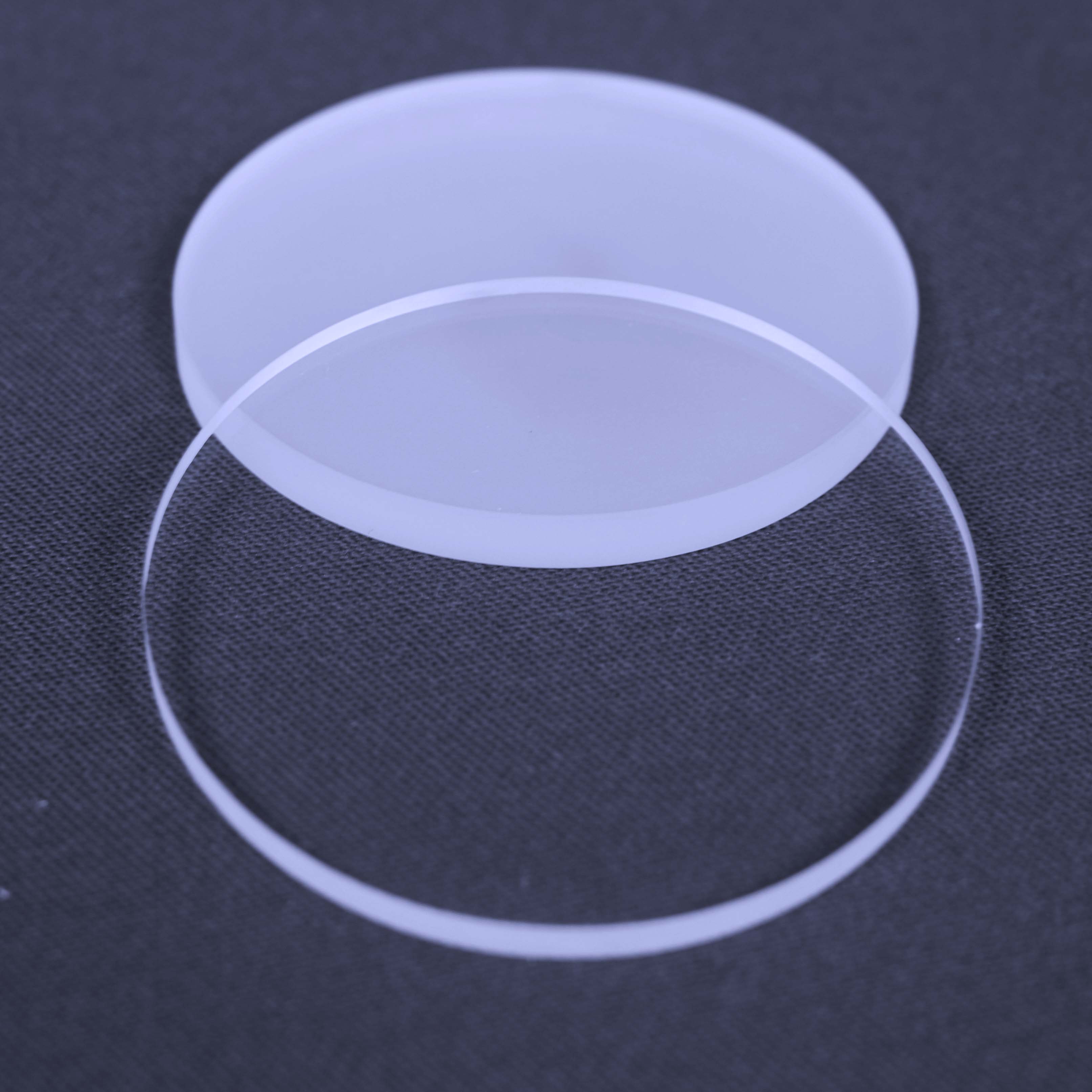
Custom optical-grade quartz reaction vessels, sealed cell bodies, and testing plates with ultra-high UV transmittance (>90% at 254 nm) enable cutting-edge green hydrogen research and solar-driven water purification in tropical climates.
Specialized Tube Furnace Thermal Inserts
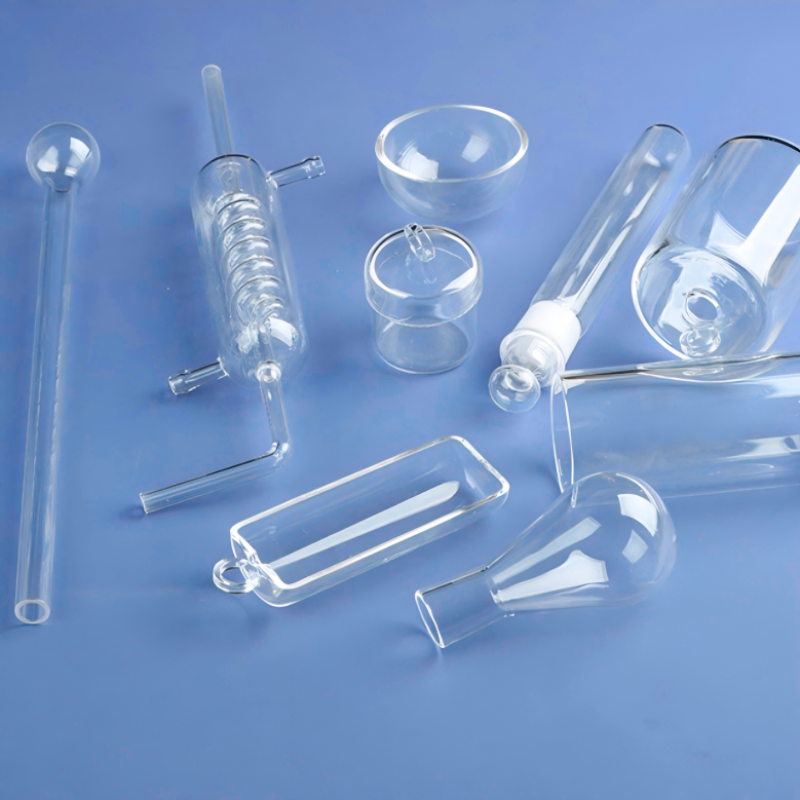
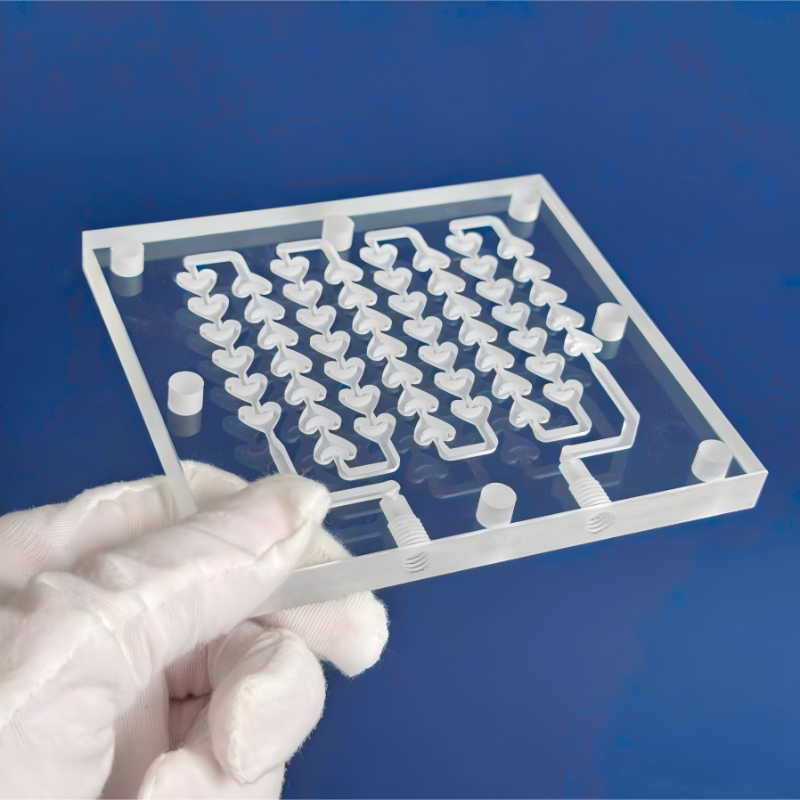
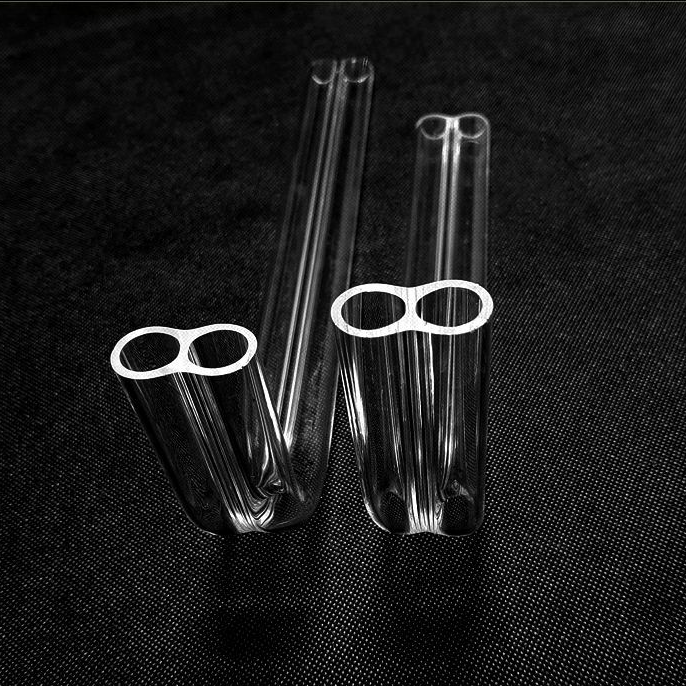
Custom quartz plugging rods, double-tube right-angle elbows, and heat-exchange interlayer chips engineered to optimize temperature zone uniformity and prevent process gas leaks in horizontal vacuum furnaces.
Cambodia Market Trends & Sourcing Dynamics
Navigating duty-free trade frameworks, humidity management, and express logistics for laboratory consumables.
The Cambodian market for laboratory and industrial quartzware is experiencing rapid shifts driven by regional manufacturing expansion and foreign direct investment (FDI). Sourcing managers and laboratory directors in Phnom Penh and provincial industrial clusters must evaluate several critical factors when selecting international quartz manufacturers:
1. RCEP Trade Framework Benefits
Under the Regional Comprehensive Economic Partnership (RCEP) and the China-Cambodia Free Trade Agreement (CCFTA), imported quartz glass products enjoy streamlined customs clearance procedures and preferential tariff rates, significantly reducing total landed costs.
2. Tropical Humidity & Storage Protocols
Cambodia's tropical climate (high relative humidity) requires specialized export packaging. Moisture-induced surface hydroxyl absorption can compromise high-temperature performance. Vulra Quartz ships all components vacuum-sealed with silica desiccant in reinforced wooden crates.
3. Door-to-Door Logistics Pathways
We provide comprehensive logistics routes to Cambodia, including direct air express (3-5 days to Phnom Penh PNH) for urgent lab needs, and sea freight (10-14 days to Sihanoukville Autonomous Port PAS) for bulk factory replenishments.
4. OEM Customization from CAD Drawings
Recognizing that international tube furnaces (Nabertherm, Carbolite Gero, MTI) require non-standard boat geometries, our Donghai factory accepts 2D/3D drawings (STEP, DWG, PDF) for custom fabrication with zero minimum order quantities.
Frequently Asked Questions (Cambodia Procurement Guide)
Technical and commercial answers for laboratory managers, procurement officers, and furnace engineers.
1. What is the maximum safe operating temperature for quartz furnace boats in continuous tube furnaces?
2. How does fused quartz differ from alumina (Al₂O₃) and borosilicate glass for boat carriers?
3. What dimensional options and custom designs are available for Cambodian buyers?
4. How do you handle fragile quartz shipping to prevent breakage during transit to Cambodia?
5. What chemical cleaning procedures should be used to remove residue from quartz boats?
6. What is the typical production lead time and Minimum Order Quantity (MOQ)?
7. How can Cambodian enterprises obtain a formal quotation and technical drawing review?
Why Sourcing Managers Choose Lianyungang Vulra Quartz Products Co., Ltd.
Headquartered in Donghai County, Jiangsu Province—globally celebrated as the capital of high-purity natural quartz crystal reserves—Lianyungang Vulra Quartz Products Co., Ltd. combines raw material advantage with world-class optical glass processing. As a TÜV Rheinland-verified custom manufacturer, our integrated facilities encompass high-frequency flame thermal bending, precision CNC diamond cold grinding, ultrasonic bath etching, laser stress polarimetry, and high-temperature vacuum annealing.
Every quartz laboratory furnace boat shipped to Phnom Penh, Sihanoukville, or international research partners undergoes 100% dimensional verification, bubble class grading, and micro-crack polarized light inspection. We adhere strictly to ISO 9001 quality management systems, CE safety directives, and RoHS environmental compliance, guaranteeing that your high-temperature processes achieve maximum repeatability, pure chemical synthesis, and operational safety.
Ready to Optimize Your Furnace Performance?
Connect directly with our engineering team today. Submit your technical drawings or specifications for a free thermal analysis and competitive quote for the Cambodian market.
Send an Inquiry