The technical procurement landscape of Belize City is undergoing a distinct transformation driven by three core developmental vectors: international accreditation of testing laboratories, expansion of regional agro-export compliance standards under CARICOM and European Union sanitary frameworks, and escalated environmental surveillance of delicate marine barrier reef ecosystems. Historically, many testing bodies in the region relied upon basic unglazed ceramic boats or inexpensive borosilicate glassware for routine thermal prep. However, as local facilities pursue ISO/IEC 17025 certification, the analytical margin for allowable baseline error has contracted dramatically.
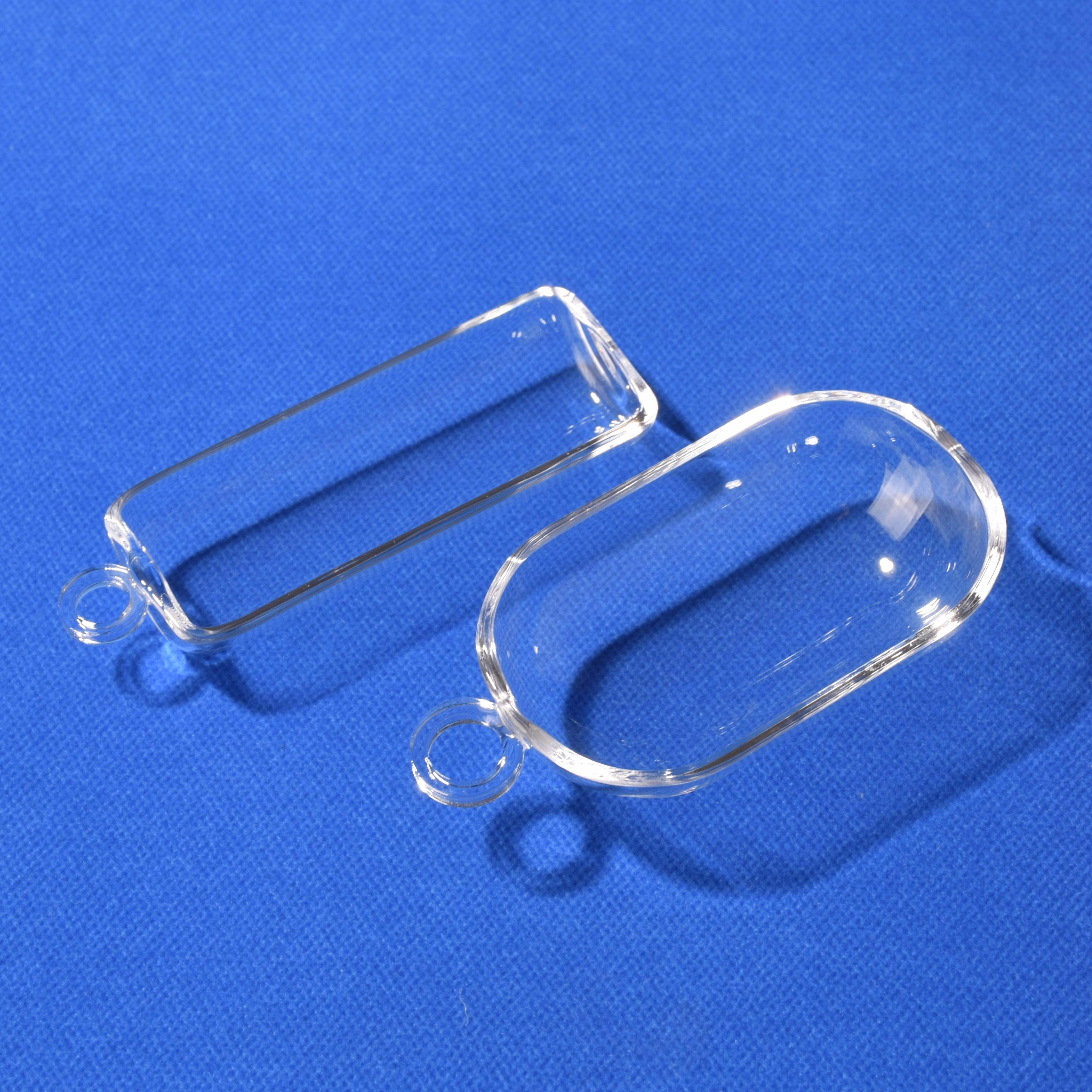
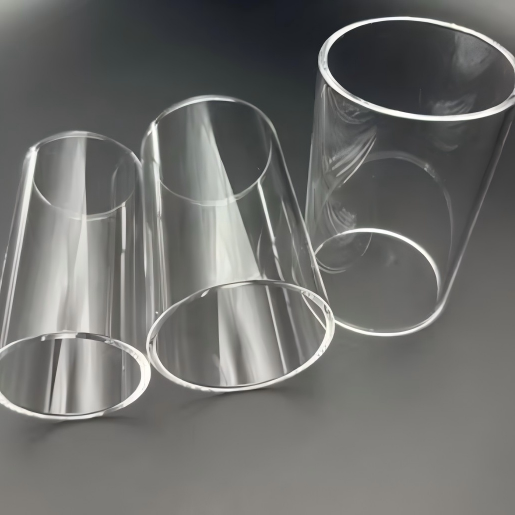
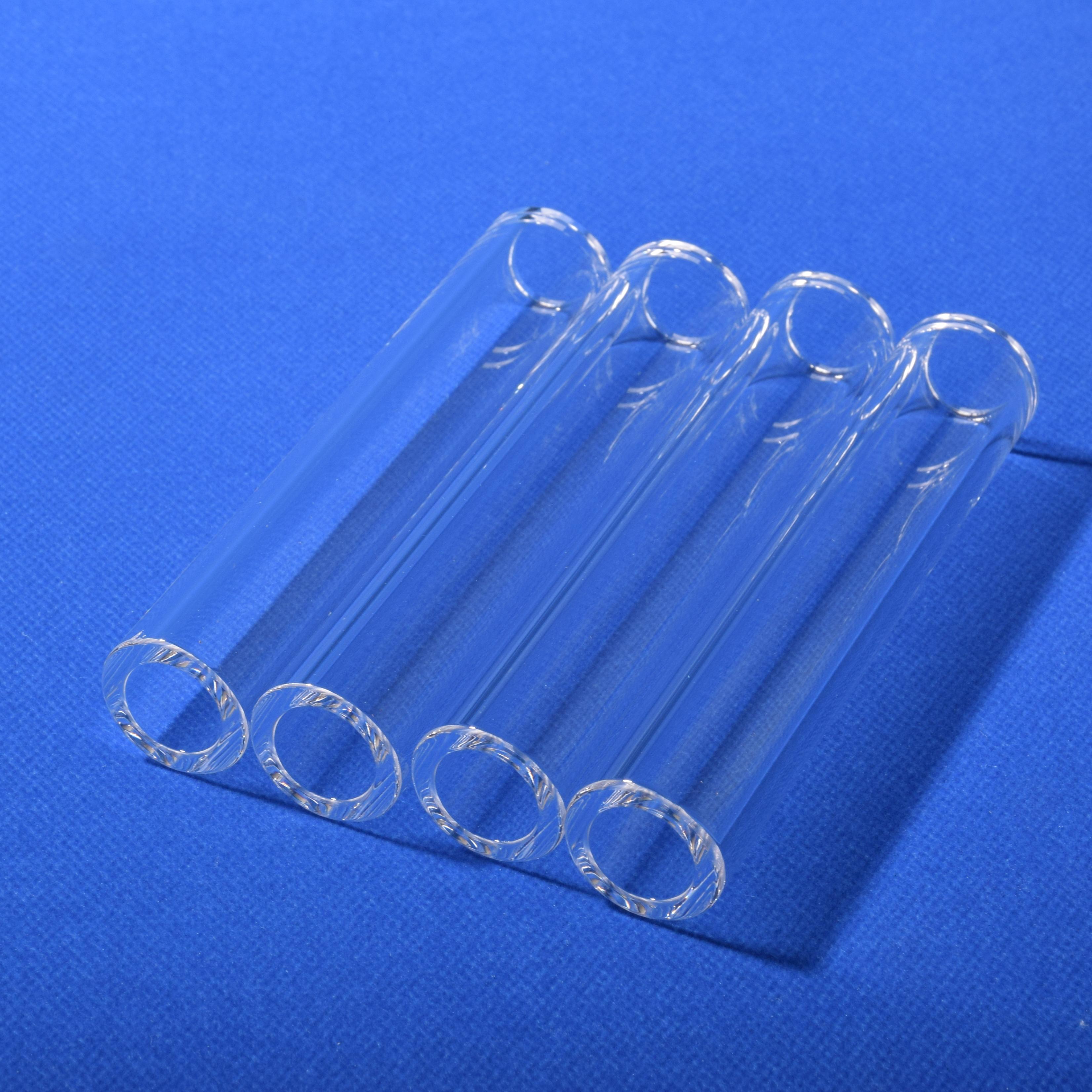
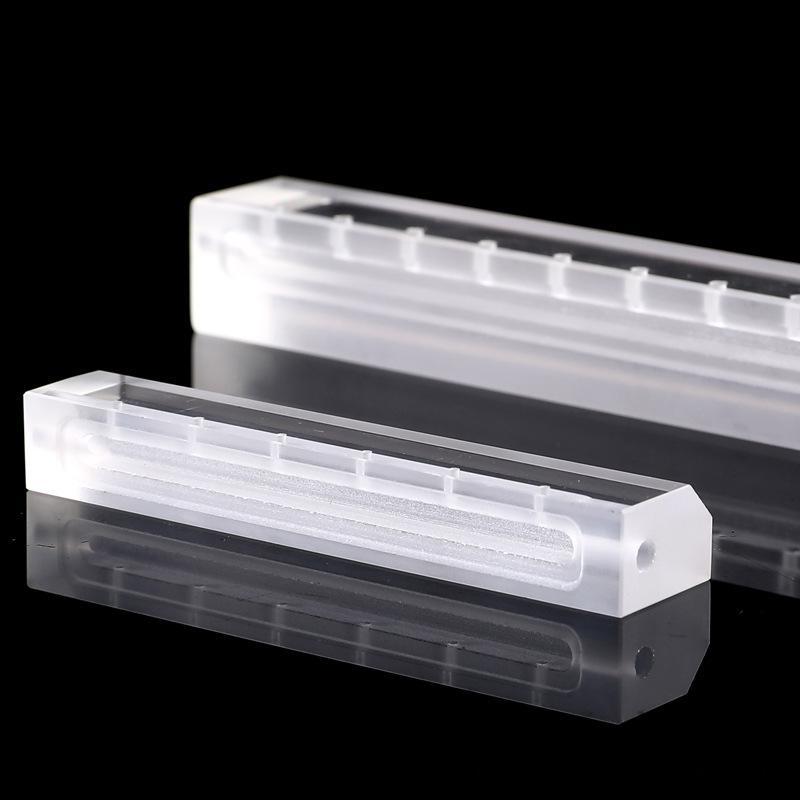
A notable trend is the phase-out of porous alumina and porcelain crucibles in favor of high-purity fused quartz combustion boats. When ashing sugar molasses, crude citrus oils, or pesticide residues, porous ceramic vehicles retain micro-amounts of fluxed inorganic salts within their matrix, creating persistent memory effects across sequential batches. Fused quartz features an exceptionally smooth, non-porous vitreous boundary that permits aggressive acid leaching between runs, preventing cross-contamination and significantly lowering the amortized cost per test.
Furthermore, the high atmospheric humidity and saline airborne particulate environment typical of Belize City's coastal maritime climate place unique demands on lab consumables in storage. Porous ceramic wares slowly adsorb atmospheric moisture and airborne marine chlorides, creating risk of spalling when suddenly loaded into elevated furnace zones. Vitreous fused quartz is non-hygroscopic, offering virtually zero moisture absorption and zero vulnerability to atmospheric chloride pitting, thereby guaranteeing consistent gravimetric repeatability year-round.