Precision Component Portfolio
High-Purity Quartz Vessels & Immersion Components
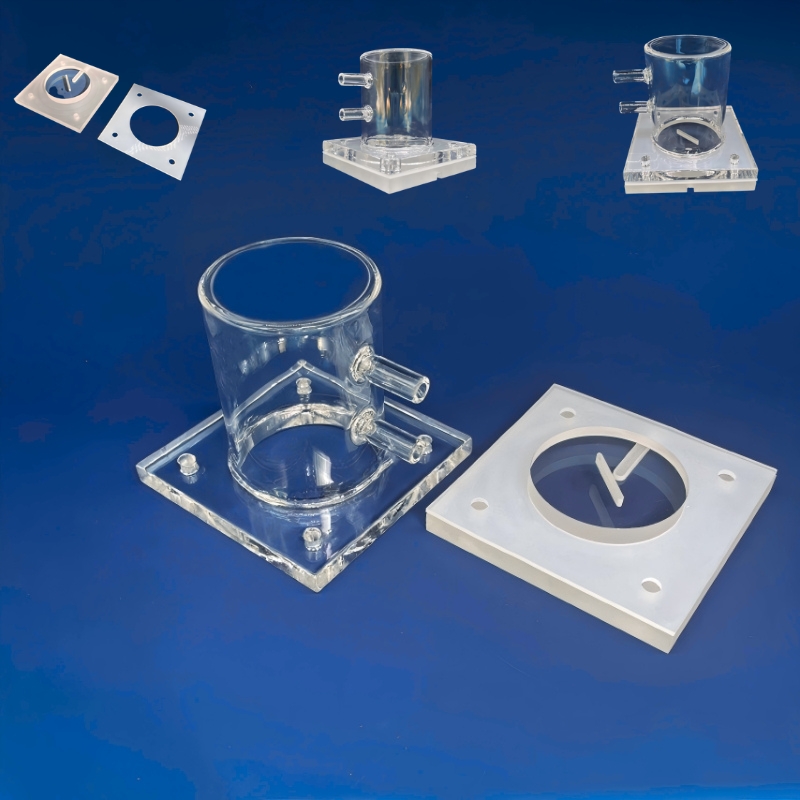
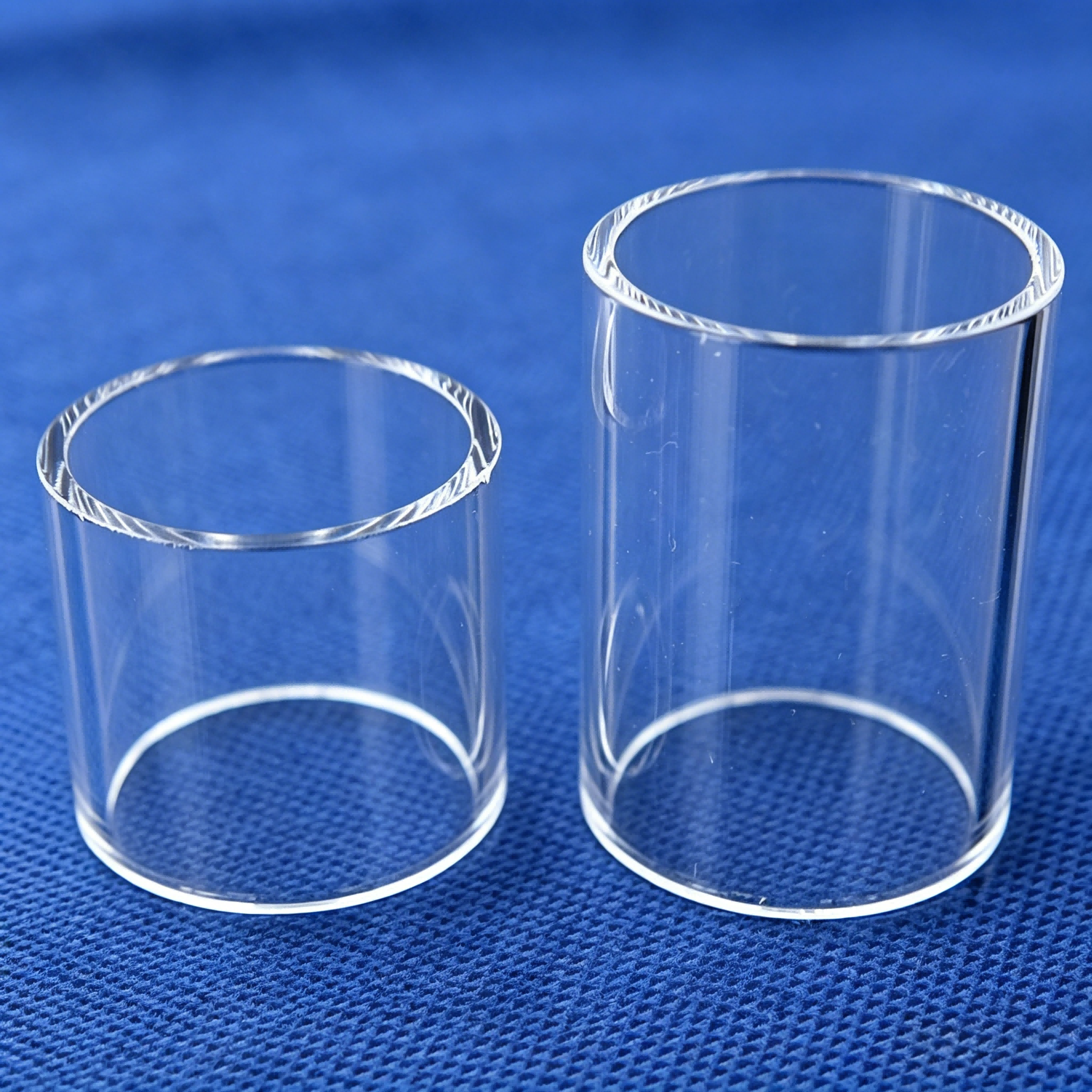
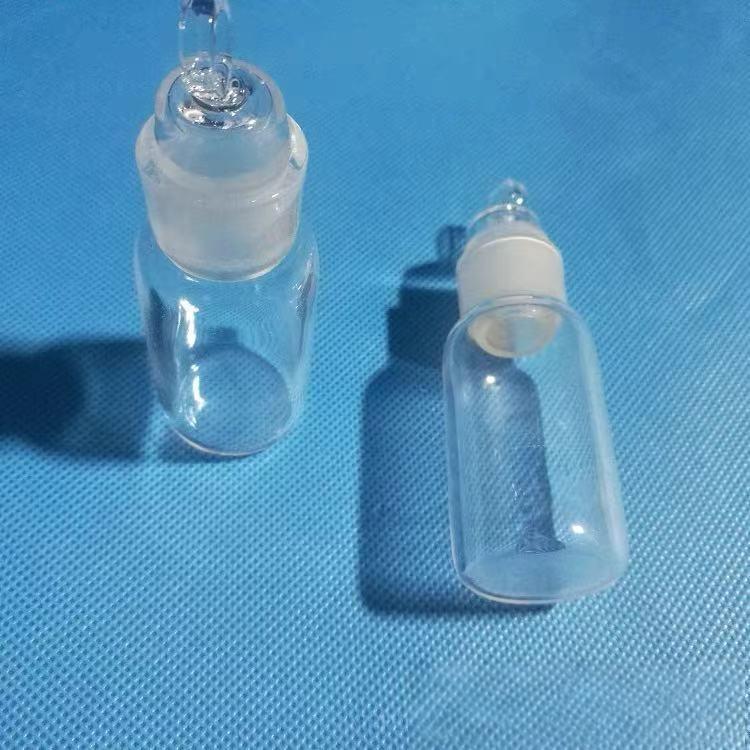
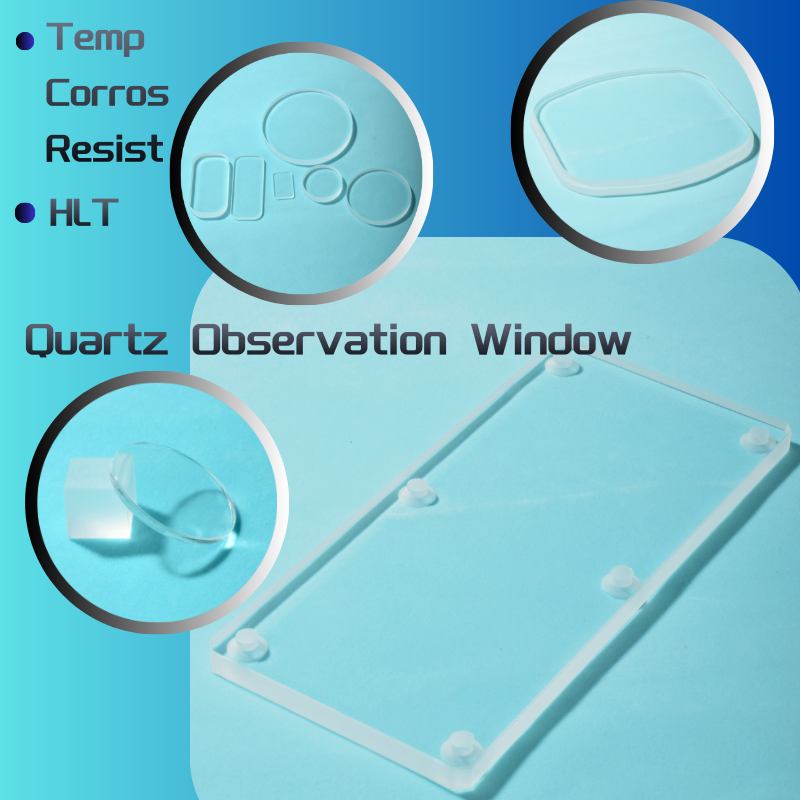
Direct from China's premier fused silica production base in Donghai to Serbian laboratories and industrial facilities. Below are eight mission-critical quartz components engineered for severe chemical, thermal, and photochemical duty cycles.
Engineering White Paper
Fused Quartz Immersion Wells: Physics, Material Grades & Thermal Management
An immersion well is not merely a glass sheath; it is a thermo-mechanically stressed optical boundary separating aggressive chemical media from intense electromagnetic and thermal radiation sources.
Optical Transmission Physics & Spectral Transparency
In photochemical reactors, Advanced Oxidation Process (AOP) systems, and photolytic synthesis units, the immersion well functions as the primary optical conduit. Radiation efficiency across UV-C (200–280 nm), UV-B (280–315 nm), and UV-A (315–400 nm) regimes determines quantum yield and photonic conversion efficiency.
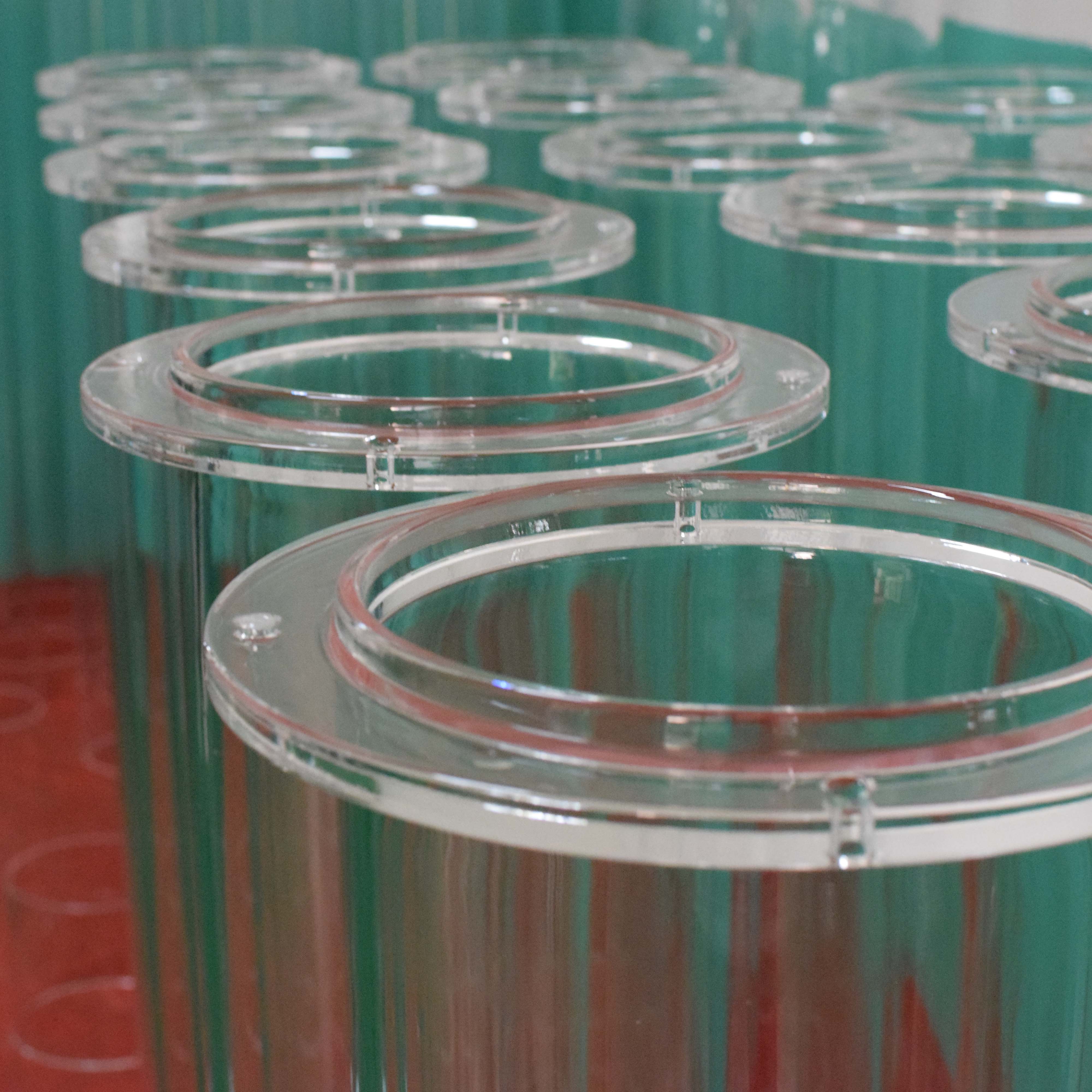
Vulra Quartz designs single-walled, double-jacketed (water-cooled), and triple-jacketed (with vacuum isolation) immersion wells using natural electric-arc fused quartz (equivalent to JGS2) and synthetic fused silica (equivalent to JGS1). Standard borosilicate glass (Pyrex 3.3) cuts off drastically at 300 nm, blocking vital UV-C germicidal and photolytic bands. In contrast, our high-purity fused quartz maintains exceptional transmittance:
- Deep UV-C (254 nm): Internal spectral transmission exceeding 90% at 2.0 mm wall thickness, maximizing hydroxyl radical generation for organochlorine degradation.
- Vacuum UV (185 nm Ozone-Generating Band): For direct photolysis, synthetic silica allows uninhibited transmission. For ozone-free applications, cerium/titanium doping suppresses bands below 220 nm to protect Serbian plant technicians.
- Hydroxyl Control ([OH⁻] Level): Maintained below 5 ppm for high-temperature IR thermal stability, or optimized at ~30 ppm for non-solarizing deep-ultraviolet operations.
Critical Thermomechanical Constants
All components manufactured by Vulra Quartz strictly comply with DIN and ASTM test procedures:
| Thermal Expansion (CTE) | 5.5 × 10⁻⁷ / °C (20°C–320°C) |
|---|---|
| Continuous Operating Temp | 1100 °C |
| Peak Short-Term Strain Temp | 1450 °C |
| Softening Point | 1683 °C |
| Dielectric Breakdown | 25–40 kV/mm (at 20°C) |
| Compressive Strength | 1150 N/mm² |
| Tensile Strength | 48 N/mm² |
Immersion Well Substrate Comparison Matrix
Selecting the correct immersion material is critical to balancing optical efficiency, thermal shock resistance, and capital budget:
| Engineering Attribute | Borosilicate Glass 3.3 | Vulra Natural Fused Quartz (JGS2) | Synthetic Fused Silica (JGS1) |
|---|---|---|---|
| UV-C Cutoff (50% Transmission) | ~310 nm (Blocks UV-C completely) | ~205 nm (Optimal for 254 nm lamps) | ~160 nm (Transmits 185 nm VUV lines) |
| Max Continuous Temperature | 450 °C | 1100 °C | 1150 °C |
| Thermal Shock Resistance | ΔT ≈ 120 °C (Prone to fracture) | ΔT > 1000 °C (Red-hot water quench) | ΔT > 1100 °C (Extreme resistance) |
| Chemical Inertness | Moderate; leaches alkali metals in acid | Extreme; resistant to all acids except HF | Ultra-pure; zero trace metallic leaching |
| Serbian Industry Fit | Low-power visible light reactions | Industrial AOP, Pančevo refining, mining | Vinča Institute R&D, semiconductor |
Serbian Industrial Landscapes
Engineered Quartz Immersion Wells Across Key Serbian Sectors
From the petrochemical hubs of South Banat to the mineral extraction basins of Eastern Serbia and advanced research academies in Belgrade, Vulra Quartz supports mission-critical processes.
99.999%
SiO₂ Elemental Purity
>90%
UV-C (254nm) Transmission
1683°C
Annealed Softening Limit
1 pc
Serbian Custom Prototyping
Pančevo Petrochemical & Fertilizer Refining
Serbia's key chemical corridor along the Danube hosts heavy industrial units such as HIP-Petrohemija and HIP-Azotara. Our immersion wells are deployed in continuous photolytic chlorination, oxidation reactors, and high-temperature inline sensors where hydrocarbons and acidic vapors destroy metallic sleeves.
Vinča Institute & University Research Centers
Research groups at the Vinča Institute of Nuclear Sciences and the University of Belgrade Faculty of Chemistry rely on bespoke triple-jacketed quartz immersion wells for catalytic green hydrogen evolution, photocatalytic degradation of endocrine disruptors, and advanced flow photochemistry.
Bor & Majdanpek Mining & Smelting Analysis
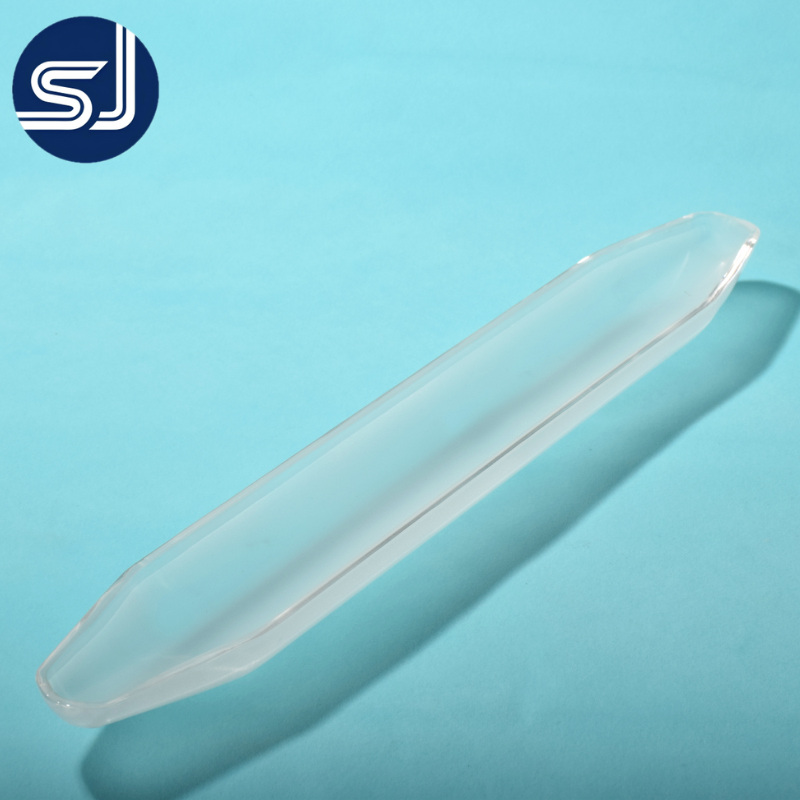
Eastern Serbia's copper extraction and flotation processes (including Zijin Bor Copper operations) require quartz digestion vessels, immersion heating envelopes, and 400-mesh quartz boats capable of withstanding concentrated sulfuric acid and temperatures exceeding 1000°C.
Danube & Sava Basin Industrial Wastewater
Aligning Serbian municipalities and industrial parks with strict European water directives requires Advanced Oxidation Process (AOP) systems. High-intensity UV-C lamps encased in Vulra Quartz immersion tubes break down refractory pesticides, pharmaceutical residues, and toxic organic effluents.
Strategic Market Analysis
Emerging Trends Driving Quartz Glass Demand in Serbia (2025–2030)
Serbia's strategic position as a southeastern European manufacturing and technological bridge is accelerating high-tech modernization across several core sub-sectors.
Harmonization with EU Chapter 27 (Environmental Acquis)
As Serbia advances European Union accession negotiations, compliance with Chapter 27 demands immediate retrofitting of industrial discharge systems. Serbian chemical manufacturers and municipalities are shifting from chemical-intensive water sanitation to high-efficiency UV photolysis and catalytic AOP, causing a surge in demand for ozone-free and high-transmittance double-jacketed quartz immersion wells.
Investments in Green Hydrogen & Solar Catalytic Fuels
Supported by the Science Fund of the Republic of Serbia (Fond za nauku) and Horizon Europe grants, Serbian academic consortia are scaling laboratory experiments into pilot photocatalytic hydrogen reactors. Fused quartz reactors that retain mechanical integrity under pressurized flow and deep ultraviolet excitation are replacing traditional laboratory glassware.
Supply Chain Re-Shoring via China-Serbia Free Trade Architecture
The landmark China-Serbia Free Trade Agreement (FTA) has dramatically lowered tariff barriers, making direct OEM procurement from specialized Chinese manufacturers substantially more cost-effective than routing orders through Western European re-packagers. Serbian buyers gain direct drawing-based custom manufacturing while eliminating middleman markups.
Purchaser Advisory
Frequently Asked Questions by Serbian Engineering Buyers
Practical technical, logistics, and customs answers for procurement teams and laboratory researchers across Serbia.
What are the exact customs regulations and HS Codes for importing quartz immersion wells into Serbia?
Industrial quartz immersion wells, reaction jackets, and quartz laboratory glassware entering the Republic of Serbia are classified under Serbian Customs Tariff code HS 7017.10.00.00 ("Laboratory, hygienic or pharmaceutical glassware, whether or not graduated or calibrated — of fused quartz or other fused silica"). Under the bilateral trade framework and regular customs valuation processed through the Customs Administration of Serbia (Uprava Carina), shipments require commercial invoices, clear packing lists, Certificates of Analysis (COA), and CE conformity documentation. Vulra Quartz provides pre-cleared documentation sets ensuring seamless transit through Belgrade Nikola Tesla Airport (BEG) or regional dry-port logistics customs points.
How do you prevent breakage during international transport to Serbian facilities?
Fragile, high-aspect-ratio fused quartz tubes and double-jacketed immersion wells require specialized suspension crating. Vulra Quartz utilizes a four-tier packaging protocol: (1) interior ultrasonic de-ionized wash and vacuum sealing in electrostatic-free poly sleeves; (2) custom-molded high-density EPE (expanded polyethylene) foam channels that isolate all ground glass joints, nipples, and flanges; (3) shock-absorbing interior cardboard partitions; and (4) reinforced, heat-treated export plywood crates compliant with ISPM-15. Shipments are insured 100% door-to-door, guaranteeing free immediate replacement in the unlikely event of transit compromise.
Can Vulra Quartz fabricate custom photochemical immersion wells directly from CAD or hand sketches?
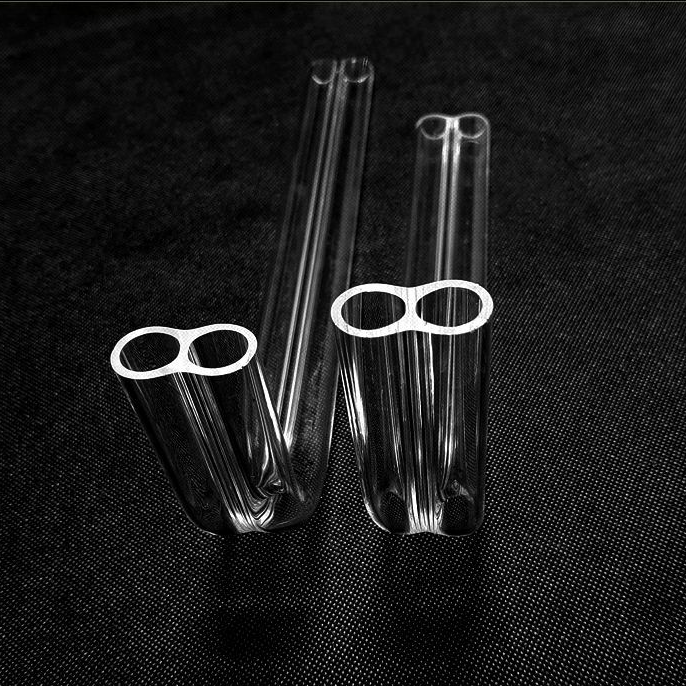
Yes. Full custom fabrication (OEM/ODM) is our core competence. Whether you require a standard single-tube well with standard-taper joints (e.g., 24/40, 29/32, 45/50 ground joints) or an intricate double-walled water-jacketed vessel with hose barbs, thermocouple wells, and side sampling ports, our technical engineering team will review your 2D PDF, DXF, or 3D STEP files. Before cutting or blowing, we verify wall thickness tolerances, thermal stress curves at glass-blown joints, and hydraulic pressure ratings. Our Minimum Order Quantity (MOQ) for custom prototypes starts at just 1 piece.
What is the difference between natural fused quartz and synthetic fused silica for UV photolysis?
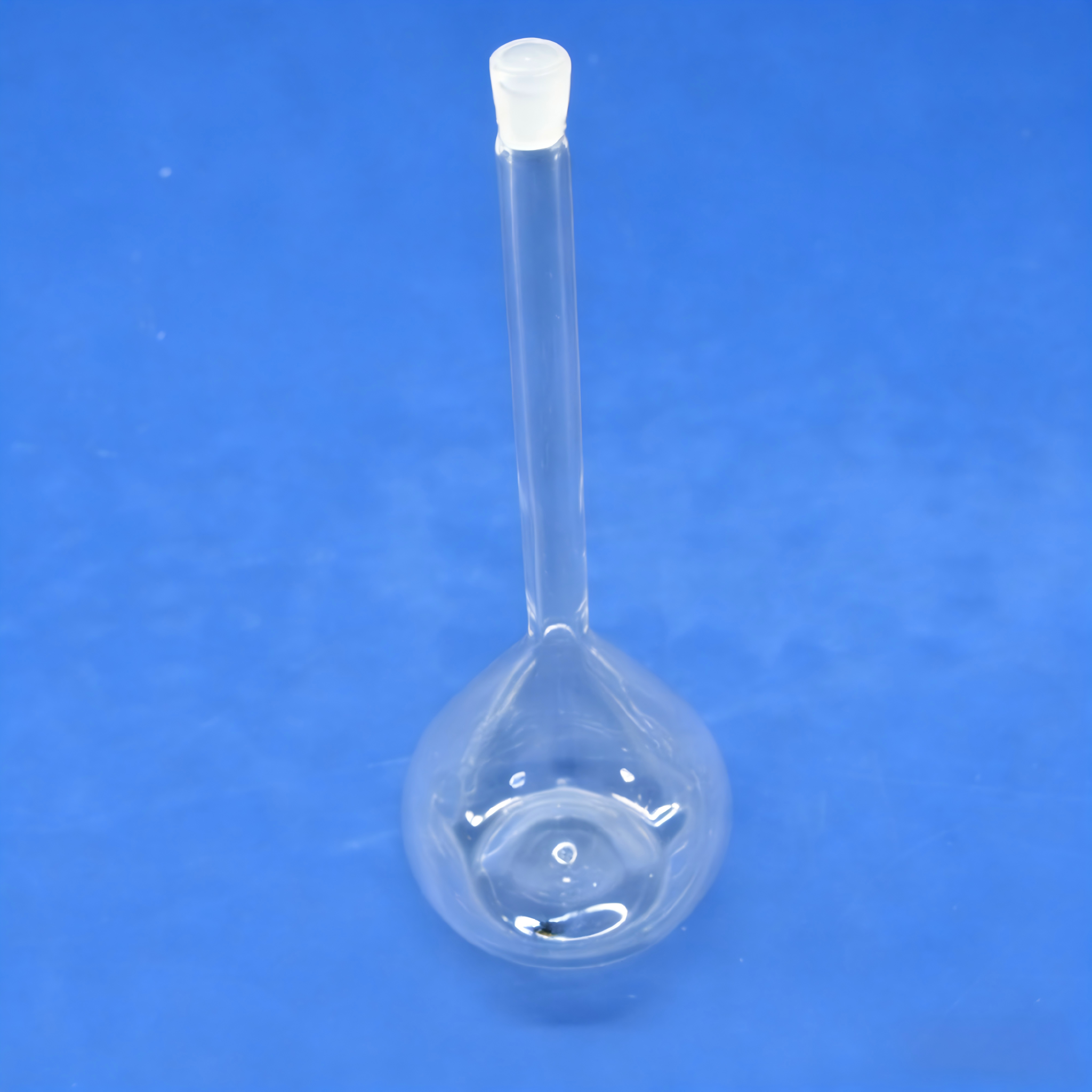
The distinction lies in raw precursor source and trace metallic impurities. Natural fused quartz (equivalent to JGS2) is melted from ultra-pure natural crystal sand (99.99%–99.999% SiO₂); it delivers outstanding transmittance (>88%) at 254 nm and continuous service up to 1100°C, offering exceptional cost-efficiency for 90% of industrial chemical reactors and AOP water remediation plants. Synthetic fused silica (equivalent to JGS1) is synthesized from silicon chemical precursors (e.g., SiCl₄), providing virtually zero metallic contamination and superior transmission down to 185 nm deep-UV without solarization discoloration over thousands of operating hours.
What transit times and logistics routes are available from your Donghai factory to Serbia?
We offer multiple logistics tiers to match project urgency:
Air Express (DHL / FedEx / UPS): 4 to 7 business days door-to-door directly to Belgrade, Novi Sad, Niš, or Pančevo, ideal for urgent research trials and replacement sleeves.
Air Freight to BEG: 7 to 10 days for medium batch volumes.
Multimodal Maritime & Rail Freight: 30 to 40 days via major European gateway ports (Piraeus, Greece; Rijeka, Croatia; or Bar, Montenegro) connecting directly into Serbian bonded logistics warehouses for bulk industrial production runs.
What quality inspection documentation and test reports accompany each shipment?
Every dispatched quartz unit includes a comprehensive Quality Dossier: (1) Dimensional Inspection Certificate verifying outer diameter (OD), inner diameter (ID), wall thickness, and runout tolerances; (2) Spectrophotometer UV-Vis Transmission Curve report (200 nm–1100 nm); (3) Polarimeter stress-annealing certificate confirming zero residual thermal strain in hot-welded joints; and (4) Material Safety & RoHS/CE Compliance Statements. Third-party testing records via TÜV Rheinland can also be provided upon request.
Manufacturing Authority
Why Serbian Engineers & Purchasing Directors Choose Vulra Quartz
Rooted in Donghai County — the world's renowned quartz crystal capital — Lianyungang Vulra Quartz Products Co., Ltd. merges geographical mineral superiority with rigorous thermal fabrication engineering.
TÜV Rheinland Independently Verified
Our production facilities, engineering capabilities, legal standing, and quality control benches have undergone rigorous on-site audit and verification by TÜV Rheinland. Serbian buyers can procure with complete corporate transparency and verified factory credentials.
Single-Roof Hot & Cold Quartz Processing
Unlike trading intermediaries, we perform every manufacturing step under one roof: oxy-hydrogen high-temperature glass-lathe blowing, diamond-wheel cold cutting, ultrasonic CNC drilling, precision optical polishing, programmable thermal de-stress annealing, and acid etching.
Extreme Purity & Dimensional Precision
Access to Donghai's purest high-purity natural silica sand guarantees raw material purity from 99.99% up to 99.999% SiO₂ with total metallic impurities below 15 ppm. Our CNC cutting tolerances reach ±0.05 mm, ensuring seamless fit into standard reactor clamps.
Accelerate Your Serbian Photochemical or Industrial Project
Send us your engineering drawings, replacement sleeve dimensions, or required UV transmission spectra. Our quartz technical team will provide a feasibility evaluation, formal quotation, and thermal stress review within 24 hours.