High-Purity Quartz Glass Substrates & Fabricated Components
Direct supply from Donghai's geological quartz manufacturing hub to Austrian engineering centers in Carinthia, Styria, Upper Austria, and Vienna. Compliant with strict European cleanroom and thermal cycling criteria.
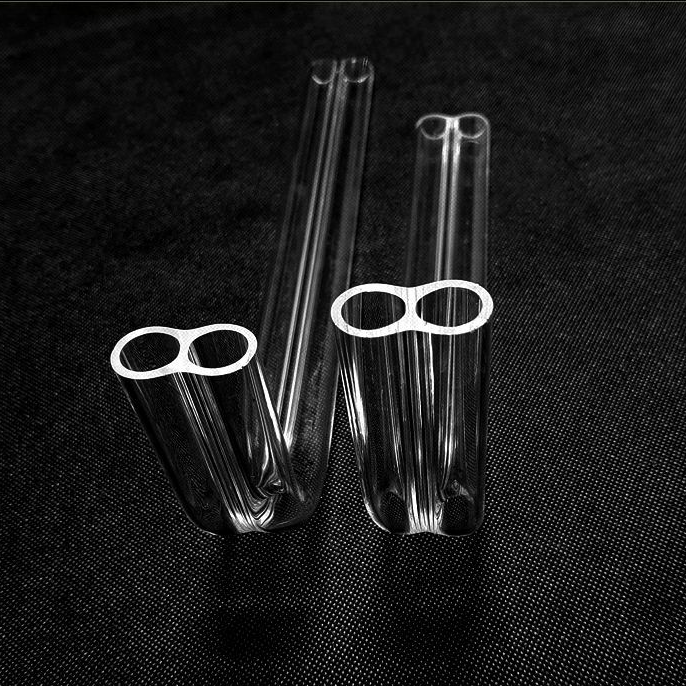
High-Temp Fused Quartz Double-Tube Elbow
- Continuous Service: 1100°C
- Precision Flame Bent & Calibrated
- Ozone-Free Doped UV Absorption
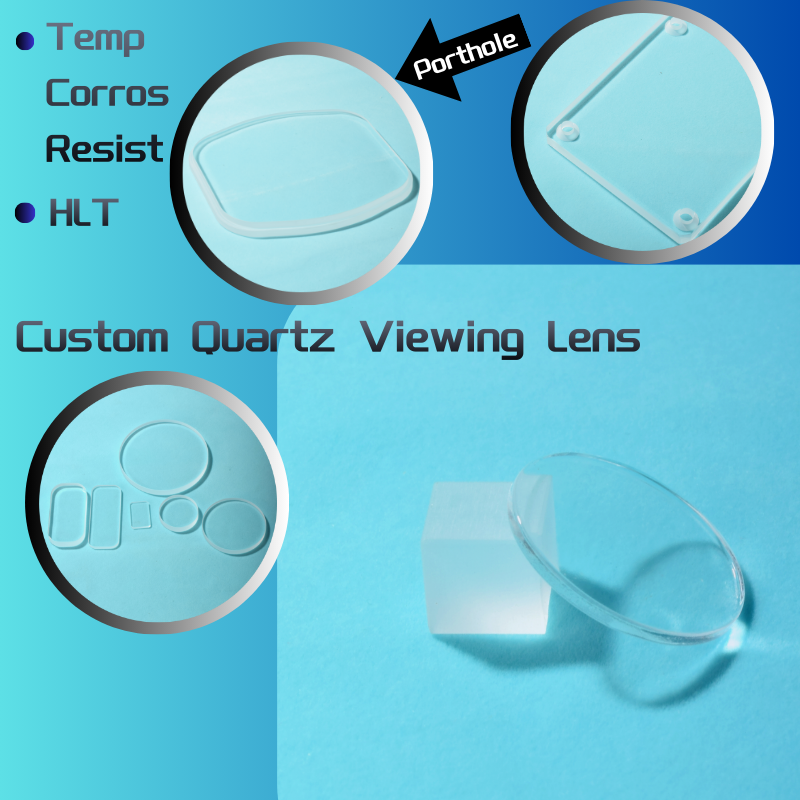
Precision Square Quartz Optical Substrate Slide
- Surface Roughness: Ra < 0.5 nm
- Deep-UV to NIR High Transmission
- Custom Dicing: 10×10 to 300×300 mm
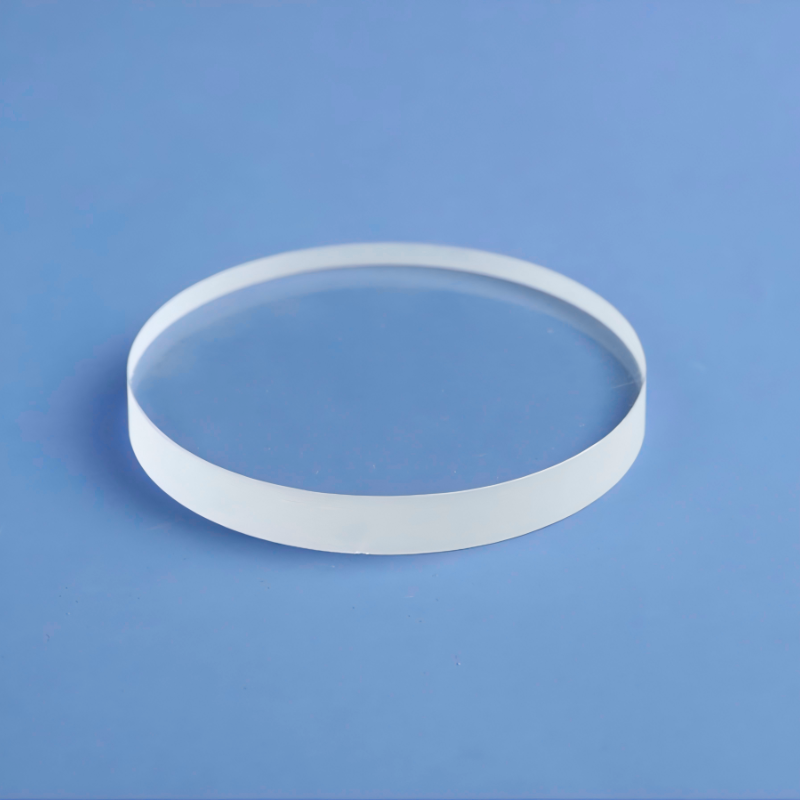
High-Temp Fused Silica Substrate Sheets
- Total Thickness Var. (TTV) < 1.5 µm
- Softening Point: 1683°C High Load
- Precision Double-Side Polished
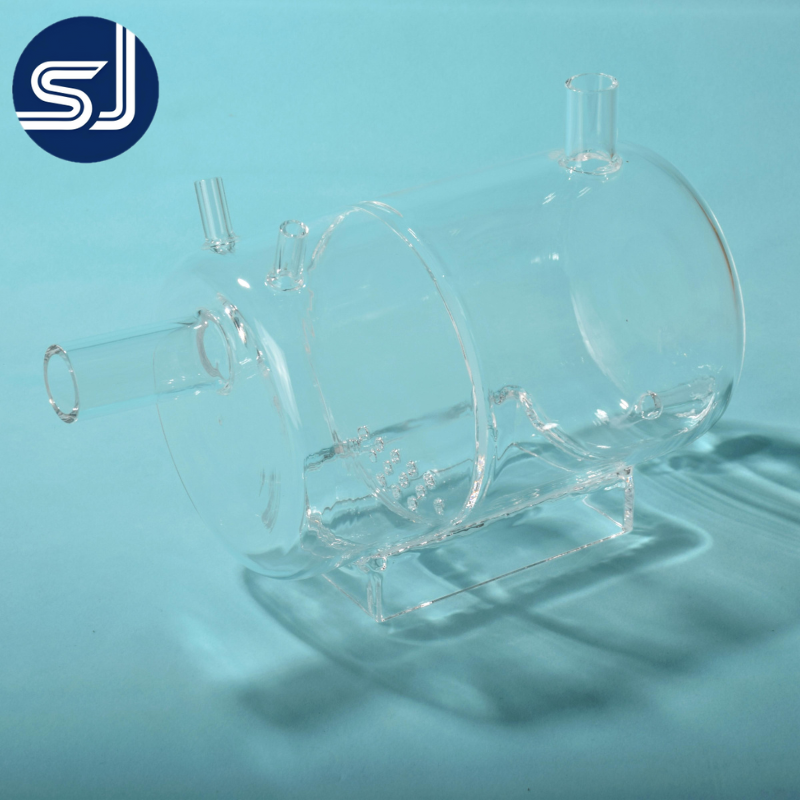
Custom Quartz Flow-Splitting Bottle & Cell
- Hydrodynamic Splitting Accuracy
- Extreme Acid & Aqua Regia Resistance
- ISO Cleanroom Certified Annealing

Clear Refractory Quartz Crucible Bowl
- Tensile Strength: 48 N/mm²
- CZ & Crystal Growth Substrate Base
- Zero Devitrification Contamination
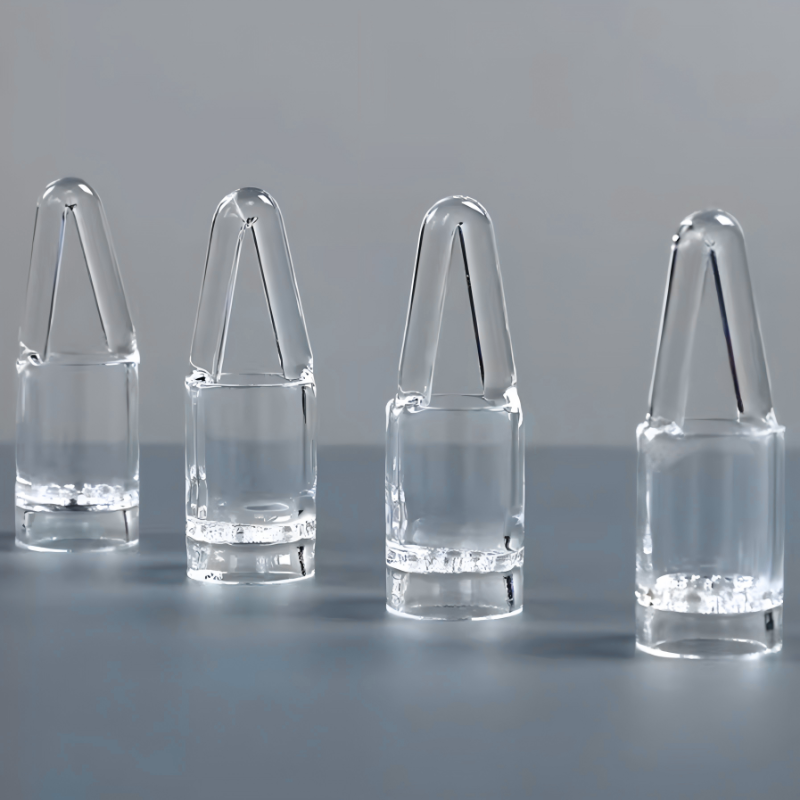
Acid-Resistant Quartz Basket & Beaker
- Sintered Quartz Mesh Integration
- Dome & Closed Flat End Geometry
- Wafer Etching & Acid Baths
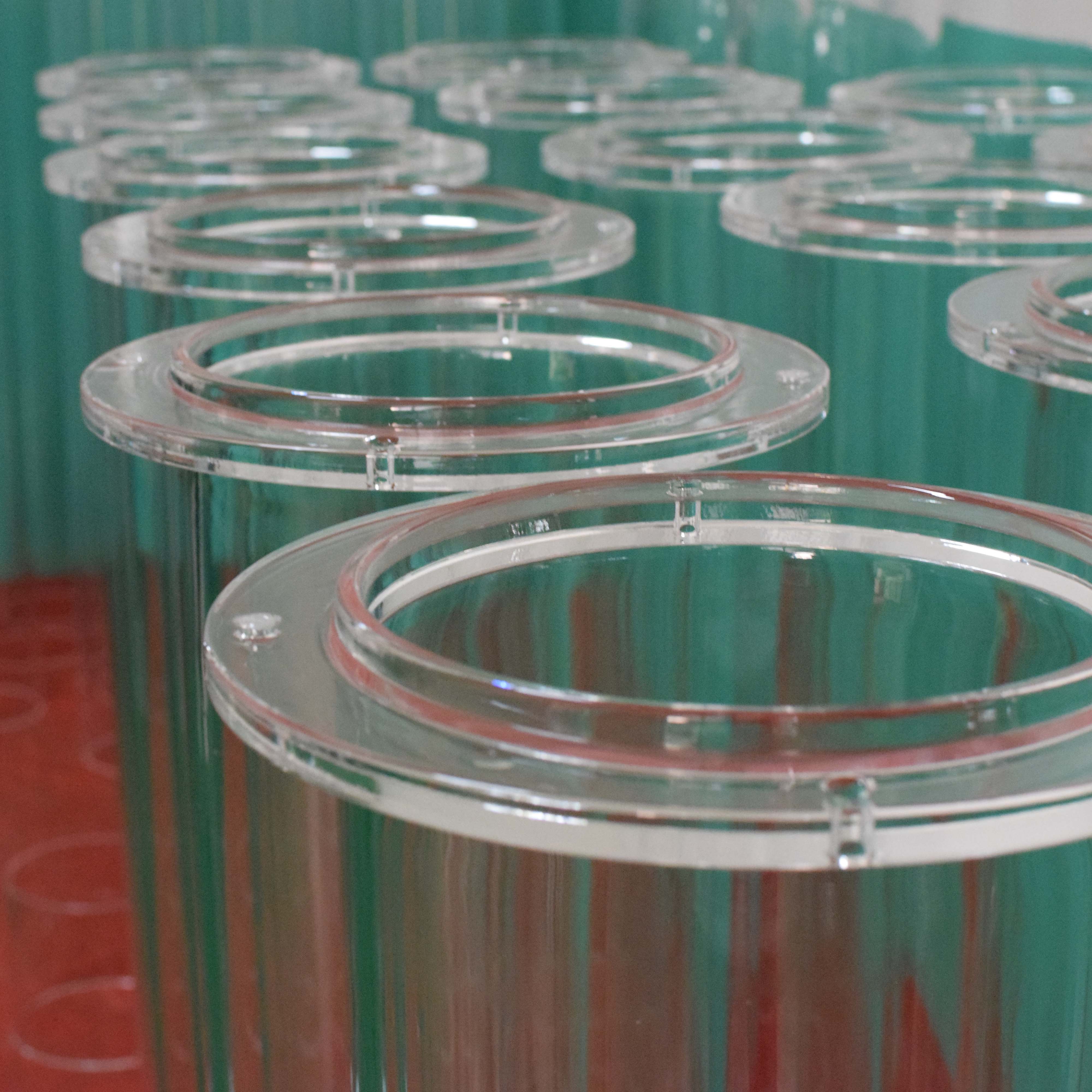
Flanged Quartz Process Chamber Substrate
- High-Precision Ground CNC Flanges
- Leak Rate: < 1×10⁻⁹ mbar·l/s
- CVD / ALD Process Compatible
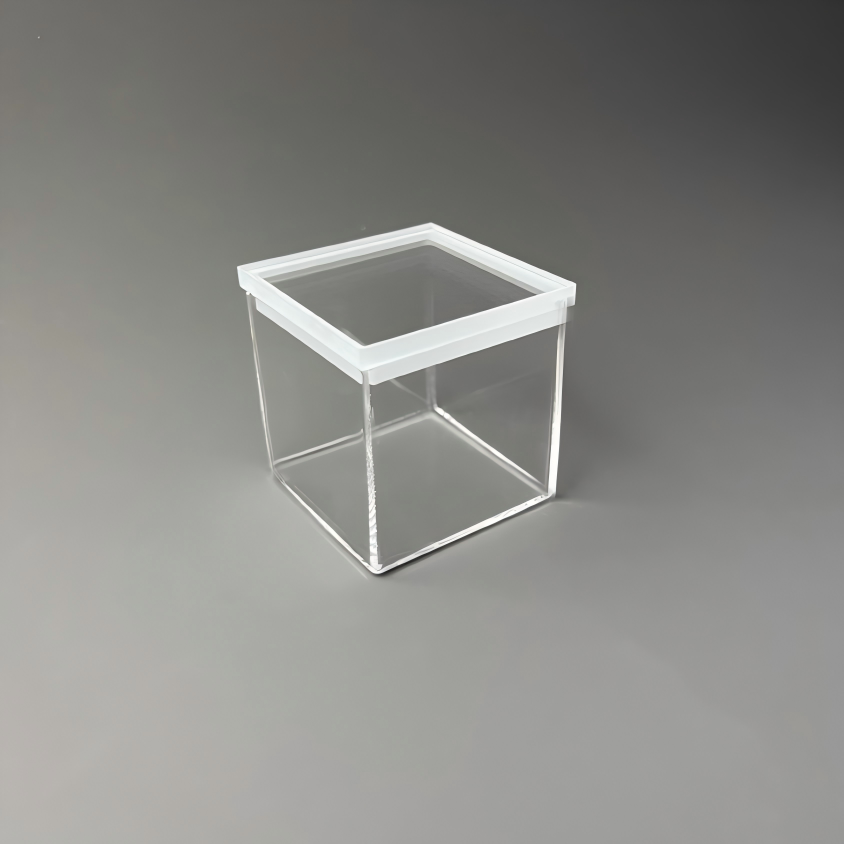
Photoelectrochemical Sealed Quartz Cell
- Dome Window with 92% DUV Transmittance
- Hermetic Sealed Electrode Ports
- Photocatalytic & Solar Cell R&D
Thermodynamic, Optical & Dielectric Matrix of Fused Quartz Substrates
In high-stakes semiconductor fabrication and Alpine photonics instrumentation, fused quartz (amorphous silicon dioxide, SiO₂) is the foundation of structural stability. Understanding the chemical purity levels, bubble class grading, and surface planarity is essential for Austrian process integration.
Distinguishing Electrically Fused Natural Quartz from Chemical Synthetic Silica
Austrian procurement engineers frequently face trade-offs between Natural Fused Quartz (JGS2/Type II) and Synthetic Fused Silica (JGS1/Type III/Corning HPFS equivalents). Natural fused quartz is melted from high-grade Donghai crystal sand, offering unmatched high-temperature mechanical creep resistance up to 1100°C continuous service, higher viscosity at 1200°C, and exceptional resistance to sagging under heavy semiconductor wafer payloads.
Conversely, synthetic fused silica synthesized from vapor-phase silicon tetrachloride (SiCl₄) produces virtually zero metallic trace impurities (total metals < 0.1 ppm) and excludes bubble/inclusion defects, making it mandatory for sub-200 nm Deep Ultraviolet (DUV) lithography photomasks, laser windows, and laser-assisted wafer bonding.
Vulra Quartz supplies both grades fully serialized with DIN EN ISO 10110 surface certification, ICP-MS trace element certificates of analysis (CoA), and Zygo laser interferometer wave-front distortion maps.
| Physical / Chemical Property | Electrically Fused Natural Quartz | Synthetic Fused Silica (JGS1 / Suprasil Class) | Measurement Standard / Test Method |
|---|---|---|---|
| SiO₂ Purity Grade | 99.99% – 99.999% (> 4N8 to 5N) | > 99.9999% (> 6N Synthetic) | ICP-MS Chemical Spectrometry |
| Hydroxyl (OH⁻) Concentration | < 5 ppm to 30 ppm (Low-OH / Infrared Dry) | 800 ppm to 1200 ppm (High-OH / Water Free < 1 ppm option) | FTIR Infrared Absorption at 2.73 µm |
| Thermal Expansion (0°C to 300°C) | 5.5 × 10⁻⁷ K⁻¹ | 5.2 × 10⁻⁷ K⁻¹ | Dilatometry (DIN 51045) |
| Maximum Continuous Service Temp. | 1100 °C (Short peaks to 1450 °C) | 950 °C – 1000 °C | High-Temperature Creep Assessment |
| Softening Point (Log η = 7.65) | 1683 °C | 1585 °C – 1600 °C | Fiber Elongation Method (ASTM C338) |
| Dielectric Constant (1 MHz, 25°C) | 3.75 | 3.78 | Impedance Spectroscopy |
| Spectral Window Transmission | 260 nm – 2500 nm (Near UV through NIR) | 185 nm – 2100 nm (Deep UV to Infrared) | PerkinElmer Lambda 1050+ UV/Vis/NIR |
| Surface Figure / Flatness | λ/4 to λ/10 per inch @ 632.8 nm | Up to λ/20 per inch (Interferometric) | Zygo GPI Phase-Shifting Interferometer |
| Scratch-Dig (MIL-PRF-13830B) | 40-20 (Standard Microelectronics) | 10-5 to 0-0 (Laser Optics / Photolithography) | Dark-Field Microscopic Inspection |
Targeted Applications Across Austria's High-Tech Economy
Austria's industry is characterized by world-leading niche champions, university research excellence, and high-capital semiconductor infrastructure. Our customized quartz substrates solve distinct thermal and optical challenges across these key Austrian regional hubs.
Macro Trends Transforming Quartz Glass Procurement in Austria
Austrian procurement directors and technical buyers are actively realigning their supply chains to meet stricter European Union sovereignty directives, clean energy mandates, and zero-defect quality thresholds.
European Chips Act & Fab Expansions
With billions invested into the Silicon Alps region under the European Chips Act framework, local front-end and back-end wafer processing capacity has surged. This expansion generates sustained demand for critical quartz consumables—such as diffusion furnace tubes, plasma ring substrates, and chemical vapor deposition (CVD) components—requiring shorter replacement lead times and verified supply consistency from tier-1 quartz fabricators.
Transition to Ultra-Short Pulse (USP) Lasers
Austrian precision tooling champions are transitioning to femtosecond and picosecond lasers for cold material processing, glass micro-machining, and stent manufacturing. Traditional borosilicate glass exhibits catastrophic laser-induced damage under high peak pulse powers. Synthetic fused silica substrates with superpolished sub-angstrom finishes (Ra < 0.2 nm) and high Laser Damage Thresholds (LDT > 15 J/cm² @ 1064 nm) have become the mandated optical baseline.
Rigid Supply Chain ESG & Compliance
Austrian corporations operate under strict EU Corporate Sustainability Due Diligence and environmental directives. Quartz suppliers are expected to maintain comprehensive traceability, demonstrating full compliance with EU RoHS 3 (Directive 2015/863) and REACH (EC 1907/2006) regulations, with verified absence of restricted heavy metals (lead, mercury, cadmium, hexavalent chromium) and halogenated compounds.
Why Austrian High-Tech Leaders Source from Vulra Quartz
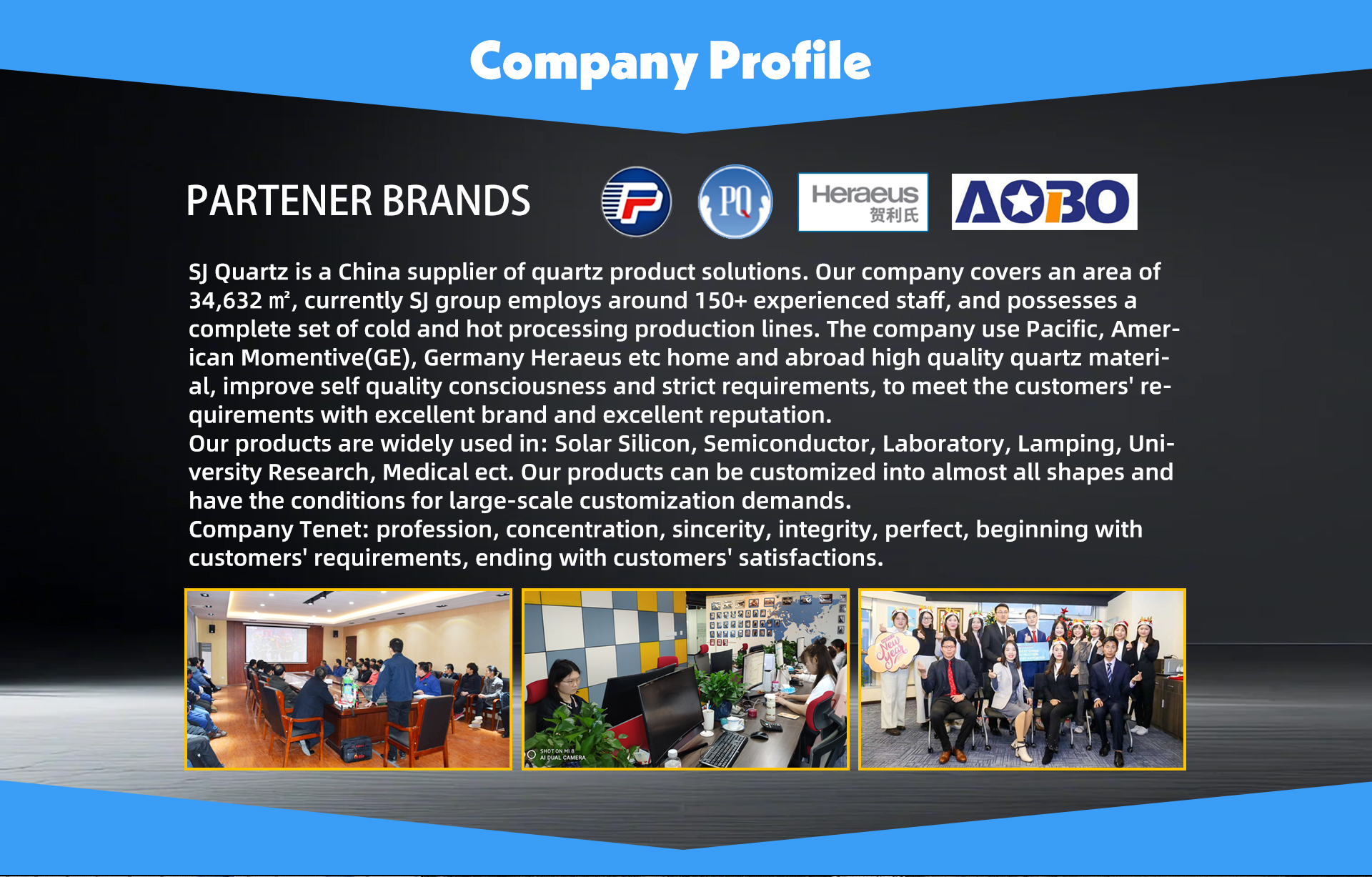
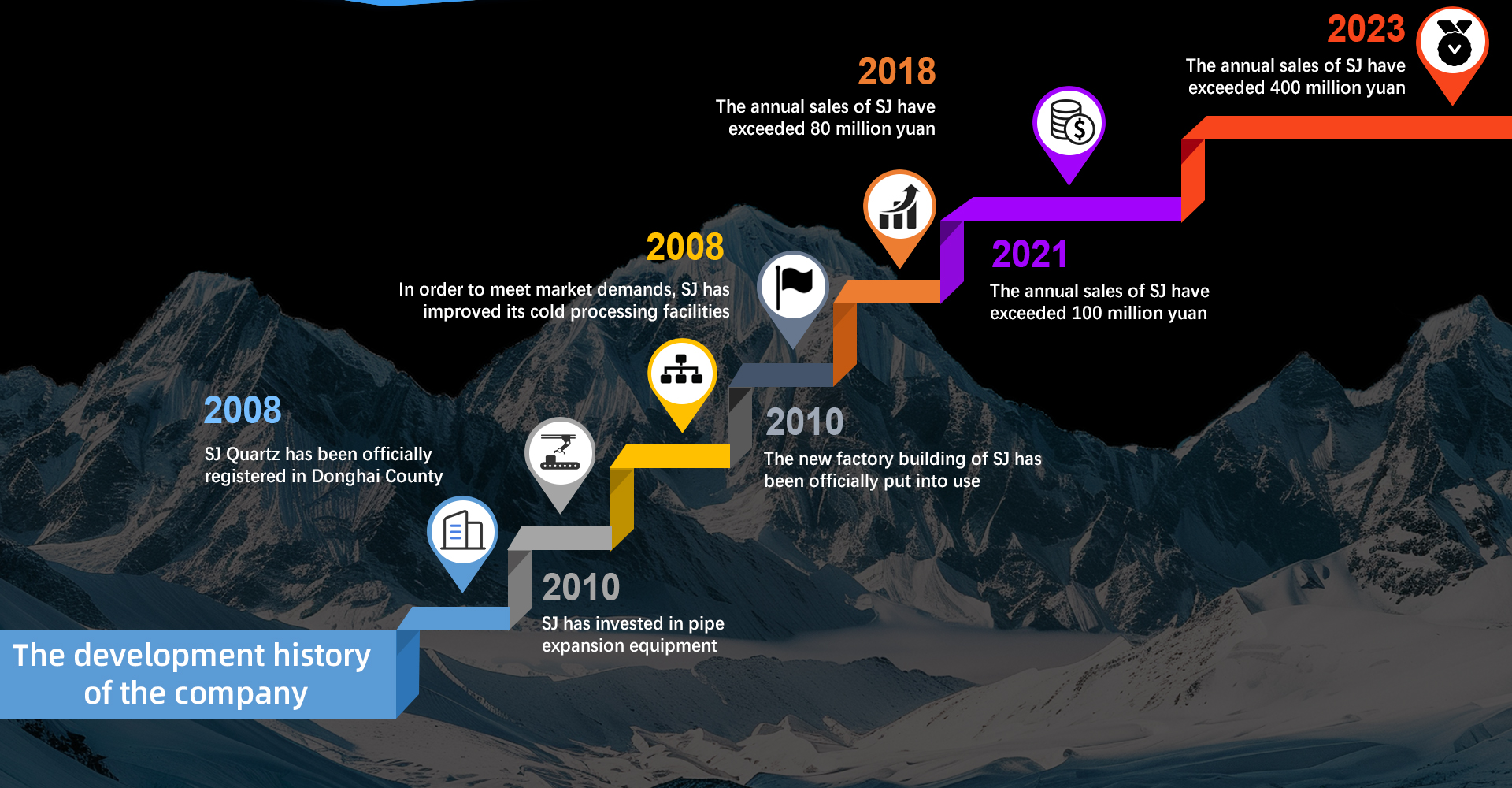
Located in Donghai County—the crystal and high-purity silica mineral center of China—Lianyungang Vulra Quartz Products Co., Ltd. bridges raw material cost efficiencies with stringent European dimensional precision.
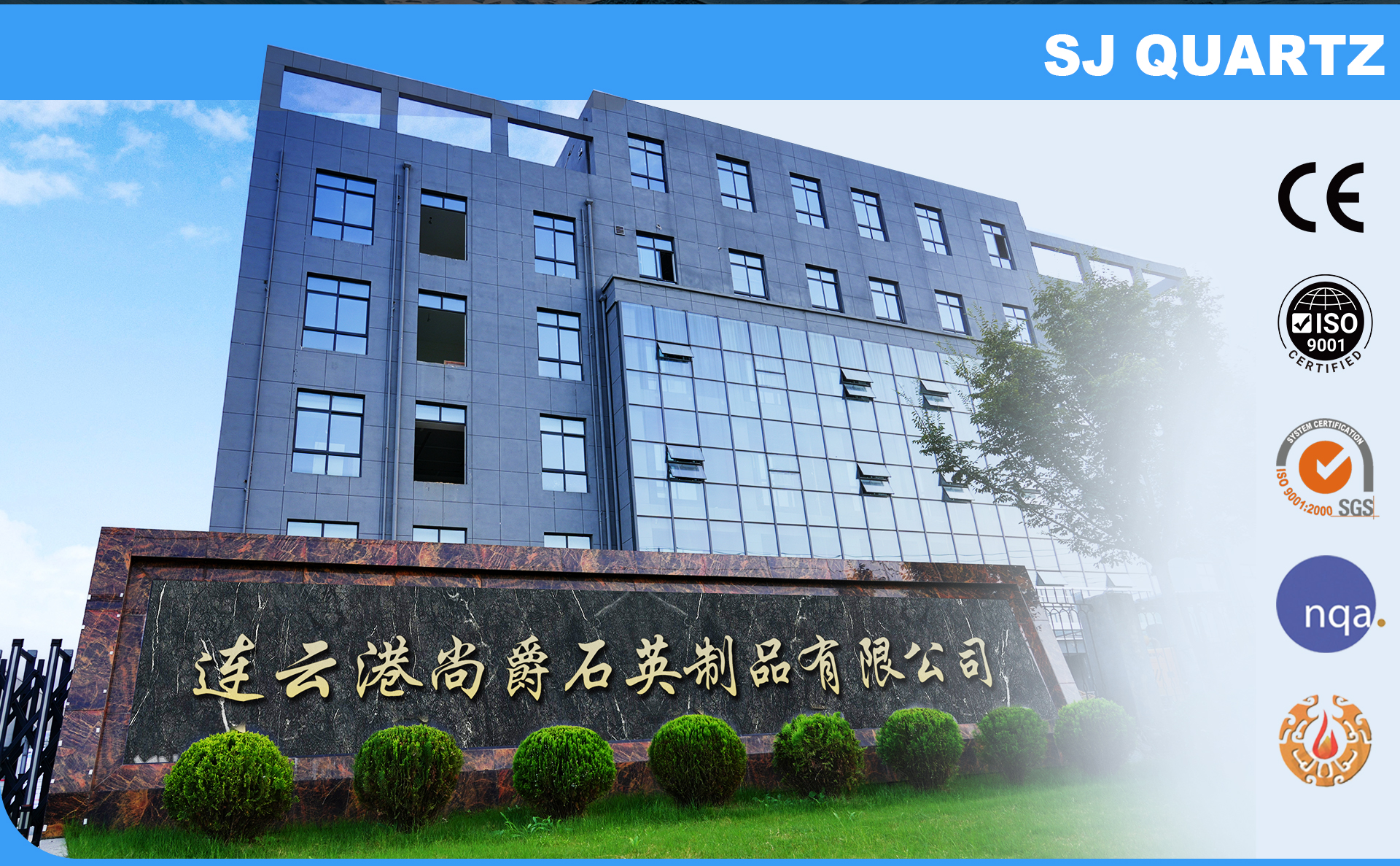
TÜV Rheinland Assessed & Certified Manufacturing Plant
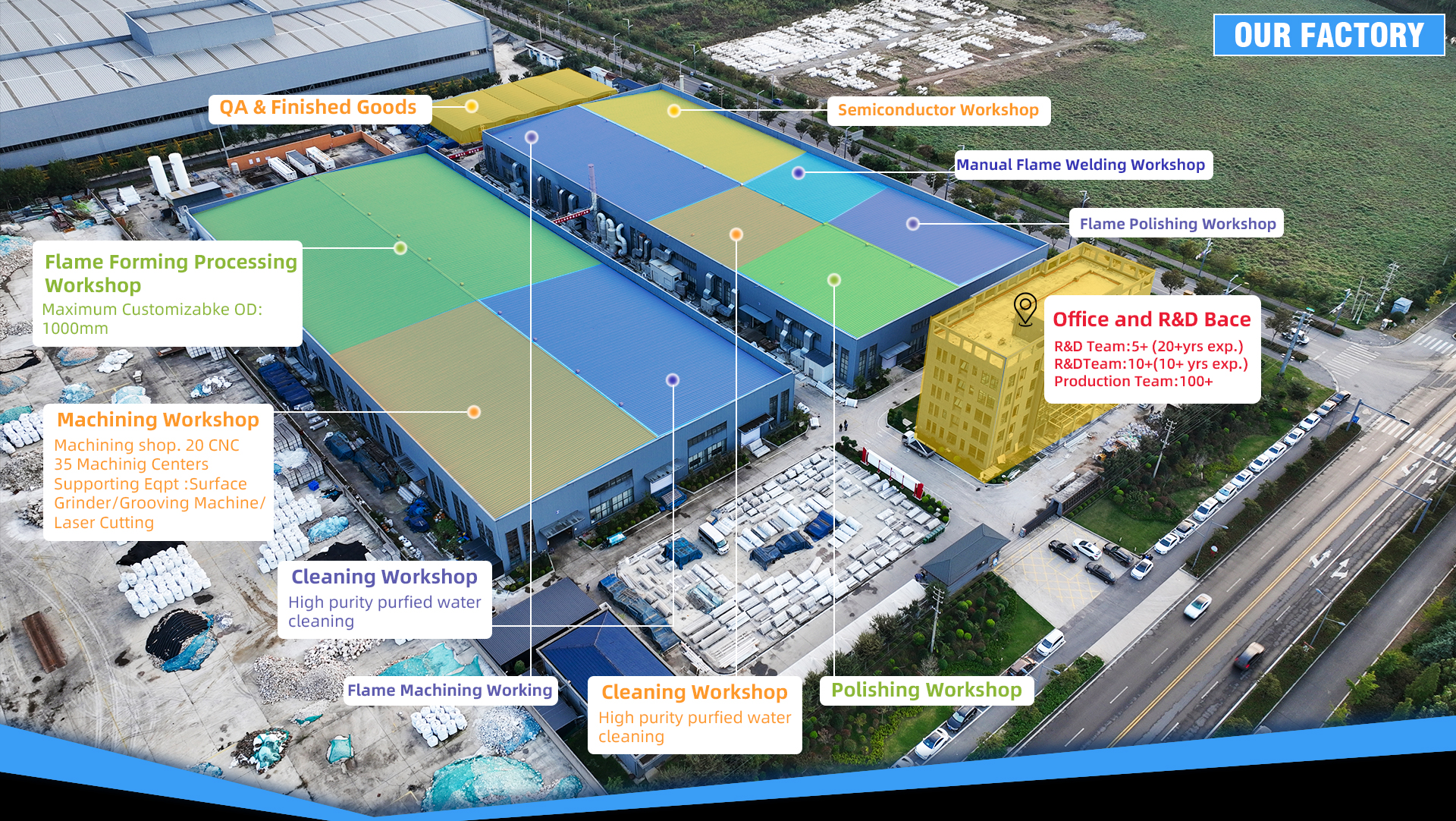
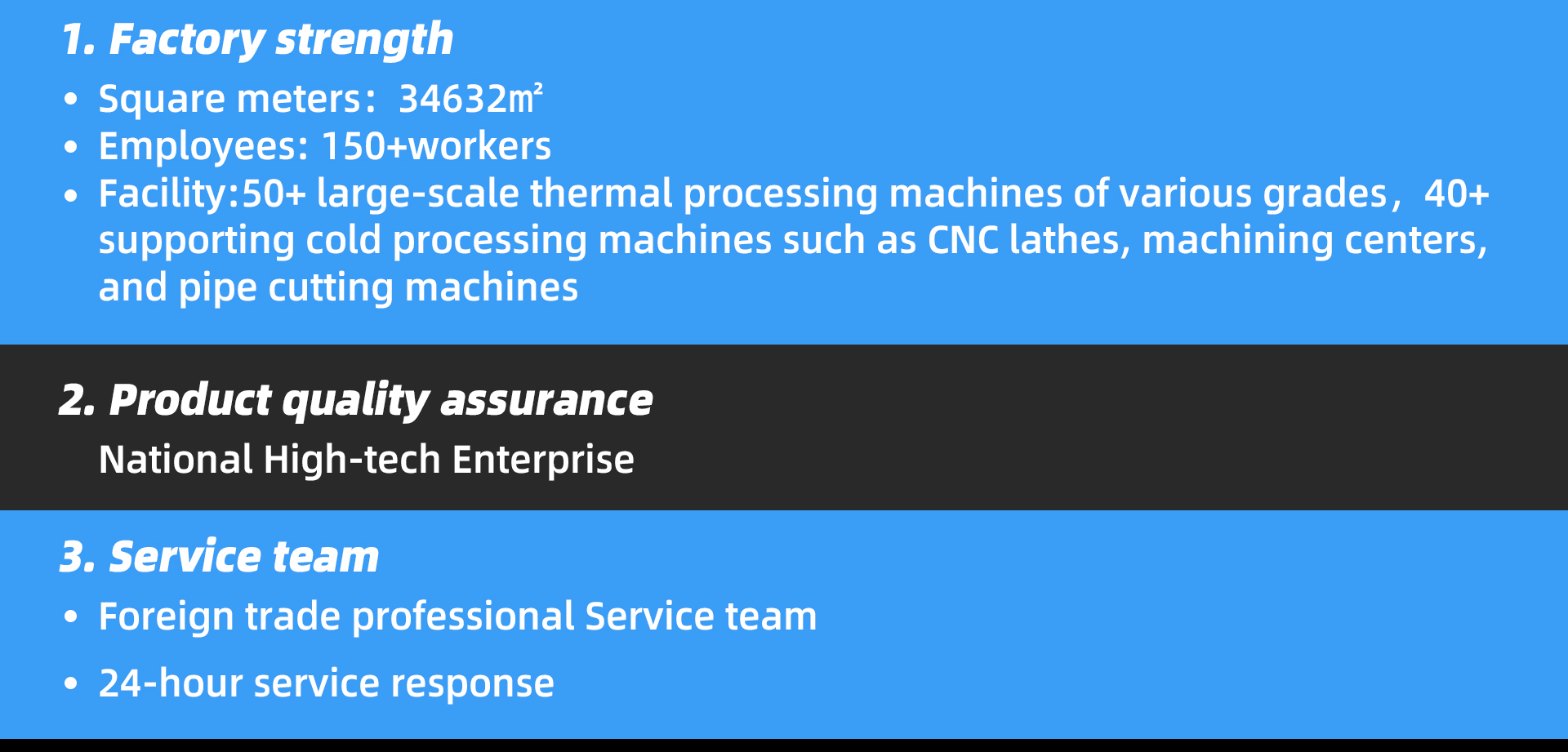
Vulra Quartz is an on-site inspected and verified Custom Manufacturer evaluated by TÜV Rheinland. Our ISO-standardized facilities consolidate high-temperature flame hot working, 5-axis CNC diamond grinding, laser micro-hole dicing, optical double-side lapping, and Class 100 cleanroom ultrasonic cleaning under a single quality control roof.
This vertical integration eliminates multi-tier sub-contractor markups and guarantees absolute material traceability from raw crystal sand melting to final export crating for our Austrian clients.
TÜV On-Site Verified
Assessed and authenticated by TÜV Rheinland for production line integrity, legal status, testing equipment, and export trade compliance.
Drawing-Based OEM/ODM
Engineers review 2D/3D CAD (STEP, DWG, PDF) to optimize wall-thickness ratios, weld stability, and thermal stress points before cutting.
Prototypes from 1 Piece
Eliminate procurement barriers: Custom-dimension quartz plates, discs, crucibles, and boats can be prototyped from a single unit.
Direct Freight to Austria
Air express directly to Vienna (VIE), Linz (LNZ), or Graz (GRZ), packed in shock-damped custom multi-layer foam crates with zero transit breakage guarantee.
Precision Manufacturing Capabilities: From Flame Working to Cleanroom Packing
Frequently Asked Questions by Austrian Engineers & Buyers
Clear, direct answers regarding customs clearance, import tariffs, technical certifications, and production tolerances for Austrian commercial orders.
What TARIC / HS codes apply to quartz glass plates imported into Austria?
For Austrian customs clearance via the Federal Ministry of Finance (Zollamt Österreich), fused quartz products typically fall under TARIC code 7002.31.00.00 (tubes of fused quartz or other fused silica) or 7006.00.90.00 (glass plates, sheets, curved, bevelled, engraved, drilled, enamelled or otherwise worked). For scientific laboratory apparatus, code 7017.10.00.00 (laboratory, hygienic or pharmaceutical glassware of fused quartz or other fused silica) is commonly applied. We provide complete commercial invoices, packing lists with net/gross weights, and EUR-compatible dual-use self-declarations for seamless processing.
How does Vulra Quartz guarantee compliance with EU RoHS and REACH directives?
Every shipment to Austria is accompanied by an authentic RoHS 3 (EU Directive 2015/863) declaration of conformity and a REACH SVHC (Regulation EC 1907/2006) compliance dossier. Our quartz materials are naturally inert amorphous silicon dioxide free from plasticizers, heavy metals, PFOA/PFAS, or hazardous substances. Independent lab test reports (SGS/TÜV) verifying impurity thresholds are supplied per production batch upon request.
What is the standard lead time for custom quartz substrates to Vienna or Graz?
For custom precision substrates, disc blanks, and laser windows, prototype fabrication typically takes 7 to 12 working days post drawing sign-off. Bulk orders require 2 to 3 weeks depending on polishing and drilling complexity. For air freight to Vienna International Airport (VIE) or direct door-to-door courier delivery via DHL Express/FedEx to industrial sites across Austria, transit time is strictly 4 to 7 business days. DDP (Delivered Duty Paid) Incoterms 2020 are available to simplify tax accounting for your purchasing department.
Can you manufacture quartz parts directly from Austrian CAD files (STEP / DWG)?
Yes. Our engineering department operates with industry-standard CAD/CAM suites supporting STEP (.stp), IGES (.igs), DWG, DXF, and high-resolution PDF engineering drawings. We routinely machine complex stepped blind holes, chamfered edge profiles, custom O-ring grooves, laser-engraved QR serialization for cleanroom traceability, and tight dimensional tolerances down to ±0.02 mm.
Why is full thermal annealing crucial for quartz parts in vacuum chambers?
When quartz glass undergoes intense localized flame working (e.g. welding flanges, bending elbows, or sealing ends), severe residual mechanical stresses develop between adjacent temperature zones. If unannealed, these internal tension forces will cause spontaneous micro-cracking or catastrophic shattering during subsequent rapid thermal cycling (RTP) or high-vacuum pump-downs. Vulra Quartz anneals every fabricated component in computer-controlled electric kilns at 1150°C followed by slow, programmed cooling, verified under polarized light polariscopes for complete stress relief.
What surface roughness (Ra) and flatness (TTV) can you guarantee for wafer carriers?
For semiconductor wafer handling and temporary bonding substrates, we employ double-sided planetary Chemical Mechanical Polishing (CMP) machines. We routinely achieve an ultra-smooth surface finish of Ra < 0.5 nm (superpolished grades down to Ra < 0.2 nm). Total Thickness Variation (TTV) is held strictly under < 1.5 µm across a 200 mm diameter disc, with warp and bow controlled under < 10 µm, ensuring absolute bonding coplanarity in automated European lithography clusters.
How are fragile quartz substrates protected during international air cargo transit?
We implement a robust export packaging protocol engineered for high-value optics and semiconductor quartzware. Each item is individually cleaned, wrapped in lint-free Class 100 cleanroom film or optical lens tissue, vacuum-sealed in moisture-barrier bags, and suspended within high-density expanded polyethylene (EPE) shock-absorbing foam molds. The exterior enclosure is a heavy-duty multi-wall corrugated box or an ISPM-15 heat-treated fumigated wooden crate with integrated shockwatch and tilt indicators. We provide a 100% immediate free-replacement guarantee in the rare event of transit damage.
What is your Minimum Order Quantity (MOQ) policy for university laboratories?
We actively support academic and industrial pilot research. For custom-machined plates, discs, crucibles, specialized reaction vessels, and bespoke optical windows, our MOQ starts at just 1 piece. Standard continuous catalog tubing and standardized analytical rods are offered with small trial minimums of 5 to 10 pieces. Austrian university purchase orders and corporate net payment terms can be accommodated following initial verification.
Request Custom Engineering Review & Substrate Catalog
Accelerate your project with certified quartz engineering. Submit your 2D/3D component drawings or custom dimensions for an immediate DFM (Design for Manufacturability) feasibility review, optical transmittance curves, and competitive export quotation tailored for Austrian industry.