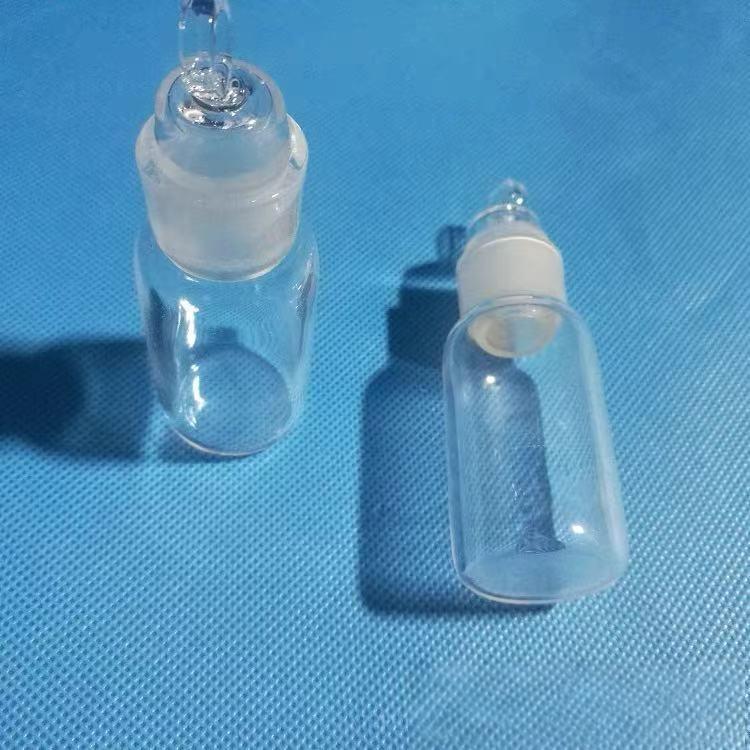
Semiconductor 400 Mesh Laboratory Quartz Glass
Ultra-pure sintered and polished quartz matrix offering outstanding corrosion resistance against HF/acid vapors and peak temperatures exceeding 1100°C.
Explore our precision-machined fused quartz solutions designed for thermal resilience, non-reactive chemical stability, and high optical transmission under rigorous production standards.
Ultra-pure sintered and polished quartz matrix offering outstanding corrosion resistance against HF/acid vapors and peak temperatures exceeding 1100°C.
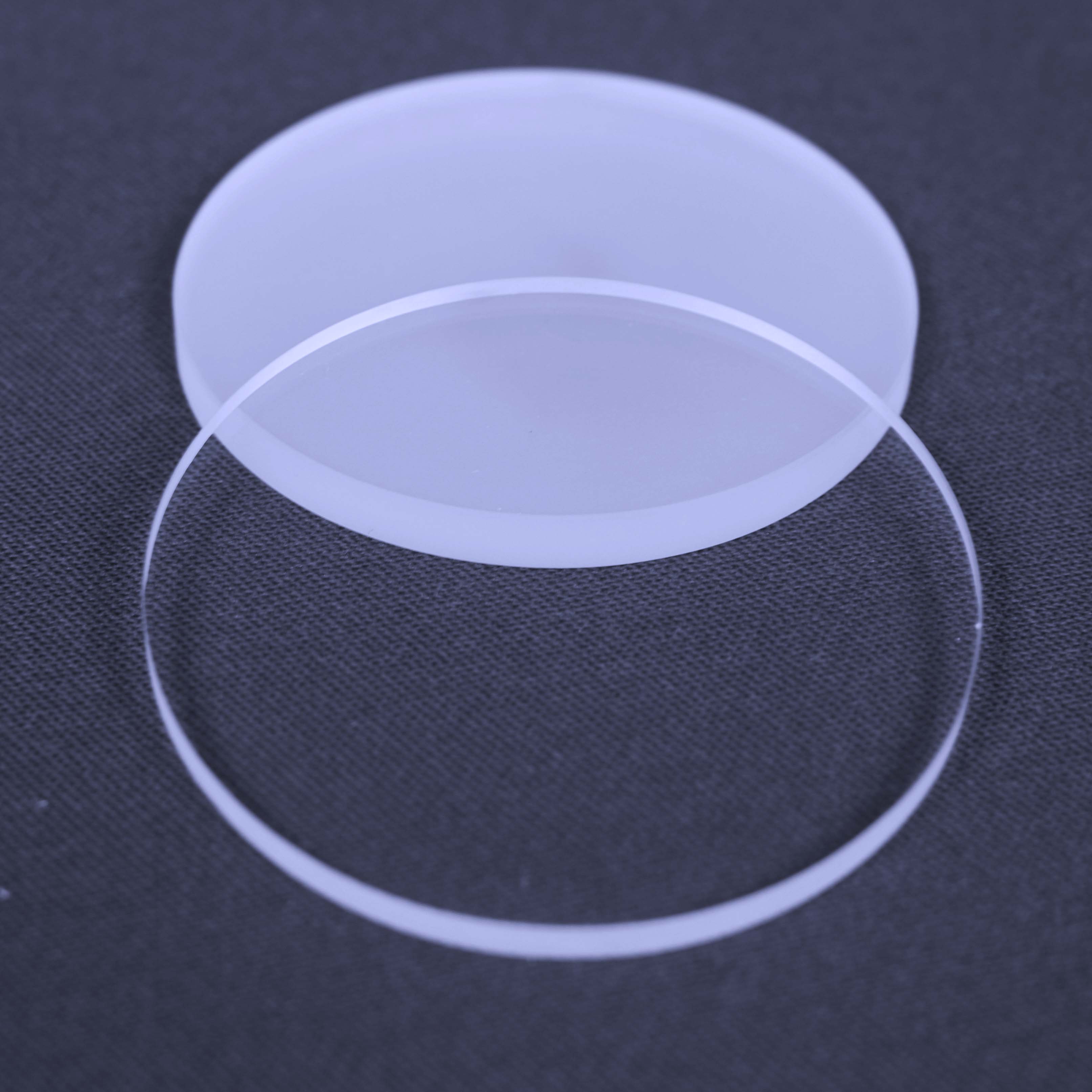
Zero-diffraction background quartz substrate for X-ray diffraction testing in materials science, crystallography, and petrochemical assay laboratories.
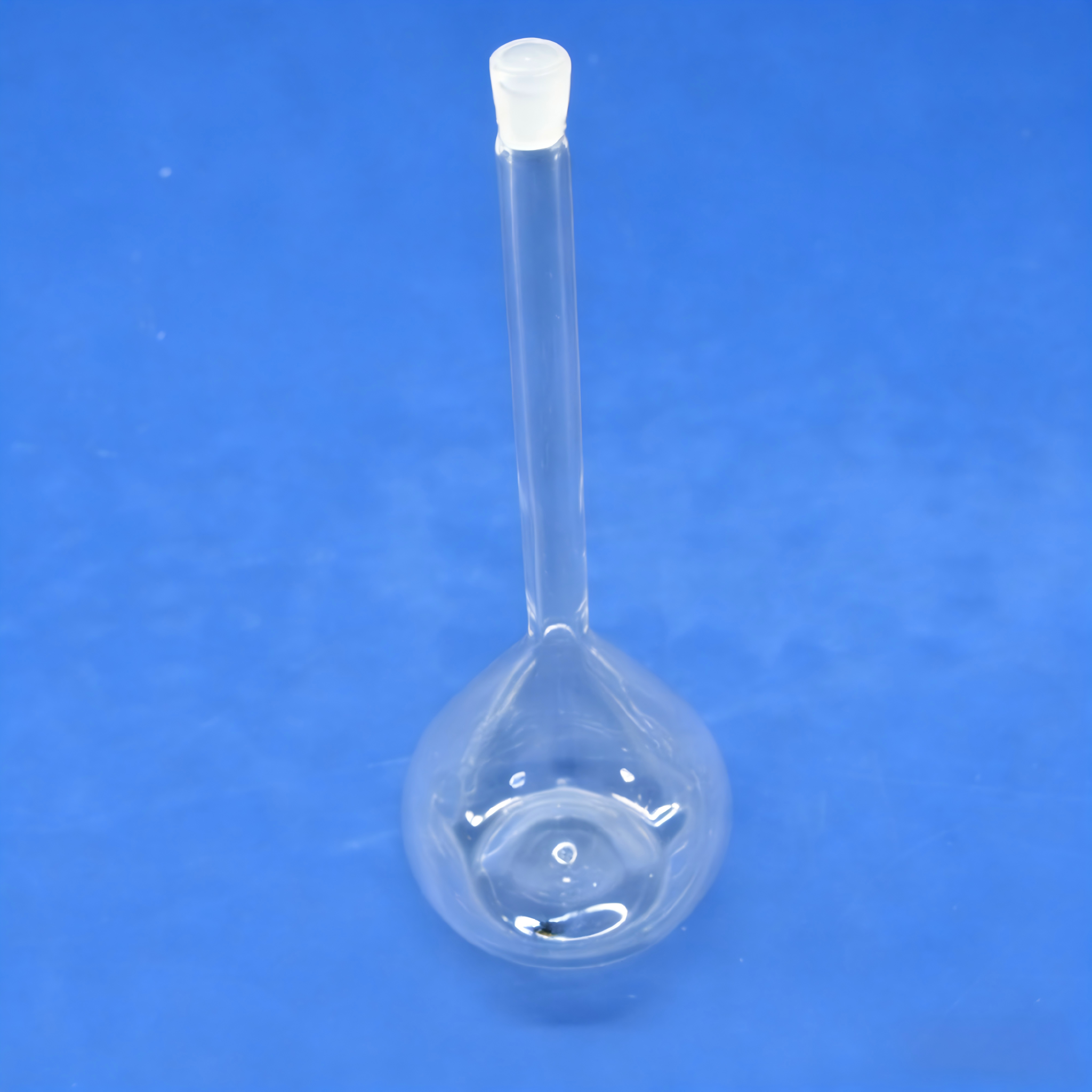
Precision flame-worked and vacuum-sealable quartz ampoules and round flasks capable of sustaining thermal gradients without structural fatigue.
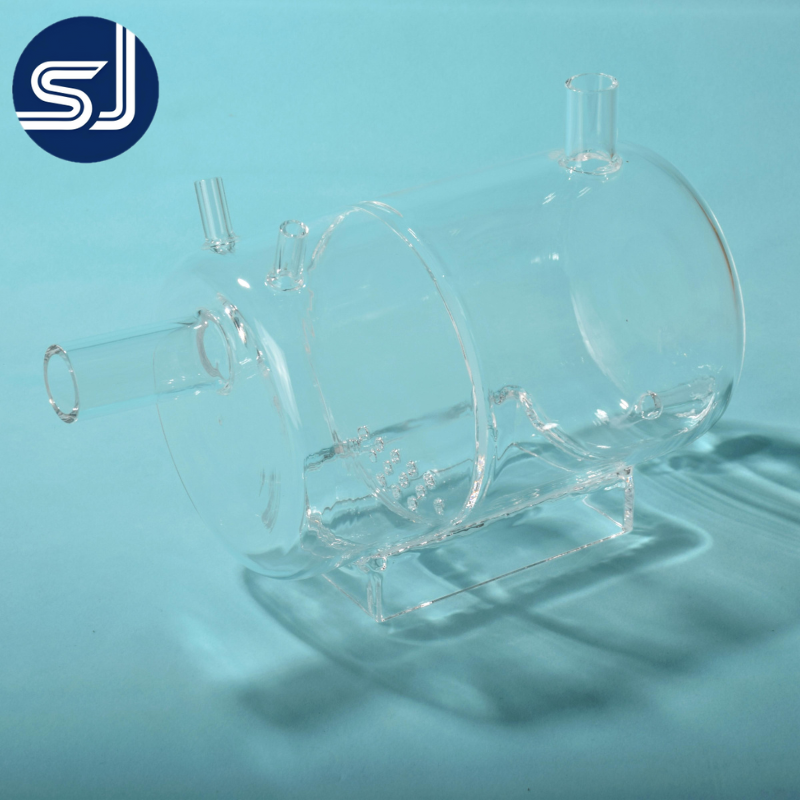
Engineered fluid-splitting quartz chambers for continuous chemical reactions, corrosive liquid handling, and chromatography sample distribution.
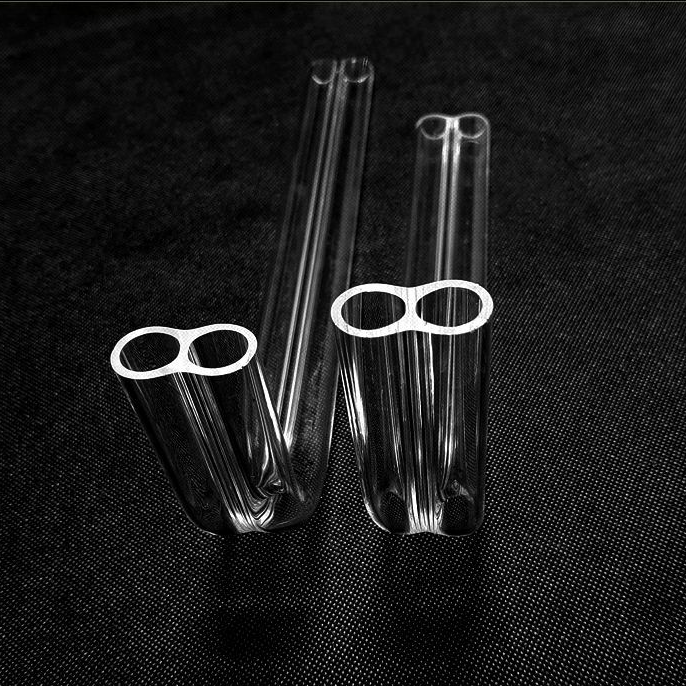
Double-jacketed fused quartz right-angle manifold for thermal gas delivery, MOCVD precursor routing, and aggressive gaseous acid venting.
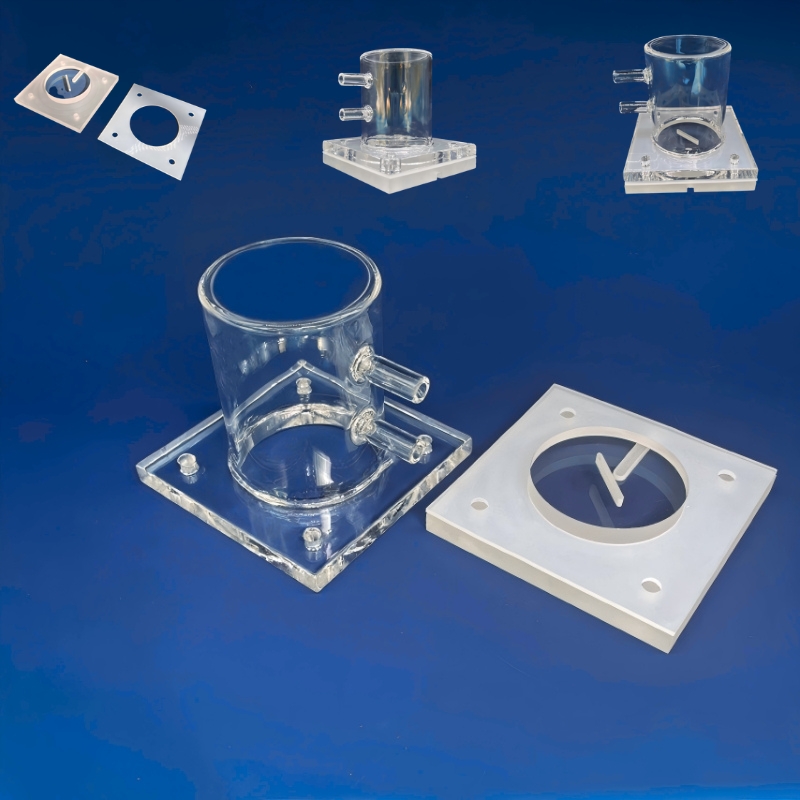
High-UV-efficiency photochemical reaction vessel with optical-grade quartz light windows for hydrogen generation and advanced photodegradation research.
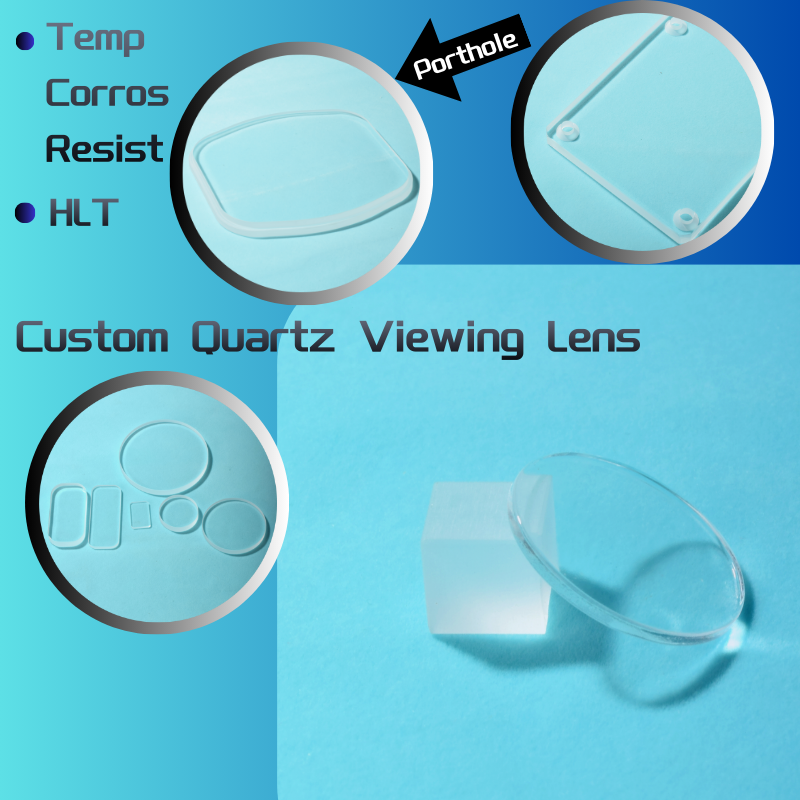
Precision double-side polished square thin quartz substrates for thin-film deposition, lithography calibration masks, and sensor window assemblies.
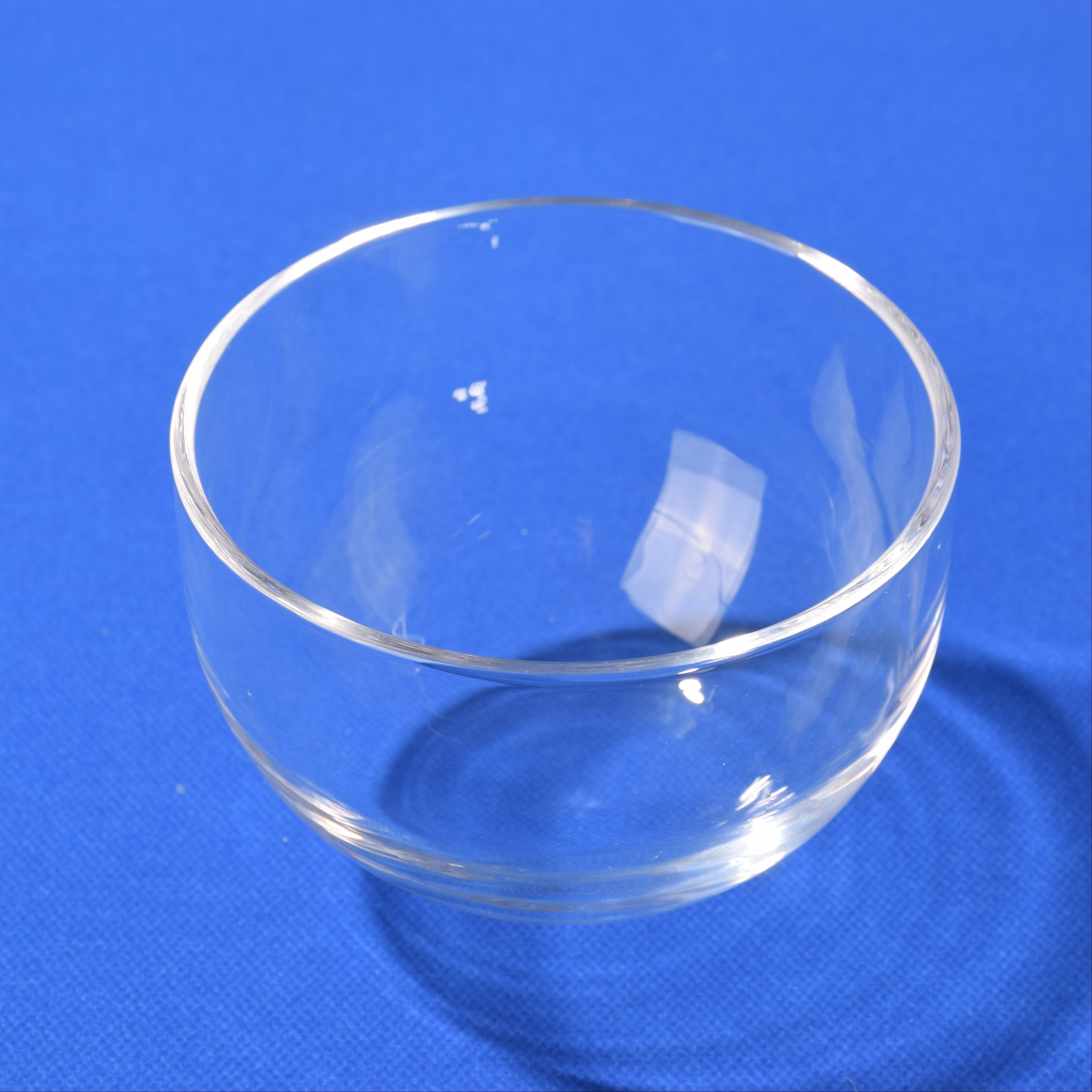
Heavy-wall molten silicon melting crucible offering exceptional tension strength (48 N/mm²) and long service cycles in vacuum annealing chambers.
As Southeast Asia’s advanced manufacturing epicenter, Thailand is modernizing wafer backend packaging, solar cell production, hard-disk-drive (HDD) fabrication, and chemical analysis ecosystems.
In the global hierarchy of dielectric materials, fused quartz and synthetic fused silica substrates represent an irreplaceable foundation for high-temperature and high-frequency electronics. Unlike conventional borosilicate or soda-lime float glass, quartz glass consists of virtually pure silicon dioxide (SiO₂ > 99.99% to 99.999%), conferring a negligible coefficient of thermal expansion (CTE of 5.5 × 10⁻⁷ /°C), zero outgassing in ultra-high vacuum (UHV), and broad-spectrum electromagnetic transmittance extending from the deep ultraviolet (185 nm) through the near-infrared (3500 nm).
For industrial procurers and process engineers operating across Thailand’s premier industrial estates—such as WHA Eastern Seaboard, Amata City Rayong, and Rojana Ayutthaya—sourcing precision quartz substrates from certified manufacturers is critical. Tropical industrial environments present distinct operating challenges: elevated ambient humidity, rigorous thermal fluctuation requirements in cleanroom furnaces, and chemical exposure during cleaning and etching cycles. Sourcing factory-direct quartz from Lianyungang Vulra Quartz Products Co., Ltd. ensures continuous dimensional integrity, certified batch purity, and complete compliance with international ASTM, CE, and RoHS standards.
With a CTE of 5.5 × 10⁻⁷ /°C between 20°C and 320°C, quartz substrates withstand rapid thermal shock (ΔT > 1000°C) without cracking, warping, or micro-fracturing during rapid thermal processing (RTP).
Highly resistant to attack from deionized water, boiling acids (HCl, HNO₃, H₂SO₄), and organic solvents. Only hydrofluoric acid (HF) and concentrated phosphoric acid at elevated temperatures etch pure fused quartz.
From deep UV lithography illumination to NIR analytical pyrometry, our optical quartz substrates achieve internal transmittance exceeding 92% across critical industrial wavelengths.
From Bangkok’s national nanotechnology centers to the high-throughput fabrication cleanrooms of Chonburi, Rayong, and Chachoengsao.
Primary Hubs: Chonburi, Chachoengsao, Ayutthaya.
Widely deployed as carrier wafers, sputtering substrates, and wafer chuck insulating discs in advanced outsourced semiconductor assembly and testing (OSAT) cleanrooms.
Primary Hubs: Rayong (Eastern Economic Corridor), Prachinburi.
High-temperature quartz diffusion tubes, furnace boats, and square quartz substrate plates serve TOPCon and heterojunction (HJT) silicon wafer dopant diffusion lines at 1050°C+.
Primary Hubs: Pathum Thani, Nakhon Ratchasima (Korat).
Used in magnetic recording head thin-film sputtering, optical inspection aligners, and laser diode packaging where surface roughness below Ra < 0.5 nm is mandatory.
Primary Hubs: Rayong (Map Ta Phut), Greater Bangkok (NSTDA, Chulalongkorn, VISTEC).
XRD zero-background holders, photochemical reactors, and quartz flow-splitting flasks used for catalysts, green hydrogen evolution, and analytical materials characterization.
Compare high-purity natural fused quartz with synthetic fused silica and standard technical glasses under real-world factory operating parameters.
| Physical / Chemical Property | Natural Fused Quartz (Vulra Standard) | Synthetic Fused Silica (UV Grade) | Borosilicate Glass (3.3) | Alumina Ceramic (99.6%) |
|---|---|---|---|---|
| SiO₂ Purity Grade | 99.99% – 99.999% | > 99.9999% (Low Metallic) | ≈ 81% SiO₂, 13% B₂O₃ | N/A (Al₂O₃ base) |
| Continuous Service Temp. | 1100 °C | 1150 °C | 450 °C | 1500 °C |
| Softening Temperature | 1683 °C | 1710 °C | 820 °C | N/A (Sintered) |
| Thermal Expansion (CTE) | 5.5 × 10⁻⁷ /°C | 5.0 × 10⁻⁷ /°C | 33 × 10⁻⁷ /°C | 80 × 10⁻⁷ /°C |
| UV-C Transmittance (254 nm) | > 88% | > 92% | < 5% (Opaque) | 0% (Opaque) |
| Dielectric Loss (tan δ @ 10 GHz) | 0.0001 | 0.00005 | 0.0040 | 0.0004 |
| Surface Roughness (Polished Ra) | ≤ 0.5 nm (Optical) | ≤ 0.3 nm (Super-smooth) | ≈ 1.5 – 3 nm | > 50 nm |
| Chemical Attack Resistance | Excellent (Except HF/Hot H₃PO₄) | Supreme (Zero trace leaching) | Moderate (Alkali attack) | High (Acid/base stable) |
The fundamental structural integrity of quartz glass originates from the strong, directional silicon-oxygen tetrahedral network (Si-O bonds with a bond energy of 460 kJ/mol). Because this cross-linked amorphous network possesses no crystalline grain boundaries, fused quartz substrates maintain mechanical resilience without phase cleavage under repetitive thermal cycling. Even when subjected to rapid immersion from 1000°C into ambient chilled deionized water, natural fused quartz specimens resist fracture—an imperative attribute for semiconductor and PV furnace operations across Thailand where production downtime translates to severe operational expenditure.
Additionally, during the hot and humid monsoon periods common in central and eastern Thailand, standard float or soda-lime glass frequently suffers from hydrolytic weathering, leading to sodium ion leaching, surface haze, and micro-defect formation. Fused quartz substrates remain completely impervious to moisture-induced degradation, maintaining dielectric isolation and optical clarity across multi-year production lifespans.
How national policies, smart electronics roadmaps, and international fab migrations are shaping the Thai precision glass market.
The Board of Investment (BOI) of Thailand provides extensive corporate tax holidays and duty exemptions for high-tech front-end and back-end electronics manufacturing. This initiative has triggered rapid expansion in OSAT packaging lines in Chonburi and Rayong, directly elevating regional requirements for high-precision carrier quartz substrates.
International semiconductor and photovoltaic module manufacturers are establishing secondary manufacturing headquarters inside Thailand to enhance supply-chain security. These sophisticated fab operations require consistent, drawing-accurate quartz spare parts with rapid delivery from verified Asian industrial exporters.
Thailand’s utility-scale clean energy buildouts demand higher conversion efficiencies. Modern N-type TOPCon solar lines operating in the EEC require quartz boats and diffusion tubes capable of enduring constant 1050°C phosphorous oxychloride (POCl₃) diffusion without devitrification or thermal sag.
Situated at No. 9 Dingxin Road in the Jiangsu Donghai Economic Development Zone, Vulra Quartz operates at the core of the world-renowned Donghai crystal cluster. This prime geographic positioning guarantees immediate, uninterrupted access to ultra-high-purity quartz crystal sand raw stocks.
Our integrated facility unifies every phase of precision quartz manufacturing: continuous electrical fusing, oxy-hydrogen bench torch flame-working, 5-axis CNC ultrasonic diamond grinding, vacuum stress-relieving annealing ovens, and optical-grade double-sided chemical mechanical polishing (CMP).
We provide Thai engineering buyers with full OEM/ODM manufacturing based on 2D and 3D technical drawings (AutoCAD, SolidWorks, STEP, PDF), maintaining standard lead times and reliable lot-to-lot traceability starting from a 1-piece prototype.
Practical guidance covering ASEAN-China FTA tariffs, customs clearance at Laem Chabang & Suvarnabhumi, tropical climate packing, and inspection protocols.
Consult with our quartz fabrication engineers today for rapid technical feasibility reviews, custom drawing assessments, and factory-direct pricing for your Thailand or ASEAN manufacturing operations.