Thermal Class A
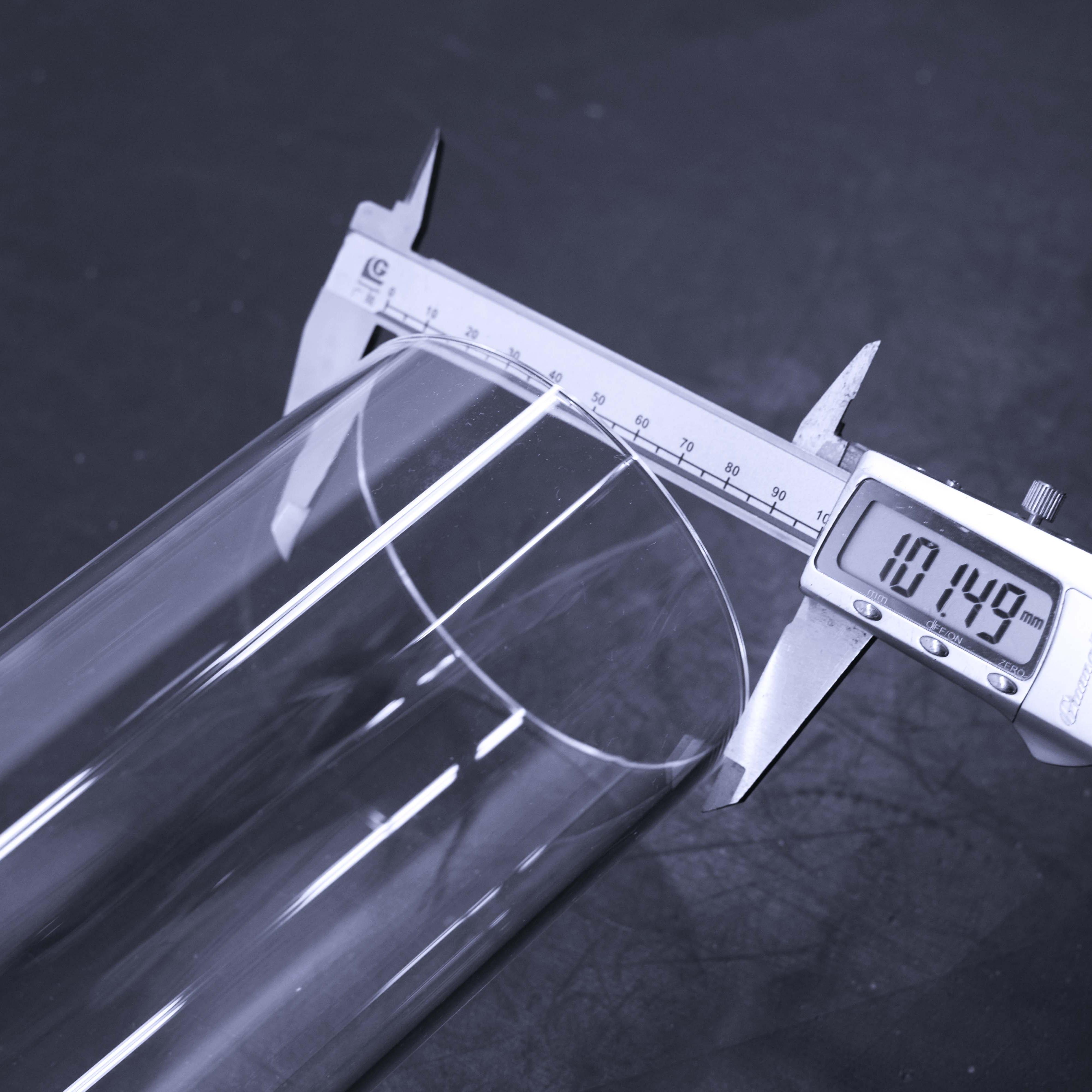
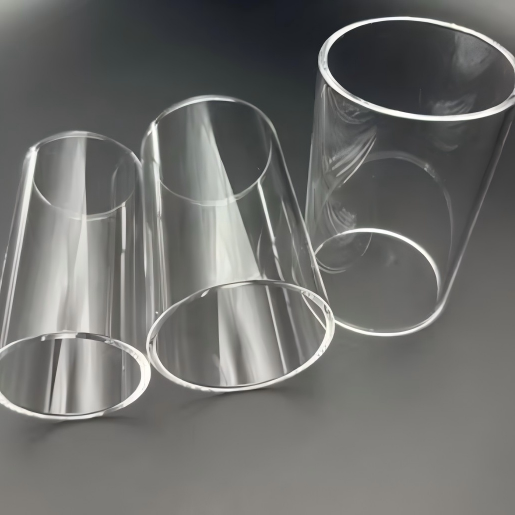
High Purity Quartz Transparent Polished Glass Tube Hollow High Temperature Resistance
- Max Temp:1100°C Cont. / 1450°C Peak
- Diameter:5 mm – 800 mm Custom
- SiO₂ Purity:> 99.99%
Drawing-based custom fused quartz components manufactured with 99.999% purity natural SiO₂, featuring extreme thermal shock resistance, deep-UV to NIR transmission, and ultra-high vacuum (UHV) hermetic performance for European OEM systems.
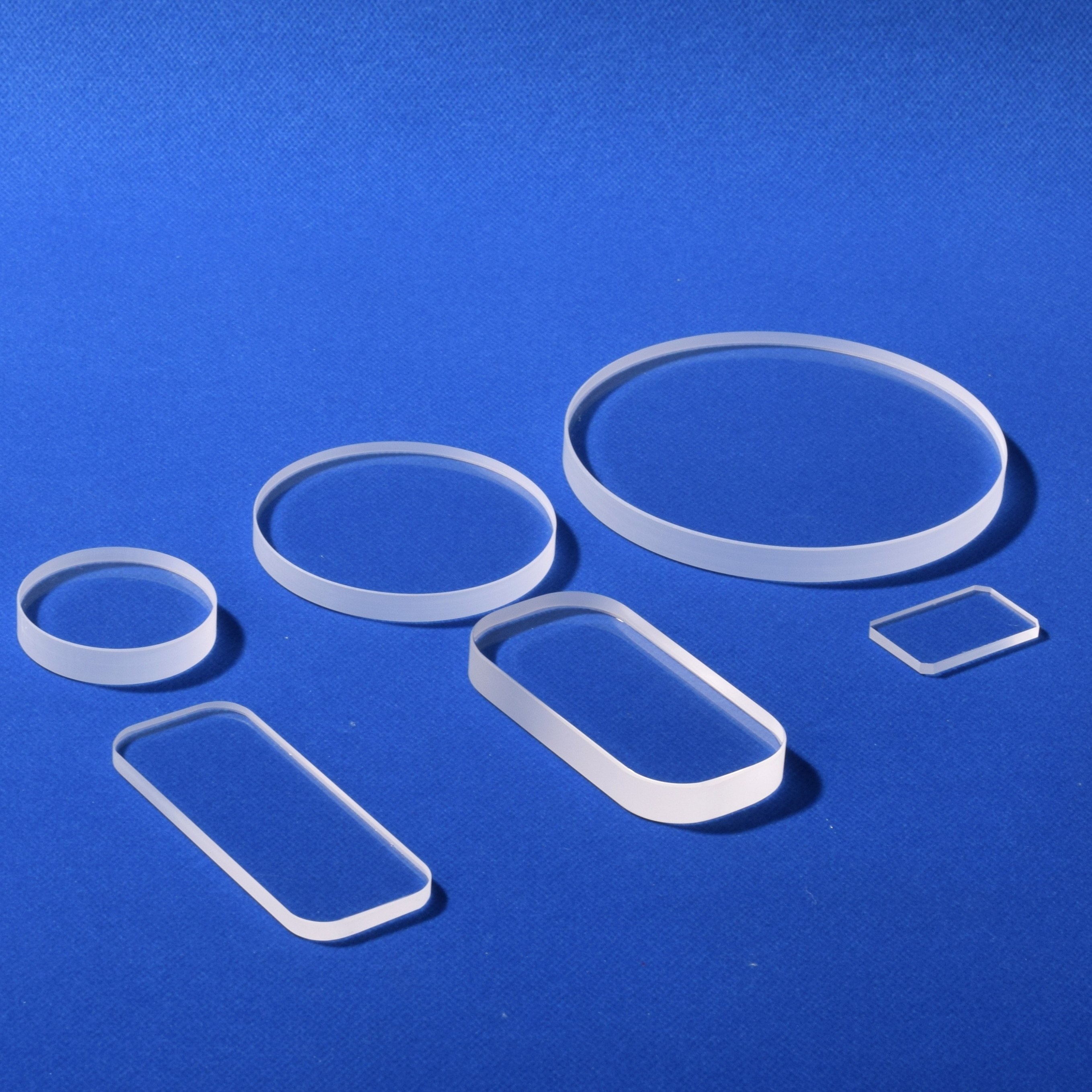
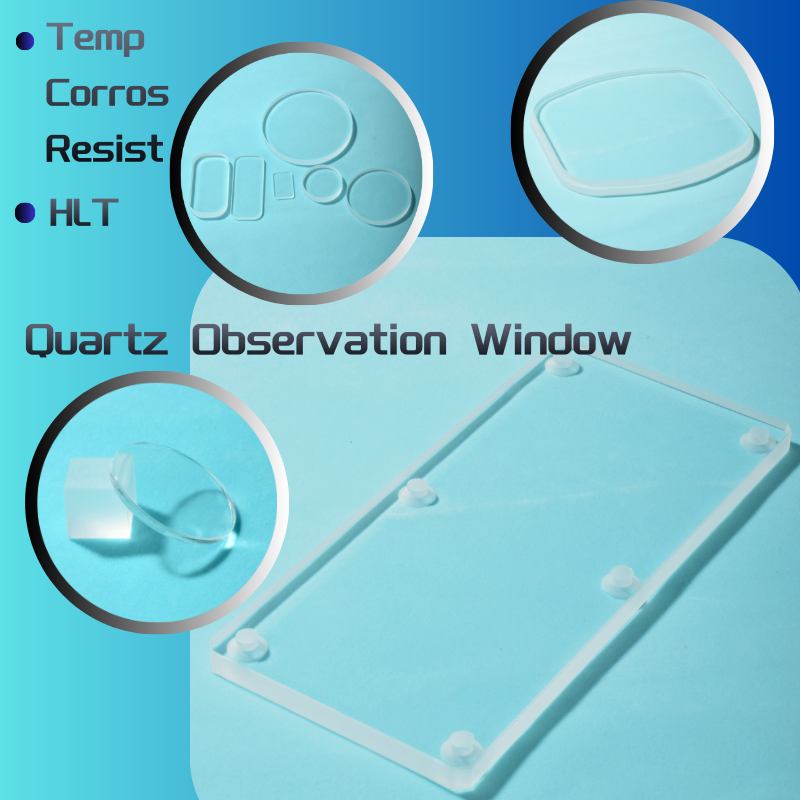
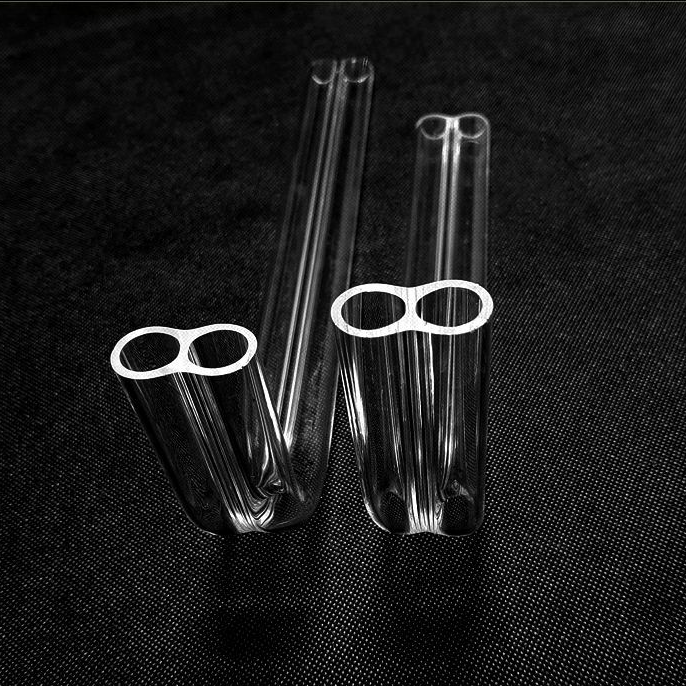
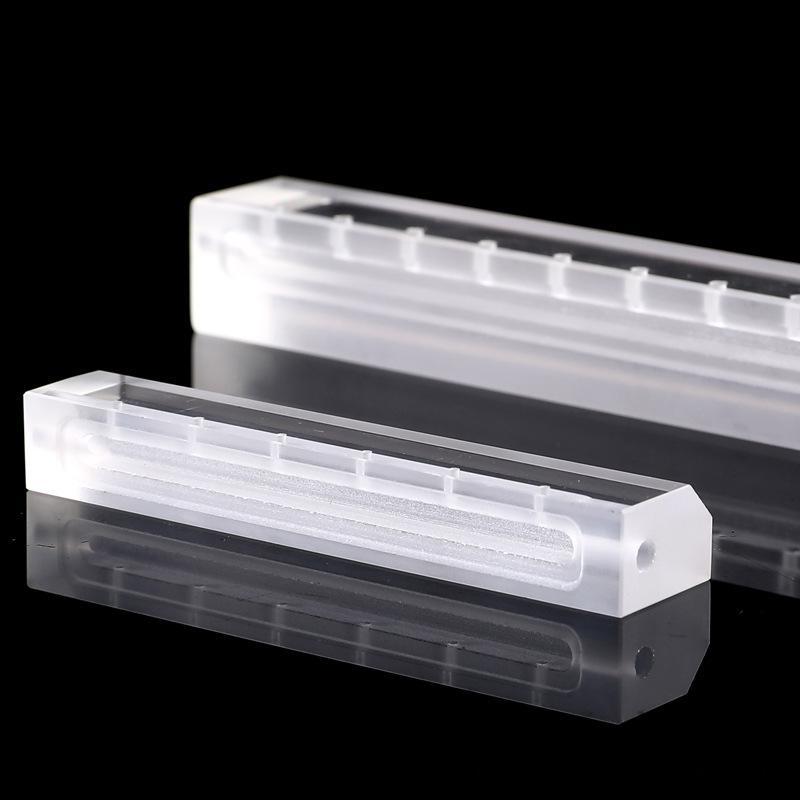
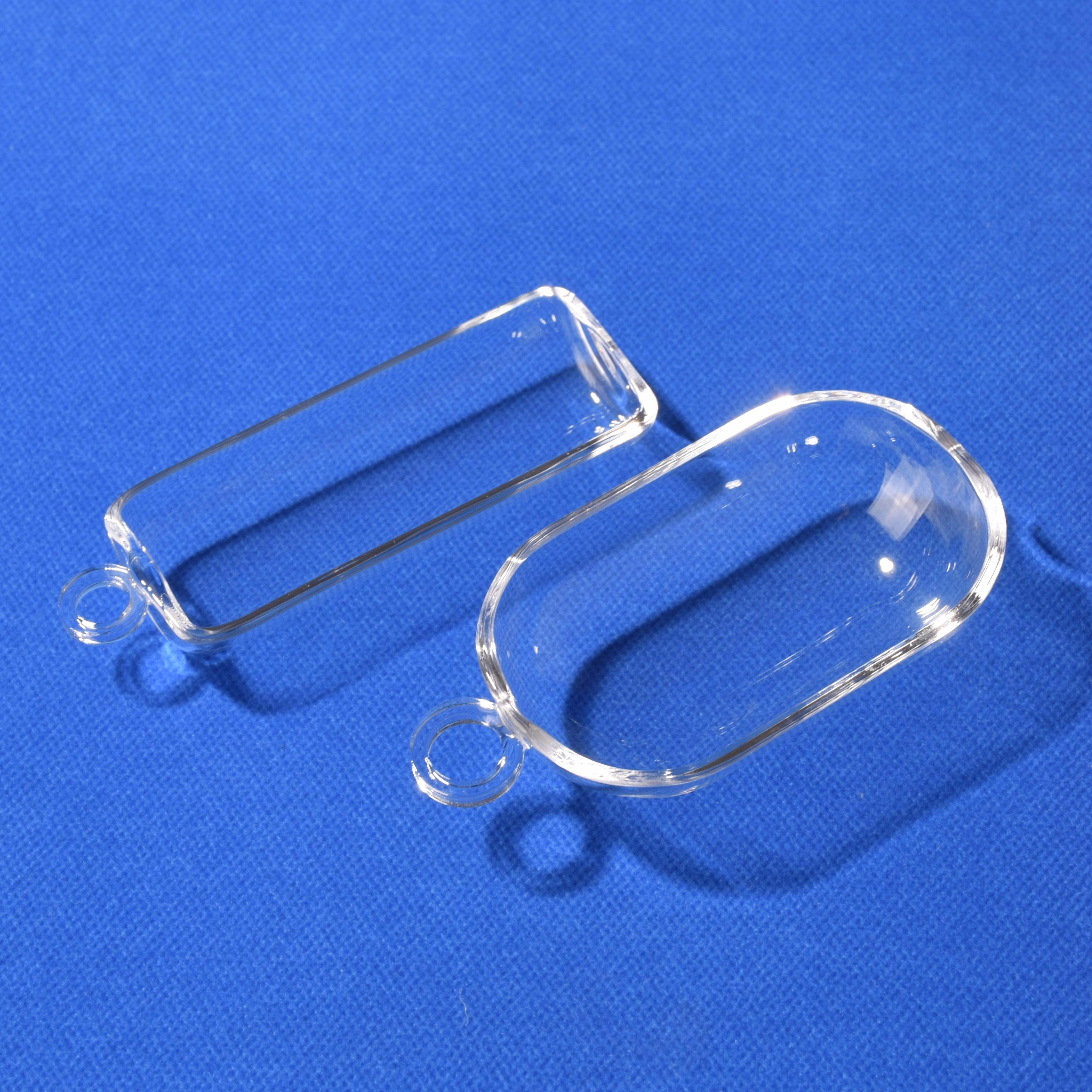
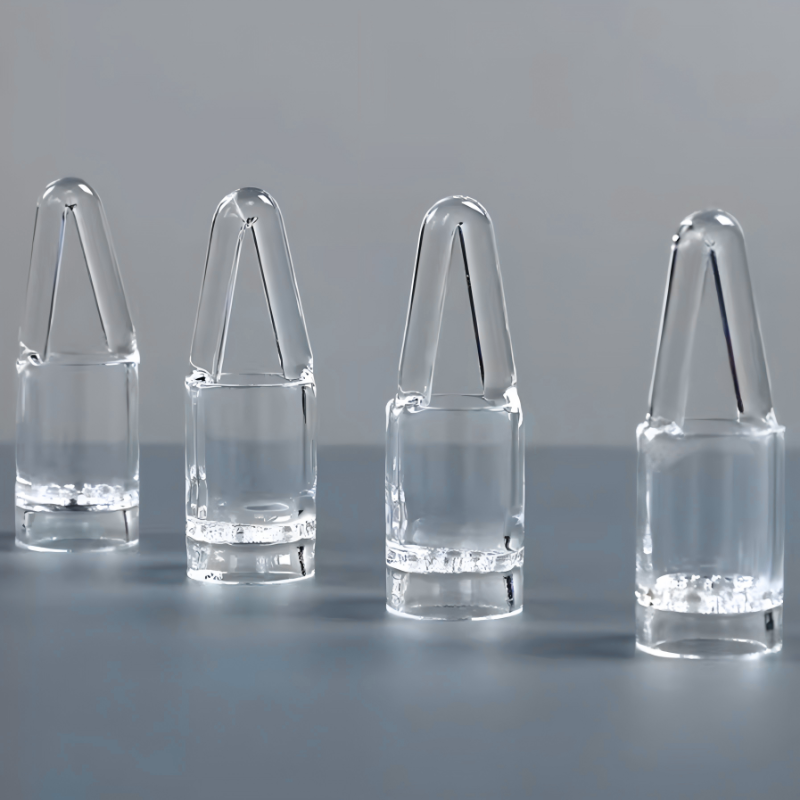
In high-vacuum, physical vapor deposition (PVD), plasma-enhanced chemical vapor deposition (PECVD), and reactive thermal processes, the optical sight glass serves as a safety-critical and process-critical barrier. For industrial facilities operating within the Balzers vacuum technology cluster in the Principality of Liechtenstein, system reliability depends upon sight glasses that maintain high optical transmittance, zero outgassing, and absolute structural integrity under extreme thermal gradients and mechanical vacuum differentials.
Standard borosilicate sight glasses (such as standard DIN 7080 formulations) exhibit rapid thermal bowing, surface devitrification, and structural stress when exposed to plasma bombardment, localized temperatures beyond 450°C, or aggressive halogenated etching gases. Fused quartz glass sight glasses, engineered from high-purity natural silica sand from Donghai's world-leading mineral deposits, overcome these limitations through an ultra-low coefficient of thermal expansion (5.5 × 10⁻⁷ /°C), exceptional dielectric strength, and a maximum short-term operating ceiling of 1450°C.
When selecting viewport substrates for high-load chamber viewports, sight windows for liquid metal evaporation, or laser ablation chambers, engineers must balance optical clarity against thermodynamic stability. Below is an empirical physical-property comparison matrix:
| Physical / Mechanical Property | High Purity Fused Quartz (Vulra) | Borosilicate Glass 3.3 (DIN 7080) | Synthetic Sapphire (Al₂O₃) |
|---|---|---|---|
| Chemical Composition | SiO₂ > 99.99% – 99.999% | SiO₂ ~81%, B₂O₃ ~13%, Na₂O+Al₂O₃ | Single Crystal Al₂O₃ > 99.99% |
| Max Continuous Temperature | 1100 °C | 450 °C (Tempered: 280 °C) | 1600 °C |
| Thermal Shock Resistance (ΔT) | > 1000 °C (Water Quench Proof) | 150 °C – 180 °C | 300 °C – 400 °C |
| Thermal Expansion (0–300°C) | 5.5 × 10⁻⁷ K⁻¹ | 32.5 × 10⁻⁷ K⁻¹ | 58 × 10⁻⁷ K⁻¹ |
| Helium Permeability Rate | Ultra-Low (< 1×10⁻¹⁰ mbar·l/s seal) | Moderate (Outgassing risks in UHV) | Zero (Hermetic) |
| UV-Vis Spectral Transmission | 190 nm – 2500 nm (> 90%) | 320 nm – 2200 nm | 200 nm – 5000 nm |
| Stress Birefringence / Quality | < 5 nm/cm (Precision Annealed) | > 25 nm/cm | Birefringent (C-plane needed) |
For pressure vessels and high-vacuum enclosures operating throughout Balzers and the European Union, circular sight glasses are calculated based on modified flat-plate stress formulas. Under DIN 7080 standards for clamped circular sight glass discs, minimum thickness is determined by working pressure, free unsupported diameter, and the permissible bending stress:
d = Dm * sqrt( (3 * p * S) / (8 * σ_b) )
Where:
d = Minimum required plate thickness (mm)
Dm = Mean sealing diameter (mm) = (D_inner + D_gasket) / 2
p = Maximum permissible internal design pressure or full vacuum differential (bar)
σ_b = Minimum bending tensile strength of fused quartz (≈ 48 - 50 N/mm²)
S = Safety factor (typically S ≥ 5 for hazardous thermal vacuum installations)
Because fused quartz provides substantially higher elastic modulus (72 GPa) and higher thermal endurance than soda-lime or borosilicate materials, thinner profiles can be deployed in space-constrained vacuum flange ports (CF, ISO-KF, and ISO-K architectures) without risking brittle fracture due to localized thermal gradients.
Chamber viewports manufactured by Vulra Quartz for clients in Balzers are precision-ground to planar surface tolerances of λ/4 per 25mm diameter with fine-ground, bevel-polished edges. When assembled with Viton, Kalrez, or copper wire diffusion seals inside stainless steel (1.4404 / 316L) bezels, our fused quartz viewports routinely demonstrate helium leak tightness exceeding 1 × 10⁻¹⁰ mbar·l/s. This prevents trace atmospheric moisture or oxygen backstreaming into advanced electron-beam evaporation or ion-assisted deposition runs.
Balzers stands at the epicenter of Europe's thin-film coating, precision optics, and ultra-high vacuum hardware sector. Our custom quartz sight glasses are engineered specifically to match the demanding operational parameters of local OEM machinery and high-tech research centers.
In Balzers-style industrial batch coaters and roll-to-roll thin-film systems, sight glasses provide real-time process monitoring of plasma glow discharge, magnetron targets, and vapor plumes. High-purity silica prevents thermal fracture when exposed to radiative heat from electron beam sources operating above 1000°C.
Modern thin-film production in Liechtenstein requires real-time monitoring of layer thickness and refractive index. Our optical grade quartz sight glasses (JGS1 / JGS2 equivalent) provide strain-free, low-birefringence transmission across the 190 nm to 2500 nm range, ensuring laser probe signals remain free from phase distortion.
In RTP, diffusion, and oxidation furnaces where silicon or compound semiconductor wafers undergo rapid thermal cycling (ramping at > 50°C/second), our fused quartz sight plates withstand severe localized thermal differentials without micro-cracking or dimensional instability.
Precision metallurgical sintering and metal additive manufacturing in the Rhine Valley depend on viewports that resist metal vapor etching. Vulra's polished quartz observation discs can be easily matched with sacrificial quartz cover slips to preserve primary chamber window integrity over months of continuous production.
For automated optical Pyrometry and fiber-coupled infrared thermal sensors measuring substrate temperatures within Balzers coating reactors, our hydroxyl-controlled (low-OH) quartz discs minimize absorption dips at 2.2 µm and 2.7 µm, guaranteeing uncorrupted thermal feedback.
Serving R&D departments across Liechtenstein, Buchs (SG), and surrounding universities, Vulra supplies custom 1-piece quartz windows with precision stepped counterbores, drilled metric holes, and specialized fire-polished bevels configured directly from CAD 3D models.
The thin-film and precision equipment landscape in Liechtenstein and the border cantons of St. Gallen and Graubünden is undergoing rapid transformation, pushed by demand from next-generation microelectronics, optical communications, and clean energy storage:
1. Transition to Deep Ultraviolet (DUV) and Extreme UV Auxiliaries: As lithography tooling and advanced optical coating nodes shift toward deep-UV spectra (< 248 nm down to 193 nm), traditional optical glasses suffer from severe optical solarization and color-center formation. The regional demand is shifting decisively toward synthetic fused silica and high-purity natural fused quartz with controlled hydrogen/OH stoichiometry to guarantee stable transmittance over thousands of plasma hours.
2. Plasma Chemistry Resistance in Atomic Layer Deposition (ALD): Next-generation barrier films deposited by reactive ALD utilize aggressive precursor chemistries including chlorine, fluorine radicals, and ozone. Sight glass ports must possess ultra-low metallic impurity levels (< 0.2 ppm Fe, < 0.1 ppm Cu) to avoid catalytically accelerated clouding or chemical pitting that disrupts in-situ optical monitoring.
3. Seamless Cleanroom Integration (ISO 14644-1): Quality assurance engineers in Balzers increasingly mandate component-level cleanroom handling. Sight glasses must be acid-etched to strip loose surface particles, rinsed with 18.2 MΩ·cm deionized water, and sealed in double-layer anti-static vacuum packaging to allow immediate introduction into ISO Class 5 and Class 6 cleanroom assembly bays without secondary cleaning.
Headquartered in Donghai, the world's quartz capital, Lianyungang Vulra Quartz Products Co., Ltd. combines raw-material cost efficiency with world-class technical glass fabrication, verified on-site by TÜV Rheinland.
Authentic on-site assessment confirming full manufacturing and ODM production lines. Complete CE conformity, RoHS documentation, and transparent quality tracking.
Zero barrier to innovation: We machine custom sight glasses, furnace tubes, and test discs from 1 piece per your technical drawing, enabling rapid design verification.
Equipped with computerized diamond cold-cutting, multi-axis CNC glass machining, surface lapping, precision optical polishing, and oxy-hydrogen flame welding benches under one roof.
Every fabricated component undergoes prolonged programmable thermal annealing in electric muffle furnaces to eliminate residual strain birefringence (retardation < 5 nm/cm).
Direct technical and logistical answers addressing the practical procurement requirements of Swiss and Liechtenstein vacuum system integrators.
For standard circular and rectangular sight glasses, our default tolerance is ± 0.1 mm on outer diameter and thickness. For precision optical viewports and laser access windows, we regularly deliver ground and polished tolerances down to ± 0.02 mm, parallelism < 30 arcseconds, and surface roughness Ra < 0.5 nm (superpolished). Every dimension is verified via laser micrometer and coordinate measuring machines (CMM) before dispatch.
Because Liechtenstein forms a unified customs area with Switzerland, all shipments destined for Balzers comply with Swiss Federal Customs Administration (FOCBS) standards. We routinely ship via expedited air freight (DHL Express, FedEx, UPS) directly to Balzers (postal code LI-9496) under DAP or DDP terms. All commercial invoices feature accurate HS code classifications (typically 7002.31 or 7006.00 for fused silica/quartz) with full CE certificates and material inspection reports enclosed to ensure zero customs delays at Zurich hub or Buchs clearance ports.
Yes. We produce circular sight glasses corresponding to standardized DIN 7080 nominal dimensions (from DN 25 up to DN 300) as well as custom non-standard geometries. Using ultrasonic drilling and waterjet CNC cutting, we can incorporate precision bolt holes, stepped counterbores, o-ring grooves, and ground chamfers without edge micro-cracking or localized stress risers.
Natural fused quartz is melted from natural high-purity quartz crystal sand (99.99% – 99.999% SiO₂). It offers superior mechanical stiffness, high thermal shock resistance, and an exceptional cost-to-performance ratio for thermal chambers, viewport observation, and metallurgy. Synthetic fused silica is chemical-vapor synthesized from silicon tetrachloride precursors, yielding zero bubble inclusions, trace metallic impurities < 0.1 ppm, and enhanced transmission in the deep ultraviolet range (down to 185 nm). We guide procurement teams to select the exact grade matching their operational spectral band and budget.
Fragile quartz optics require engineered packaging. Each sight glass disc is thoroughly cleaned, sealed in dust-free peelable protective film, placed in tailored shock-absorbing high-density polyethylene (EPE) cell foam cutouts, and packed in reinforced multi-layer export cartons. Heavy or large-diameter orders (over 150 mm) are crated in custom fumigated plywood cases with internal suspension dampening, guaranteed to withstand high-altitude turbulence and transfer handling.
Every shipment is accompanied by a Certificate of Conformance (CoC), raw material spectral and chemical assay certificates, dimensional inspection protocols (including surface flatness and parallelism measurements where specified), and RoHS / REACH compliance statements. For vacuum critical batches, helium mass spectrometer leak check verification certificates can also be provided upon request.
Submit your 2D/3D CAD drawings (STEP, DWG, PDF) to Vulra's precision engineering desk. Our senior technical glass specialists evaluate wall thickness, pressure ratings, and thermal gradients, returning a verified production quote within 24 hours.