High-Performance Quartz Windows & Process Quartzware
Manufactured from ultra-pure natural and synthetic quartz crystals. Designed to withstand continuous thermal service up to 1100°C and transient peaks at 1450°C, providing total optical clarity across deep UV to near-infrared spectrums.
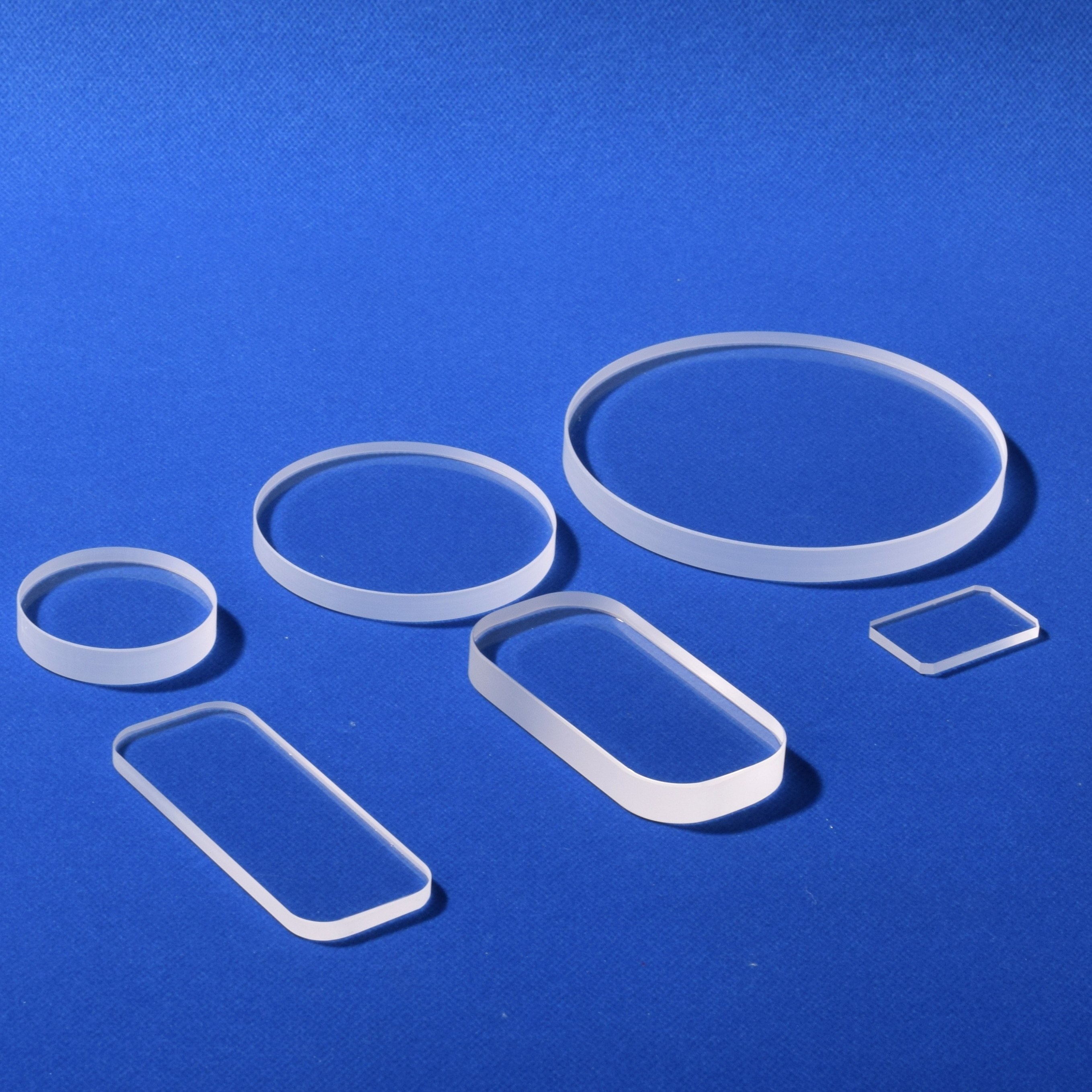
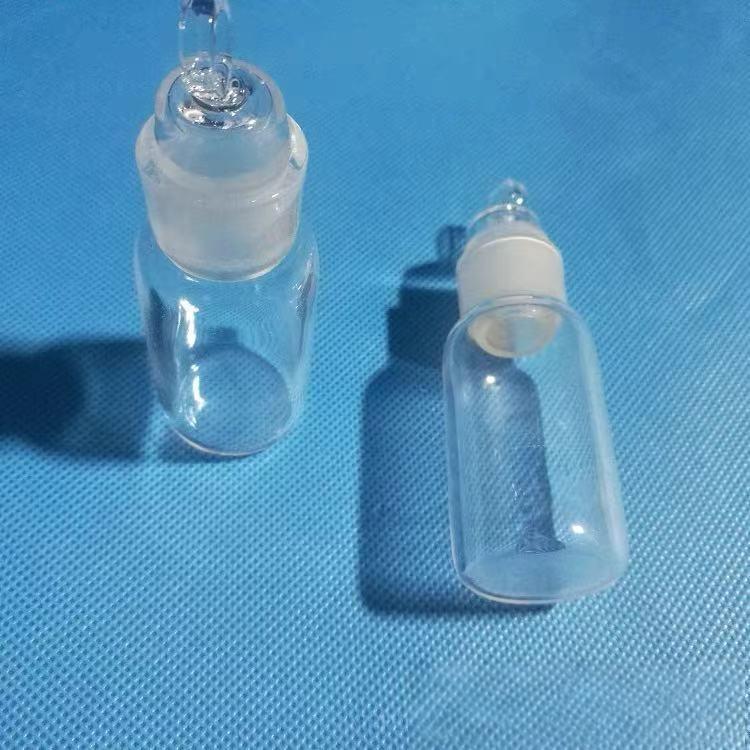
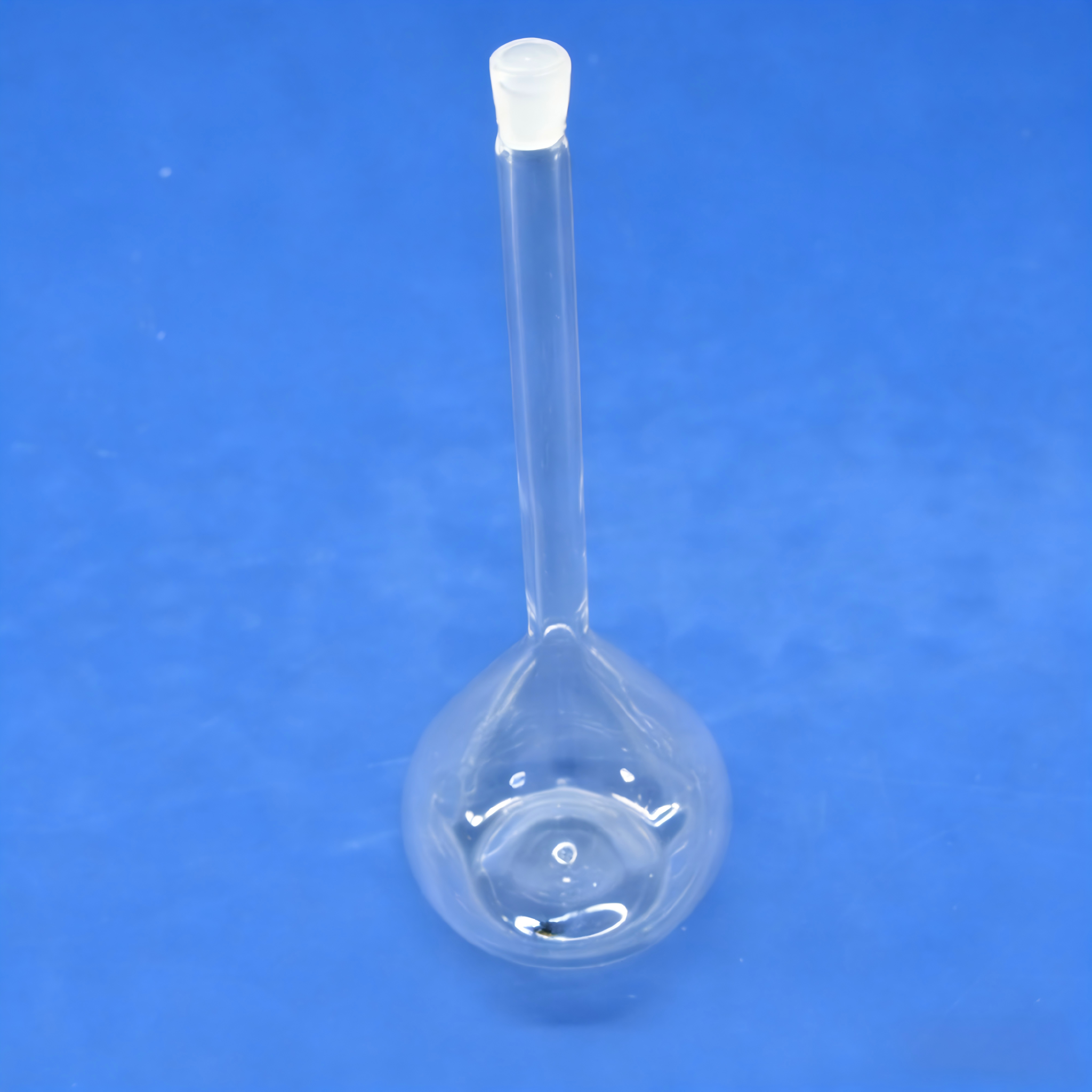
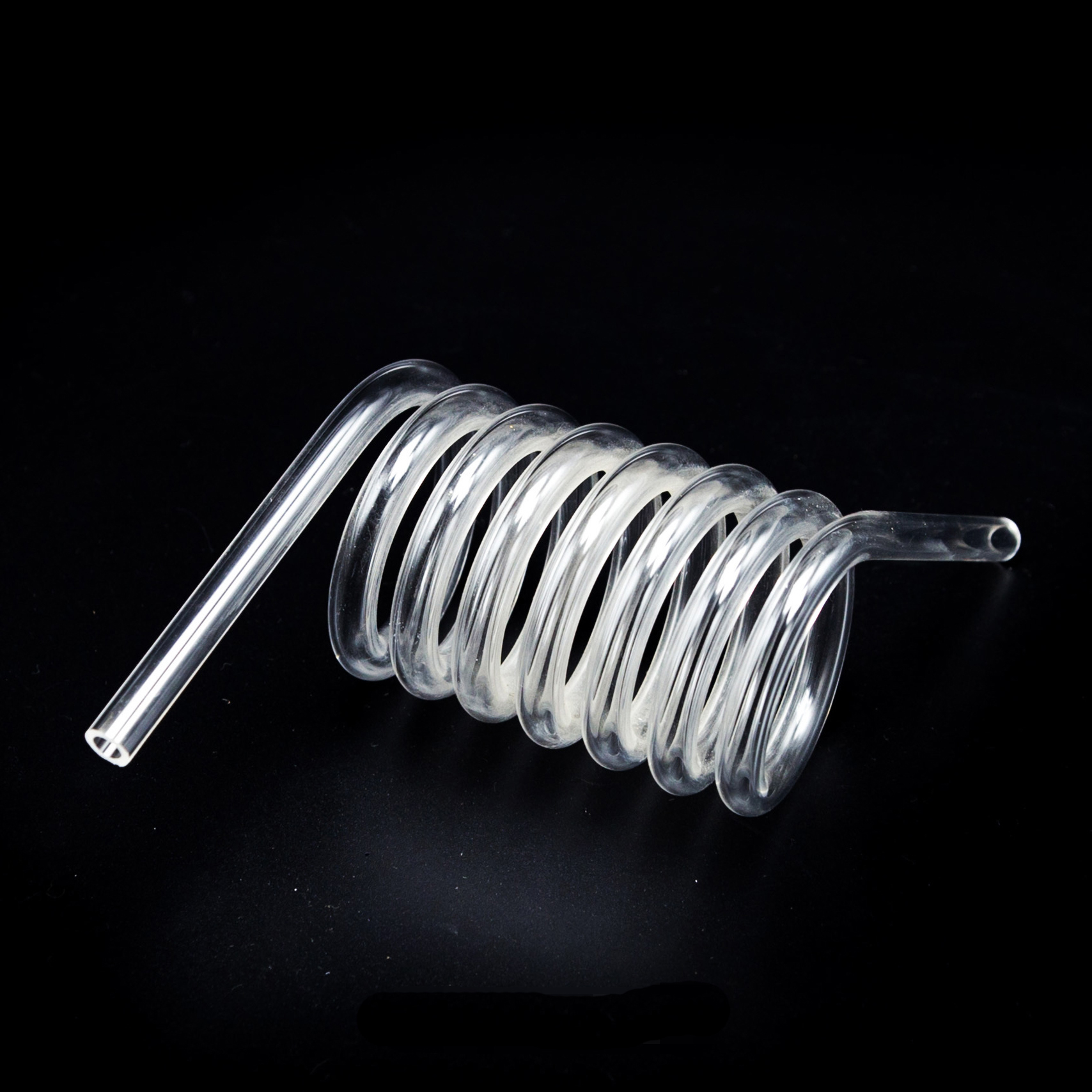
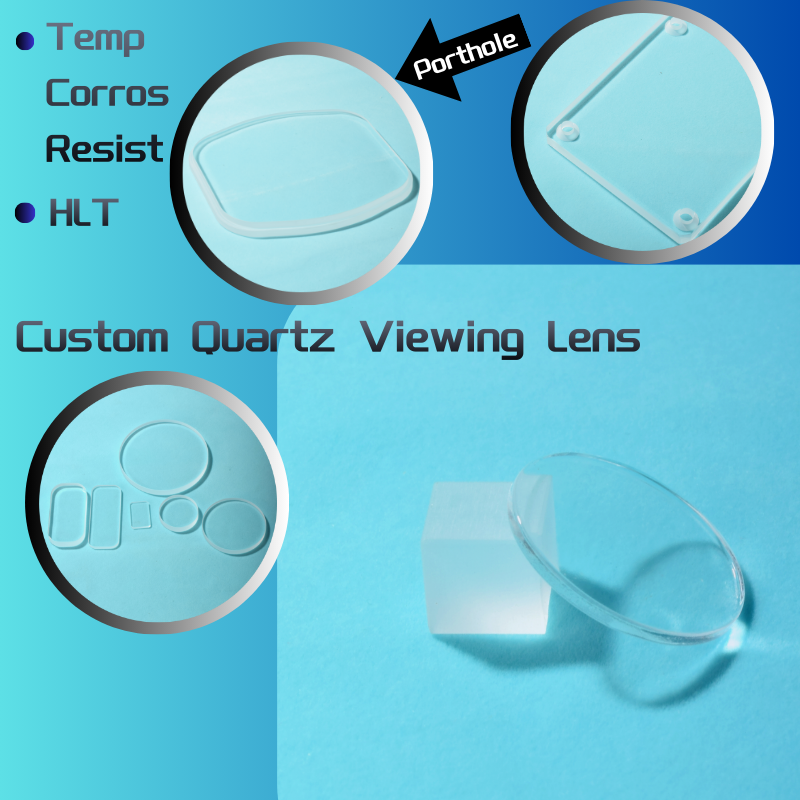
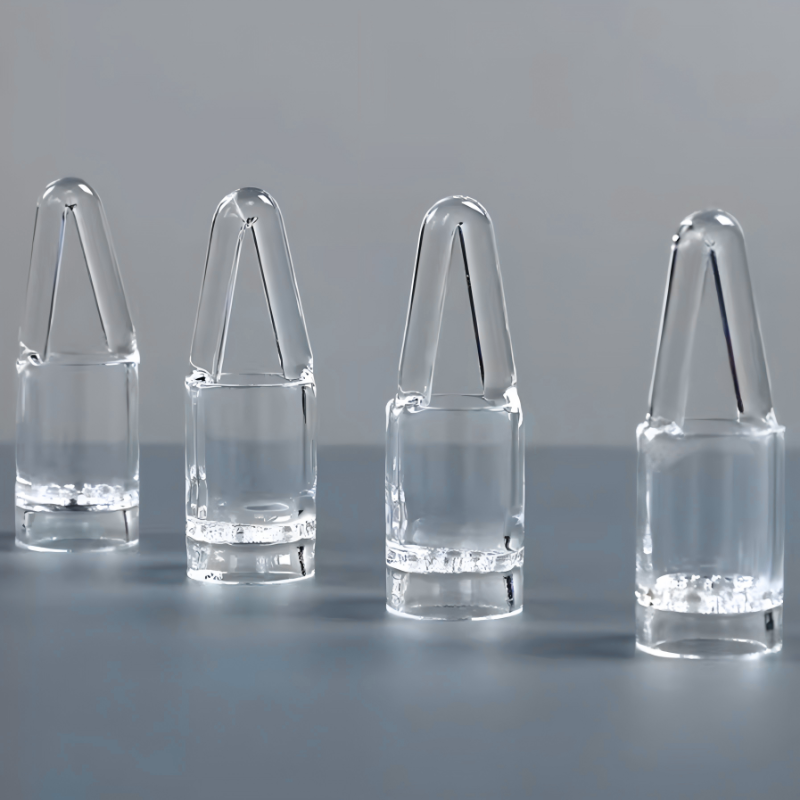
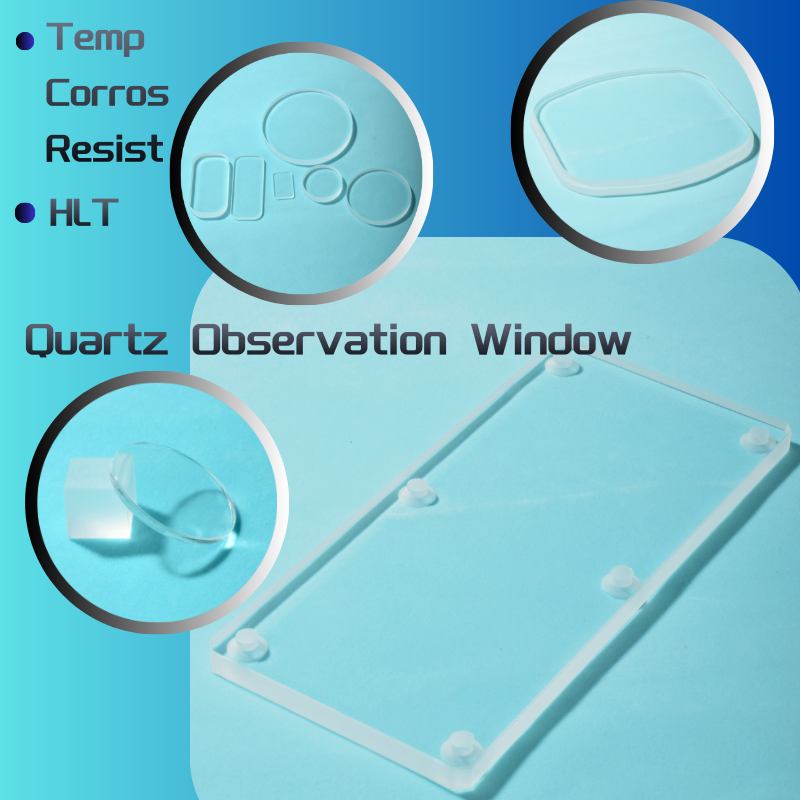
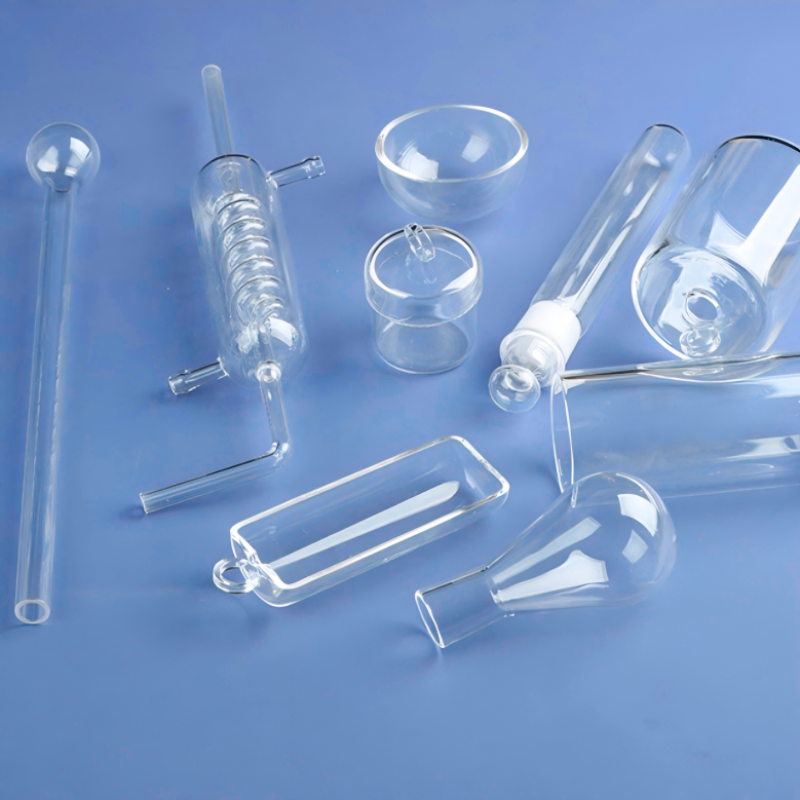
Engineering Quartz Observation Windows in the Baltic Maritime & Industrial Corridor
A rigorous examination of optical glass thermodynamics, mechanical stability under Baltic Sea saline atmospheric conditions, and strict DIN 7080 engineering tolerances for Klaipėda's chemical and marine processing plants.
Industrial observation ports in the Klaipėda region face unique multi-physics operating envelopes. Situated along the southeastern shore of the Baltic Sea, plants operating within the Klaipėda Free Economic Zone (FEZ), the Port of Klaipėda, and peripheral chemical processing complexes require sight glasses that simultaneously withstand cyclic marine chloride stress, broad cryogenic-to-pyrolytic temperature excursions, and intense autoclave pressures. While traditional borosilicate 3.3 sight glass (per DIN 7080) suffices for benign thermal loads up to 280°C, modern marine scrubbers, bio-refining reactors, and LNG vaporization lines operating in western Lithuania increasingly demand ultra-pure synthetic and natural fused quartz (SiO₂ ≥ 99.99%).
Fused silica manufactured by Vulra Quartz exhibits an extraordinarily low coefficient of thermal expansion (α = 5.5 × 10⁻⁷ K⁻¹ from 20°C to 1000°C), roughly one-sixth that of standard borosilicate glass. This gives our quartz observation windows an unmatched resistance to severe thermal shock: a red-hot quartz sight disc at 1100°C can be plunged immediately into 0°C Baltic ice water without lattice fracturing or optical hazing. For Klaipėda facility engineers, this intrinsic property prevents catastrophic pressure-vessel blowouts during emergency boiler quench procedures or abrupt liquid cargo purging.
From an optical transmission perspective, process monitoring in modern environmental emission scrubbers and photo-oxidation units requires deep UV sensitivity. Unlike borosilicate, which exhibits a sharp absorption cutoff below 300 nm, Vulra Quartz observation windows maintain exceptional optical transmittance exceeding 90% across the spectral band from 190 nm (UV-C) through 2500 nm (Near-Infrared). This broad transmission bandwidth is essential for laser spectroscopy, flame emission pyrometry, and real-time gas composition analysis in marine and industrial flue stacks compliant with IMO Annex VI standards.
Furthermore, chemical inertness remains decisive in Baltic operations. Fused quartz is completely inert to neutral, acidic, and saline solutions across ambient to elevated temperatures—reacting solely with concentrated hydrofluoric acid and strong alkaline solutions above 300°C. In the moist, high-sulfur and sodium-rich environments characteristic of marine exhaust cleaning and coastal fertilizer handling, our sight windows exhibit no surface devitrification or leaching, maintaining crystal-clear process visibility over extended operational cycles.
| Engineering Property | Vulra High-Purity Fused Quartz | Standard Borosilicate 3.3 | Aluminosilicate Glass |
|---|---|---|---|
| Chemical Purity (SiO₂ Content) | 99.99% – 99.999% | approx. 81% | approx. 64% |
| Maximum Continuous Operating Temp | 1100 °C | 280 °C | 650 °C |
| Maximum Short-Term Peak Temp | 1450 °C | 300 °C | 750 °C |
| Thermal Softening Point | 1683 °C | 820 °C | 910 °C |
| Coefficient of Thermal Expansion (CTE) | 0.55 × 10⁻⁶ /K (Extreme Stability) | 3.3 × 10⁻⁶ /K | 4.2 × 10⁻⁶ /K |
| Thermal Shock Resistance (ΔT) | > 1000 °C | 100 °C | 180 °C |
| Optical Cut-Off Wavelength (Deep UV) | 180 – 220 nm (Deep UV Clear) | approx. 310 nm | approx. 340 nm |
| Marine Saline Spray Resistance | Hydrolytic Class 1 / Zero Pitting | Hydrolytic Class 1 | Hydrolytic Class 2 |
Mission-Critical Application Scenarios in Klaipėda's Industrial Ecosystem
From the Curonian Lagoon to the offshore Baltic lanes, our precision quartz sight glasses deliver zero-failure performance across key infrastructure sectors.
Marine Exhaust Scrubbers & Ship Propulsion Systems
Shipbuilding and repair yards operating along the Smeltė peninsula (including Western Shipyard / Vakarų laivų gamykla) install our observation windows into closed-loop EGCS (Exhaust Gas Cleaning Systems) to monitor washwater turbidity and high-temperature diesel soot extraction.
- Withstands corrosive hot sulfuric acid condensates
- Resistant to high vibration from marine twin-stroke engines
- High optical transparency for optical turbidity meters
Cryogenic LNG Terminals & Bunkering Facilities
Klaipėda's pivotal role as the Baltic energy hub, centered around the KN Energies LNG terminal and FSRU "Independence", requires inspection windows capable of handling extreme cryogenics (-162°C) without embrittlement or micro-fracturing under rapid pressure changes.
- Tested for liquid methane cryo-shock to ambient cycling
- Helium leak tested up to 40 bar pressure differentials
- Zero micro-crack propagation under cryogenic loads
Chemical Reactors & Bio-Refining in Klaipėda FEZ
Facilities in the Klaipėda Free Economic Zone synthesizing polymers, bio-fuels, and industrial chemicals utilize our custom flange sight glasses in high-pressure autoclaves to visually inspect polymerization, phase separations, and catalytic transformations.
- Complete inertness to organic esters, acids, and aromatics
- Flanged configurations engineered to DIN EN 1092-1
- Precision optical polishing down to Ra < 0.5 nm
Klaipėda Market Trends & Regulatory Shifts (2025–2030)
How European decarbonization policies, Baltic marine sulfur caps, and green hydrogen investments are transforming industrial glass procurement specifications.
Baltic ECA & Strict Maritime Emission Monitoring
Under the Baltic Sea Emission Control Area (SECA) guidelines, vessels entering Klaipėda Port face strict 0.10% sulfur caps. This has accelerated retrofits of continuous multi-gas emission systems (CEMS) where quartz observation windows are necessary to preserve UV laser spectrometer signals without optical degradation.
Clean Energy & Hydrogen Grid Blending
Lithuania's strategic transition toward hydrogen production in coastal hubs is pushing operating temperatures in gas-blending test furnaces and electrolysis chambers beyond the endurance thresholds of borosilicate glass, sparking a rapid replacement cycle toward fused silica observation discs.
Direct OEM Sourcing & Drawing-Based Agility
Procurement teams at Western Lithuanian industrial facilities are bypassing traditional European tier-3 resellers to shorten lead times. Sourcing directly from verified custom quartz factories with full drawing-based OEM capability reduces project turnaround from 16 weeks to less than 18 days.
Direct Manufacturer Advantage from Donghai, the Quartz Capital
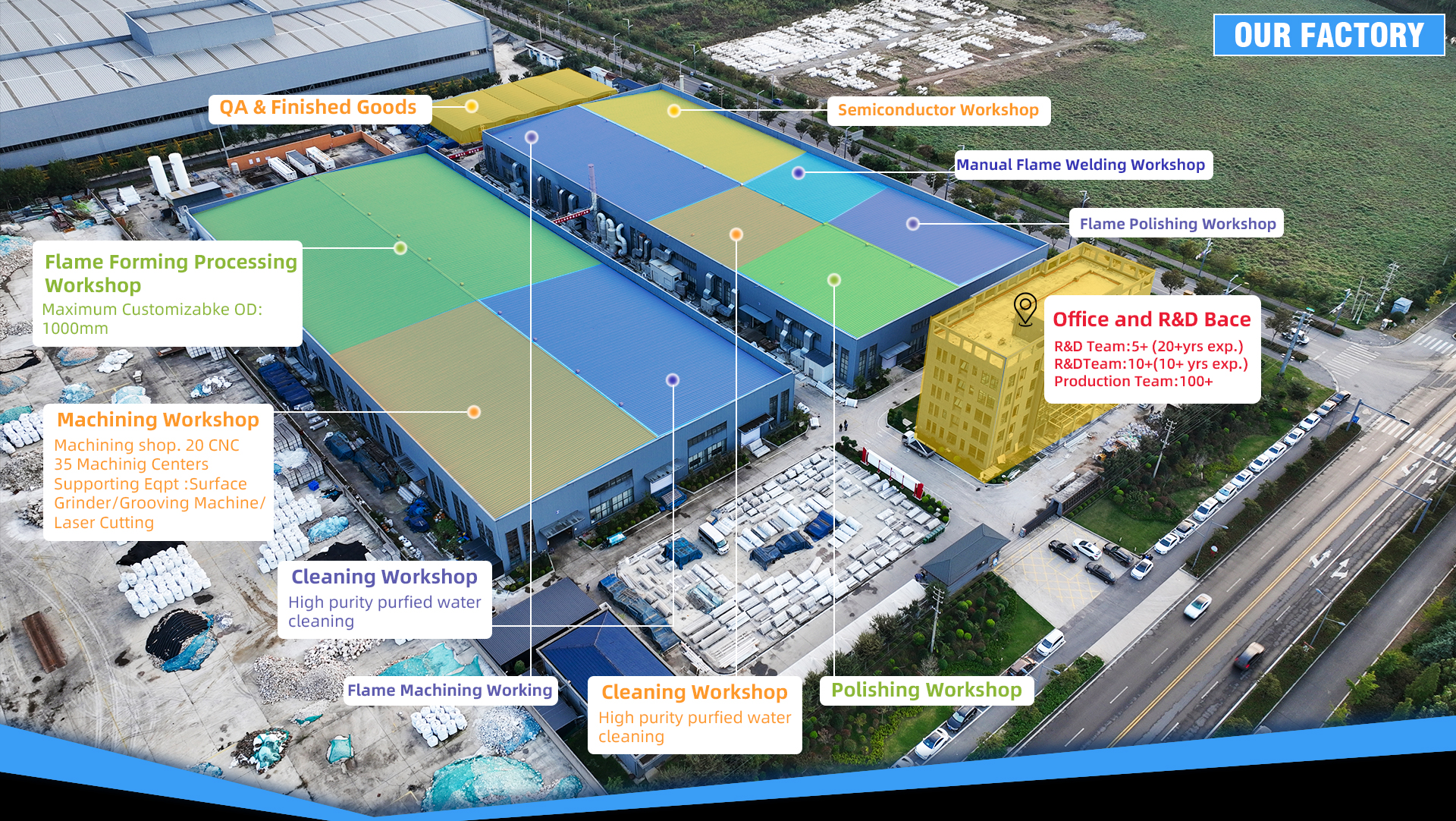
Lianyungang Vulra Quartz Products Co., Ltd. is situated in the world's premier quartz crystal and refined sand cluster. Our integrated manufacturing hub covers over 10,000 square meters of specialized hot-working flame benches, computer-controlled precision slicing, surface planar grinding, and ultra-high-vacuum optical coating facilities.
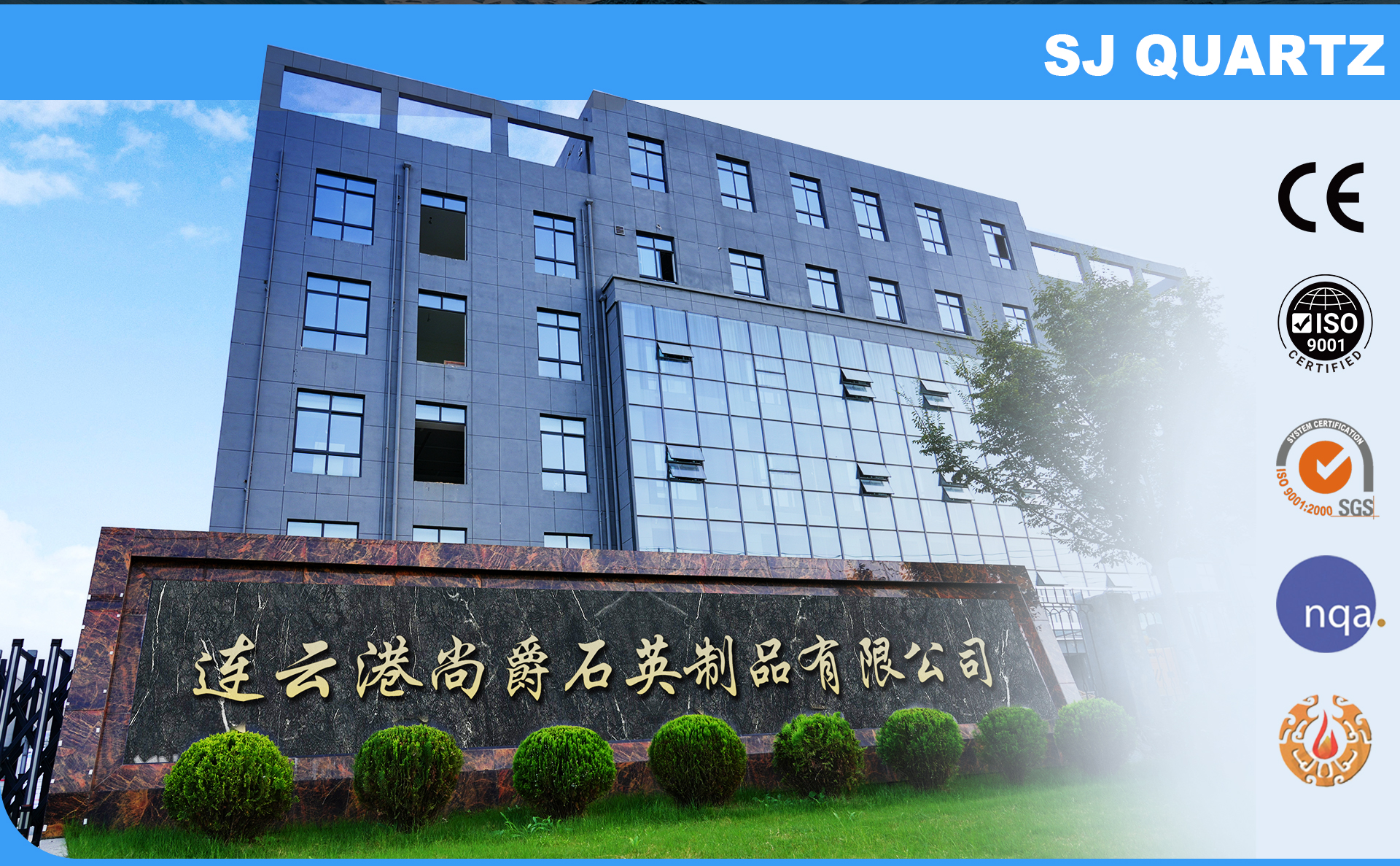
Every observation window shipped to the Baltic States is backed by an independent on-site audit from TÜV Rheinland, CE-mark conformity for pressurized equipment directives (PED), and comprehensive RoHS environmental certification. Our engineers review your technical 2D/3D CAD drawings (DWG, STEP, PDF) to verify pressure safety factors, thermal gradient thresholds, and mounting gasket compatibilities prior to CNC fabrication.
 TÜV On-Site Verified
 CE Compliant Line
 RoHS Certified Safe
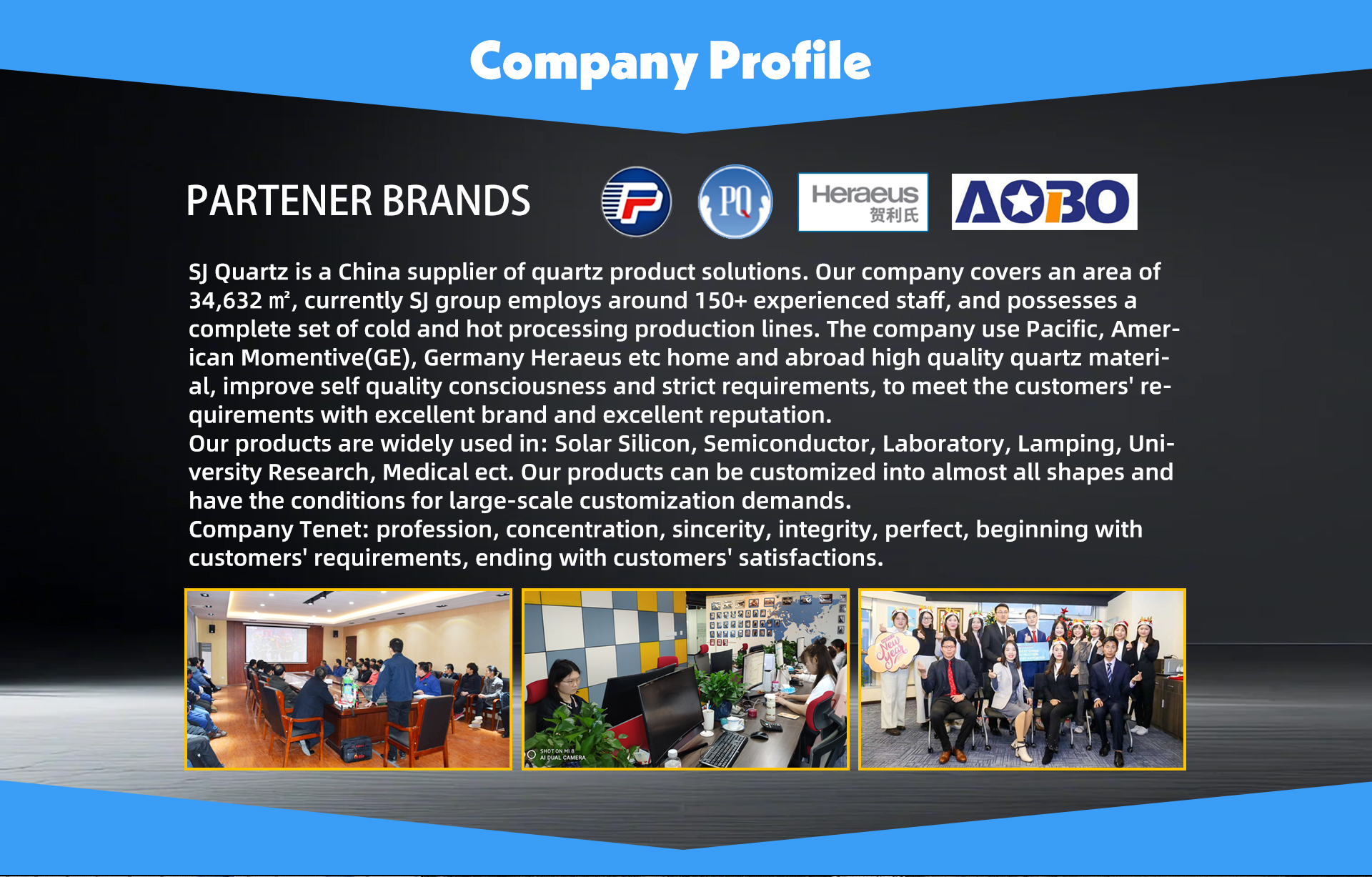
In-House Specialized Processing for Precision Observation Windows
From raw crystal ingot melting to cleanroom packaging, every process is controlled under ISO 9001 quality management systems.
Frequently Asked Questions by Industrial Buyers in Klaipėda
Engineered answers addressing local Baltic marine environments, DIN flange standards, and customs logistics.
Q1 What pressure limits can your quartz observation windows support in marine scrubbers?
Pressure tolerance is determined by the ratio of clear unsupported diameter to disc thickness, calculated via the DIN 7080 formula with an engineering safety factor of ≥8. For standard maritime flue-gas scrubbing in Klaipėda vessels, our 15mm-thick, 100mm-diameter sight discs comfortably operate up to 25 bar (2.5 MPa) continuous working pressure with short-term hydrostatic proof ratings up to 60 bar.
Q2 How does coastal Baltic saline air affect quartz glass compared to borosilicate glass?
Borosilicate glass contains sodium and boron network formers which, under decades of continuous Baltic marine salt-fog (sodium chloride aerosol) and flue gas condensation, can experience slow alkaline surface leaching and iridescent hazing. In contrast, Vulra's fused quartz is 99.999% pure silica (SiO₂) with zero sodium oxides in its matrix, ensuring that it remains totally non-hygroscopic and immune to marine salt-fog pitting.
Q3 Can you manufacture custom dimensions and eccentric bolt-hole patterns according to our drawings?
Yes. We specialize in bespoke OEM drawing-based manufacturing. Utilizing 5-axis CNC ultrasonic diamond milling machines, we can produce round, square, elliptical, or stepped observation windows with integrated countersunk bolt holes, chamfered sealing steps, and ground peripheral edges down to ±0.02 mm tolerances from your CAD files.
Q4 What is the typical shipping lead time to the Klaipėda Seaport or Klaipėda FEZ?
For custom prototype samples (1 to 10 pcs), production takes 5 to 8 business days. Air express delivery (DHL/FedEx Priority) directly to Klaipėda logistics parks or ship berths takes 4 to 6 business days. For bulk commercial shipments, multimodal air or direct consolidated ocean container freight to the Port of Klaipėda is provided with comprehensive export packaging.
Q5 Are your quartz sight glasses compatible with cryogenic LNG applications (-162°C)?
Yes. Fused quartz maintains its mechanical strength and amorphous molecular stability down to absolute zero (-273°C) without cold-temperature embrittlement. For Klaipėda LNG bunkering and boil-off gas handling, we supply annealed quartz sight glasses pre-tested for cryogenic liquid nitrogen shock (-196°C) to ensure zero failure during emergency purging.
Q6 How are fragile quartz discs packaged to ensure zero transit damage across international borders?
Each quartz disc is individually acid-cleaned, cleanroom packed in vacuum sealed anti-static film, encased in high-density customized EPE shock-absorbent foam inserts, and secured in international export-standard multi-layer plywood cases reinforced with steel edge clamps to guarantee pristine condition upon arrival in Lithuania.
Accelerate Your Klaipėda Engineering Project Today
Whether you require a single high-pressure quartz prototype for a marine scrubber test or recurring batch supply for industrial chemical reactors in Klaipėda FEZ, our technical engineering team provides rapid drawing review, thermal analysis, and competitive factory-direct quotations.