High-Purity Quartz Vessels & Precision Components
Manufactured from premium Donghai natural crystal sand with SiO₂ purity up to 99.999%. Continuous operating stability at 1100°C with exceptional thermal shock resistance for Budapest's demanding lab environments.
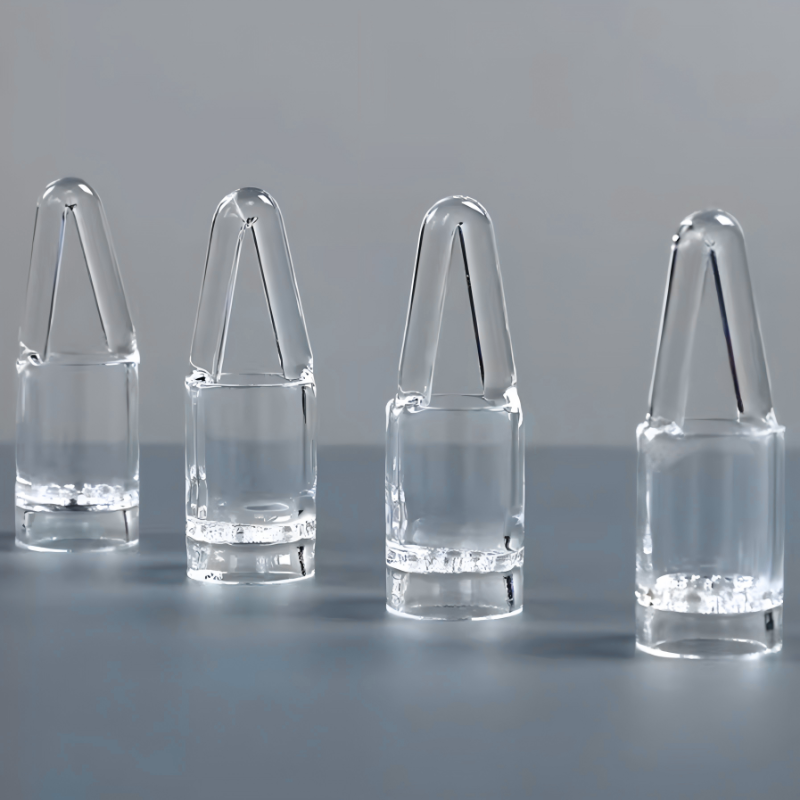
Quartz Crucible Acid/Alkali Resistant Basket Beaker Dome End
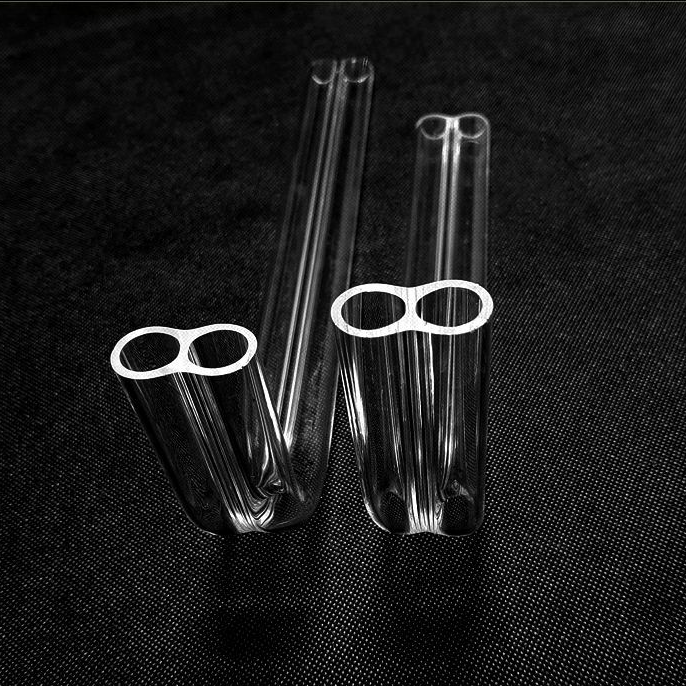
High-temperature (1100°C) Fused Quartz Right-angle Elbow
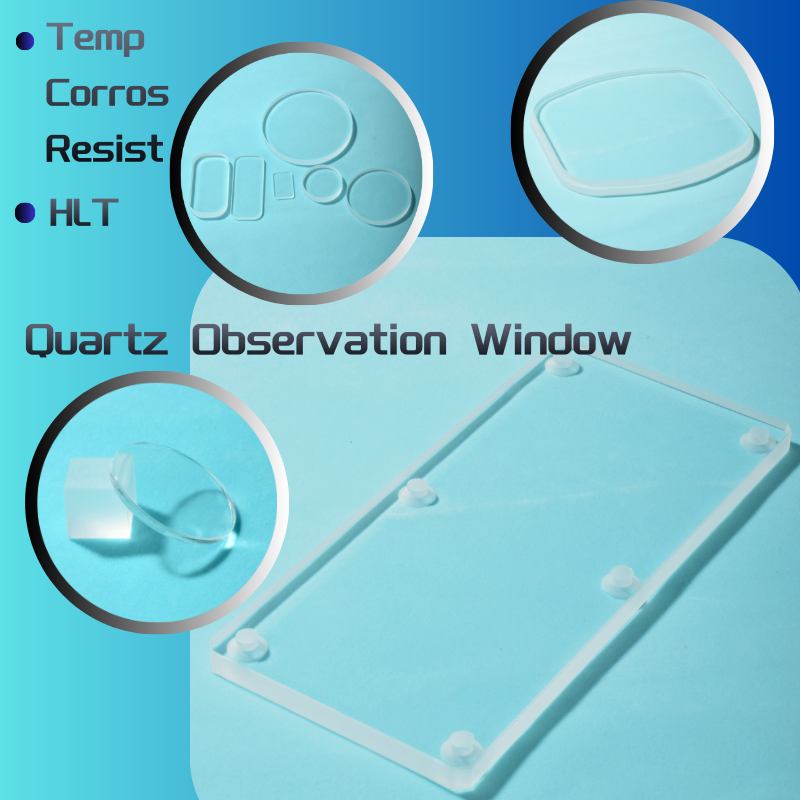
SJ Natural Fused Quartz Polished Plate Optical Clear
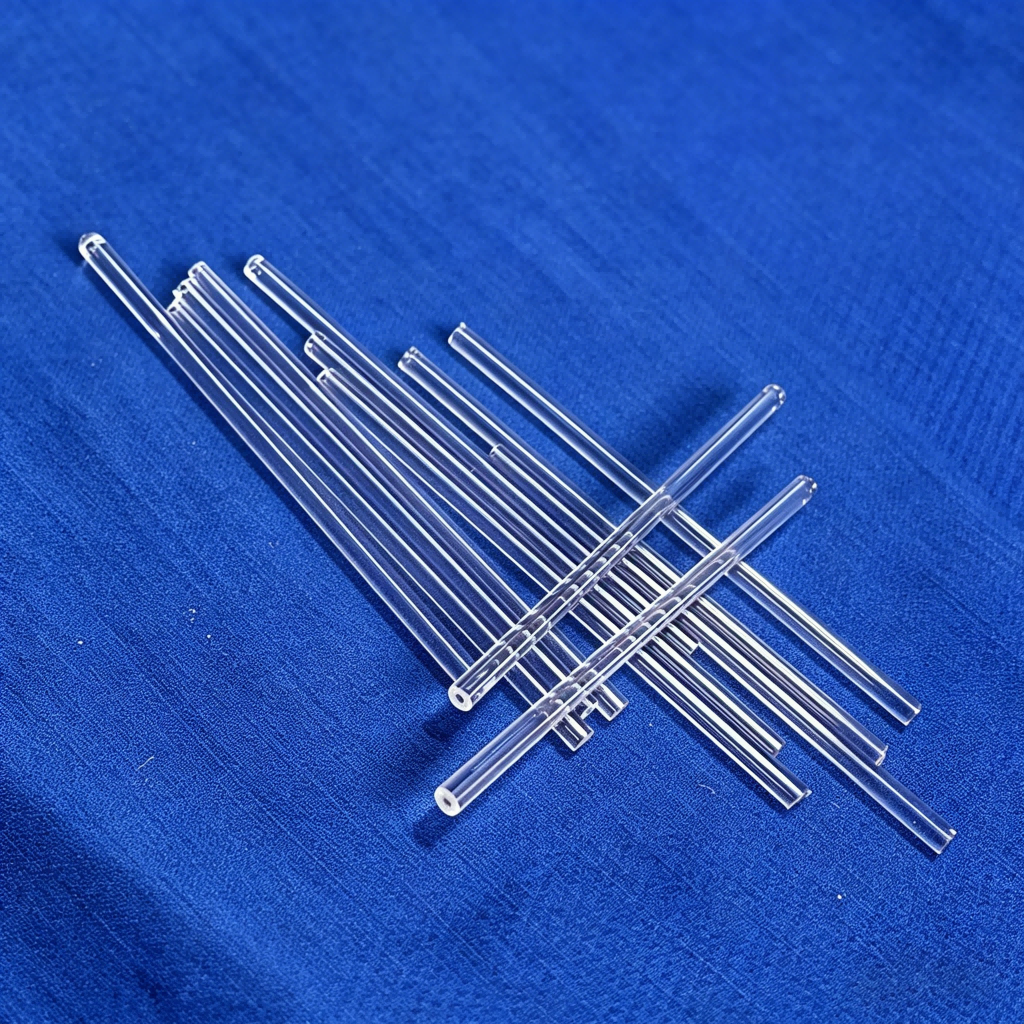
High Purity Opaque & Clear Micro Capillary Quartz Tube
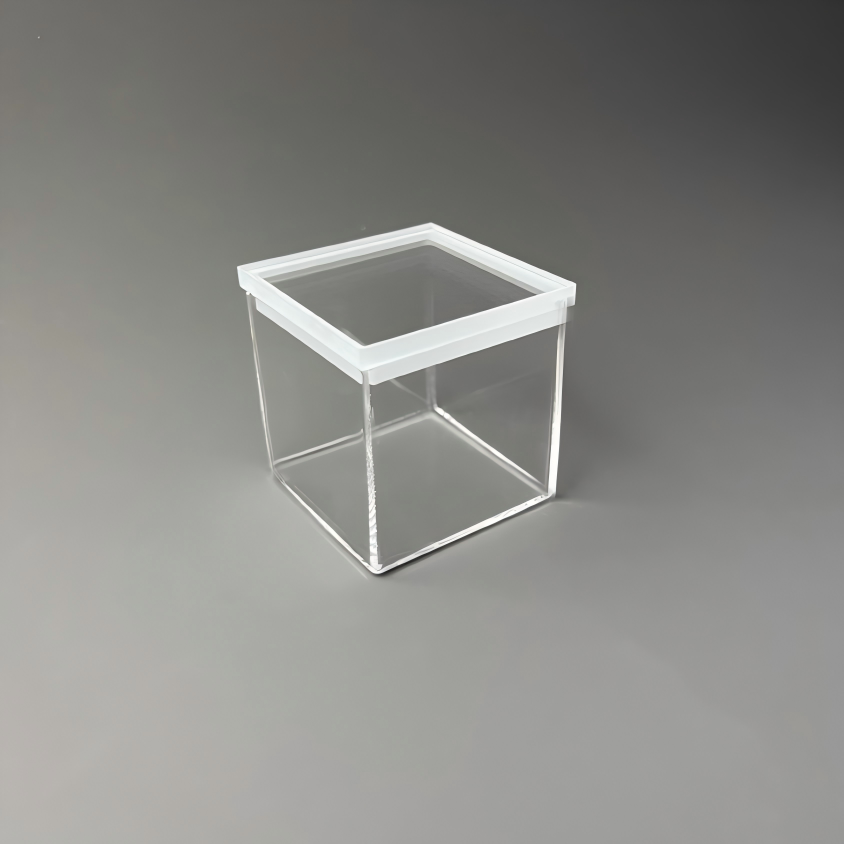
Quartz Glass Sealed Electrolytic Cell Dome Closed End
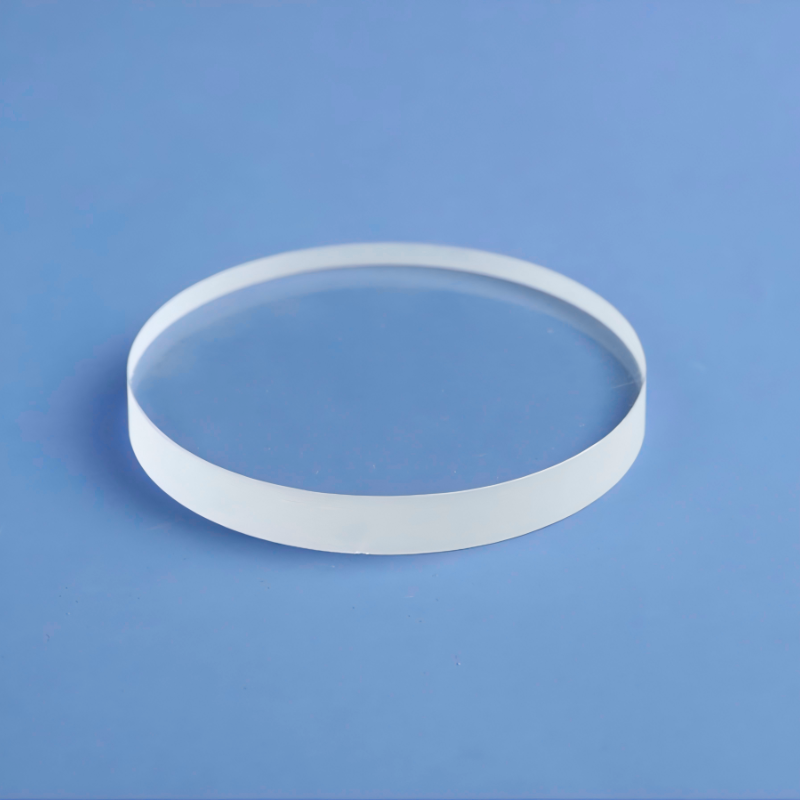
High Temp Clear Sapphire & Fused Silica Quartz Tablets
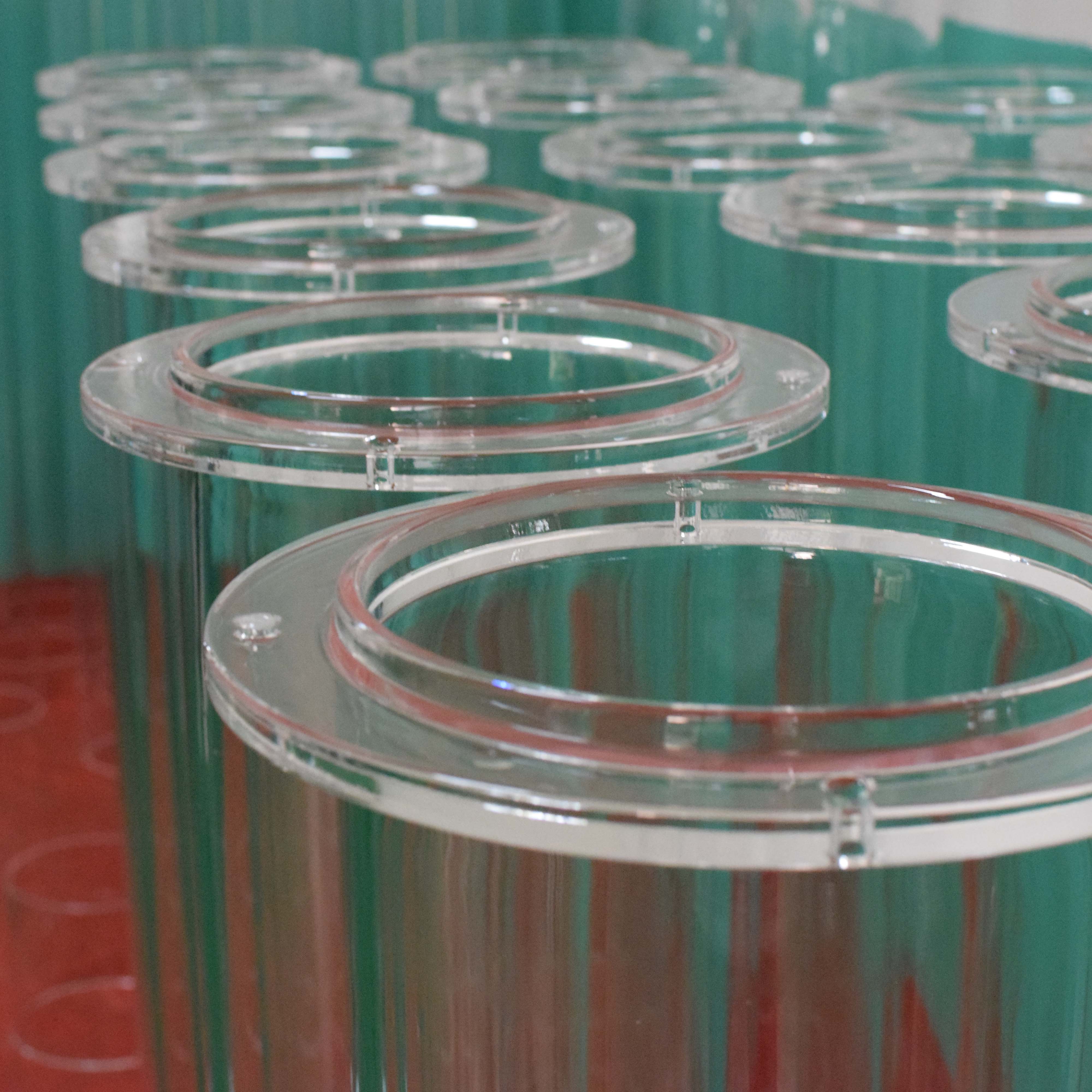
High Purity 99.999% Quartz Glass Tube Flange Container
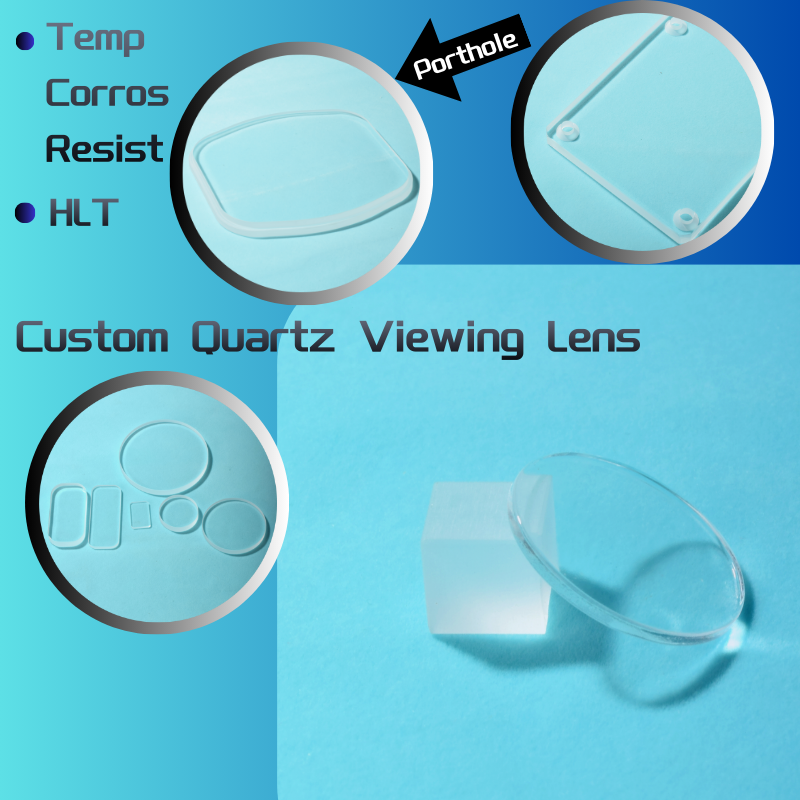
SJ 126 Natural Fused Quartz Square Thin Glass Slide
99.999%
Maximum SiO₂ Purity
1683°C
Softening Temperature Point
1 PC
OEM / Drawing Prototype MOQ
TÜV Rheinland
On-Site Verified Facility
Thermodynamics & Chemical Inertness of High-Purity Fused Quartz Beakers
A rigorous metallurgical and chemical evaluation for laboratory managers, procurement engineers, and academic researchers in Budapest evaluating glass substrate transitions.
When selecting laboratory vessels for high-stress analytical operations, the mechanical and thermodynamic disparity between standard borosilicate glassware (such as standard ISO 3819 borosilicate 3.3) and amorphous fused quartz (vitreous silica) is critical. Vulra Quartz manufactures fused quartz beakers derived from high-purity natural silica sand from Donghai, creating a continuous, three-dimensional silicon-oxygen tetrahedral (SiO₄) network that is virtually devoid of modifier cations like boron, sodium, calcium, or aluminum.
This absence of alkali and alkaline-earth network modifiers confers exceptional properties. Standard borosilicate begins structural relaxation around 500°C and softens near 820°C. In contrast, fused quartz beakers withstand continuous exposure up to 1100°C and short-term thermal excursions up to 1450°C, with a softening point of 1683°C. For chemical digestion, acid evaporation, and high-temperature thermal synthesis in Budapest laboratories, fused quartz eliminates the risk of devitrification and catastrophic thermal shock.
Chemical Leachability and Resistance Profile
In trace elemental analysis (ICP-MS, ICP-OES) conducted across pharmaceutical facilities in Budapest's Kőbánya district and university laboratories along the Danube, background contamination from borosilicate glass is an ongoing challenge. Under aggressive acid digestion using concentrated nitric acid (HNO₃), perchloric acid (HClO₄), or aqua regia, standard laboratory glassware leaches trace amounts of Boron (B), Sodium (Na), Silicon (Si), and Iron (Fe). Vulra Quartz fused quartz beakers, possessing a purity rating of 99.99% to 99.999% SiO₂, act as chemically inert barrier vessels. Fused quartz is completely immune to attack by all acids regardless of concentration and temperature, with the exception of Hydrofluoric Acid (HF) and concentrated Phosphoric Acid (H₃PO₄) above 300°C.
| Property Parameter | Standard Borosilicate 3.3 | Natural Fused Quartz (Vulra) | Synthetic Fused Silica |
|---|---|---|---|
| Chemical Purity (SiO₂) | ≈ 81% | 99.99% – 99.999% | > 99.9999% |
| Coefficient of Thermal Expansion (CTE) | 3.3 × 10⁻⁶ /°C | 5.5 × 10⁻⁷ /°C | 5.0 × 10⁻⁷ /°C |
| Max. Continuous Working Temperature | 450°C – 500°C | 1100°C | 1150°C |
| Softening Point | ≈ 820°C | 1683°C | ≈ 1730°C |
| Thermal Shock Resilience (ΔT) | ≈ 150°C | > 1000°C (Quench Safe) | > 1000°C (Quench Safe) |
| UV Cutoff Transmission Wavelength | ≈ 310 nm | ≈ 220 nm (Optical Clear) | < 180 nm (Deep UV Excimer) |
| Dielectric Strength (20°C, 1MHz) | ≈ 10 kV/mm | 25 – 40 kV/mm | 40 – 50 kV/mm |
Localized Applications Across Budapest’s Strategic Sectors
From the historic chemical synthesis strongholds of Pest to dynamic EV battery R&D centers across the metropolitan greenfield corridor, our fused quartz solutions solve specific high-temperature and chemical handling challenges.
Pharmaceutical & API Synthesis
District X (Kőbánya) & Óbuda ClustersBudapest represents the pharmaceutical manufacturing heart of Central and Eastern Europe, anchored by major firms such as Richter Gedeon, Egis Pharmaceuticals, and specialized formulation research institutes. In active pharmaceutical ingredient (API) reflux synthesis, acid digestion, and solvent evaporation, standard glassware poses contamination risks from boron and sodium dissolution. Vulra Quartz beakers and round-bottom flasks guarantee zero elemental ionic migration, preserving purity profiles in compliance with European Pharmacopoeia (Ph. Eur.) monographs.
Battery Chemistry & EV Megafabs
Pest Metropolitan & Central CorridorHungary has positioned itself as one of the world's leading lithium-ion battery manufacturing hubs, integrating global gigafactories (including CATL, Samsung SDI in nearby Göd, and SK Innovation) with technical testing headquarters throughout Budapest. Battery cathode precursor synthesis (NCM/LFP), electrolyte acid digestion, and dry powder sintering demand vessels that endure corrosive solvent attack at elevated temperatures. Our custom fused quartz beakers and cylindrical crucibles prevent catalytic contamination from trace nickel, iron, or cobalt ions.
Academic & Basic Physics Research
BME, ELTE & HUN-REN Wigner CentreInstitutions like the Budapest University of Technology and Economics (BME), Eötvös Loránd University (ELTE), and the HUN-REN Wigner Research Centre for Physics operate cutting-edge spectroscopy, plasma diagnostics, and photoelectrochemical facilities. Research teams frequently require sealed quartz electrolytic cells, zero-background XRD sample plates, and customized beakers fitted with optical sight windows. Vulra Quartz offers direct drawing-based prototyping from a single unit, eliminating standard distribution markups.
Macro Dynamics Driving Fused Quartz Procurement in Hungary
Understanding shifting European Union compliance standards, supply line nearshoring, and analytical purity expectations in Central Europe.
Stricter EU REACH & Heavy Metal Migration Rules
With tightening European Chemicals Agency (ECHA) standards and Hungarian public health surveillance (NNK), laboratories face aggressive auditing on testing artifact contamination. Standard borosilicate glassware, which contains up to 13% B₂O₃ and traces of heavy metals, is systematically being replaced with ultra-pure vitreous silica (SiO₂ ≥ 99.99%) to guarantee regulatory compliance in food contact assays, water purification, and pharmacology.
Logistical Modernization via BUD Cargo City
The expansion of Budapest Liszt Ferenc International Airport’s BUD Cargo City hub has revolutionized direct Asian-European supply corridors. Sourcing directly from Donghai quartz fabricators no longer entails 8-week maritime delays. Air freight consignments reach Budapest customs terminal within 5 to 7 business days, allowing research centers to source custom-engineered quartzware with fast turnaround times.
Demand for Custom Small-Batch Prototyping
European distributors historically maintain catalogs limited to high-volume standard beakers, imposing significant surcharges or declining non-standard heights, spout alterations, and custom port attachments. Research hubs in Budapest increasingly bypass intermediary distributors in favor of verified custom manufacturers who provide comprehensive hot and cold glass-lathe fabrication from 1 piece.
Engineered in Donghai, Verified by TÜV Rheinland
Operating directly from the world capital of natural quartz crystal sand, Lianyungang Vulra Quartz Products Co., Ltd. combines raw material sovereignty with certified precision engineering.
Donghai Silicon Core
Direct integration with high-purity natural silica sand mines yielding SiO₂ levels between 99.99% and 99.999% with extremely low hydroxyl (OH⁻) content for high IR transmission.
Automated Flame Lathes
Oxy-hydrogen flame processing lines capable of forming seamless quartz beakers, hemispherical bottoms, flanges, and complex branch pipes without generating internal thermal micro-fissures.
CNC Ultrasonic & Optical Finish
Precision diamond-wheel cutting, CNC core drilling, and multi-stage chemical-mechanical polishing (CMP) achieving optical surface finishes down to 20/10 Scratch-Dig.
Full Thermal Annealing
All finished quartz beakers undergo programmed stress-relief cycle heating at 1150°C followed by polariscope strain inspection and triple acid wash before cleanroom packing.
Independent Third-Party Verification
Fully authenticated facility legal status, premises, production capacity, and export capability by TÜV Rheinland.
Frequently Asked Questions by Hungarian Buyers
Comprehensive engineering and commercial guidance for purchasing agents, principal investigators, and logistics managers in Budapest.
Equip Your Budapest Facility with Certified Quartzware
Consult with our engineering team for technical reviews, bespoke dimensional quotations, or comprehensive product catalogs for Hungarian research and manufacturing enterprises.
Get Catalog