Precision Flow Cells & Optical Quartz Assemblies
Direct factory supply of certified fused silica and optical-grade quartz components engineered for seamless integration into spectrophotometers, inline fluorometers, chromatographic columns, and custom analytical systems.
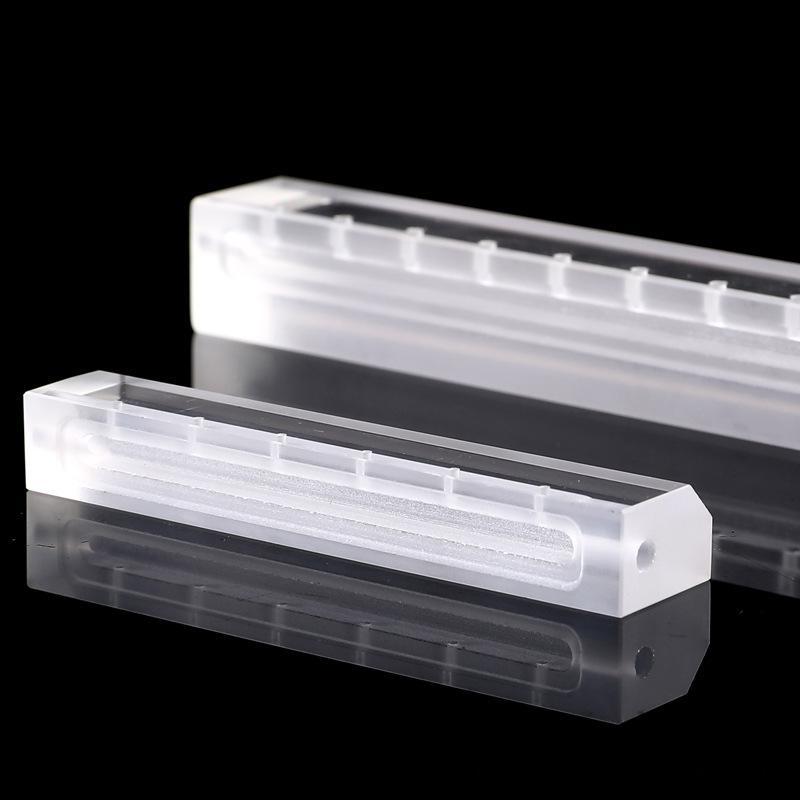
Clear Quartz Testing Sheet Ultra-thin Optical Grade Circular Shape SJ Brand Model SJ 077
Ultra-thin polished optical transmission disc engineered for window apertures, UV detection cells, and high thermal conductance assemblies.
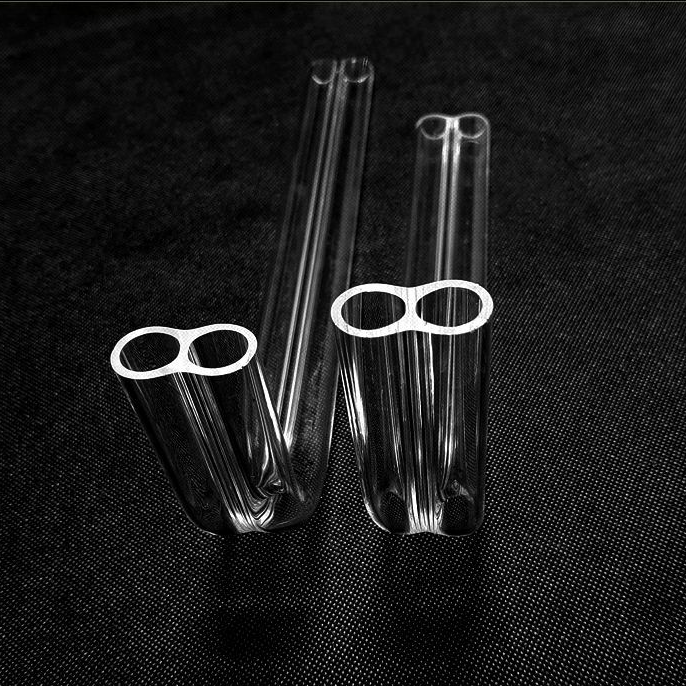
High-temperature Corrosion-resistant 99.999% Purity Ozone-Free Fused Quartz Elbow
Precision flame-bent double-tube right-angle elbow engineered for extreme temperature chemical vapor routing and fluidic bypass lines.
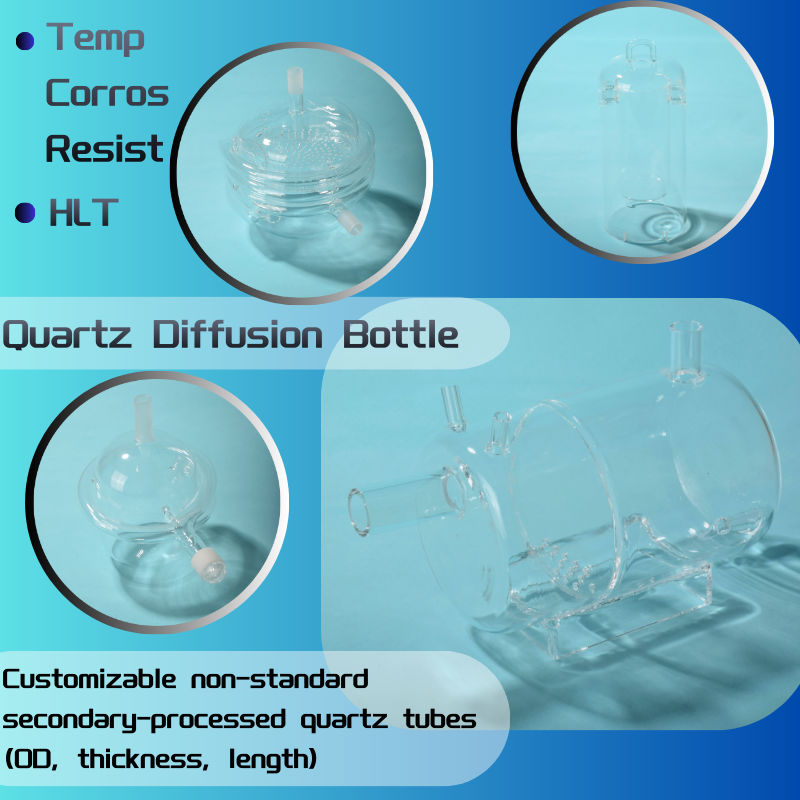
SJ 135 Custom High Purity Clear Quartz Tube Condensers Separatory Funnels Units
Semiconductor-grade clear quartz condensation column and separatory system designed for ultra-clean fractional distillation and fluid recovery.
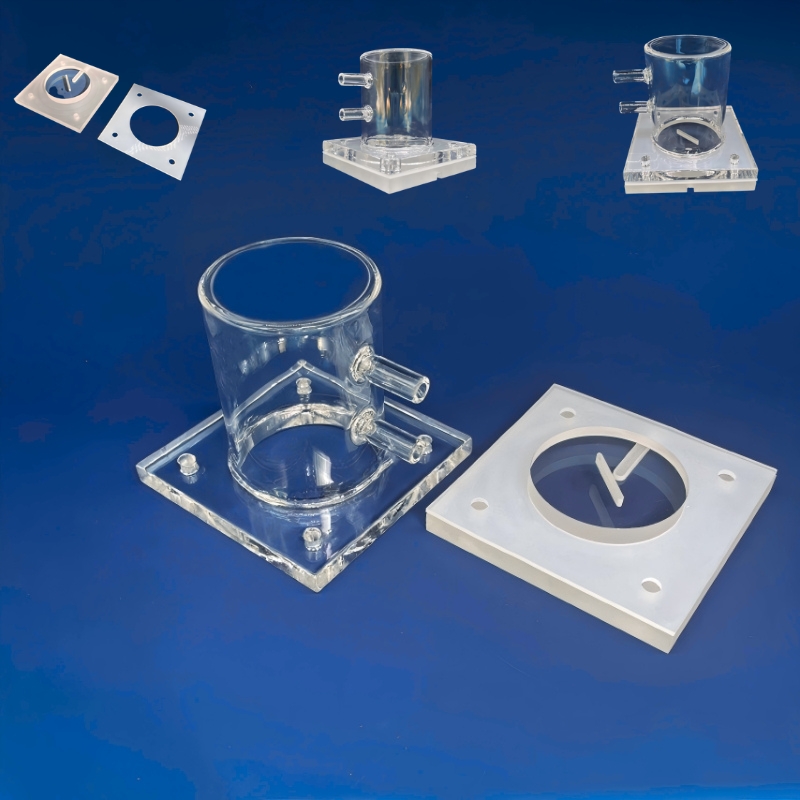
Quartz Photocatalytic Reactor Hydrogen Oxygen Production Via UV Photodegradation
Custom-moulded translucent and transparent fused silica reactor chamber optimized for continuous photocatalytic water-splitting and gas monitoring.
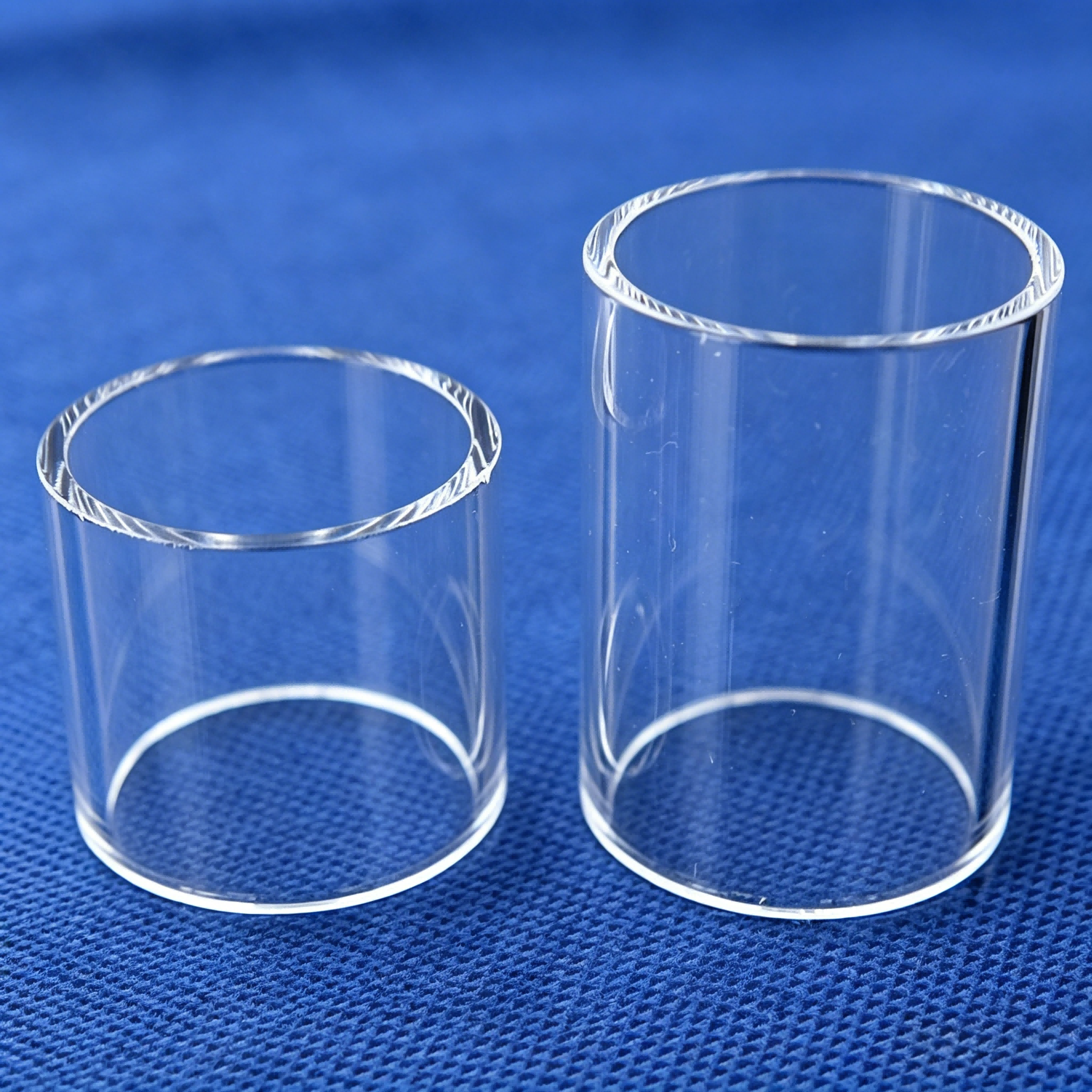
Custom High Temperature Corrosion Resistant Clear Quartz Glass Pipe | Twin Tube SJ 210
Dual-bore optical jacketed quartz tubing for parallel fluid heating, optical spectroscopy, and temperature-controlled inline sample flow.
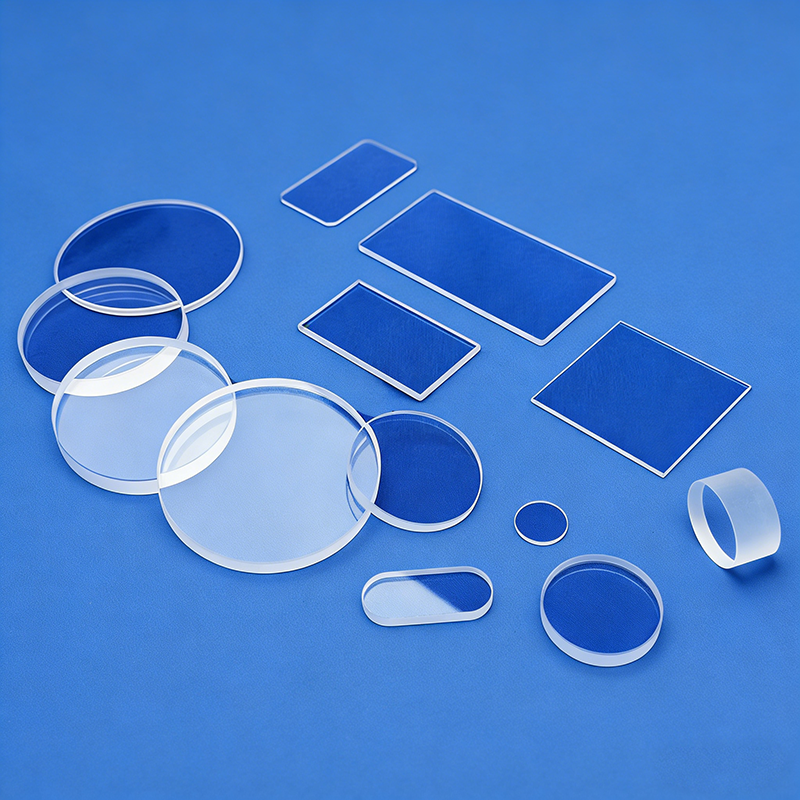
SJ QUARTZ Customized Translucent Natural Fused Quartz Arc-Welding Cutting Services
Heavy-duty industrial lab quartzware cut and arc-welded to precise geometrical specifications for pilot plant reactors and thermal barriers.
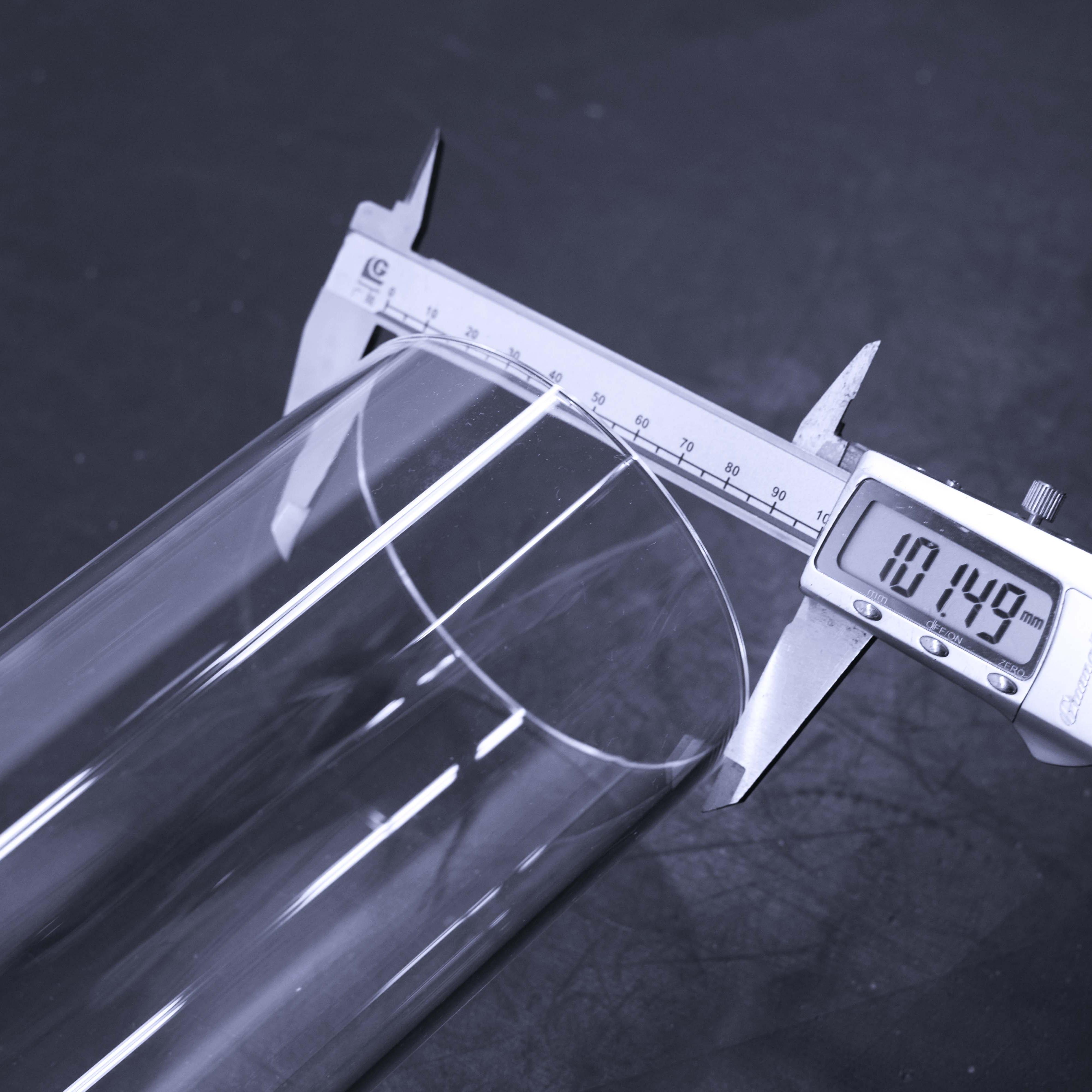
High Purity Quartz Transparent Polished Glass Tube Hollow High Temperature Resistance
Hollow cylindrical quartz glass tubing with tightly controlled inner diameter tolerances, suitable for precision sight glasses and tubular flow cells.
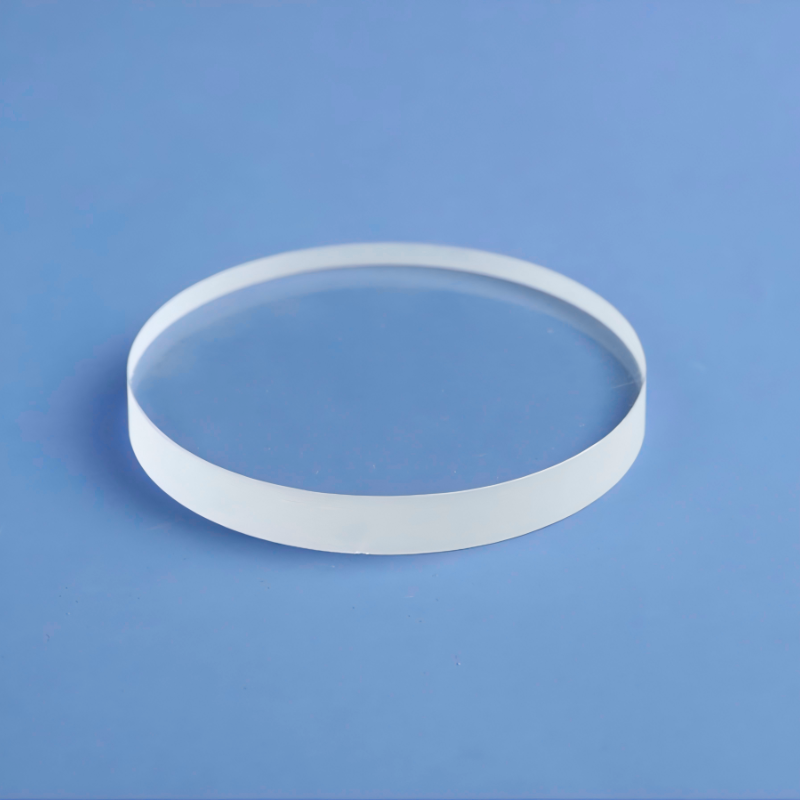
High Temperature Resistant Clear Sapphire Quartz Tablets Fused Silica Glass Sheets
Double-sided optically polished fused silica substrates engineered for flow cell observation windows, interferometry, and high-pressure seals.
Precision Quartz Flow Cell Engineering for Analytical and Industrial Fluidics
An authoritative analysis of optical transmission physics, diffusion bonding methodologies, hydrodynamic channel geometries, and quality criteria for continuous spectroscopic measurement.
1. Optical Materials Science: Synthetic Fused Silica vs. Natural Fused Quartz
The fundamental parameter governing flow cell performance is the raw silica matrix. Fused quartz is manufactured by melting high-purity natural quartz sand (SiO₂ purity ≥ 99.99%), whereas synthetic fused silica (often classified under optical grades such as JGS1, Suprasil, or Spectrosil) is produced through the chemical vapor synthesis (flame hydrolysis) of silicon tetrachloride (SiCl₄).
For spectroscopic applications operating in the deep ultraviolet (UV) region—such as trace nitrate detection at 214 nm, organic carbon monitoring at 254 nm, or peptide bond absorption in pharmaceutical bioprocessing—synthetic fused silica (JGS1) is the mandatory choice. It provides exceptional optical transmission exceeding 85% down to 190 nm, exhibits virtually undetectable levels of metallic impurities (Fe, Al, Ti < 0.1 ppm), and eliminates bubble inclusions down to DIN 58927 standards. Conversely, natural clear fused quartz (JGS2) serves robustly in the visible to near-infrared spectrum (320 nm to 2500 nm) and is favored for industrial process piping, high-temperature furnace sight windows, and high-temperature elbows where mechanical resilience and softening points up to 1683°C take precedence over deep-UV clarity.
Deep-UV Transmission (JGS1)
Provides transmission down to 185 nm without solarization under intense deuterium or xenon flash irradiation. Zero native fluorescence interference under UV excitation.
Thermal Fusion Bonding
Monolithic flow cells assembled via molecular diffusion bonding at 1150°C. Completely free of epoxy resins, adhesives, or frits, ensuring imperviousness to aggressive polar solvents.
Sub-Nanometer Surface Finish
Optical window surfaces polished down to scratch-dig 20/10 with root-mean-square roughness (Ra) < 0.5 nm, virtually eliminating ray scatter and stray light contamination.
2. Monolithic Thermal Fusion vs. Chemical Bonding in Aggressive Media
Traditional low-cost flow cells often employ epoxy resins or low-melting inorganic frits to adhere quartz window panes to the central spacer body. While acceptable for mild aqueous buffers, this construction fails cataclysmically when exposed to high-pressure chromatographic gradients containing acetonitrile, tetrahydrofuran (THF), dimethyl sulfoxide (DMSO), or concentrated nitric acid cleaning reagents. Organic solvents dissolve polymers, causing window debonding, leaks, and severe baseline optical drift.
Vulra Quartz implements high-temperature molecular diffusion bonding. Under pristine ISO Class 5 cleanroom conditions, precision-lapped quartz surfaces are placed in direct optical contact and subjected to compressive load inside a high-vacuum annealing furnace at temperatures approaching the silica transformation range (1100°C–1200°C). Silicon-oxygen-silicon (Si-O-Si) covalent bonds migrate across the interfacial boundary, creating a continuous, monolithic quartz block. The resulting flow cell possesses the exact same mechanical strength, thermal shock tolerance, and corrosion profile as solid fused quartz, resisting working pressures up to 50 bar (or 400+ bar for micro-capillary analytical cells).
3. Micro-Hydrodynamic Geometry and Elimination of Dead Volumes
A common failure mode in industrial inline spectrometry is air bubble entrapment and eddy generation within the flow profile. According to the Hagen-Poiseuille equation governing laminar flow, sharp right-angle junctions or internal diameter mismatches trigger boundary layer separation. In spectrophotometric detection, an entrapped micro-bubble acts as an oscillating optical lens, inducing chaotic absorbance spikes that disrupt continuous monitoring routines.
Our flow channel designs feature computer-optimized sweeping internal channels, tapered inlet/outlet conduits, and parabolic transitions. Channels are precision-machined via ultrasonic micro-drilling followed by thermal flame-polishing or chemical etching to eliminate micro-fissures. This guarantees smooth, laminar fluid displacement with internal swept volumes ranging from as low as 0.5 µL (for micro-capillary HPLC) to 1500 µL (for high-volume municipal wastewater and marine ballast bypass cells).
| Technical Property | Synthetic Fused Silica (JGS1) | Fused Quartz (JGS2) | Infrared Quartz (JGS3) | Borosilicate (Reference) |
|---|---|---|---|---|
| Usable Spectral Range | 185 nm – 2500 nm | 220 nm – 2500 nm | 260 nm – 3500 nm | 320 nm – 2000 nm |
| Optical Pathlength Tolerance | ± 0.005 mm (Down to 0.1 mm) | ± 0.01 mm | ± 0.01 mm | ± 0.02 mm |
| Surface Quality (Scratch-Dig) | 10/5 to 20/10 | 40/20 | 40/20 | 60/40 |
| Window Parallelism | < 10 arcseconds | < 30 arcseconds | < 30 arcseconds | > 1 arcminute |
| Thermal Expansion (0-300°C) | 5.5 × 10⁻⁷ / °C | 5.5 × 10⁻⁷ / °C | 5.5 × 10⁻⁷ / °C | 33 × 10⁻⁷ / °C |
| Maximum Operating Temp. | 1100°C (Continuous) | 1100°C (Continuous) | 1050°C (Continuous) | 450°C (Continuous) |
| Internal Swept Volume | 0.5 µL to 2000 µL Custom | Custom Engineered | Custom Engineered | Fixed Standard |
Precision Flow Sensing Scenarios Across Drammen & the Oslofjord
From environmental safeguarding along the Drammenselva river basin to cutting-edge maritime subsea sensors and advanced industrial bioprocessing in Eastern Norway.
Drammenselva Riverine Monitoring
Continuous online monitoring of total organic carbon (TOC), dissolved humic substances, and agricultural run-off using high-transmittance UV-Vis dual-path absorption flow cells deployed at municipal water intake stations.
Drammen Port Ballast Water Quality
Real-time optical density (OD600) and fluorometric chlorophyll-a inspection units integrated into maritime ballast water treatment plants (BWTS), ensuring adherence to IMO D-2 and Norwegian Maritime Authority bio-security directives.
Biopharma Downstream Processing
Monolithic flow cuvettes tailored for preparatory HPLC, protein purification, and therapeutic peptide isolation at regional life science facilities across Buskerud and greater Oslo, featuring zero-leach diffusion bonds.
Green Hydrogen & Photocatalysis
High-pressure quartz reactor chambers and double-jacketed observation cells assisting clean energy engineering teams researching electrolytic hydrogen production and photocatalytic wastewater degradation.
Analytical Instrumentation & Regulatory Trends in the Nordic Region
How rigorous Scandinavian environmental mandates and industrial automation are reshaping quartz component specifications.
Transition from Grab-Sampling to Autonomous Inline Optical Sensing
Across Norway, industrial discharge monitoring overseen by the Norwegian Environment Agency (Miljødirektoratet) is migrating rapidly from manual grab-sampling protocols toward autonomous, real-time optical telemetric sensors. In the Drammen district—a historically vital center for timber processing, pulp manufacturing, logistics, and marine services—this regulatory shift requires sensor assemblies capable of submerged, maintenance-free operation across multi-month intervals. Flow cells deployed in these environments must incorporate ultra-hydrophobic, fire-polished internal bores to resist biofouling, alongside scratch-resistant outer observation windows that withstand periodic mechanical wiping cycles.
Harsh Nordic Climates and Subsea Pressure Dynamics
Marine instrumentation operating within Drammensfjorden and surrounding coastal waterways must accommodate seasonal water temperature extremes swinging from near-freezing sub-zero brackish conditions to elevated summer levels. Fused silica’s exceptionally near-zero thermal expansion coefficient (5.5 × 10⁻⁷ / °C)—which is approximately 1/6th that of standard borosilicate glass—prevents window warpage and pathlength distortion under rapid thermal transients. Furthermore, subsea sensor integration requires specialized thick-walled quartz flow cells designed via Finite Element Analysis (FEA) to endure external hydrostatic pressures exceeding 30 bar without inducing stress birefringence in the optical transmission path.
Why Norwegian Technical Buyers Partner with Vulra Quartz
Combining world-class raw quartz sand deposits with advanced five-axis ultrasonic machining, certified cleanroom annealing, and third-party verified quality management.
Full OEM/ODM Lifecycle: From 2D/3D Drawing to Validated Delivery
Vulra Quartz (operating from the Donghai Economic Development Zone) operates fully integrated hot-working and cold-machining facilities. Unlike traders or assembly brokers, our factory executes every critical processing phase on-site:
1. Optical Substrate Slicing & Grinding: Diamond-wire slicing and high-speed planetary double-sided grinding achieve micron-level parallelism and planarity across quartz flats.
2. Ultrasonic Micro-Milling: Specialized micro-drilling creates intricate microfluidic conduits, bypass chambers, and thread adapters directly into fused silica blocks without inducing micro-fractures.
3. High-Vacuum Annealing: High-temperature computerized annealing ovens gradually release residual internal thermal stresses, guaranteeing that flow cells remain mechanically robust under high pressures.
4. Optical Polishing & Cleanroom QC: Surface roughness is brought down to sub-nanometer levels, followed by 100% spectrophotometric transmission testing and bubble-class verification under polarization optics.
5. Secure Nordic Air Express Packaging: Fragile optical flow channels are hermetically sealed in anti-static, lint-free enclosures, nestled in impact-absorbing high-density polyethylene foams, and crated in heavy-duty wooden enclosures compliant with ISPM-15 international export regulations.
Frequently Asked Questions by Technical Buyers in Drammen
Authoritative answers covering optical selection, cleaning protocols, customs delivery to Norway, and custom manufacturing tolerances.
Connect with Our Quartz Engineering Team Serving Drammen
Whether you need a custom-drilled microfluidic quartz flow cell prototype, replacement optical windows for municipal analyzers, or volume production for marine ballast diagnostics, our engineering desk is ready to review your technical requirements.
Send an Inquiry