Precision Vitreous Quartzware & Crucible Components
Direct supply from Donghai County—the crystal center of China—to Luang Prabang industrial centers via the China-Laos Railway corridor. All 8 configurations engineered for continuous service up to 1100°C and peak stability to 1450°C.
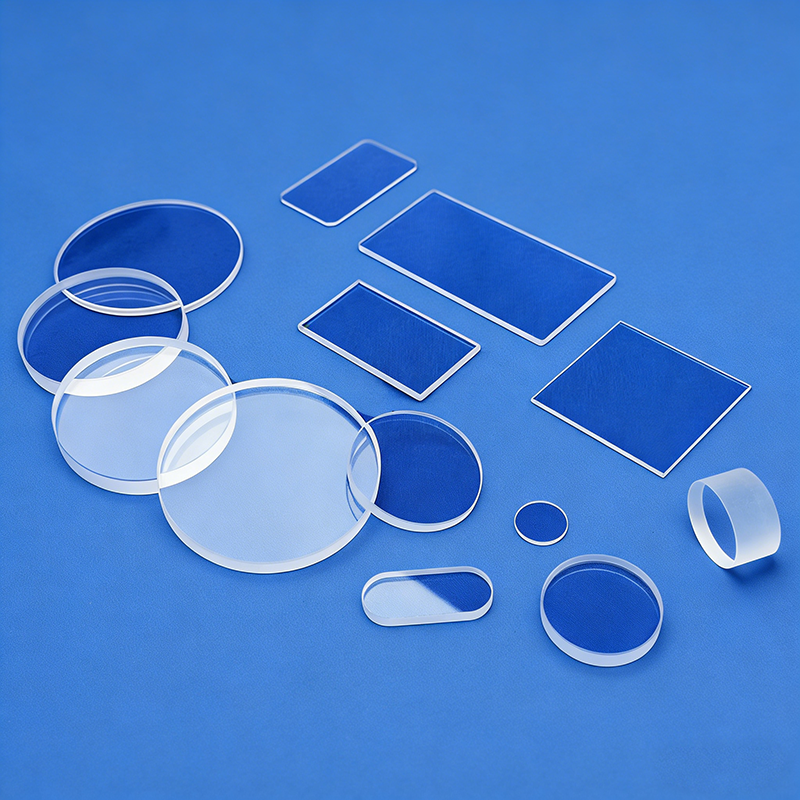
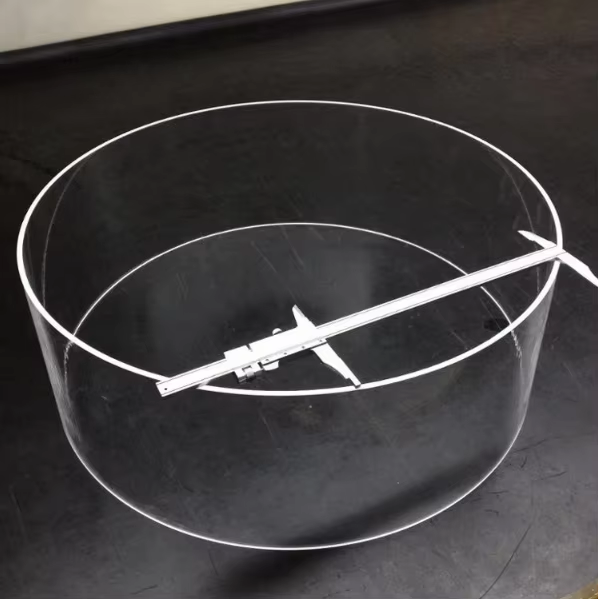
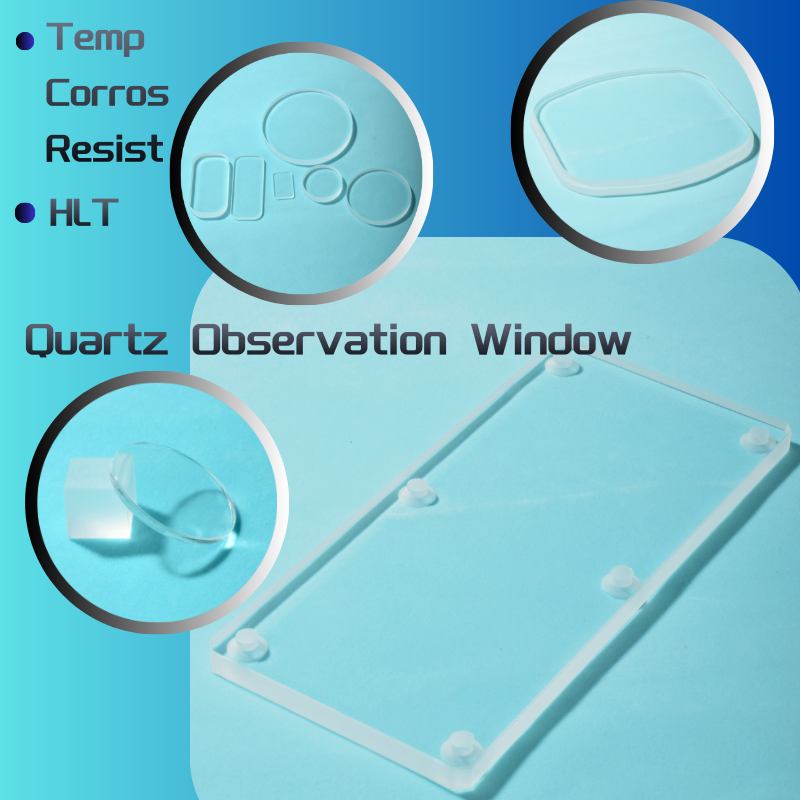
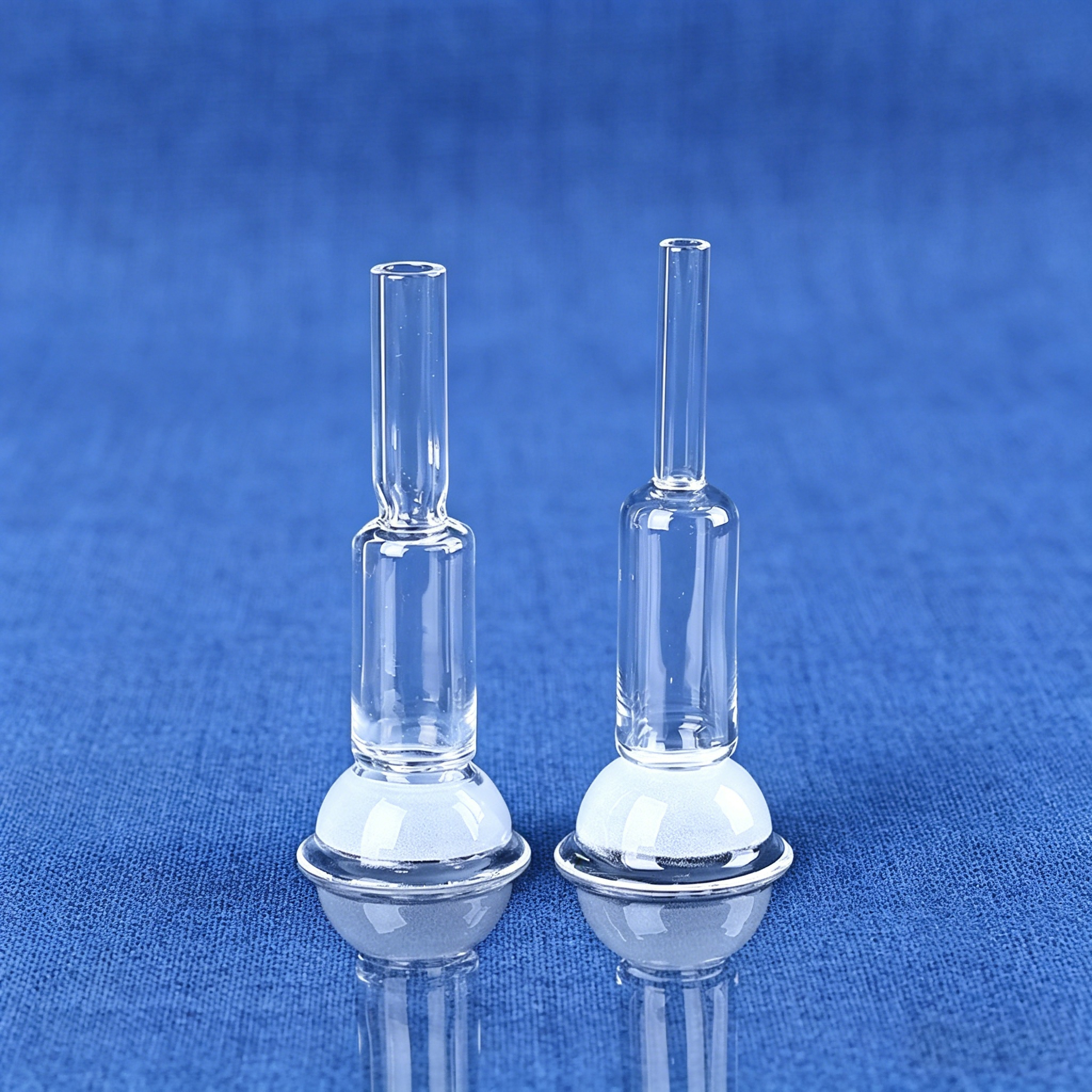
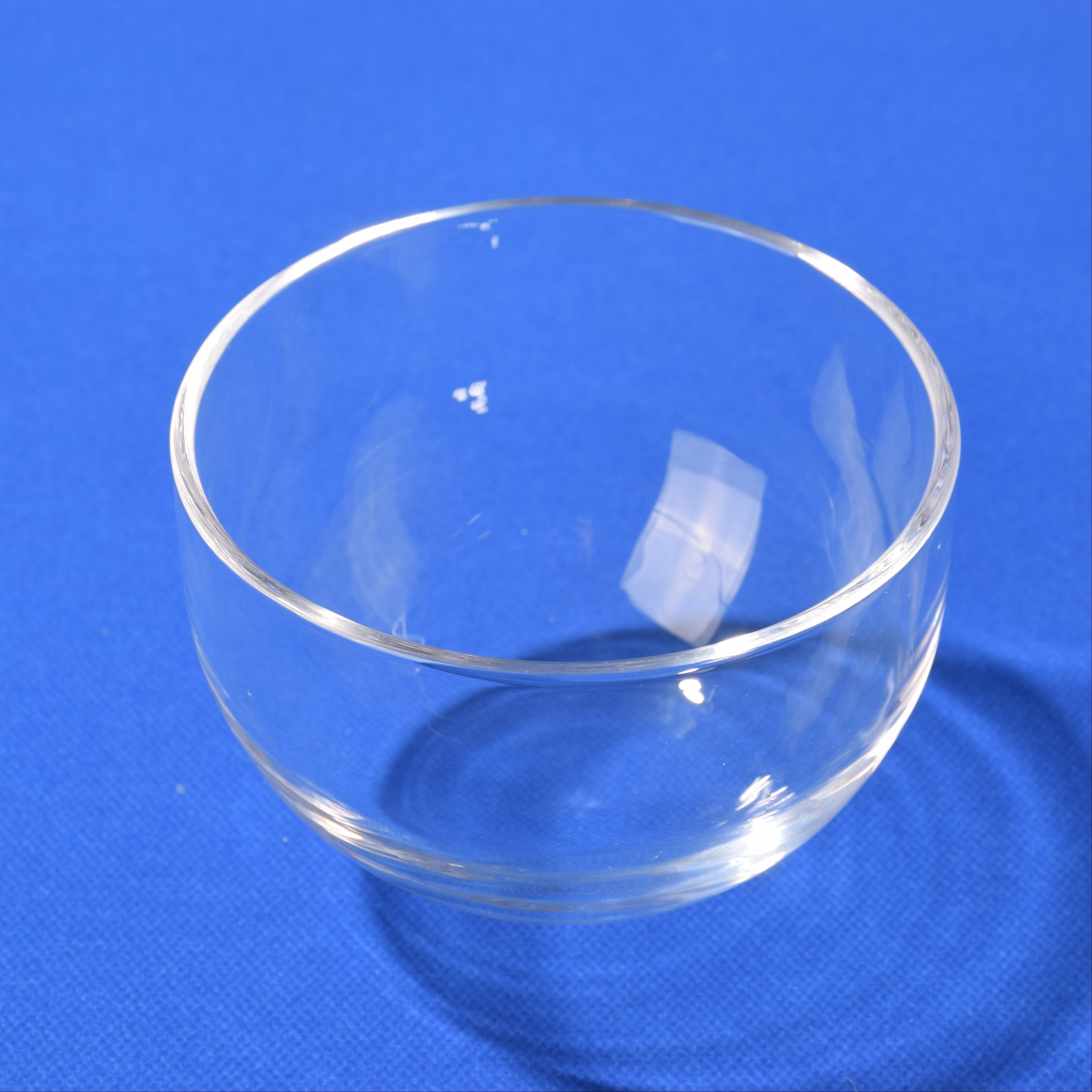
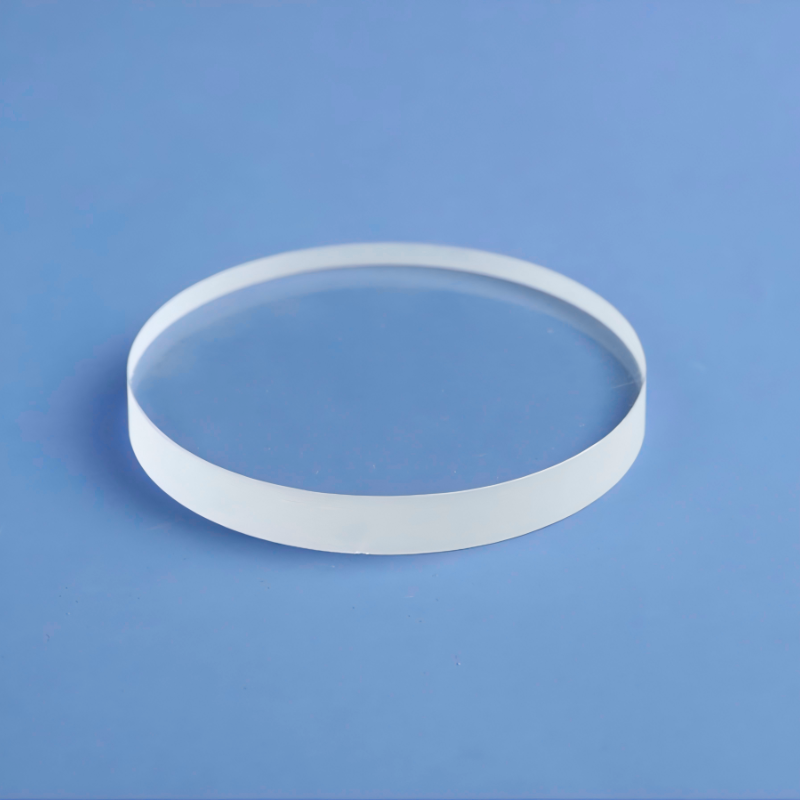
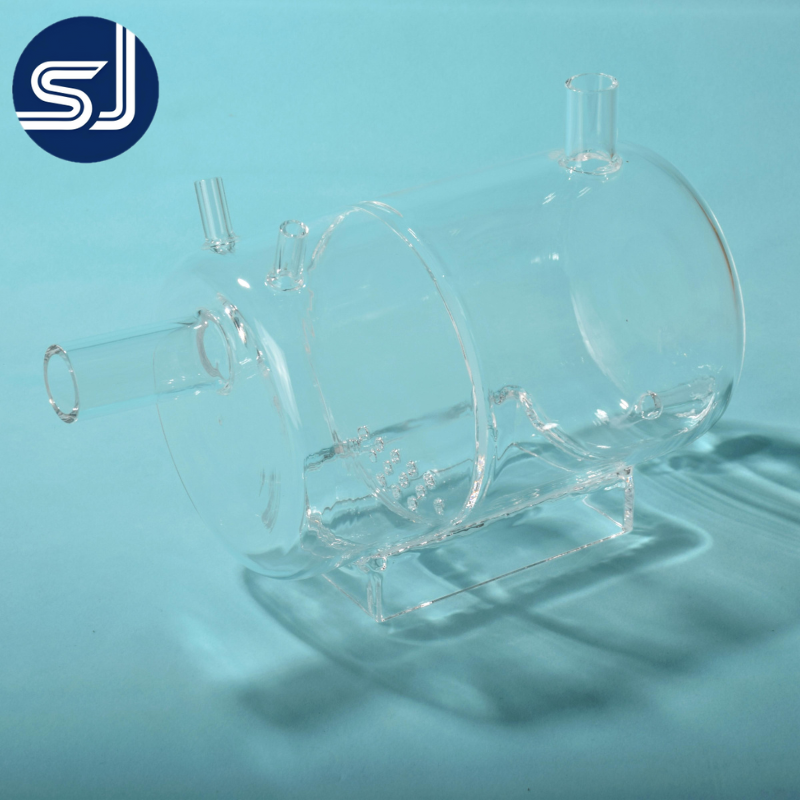
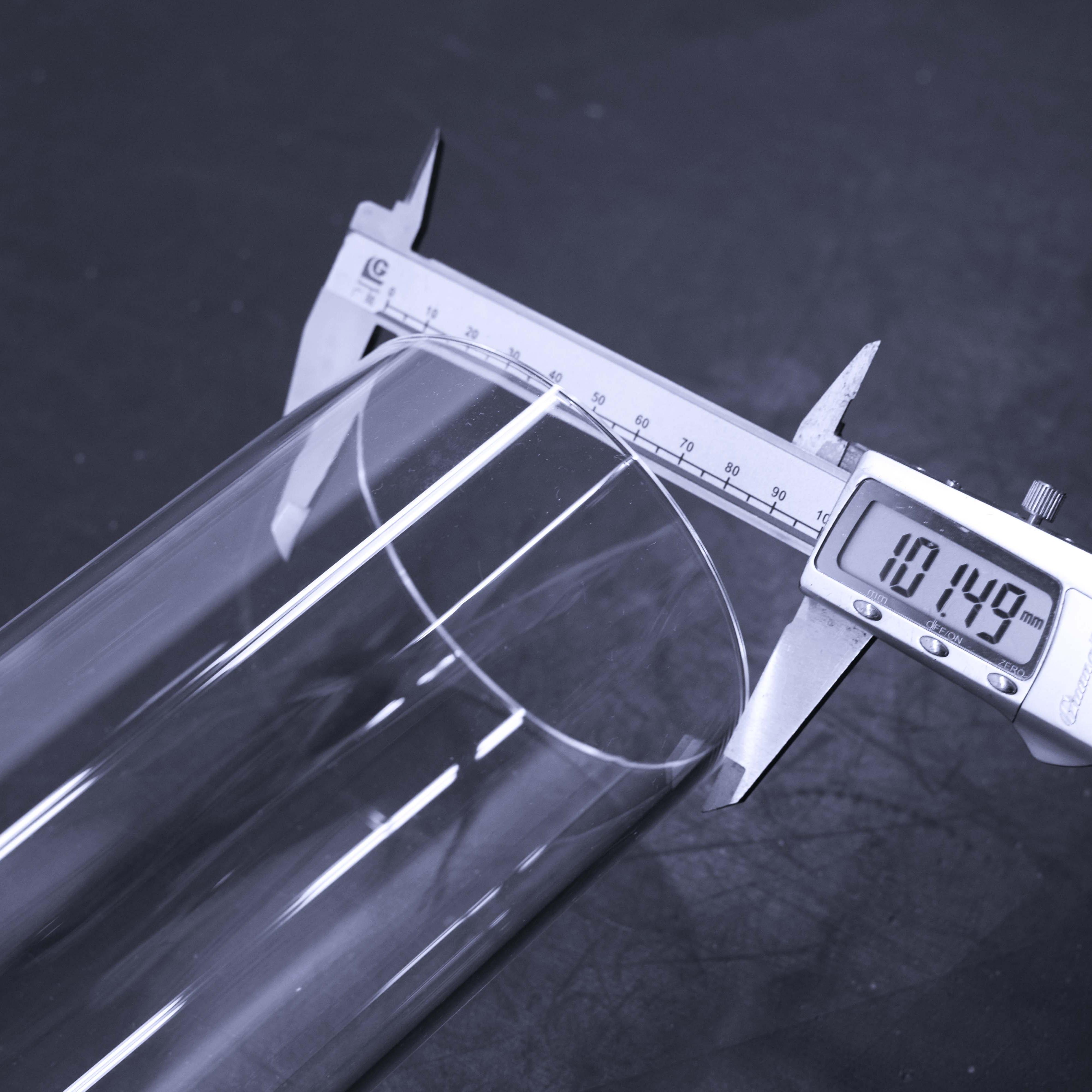
Thermophysical Behavior & Devitrification Control in Quartz Crucible Bases
In modern high-temperature industrial pyrometallurgy, crystal growth, and precision fire assaying across Southeast Asia, the crucible base functions as the highest-stress mechanical interface within the furnace chamber. While the sidewalls experience primarily radiative heat and hydrostatic melt pressure, the base must support the entire concentrated gravitational mass of the melt charge while absorbing severe thermal gradients transferred directly from the pedestal or induction coil footing.
Standard refractory ceramic bases often suffer catastrophic brittle fracture due to thermal shock during rapid induction ramp rates. Fused silica (amorphous vitreous silicon dioxide) provides an unrivaled advantage due to its exceptionally low linear coefficient of thermal expansion (CTE = 5.5 × 10⁻⁷ K⁻¹ between 20°C and 1000°C). This allows Vulra Quartz crucible bases to endure sudden temperature differentials (ΔT) exceeding 1000°C without crack propagation, permitting rapid water or air quenching protocols common in Northern Lao analytical laboratories.
| Performance Parameter | Vulra Semiconductor Fused Quartz | High-Alumina Ceramic (99% Al₂O₃) | Isostatic Graphite Base |
|---|---|---|---|
| Thermal Expansion (CTE) | 0.54 – 0.55 × 10⁻⁶ / K | 8.0 – 8.5 × 10⁻⁶ / K | 4.5 – 5.5 × 10⁻⁶ / K |
| Max Continuous Temp | 1100°C (1450°C Short-term peak) | 1600°C (Continuous) | 400°C (Air) / 2400°C (Inert) |
| Thermal Shock Tolerance | Extreme (>1000°C Quenching) | Moderate (Prone to spalling) | High (Subject to oxidation) |
| Chemical Contamination Risk | Ultra-Low (<5 ppm total metals) | High (Al leaching into slag) | Carbon pickup into melt alloy |
| Softening / Transition Point | 1683°C (Annealing 1180°C) | 2072°C (Melting Point) | Sublimates at 3650°C |
Kinetics of High-Temperature Devitrification: The primary failure mechanism for fused quartz bases operated in long dwell cycles above 1150°C is devitrification—the structural reorganization of metastable vitreous SiO₂ into crystalline β-cristobalite. This phase transformation begins at the external surfaces where foreign nuclei (principally alkali ions Li⁺, Na⁺, K⁺ and alkaline-earth Ca²⁺) catalyze grain boundary restructuring.
Because β-cristobalite undergoes a displacive phase transition to α-cristobalite upon cooling through 220°C–270°C with an abrupt 3.8% volume contraction, devitrified quartz bases develop extensive micro-crazing and catastrophic spalling upon repeated furnace cycles. Vulra Quartz combats this by utilizing 400-mesh ultra-pure Donghai quartz feedstock, maintaining total alkali metal content strictly below 1.5 ppm, and sealing all machined surfaces with an oxy-hydrogen flame-glazing protocol to eliminate micro-crack nucleation points.
Specialized Applications Across Luang Prabang & Northern Laos
From the mineral-rich mountains along the Nam Ou basin to the burgeoning industrial parks along the China-Laos Railway corridor, our fused quartz bases satisfy mission-critical thermal and chemical requirements.
Precious Metal & Fire Assaying
Northern Laos (including surrounding concessions in Sayaboury and Oudomxay) hosts extensive polymetallic, gold, and copper deposits. Assaying laboratories depend on Vulra quartz crucible bases to resist aggressive lead oxide (PbO), borax, and sodium carbonate fluxes during fusion smelting at 1050°C without crucible burn-through or elemental contamination.
Clean Energy & Polysilicon Sintering
With Laos expanding its green hydro-powered industrial grid, regional manufacturers are investing in silicon reduction and downstream photovoltaic component synthesis. Our transparent and translucent crucible bases serve as bottom thermal barriers for Czochralski (CZ) seed holders and directional solidification furnaces.
High-Temperature Botanical Extraction
Luang Prabang's specialized organic chemical processors extract medicinal compounds and high-potency tropical botanicals. Vulra high-purity quartz vessels and flow-splitting components prevent trace heavy-metal leaching that frequently fails international pharmacopeia standards when using metal autoclaves.
Cement & Clinker Quality Control
Northern Lao infrastructure development relies on regional cement plants along the Mekong transport routes. Quality assurance teams use our clear refractory quartz crucibles for XRF bead fusion and loss-on-ignition (LOI) testing at 950°C, benefiting from zero weight change and zero sample absorption.
Market Dynamics & Supply Chain Evolution in Northern Laos
The transformation of Luang Prabang from an inland transit stop to a connected industrial dry-port along the Kunming–Vientiane axis is reshaping laboratory procurement patterns.
1. China-Laos Railway Freight Integration
Prior to the full commissioning of the Boten–Luang Prabang–Vientiane rail corridor, fragile quartz shipments required hazardous 10-to-15-day overland trucking via unpaved mountain roads, resulting in freight breakage rates exceeding 18%. Today, direct rail cargo allows Vulra Quartz to dispatch shock-crated consignments from Kunming to Luang Prabang Station in under 48 hours, radically reducing inventory carrying costs and downtime for mining laboratories.
2. Upgrading from Clay to Fused Silica
Historical reliance on low-cost fireclay or standard alumina crucibles is rapidly disappearing in Northern Laos mining centers. Stringent mineral assay certification (such as JORC and NI 43-101 compliance) demands analytical precision. Fused quartz bases offer negligible background noise and zero blank bias for ICP-OES and fire assay spectral analysis, making them the mandated standard for tier-one exploration ventures.
3. Rise of Green Metallurgy & Solar Silicon
Laos’ national strategy to become the "Battery of Southeast Asia" has attracted energy-intensive processing facilities to Special Economic Zones around Luang Prabang and Vang Vieng. Advanced thermal furnaces require custom engineered quartzware that can endure fluctuating power grids without micro-cracking, accelerating demand for annealed, stress-relieved vitreous components.
Frequently Asked Questions by Luang Prabang Engineers
Practical answers to thermal specifications, customs clearance, drawing tolerances, and operational longevity in tropical environments.
How do tropical humidity and monsoon moisture affect quartz base life?
In high-humidity climates like Luang Prabang (where RH often exceeds 85%), ceramic refractories absorb ambient moisture that violently converts to steam upon rapid induction heating, causing spalling. Fused quartz possesses zero open porosity (<0.1%), completely preventing water absorption. However, operators should pre-heat quartz bases to 120°C for 15 minutes to evaporate surface condensation before high-temperature cycling.
What customs documentation is provided for import clearance into Laos?
All commercial consignments destined for Luang Prabang include Form E (ASEAN-China Free Trade Certificate of Origin) for preferential zero-tariff import classification, factory inspection certificates, TÜV Rheinland verification records, and complete bill of lading documentation directly coordinated with Boten border customs checkpoints.
Can you fabricate non-standard crucible bases according to CAD / PDF drawings?
Yes. As a verified custom manufacturer, we routinely produce custom stepped crucible bases, interlocking circular rings, concentric groove discs, and slotted thermocouple access plates. Our CNC diamond machining center maintains dimensional tolerances of ±0.05 mm, with orders starting from a 1-piece prototype.
How should mining assayers prevent premature devitrification during flux smelting?
Alkali flux residues (borax, sodium carbonate) chemically attack vitreous SiO₂ above 1000°C to form low-melting silicates. To maximize base longevity, ensure no raw flux dust contacts the base directly. Use a thin sacrificial quartz slip sheet or high-purity graphite barrier disc beneath the crucible to absorb accidental overflows.
What packaging safeguards prevent transit breakage during rail or road freight?
Every quartz part is degreased, sealed in dust-free PE wraps, buffered inside high-density multi-density custom EPE foam nests, and packed into multi-wall corrugated cartons or fumigated export plywood cases reinforced with steel strapping. Shipments carry external shock-sensor indicators to guarantee zero-defect delivery.
What is the difference between clear transparent and opaque translucent quartz bases?
Clear quartz is fused from melted natural crystal or synthetic gas, providing 100% vitreous clarity, higher mechanical tensile strength (48 N/mm²), and better resistance to chemical etching. Translucent quartz is arc-fused, containing micro-gas pores that scatter infrared radiation, making it an exceptional thermal insulating base for bottom heat containment in large smelters.
Why Industrial Leaders Trust Vulra Quartz
Combining world-class raw material access in Donghai County with rigorous European quality certifications.
TÜV Rheinland Audited
Production facility, legal certification, engineering equipment, and quality control systems are independently verified on-site by TÜV Rheinland.
Origin Feedstock Control
Located in Donghai, the capital of crystal, we secure prime high-purity natural silica with trace metal impurities controlled down to part-per-million levels.
Hot & Cold Machining
Comprehensive in-house oxy-hydrogen flame lathes, CNC glass saws, diamond drill centers, double-sided optical polishing, and 1180°C annealing lehrs.
Rapid Prototype Delivery
Flexible manufacturing schedules support customized 1-piece sampling for engineering trials, transitioning seamlessly into recurrent container-load volume.
Request Your Custom Quartz Crucible Base Quotation
Serving smelters, metallurgical assay labs, solar wafer fabricators, and academic institutions in Luang Prabang and across Lao PDR. Upload your technical CAD drawings, dimensional requirements, or purity specifications for immediate engineering review.
Send an Inquiry