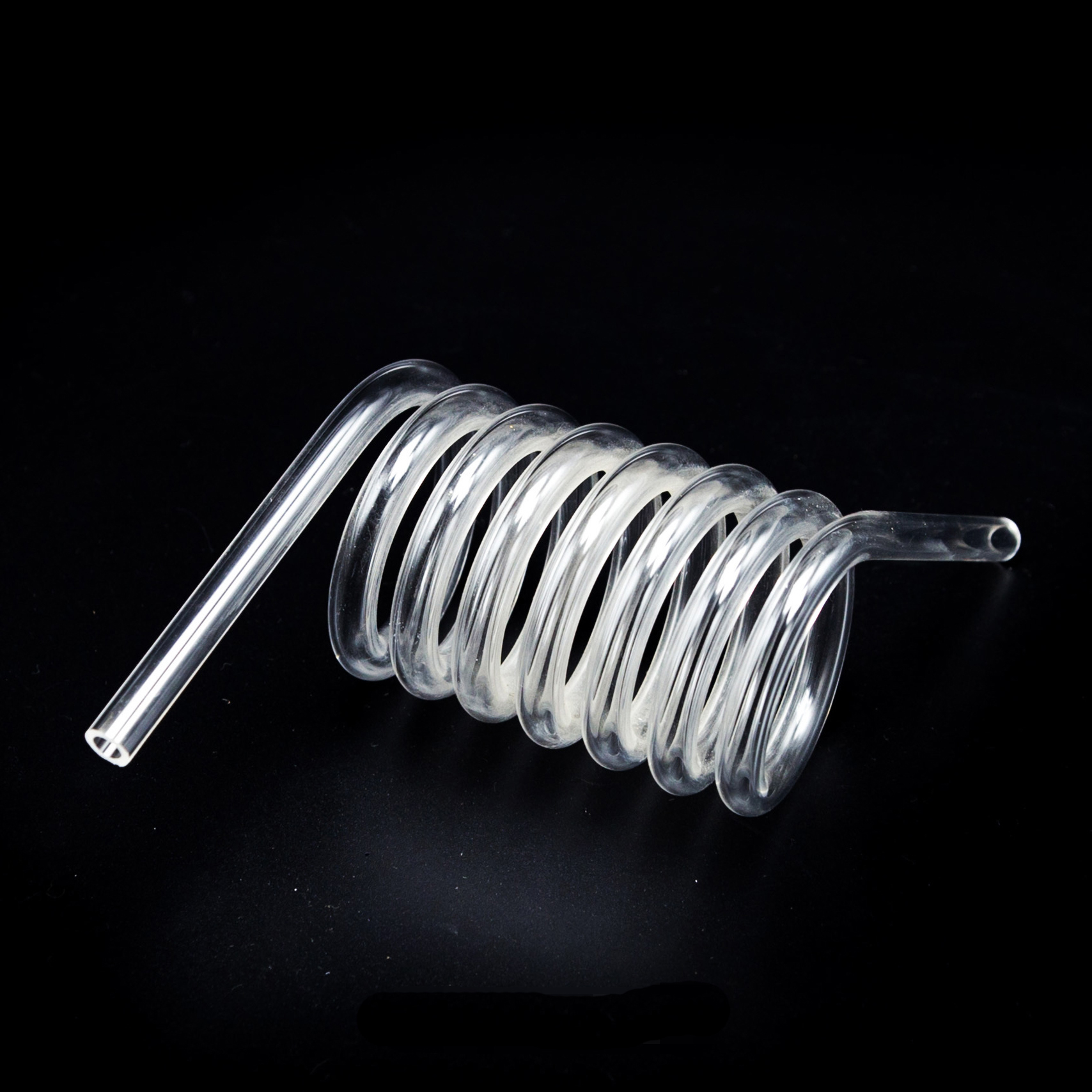
Clear Quartz C-Shape Spiral & Bent Custom Combustion Tubes
Precision flame-formed spiral and bent geometries. Small diameter cutting, micro-welding, and thermal shock resistance for gas sampling in marine emissions monitoring.
View Technical SpecsEngineered in Donghai to withstand sustained calcination up to 1100°C with an instantaneous peak of 1450°C. Recommended for Panamanian laboratory and industrial thermal digestion workflows.
Precision flame-formed spiral and bent geometries. Small diameter cutting, micro-welding, and thermal shock resistance for gas sampling in marine emissions monitoring.
View Technical Specs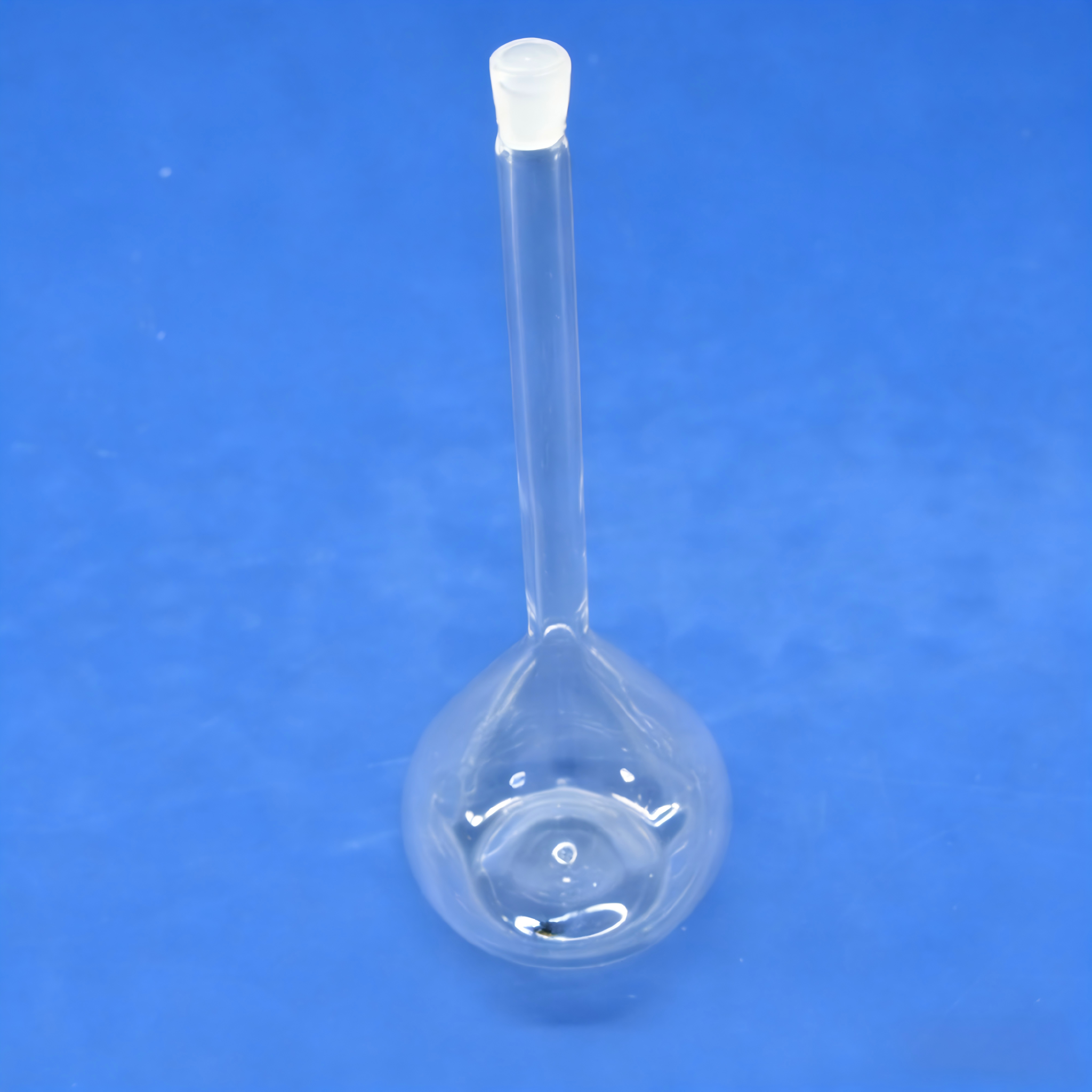
Polished fused silica vessels fabricated for sealed chemical digestions, acid volatilization, and organic compound trace element analysis without sample contamination.
View Technical Specs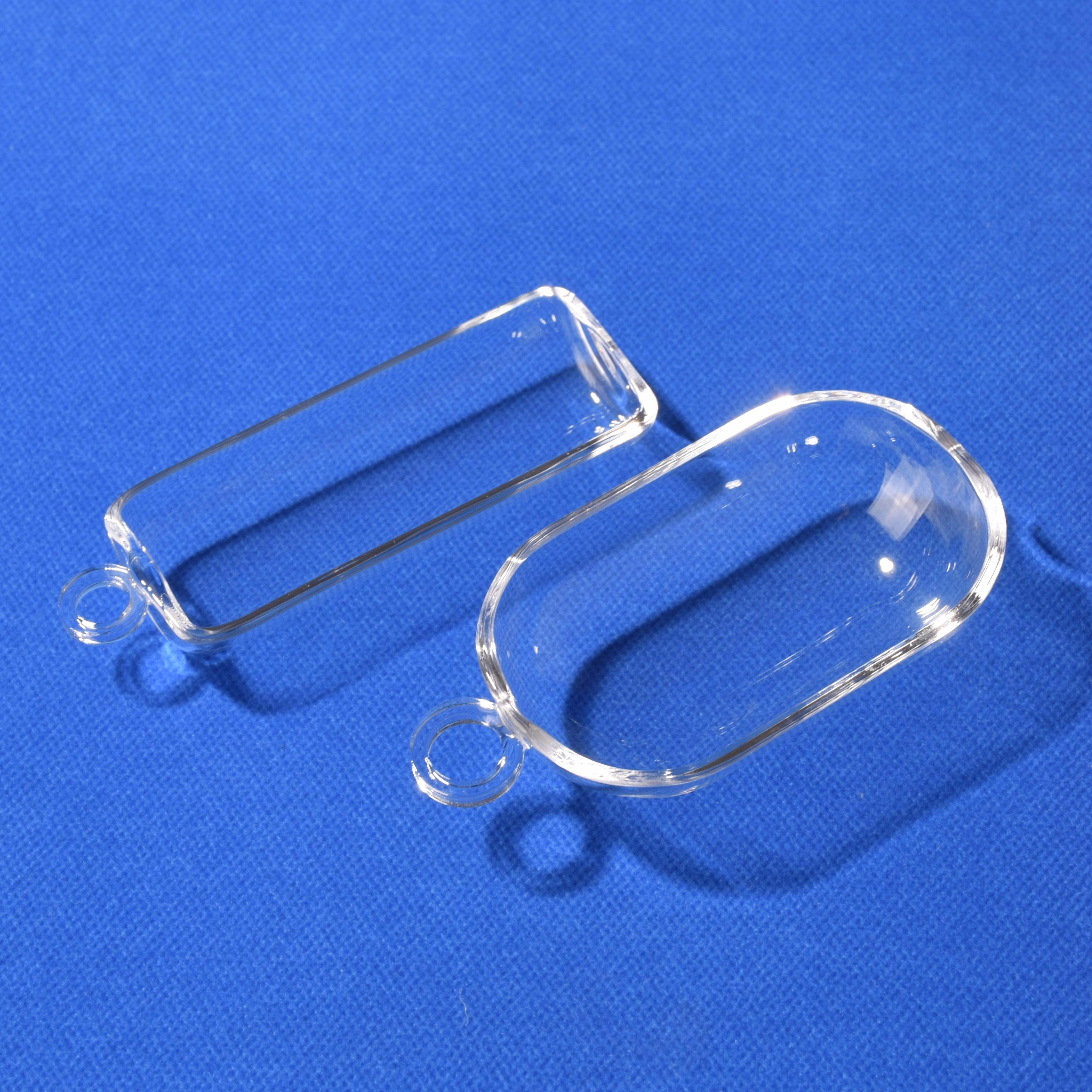
Optimized flat-bottom geometry maximizes heat dissipation surface area in horizontal calcination furnaces. Ideal for dry ashing mineral ores and petroleum residues.
View Technical Specs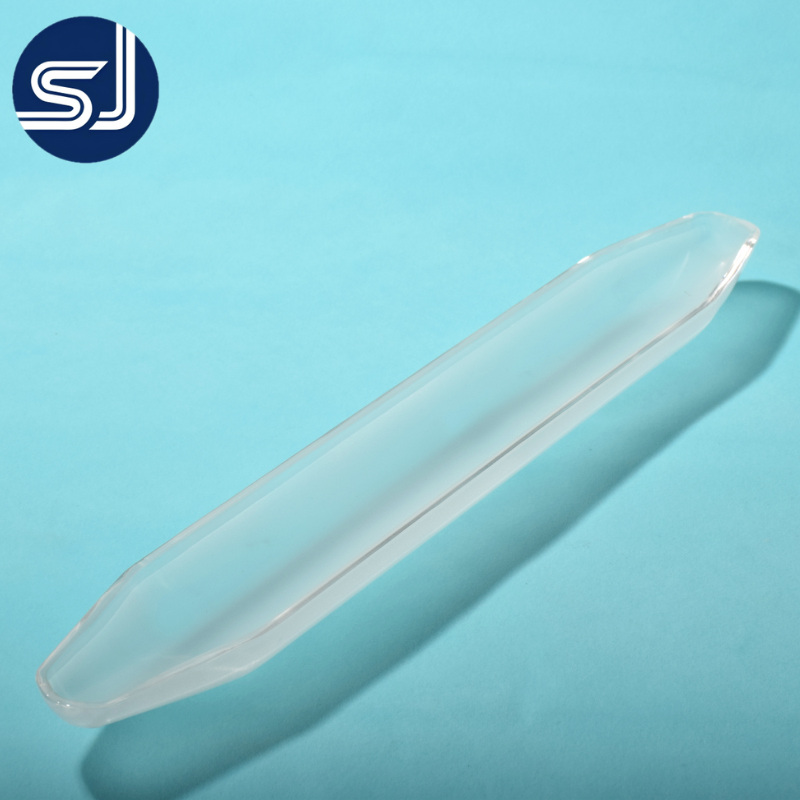
Ultra-pure semiconductor-grade quartz matrix featuring less than 0.1 ppm heavy metal impurities. Flawless surface polish eliminates sample residue retention.
View Technical Specs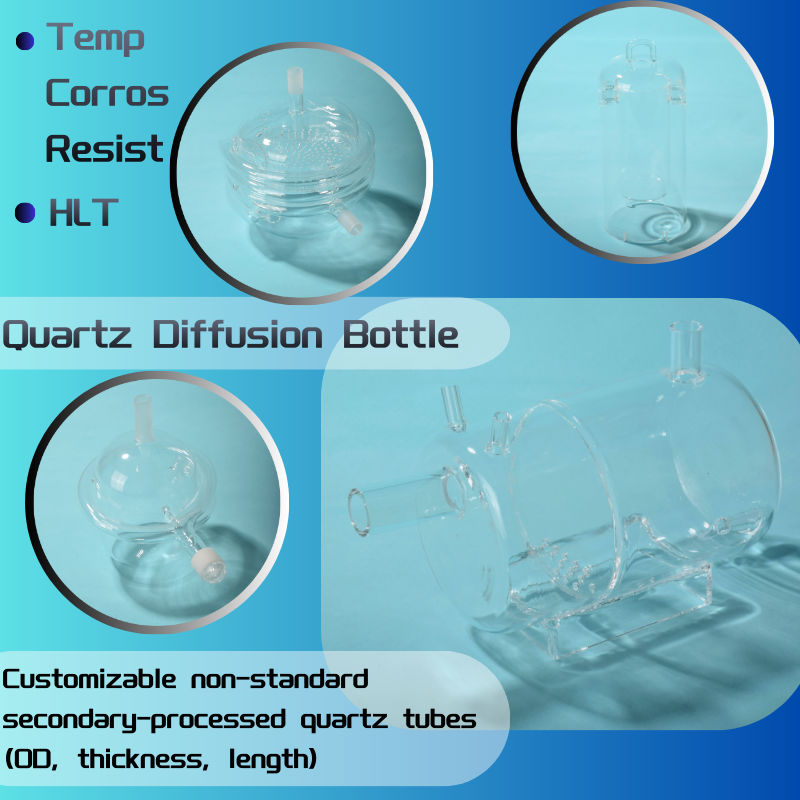
Engineered for sub-boiling acid distillation (HF, HNO₃, HCl) generating ultra-pure reagents for trace analysis in environmental monitoring laboratories across Panama City.
View Technical Specs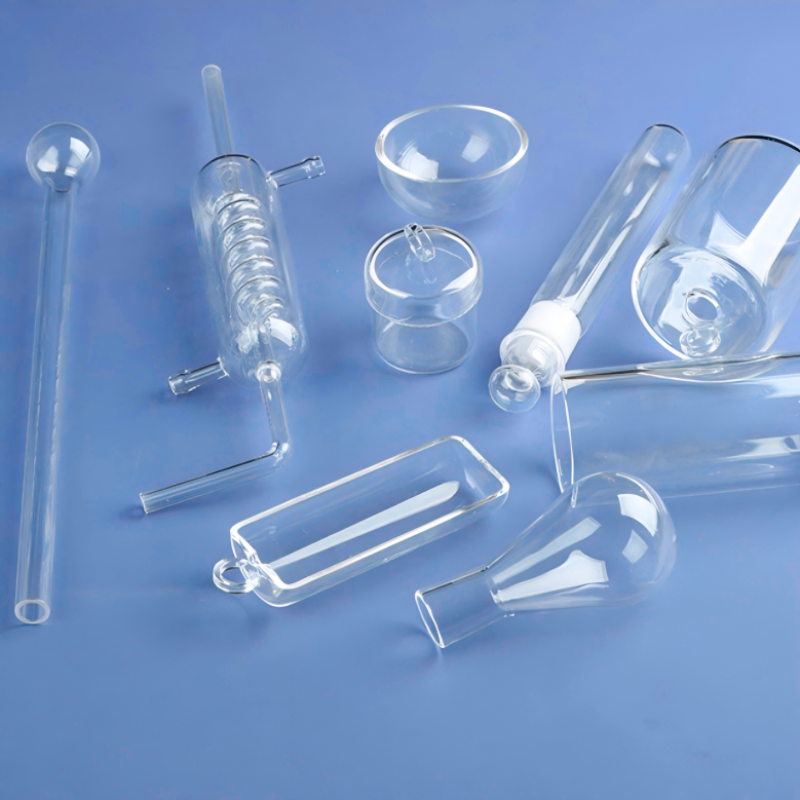
High-frequency heating test vessels built to resist severe thermal gradients without shattering. Designed for pyrolytic combustion and high-temperature gas purification.
View Technical Specs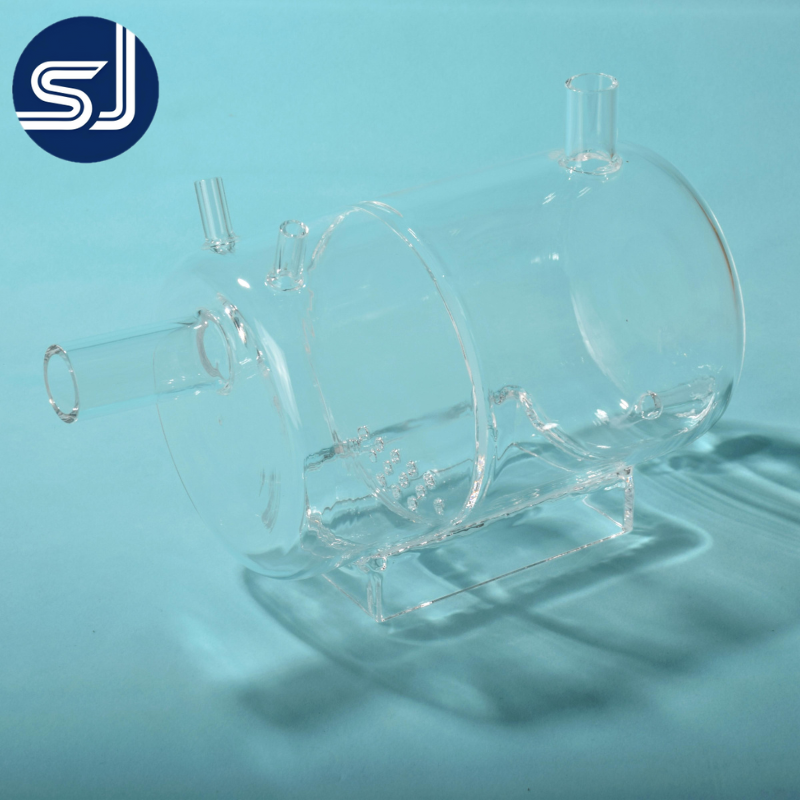
Complete chemical inertness against volatile acidic gases at extreme temperatures. Precision ground-glass joints prevent leakage during multi-channel atmospheric sampling.
View Technical Specs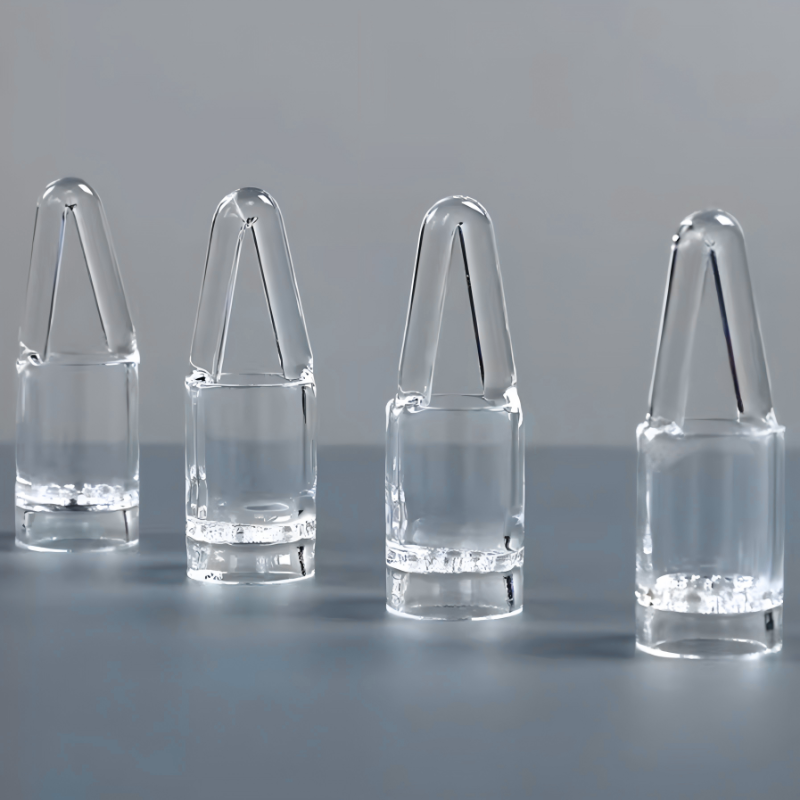
The industry benchmark for ASTM D482 fuel oil ashing, agricultural gravimetric determinations, and metallurgical flux fusion. Zero trace ion release up to 1100°C.
View Technical SpecsAnalytical gravimetry and calcination in modern industrial laboratories demand absolute chemical inertia and thermal stability. While glazed porcelain dishes have traditionally been employed for standard muffle furnace ashing, they present critical limitations in trace element determination. Porcelain contains significant concentrations of aluminum, calcium, potassium, and iron. Above 800°C, acidic or alkaline sample matrices react with the porcelain glaze, causing trace element leaching that fatally compromises Inductively Coupled Plasma Optical Emission Spectrometry (ICP-OES) and ICP-MS detection limits.
Platinum crucibles, though inert, carry prohibitive capital costs, suffer from mechanical deformation, and form damaging alloys with bismuth, antimony, lead, and phosphorus present in petrochemical and mining ores. Vulra Quartz Ashing Dishes, manufactured from 99.99%–99.999% pure natural crystalline silica ($SiO_2$), provide the definitive solution. With an ultra-low linear thermal expansion coefficient ($\alpha = 5.5 \times 10^{-7} /^\circ\text{C}$), our dishes can be plunged directly from an 1100°C muffle furnace into room-temperature desiccators without catastrophic thermal fracture.
Independent mass spectrometry analysis confirms ultra-low background noise for analytical calcination:
| Physical & Chemical Parameter | Vulra Fused Quartz Dish | Glazed Lab Porcelain | Standard Borosilicate 3.3 | Pure Platinum (Pt) |
|---|---|---|---|---|
| Continuous Operating Temp | 1100 °C | 1000 °C (glaze softens >900°C) | 450 °C (softens at 520°C) | 1600 °C |
| Peak Working Limit | 1450 °C | 1150 °C | 560 °C | 1750 °C |
| Thermal Shock Resistance ($\Delta T$) | > 1000 °C (Water Quench) | ~ 200 °C | ~ 150 °C | Excellent |
| Acid Resistance (Excl. HF / $H_3PO_4$) | Complete Inertia | Moderate (Glaze Leaches) | High | Complete |
| Trace Ion Leaching in ICP Analysis | Undetectable (<0.05 ppb) | High (Al, Fe, Ca, K) | Moderate (B, Na, Si) | None |
| Resistance to Molten Ash / Slag | High (No Devitrification Below 1050°C) | Low (Forms Glassy Eutectics) | Destructive | Subject to Heavy Metal Embrittlement |
| Capital Cost vs. Lifetime Value | Optimal High ROI | Low initial / High breakage | Economical / Low thermal ceiling | Extremely Expensive |
Panama represents the premier logistics, maritime, and transshipment hub of Central America. Vulra Quartz delivers mission-critical laboratory ashing hardware calibrated to the stringent regulatory and environmental standards governing Panamanian commerce.
Panama's twin bunkering centers at Balboa (Pacific) and Cristobal (Atlantic) supply millions of metric tons of Marine Gas Oil (MGO) and Very Low Sulfur Fuel Oil (VLSFO). Verification laboratories routinely perform ASTM D482 / ISO 6245 testing to determine inorganic ash contents.
Assay laboratories supporting mining corridors in Colón and central geological belts require aggressive thermal roasting to decompose sulfide-rich porphyry copper and epithermal gold ores prior to cyanide or acid leach extraction.
Laboratories in Chiriquí, Penonomé, and Herrera analyze Panama's premium exports—including Geisha coffee, sugar cane, cacao, and shrimp. Proximate analysis and dry ashing under AOAC Official Methods require absolute vessel inertness.
Scientific entities such as INDICASAT AIP and the University of Panama conduct biomedical and environmental toxicology testing. Fused silica dishes eliminate trace cation leaching during USP <281> residue on ignition testing.
As Panama advances its position as an international logistics, life sciences, and testing hub, procurement strategies for high-purity laboratory quartzware are undergoing structural modernization.
Multi-national third-party inspection firms (SGS, Bureau Veritas, Intertek) are actively expanding specialized regional testing facilities inside the Colón Free Trade Zone (Zona Libre de Colón) and the Panama Pacifico Special Economic Area. These hubs consolidate analytical samples from across Latin America. Sourcing high-purity quartz ashing vessels directly from Donghai manufacturers minimizes supply chain transit times while securing ISO/IEC 17025 compliant consumable batches.
The Panamanian Ministry of Environment (MIAMBIENTE) has enforced tighter protocols regarding industrial effluents, marine port dredge characterization, and agricultural soil contamination. Environmental testing labs must accurately detect heavy metals (Pb, Cd, As, Hg) down to parts-per-billion levels. Laboratories are universally shifting away from glazed porcelain to optical-grade fused silica ashing vessels to prevent false-positive contamination readings during background blank audits.
With thousands of vessels transiting the Panama Canal annually, bunker quality control under Marpol Annex VI remains paramount. The growing adoption of bio-fuel blends, LNG bunkering, and scrubbed heavy fuel testing requires calcination dishes that can survive corrosive sodium-vanadium complexes generated during high-temperature fuel degradation assays without chemical pitting or structural embrittlement.
Headquartered in the Jiangsu Donghai Economic Development Zone, Lianyungang Vulra Quartz Products Co., Ltd. leverages direct raw material proximity and cutting-edge thermal processing to deliver laboratory-grade perfection to Panama.
Authenticated on-site as a certified Custom Manufacturer. Comprehensive factory audit confirms our production lines, legal export compliance, and rigorous internal quality systems.
Drawing-based manufacturing flexibility. We engineer custom round, oval, flat-bottom, rectangular, or partitioned ashing dishes to match exact furnace chamber dimensions from single prototypes to volume runs.
Every hot-worked dish undergoes computer-controlled thermal annealing cycles to eliminate internal lattice stresses. Subsequent hydrofluoric acid wash and deionized water rinsing prevent surface micro-contamination.
Individual vacuum encapsulation, high-density pearl cotton isolation, and multi-ply wooden export crate crating. Guaranteed zero-breakage arrival via DHL/FedEx to Tocumen or ocean freight to Balboa/Manzanillo.
Our application engineers will review your dimensional CAD drawings, purity requirements, and muffle furnace operating cycle within 24 hours.
Send an InquiryTechnical, operational, and logistics answers compiled by Vulra Quartz technical engineers to streamline your procurement cycle from China to Panama.
Under non-reducing atmospheres and in the absence of heavy alkali metal contact, a high-purity fused quartz ashing dish can undergo hundreds of thermal cycles. Continuous operation at 1050°C–1100°C will not soften the material (softening point is 1683°C). To avoid surface devitrification (transformation into crystalline cristobalite), avoid handling the dish with bare hands, as sodium in fingerprint oils catalyses quartz crystallization at temperatures above 850°C.
Yes. Our quartz ashing dishes fully comply with ASTM D482 and ISO 6245 specifications for the determination of ash in petroleum products, including distillates, crude oils, lubricating oils, and bunker residual fuels. Fused silica is resistant to sulfurous fumes and does not retain carbon black within the internal matrix, ensuring precise gravimetric measurement down to 0.001% mass.
For urgent analytical requirements and standard trial batches (1 to 50 pieces), we ship via air express (DHL, FedEx, UPS) directly to Tocumen International Airport (PTY) or your lab doorstep in Panama City, Colón, or David within 5 to 8 business days. For bulk replenishment container orders, consolidated ocean freight arrives at Manzanillo International Terminal (Colón) or Port of Balboa within 22 to 28 sailing days.
Vulra Quartz utilizes an export packaging system that has achieved a 99.8% damage-free transit record across over 60 export destinations. Each quartz dish is wrapped in static-free sealed foil, cushioned in custom-molded high-resilience pearl foam, nestled in drop-tested dual-wall cartons, and bound inside a fumigated plywood crate reinforced with steel banding for maritime or air freight.
After each calcination cycle, allow the dish to cool below 100°C. For organic soot removal, wash with lab-grade detergents and rinse thoroughly with deionized water. For mineral and metal scale, soak the vessel in a 5% to 10% nitric acid ($HNO_3$) or hydrochloric acid ($HCl$) bath at room temperature. Never use hydrofluoric acid ($HF$) or hot concentrated phosphoric acid ($H_3PO_4$ >300°C), as they dissolve the vitreous silica network.
Yes. As an authenticated Custom Manufacturer verified by TÜV Rheinland, we regularly fabricate bespoke shallow dishes, deep-walled capsules, rectangular combustion trays, and multi-well digestion holders. Simply submit your dimensional sketch (diameter, wall thickness, brim height, bottom flat area), and our engineers will verify manufacturing feasibility and quote within 24 hours.
Every commercial consignment exported to Panama is accompanied by a comprehensive Certificate of Analysis (COA) specifying SiO₂ purity grade (typically >99.99%), batch-specific ICP-MS trace metal content reports, and RoHS / CE regulatory compliance documentation required by international audit bodies for ISO/IEC 17025 accredited facilities.
To support research institutes, universities, and small testing centers across Panama, our standard catalog ashing dishes and crucibles carry a flexible Minimum Order Quantity starting at just 1 piece for standard models and 2 to 5 pieces for customized technical geometries. Volume-tiered commercial pricing applies to corporate laboratory procurement contracts.
Ready to optimize your calcination precision and eliminate crucible trace leaching?
Send an Inquiry