Engineered Quartz Vessels & Analytical Apparatus
Explore standard and precision drawing-tailored quartz crucibles, ashing dishes, closed-dome electrolytic cells, and optical components trusted by European research institutes.
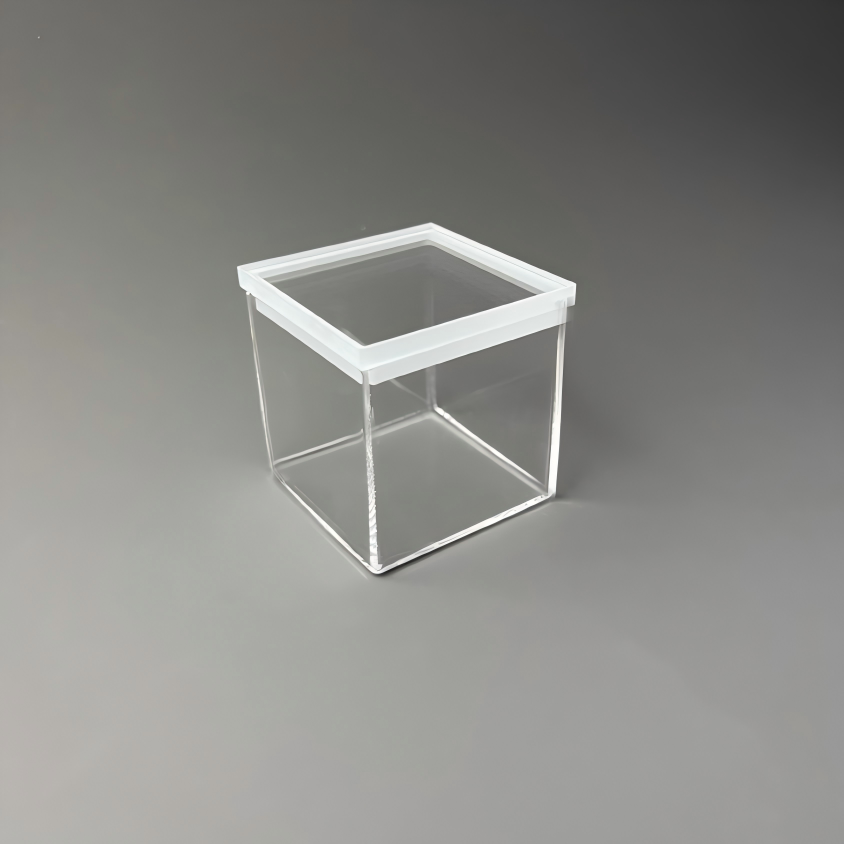
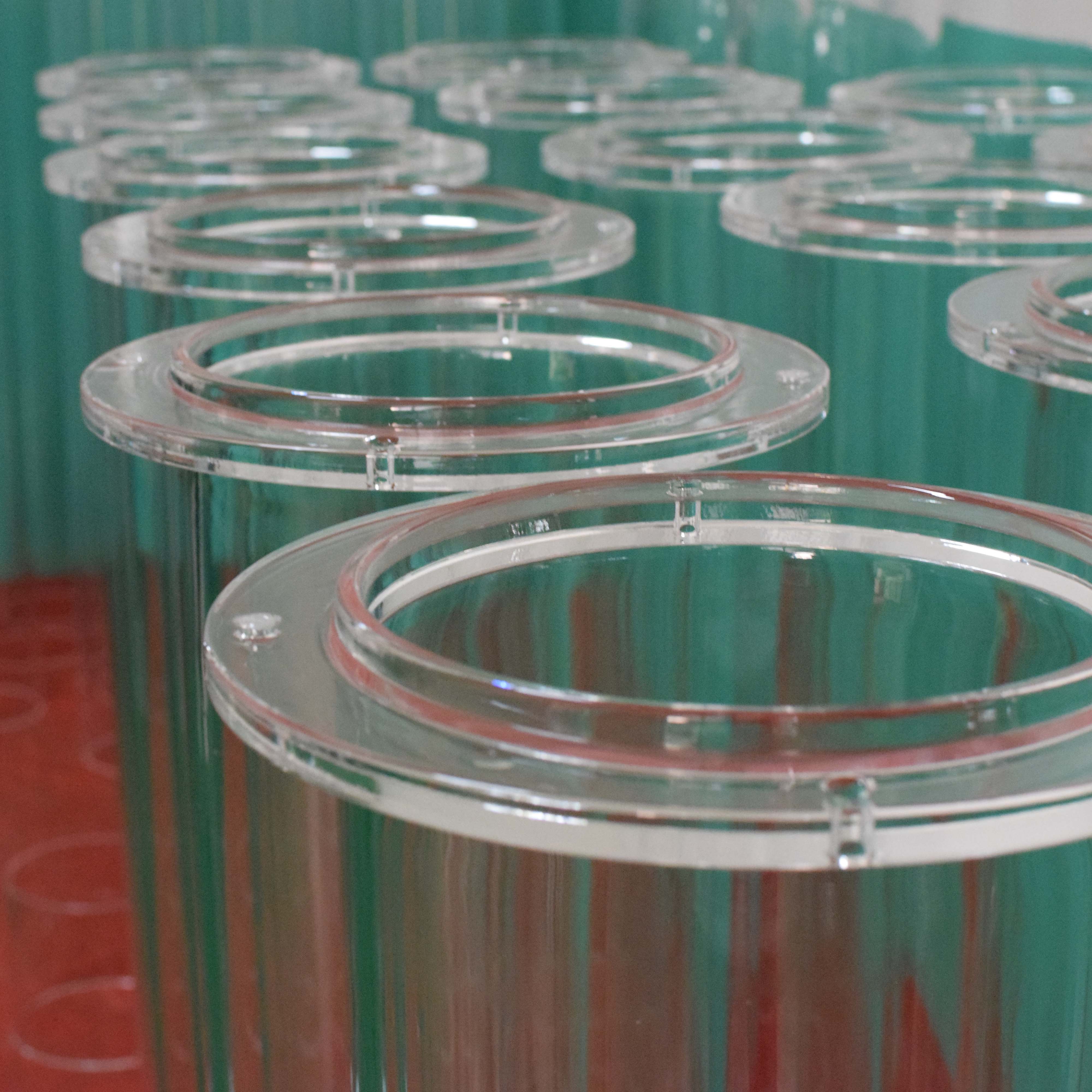
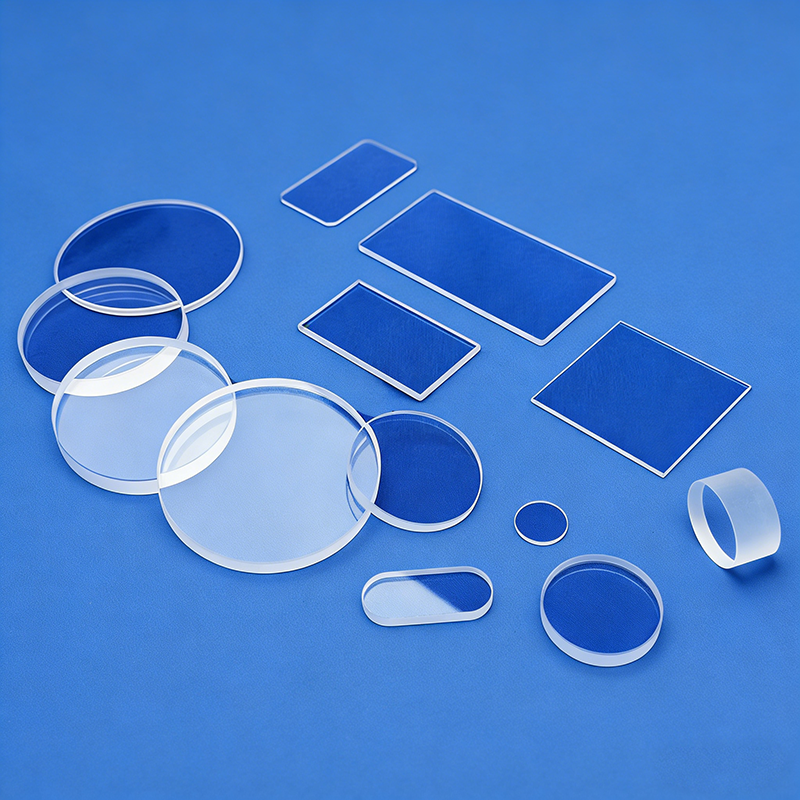
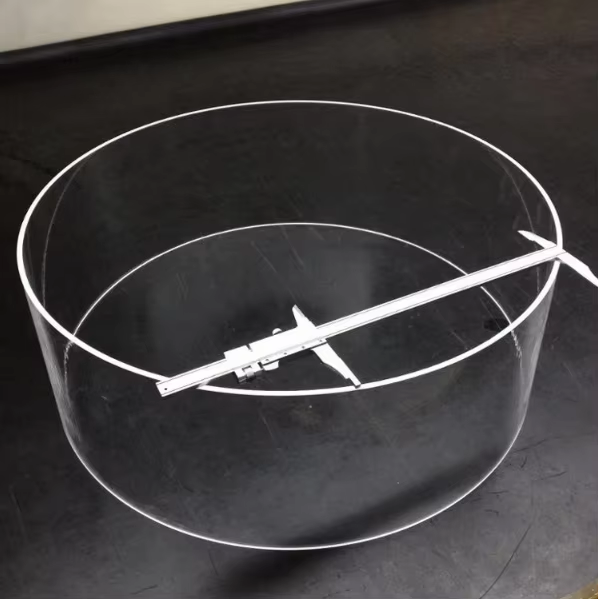
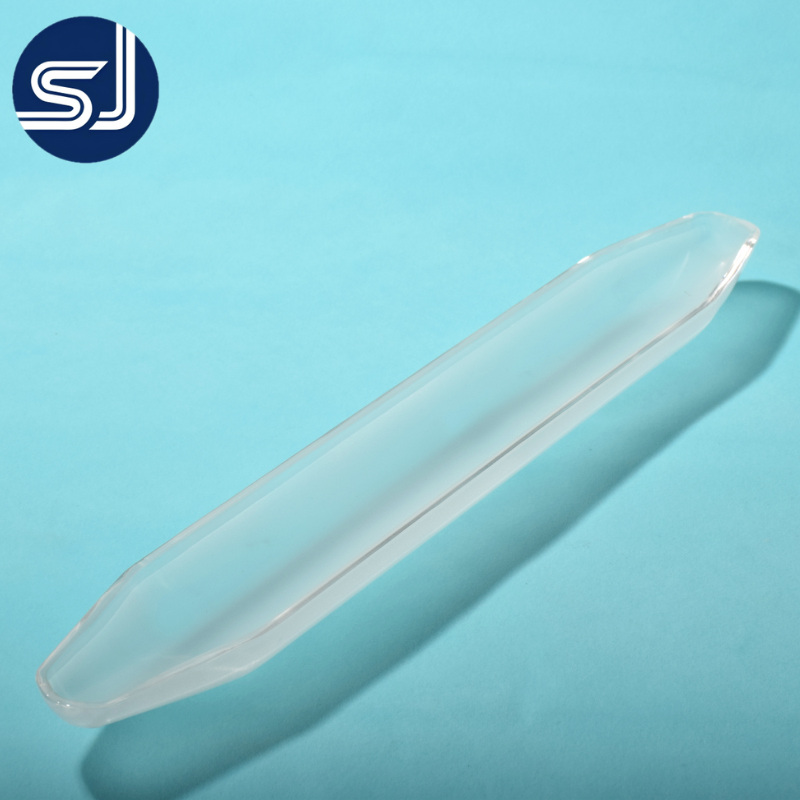
Engineering Fundamentals of Fused Quartz Ashing Dishes in Quantitative Gravimetry
Quantitative ashing, high-temperature calcination, and residual carbon combustion constitute foundational analytical workflows within industrial quality inspection and advanced academic research. In high-stakes metallurgical, chemical, and environmental testing, the mechanical vessel containing the analyte represents a critical source of systematic variance. A standard laboratory dish made from porcelain or standard borosilicate glass is prone to structural degradation, alkaline metal leaching, thermal shock failure, and irreversible sample absorption.
Fused quartz ashing dishes (synthesized through the thermal fusion of crystalline silicon dioxide at temperatures exceeding 2000°C) provide the indispensable thermal, chemical, and mechanical baseline required for ppm and ppb-level elemental trace analysis. With a silica purity grade ranging from 99.99% to 99.999% (5N), fused silica ensures virtually zero contamination from network-modifying cations such as Sodium (Na), Potassium (K), Calcium (Ca), and Iron (Fe), which frequently disrupt inductively coupled plasma mass spectrometry (ICP-MS) and atomic absorption spectroscopy (AAS) downstream.
Thermal Shock Resilience & Vitrification Kinetics
Fused quartz boasts an exceptionally low coefficient of thermal expansion (CTE) of approximately 5.5 × 10⁻⁷ cm/cm°C between 20°C and 1000°C. This near-zero dimensional reaction enables analytical laboratory personnel to transfer red-hot quartz ashing dishes directly from a 1100°C muffle furnace into a chilled desiccator, or expose them to liquid quenching without mechanical fracturing. Furthermore, precise thermal annealing during production eliminates internal mechanical stresses, delaying cristobalite devitrification phenomena even across prolonged heating cycles.
Chemical Inertness & Mineral Acid Compatibility
Except for hydrofluoric acid (HF) and hot, concentrated phosphoric acid at elevated regimes above 300°C, high-purity quartz exhibits near absolute resistance to aggressive chemical attack. Highly oxidizing digestive reagents—including boiling aqua regia, fuming nitric acid (HNO3), perchloric acid (HClO4), and sulfuric acid (H2SO4)—can be repeatedly evaporated in fused quartz ashing basins without surface pitting, mass alteration, or micro-structural delamination, preserving precise tare weights over hundreds of thermal operations.
Localized Industrial Applications Across the Graz Science & Manufacturing Hub
As the economic capital of Styria (Steiermark) and Austria’s foremost automotive, microelectronics, and advanced biotechnology innovation cluster, Graz imposes rigorous precision benchmarks on technical laboratory consumables. Fused quartz ashing vessels and specialized glassware operate at the heart of these regional workflows:
Automotive Propulsion & Emissions R&D
Styria is world-renowned for mobility development, spearheaded by global propulsion engineers like AVL List GmbH and major vehicle assembly centers in Graz-Thondorf. Quartz ashing dishes play a crucial role in soot extraction, lube-oil sulfated ash quantification according to DIN EN ISO 3987 / ASTM D874, and particulate filter substrate analysis, ensuring negligible carbon residue retention.
Silicon Austria Labs (SAL) & Microelectronics
Within the Graz microelectronics ecosystem and cutting-edge sensor fabrication facilities, high-purity quartzware is indispensable for dry-ashing polymeric photoresists, stripping organometallic coatings, and performing trace wafer surface analysis. Ultra-low alkali content (<1 ppm total metal imp.) prevents ion cross-contamination in sensitive cleanroom wet benches.
TU Graz & University Material Research
Researchers at Graz University of Technology (TU Graz), Karl-Franzens-Universität, and the Montanuniversität Leoben corridor depend on dimensional stability for thermal gravimetric analysis (TGA). From calcining battery cathode precursors to sintering functional ceramic nanocrystals, fused quartz dishes guarantee uncompromised analytical repeatability.
Human.technology Styria & Pharma Synthesis
The Styrian life sciences corridor maintains rigorous compliance with the European Pharmacopoeia (Ph. Eur. 2.4.16) and USP <281> for Sulfated Ash testing. High-purity quartz ashing capsules preclude sample adhesion and guarantee constant container weights down to the fifth decimal place (0.01 mg).
Styrian Metallurgy & Green Steel Transformation
In connection with Upper Styrian metallurgical giants transforming into hydrogen-based green steel production, accurate determination of slag inclusions, refractory wear, and carbon/sulfur combustion in induction combustion furnaces requires thermal stability without crucible degradation.
Material Benchmark: High-Purity Fused Quartz vs Alternative Lab Vessels
Procurement directors and laboratory managers in Graz evaluate analytical vessels based on thermal ceiling, contamination risk, mechanical shock tolerance, and overall cost per thermal cycle:
| Vessel Material Type | Max Continuous Temp | Thermal Shock Limit (ΔT) | Trace Impurity Risk | Acid Resistance (HNO₃ / H₂SO₄) | Cost vs Service Life Ratio |
|---|---|---|---|---|---|
| High-Purity Fused Quartz (Vulra) | 1100°C (1450°C Peak) | > 1000°C (Instant Quench) | < 10-20 ppm (Ultra-Low) | Absolute Inertness | Optimal (Reusable > 100x) |
| Glazed Laboratory Porcelain | 1050°C | ≈ 200°C (Susceptible to cracking) | High (Na, K, Fe, Al leaching) | Moderate (Glaze degrades) | Low Initial / High Replacement |
| Platinum (Pt / Au Alloy) | 1400°C | High (> 800°C) | < 5 ppm (Trace Zero) | Vulnerable to Aqua Regia | Extremely High Capital Outlay |
| Sintered Alumina (Al₂O₃ 99.7%) | 1600°C | ≈ 150°C (Poor Shock Resistance) | Aluminum ion background | High | Moderate / Prone to Thermal Fracture |
| PTFE / PFA Fluoropolymer | 260°C | Non-applicable (< 280°C melt) | Ultra-Low Metal Trace | High Organic / Acid Safe | Zero Utility for Muffle Ashing |
Local Procurement Trends & Quality Priorities for Styrian Facilities
Procurement practices across Austrian laboratories have evolved significantly toward total lifecycle efficiency, traceability, and supply chain decarbonization. Buyers in Graz, Leoben, and Linz no longer rely strictly on catalog distributors with inflated markups; they increasingly collaborate directly with verified original manufacturers capable of supplying drawing-based custom quartzware under verified quality frameworks:
Traceability & Certificates of Analysis (CoA)
Modern ISO 17025 accredited testing laboratories throughout Graz mandate individual batch certification. Trace impurity profiles—quantified via Glow Discharge Mass Spectrometry (GDMS)—must document total metallic impurity levels below stringent thresholds (< 15 ppm total, with Na < 1.5 ppm, Fe < 0.8 ppm, Al < 12 ppm). This eliminates baseline drift during ICP-MS calibrations.
Dimensional Tolerances & Automated Ashing Carousels
Laboratories handling high analytical throughput have transitioned toward robotic autosamplers and automated thermogravimetric analyzers (such as prepASH systems). Ashing dishes require ultra-tight exterior dimensional tolerances (±0.2 mm) and flat bottom planarities to prevent automated gripping errors or sensor displacement during tare calculations.
Drawing-Based Custom Rapid Prototyping
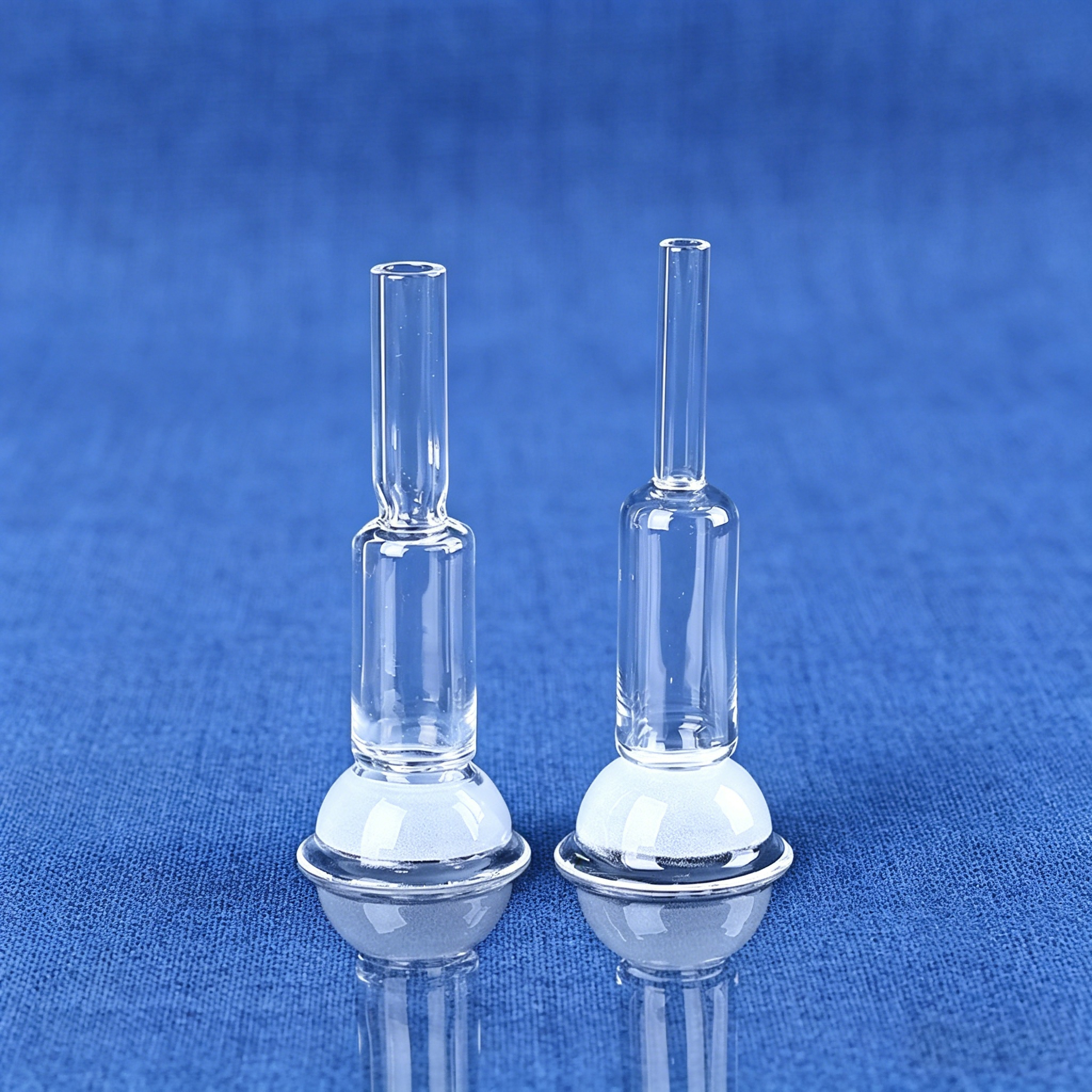
Standard commercial catalog geometry rarely meets specialized research requirements. Styrian engineering teams frequently demand custom rectangular combustion boats with partition ridges, pour spouts with flame-polished lips, or specialized BET gas adsorption sample tubes with precision ground taper joints (NS 14.5 / NS 19).
Direct Manufacturer Integration & Supply Security
With European industrial labs actively de-risking single-tier supply chains, establishing direct communication with Donghai-based quartz producers who control the entire processing chain—from refined natural crystalline quartz sand to flame lathed finishing—assures prompt lead times and wholesale cost stability.
Factory Direct Excellence: Lianyungang Vulra Quartz Products Co., Ltd.
Strategically located in Donghai County—the globally recognized crystal and quartz capital—Vulra Quartz operates an integrated production base dedicated to drawing-based OEM/ODM quartz manufacturing.
TÜV Rheinland On-Site Assessed
Production facilities, legal standing, and quality control verified on-site by TÜV Rheinland, backed by full CE and RoHS compliance.
From 1-Piece Custom Prototyping
Engineers evaluate 2D/3D CAD drawings (STEP, DWG, DXF) to manufacture custom ashing dishes, boats, and crucibles starting from a single unit.
Cold & Hot Working Under One Roof
Diamond saw cutting, CNC milling, ultrasonic ultrasonic coring, flame lathe welding, and high-temp vacuum annealing in one continuous facility.
Raw Material Direct Sourcing
Direct supply lines of refined high-purity natural silica sand (≥ 99.999% SiO₂) guarantee batch-to-batch chemical uniformity and zero bubbles.
Export-Engineered Packaging
Triple-barrier custom polyethylene foam, individual heat-sealed vacuum sleeves, and shock-isolated wooden cases prevent transit damage to Europe.
Thermal Annealing & Stress Verification
Every vessel undergoes full strain-point annealing at 1120°C followed by polariscope optical birefringence inspection to guarantee crack-free lifespan.
Styrian Buyer FAQ: Technical, Compliance & Logistics Insights
Straightforward answers to the technical, operational, and commercial questions most frequently raised by laboratory managers, procurement heads, and research scientists in Graz:
What is the operational service life of fused quartz ashing dishes compared to standard porcelain?
How do we prevent devitrification (cristobalite formation) during repetitive 1000°C thermal cycles?
Can Vulra manufacture ashing dishes with specific geometries for automated analyzers (e.g. prepASH)?
What are the import procedures, customs tariffs, and delivery timelines for Graz and Styria?
What is the minimum order quantity (MOQ) for custom drawing-based quartzware prototypes?
How does Vulra safeguard against transit breakage during intercontinental air and rail shipping?
Ready to Engineer Custom Quartzware for Your Facility?
Send your specifications, CAD drawings, or continuous temperature requirements directly to our senior quartz glass engineering team. We guarantee detailed technical reviews, raw material purity guarantees, and rapid factory quotation within 24 hours.
Contact Us