High-Performance Quartz Plates & Custom Labware
Direct from our Donghai manufacturing base to industrial facilities and university laboratories across Metro Vancouver, Richmond, Burnaby, and Surrey. Review our standardized and custom-fabricated quartz products below.
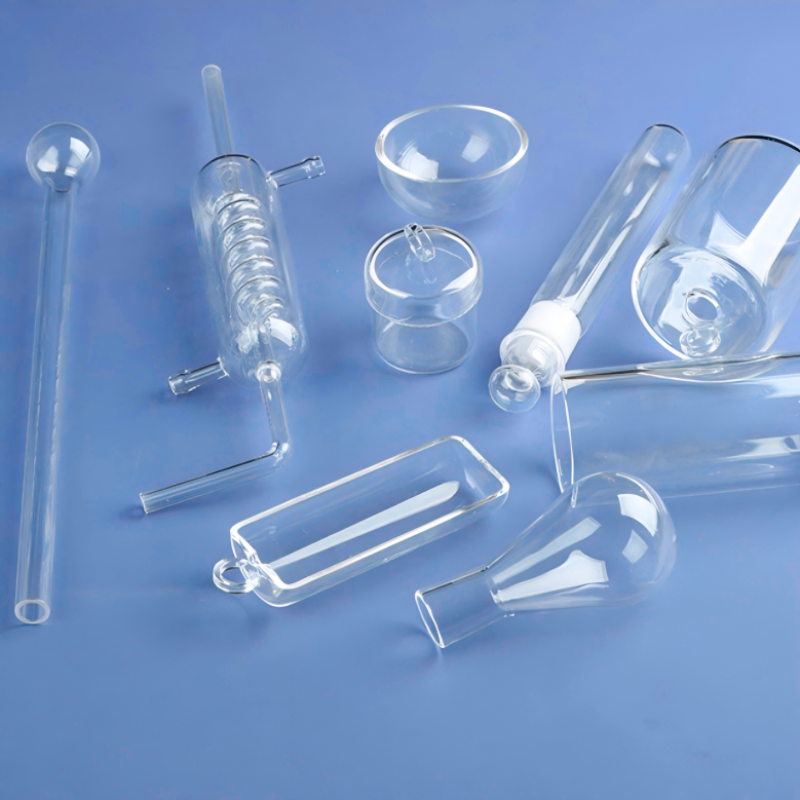
Quartz Glass Tube Plugging Rod Heating Test Tube Boat
Designed for high-frequency induction heating, vacuum tube furnaces, and CVD systems with extreme thermal shock resistance.
Explore Specifications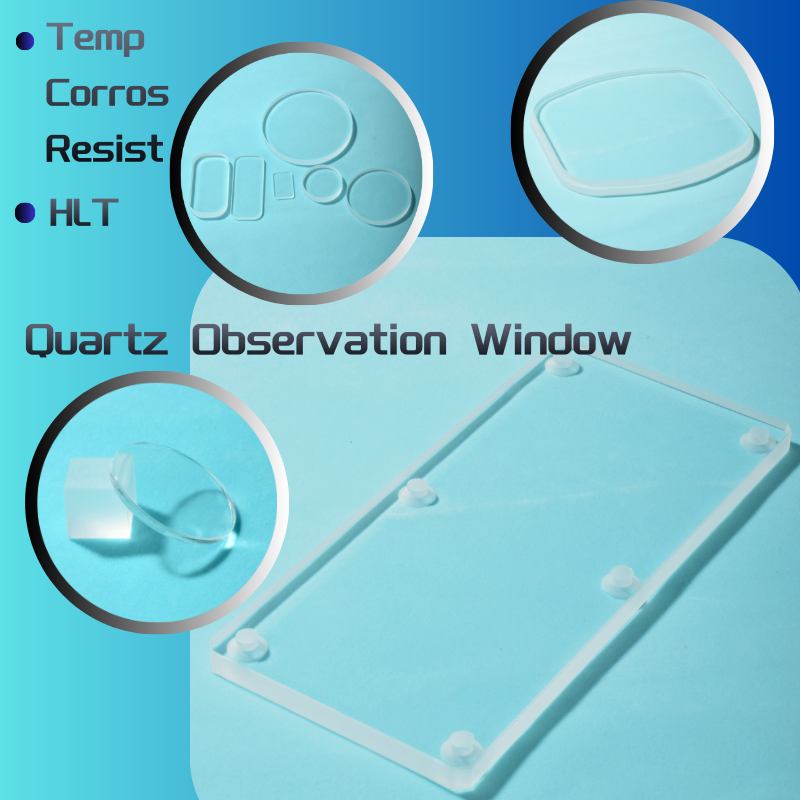
SJ Natural Fused Quartz Polished Plate Optical Clear
High-transmittance optical plates for laser systems, chemical-resistant reactor viewports, and precision optoelectronic substrates.
Explore Specifications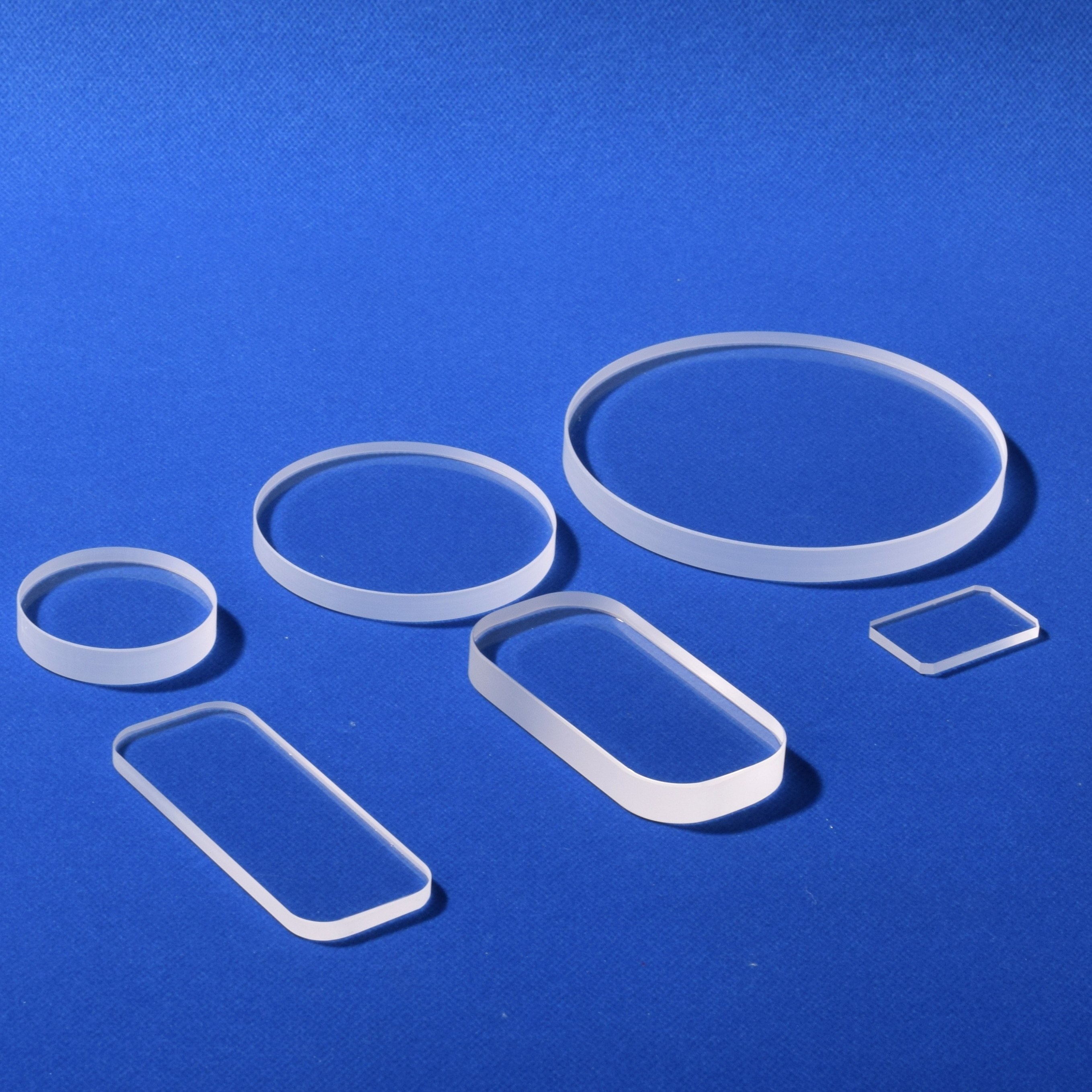
High Transmittance Customized Quartz Glass Watch Window
Custom disc and rectangular sight glasses engineered with parallel lapping for pressure vessels and high-temperature observation ports.
Explore Specifications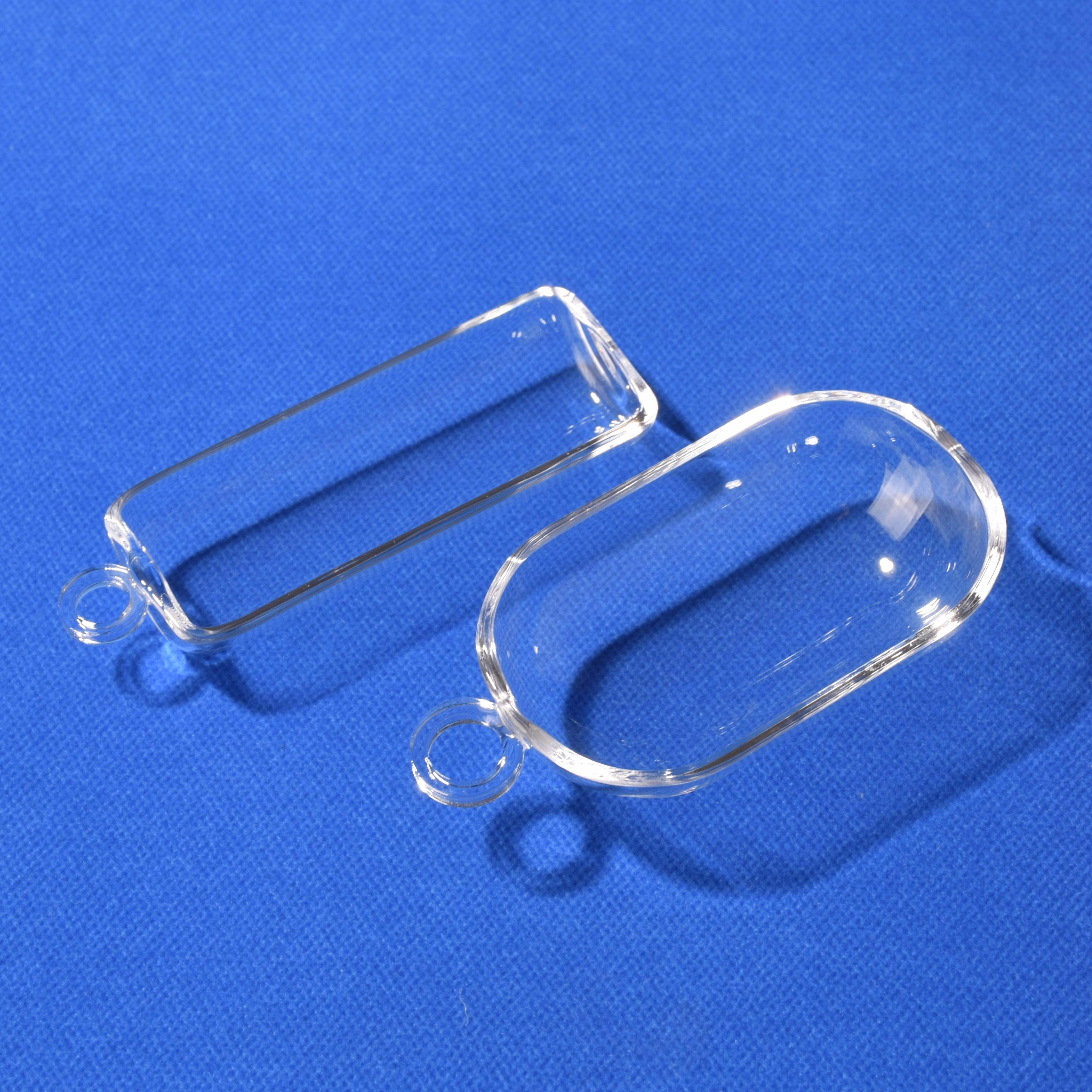
Semi-Circular Flat Bottom High-Temp Quartz Boat
Optimized for horizontal combustion and annealing furnaces, featuring a flat-bottomed stability profile and fire-polished edges.
Explore Specifications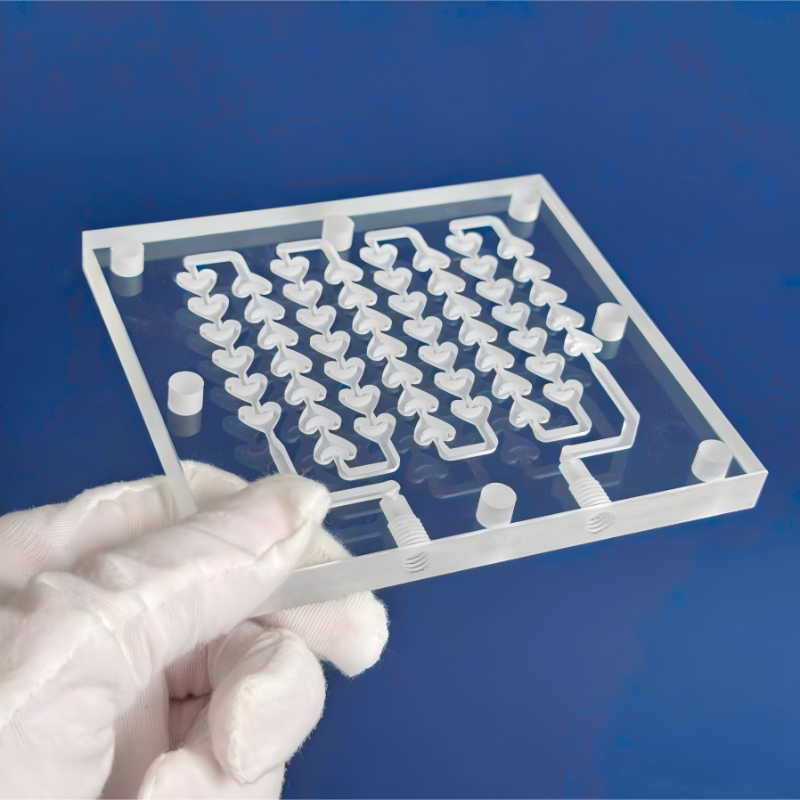
High Thermal Conductance Circular Quartz Glass Chips
Circular thermal heat-exchange discs with precise planarity, high thermal shock tolerance, and inertness across aggressive electrolytes.
Explore Specifications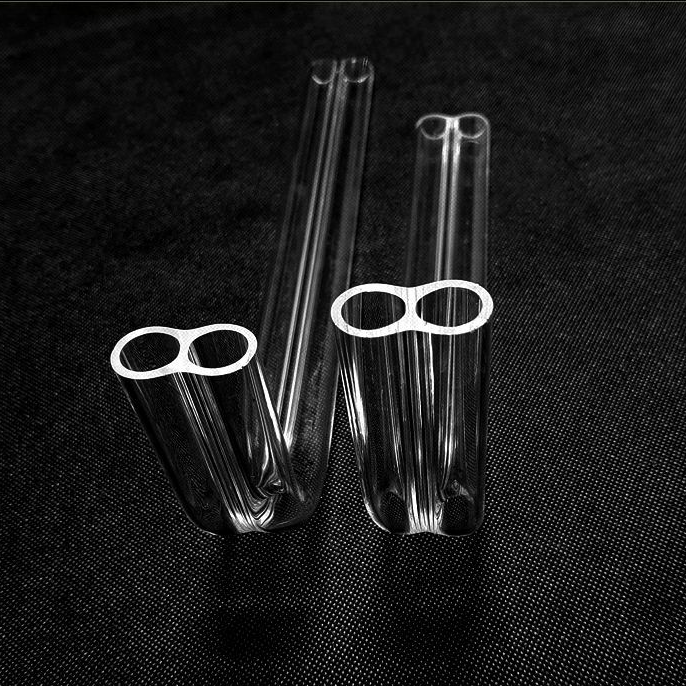
99.999% Fused Quartz Right-Angle Elbow Assembly
Multi-axis flame-welded and stress-relieved quartz double-tube elbow designed for corrosive gas routing and semiconductor exhaust lines.
Explore Specifications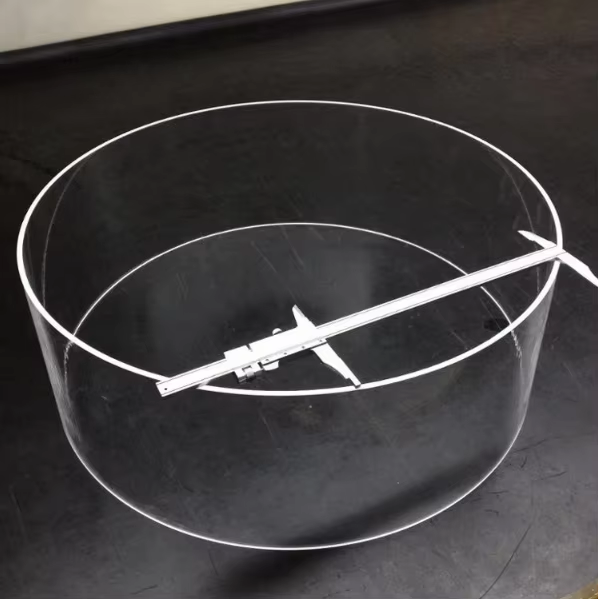
Optical Quartz & Sapphire High-Temp Reaction Tubes
Deep-ultraviolet transmission tubes for photochemical synthesis, powder sintering, and continuous plasma processing.
Explore Specifications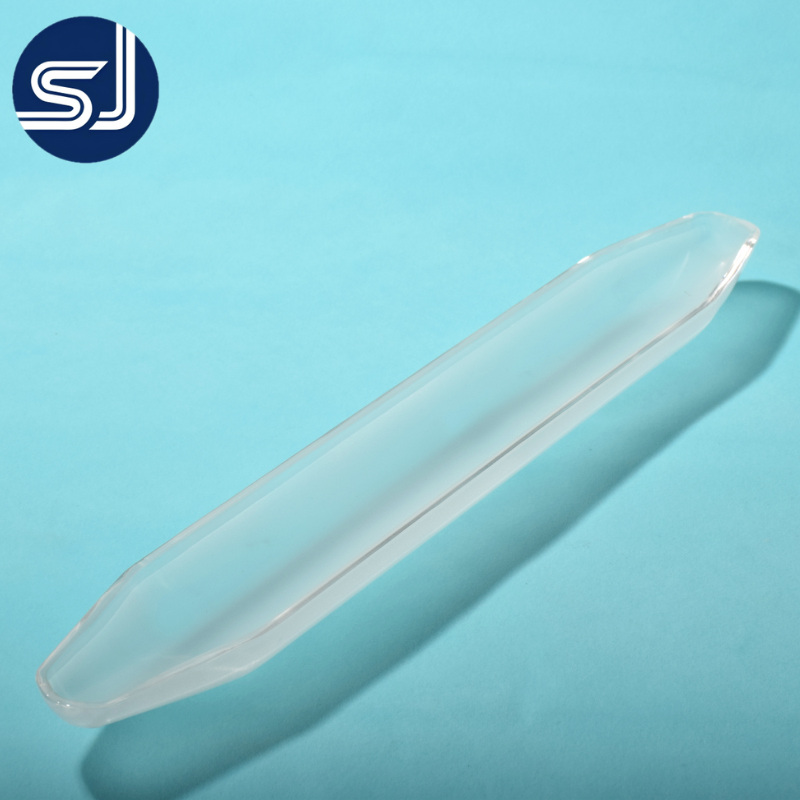
Precision Polished Quartz Wafer Boat Carrier
CNC micro-slotted fused quartz carrier boat engineered for microelectronics wafer handling, high-purity etching, and laboratory diffusion runs.
Explore SpecificationsPrecision Polished Quartz Plates: Material Architecture & Optical Metrology
A comprehensive technical overview for optical engineers, cleanroom procurement officers, and scientific research directors across Greater Vancouver and British Columbia.
Technical Property Matrix: Fused Quartz & Silica Grades
| SiO₂ Chemical Purity | Grade A: ≥ 99.99% | Grade Super-Semiconductor: ≥ 99.999% (Donghai Refined) |
|---|---|
| Wavelength Transmission | JGS1 (UV Fused Silica): 185 nm – 2500 nm | JGS2 (Optical Quartz): 220 nm – 2500 nm | JGS3 (IR Quartz): 260 nm – 3500 nm |
| Surface Figure / Flatness | λ/4 to λ/10 per inch @ 632.8 nm (He-Ne Laser Interferometry verified) |
| Surface Roughness (Ra) | Commercial Polish: Ra < 1.5 nm | Super-Polished (CMP): Ra ≤ 0.3 – 0.5 nm |
| Parallelism & Wedge Angle | Standard: < 3 arc min | Precision Optical: < 30 arc seconds |
| Coefficient of Thermal Expansion | 5.5 × 10⁻⁷ /°C (Mean from 20°C to 300°C) |
| Continuous Service Temp | 1100°C (Short-term peak: 1450°C; Annealing point: 1140°C; Softening point: 1683°C) |
| Chemical Resistance | Inert to all acids (including HCl, HNO₃, H₂SO₄, Aqua Regia) except Hydrofluoric (HF) & hot Phosphoric acid |
TÜV Rheinland Verified Factory Specs


Vulra Quartz operates complete integrated production workflows: raw material screening, flame lathe working, CNC cold contouring, ultrasonic coring, beveling, chemical etching, and Class 1,000 cleanroom vacuum packaging.
- ✓ Thickness Range: 0.2 mm to 100 mm
- ✓ Maximum Dimension: Up to 1200 mm × 1000 mm plates
- ✓ Custom Geometry: Circular, stepped, drilled, slots, bevels
- ✓ 100% Inspection: Polariscopic strain & spectrophotometer data
High-Purity Quartz Applications Across Vancouver & British Columbia
From university research hubs along Burrard Inlet to advanced fuel-cell testbeds in the Fraser Valley, our quartz plates provide the critical baseline material for cutting-edge Canadian innovation.
Clean-Tech & Hydrogen Fuel Cell Testbeds
Vancouver is globally recognized as the hydrogen capital of Canada, anchored by pioneers in proton exchange membrane (PEM) fuel cells and water electrolyzers. Our polished quartz plates serve as optical observation windows for high-pressure electrochemical reaction cells, enabling in-situ operando neutron imaging and microscopic two-phase fluid visualization without chemical leaching or ionic contamination.
Quantum Computing & Integrated Photonics
The Cascadia Quantum Corridor—spanning Vancouver, Burnaby, and Richmond—houses groundbreaking quantum hardware developers and photonics spin-offs. We supply ultra-low birefringence polished quartz substrates and laser-grade fused silica windows designed to operate stably within ultra-high vacuum (UHV) cryostats at 4 Kelvin, preserving optical coherence in single-photon emitters and quantum memory gates.
University Research & TRIUMF Particle Physics
Serving prestigious academic institutions including the University of British Columbia (UBC Point Grey), Simon Fraser University (SFU Burnaby & Surrey), and the TRIUMF national accelerator facility. Applications include X-ray diffraction (XRD) sample holders, spectrophotometer absorption cells, vacuum viewports, and plasma deposition shields requiring absolute chemical reproducibility from prototype batch to recurring grant phases.
Pacific Oceanographic & Subsea Telemetry
British Columbia’s ocean science network requires environmental monitoring instrumentation that resists deep-sea hydrostatic pressures and abrasive marine salinity. Our thick, polished quartz sight windows provide crystal-clear optical telemetry ports for autonomous underwater vehicles (AUVs), ocean LiDAR sensors, and marine fluorometers monitoring Salish Sea ecosystems without biofouling degradation.
Life Sciences & Microfluidic Lab-on-a-Chip
Vancouver’s burgeoning biotechnology cluster in Mount Pleasant relies heavily on ultra-pure, fluorescence-free fused silica for microfluidic chips, UV-capillary electrophoresis, and high-throughput genomic flow cells. Our optical polishing ensures zero autofluorescence under UV and blue laser excitation, enabling unambiguous signal-to-noise ratios during single-molecule DNA sequencing.
Advanced Semiconductor & Battery Pyrolysis
Regional clean-tech manufacturers engaged in next-generation battery material synthesis, cathode calcination, and silicon carbide (SiC) prototyping utilize our quartz plates as inert thermal liners, combustion trays, and tube furnace observation windows capable of withstanding corrosive volatile fumes at sustained operational levels up to 1100°C.
Industrial Trends Driving Quartz Procurement in the Pacific Northwest
An authoritative analysis of technical, environmental, and trade shifts influencing British Columbia’s advanced material supply chain between 2025 and 2030.
Expansion of the Cascadia Clean-Tech Corridor
Cross-border collaboration between Metro Vancouver, Seattle, and Portland is generating heightened demand for high-temperature refractory glass and optical quartz components. As clean hydrogen projects transition from pilot demonstration plants to full-scale megawatt electrolyzer installations in BC's industrial parks, the demand for precision-machined, pressure-rated sight quartz plates is projected to grow by over 14% CAGR through 2029.
Agile Rapid-Prototyping & 1-Piece Low-MOQ Procurement
Vancouver’s deep-tech hardware startups and venture-backed research laboratories operate under dynamic iteration schedules where traditional suppliers requiring 50-to-100 piece minimums create severe inventory bottlenecks. The regional market has aggressively shifted towards verified manufacturers offering drawing-based 1-piece custom prototyping, allowing local engineers to validate physical fit and optical alignment before capital deployment.
Stringent Traceability & Environmental Compliance
Canadian research grants and industrial procurement mandates require rigorous supply chain transparency, specifically CE certification, RoHS conformity, and third-party verified environmental credentials. BC companies are directly auditing foreign quartz manufacturers for trace heavy metal limits and crystalline sand origin to satisfy strict environmental and safety regulations enforced under Environment and Climate Change Canada (ECCC).
Resilient Trans-Pacific Direct Logistics (Port of Vancouver & YVR)
Given the fragile nature of high-purity optical plates and thin quartz interlayers, buyers in Greater Vancouver prioritize direct origin-to-destination freight packaging. Utilization of reinforced shock-absorbing wooden crates with built-in tilt/impact indicators, routed via non-stop air cargo to Vancouver International Airport (YVR) or consolidated marine freight through Port of Vancouver, guarantees minimal lead time and zero transit micro-fracture incidents.
Engineering Precision, Donghai Origin & Global Export Credibility
Combining the geopolitical raw material advantages of the world's crystal capital with international third-party certification and custom machining versatility.


Vancouver Buyer Technical & Logistics FAQ
Direct answers from our senior export engineers regarding customs, Canadian tariffs, lead times, optical specifications, and drawing reviews.
What are the typical shipping lead times and door-to-door delivery options for Vancouver and Metro BC?
For urgent academic prototypes, R&D wafers, and replacement sight windows, we dispatch via direct air express (DHL, FedEx, UPS) arriving at Vancouver International Airport (YVR) within 4 to 7 business days from dispatch. For standard production batches and larger furnace tubes or quartz boats, consolidation via air freight (6–10 days) or sea freight container shipping directly into the Port of Vancouver (Roberts Bank or Burrard Inlet, approximately 18–25 days maritime transit) provides optimal cost efficiency.
Every shipment is packaged in multi-layered pearl foam cushioning, individual anti-static vacuum envelopes, and reinforced plywood crates compliant with international ISPM-15 phytosanitary standards, preventing transit damage across trans-Pacific routes.
How are Canadian customs duties, CBSA clearances, and HS codes handled for quartz plates?
Importations of fused quartz plates and custom laboratory quartzware into British Columbia fall under Canadian Customs Tariff HS Code 7002.31 (Tubes of fused quartz or other fused silica) or HS Code 7002.39 / 7020.00 (Other articles of glass/fused silica for laboratory, hygienic or pharmaceutical uses). We furnish complete commercial invoices, packing lists with net/gross weights, and Certificates of Origin (COO).
Goods entering Canada are subject to standard 5% federal Goods and Services Tax (GST); research equipment destined for qualifying educational institutions (such as UBC or SFU) may qualify for specific duty relief provisions under Canadian Border Services Agency (CBSA) guidelines.
Can I order a 1-piece custom quartz plate prototype from my own CAD drawing?
Yes. As a verified custom manufacturer, our minimum order quantity (MOQ) for custom polished plates, observation discs, and slotted boat carriers begins at just 1 piece. You can submit your mechanical drawing in 2D (PDF, DWG, DXF) or 3D (STEP, IGES) format. Our production engineers conduct a comprehensive design-for-manufacturing (DFM) review within 24 hours, evaluating thickness-to-aspect ratios, corner radii, beveling specifications, and flame-polishing zones.
How do I determine whether my Vancouver facility needs JGS1, JGS2, or JGS3 quartz?
The choice between optical quartz grades depends strictly on your working spectral band and radiation intensity:
• JGS1 (Synthetic Fused Silica): Recommended for deep UV lithography, excimer lasers (193 nm / 248 nm), high-precision fluorescence spectroscopy, and quantum optics. It exhibits virtually zero bubble inclusions, extremely high UV transmittance (>90% at 200 nm), and no fluorescence under excitation.
• JGS2 (Standard Fused Quartz): The industry standard for visible spectrum inspection windows, high-temperature furnace sight glasses (continuous 1100°C), and chemical reaction chambers. It offers excellent transmission between 260 nm and 2500 nm at a cost-effective price point.
• JGS3 (Infrared Quartz): Doped to eliminate the structural hydroxyl absorption band at 2730 nm, offering superior transparency throughout the near and mid-infrared spectrum (up to 3500 nm), commonly utilized in FTIR spectroscopy, pyrometry viewports, and infrared heating arrays.
What surface flatness and scratch-dig tolerances do you guarantee on polished plates?
Our standard precision polish guarantees a surface flatness of 1λ to λ/2 per 25 mm diameter at 632.8 nm with a scratch-dig rating of 60/40 or 40/20 per MIL-PRF-13830B. For high-energy laser windows, interferometry plates, and quantum optical cavities, our precision CMP lines achieve high-precision tolerances: flatness to λ/4 or λ/10, parallelism under 30 arc seconds, and surface roughness Ra ≤ 0.5 nm (scratch-dig 20/10 or 10/5). Every optical batch includes an interferometer flatness report upon request.
How does fused quartz perform in aggressive chemical environments like cleanroom etching?
Fused quartz is chemically inert to almost all inorganic and organic acids—including hot nitric acid (HNO₃), hydrochloric acid (HCl), concentrated sulfuric acid (H₂SO₄), piranha solution, and aqua regia—even at elevated temperatures up to several hundred degrees Celsius. The only chemicals that react with fused silica are Hydrofluoric acid (HF) at any temperature and concentrated Phosphoric acid (H₃PO₄) above 150°C. Furthermore, basic alkaline solutions (such as concentrated NaOH or KOH) will cause surface etching only at elevated temperatures above 100°C.
Initiate Your Engineering Consultation Today
Whether you require standard optical fused quartz windows or high-complexity custom CNC machined quartz plates delivered directly to your facility in Vancouver, Burnaby, Richmond, or Victoria—our team is ready to assist with drawing reviews, purity certifications, and competitive volume quotations.