Optical Quartz Prism Manufacturers & Suppliers in the Chinandega Market
High-precision fused silica, synthetic quartz, and beam-steering prism components engineered for agrochemical spectroscopy, maritime LIDAR at Puerto Corinto, and high-temperature process instrumentation across Western Nicaragua.
Direct Factory Sourcing
Engineered Optical Quartz & Laboratory Assemblies
Vulra Quartz supplies custom optical blanks, spectrophotometric chambers, transmission windows, and precision prisms manufactured directly from high-purity crystalline quartz sand in Donghai, certified to ISO 10110 standards with drawing-to-part tolerances.
400-mesh ultra-pure quartz components offering 99.999% SiO₂ purity, high optical transmittance from 190 nm to 2500 nm, and extreme resistance to acid corrosion in harsh chemical processes.
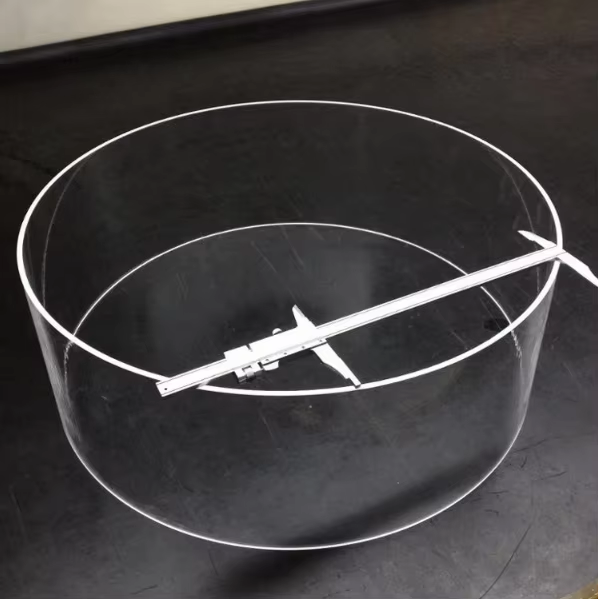
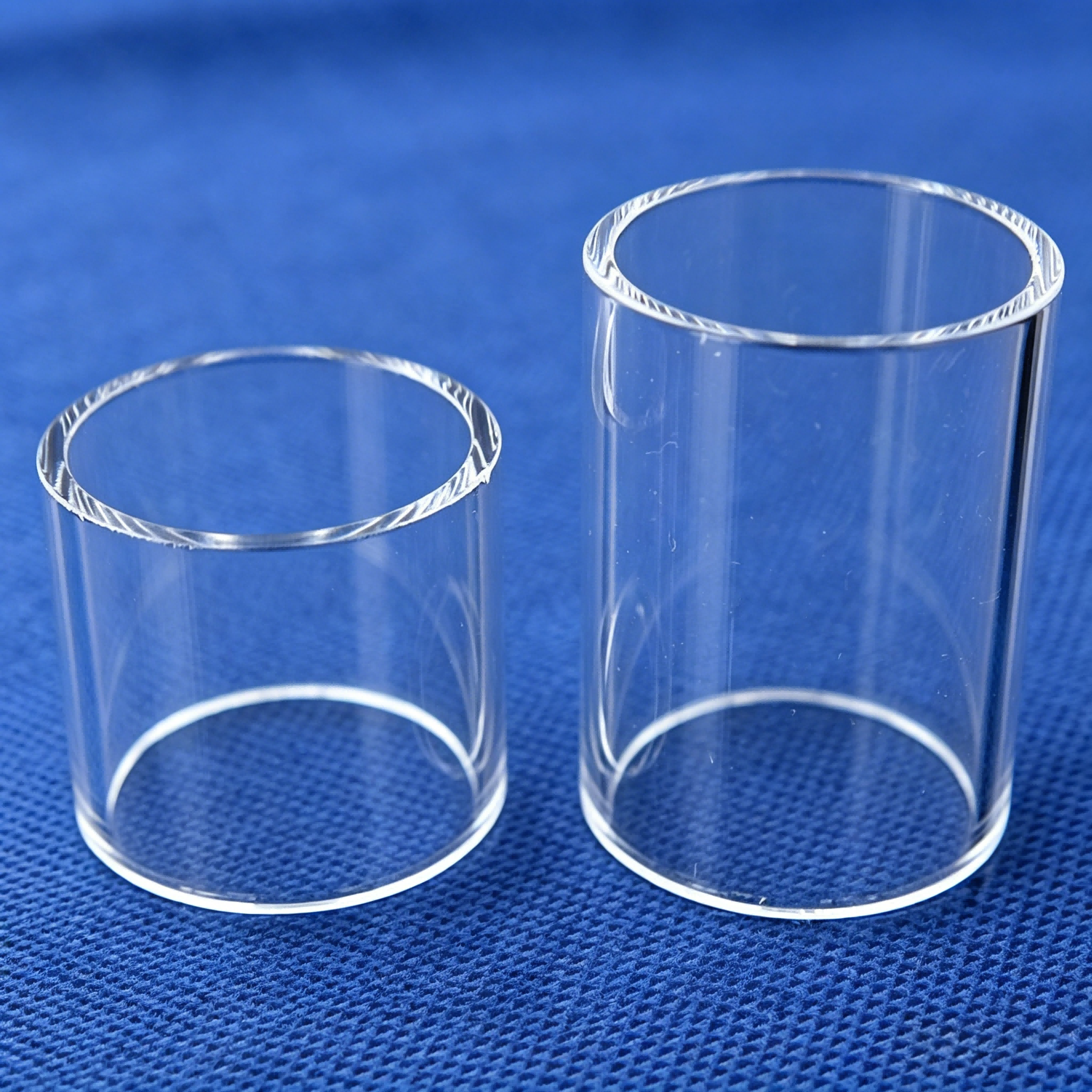
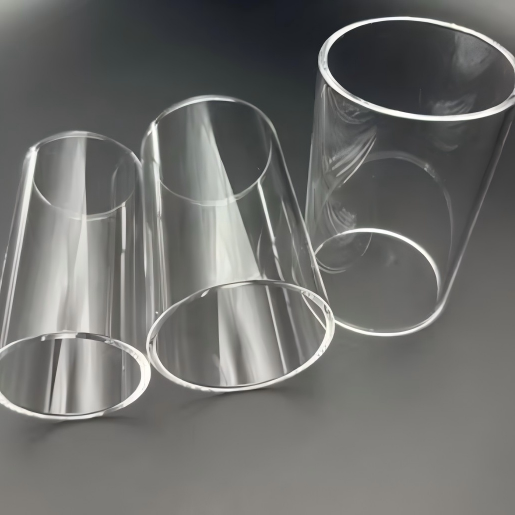
UV-grade test pipes and sighting cylinders engineered for powder sintering, laser excitation tubes, and high-pressure chemical reactions with continuous thermal operation up to 1100°C.
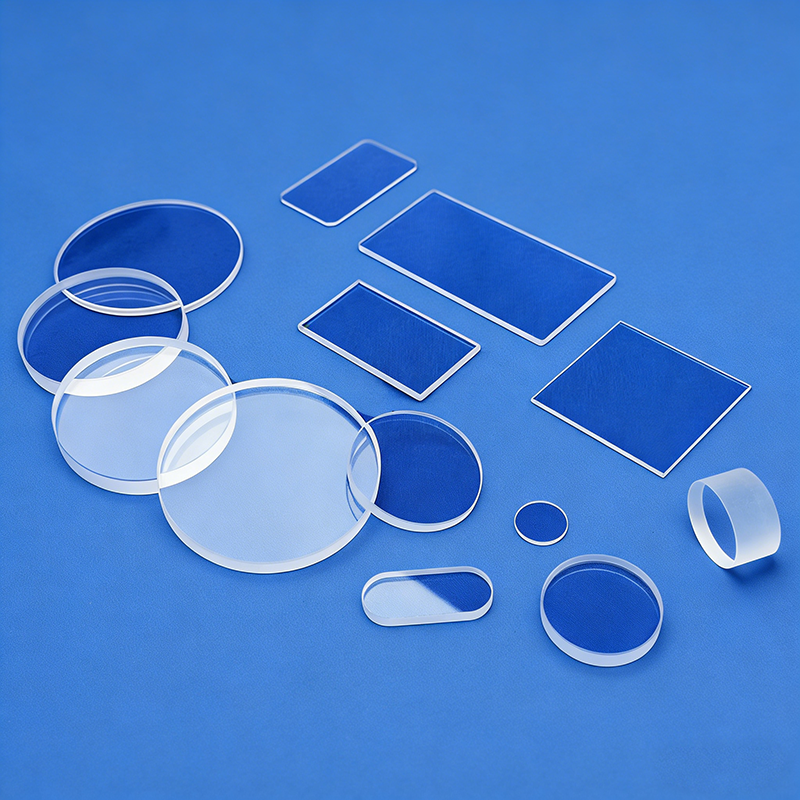
Zero-background circular and rectangular quartz plates for X-ray diffraction analysis and spectrophotometric reflectance, featuring surface flatness up to λ/10 and fine optical polishing.
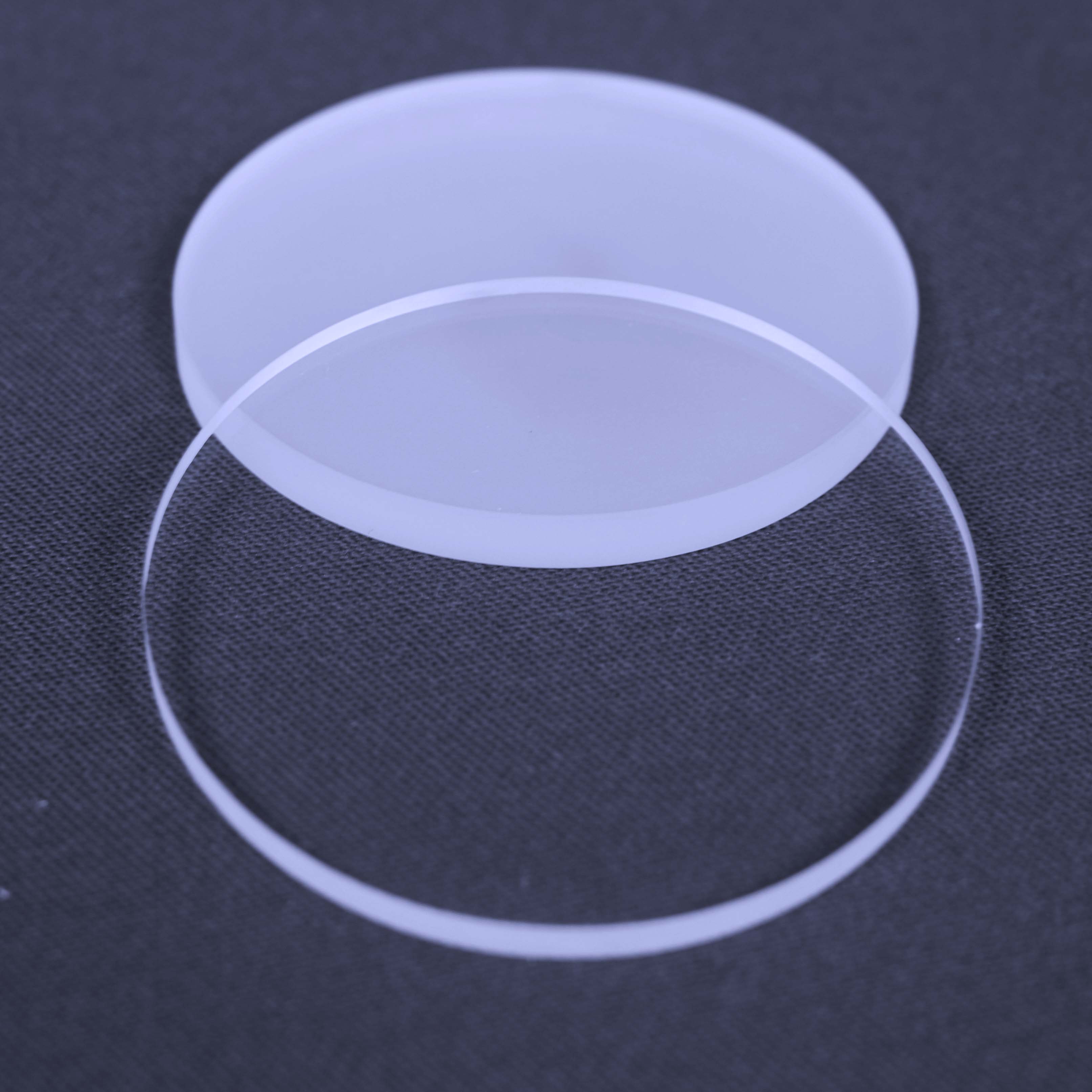
Precision circular and square testing sheets with thickness tolerance to ±0.02 mm, high thermal shock resistance, and pristine wavefront transmission for laser windowing and optical prism calibration.
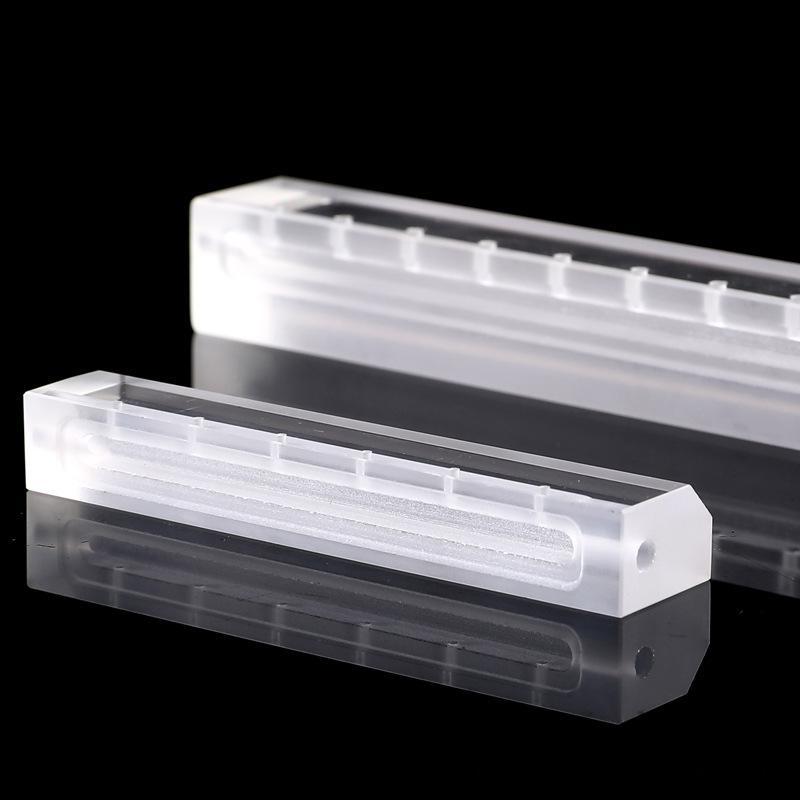
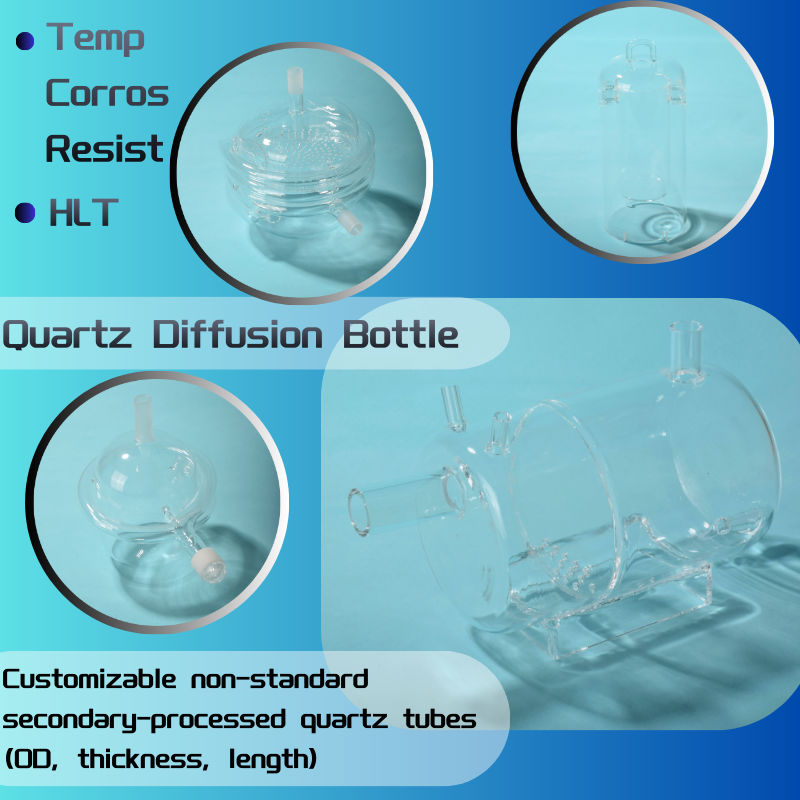
Dual-bore optical conduit pipes, bending, and optical port welding for sugar refining polarimeters, industrial colorimetry, and thermal monitoring lines in processing refineries.
Semiconductor-grade distillation vessels, reflux condensers, and separatory columns designed for chemical purity certification, trace elemental synthesis, and organic solvent purification.
Ozone-free sheaths (5–800 mm outer diameter) blocking 185 nm radiation, preventing environmental ozonation while delivering high thermal stability for pyrometers and optical thermal probes.
Optical Quartz Prism Manufacturing: Physics, Tolerances & Material Selection for Chinandega
In high-precision optical instrumentation, beam alignment, dispersion spectroscopy, and total internal reflection (TIR) systems, the optical prism represents a fundamental building block. For engineering procurement teams operating within the Department of Chinandega—from the massive agro-industrial milling complexes of Chichigalpa to the marine terminals and logistics corridors of Puerto Corinto—optical prism requirements differ drastically from general commercial laboratory glass. High ambient humidity, tropical thermal cycling, atmospheric salt particulate from the Pacific coast, and acidic agrochemical emissions mandate the use of high-purity fused silica and optical quartz over conventional optical borosilicate (N-BK7).
Lianyungang Vulra Quartz Products Co., Ltd., based in Donghai County—the world’s foremost crystal and high-purity silica raw material cluster—supplies optical prism blanks, custom polished dispersing prisms, roof prisms, right-angle prisms, and retroreflectors designed to resist mechanical fatigue, solarization, and thermal degradation. Understanding the distinction between natural optical fused quartz (such as JGS2) and synthetic fused silica (such as JGS1 or Suprasil equivalents) is paramount for procurement engineers matching component cost with spectral performance.
Material Classification & Optical Transmission Spectra
When selecting optical quartz prisms for spectroscopic or beam-steering duties, three primary synthetic and natural fused silica grades dominate engineering specifications:
JGS1 (Synthetic Fused Silica / Deep-UV Grade): Synthesized from silicon tetrachloride (SiCl₄) vapor phase oxidation. Characterized by virtually zero metallic impurities (< 0.1 ppm total iron, aluminum, titanium) and an absence of bubbles or inclusions. Transmits efficiently down to 185 nm, making it essential for UV-vis spectrophotometers, water disinfection verification sensors, and excimer laser beam diagnostics. Free of fluorescence under 254 nm excitation.
JGS2 (Standard Fused Quartz / Optical Grade): Produced by melting high-purity natural quartz sand under hydrogen-oxygen flame. Delivers continuous, high transmission across the visible and near-infrared range (220 nm to 2500 nm). Excellent cost-performance ratio for standard beam splitters, TIR right-angle prisms, and industrial refractometers operating in agricultural quality-control laboratories.
JGS3 (Infrared Fused Silica): Melted under electrical vacuum furnace environments to reduce hydroxyl ion content (OH⁻ < 2–5 ppm). Eliminates the strong absorption dip typically found around 2730 nm (2.73 µm). Ideal for infrared optical thermography, gas analyzers, and moisture-detection sensors deployed in Chinandega's grain and biofuel processing facilities.
Physical / Optical Parameter
JGS1 Synthetic Silica
JGS2 Natural Fused Quartz
Optical Crown (N-BK7)
Engineering Relevance
Usable Transmission Range
185 nm – 2500 nm
220 nm – 2500 nm
350 nm – 2000 nm
UV Cutoff determines DUV fluorescence and sensor sensitivity.
Refractive Index ($n_d$ @ 589.3 nm)
1.45846
1.45840
1.51680
Determines Brewster's angle, dispersion power, and TIR geometry.
Abbe Dispersion Number ($V_d$)
67.8
67.8
64.17
High Abbe number indicates exceptionally low chromatic aberration.
Thermal Expansion ($20\text{–}300^\circ\text{C}$)
$5.5 \times 10^{-7}\ /\ \text{K}$
$5.5 \times 10^{-7}\ /\ \text{K}$
$7.1 \times 10^{-6}\ /\ \text{K}$
Fused quartz has 13x higher thermal shock resistance than BK7.
Critical for sugarcane ethanol and acid-wash CIP washdowns.
Surface Wavefront Distortion
$\lambda/10$ to $\lambda/20$ @ 632.8 nm
$\lambda/4$ to $\lambda/10$ @ 632.8 nm
$\lambda/4$ to $\lambda/10$
Governs transmitted wavefront error in laser interferometry.
Surface Quality (MIL-PRF-13830B)
10-5 to 20-10 Scratch-Dig
40-20 to 60-40 Scratch-Dig
40-20 to 60-40 Scratch-Dig
Suppresses stray light scatter and laser-induced damage (LIDT).
Optical Prism Geometries Manufactured by Vulra Quartz
Depending on the optical engineering architecture required by Chinandega's technicians, Vulra Quartz produces an expansive range of geometric prism types with sub-arcsecond angular tolerances:
Right-Angle Prisms (90° Deviation / Retroreflection): Utilize Total Internal Reflection (TIR) on the hypotenuse face to deviate light by 90° with near-100% throughput when uncoated, or 180° when entering through the hypotenuse. Used widely in optical periscopes, level transmitters, and laser path alignment.
Penta Prisms (Constant 90° Deviation): Deviates incoming beams by exactly 90 degrees regardless of minor mechanical vibration or prism rotation. Indispensable for high-vibration machinery, marine LIDAR scanners at Puerto Corinto dock gantries, and precision machine-vision triangulation.
Dove Prisms (Image Inversion without Deviation): Inverts an image without displacing the longitudinal optical axis. Rotating the Dove prism along its longitudinal axis rotates the transmitted image at twice the angular speed, utilized in rotational image analyzers and industrial machine vision inspection of fast-moving conveyor lines.
Corner Cube Retroreflectors (Trihedral Prisms): Reflect incident rays back directly parallel to the source regardless of orientation angle. Widely deployed in long-range coastal distance telemetry, automated surveying across the Cordillera de los Maribios volcanic belt, and atmospheric monitoring stations.
Equilateral & Pellin-Broca Dispersion Prisms: Separate broadband illumination into constituent spectral wavelengths with minimal stray-light interference, fundamental for laboratory monochromators and sugar purity polarimeters.
Localized Implementation
Application Scenarios across the Chinandega Industrial Corridor
From Nicaragua's Pacific maritime gateway to Central America's largest sugar mill, fused quartz prisms provide failure-free optical performance under aggressive chemical, maritime, and thermal stresses.
Sugarcane Refining & Biofuel Polarimetry
In Chichigalpa and greater Chinandega, sugar milling giants like Ingenio San Antonio rely on continuous refractometers, Abbe prisms, and polarimeters to evaluate sucrose content (°Brix, Pol, and purity index). Fused quartz prisms withstand abrasive organic slurries, hot alcoholic vapors, and frequent nitric/caustic CIP cleans without frosting, clouding, or thermal baseline drift.
Puerto Corinto Maritime LIDAR & Navigation
As Nicaragua's primary Pacific commercial port, Puerto Corinto operates ship-to-shore gantry cranes, marine perimeter surveillance, and hydrographic laser scanning. Vulra Quartz retroreflector and penta prisms incorporate hard dielectric anti-reflective (AR) coatings resistant to saline fog, airborne ocean spray, and high solar UV irradiance without coating delamination.
Volcanic & Geothermal Emission Monitoring
Operating near San Cristóbal Volcano (Nicaragua’s tallest active volcano), environmental and volcanic observatories deploy Differential Optical Absorption Spectroscopy (DOAS) and infrared pyrometers. Our UV synthetic fused silica prisms (JGS1) maintain pristine optical throughput down to 200 nm, capturing critical SO₂ and CO₂ gas emission bands in highly acidic, sulfur-rich ambients.
Strategic Foresight
Technological & Procurement Trends in Chinandega (2025–2030)
Industrial automation, stringent export quality benchmarks, and the expansion of maritime port capacity are transforming the technical specifications required for optical components.
Automation
Shift to In-Line NIR Sorting in Agribusiness
Export requirements for peanuts, sesame, coffee, and shrimp processed in Chinandega demand high-speed multi-spectral machine vision. Food sorting equipment is transitioning from standard glass to ultra-low-fluorescence quartz prisms, preventing stray scattering and maximizing optical signal-to-noise ratios during high-speed sorting.
Climate Durability
Hydrophobic & Anti-Fungal Dielectric Coatings
Western Nicaragua's tropical wet-and-dry climate (Aw) exhibits prolonged relative humidity exceeding 85%, accelerating fungal growth and haze on optical surfaces. Buyers now specify ion-assisted deposition (IAD) sealed coatings and hydrophobic fluoropolymer capping layers that prevent moisture penetration and preserve beam parallelism.
Logistics Optimization
Direct Puerto Corinto Sea-Freight Demurrage Mitigation
Rather than air-freighting fragile optical glass via Augusto C. Sandino International Airport (MGA) in Managua with subsequent domestic trucking, Chinandega enterprises are consolidating customized quartz inventory shipments directly into Puerto Corinto container freight, cutting import transit costs and transit shock hazards.
Direct Factory Verification
Why International Buyers Trust Vulra Quartz
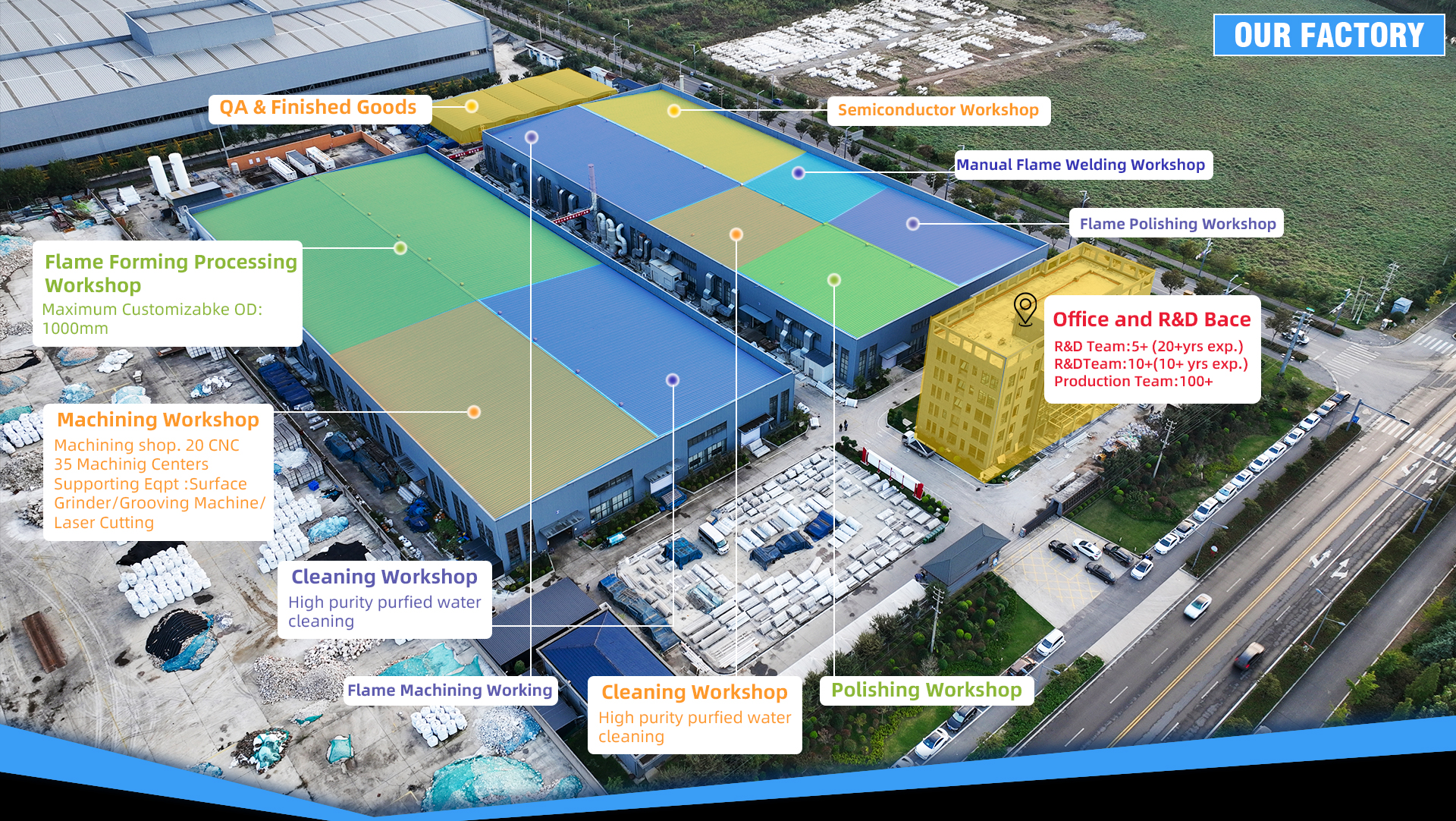
Located at No. 9, Dingxin Road in the Jiangsu Donghai Economic Development Zone, Lianyungang Vulra Quartz Products Co., Ltd. operates integrated raw crystal refinement, precision flame working, CNC cold machining, and cleanroom optical inspection lines under third-party audit verification.
Thermal Hot-Working & Annealing
Oxy-hydrogen flame manipulation, fusion welding, and programmable annealing kilns that relieve internal thermal stress to achieve optical retardation uniformity below 5 nm/cm.
Diamond CNC Machining & Cutting
Sub-millimeter diamond wire sawing, ultrasonic multi-axis core drilling, and chamfering allowing prototype optical prisms to be crafted directly from engineering CAD files.
Double-Sided Planetary Polishing
Continuous pitch polishing achieving surface roughness Ra < 0.5 nm, scratch-dig 10-5, and transmitted wavefront distortion $\le \lambda/10$ verified by Zygo phase-shifting laser interferometers.
TÜV Rheinland AssessedOn-site verified production facilities & legal capacity
Verified Custom ManufacturerOEM / ODM drawing production from 1 PC prototype
CE Certified LinesComplies with European industrial standards
RoHS Environmental Compliance100% lead-free, non-hazardous quartz production
Procurement Handbook
Frequently Asked Questions: Optical Quartz Sourcing for Chinandega Buyers
Key technical, financial, and logistical insights addressing the everyday procurement challenges of optical and quartz instrumentation in Nicaragua.
Why is fused quartz preferred over optical glass (N-BK7) for sugar mill refractometers in Chinandega?
Sugarcane processing streams at facilities such as Ingenio San Antonio operate at elevated temperatures (65°C to 95°C) and undergo aggressive periodic clean-in-place (CIP) washdowns with nitric acid, sulfamic acid, and sodium hydroxide solutions. Standard optical borosilicate glass (like N-BK7) has a thermal expansion coefficient over 13 times higher than fused quartz, causing internal thermal stress, birefringence, and refractive index drift that corrupts Brix and Pol readings. Moreover, chemical attack from acids easily leaches alkali ions from BK7 surfaces, creating microscopic surface etching that scatters light. Fused quartz ($SiO_2 > 99.99\%$) is impervious to all mineral acids except hydrofluoric and phosphoric at extreme temperatures, and its thermal expansion coefficient ($5.5 \times 10^{-7}\text{/K}$) ensures rock-solid calibration baselines regardless of process washdown cycling.
What is the minimum order quantity (MOQ) and lead time for custom prism drawings?
Vulra Quartz supports engineering research and industrial maintenance with an MOQ starting from just 1 piece for custom quartz prism prototypes, sight windows, and specialized laboratory quartzware. Standard prototyping turnaround is typically 7 to 14 working days from final engineering drawing approval. Repeat batch production (50 to 1,000+ units) typically dispatches within 3 to 4 weeks. Every batch includes full metrology inspection certificates detailing dimensional tolerances, angular deviation, and Zygo interferometric surface flatness.
How do you protect optical quartz prisms against damage during ocean freight to Puerto Corinto?
Maritime transit through tropical sea routes requires specialized packaging protocols. Each optical quartz prism undergoes ultrasonic degreasing, cleanroom nitrogen-purged drying, and individual wrapping in class 100 lint-free optical lens tissue. Prisms are then encapsulated inside hermetically heat-sealed anti-static moisture-barrier pouches with active desiccant packs to prevent humidity condensations. These sealed units are nested inside custom-die-cut high-density expanded polyethylene (EPE) closed-cell foam shock absorbers, housed inside drop-tested, reinforced outer cartons, and consolidated into ISPM 15 heat-treated fumigated wooden crates. Consignments shipped directly to Puerto Corinto (Port Code: NICIO) are secured to prevent internal shifting from ocean swells.
What is the difference between natural fused quartz (JGS2) and synthetic fused silica (JGS1) for spectroscopic optical prisms?
The critical difference lies in raw material synthesis and deep-UV transmission. Natural fused quartz (JGS2) is melted from refined natural rock crystal sand. It exhibits outstanding optical clarity from 220 nm up to 2500 nm, exceptional mechanical stiffness, and high heat resistance up to 1100°C continuous service, making it the most cost-effective choice for visible-spectrum refractometers, beam splitters, and furnace inspection windows. Synthetic fused silica (JGS1), produced via chemical gas oxidation, achieves zero bubble content, virtually undetectable metallic impurities, and high transmission in the deep ultraviolet range (185 nm to 220 nm). JGS1 is strongly recommended for UV laser applications, fluorescence spectrometers, and trace gas analysis where any residual metallic trace could cause unwanted autofluorescence or solarization under UV radiation.
Can optical prisms be coated to prevent reflection losses and maritime atmospheric oxidation?
Yes. While uncoated quartz prisms exhibit approximately 3.5% to 4% Fresnel reflection loss per surface in air, Vulra Quartz applies physical vapor deposition (PVD) and ion-assisted deposition (IAD) optical thin-film coatings tailored to customer operating wavelengths. Options include Broadband Anti-Reflective (BBAR) coatings reducing reflection loss to less than 0.5% across 400–700 nm or 1064 nm, metallic reflection coatings (protected aluminum, gold, or silver) on prism hypotenuse faces, and high-damage-threshold dielectric mirrors. For maritime installations in Puerto Corinto, our IAD coatings achieve dense, non-porous microstructure barriers that eliminate water absorption, preventing spectral shift and fungus growth during humid rainy seasons.
How can Chinandega procurement teams verify optical quality and ISO 10110 compliance prior to shipment?
Every custom manufactured batch leaves our Donghai production facility with a comprehensive QA Dossier. This includes raw quartz chemical purity assay sheets, spectrophotometric transmission curve recordings (PerkinElmer Lambda 1050+), Trioptics high-precision electronic goniometer angle measurement sheets certifying angular tolerances to within $\pm 3\text{ arcseconds}$, and Zygo GPI phase-shifting laser interferograms documenting peak-to-valley (PV) wavefront error and RMS surface roughness. Third-party pre-shipment inspections (e.g., SGS, Bureau Veritas, or TÜV) can be arranged upon request.
Consult directly with Vulra Quartz application engineers. Whether you need prototype optical quartz prism blanks, replacement refractometer optics for agrochemical facilities, or multi-element laser systems delivered to Chinandega or Puerto Corinto, our technical team provides rapid drawing evaluation and competitive factory-direct pricing.