Featured Industrial Quartzware Systems
Precision-manufactured in Donghai County and delivered directly to the Pakse industrial corridor, Champasak Special Economic Zones, and southern Mekong manufacturing projects.
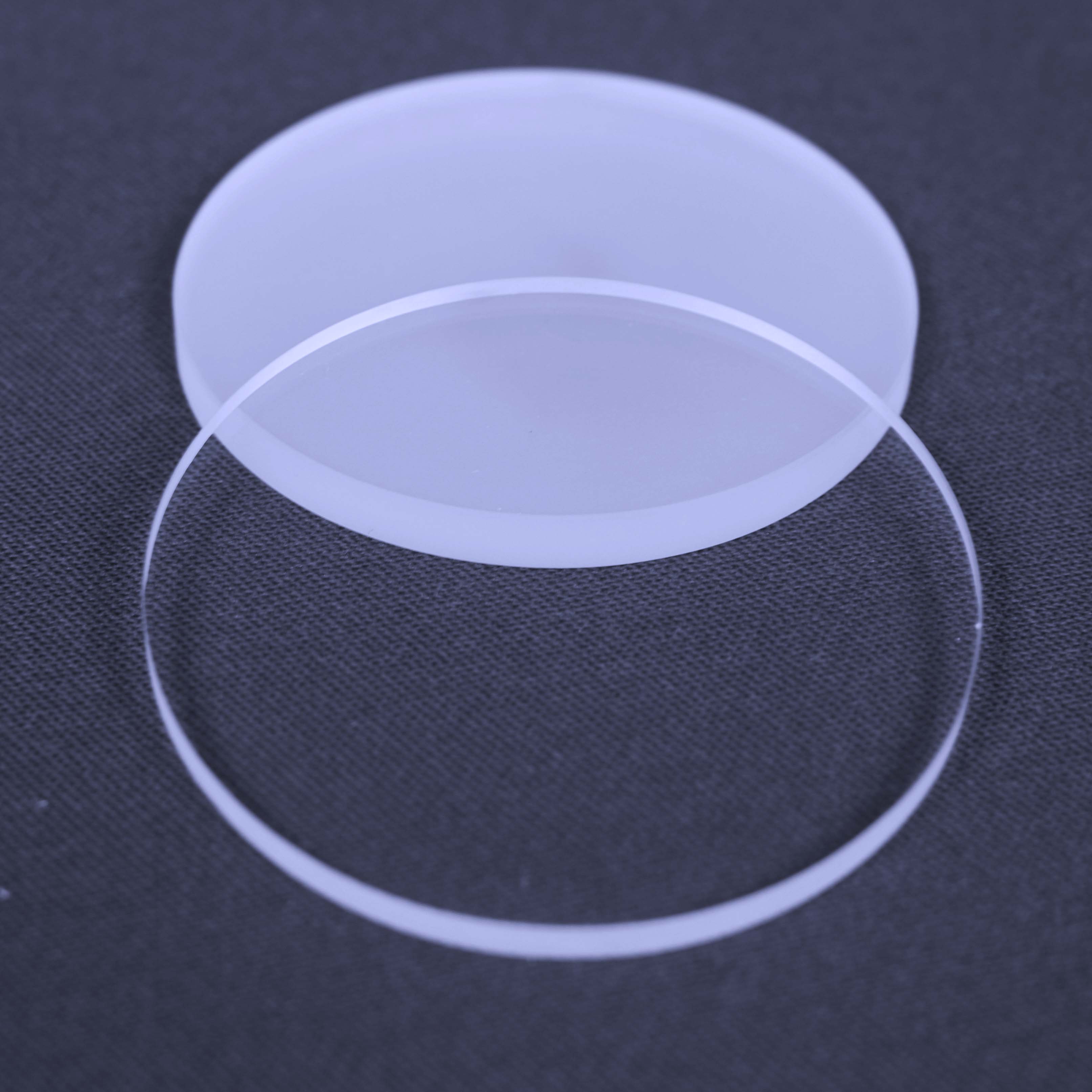
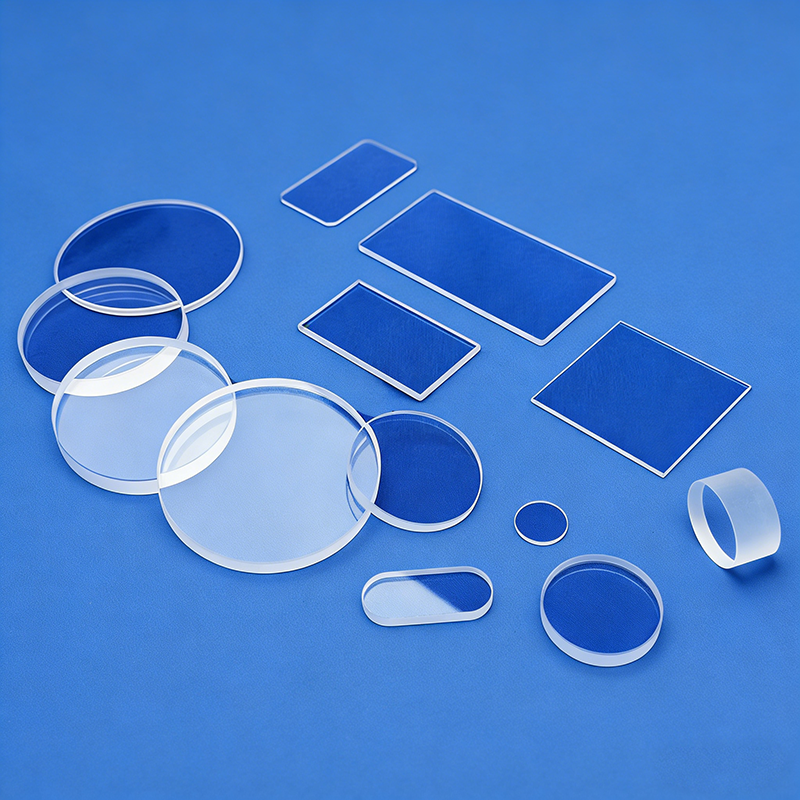
XRD Quartz Holder Test Samples High Transmittance Circular Plate
Zero-background diffraction substrate with high optical transmission, diamond-milled edges, and exceptional thermal dimensional stability up to 1100°C.
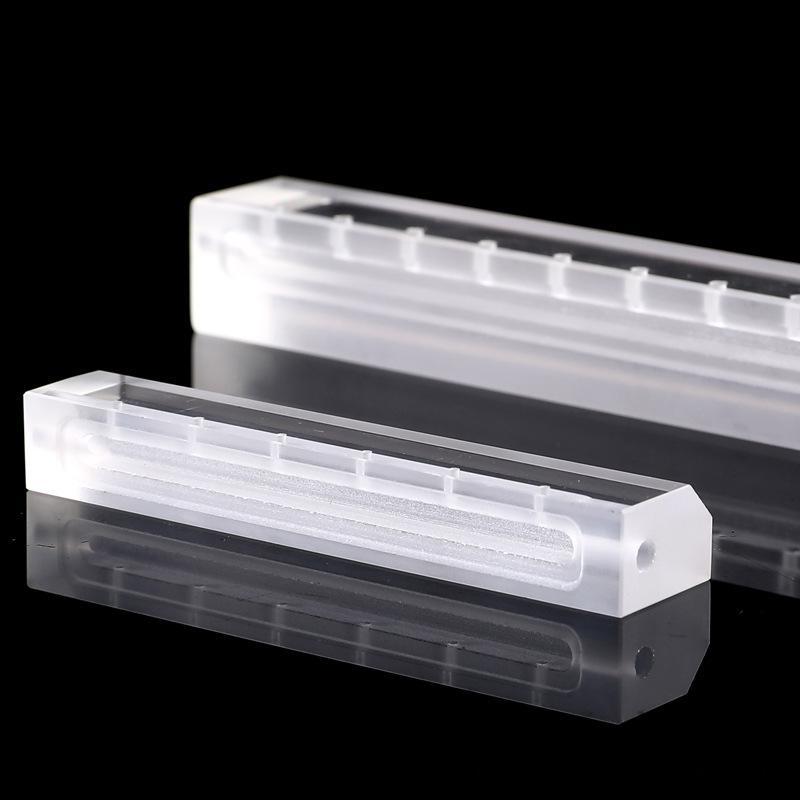
Clear Quartz Testing Sheet Ultra-Thin Optical Grade Circular Sheet
Precision micro-polished test substrates engineered for spectrographic, thermal conductance, and chemical isolation analysis with 0.2mm to 3.0mm thickness.
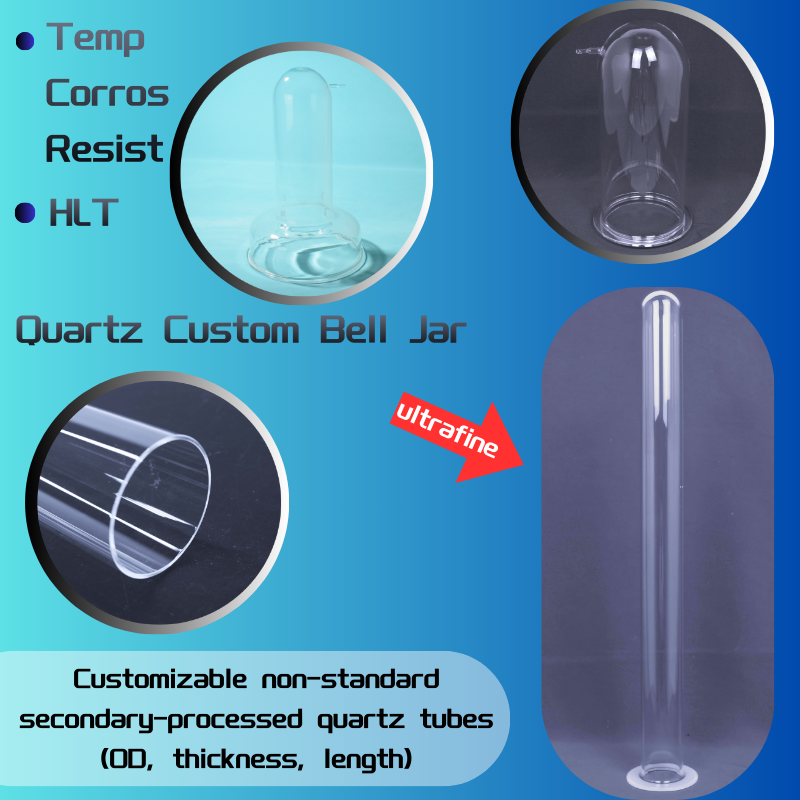
SJ 130 High-Precision Negative Pressure Leak-Proof Quartz Tube
Semiconductor-grade 99.99% SiO₂ vacuum chamber with reinforced wall thickness, capable of sustaining continuous negative pressures and aggressive vapor phase chemistries.
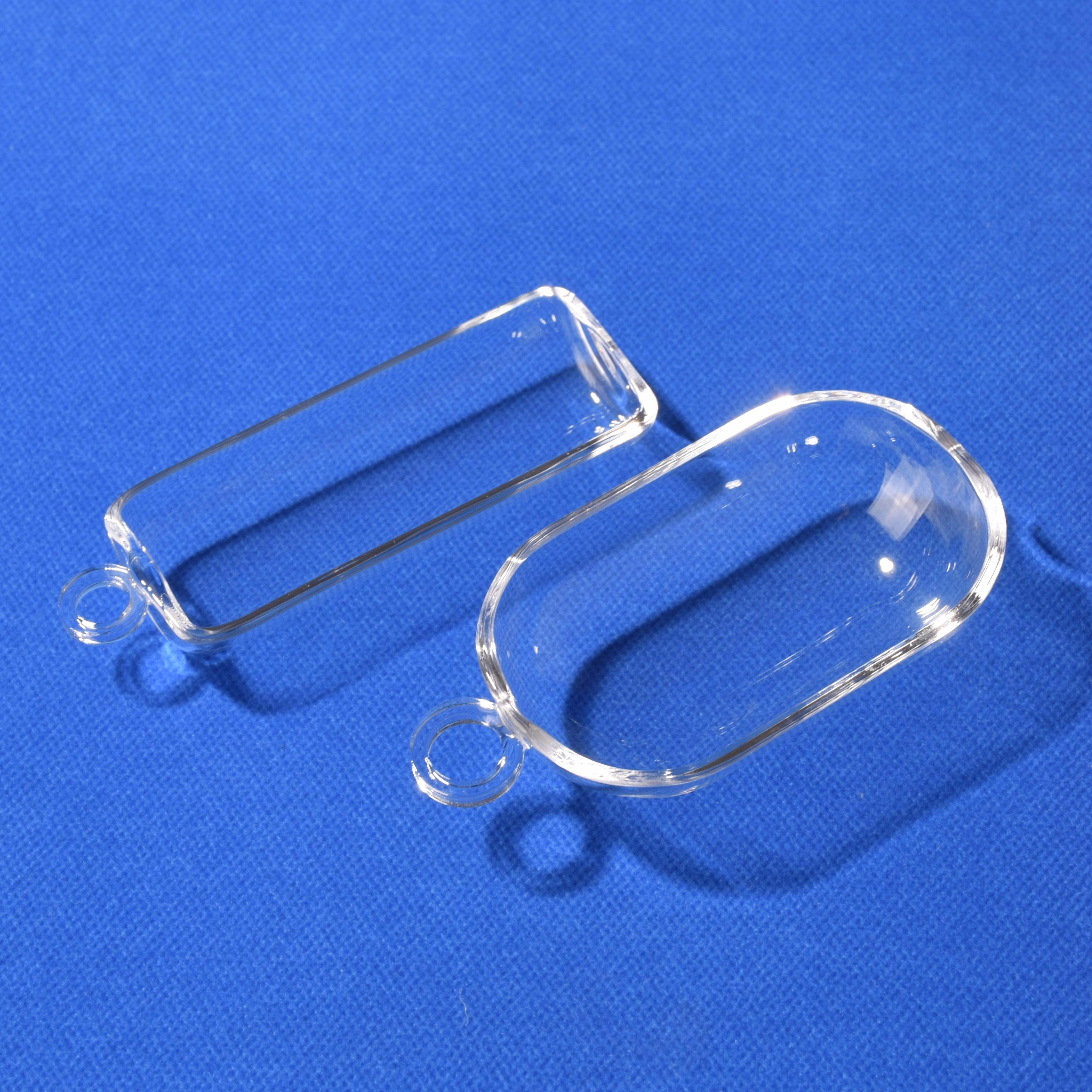
Semi-Circular Flat Bottom High-Temperature Tube Furnace Boat
Ozone-free transparent polished sintering carrier for calcination and pyrochemical ash reduction in horizontal tube kilns operating continuously at 1100°C.
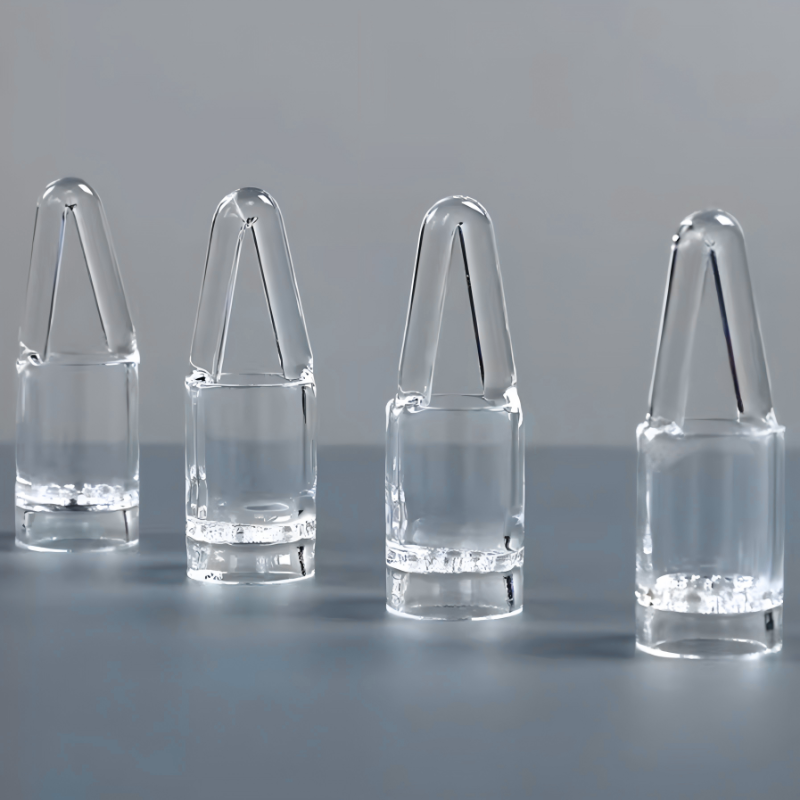
High-Temperature Acid/Alkali Resistant Quartz Glass Crucible
Heavy-wall fused silica melting pot with polished non-wetting interior surface; inert to all acids except hydrofluoric and rated for 1683°C thermal softening point.
Customized Translucent Natural Fused Opaque Quartz Rods & Blocks
Microporous opaque fused silica bars offering diffuse radiation scattering, superior thermal insulation, and custom diameter tolerance within ±0.05 mm.
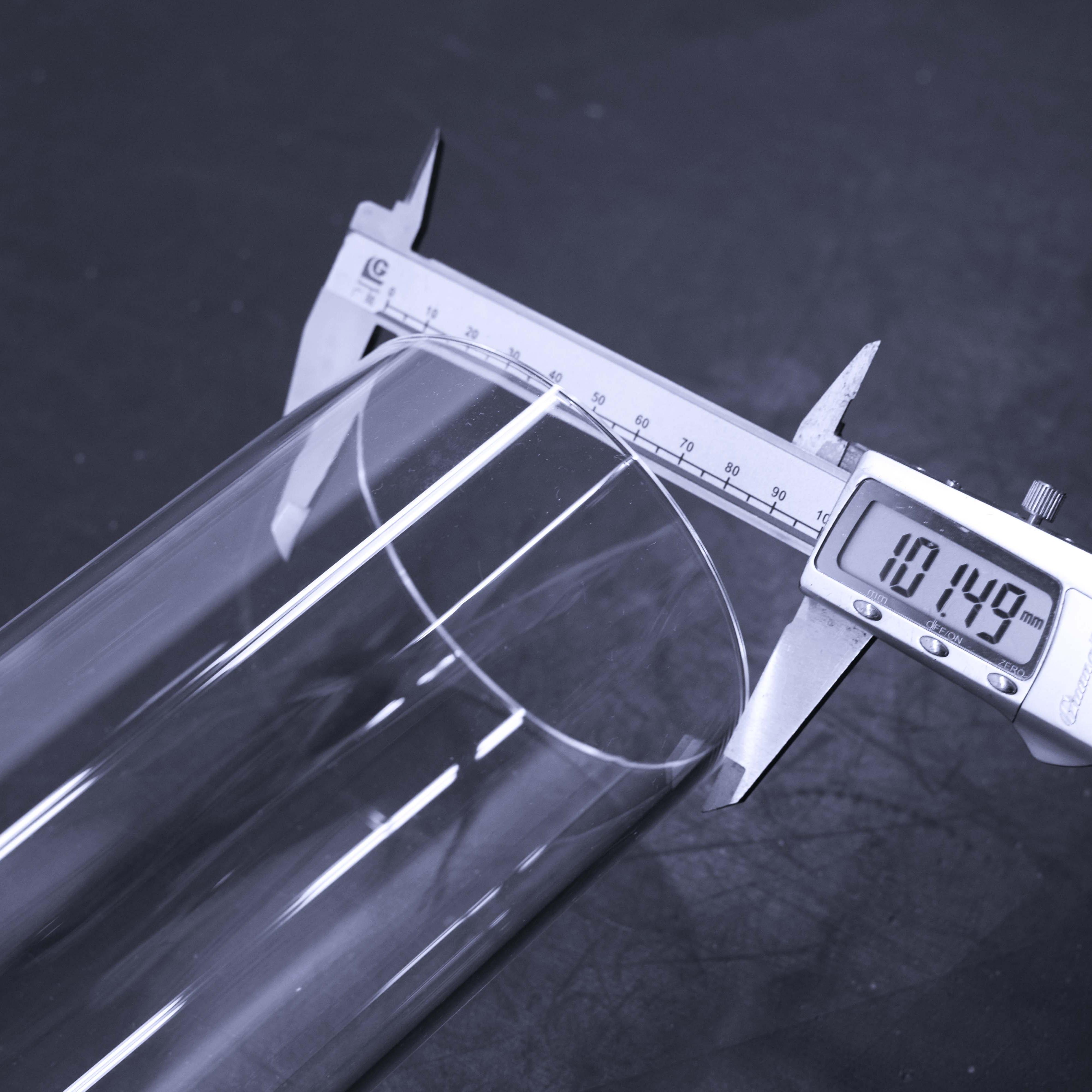
Customizable High-Purity Clear Quartz Glass Process Tube
High-temperature process tubing (OD 5mm to 800mm) flame-bent and end-sealed to specification for chemical vapor transfer, heating element jackets, and sight guides.
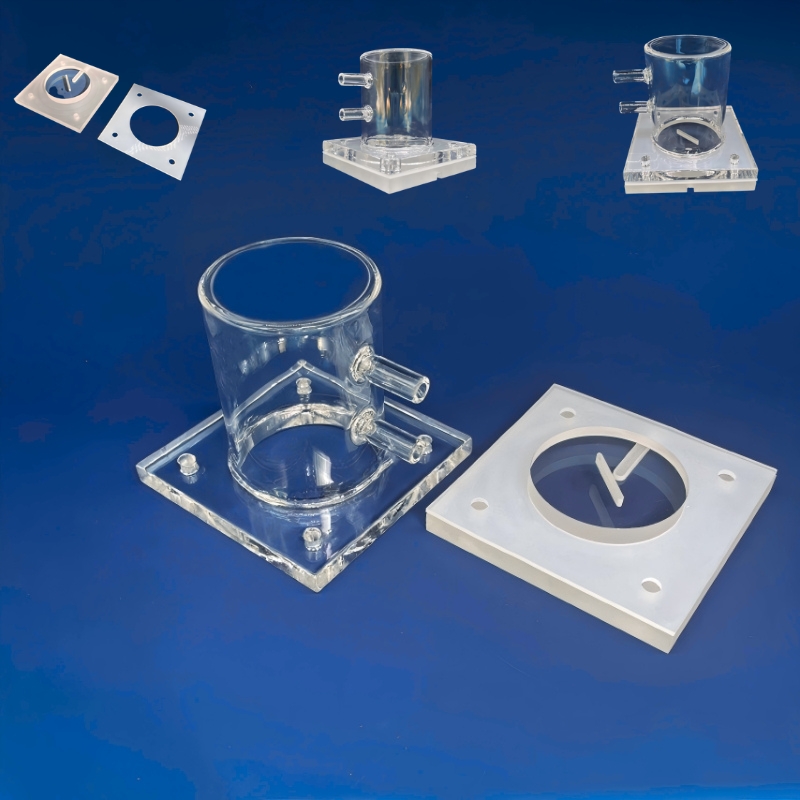
Quartz Photocatalytic Reactor for Chemical & Hydrogen Synthesis
Ozone-free translucent and transparent jacketed reactor cell engineered for UV photodegradation, electrochemical research, and pure hydrogen-oxygen evolution.
Material Science of Opaque Quartz Rods: Thermodynamics & Diffuse Scattering
In high-temperature industrial engineering, the physical behavior of amorphous silicon dioxide (SiO₂) is determined not only by chemical purity, but also by internal optical homogeneity. While transparent fused quartz is celebrated for its near-total transmission across the ultraviolet, visible, and near-infrared bands, opaque quartz (fused silica with controlled microporosity) is intentionally engineered as an active thermal insulator and radiation reflector.
Opaque quartz rods—often referred to as milky quartz rods or translucent fused silica rods—are synthesized by fusing ultra-high purity natural crystal sand sourced from the geological formations of Donghai County, China. During electric or gas fusion, a deliberate dispersion of microscopic gaseous bubbles (typically 10 to 50 micrometers in diameter, representing roughly 1.0% to 2.5% internal void fraction) is stabilized throughout the vitreous matrix. These trapped gas voids do not compromise the mechanical rigidity or pure amorphous characteristics of the quartz. Instead, they produce a continuous refractive index mismatch against the silica matrix (n = 1.458 versus n ≈ 1.000 of the trapped micro-voids).
Thermodynamic Attenuation & Thermal Shock Resistance
When radiation hits an opaque quartz rod, Mie scattering and diffuse multi-path internal reflections scatter incident infrared wavelengths rather than permitting specular transmission. In metallurgical kilns, high-temperature calcination furnaces, and intense radiative heating modules, this diffuse scattering creates an outstanding thermal barrier. Whereas a clear rod allows up to 90% of radiative energy to pass straight through and heat surrounding furnace chassis components, an opaque fused quartz rod back-scatters and absorbs infrared photons, re-emitting thermal energy isotropically at a substantially attenuated rate.
Crucially, opaque fused quartz maintains an exceptionally low coefficient of thermal expansion (α = 5.5 × 10⁻⁷ /°C between 20°C and 1000°C). This ultra-low expansion renders the material virtually immune to thermal shock. A red-hot opaque quartz rod heated to 1100°C can be immediately submerged in ice-cold water without structural cracking, spalling, or macro-fracture. For heavy industries in Pakse and the surrounding Champasak Province, where power fluctuations, sudden temperature cycling, and high tropical ambient humidity are standard operational challenges, this thermodynamic resilience prevents the catastrophic line shutdowns frequently caused by brittle ceramics or devitrified alumina.
Chemical Passivity & High-Temperature Devitrification Limits
Opaque quartz manufactured by Vulra Quartz exhibits an elemental SiO₂ concentration exceeding 99.99%. Trace metal contaminants such as Fe, Al, Ca, Mg, and Na are kept below 25 parts per million (ppm). This chemical integrity prevents catastrophic phase transformation into α-cristobalite. While low-grade industrial silica devitrifies rapidly when exposed to trace alkalis above 1000°C, our opaque rods resist surface crystallization during continuous duty cycles up to 1100°C, and survive short-term operational spikes reaching 1450°C before nearing the softening inflection point at 1683°C.
Localized Industrial Applications in Pakse & Southern Laos
Evaluating the engineering integration of opaque quartz rods across the Southern Corridor of Laos, from the Pakse-Japan SME Special Economic Zone to the mining belts of Champasak, Attapeu, and Sekong.
Mineral Roasting & Bauxite Smelting
Southern Laos is rich in bauxite deposits across the Bolaven Plateau, alongside cassiterite (tin) and copper operations. Opaque quartz rods serve as high-temperature pyrometry protection tubes, slag baffles, and molten ore sampling wands. Their resistance to acidic vapors (HF excluded) and chemical inertness prevents assay contamination during precious metal scorification and mineral extraction testing.
Infrared Heating & Agricultural Processing
Pakse is the premier export hub for southern agricultural commodities, including Bolaven specialty coffee, tapioca starch, and commercial timber drying. Industrial IR drying tunnels utilize opaque quartz rods as radiant element supports, thermal diffuse emitters, and structural isolation runners that distribute heat evenly without burning delicate organic matter or releasing volatile toxins.
Hydroelectric & Heavy Power Grid Hardware
Serving as "The Battery of Southeast Asia," Southern Laos operates dense cascades of hydroelectric facilities along the Mekong tributaries. Opaque quartz rods provide critical high-voltage standoff insulation, arc-suppression barriers, and high-frequency heater mounting structures for electrical switchgear production and repair units operating inside the Pakse industrial corridor.
Opaque Fused Quartz vs. Alternative Refractory Materials
A quantitative technical matrix comparing opaque fused silica against transparent quartz, high-alumina ceramic, and silicon carbide for high-stress industrial applications.
| Property / Parameter | Opaque Fused Quartz (Vulra) | Transparent Quartz (SJ-Grade) | High-Alumina Ceramic (99% Al₂O₃) | Silicon Carbide (Sintered SiC) |
|---|---|---|---|---|
| Chemical Composition | SiO₂ ≥ 99.99% | SiO₂ ≥ 99.999% | Al₂O₃ ≥ 99.0% | SiC ≥ 98.5% |
| Structure / Morphology | Amorphous with micro-voids | Dense Amorphous Vitreous | Polycrystalline sintered | Covalent polycrystalline |
| Continuous Service Temp | 1100 °C | 1150 °C | 1600 °C | 1400 °C |
| Max Peak Temp (Short-Term) | 1450 °C | 1450 °C | 1750 °C | 1650 °C |
| Thermal Expansion (×10⁻⁷/K) | 5.5 (Ultra-low) | 5.5 (Ultra-low) | 80.0 (High expansion) | 45.0 (Moderate) |
| Thermal Shock Tolerance | Exceptional (1100°C to ice water) | Exceptional (1100°C to ice water) | Poor (Cracks on rapid delta T) | Moderate (Vulnerable to air quench) |
| Optical / Radiation Mode | Diffuse Scattering & Barrier | High Specular Transmittance | Opaque absorption | High blackbody absorption |
| Acid Resistance (except HF) | Complete chemical passivity | Complete chemical passivity | Moderate (Leaches in molten acids) | Good (Corrodes in molten alkali) |
| Machining & Flame Forming | Can be cut, bent, and welded | Full flame lathe forming | Diamond grinding only (No flame) | Diamond tooling only (No flame) |
Procurement Dynamics & Freight Corridors to Pakse, Laos
Procuring technical quartz glass for manufacturing sites in southern Laos requires a synchronized logistics plan. Unlike generic laboratory glassware, precision opaque quartz rods are brittle, high-value vitreous structures that must be protected from mechanical micro-cracking and transit vibration over multimodal international transit corridors.
The China-Laos Transit Route: Exporting from our primary manufacturing base at No. 9 Dingxin Road, Donghai Economic Development Zone, shipments destined for Pakse follow two optimized paths:
- Multimodal Rail-Road Corridor: Consignments move via high-speed freight rail from Jiangsu to Kunming, traversing the border at Mohan-Boten, progressing south via the Laos-China Railway corridor down to Vientiane, and transferring to dedicated shock-absorbed road trailers bound directly for Pakse along Route 13 South.
- Maritime-Overland Corridor: Direct sea container freight dispatched from Lianyungang Port to Bangkok Port (Klong Toey / Laem Chabang), clearing transit bonded documentation via Ubon Ratchathani (Thailand) and entering Pakse across the Chong Mek / Vang Tao border crossing in less than 48 hours from port release.
Anti-Vibration Engineering Packaging: Every rod batch leaving our Donghai facility is sealed in high-density polyethylene sleeves to prevent particulate abrasion, nestled in customized cross-linked EPE foam cells with dedicated shock dissipation channels, and crated inside fumigated, moisture-sealed plywood crates meeting ISPM-15 export regulations. For oversized opaque quartz rods (OD > 50mm) or multi-meter lengths, internal floating cradles are deployed to eliminate harmonic frequency resonance during mountainous road transport through central Laos.
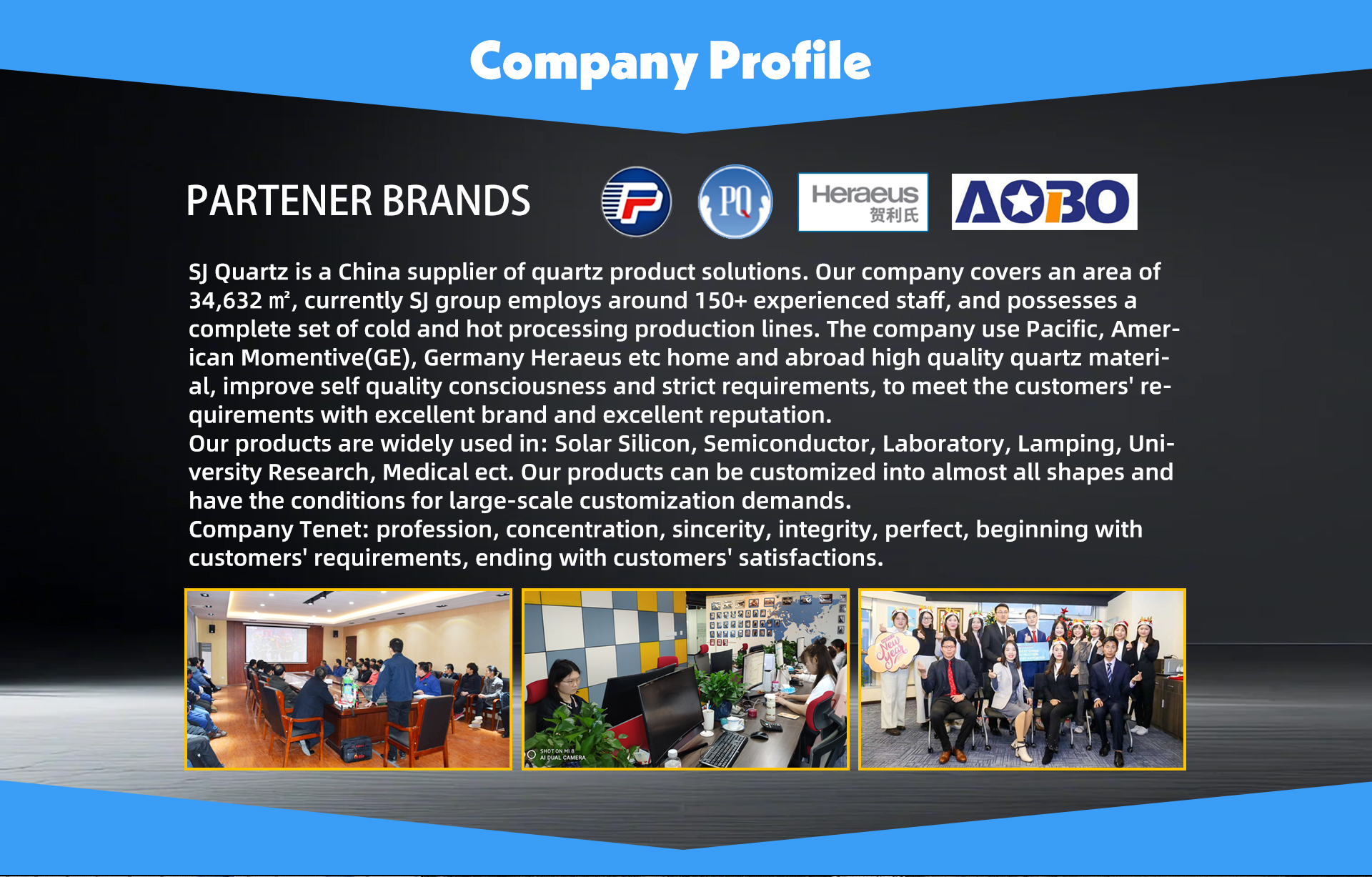
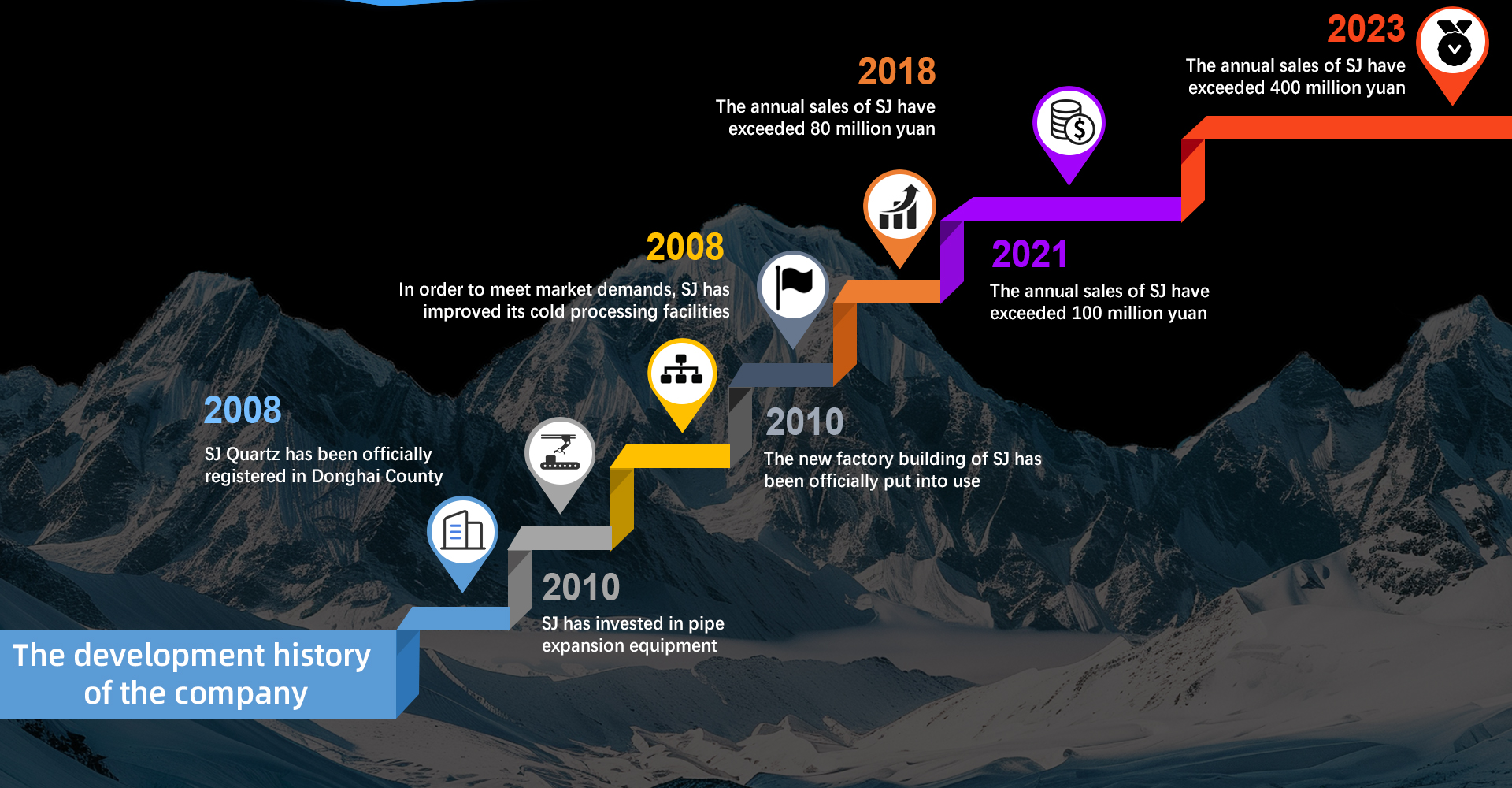
Lianyungang Vulra Quartz Products Co., Ltd.
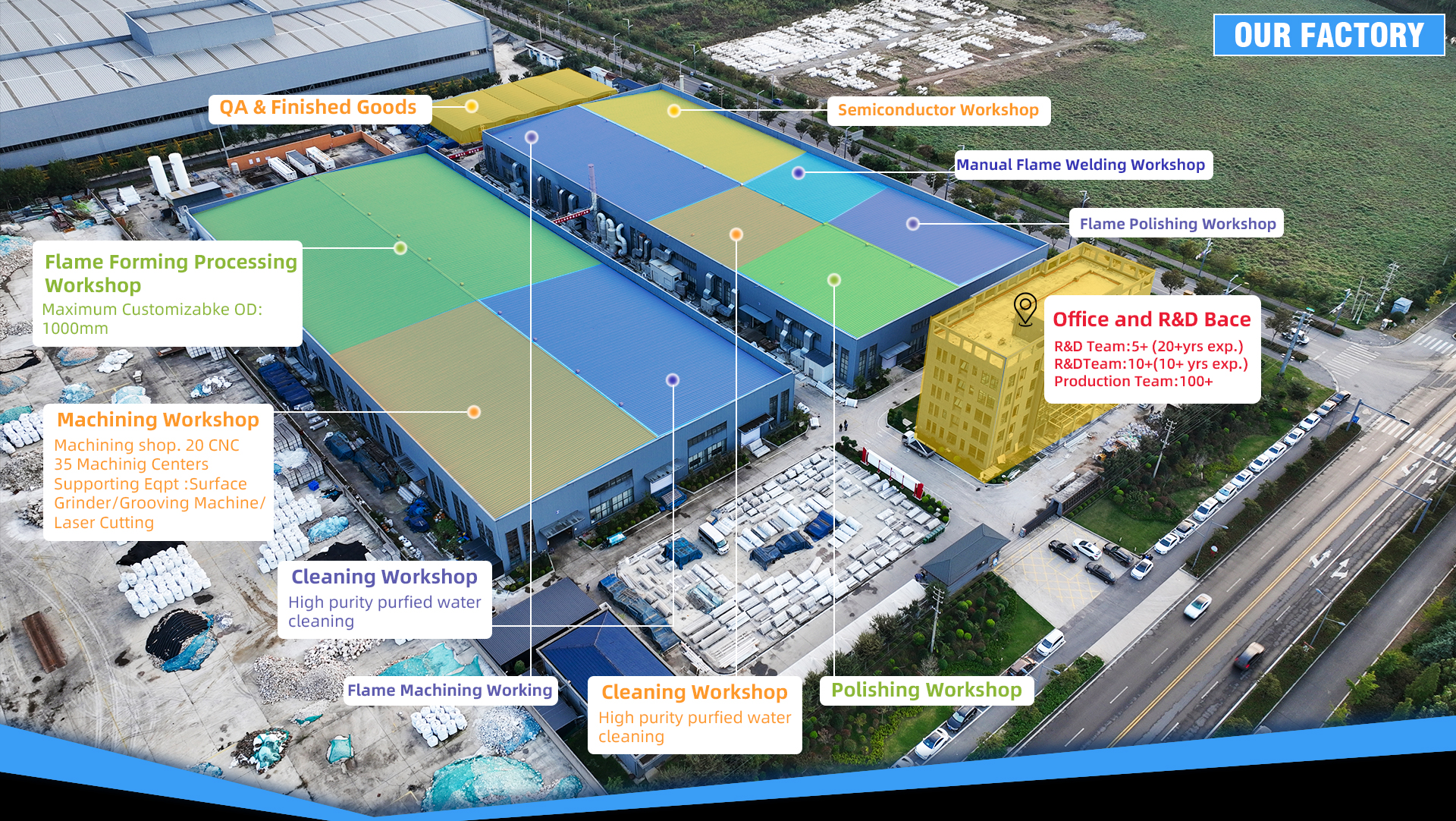
Situated in Donghai County—recognized globally as the crystal capital—Vulra Quartz operates an integrated 6-year manufacturing base combining raw quartz sand beneficiation, oxy-hydrogen flame lathe fabrication, precision centerless CNC grinding, optical flat lapping, and class-10,000 cleanroom acid-leaching lines.
We are an independently assessed Custom Manufacturer verified on-site by TÜV Rheinland. With complete OEM/ODM production capabilities from 1 piece, we support engineering design teams with drawing validation, thermal load analysis, and rapid prototyping before volume fabrication.
Pakse Buyer Engineering FAQ
Real-world procurement questions addressed by Vulra technical engineers for factory plant managers and industrial purchasers in Southern Laos.
Request a Project Engineering Quotation for Pakse Delivery
Whether you require customized opaque quartz rods for high-temperature calcination, pyrometry protection sleeves, or infrared heating modules in Champasak Province, our engineering department reviews your 2D/3D technical drawings within 24 hours.
Get a Quote