Precision Fused Quartz Hardware & Reaction Components
Direct factory fabrication conforming to TÜV Rheinland assessed quality standards. Fully customizable configurations from single-piece prototypes to batch institutional deliveries.
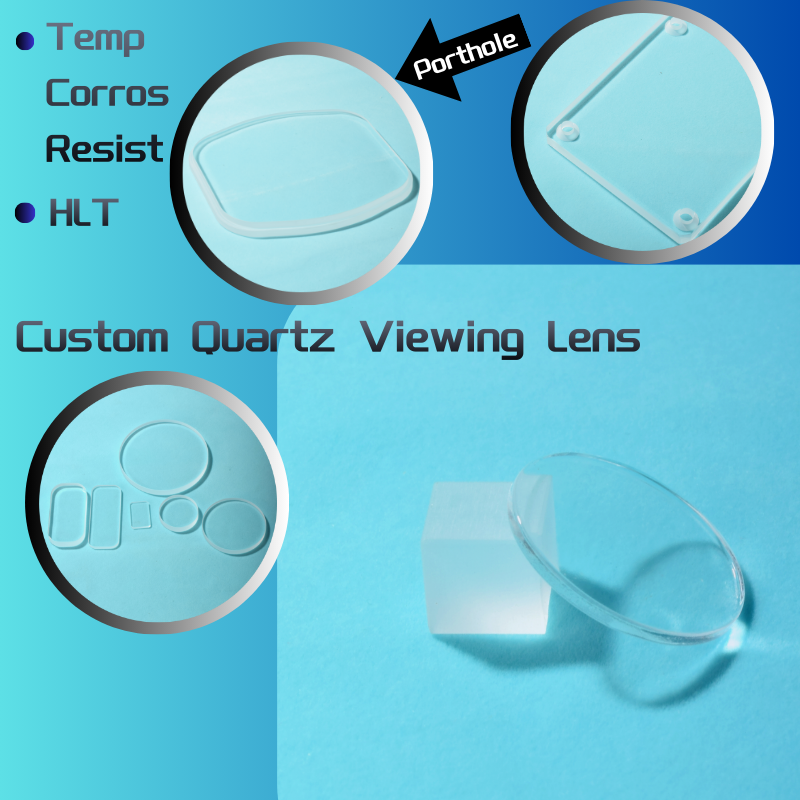
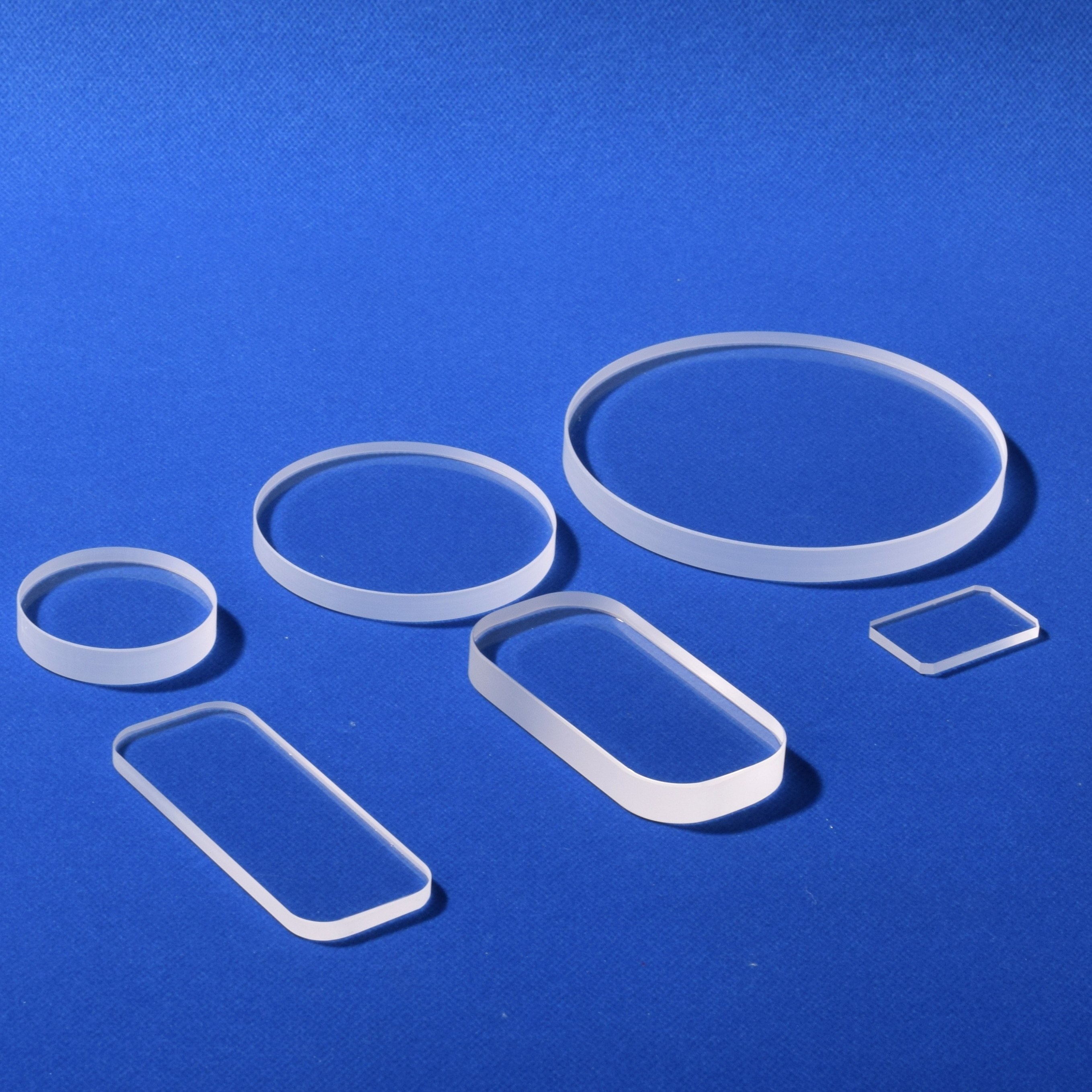
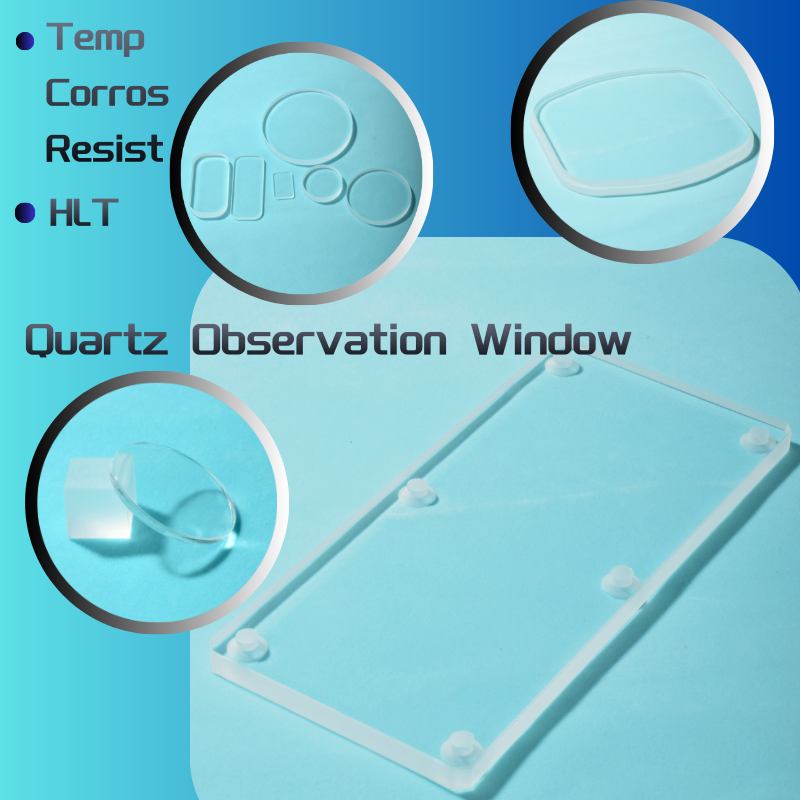
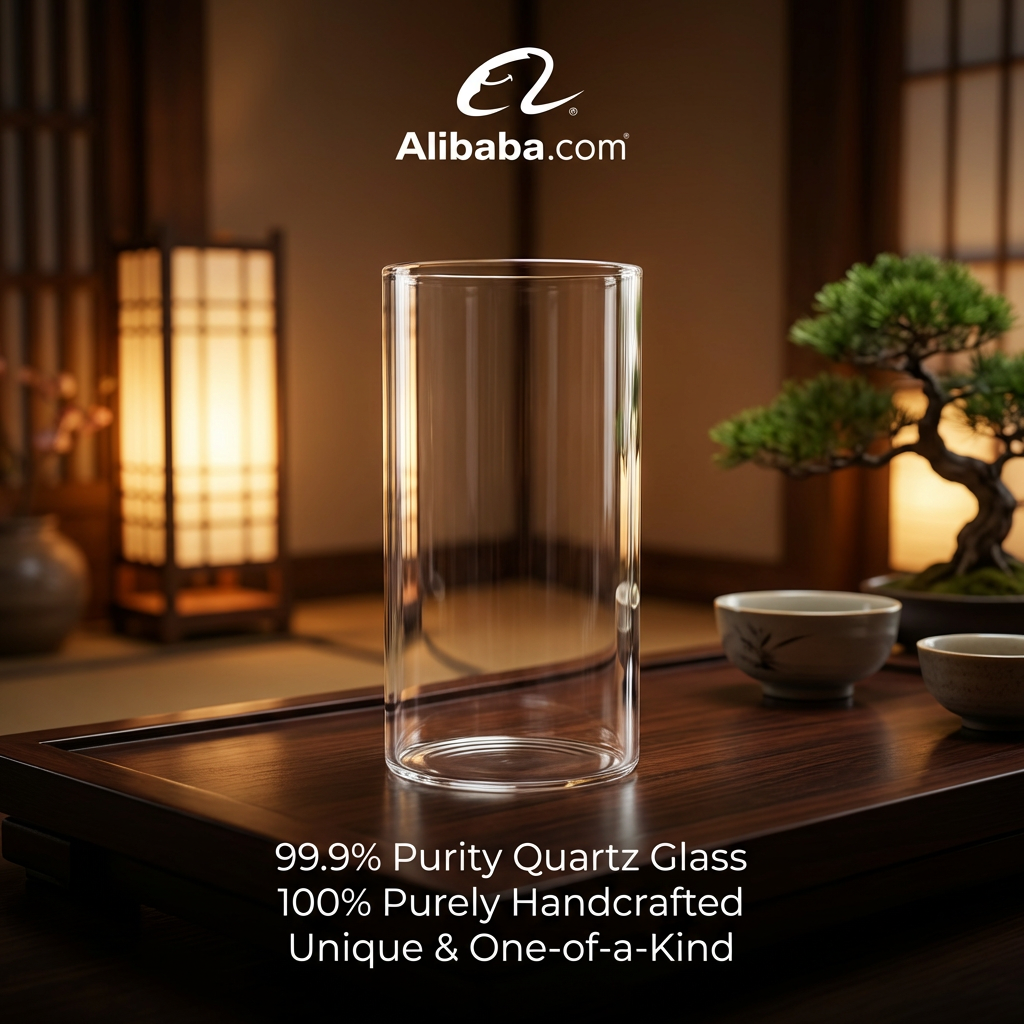
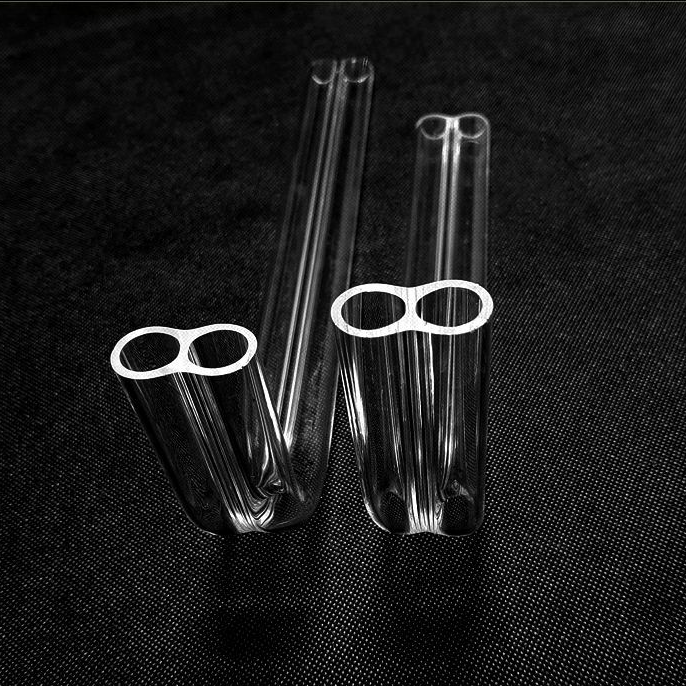
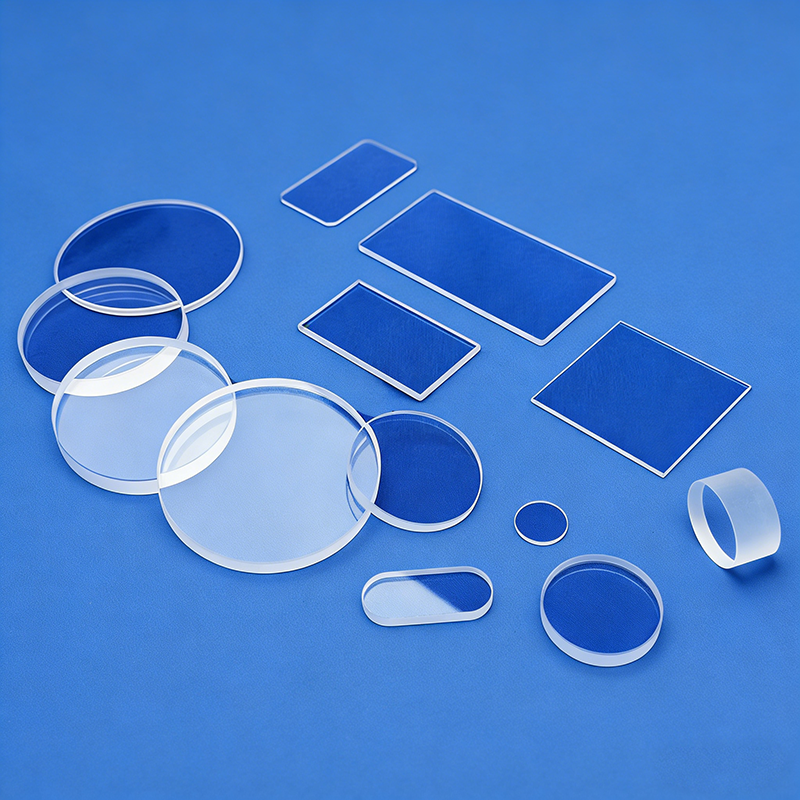
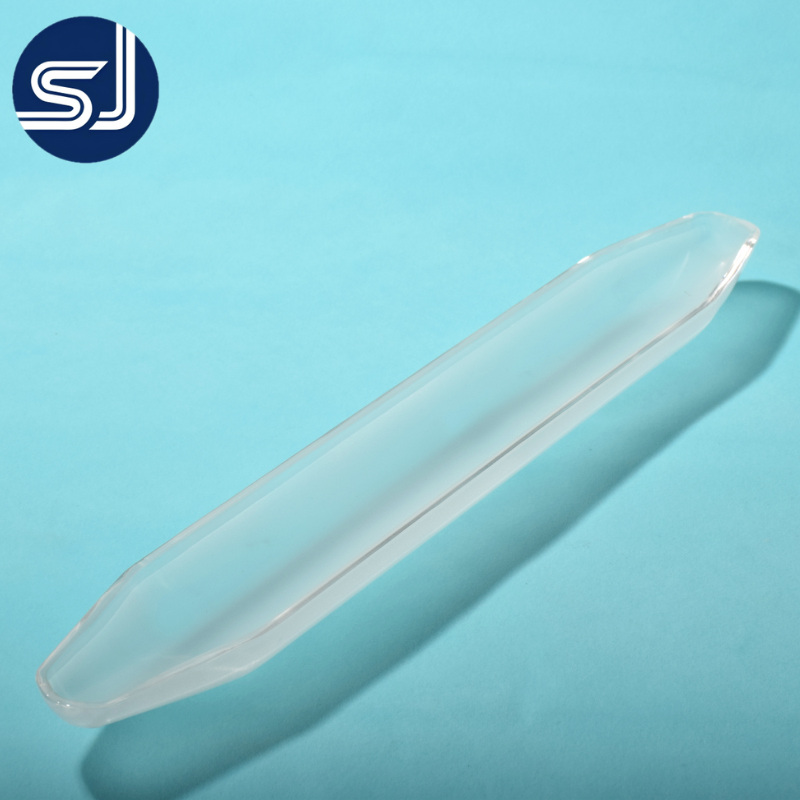
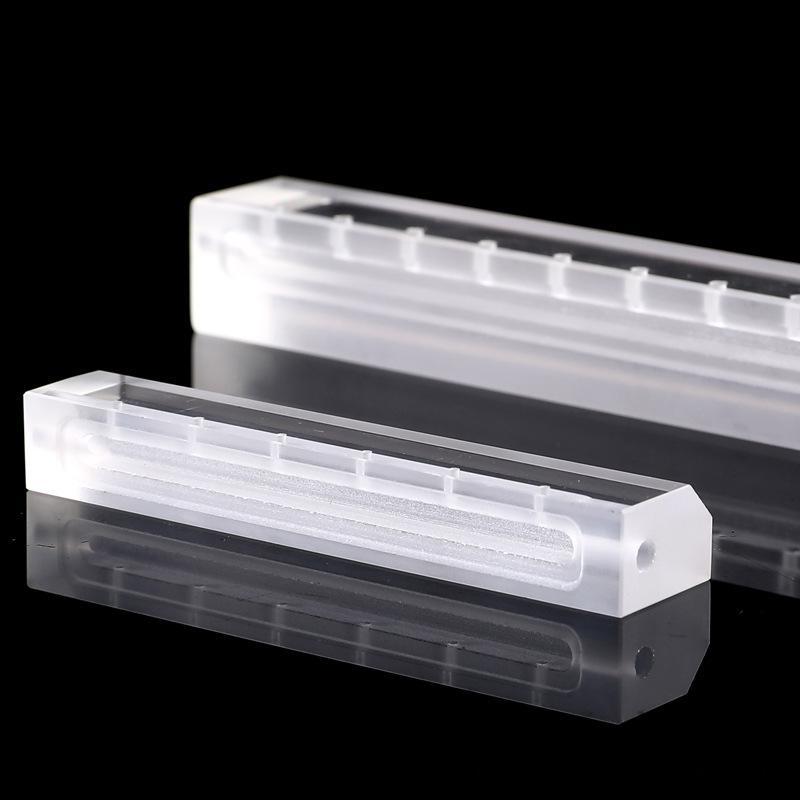
High-Purity Fused Quartz Vessels in Specialized Physical & Chemical Rigs
Fused quartz reaction vessels represent the absolute pinnacle of amorphous silica engineering. Unlike standard borosilicate labware (such as Pyrex or Duran 3.3) which contains up to 13% boron trioxide (B₂O₃) and 4% sodium oxide (Na₂O), high-purity natural fused quartz is composed of virtually 100% silicon dioxide (SiO₂ ≥ 99.99% to 99.999%). This monolithic atomic network gives fused quartz extraordinary physical, thermal, and optical properties, making it indispensable in high-demand research settings.
In research centers, astronomical facilities, and heritage restoration hubs such as those associated with the Vatican City state, standard glassware falls short. When reactions require temperatures exceeding 500°C, extreme thermal ramp speeds, broad-spectrum UV-Vis-NIR light penetration, or ultra-clean analytical baselines free from alkali leaching, fused quartz reaction vessels become the only chemically and mechanically viable medium.
Localized Applications Across Vatican Research & Heritage Institutions
Vatican City presents a distinct procurement ecosystem focused on world-class cultural heritage preservation, advanced spectroscopic astrophysics, and pontifical academic research.
Vatican Museums Restoration Laboratories
The conservation laboratories of the Vatican Museums (Laboratori di Restauro dei Musei Vaticani) require absolute chemical purity when stabilizing millennia-old frescoes, bronze artifacts, and illuminated parchment codices. Custom quartz reaction chambers are utilized for micro-solvolysis, controlled vapor-phase de-acidification, and pigment micro-extraction where zero elemental leaching can be tolerated during analytical forensic assessments.
Specola Vaticana (Vatican Observatory)
Headquartered at Castel Gandolfo and operating research partnerships globally, the Vatican Observatory requires custom fused silica vacuum cryostats, photometer reaction cells, and protective sensor windows. Quartz provides deep infrared and ultraviolet optical clarity down to 200 nm, maintaining extreme structural rigidity under vacuum cycling down to 10⁻⁷ mbar during spectral sensor calibration.
Pontifical Academy of Sciences Laboratories
Scientific symposia and pontifical fellowship research focus extensively on sustainable chemical transformation, green catalytic synthesis, and climate analytics. Custom OEM quartz photochemical reaction vessels equipped with internal water-cooled immersion wells allow continuous high-pressure, UV-driven photocatalysis without vessel solarization or mechanical strain.
Comparative Specification: Fused Quartz vs. Borosilicate 3.3
A granular performance overview illustrating why research engineers replace traditional lab glassware with fused silica reactors in critical scientific protocols.
| Performance Parameter | Vulra Fused Quartz (Natural) | Synthetic Fused Silica (Suprasil) | Standard Borosilicate 3.3 |
|---|---|---|---|
| Chemical Composition | SiO₂ > 99.99% – 99.999% | SiO₂ > 99.9999% (Synthetic) | 81% SiO₂, 13% B₂O₃, 4% Na₂O/K₂O, 2% Al₂O₃ |
| Maximum Continuous Working Temp. | 1100 °C | 1150 °C | 450 °C – 500 °C |
| Softening Point | 1683 °C | 1730 °C | 820 °C |
| Thermal Expansion Coeff. (20-300°C) | 5.5 × 10⁻⁷ /°C | 5.2 × 10⁻⁷ /°C | 33 × 10⁻⁷ /°C (6x Higher) |
| Thermal Shock Resilience | ΔT = 1100 °C to ice water quench | ΔT = 1100 °C quench | ΔT = 150 °C – 180 °C max |
| Spectral Transmission Band | 240 nm – 2800 nm (UV to NIR) | 185 nm – 3500 nm (Deep DUV) | 350 nm – 2200 nm (Cuts off near UV) |
| Chemical Leaching Risks | Zero Boron, trace Fe < 0.2 ppm | Undetectable ionic background | Leaches Boron, Sodium, Potassium into alkaline matrices |
| Dielectric Strength (at 20°C) | 25 – 40 kV/mm | 40 kV/mm | 10 – 15 kV/mm |
Emerging Technology Trends in the Rome–Vatican Research Corridor
The integration of heritage conservation with high-energy analytical physics is reshaping regional laboratory procurement standards.
In-Situ Raman & FTIR Heritage Spectroscopy
Researchers in Vatican archive conservation increasingly demand quartz reaction vessels equipped with optical-grade windows (λ/4 flatness, 20/10 scratch-dig). These allow laser Raman and Fourier-Transform Infrared spectroscopy directly through the vessel walls while tracking chemical reactions under controlled microclimates without opening the reactor chamber.
Green Micro-Solvothermal Synthesis
Aligning with environmental care encyclicals and rigorous European chemical guidelines (REACH / RoHS), Vatican research labs are transitioning from bulk reagents to micro-reaction chemistry. Thick-walled quartz digestion vessels withstand internal pressures up to 10 MPa (100 bar) under microwave heating, facilitating green hydrothermal mineral dissolution with minimal solvent consumption.
One-Piece Customized Prototype Agility
Vatican scientists rarely purchase mass-produced off-the-shelf catalog vessels. Most research apparatuses are custom engineered to fit one-of-a-kind optical benches, historical artifact geometry, or vacuum manifolds. Direct OEM/ODM drawing-to-flame custom production from a 1-piece MOQ is now the standard requirement for institutional tenders.
Why Vatican Institutions Rely on Vulra Quartz Engineering
Situated in Donghai County—the globally recognized capital of crystal quartz—Lianyungang Vulra Quartz Products Co., Ltd. provides certified fabrication excellence.
Donghai Raw Mineral Purity
Our raw quartz feedstocks originate directly from high-purity natural silica reserves in Donghai. Total metallic impurities (Fe, Al, Ti, Ca, Mg) are held strictly under 10 ppm, guaranteeing uncompromised optical clarity and non-leaching performance.
TÜV Rheinland Verified
Vulra Quartz is an independently verified Custom Manufacturer authenticated on-site by TÜV Rheinland. Our quality management systems, glassblowing workshops, precision cold CNC centers, and export capabilities are independently certified.
Hot & Cold Processing
Our fully integrated plant covers oxy-hydrogen lathe fire-welding, ground-joint fitting (standard taper ST 14/20, 24/40, or spherical joints), ultrasonic drilling, optical polishing to 60/40 surface quality, and thermal annealing at 1215°C.
Diplomatic-Safe Export Crating
Shipping into Vatican City (00120) demands robust shock-absorption packaging. We utilize customized CNC cut-foam matrixes, hermetic vapor barrier sealing, and double-walled ISPM-15 certified wooden cases to ensure 100% breakage-free delivery.
Frequently Asked Questions: Sourcing Quartz Reaction Vessels in Vatican City
Practical technical and logistical clarifications for university labs, conservators, and institutional procurement officers.
How are custom quartz vessels shipped into Vatican City (Postal Code 00120)?
Shipments destined for Vatican City are routed through international freight channels into Rome (Fiumicino FCO or Ciampino CIA hubs) and cleared via established Italian-Vatican transit protocols. All consignments are packed in impact-resistant, ISPM-15 certified wooden crates with internal expanded foam molds, compliant with cross-border customs regulations and tax-exempt institutional protocols.
What is the typical minimum order quantity (MOQ) for bespoke laboratory setups?
For custom ODM/OEM quartz reaction vessels, our standard MOQ is strictly 1 piece. We understand that heritage science research, specialized conservation projects, and astronomical testing frequently require one-off prototypes. Our engineers review your CAD drawings (STEP, DWG, DXF, or PDF) and fabricate single custom units without imposing high volume surcharges.
Why is fused quartz preferred over Pyrex for historical pigment and forensic analysis?
Standard borosilicate glass (Pyrex) contains approximately 13% boron oxide and trace metal alkalis that can leach into aggressive solvent mixtures during digestion, contaminating sensitive ICP-MS (Inductively Coupled Plasma Mass Spectrometry) or micro-spectroscopic results. Fused quartz features 99.999% SiO₂ with total metallic impurities below 10 ppm, guaranteeing zero baseline contamination.
Can you manufacture reaction vessels with integrated quartz ground joints and flanges?
Yes. We precision-grind standard taper joints (ST 10/19, 14/23, 19/26, 24/29, 29/32, 45/50), spherical ball-and-socket joints, screw-thread GL caps with PTFE seals, and ISO-KF / CF high-vacuum optical flange connections. All ground interfaces undergo optical verification to ensure vacuum-tight seals down to 10⁻⁶ mbar.
What thermal precautions are required when operating quartz reaction vessels at 1000°C+?
While fused quartz maintains structural integrity continuously up to 1100°C, it must be kept free of surface alkaline contamination (fingerprint oils, alkali salts) prior to firing. At temperatures exceeding 1000°C, surface contaminants act as nucleating agents that trigger devitrification (crystallization into cristobalite). We recommend acid cleaning with dilute HF or nitric acid followed by a deionized water rinse before high-heat cycles.
Do your quartz vessels comply with European CE and RoHS laboratory standards?
Yes. All fused silica laboratory hardware produced by Vulra Quartz conforms with EU RoHS Directive 2011/65/EU and REACH (EC 1907/2006) regulations, containing zero restricted substances or heavy metal plasticizers. Comprehensive material certificates of analysis (COA) specifying elemental purity breakdown are provided with every institutional order.