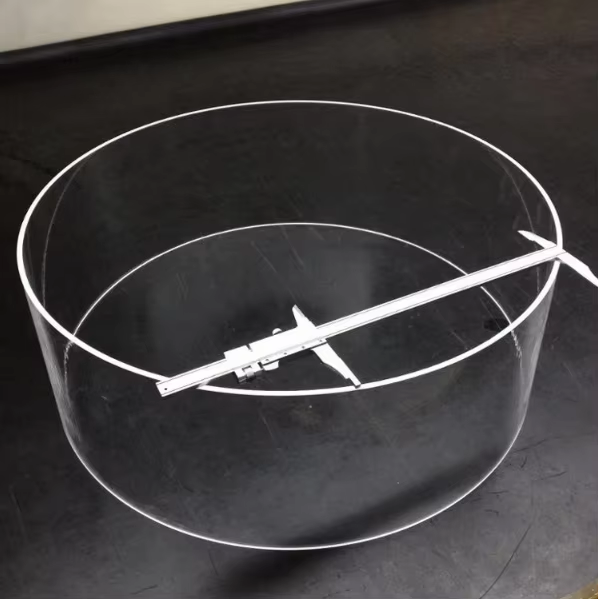
Factory Supply Optical Quartz Sapphire Tubes High Temperature Resistant
Precision UV test pipes and tube reactors engineered for high-temperature powder sintering, customized flanging, arc-welding, and precise optical pathway monitoring.
Get a QuoteVerified manufacturing specifications engineered to withstand temperatures up to 1450°C and severe corrosive environments across Moravian industrial and laboratory plants.
Precision UV test pipes and tube reactors engineered for high-temperature powder sintering, customized flanging, arc-welding, and precise optical pathway monitoring.
Get a Quote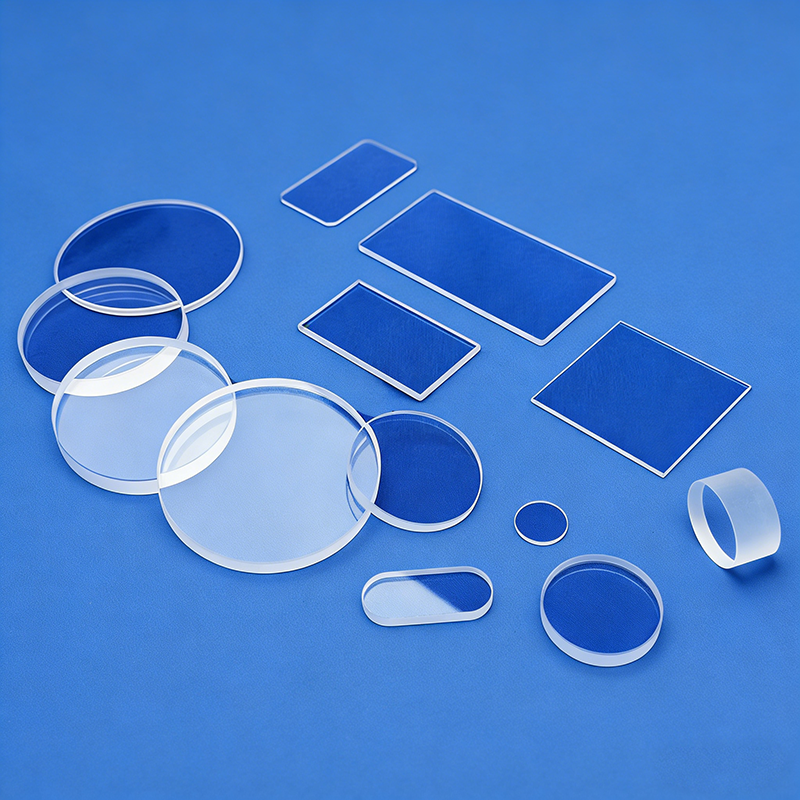
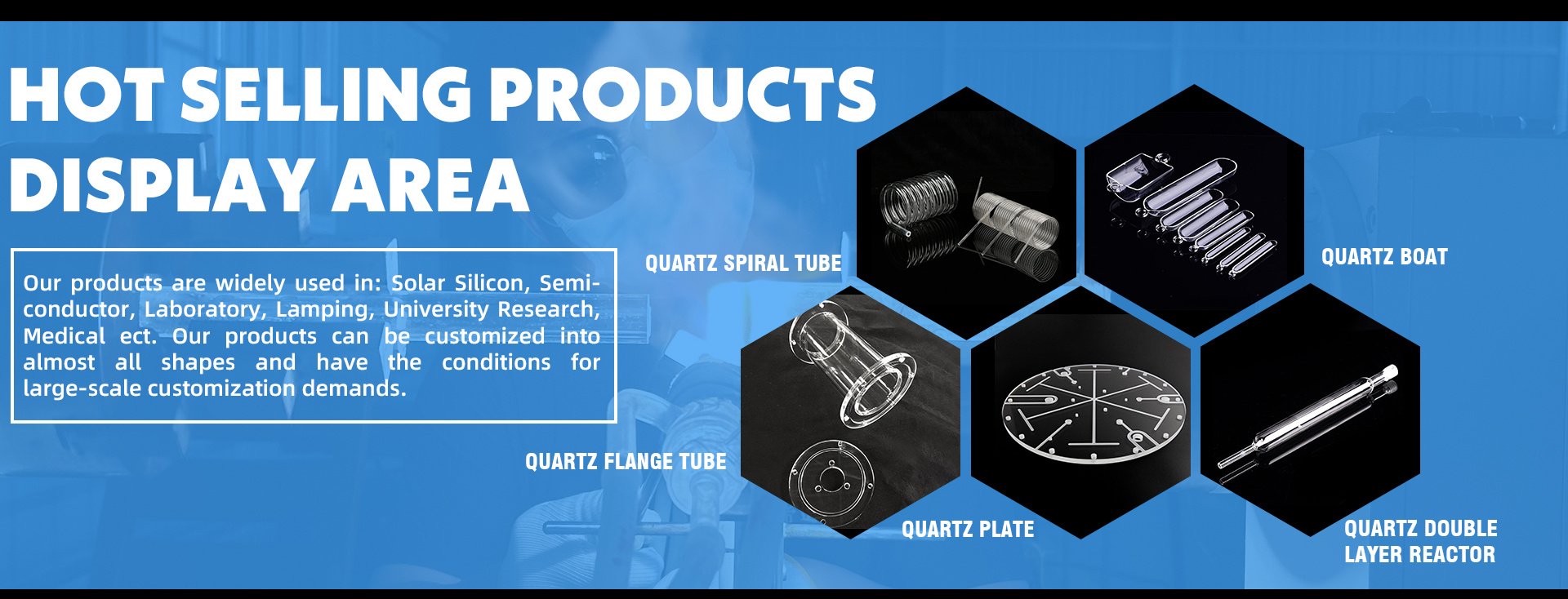
Heavy-duty natural fused quartz tailored for industrial lab reactors, specialized arc-welding assemblies, chemical digestion chambers, and flat-machined flange joints.
Get a Quote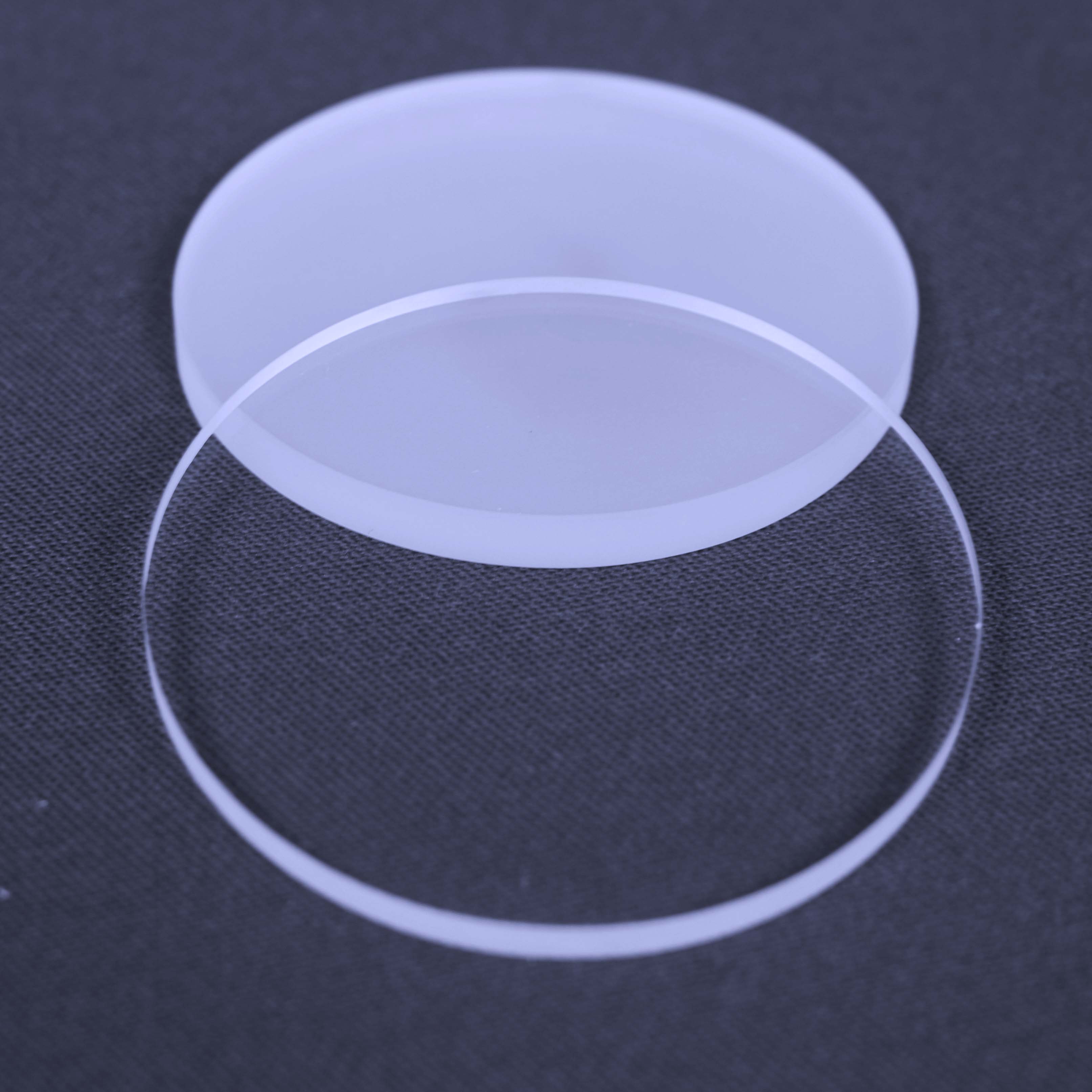
Zero-background high-transmission quartz sample substrates designed for powder XRD analysis, crystallography, and high-temperature optical reactor monitoring windows.
Get a Quote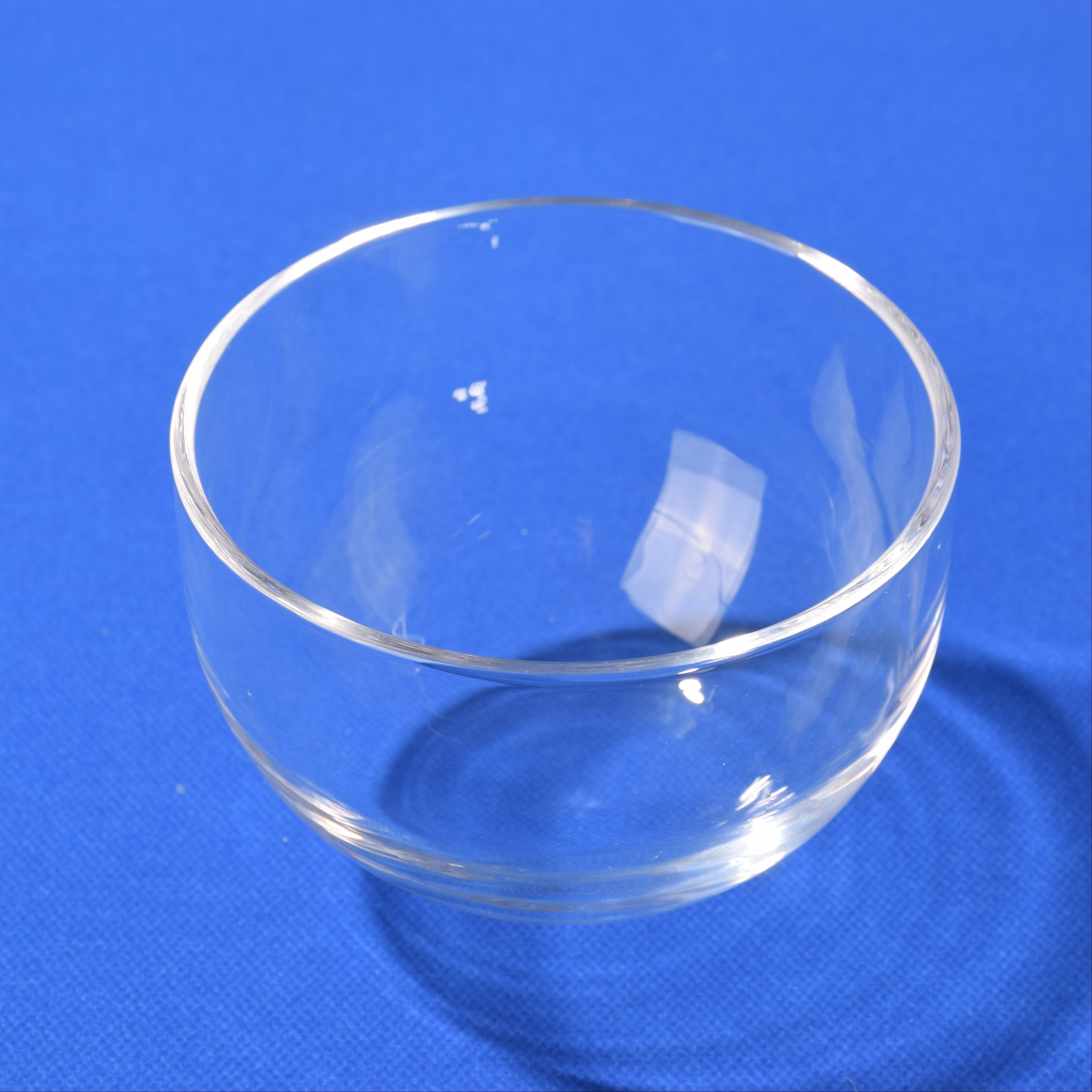
Refractory quartz crucibles boasting a tensile strength of 48 N/mm² and a softening point of 1683°C, developed for metallurgy melts, polysilicon casting, and crystal growth.
Get a Quote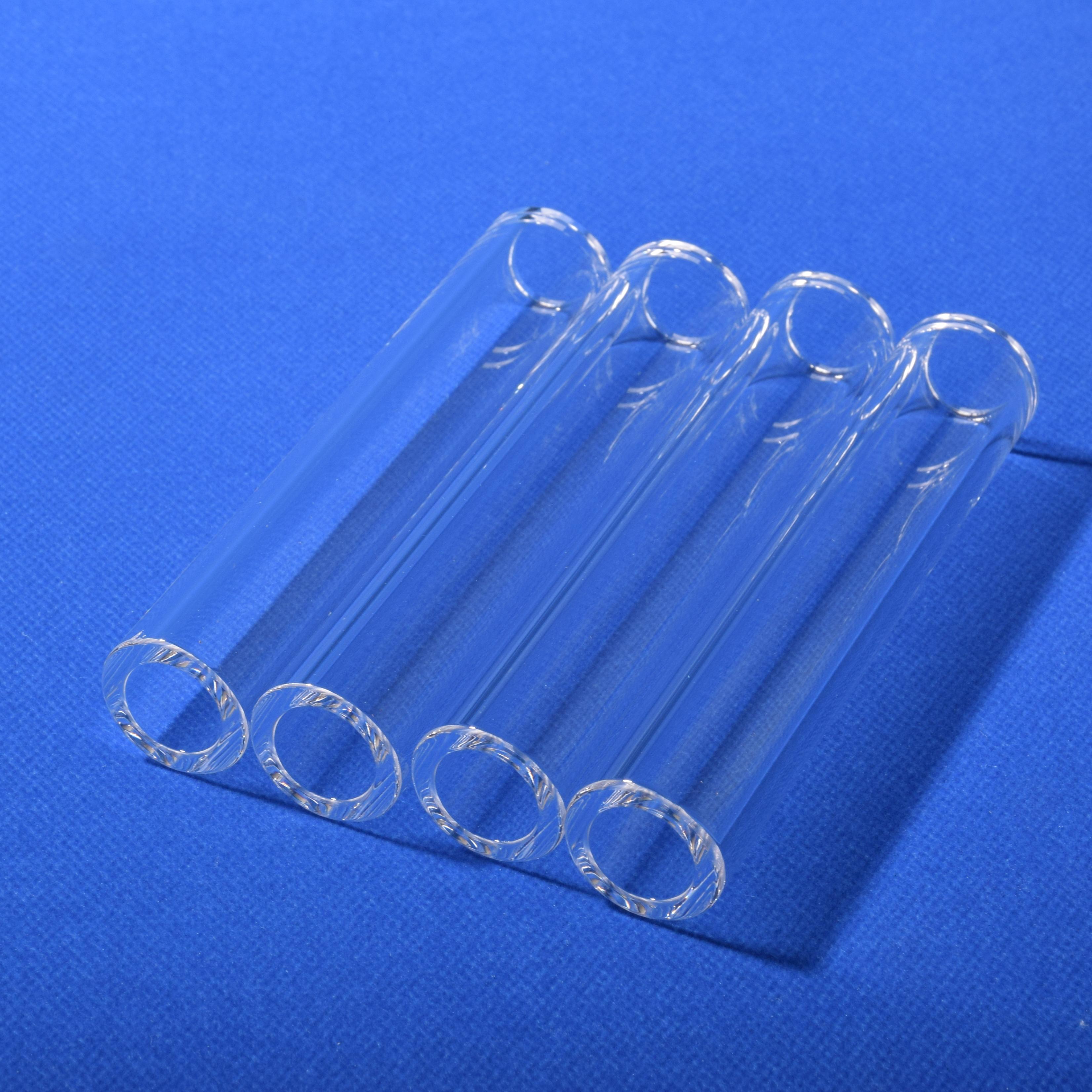
Oversized heavy-wall quartz tubing engineered to prevent structural sagging and devitrification under prolonged high-temperature vacuum pyrolysis and pilot-scale thermal reactions.
Get a Quote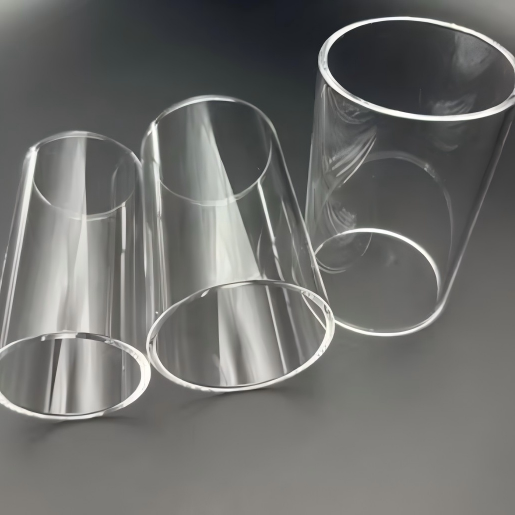
Seamless single-end closed reaction shells (diameter range 5–800mm) delivering reliable protection for thermocouple sleeves, photochemical reactors, and tubular furnace inserts.
Get a Quote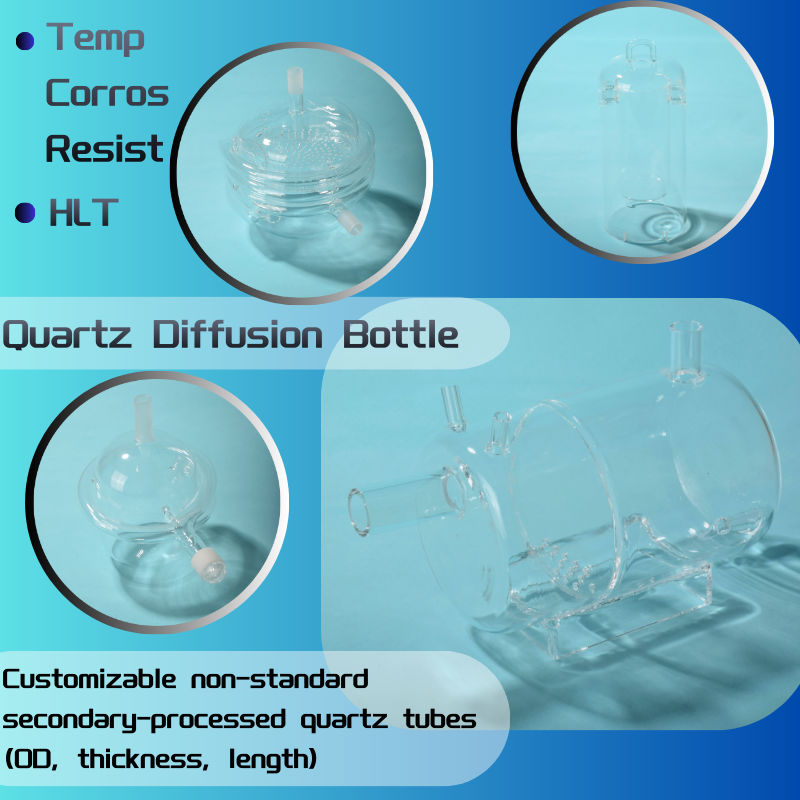
Precision semiconductor-grade distillation bodies, multi-neck condensation glassware, reflux coils, and waste containment units optimized for high-purity chemical reagent refining.
Get a Quote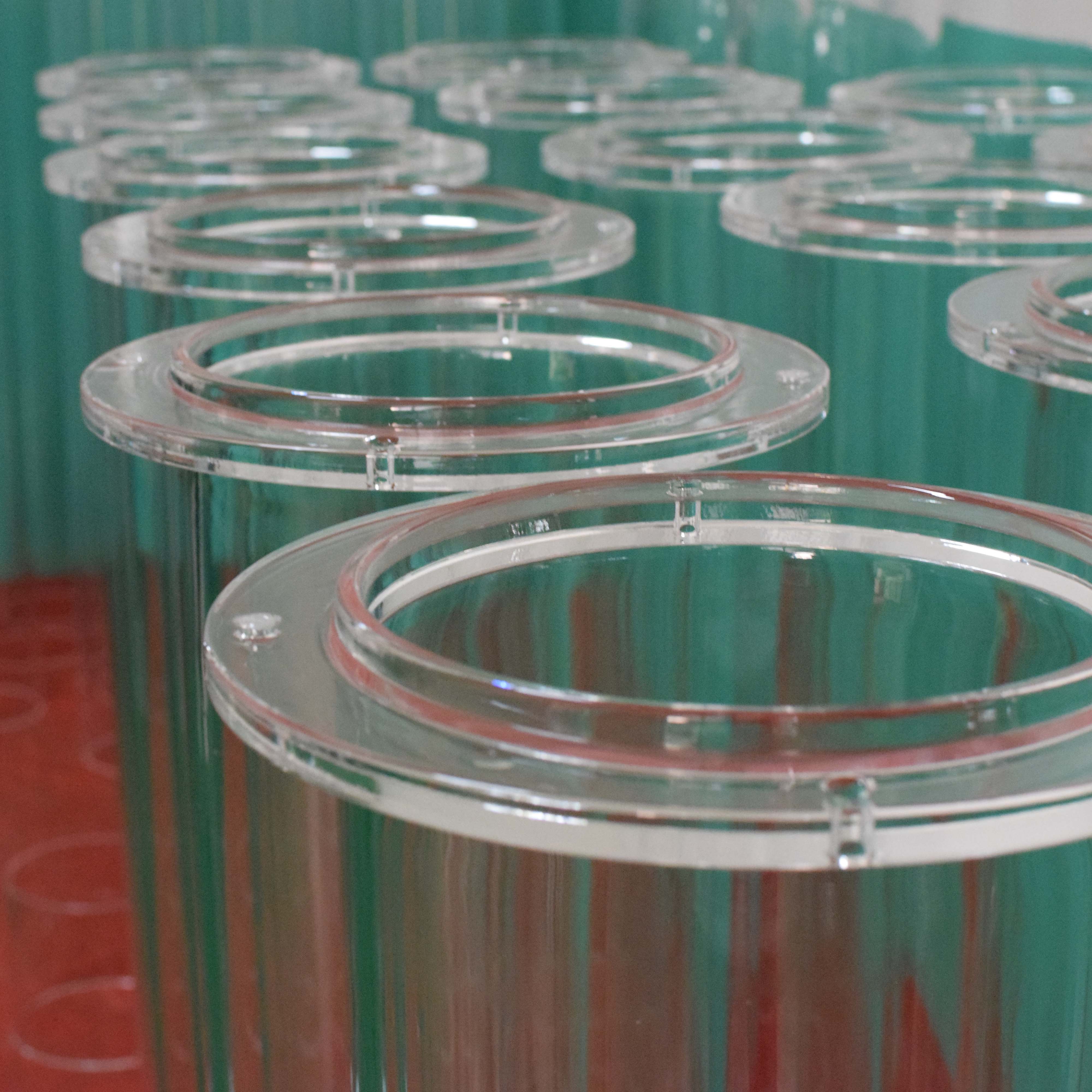
Ultra-pure 99.999% SiO₂ reaction columns integrated with ground-joint flanges, precision re-feeder chutes, and precision hot-bends for zero-impurity chemical vapor deposition (CVD).
Get a QuoteServing the heavy chemical, metallurgical, automotive, and emerging clean-energy research infrastructure with high-integrity quartz engineering.
Ostrava has historically served as the metallurgical backbone of Central Europe. With the modernization of iron and specialty steel manufacturing clusters around Vítkovice and Třinec, our thermal fused quartz reaction vessels, melting crucibles, and gas-purging tubes provide essential anti-slag properties and extreme resistance to thermal shock up to 1450°C during specialized metal deoxidation and pilot-scale induction furnace melting.
The industrial corridor spanning Ostrava, Karviná, and neighboring chemical processors demands robust apparatus for aggressive catalytic processes. Vulra quartz vessels are deployed across continuous-flow acid distillation, coal tar byproduct transformation, and gas chromatograph pyrolyzers where borosilicate glass fails due to elevated acid condensation temperatures or chemical corrosion by harsh halogens and sulfur vapors.
Driven by Moravian-Silesian automotive manufacturing hubs near Nošovice and regional development parks, material laboratories are actively scaling lithium-ion and solid-state battery synthesis. Our high-purity quartz calcination boats, closed-end heating chambers, and tubular reaction vessels guarantee zero heavy-metal leaching during cathode powder sintering (NMC/LFP) at sustained temperatures above 900°C.
Collaborative research teams across the VŠB – Technical University of Ostrava, CEET (Centre for Energy and Environmental Technologies), and regional material testing institutes rely on our zero-background XRD sample holders, optical observation cells, and microwave-assisted synthesis quartz reactors to push boundaries in carbon capture catalysts, photoelectrochemical hydrogen splitting, and solar-grade silicon optimization.
With aggressive European emissions legislation guiding regional transformation, pilot gasification and hydrogen-transition pilot facilities in the Moravian basin implement our quartz process tubes for real-time laser spectroscopic emission sampling. The near-zero coefficient of thermal expansion (5.5 × 10⁻⁷ /°C) guarantees flawless containment even when exposed to immediate temperature differentials exceeding 1000°C.
Strategic structural shifts influencing sourcing decisions for high-purity thermal glassware across Central and Eastern European enterprise operators.
Ostrava's transition from traditional blast-furnace infrastructure to electric arc furnaces (EAF) and direct reduced iron (DRI) processes requires an analytical leap. Quality testing requires high-vacuum reaction vessels and oxygen combustion analysis tubes capable of operating continuously at 1350°C without devitrifying, accelerating procurement demand for certified 99.999% silica products.
Industrial procurement departments throughout Czechia are moving away from rigid catalogue limitations. Engineering teams demand rapid-turnaround OEM/ODM partners capable of executing custom drawings starting from a Minimum Order Quantity of 1 piece. This agility drastically reduces R&D cycle times for specialized reactors featuring unique port orientations, custom KF flanges, or water-cooled quartz jackets.
European chemical and metallurgical plants increasingly bypass intermediary markups by establishing verified, direct OEM partnerships with primary quartzware manufacturers. By reviewing full raw-material traceability, third-party TÜV Rheinland assessments, and comprehensive CE/RoHS compliance, Czech buyers secure tier-one factory pricing alongside rigorous dimensional accountability.
Combining primary crystal basin resources with rigorous automated machining, comprehensive annealing, and third-party certified manufacturing standards.
| Raw Material Purity | SiO₂ 99.99% – 99.999% (High Purity Donghai Crystal Sand) |
|---|---|
| Continuous Working Temp | 1100°C (Short-term thermal peaks up to 1450°C) |
| Softening Point | 1683°C (Extreme mechanical stability under thermal load) |
| Thermal Expansion | 5.5 × 10⁻⁷ cm/cm·°C (20°C to 320°C) |
| Tensile Strength | ≈ 48 N/mm² (High resistance against thermal stress failure) |
| Fabrication Tolerances | ±0.05 mm grinding/polishing; wall-thickness runout < 0.1 mm |
| Machining Spectrum | Bending, oxy-hydrogen flame welding, diamond core drilling, precision cold cutting, optical surface lapping |
| Compliance Audits | TÜV Rheinland On-Site Assessed, CE Marked, RoHS Compliant |
Every engineering drawing undergoes rigorous Design for Manufacturability (DFM) verification. Our technical team evaluates wall ratios, joint radiuses, and stress concentration points before flame processing starts.
Welded quartz vessels undergo computer-controlled thermal de-stressing cycles in specialized annealing furnaces, eliminating residual lattice strain that causes spontaneous fracture in cycling operations.
Fragile glass components are vacuum-cleaned, wrapped in static-neutral closed-cell polyethylene foam, and boxed in reinforced multi-layer cartons and export-certified fumigated wooden crates.
Validate your reactor geometry and thermal performance without massive upfront capital. We fabricate single-piece pilot vessels and scaled replacement batches with consistent material certificates.
Comprehensive technical and commercial answers addressing customs clearance, temperature boundaries, dimensional precision, and material compatibility.
Submit your CAD drawing or technical specification today. Our senior glass engineers provide rapid DFM reviews, material compliance certificates, and factory-direct pricing within 24 hours.